
Home Office Tile Design Ideas: 15+ Work-From-Home Flooring Looks
A home office floor answers to three demands no other room has: looking right on camera, rolling smooth under a chair, and not turning calls into an echo chamber.
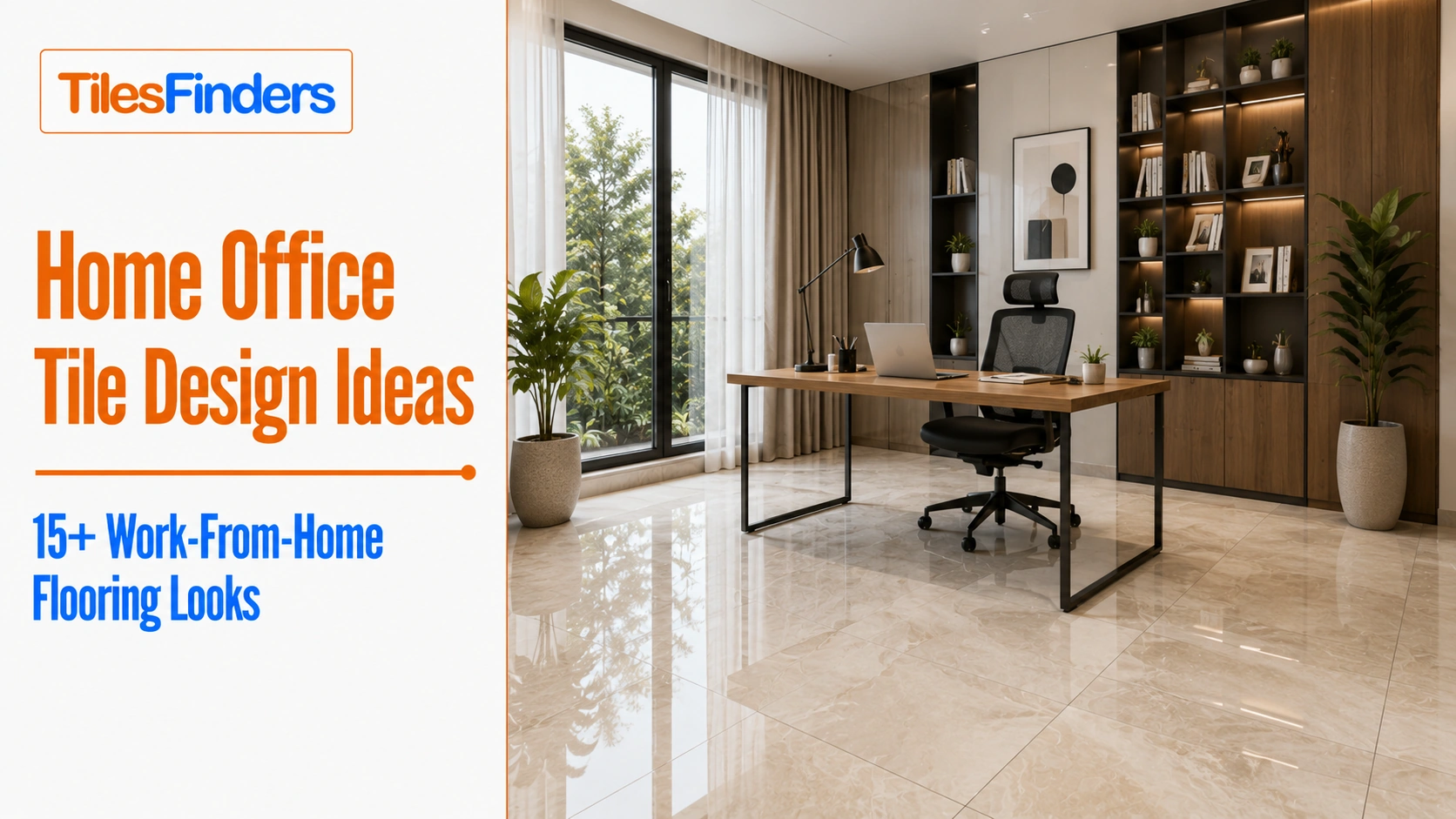
A home office tile choice answers to demands a regular room never faced before, video call backdrop quality, caster-smooth rolling, and acoustic balance for calls. This gallery of 17 looks covers camera-ready zones, chair-friendly matte finishes, nook conversions, and acoustic pairing strategies for Indian work-from-home setups.
A bedroom floor never had to worry about how it looks on a video call, whether a rolling desk chair will scuff it within a year, or whether it bounces sound around badly enough to make a client call sound like it is happening in a stairwell. A home office floor genuinely does, three practical demands no other room in an Indian home has to answer to at once, layered on top of the usual design brief.
This gallery works through 17 looks built around that reality, organised by the actual problem each one solves, camera presence, caster durability, acoustic behaviour, and the small-space conversions most Indian work-from-home setups actually involve.
A Home Office Floor Answers to Demands No Other Room Has
Matte and low-sheen finishes disguise minor scratches and the faint rolling patterns a desk chair's casters leave behind far better than a glossy tile does, a genuinely practical reason matte has become the default recommendation for any home office floor, not just a style preference. Hard, smooth flooring is what lets a chair roll properly in the first place, but that same hardness reflects sound rather than absorbing it, which is exactly why acoustic planning, rugs, soft furnishings, or a deliberate mix of hard and soft zones, matters more here than in almost any other room.
Layered on top of both is the video call reality nearly every home office now has to design around, what sits in frame behind a desk functions as a backdrop for a meaningful share of the working day, making at least part of the floor and adjoining wall a genuine design decision rather than an afterthought.
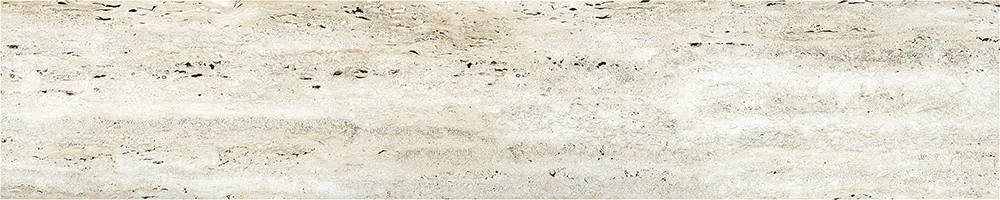
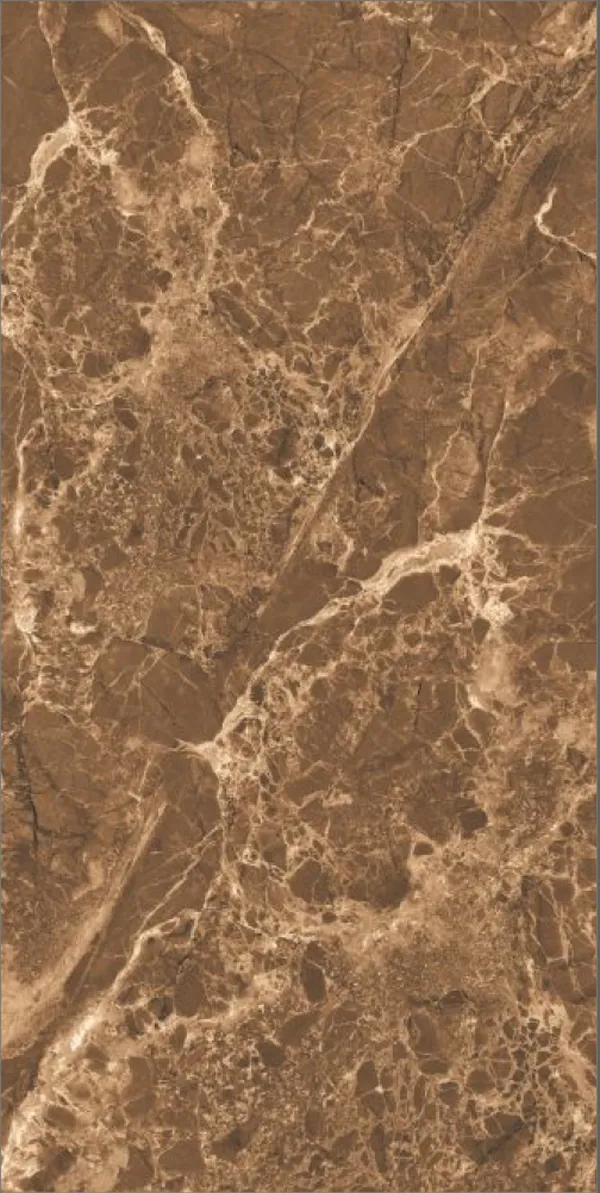
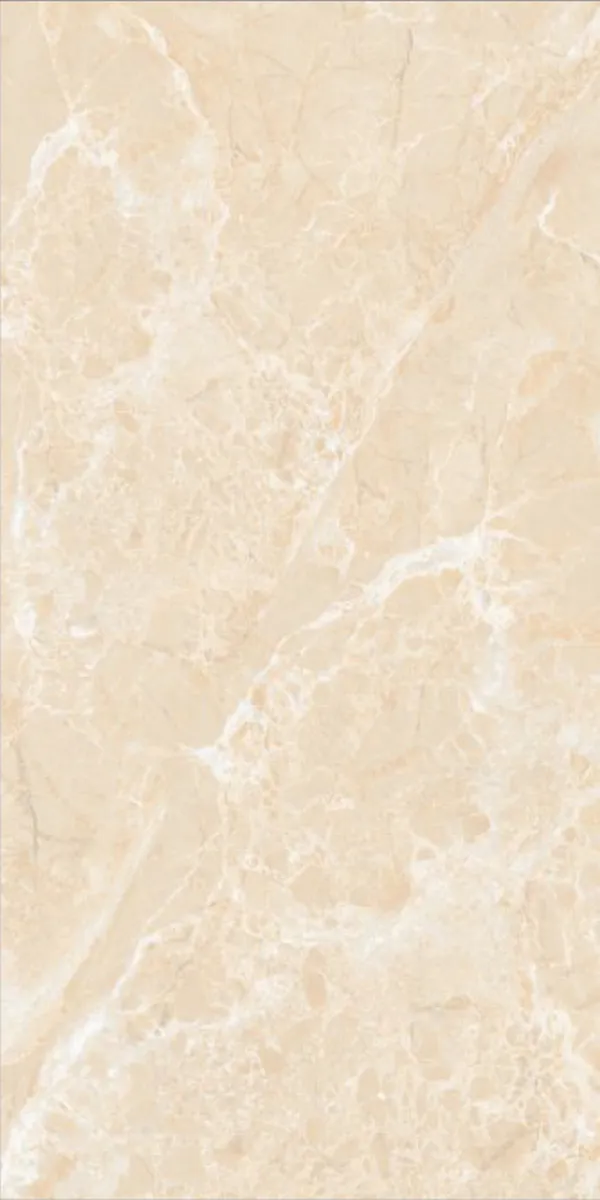
Popular tiles right now




Camera-Ready Backdrop Zones
1. Neutral matte floor with a textured accent wall behind the desk
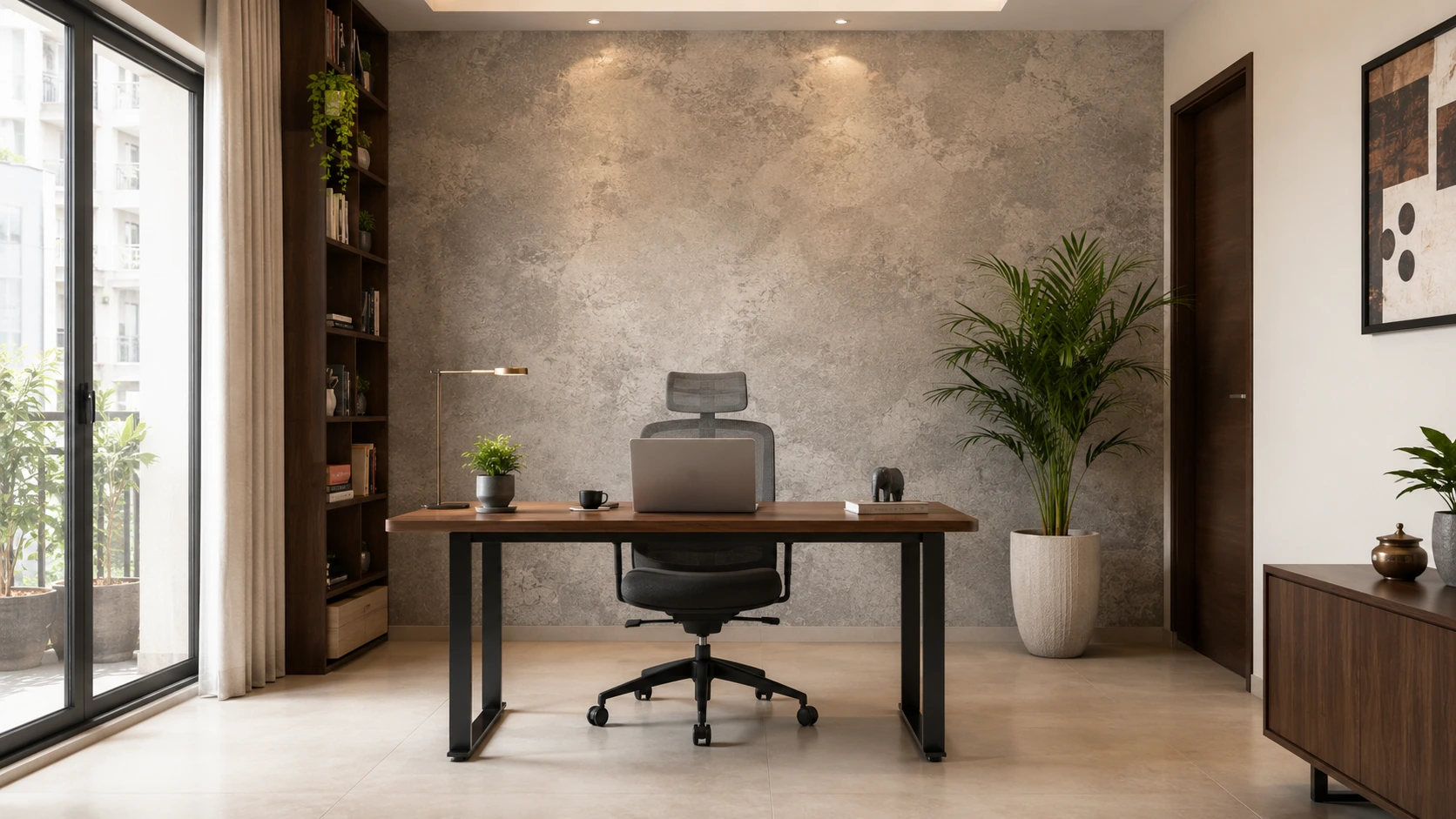
Keep the floor itself calm and neutral, then let a textured stone-look or cement-look accent wall do the visual work directly behind where the desk chair sits, since that wall fills more of a video call frame than the floor ever will.
Best for: Anyone taking client-facing or professional video calls regularly.
2. Warm wood-look floor for a softer on-camera tone
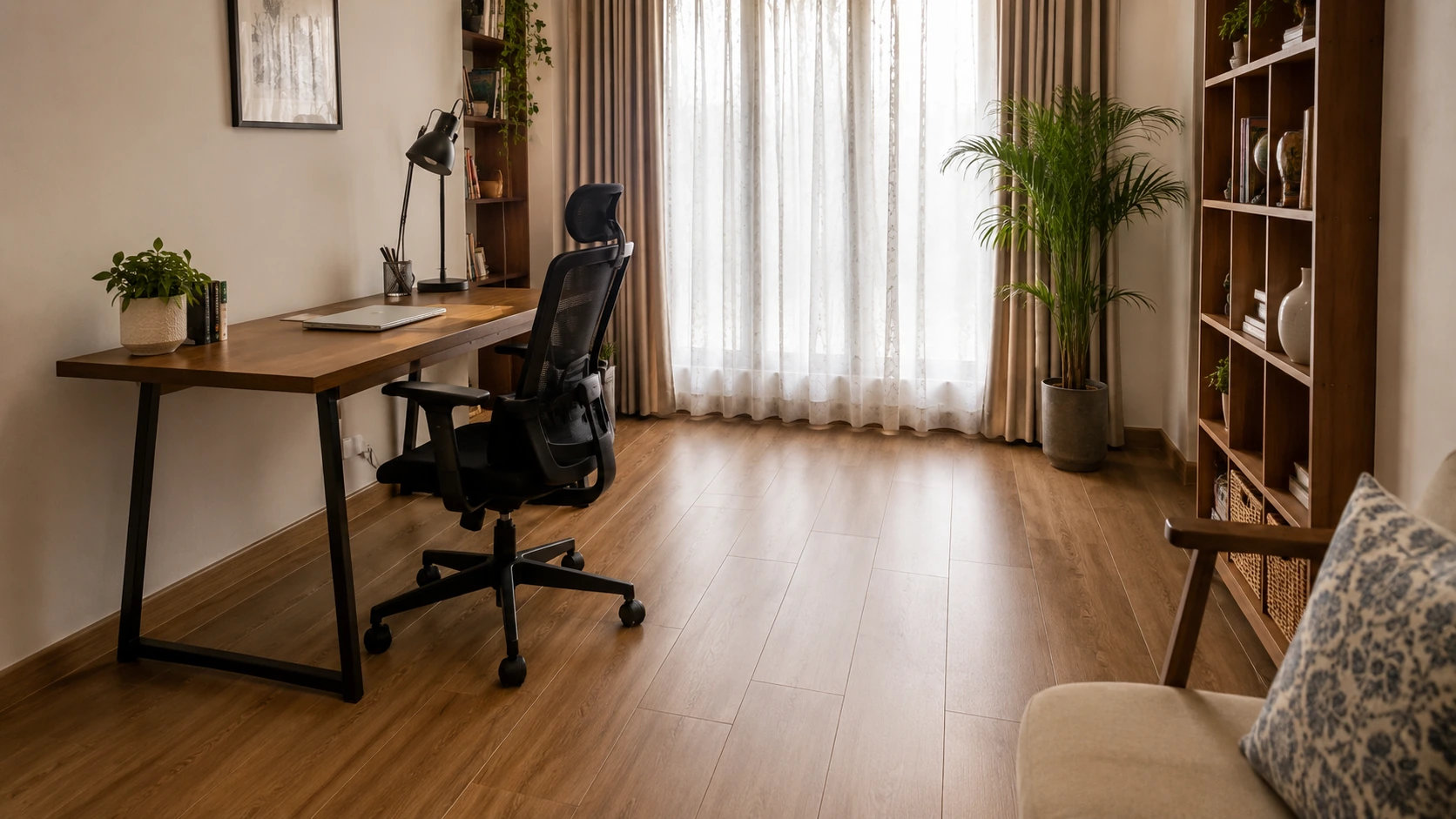
A warm, medium wood-look tile reads noticeably better on camera than a stark white or cool grey floor, since warmer tones are generally more flattering under typical home lighting and webcam colour correction.
Best for: Home offices doubling as a warm, personal-feeling video call space.
3. Bookshelf-adjacent flooring that stays visually quiet
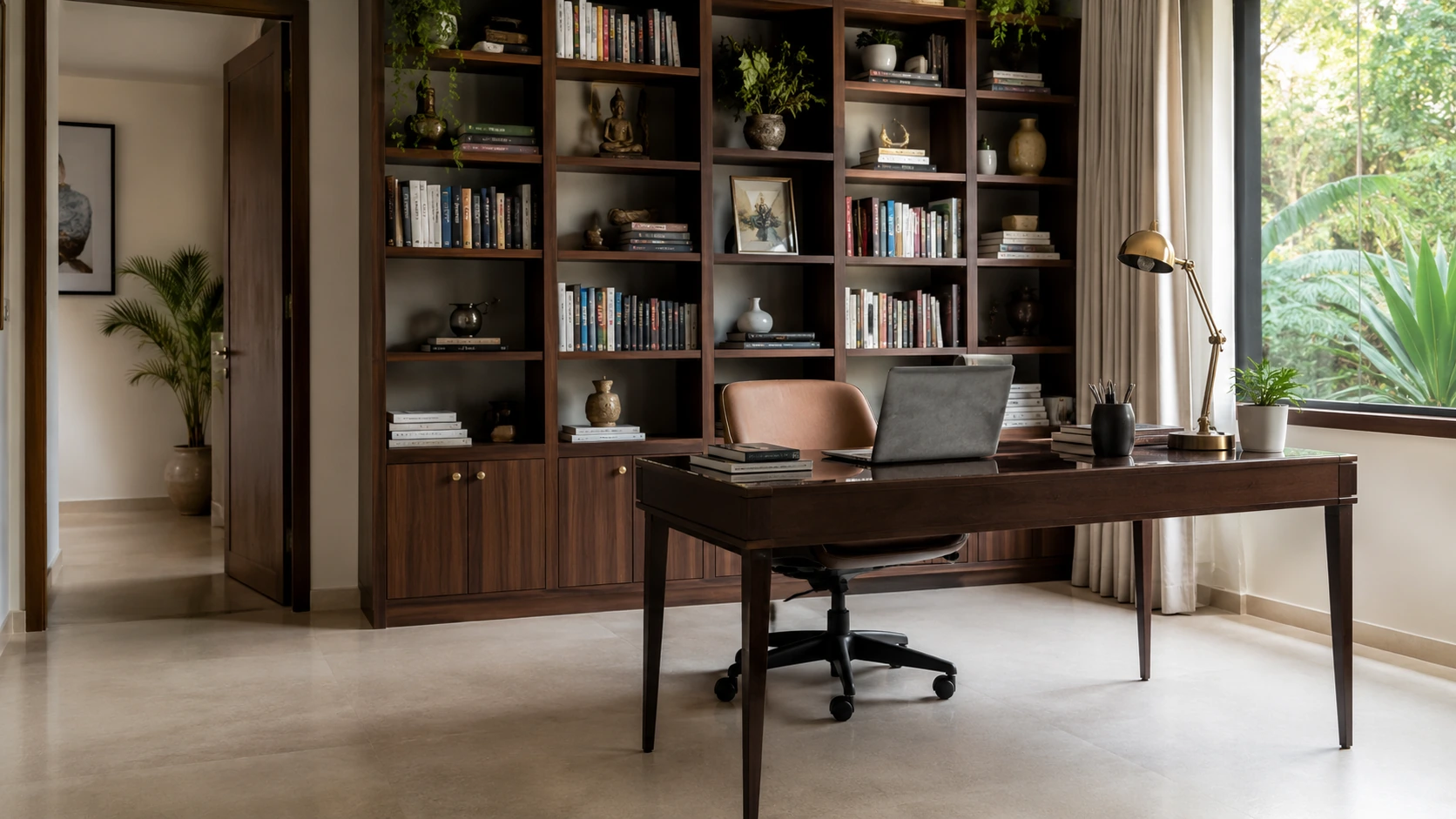
A plain, low-pattern tile positioned near a styled bookshelf or display area, letting the shelf carry the visual interest on camera while the floor stays deliberately understated underneath it.
Best for: Offices using a bookshelf or display wall as the primary video call backdrop.
Caster-Smooth Practical Floors
4. Large format matte porcelain for a seamless chair path
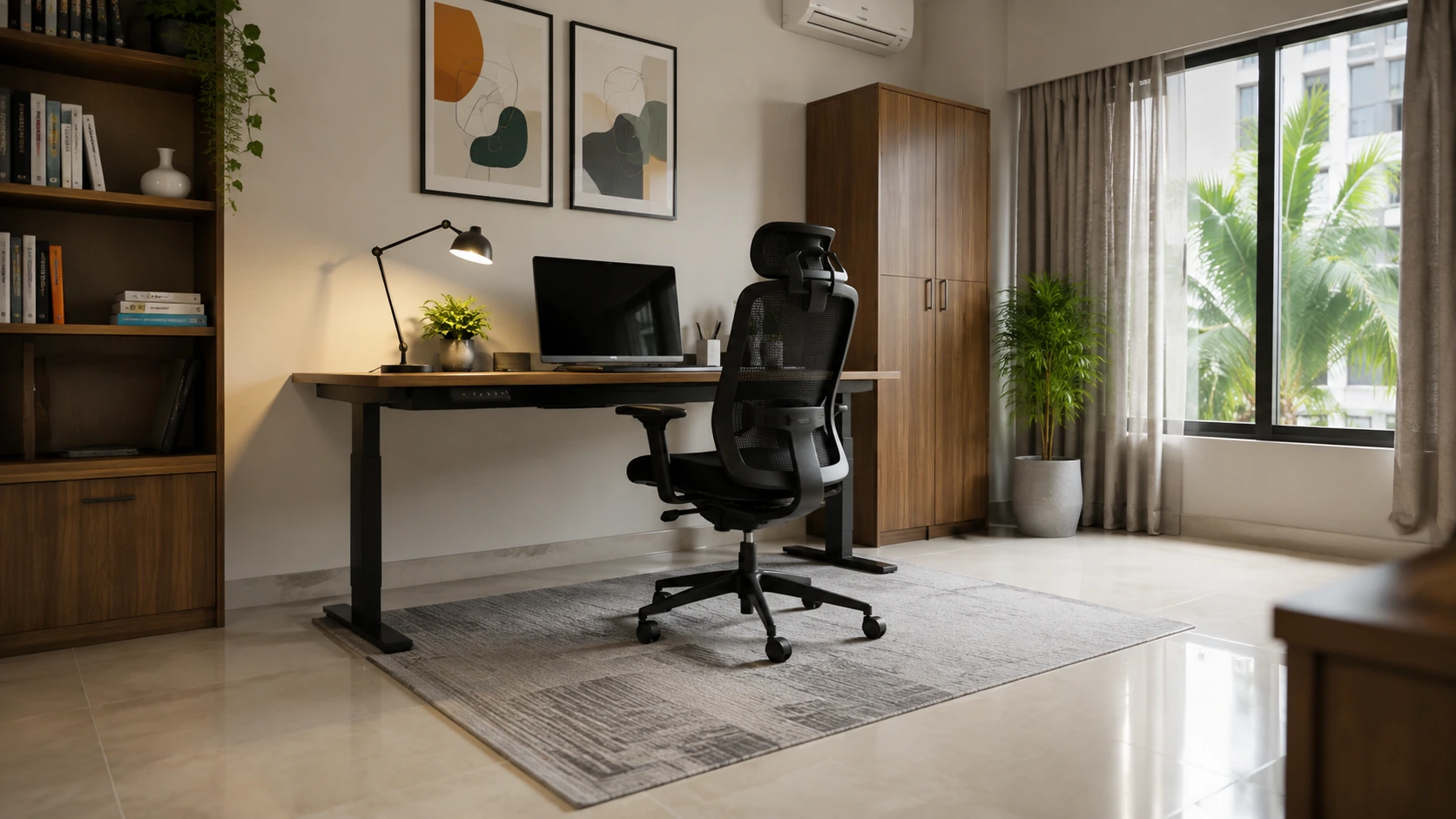
A large format matte porcelain tile with minimal grout lines gives a desk chair the smoothest, most consistent rolling surface available, since fewer grout joints mean fewer small bumps and vibration points under repeated caster movement.
Best for: Dedicated home offices with heavy daily desk chair use.
5. Mid-tone grey GVT that hides caster wear
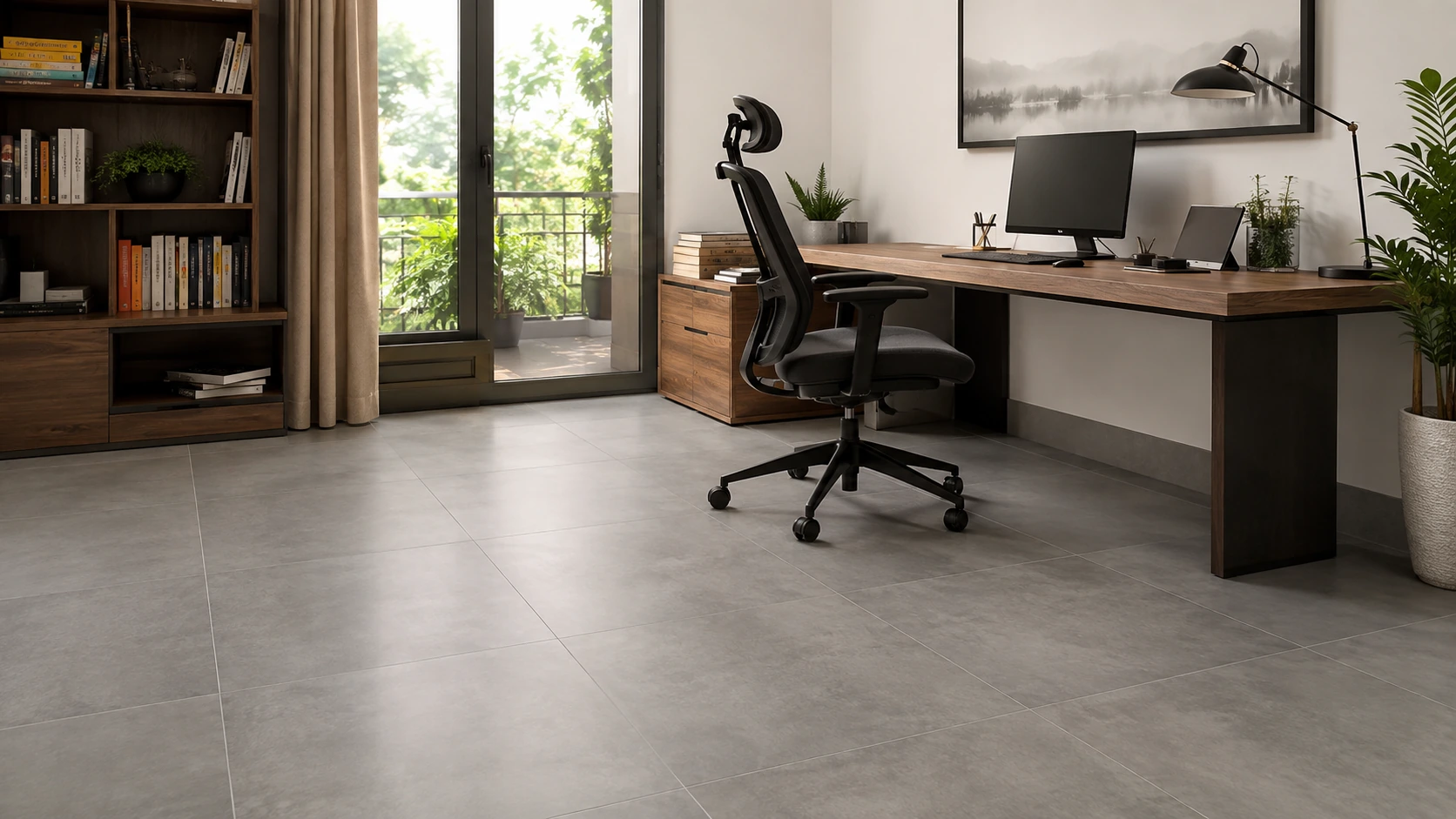
A mid-tone grey matte GVT tile visually camouflages the faint scuffing and micro-scratching that hard plastic chair casters leave over months of use far better than a very light or very dark floor would.
Best for: Long-term home offices expecting years of daily chair movement.
6. Stone-look textured tile for a grounded, durable base
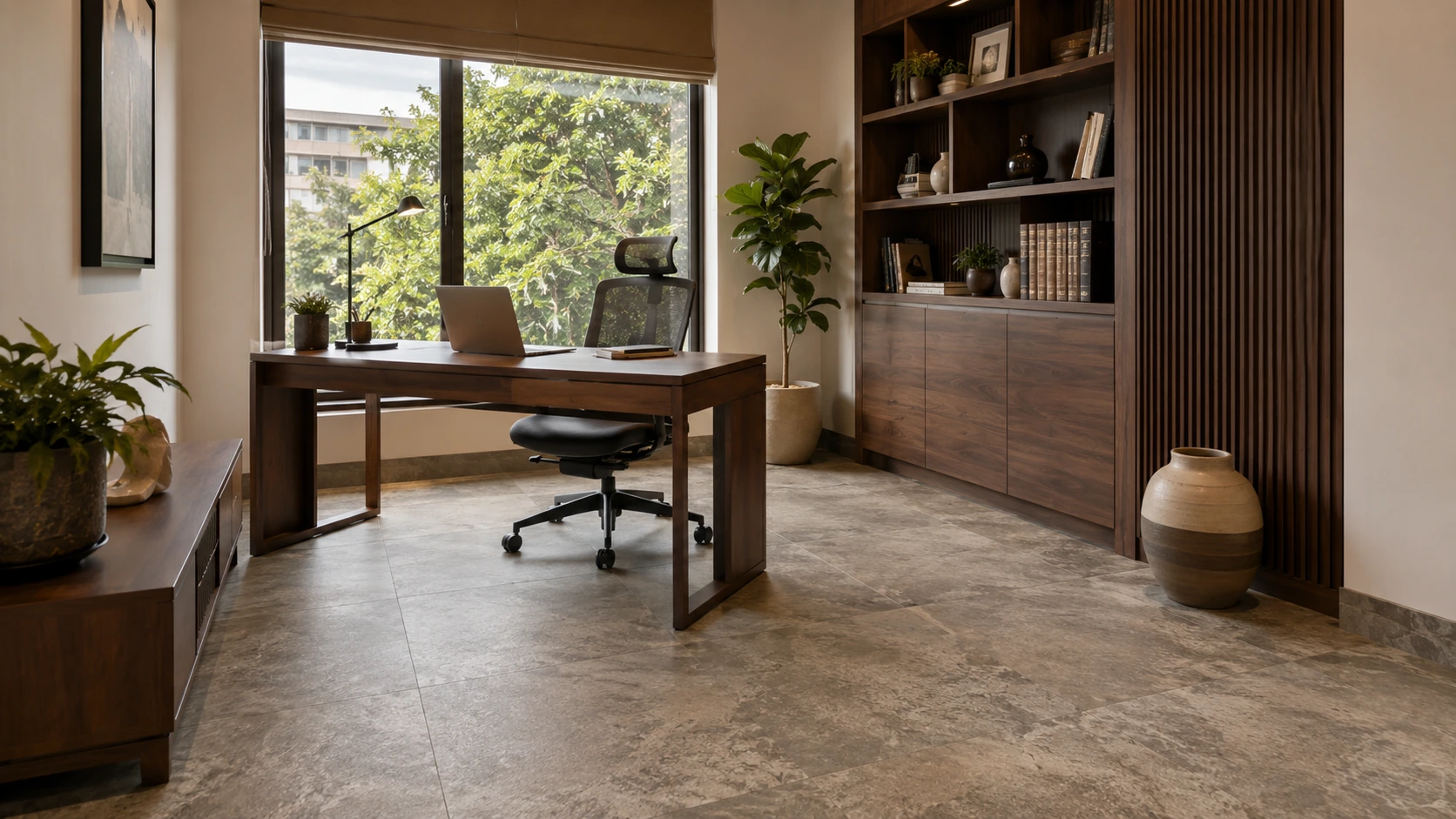
A stone-look tile with a subtle, low-profile texture holds up well against both caster wear and everyday scuffing, while still reading as a considered design choice rather than a purely utilitarian surface.
Best for: Home offices prioritising long-term durability alongside design.
Acoustic-Balanced Zones
7. Tile floor with a low-pile rug under the desk
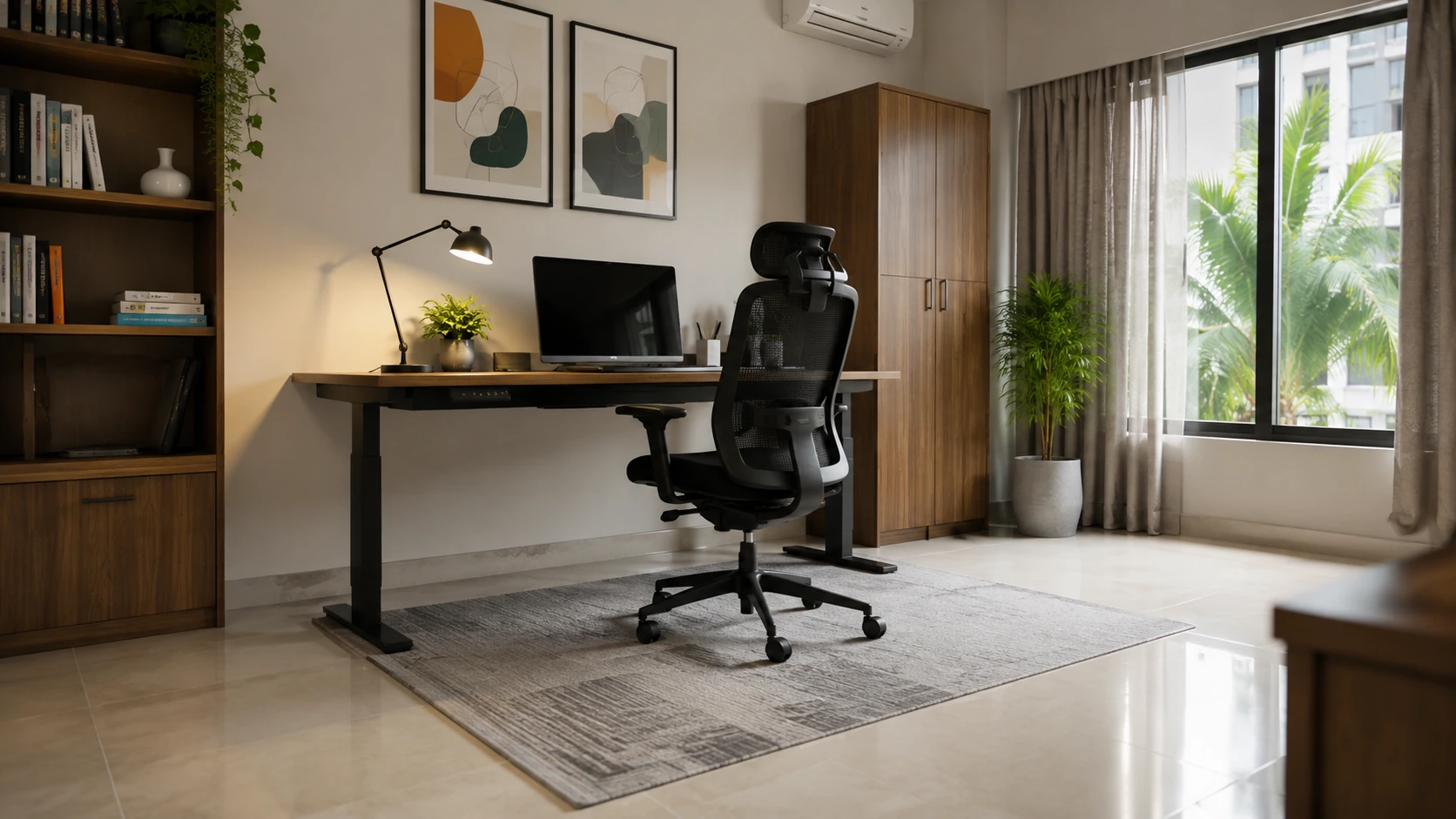
A hard tile floor paired with a specifically low-pile, caster-friendly rug positioned under the desk and chair, giving the room some sound absorption without sacrificing the smooth rolling surface a chair actually needs.
Best for: Offices in busier households where call audio quality matters.
8. Zoned hard and soft flooring
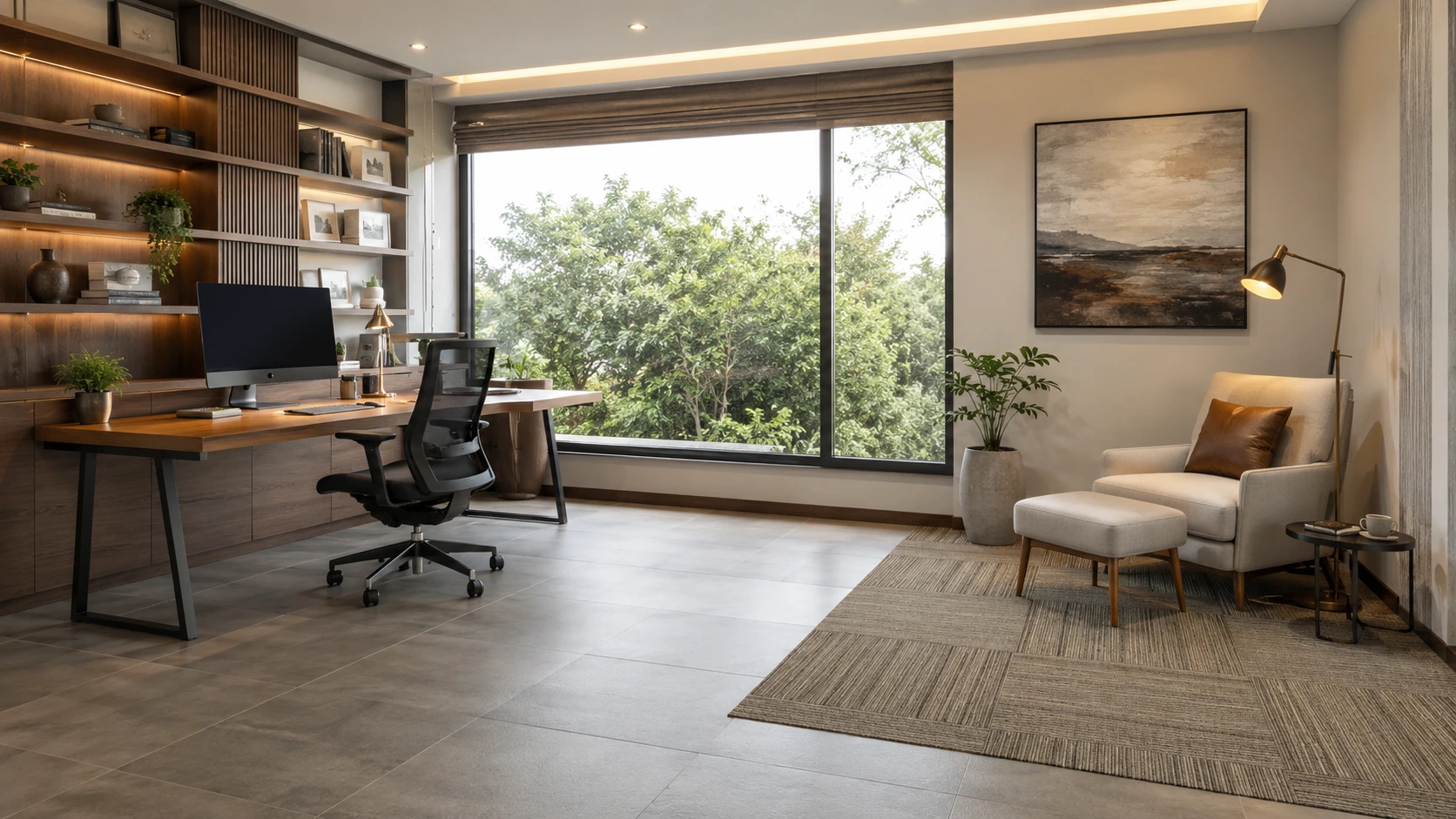
A deliberate split within the room, tile in the working desk zone for chair movement, a soft rug or carpet tile section in a reading or break corner, both softening the room's overall acoustics and visually defining two distinct uses.
Best for: Larger home offices with more than one functional zone.
9. Tile floor with fabric-covered acoustic panels on the wall
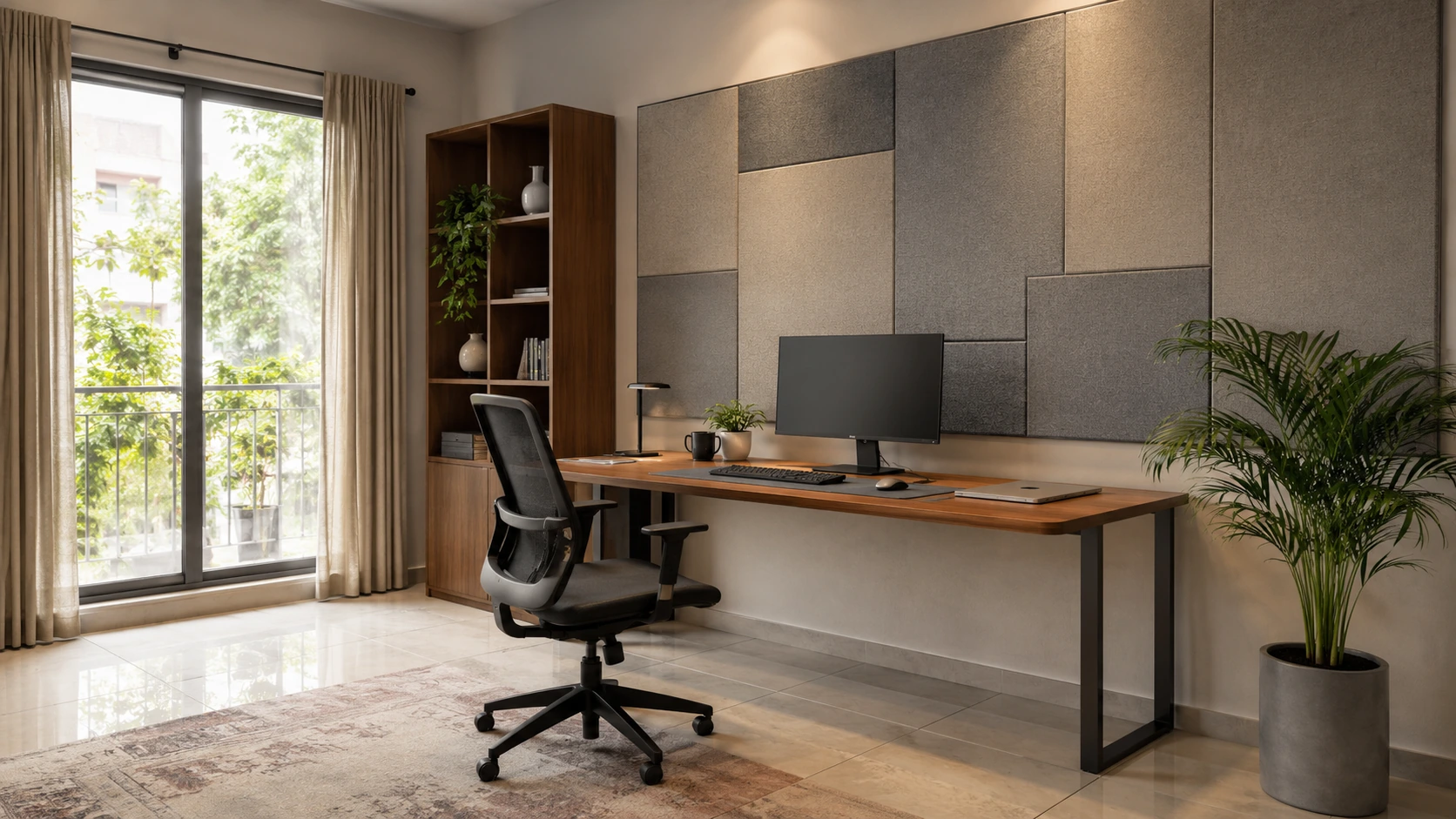
Since the floor itself cannot fully solve a hard room's echo problem, pairing a durable tile floor with fabric-wrapped acoustic panels on the wall behind or beside the desk addresses sound at the source rather than trying to compensate purely at floor level.
Best for: Frequent video call users in a room with hard walls and high ceilings.
Small-Space and Nook Conversions
10. Under-stairs office in a contrasting tile strip
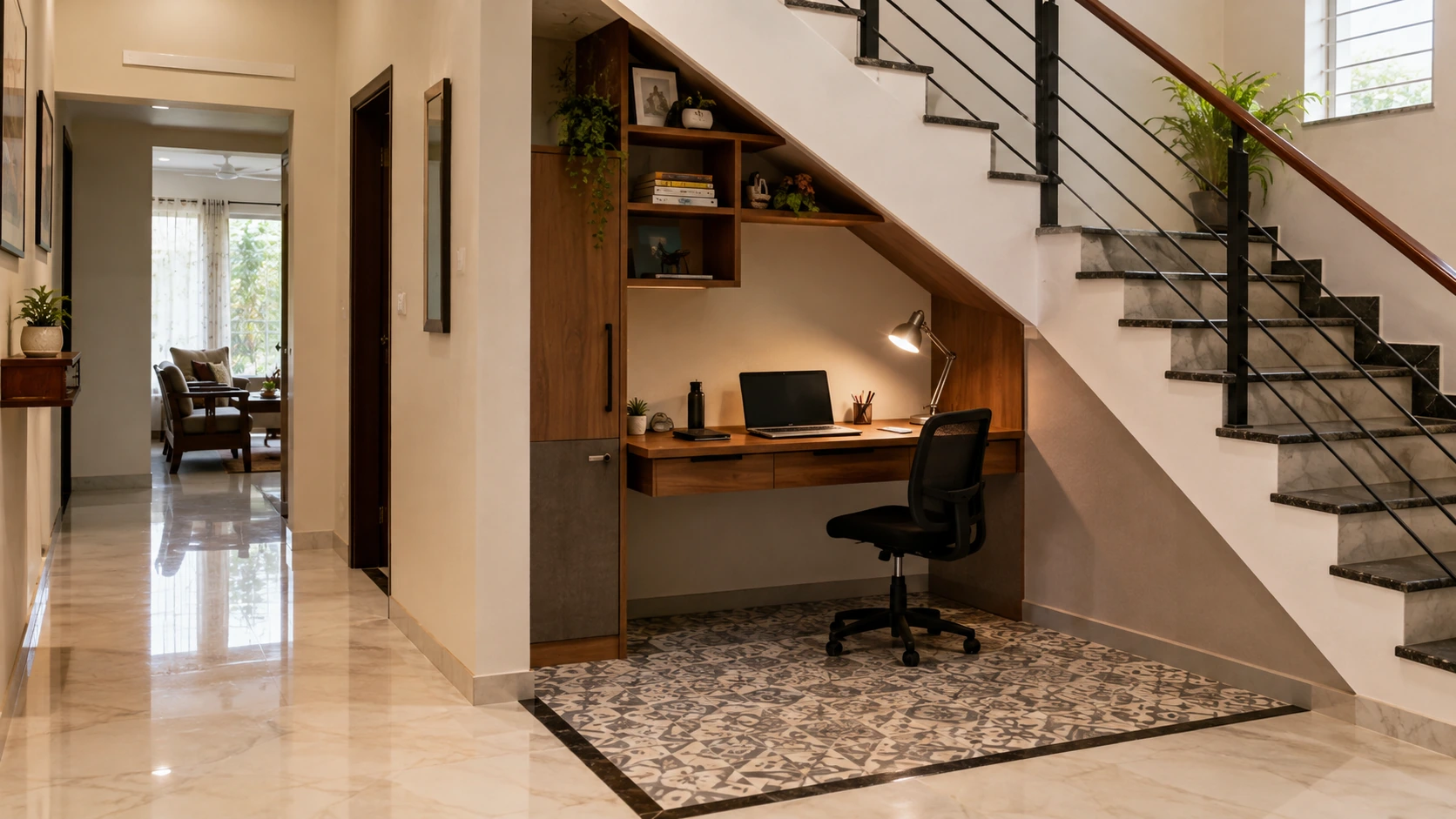
A small under-stairs nook converted into a compact desk area, marked out with a tile design distinct from the adjoining hallway floor, giving the space a defined identity despite its small footprint.
Best for: Compact homes without a spare room to dedicate to an office.
11. Balcony-converted office with insulated flooring
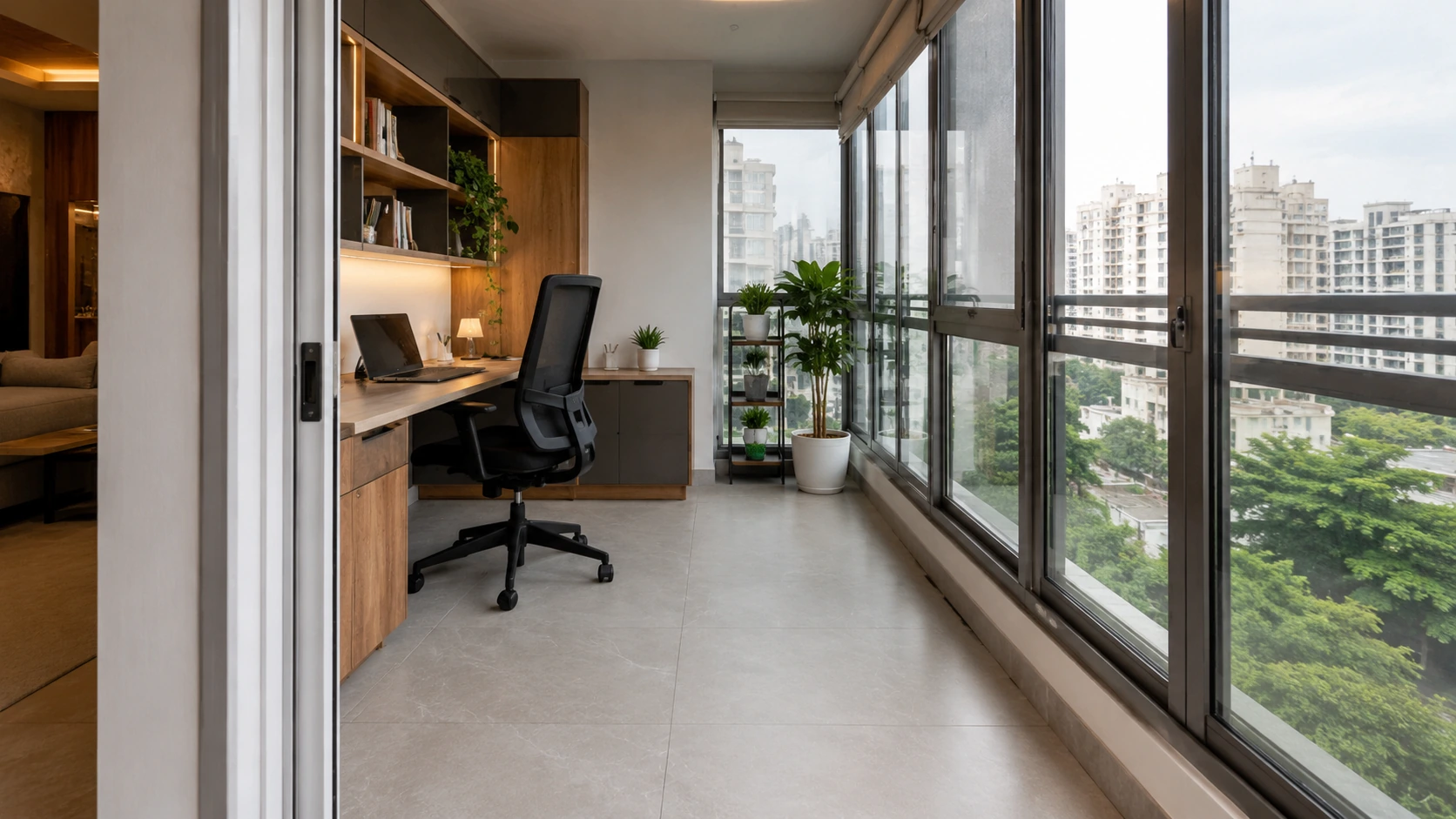
A closed-in balcony repurposed as a home office, using a denser, better-insulated tile than the balcony's original outdoor-rated flooring to improve underfoot comfort and temperature regulation in the newly enclosed space.
Best for: Apartments converting an existing balcony into a dedicated work nook.
12. Corner-of-living-room zone marked by a tile change
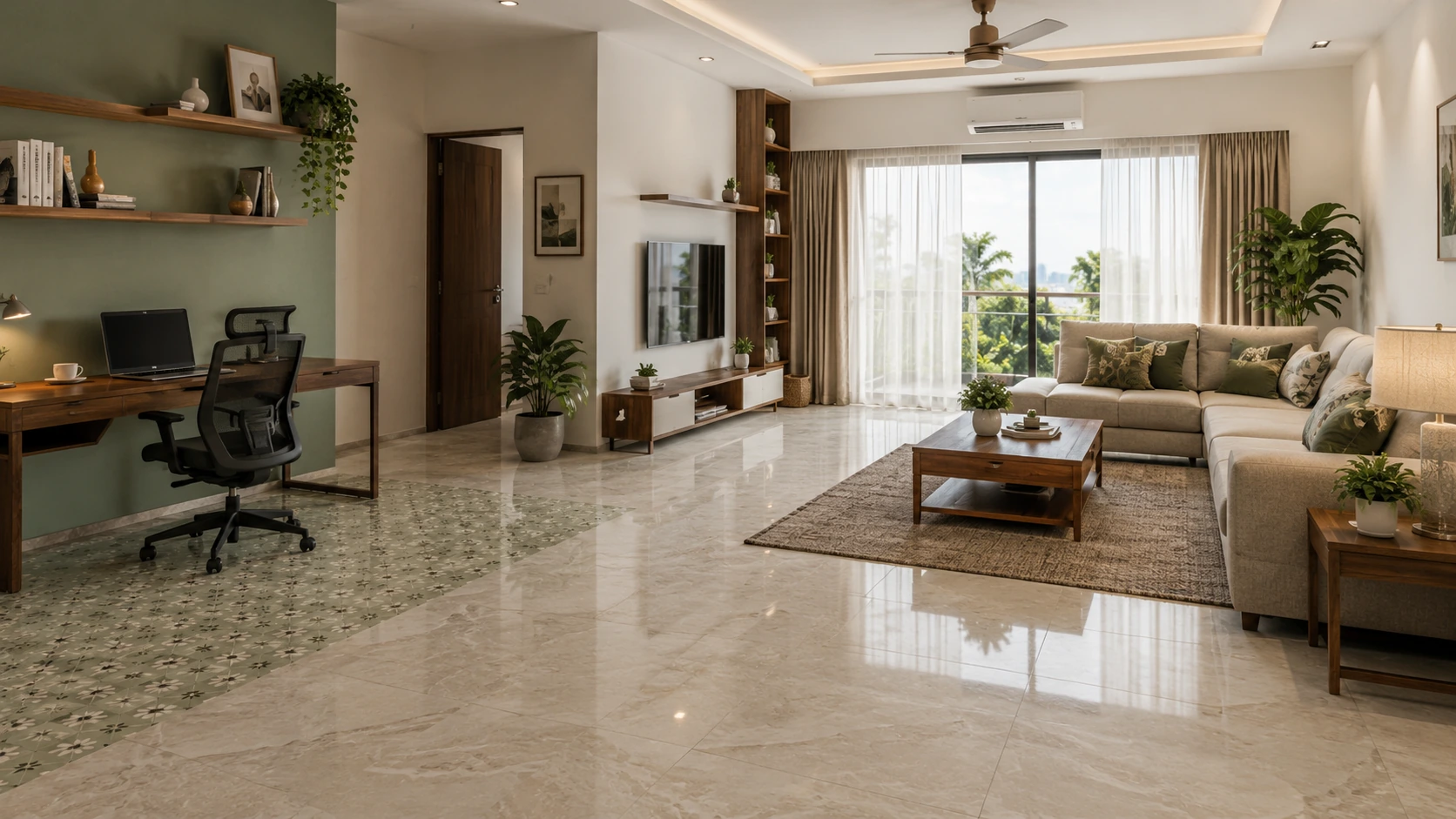
A defined desk corner within a larger living room, marked out purely through a change in tile pattern or tone rather than a physical partition, giving the workspace a psychological boundary without losing the room's open flow.
Best for: Multi-functional living spaces without a separate room available.
13. Spare bedroom conversion with a fresh, work-appropriate floor
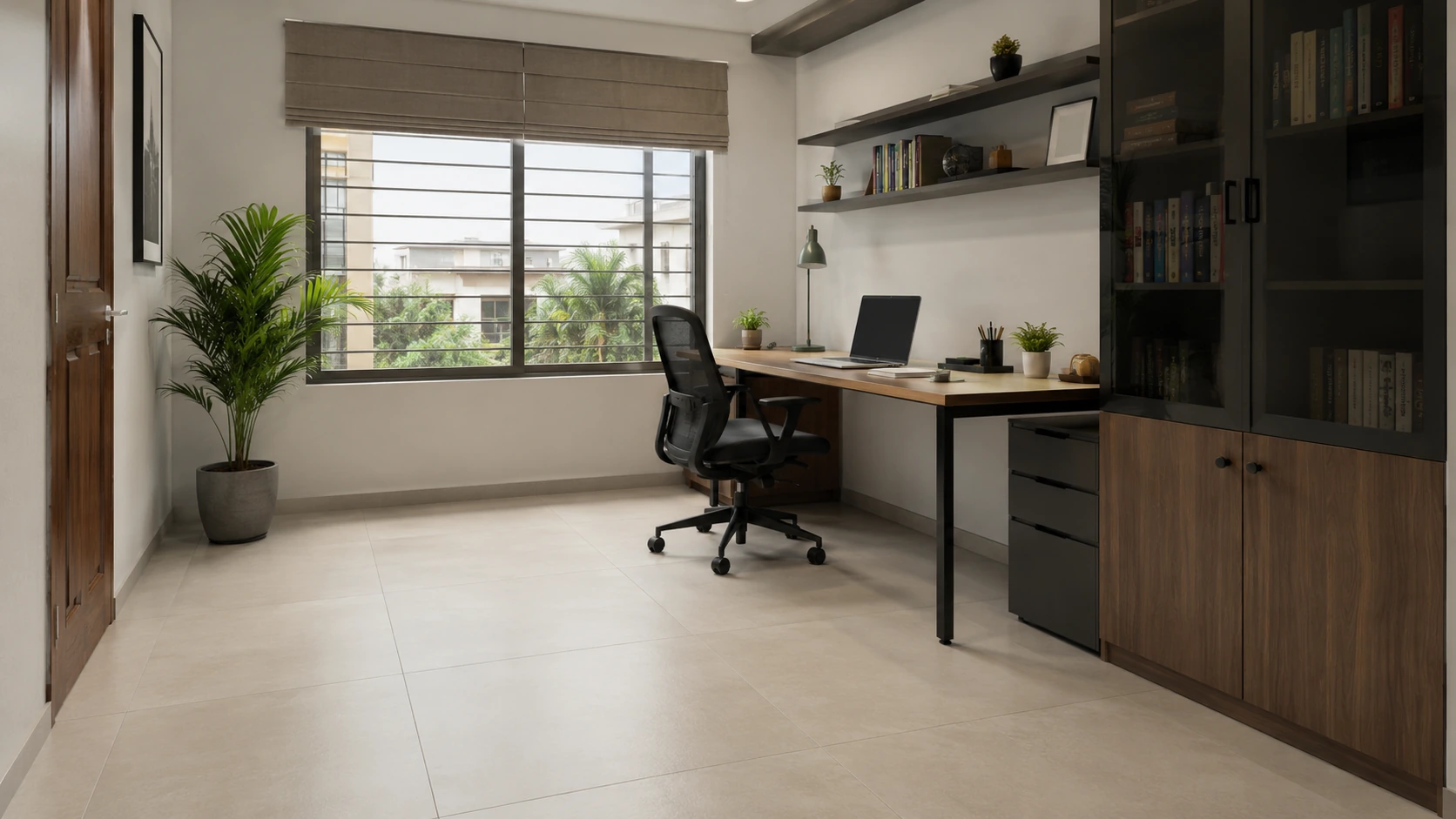
A spare bedroom's original tile replaced with a more office-appropriate matte, neutral finish, shifting the room's character from residential to functional without a full renovation.
Best for: Homes converting a guest or spare bedroom into a permanent office.
Calm and Biophilic Productivity Looks
14. Stone-look floor paired with a plant corner
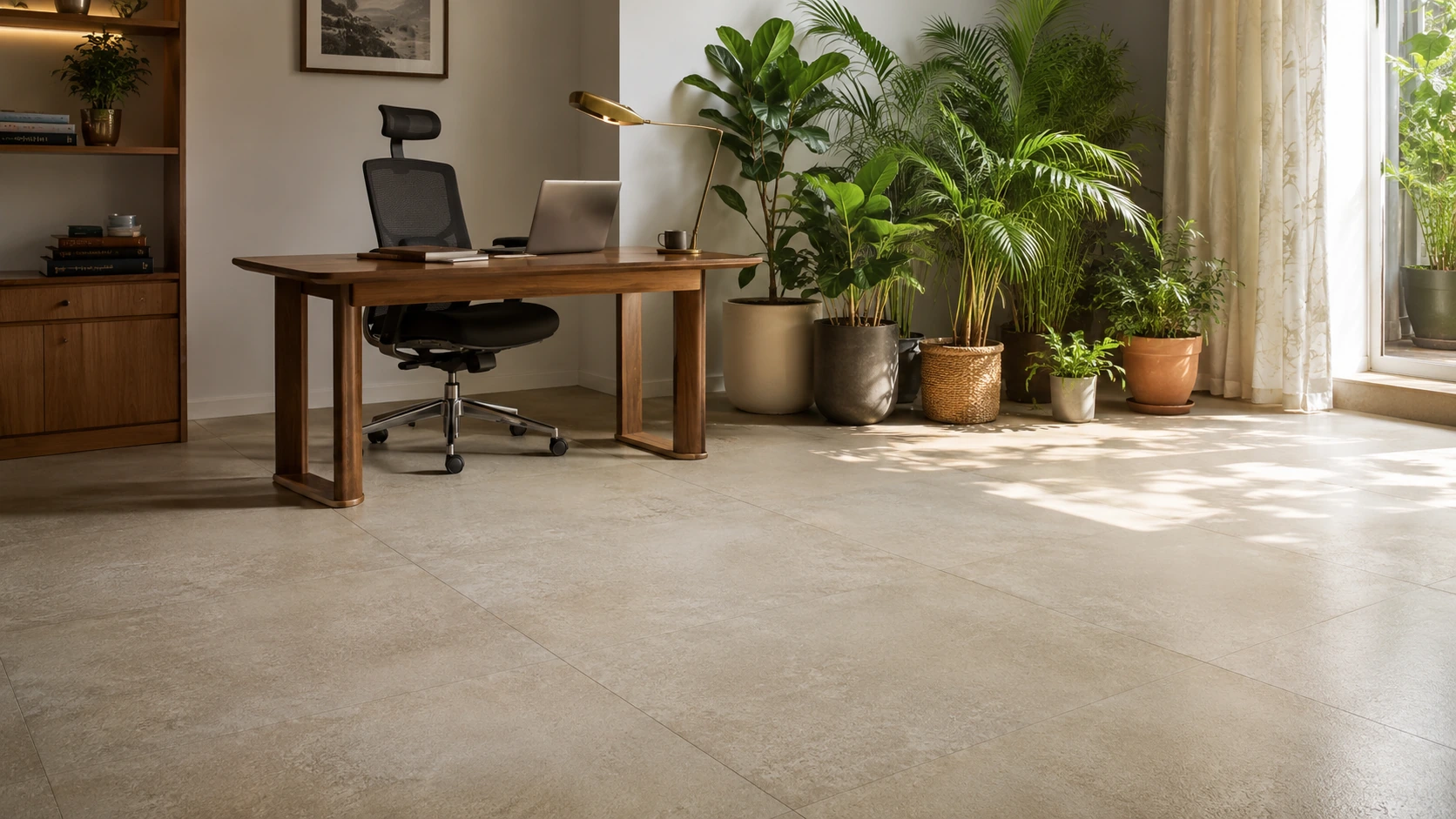
A neutral, textured stone-look tile floor paired with a dedicated plant corner near the desk, echoing the biophilic design principle increasingly associated with better focus and lower stress during long work sessions.
Best for: Offices prioritising a calm, nature-adjacent working atmosphere.
15. Light, airy floor tone for a small office
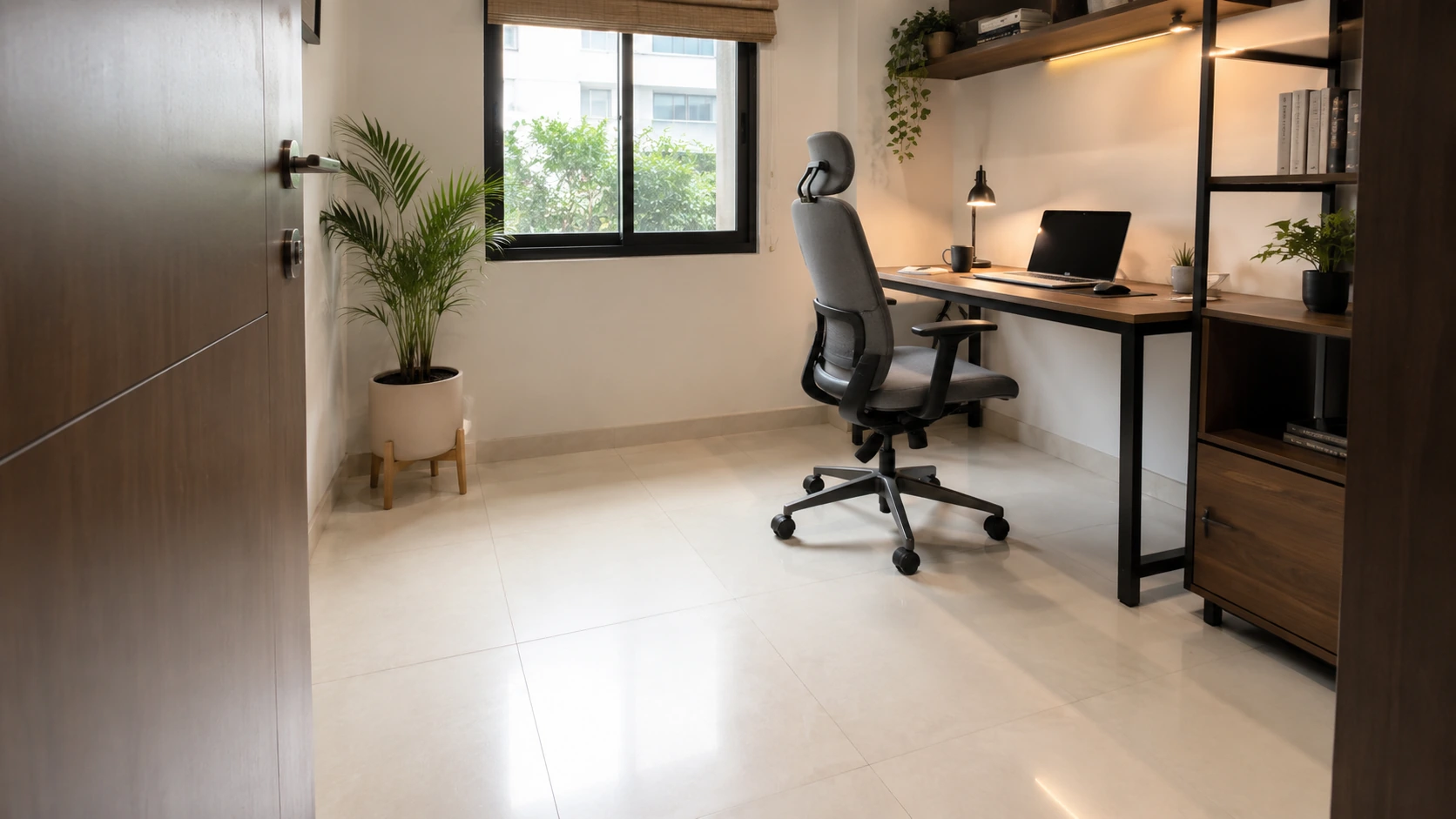
A pale, light-reflective matte tile keeps a small dedicated office space from feeling closed in, particularly useful in a converted nook or small spare room with limited natural light.
Best for: Compact home offices needing to feel more spacious than they are.
A Practical Note on Chairs, Rugs, and Tile
- Choose a matte or low-sheen tile finish for any area a desk chair will regularly cross, since gloss shows caster wear and micro-scratches far more visibly over time.
- If using a rug under the desk, choose a genuinely low-pile, flat-weave option rated for caster use, since high-pile and shag rugs resist chair wheels and wear unevenly within months.
- A chair mat on top of a low-pile rug is the most durable combination for heavy daily use, though it does cover most of the rug's visible surface, worth weighing against a purely aesthetic preference.
- Position the desk so the strongest design element in the room, an accent wall, a textured floor pattern, or a styled shelf, sits behind the chair rather than behind the camera's blind spot, so it actually shows up on video calls.
From Gallery to a Working Setup
A home office floor that actually works balances the same three demands every idea in this gallery is built around, looking considered on camera, rolling smoothly under daily chair use, and not turning every call into an echo. Shortlist a look, then check it specifically against your own room's lighting, call frequency, and chair type before finalising.
If you have found a home office tile look worth pursuing, you can browse matching designs, compare indicative pricing, and connect with verified dealers on TilesFinders.
FAQs
Matte or low-sheen large format tile works best, since it hides the faint scratching and wear pattern a rolling chair's casters leave behind far more effectively than a glossy finish.
Hard, smooth flooring like tile reflects sound rather than absorbing it, which can add echo to a call in an otherwise bare room. Pairing tile with a low-pile rug, soft furnishings, or wall-mounted acoustic panels addresses this without giving up tile's practical benefits.
A specifically low-pile, flat-weave rug rated for caster use works well and adds warmth and sound absorption. Avoid high-pile or shag rugs, since chair wheels resist rolling on them and they wear unevenly under repeated use.
Warmer, mid-tone floors generally photograph better than stark white or very dark floors under typical home lighting and webcam colour correction, though the wall and backdrop behind the desk usually matter more to the on-camera look than the floor itself.
Yes, and this is increasingly common in Indian apartments, though it is worth upgrading the flooring from outdoor-rated tile to a denser, better-insulated option suited to enclosed, regularly occupied use.


See our tile guides first
Set TilesFinders as a preferred source and our buying guides surface ahead of the rest for you.
Add as preferred sourceTakes one tap. Nothing to install.
What Readers Say
I was about to redo my parking area with the wrong tile size until I read this. The layout comparisons saved me from a costly mistake.
We reference TilesFinders guides while briefing clients on material selection. The size and pattern breakdowns are accurate and easy to explain visually.
On site, I get asked about grout spacing all the time. This article gave me a solid reference I now share with my team before every job.
Finally a guide that doesn't just push generic advice. The oil stain removal steps actually worked on our clubhouse driveway tiles.
I run a small construction firm and now send this link to clients directly when they ask about entrance tile sizing. Saves me an hour of explaining.
Good practical detail, though I wish there were more examples for compact apartment entrances specifically, not just villas.
My mother-in-law wanted marble, I wanted vitrified. This blog gave us the neutral comparison we needed to actually decide together.
Detailed without being overwhelming. I appreciated that it covered both cost and maintenance, not just the aesthetics.
Used the algae and hard water removal tips on our terrace tiles after the monsoon. Worked better than what our regular cleaner was doing.
As someone who sources tiles for multiple builder projects, I find these comparisons genuinely useful for vendor conversations, not just consumer content.
Recommended this to a client who kept second-guessing the entrance design. The small vs large layout section settled the debate instantly.
Straightforward and honest, no unnecessary jargon. Would like to see a similar breakdown for outdoor pool-deck tiles next.
We've bookmarked several TilesFinders guides for our design handbook. Reliable source when clients want data, not just opinions.
Two paths, one marketplace.
Get free quotes from verified suppliers.
Share your room, budget, and style. Suppliers in local area respond within hours.
Get Free QuotesList your business, reach real buyers.
Put your showroom in front of homeowners searching for tiles right now.
List Your Business