

Sandstone Tiles: Riven, Honed and Porcelain Buying Guide
Loading designs...
-
W Rockline 01 300x600Matte -
Bucak Light 200x1000Matte -
Navona White 200x1000Matte -
Scabos Honed 200x1000Matte -
Silver Mist Honed 200x1000Matte -
Noir Honed 200x1000Matte -
Silyon Ivory 200x1000Matte -
Vesta White 200x1000Matte -
Silyon Beige 200x1000Matte -
Vesta Grey 200x1000Matte -
Volcano 200x1000Matte -
W Rockline 02 300x600Matte -
W Rockline 03 300x600Matte -
W Rockline 04 300x600Matte -
Lyon 01 300x600Matte -
W Rockline 05 300x600Matte -
W Rockline 06 300x600Matte -
Lyon 02 300x600Matte -
W Rockline 07 300x600Matte -
Lyon 03 300x600Matte
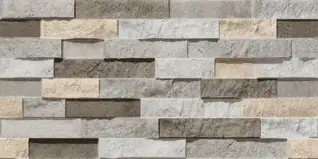





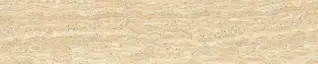



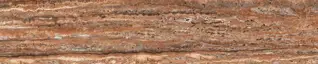
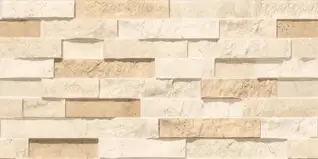
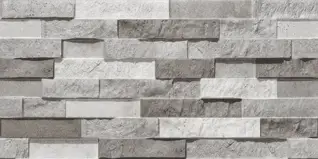
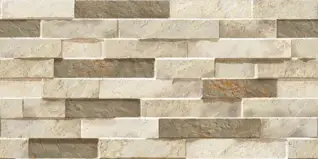
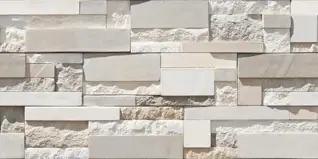
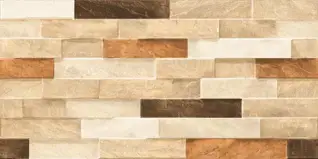
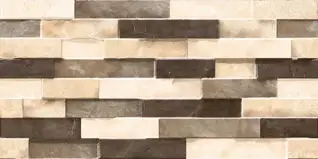
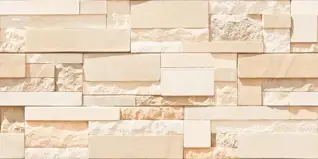
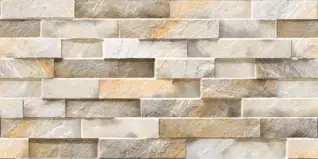
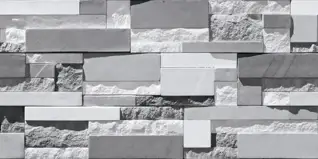
Sandstone tiles copy one of India's most significant natural stone exports in a manufactured porcelain and vitrified format, joining the rest of TilesFinders' stone tiles range. Genuine sandstone is a sedimentary rock built from sand-sized quartz and feldspar grains cemented together over millions of years, and Rajasthan is one of the largest sandstone quarrying regions in the world, supplying paving stone to markets well beyond India.
Natural sandstone tiles and sandstone wall tiles are the two searches driving most of the traffic to this category, pointing at genuinely different uses within the same broad material. Natural sandstone tiles specifically tend to mean buyers picturing the genuine quarried material rather than a printed equivalent. The wall side of this range covers cladding and feature panels, while the flooring side covers everything from a patio to a kitchen floor, each needing a different finish and body type depending on where it ends up.
Sandstone tile flooring and this category more broadly cost Rs. 55 to Rs. 190 per sq.ft in India, with a flat porcelain print at the lower end and a deep riven textured panel or genuine quarried piece at the top of that range. Most of the manufactured stock ships from Morbi, Gujarat, in size aliases such as 2x2 feet (600x600mm) and 2x4 feet (600x1200mm), alongside smaller formats built specifically for cladding and mosaic work.
What Is Sandstone, and What Does "Sandstone Look" Actually Mean?
Genuine sandstone forms from grains of sand compressed and cemented together over geological time, which gives it a naturally granular, slightly gritty surface texture unlike a smoother stone such as marble or slate. This same grain structure is also why sandstone has long been valued for paving specifically: the texture provides real grip underfoot even without any added finish, something a smoother natural stone cannot claim.
Indian sandstone tiles, quarried mainly in Rajasthan, are usually supplied in one of two finishes. A riven surface, sometimes searched as riven Indian sandstone, keeps the natural cleft texture straight from splitting the stone along its bedding plane, while a honed sandstone finish grinds this down to a smoother, flatter surface for a more contemporary look.
A sandstone porcelain tile reproduces this same granular texture and colour range through digital printing and a textured press mould, on a fired ceramic or vitrified body rather than genuine quarried stone. Sandstone look tiles in this format arrive at a consistent thickness and need no sealing, which is worth knowing before comparing price against the real material.
Natural Sandstone vs Porcelain Sandstone Look Tiles
Real sandstone offers a texture and colour depth that no printed surface fully matches, and its naturally gritty surface genuinely does offer better slip resistance than many smoother natural stones straight out of the quarry, before any anti-skid treatment is even applied.
That said, genuine sandstone is somewhat porous compared to a fired vitrified body, and benefits from periodic sealing outdoors or in a wet room to resist staining from monsoon rain, humidity, and general weathering. A sandstone porcelain tile sidesteps this maintenance step entirely, since water absorption for the vitrified body sits under 0.5 percent for glazed vitrified or under 0.05 percent for full body vitrified under IS 15622, both well below what genuine sandstone absorbs before any sealant is applied.
Cost is the other major factor. Genuine Indian sandstone, shipped from Rajasthan and cut to size, generally costs more once fabrication, transport, and sealing are added up, while the manufactured equivalent ships from Morbi at a more predictable, consistent price regardless of texture depth or colour chosen.
Sandstone Wall Tiles and Cladding
Sandstone wall tiles and sandstone cladding tiles carry none of the foot traffic concerns a floor does, which is exactly why this side of the category sees the heaviest, most deeply textured riven finishes on the site. A cladding panel only needs to hang, so weight and fixing method matter more here than slip rating ever will.
For the specific weight, fixing, and elevation planning details that apply to any heavily textured cladding panel, the dedicated stone cladding tiles page covers rated adhesive, mechanical anchoring, and expansion gaps in more depth than this page needs to repeat. Sandstone specifically suits an entry porch or boundary wall elevation particularly well, since its warm, earthy tone reads as grounded and traditional against most Indian house facades.
Sandstone mosaic tiles, sold as small chips on a mesh backing sheet, suit a narrower accent role: pillar wraps, planter surrounds, and curved boundary wall caps where a large rigid panel cannot follow the shape.
Sandstone Tiles Outdoors: Patios, Gardens and Exterior Use
Outdoor use is where sandstone's natural grip texture earns its keep most directly. Sandstone patio tiles and sandstone garden tiles both benefit from this inherent grain texture, though a confirmed R10 or R11 anti-skid rating still matters more than texture alone, since a smooth or heavily honed finish loses much of that natural advantage.
Exterior sandstone tiles, including a sandstone porcelain outdoor tiles listing rated specifically for that use, need a body rated for direct sun and monsoon exposure, generally full body or glazed vitrified for the manufactured version, since ceramic's higher water absorption makes it a poor match for anything left uncovered. Genuine sandstone used outdoors benefits from a breathable sealant rather than a fully waterproof one, since trapping moisture inside a porous natural stone can actually worsen frost- or heat-related surface flaking over time.
Sandstone Tiles Indoors: Kitchen and Bathroom
Sandstone kitchen tiles bring the same warm, grained texture indoors, usually in a lightly honed or matte finish rather than the deep riven texture more common outdoors, since a kitchen floor benefits from an easier-to-clean surface than a heavily cleft one. A full-body vitrified base handles oil and daily foot traffic well here.
Sandstone bathroom floor tiles and sandstone tiles bathroom searches call for the same R10 or R11 slip rating any wet room floor needs, paired with epoxy grout to resist the mould and staining ordinary grout picks up in a humid room. Sandstone tiles indoor use generally favours a smoother, less aggressively textured finish than an outdoor patio would, simply because indoor grip requirements are lower and a smoother surface is easier to keep clean day to day.
How to Choose Sandstone Tiles for Your Project
Start with where the tile is going. A wall or cladding application has the most flexibility on texture depth and weight; a floor needs a confirmed slip rating matched to how wet the space gets, and a kitchen or bathroom floor specifically benefits from a smoother, easier-to-clean finish than an outdoor patio would.
Next, weigh genuine Indian sandstone against a porcelain equivalent based on budget and how much ongoing sealing you are willing to take on. A structurally straightforward project with a generous budget can support real stone shipped from Rajasthan, but most Indian renovation projects today lean toward a manufactured version for its consistent thickness, lower cost, and complete lack of ongoing maintenance.
Finally, pick a finish to match the room: riven or heavily textured for an outdoor patio or feature wall, honed or lightly textured for an indoor floor, and a confirmed anti-skid rating wherever water is a regular presence.
Water Absorption, Sealing and Regional Pricing
Porcelain and vitrified sandstone tiles carry water absorption under 0.5 percent as glazed vitrified or under 0.05 percent as full body vitrified, both tested to IS 15622:2006, compared to genuine sandstone, which absorbs more before sealing and benefits from periodic resealing to resist staining. A 600x600mm tile in this finish typically costs Rs. 60 to Rs. 100 per sq.ft, while a large format 600x1200mm slab or a heavily riven textured panel runs Rs. 120 to Rs. 190 per sq.ft. Most of the manufactured stock ships from Morbi, Gujarat, which keeps porcelain pricing well below sourcing and transporting genuine sandstone from Rajasthan for the same project.
Installation for a textured sandstone finish adds Rs. 18 to Rs. 32 per sq.ft in most of Gujarat and neighbouring states, with cladding and vertical fixing sitting toward the top of that range since deep texture takes longer to align and grout than a flat floor. Buyers sourcing directly from Morbi factories typically save on freight for larger orders, though this varies with distance and project size. Before laying this stone outdoors, the base should be sloped away from the house and fully cured, since standing monsoon water under an uneven base is a common cause of cracking and grout staining within the first year.
Get the Grip and the Look in the Same Tile
A patio or feature wall gets judged on how it holds up through repeated monsoons, not on how the sample looks under showroom lighting, so slip rating and water absorption matter as much as the texture itself.
A riven or lightly textured porcelain finish in full body or glazed vitrified covers nearly every outdoor and indoor sandstone scenario without the sealing genuine stone would need. TilesFinders lists the water absorption figure, recommended floor or wall use, and slip rating on every sandstone listing, so buyers can match the tile to the exact space before it goes down. Get that match right once, and the look stops asking for the upkeep the real thing would.
FAQs
Yes, and often more consistent. A porcelain sandstone tile carries water absorption under 0.5 percent, far lower than genuine sandstone, and never needs the resealing real stone requires over time.
Riven keeps the natural cleft texture straight from splitting the stone, while honed grinds this down to a smoother, flatter surface. Riven suits outdoor patios best, while honed suits a more contemporary indoor floor.
Yes, Rajasthan is one of the largest sandstone quarrying regions in the world. Indian sandstone tiles in genuine stone remain widely available alongside the porcelain equivalent covered mainly on this page.
Yes, provided the finish carries an R10 or R11 anti-skid rating. Sandstone's naturally granular texture already offers good grip, though a confirmed rating still matters more than texture alone.
Yes, with the same R10 or R11 slip rating any wet room floor needs, paired with epoxy grout. A smoother, less textured finish than an outdoor patio is usually easier to keep clean indoors.
Grey remains the most versatile everyday choice, pairing with almost any colour scheme. Red sandstone copies a classic Rajasthani variety, while white suits brighter or smaller spaces.
Genuine sandstone benefits from periodic sealing to resist staining, since it is somewhat porous compared to a fired vitrified body. Porcelain sandstone tiles need no sealing at all.
Sandstone mosaic tiles use small chips on a mesh sheet, suited to pillars, planters, and curved boundary wall caps. They are not typically used to cover a full flat floor or wall area.