

Outdoor Tiles: Floor and Wall Options for Patio, Steps, and Exterior Areas in India
Loading designs...
-
 10012
10012 -
 10013
10013 -
Oxford Brown
-
Pecan
-
Satin Wood
-
Florence Grey
-
Marfil Brown
-
Marfil Choco
-
Fruit Wood
-
Persian Crema
-
Bucak Light
-
Navona White
-
Scabos Honed
-
Classic Roman
-
Silver Mist Honed
-
Noir Honed
-
Silyon Ivory
-
Vesta White
-
Silyon Beige
-
Vesta Grey












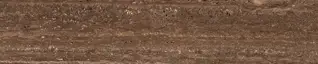


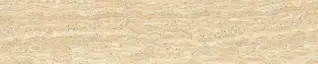



Outdoor tiles face conditions that indoor tiles never do: monsoon rain, direct sun, extreme temperature swings between summer and winter, algae growth, and foot traffic on wet surfaces. The wrong tile fails fast outdoors. It cracks in heat, turns slippery in rain, or stains permanently from algae and moss. This page covers every outdoor tile type used in India: GVT, porcelain, ceramic, terracotta, concrete, slate, terrazzo, and decorative options. You will also find guidance on finishes, sizes, price ranges, and which tile works where.
What Makes a Tile Fit for Outdoor Use
Not every tile sold in India is safe to use outdoors. The key specs to check before buying any exterior tile are:
| Spec | What It Means | Minimum for Outdoor Use |
| Water absorption | How much water does the tile body absorb | Below 3% (vitrified: 0.05%) |
| Slip resistance (R-rating) | Grip level on a wet surface | R10 minimum; R11 for steps |
| Breaking strength | The load the tile can carry before cracking | 1,500 N minimum for floors |
| Frost resistance | Ability to survive temperature expansion | Required in North India above 900m |
| UV stability | Colour holds under direct sunlight | GVT glaze is UV stable; terracotta fades |
| Chemical resistance | Resists algae cleaners and rain acid | GVT and porcelain: high resistance |
GVT (Glazed Vitrified Tiles) and porcelain outdoor tiles are the most commonly used tile types for Indian exteriors because they meet all six specs above. Ceramic tiles have water absorption of 12% to 16%, which makes them unsuitable for most outdoor floor applications. They can be used on sheltered exterior walls only.
Non-Slip Outdoor Tiles: Finishes and Ratings
Slip resistance is the most critical factor for any outdoor floor tile in India. Monsoon months bring four to six months of wet surfaces. A tile rated R9 or below will cause accidents on a wet patio or staircase.
The R-rating system (DIN 51130) measures slip resistance on inclined surfaces. For outdoor use in India:
- R10: minimum for outdoor patios and backyard floors on flat ground
- R11: required for outdoor tiles for steps and ramps
- R12 to R13: industrial and slope-heavy commercial areas
Finishes with reliable outdoor slip resistance:
| Finish | R-Rating Typical | Best Use Outdoors | Constraint |
| GHR (Glaze High Resistance) | R11 to R12 | Patios, steps, backyard floors | None |
| Matte (GVT) | R10 | Flat patio and balcony floors | Not for steep ramps or steps |
| Sugar | R10 | Sheltered patios | Harder to clean in the monsoon |
| Stucco | R10 to R11 | Backyard, terrace | None |
| Rain Drops | R11 | Steps, ramp areas, wet zones | Deep grooves collect dirt |
| Natural stone (GHR-look) | R11 | Steps and pool surrounds | Check batch for consistency |
Note: Polished, High Glossy, Semi High Glossy, Satin Matte, and Glossy finishes must never be used on any outdoor floor. These finishes have near-zero grip when wet and are a serious slip risk outdoors.
Outdoor Tiles for Patio and Backyard
The patio and backyard are the two most common outdoor tiling projects in Indian homes. Both need tiles that hold up in rain, resist algae, and look good without constant maintenance.
The best tile for outdoor patio use in India is GVT tiles in a GHR or matte finish, sized 2x2 (600x600mm) or 2x4 (600x1200mm). The 2x2 size is the most common for patios. It is easy to handle during laying, cuts cleanly at edges, and comes in the widest range of designs.
Large outdoor tiles in 2x4 (600x1200mm) or 32x48 (800x1200mm) are growing in popularity for open patios and backyard floors. Fewer grout lines means less algae growth between tiles. These larger sizes need a properly prepared flat base. Any unevenness in the screed causes rocking or cracking.
Outdoor tiles 600x600 (2x2) is the most searched size in India. GVT 2x2 tiles in GHR finish start at Rs. 40 per sq.ft and go up to Rs. 160 per sq ft, depending on design. Porcelain outdoor tiles 600x600 start slightly lower at Rs. 35 to Rs. 130 per sq ft.
Outdoor Tiles for Steps and Doorstep Areas
Steps and doorstep tiles carry more risk than flat floor tiles. Every wet step is a fall risk. The tile choice here directly affects safety.
Non-slip outdoor tiles for steps must carry a minimum R11 rating. The finish must be GHR, Rain Drops, or a deeply textured matte. No polished, semi-polished, or satin finish tile should ever be used on an outdoor step, even if it has a textured design on the surface.
Size matters too. Step treads in Indian homes are typically 300mm to 400mm deep. A 2x2 (600x600mm) tile cut in half gives two 300mm-deep step tiles with one straight factory edge facing forward. A 12x18 (300x450mm) tile fits a 300mm step depth with less cutting. However, note that 300x450mm tiles are primarily wall tiles in the category system and must be specified correctly with the supplier when ordering for step use.
Doorstep tiles see the highest foot concentration of any outdoor area. They also get the most dirt, since people step from outside directly onto them. Choose a tile with visible texture so dirt does not show as readily, and pick a darker or medium-tone colour so scuff marks are less visible. Doorstep tiles in India are often 2x2 or 12x24 (300x600mm) in GHR finish.
Note: For step risers (the vertical face of each step), you can use a decorative wall tile. This is a common way to use Victorian, Moroccan, or patterned tiles outdoors without putting a non-rated decorative tile on the tread surface.
Porcelain Outdoor Tiles
Porcelain outdoor tiles are a popular choice in India, particularly for covered patios and sheltered exterior areas. Porcelain has a water absorption rate of 2% to 5% (IS 13630), which is higher than GVT at 0.05% but still low enough for outdoor use in most Indian climates.
For uncovered outdoor areas in high-rainfall zones (Kerala, coastal Maharashtra, Assam), GVT is a safer choice than porcelain because of the lower water absorption. For North India where temperatures drop sharply in winter, frost resistance is a concern: GVT at 0.05% absorption has near-zero freeze-expansion risk, while porcelain at 5% absorption can develop micro-cracks over multiple freeze-thaw cycles.
Porcelain outdoor tiles 600x600 in a matte finish start at Rs. 35 per sq.ft. Cheap porcelain paving in this size can be found at Rs. 25 to Rs. 45 per sq.ft in basic grey or beige tones. Cheap outdoor tiles 600x600 in GVT start at Rs. 40 per sq.ft for standard designs.
Note: Never describe GVT or full body vitrified tiles as porcelain. They are different body types. If a supplier labels a vitrified tile as porcelain, verify the water absorption spec before buying.
Specific Outdoor Tile Types and Looks
Victorian Outdoor Tiles and Victorian Path Tiles
Victorian outdoor tiles use geometric or encaustic patterns, typically in black, white, cream, and terracotta tones. They are most common in Victorian porch tiles layouts at the entrance of bungalows and heritage-style homes. Victorian path tiles use small geometric shapes laid in repeat patterns to create a decorative garden or entrance pathway.
In India, these are typically third-fired GVT or ceramic tiles with a printed or embedded pattern. Genuine encaustic cement tiles are also available but need sealing before outdoor use. Price range: Rs. 80 to Rs. 280 per sq.ft. Victorian porch tiles look best in covered or semi-covered areas. Heavy direct monsoon rain can fade the pattern on lower-quality printed tiles over 3 to 5 years.
Moroccan Outdoor Tiles
Moroccan outdoor tiles are patterned tiles with geometric, floral, or star-pattern designs. They are used for outdoor decorative tiles purposes: feature walls, step risers, and sheltered patio accent panels. They are not a fit for open-sky floor areas because the complex surface geometry traps water and organic debris.
Moroccan outdoor tiles come in GVT, ceramic, and hand-painted terracotta. Hand-painted versions need a penetrating sealer before outdoor exposure. Price range: Rs. 90 to Rs. 320 per sq.ft.
Terracotta Outdoor Tiles
Outdoor terracotta tiles are natural clay tiles fired at lower temperatures than vitrified tiles. Water absorption is typically 6% to 12%. They must be sealed before use outdoors. Without sealing, they absorb rainwater, develop moss, and stain from organic material within one monsoon season.
Sealed terracotta has a warm, earthy look that suits garden patios, verandahs, and traditional Indian bungalow exteriors. Re-seal every two years. Do not use on areas that collect standing water. Price range for terracotta outdoor tiles in India: Rs. 45 to Rs. 120 per sq.ft.
Slate Tiles Outdoor
Slate tiles outdoor are natural stone tiles split along natural grain lines. They have a rough, naturally textured surface with good slip resistance (typically R11 to R12 without any finish treatment). Water absorption varies: dense slate is around 0.4% while softer slate can reach 2%.
Slate outdoor tiles are used for garden paths, pool surrounds, and terrace floors in Indian hill homes. They do not need sealing in most cases but benefit from an impregnating oil treatment once a year to prevent colour fade. Price range: Rs. 55 to Rs. 180 per sq.ft depending on origin and thickness.
Concrete Tiles Outdoor
Concrete tiles outdoor include both plain cast concrete pavers and cement encaustic tiles with surface patterns. Plain concrete pavers are the most economical outdoor flooring option in India, with prices starting at Rs. 18 per sq.ft for standard 300x300mm or 400x400mm grey pavers.
Concrete tiles absorb water (typically 4% to 8%), so they develop algae and moss in shaded or damp areas. A penetrating sealer extends the life significantly. They are a common choice for backyard tiles in budget projects, and for pathways where the area is too large to tile with vitrified tiles economically.
Outdoor Terrazzo Tiles
Outdoor terrazzo tiles are composite tiles made from marble chips, quartz, and cement or epoxy binder. Traditional cement-based terrazzo has water absorption around 3% to 6%. Epoxy-based terrazzo has near-zero absorption and is more stain-resistant.
Terrazzo outdoor tiles are used for verandah floors, covered patios, and decorative pathway insets. They need a honed or matte finish for outdoor slip resistance. A polished terrazzo surface is not safe for wet outdoor areas. Price range: Rs. 110 to Rs. 350 per sq.ft.
Outdoor Wood Tiles and Wood Effect Outdoor Tiles
Outdoor wood tiles are GVT or porcelain plank-format tiles that look like natural timber but carry none of the weather sensitivity of real wood. Real wood decking warps, splinters, and rots in Indian outdoor conditions within 3 to 7 years. Wood effect outdoor tiles in GVT have 0.05% water absorption and resist UV fading better than natural wood.
Wood effect outdoor tiles come in the 8x48 (200x1200mm) or 8x40 (200x1000mm) plank format. Choose a GHR or matte finish for outdoor use. Avoid any polished or satin finish on outdoor wood-look tiles. Price range: Rs. 60 to Rs. 200 per sq.ft.
Outdoor Marble Tiles
Outdoor marble tiles are natural stone with water absorption between 0.2% and 1%. Marble can be used outdoors in covered or semi-covered areas. In open-sky outdoor areas, marble is not recommended for floors in India because it stains from organic material, becomes slippery when wet with even a honed finish, and shows etch marks from acidic rain in industrial areas.
If you want the marble look outdoors, GVT marble-look tiles in a matte or GHR finish give the same visual result with significantly lower maintenance. Price for natural marble outdoor tiles: Rs. 80 to Rs. 400 per sq.ft. Price for GVT marble-look outdoor tiles: Rs. 45 to Rs. 180 per sq.ft.
Brick Tiles Outdoor
Brick tiles outdoor are thin rectangular tiles that mimic exposed brick. They are used for exterior wall cladding, garden feature walls, step risers, and boundary wall accents. High Depth punch tiles in 300x450mm and 300x600mm formats are commonly used for this purpose.
Note: High Depth punch tiles must never be used on outdoor floors. They are wall and elevation cladding tiles only. The raised surface collects water and becomes a slip hazard underfoot.
Grey and Dark Grey Outdoor Tiles
Grey outdoor tiles are the single most popular colour choice for outdoor floors in India today. Grey reads as contemporary, hides dirt well, and pairs with most exterior paint and landscaping colours. The most searched variations are grey tiles in 2x2 (600x600mm) and dark grey outdoor tiles in 2x4 (600x1200mm) format.
Dark grey outdoor tiles in GHR or matte finish start at Rs. 42 per sq.ft. They work well for open patios, garden paths, and terrace floors. The darker tone absorbs heat in direct sun, which can make the surface uncomfortable to walk on barefoot in Indian summer afternoons. For rooftop terraces in hot climates, a medium grey or off-white tile keeps the surface cooler.
White Outdoor Tiles
White outdoor tiles are used for pool surrounds, rooftop terraces, and entrance areas where a bright, open look is the goal. White tiles reflect heat, which is an advantage on rooftop terraces in Gujarat and Rajasthan, where surface temperatures can cross 60°C in May and June.
White outdoor tiles must be in a GHR or matte finish. A white polished tile outdoors will be dangerously slippery in rain. White also shows dirt and algae faster than grey, so factor in cleaning frequency when choosing.
Playground Tiles Outdoor
Playground tiles outdoor need to meet a different set of requirements than standard floor tiles. Safety standards for children's play areas require a tile or surface with a critical fall height rating, which standard vitrified tiles do not carry.
Standard GVT or porcelain tiles can be used for hard playground perimeter paths and entrance areas, but the main play surface where children run, jump, and fall should use rubber interlocking tiles or poured rubber surfaces, not vitrified or ceramic tiles. Playground tiles in the rubber format carry IS 15443 or equivalent impact attenuation ratings. Price range for rubber playground tiles in India: Rs. 180 to Rs. 550 per sq.ft, depending on thickness (20mm to 50mm).
Outdoor Tiles: Price Comparison by Type
| Tile Type | Body | Water Absorption | Slip Rating Typical | Price Range (Rs./sq.ft) | Maintenance |
| GVT matte (2x2) | Vitrified | 0.05% | R10 to R11 | Rs. 40 to Rs. 160 | Low |
| GVT GHR (2x2) | Vitrified | 0.05% | R11 to R12 | Rs. 45 to Rs. 175 | Low |
| Porcelain matte (2x2) | Porcelain | 2% to 5% | R10 | Rs. 35 to Rs. 130 | Low to medium |
| Concrete pavers | Concrete | 4% to 8% | R9 to R10 | Rs. 18 to Rs. 60 | Medium (seal required) |
| Terracotta (sealed) | Clay | 6% to 12% | R10 | Rs. 45 to Rs. 120 | High (re-seal 2yr) |
| Slate (natural) | Stone | 0.4% to 2% | R11 to R12 | Rs. 55 to Rs. 180 | Low to medium |
| Terrazzo | Composite | 3% to 6% | R10 to R11 | Rs. 110 to Rs. 350 | Medium |
| Victorian encaustic | Ceramic/cement | Varies | R10 | Rs. 80 to Rs. 280 | Medium |
| Moroccan patterned | GVT/Ceramic | 0.05% to 16% | R9 to R10 | Rs. 90 to Rs. 320 | Medium |
| Wood effect GVT plank | Vitrified | 0.05% | R10 to R11 | Rs. 60 to Rs. 200 | Low |
| Natural marble | Stone | 0.2% to 1% | R9 (slippery wet) | Rs. 80 to Rs. 400 | High |
Prices vary by brand, design, and region. All prices are estimates based on Indian market data as of 2026.
Choosing the Right Outdoor Tile: Area-by-Area Guide
| Area | Recommended Body | Finish | Size | Slip Min | Avoid |
| Open patio / backyard | GVT | GHR or Matte | 2x2 or 2x4 | R10 | Polished, Glossy |
| Covered verandah | GVT or Porcelain | Matte or Sugar | 2x2 | R10 | Polished |
| Outdoor steps (tread) | GVT | GHR or Rain Drops | 2x2 cut / 12x18 | R11 | All glossy finishes |
| Step riser (vertical) | Ceramic or GVT | Decorative / any | 12x18 or 12x24 | N/A (wall) | High Depth on floor |
| Doorstep | GVT | GHR or Matte | 2x2 or 12x24 | R11 | Light colours, Polished |
| Garden path | GVT or Concrete | GHR or Matte | 2x2 or pavers | R10 | Polished, Marble |
| Rooftop terrace | GVT (light-coloured) | GHR or Matte | 2x2 to 2x4 | R10 | Dark tiles (heat) |
| Exterior wall cladding | GVT or Ceramic | Any (wall-rated) | 12x18 to 2x4 | Wall use | High Depth on floor |
| Pool surround | GVT or Slate | GHR or Textured | 2x2 | R11 to R12 | Polished, Marble |
| Balcony floor | GVT | GHR or Matte | 16x16 or 2x2 | R10 to R11 | Polished, Glossy |
Outdoor Tiles Thickness and Structural Notes
Outdoor tiles in India are typically 8mm to 12mm thick for standard use. Steps and areas with vehicle traffic need tiles 10mm to 12mm thick, minimum. Slab tiles for open outdoor areas go up to 20mm in some natural stone formats.
For rooftop terraces with waterproofing below, tiles are usually laid on a mortar bed over the waterproofing membrane. In this case, the breaking strength of the tile matters: use tiles with a minimum 1,500 N breaking strength (IS 15622 for vitrified, IS 13630 for porcelain). Tiles with a breaking strength below 1,000 N should not be used on rooftop floors under any circumstances.
The outdoor tile laying pattern affects both look and drainage. Straight patterns are easiest to lay but show any unevenness in the screed. Diagonal 45-degree patterns use more cutting and waste but handle surface undulation better. Herringbone patterns with plank tiles work well for garden paths and patio areas.
Browse Outdoor Tiles from India’s Top Manufacturers
Browse outdoor tiles from manufacturers across India, with full spec data listed for every product: water absorption, slip rating, body type, size, and price range. Use the filters on Tilesfinders to match tiles to your outdoor project. If a spec is not shown on the product page, contact the supplier to confirm before placing an order.




FAQs
GVT in GHR or matte finish is the best tile for an outdoor patio in India. It has 0.05% water absorption (IS 15622), slip resistance of R10 to R11, and comes in a wide range of grey, stone-look, and wood-look designs. The 2x2 (600x600mm) size is the most practical for patios of all sizes. Price starts at Rs. 40 per sq.ft for standard designs.
Porcelain outdoor tiles work well in covered or semi-covered outdoor areas in most of India. For open-sky areas in high-rainfall zones (Kerala, coastal Maharashtra) or cold-weather zones (Himachal, Uttarakhand), GVT is a safer choice because of its lower water absorption of 0.05% versus porcelain's 2% to 5%. Porcelain can develop micro-cracks after repeated freeze-thaw cycles in very cold areas.
For flat outdoor floors such as patios and backyard areas, a minimum R10 slip rating is required. For outdoor steps, ramps, and doorstep tiles, the minimum is R11. GHR and Rain Drops finishes typically carry R11 to R12. Never use polished, high-glossy, semi-polished, or satin matte tiles outdoors. These finishes have near-zero grip when wet.
Yes, if the tile carries the right finish for outdoor use. A GVT tile in GHR or matte finish can be used both indoors and outdoors. The key difference is the finish: polished tiles can be used indoors but not on outdoor floors. Pick a tile with an R10 or R11 rating and use it across the indoor-outdoor threshold for a continuous floor look.
Cheap outdoor tiles in India start at Rs. 18 to Rs. 25 per sq.ft for concrete pavers. For ceramic and vitrified tiles, cheap outdoor tiles 600x600 in a standard grey or beige GVT matte finish start at Rs. 35 to Rs. 45 per sq.ft. Cheap porcelain paving in 600x600 starts at Rs. 30 per sq.ft. These prices are for basic designs; patterned and special-format tiles cost more.
GVT and vitrified tiles do not need sealing. Their water absorption is 0.05%, which is low enough to resist monsoon rain and cleaning chemicals without any treatment. Natural stone tiles (marble, slate, limestone), terracotta, and cement/concrete tiles all need sealing before outdoor use. Unsealed porous tiles absorb water, develop moss and algae within one monsoon, and stain permanently from organic material.
GVT tiles in GHR or Rain Drops finish with a minimum R11 slip rating are the best choice for outdoor steps. Size 2x2 (600x600mm) cut to the step tread depth works well. The step riser (vertical face) can use a decorative tile such as Victorian, Moroccan, or patterned ceramic. Never use polished, semi-polished, or glossy tiles on outdoor step treads.
Yes. GVT wood-effect tiles in a matte or GHR finish work well for outdoor floors in India. The GVT body has 0.05% water absorption, which means no warping, swelling, or rot, unlike real wood. Choose the 8x48 (200x1200mm) plank format. Always verify the finish is GHR or matte for outdoor use. Polished wood-look tiles should only go indoors.