

Brown Tiles: Earthy Warmth for Every Room in Your Home
Loading designs...
-
 10009
10009 -
 10010
10010 -
10012
-
10013
-
10015
-
10017
-
Biscuit
-
Golden Oak
-
Kempas
-
Mahogony
-
Maple Wood
-
Roman Wood
-
Sedona Red
-
Mocca Oak
-
Oxford Brown
-
Satin Wood
-
Marfil Brown
-
Marfil Choco
-
Fruit Wood
-
W Rockline 01


















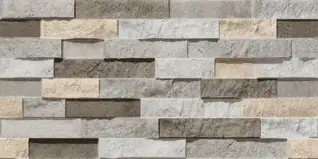
Brown tiles are among the most widely used colour choices in Indian homes. They work across kitchens, bathrooms, living rooms, outdoor areas, and pools. The colour family runs from soft sand and light brown tile shades to deep chocolate brown tile tones, giving you a wide choice without stepping outside a single, cohesive palette. Whether you are laying a rustic kitchen floor or cladding a sleek bathroom wall, a brown tile fits the brief without forcing a dramatic design decision.
Buyers in India mostly choose brown tiles for the way the colour handles dirt, dust, and footfall. Lighter shades open up small rooms. Darker tones ground large open-plan spaces. A dark brown tile on a bathroom floor with white or grey wall tiles is one of the most common combinations you will see in homes built across Gujarat, Maharashtra, and Rajasthan. This page covers all the major brown tile types, sizes, finishes, and price ranges so you can choose with confidence.
Why Brown Tiles Work So Well in Indian Homes
Indian homes deal with dust, high foot traffic, and colour schemes built around natural wood, stone, and earthy fabrics. Brown tiles sit naturally in this context. They do not show dust the way white or cream tiles do. A medium-toned brown floor tile in a main corridor or living room hides daily grime far better than lighter alternatives.
The colour also pairs well with the most common Indian interior choices: teak furniture, brass fittings, terracotta-coloured walls, and beige or cream ceiling shades. Gray and brown tile combinations have grown popular in recent years because they give a cleaner, more contemporary version of the earthy palette. A brown mosaic tile used as an accent strip on a bathroom wall adds texture without changing the room's colour scheme.
From a practical angle, brown GVT and full body vitrified tiles fired to IS 15622:2006 standards perform well in Indian monsoon conditions because they absorb less than 0.05% water, keeping grout lines intact through repeated wet-dry cycles.
Brown Tile Types and What Each One Does
The brown colour family covers several tile categories. Each has different water absorption, finish options, and areas where it works best.
GVT (Glazed Vitrified Tiles)
GVT brown tiles are the most common category on the market. Water absorption stays below 0.05%, making them a solid pick for bathrooms, kitchens, and outdoor areas. They come in sizes from 400x400mm (16x16) up to large-format slabs. A brown wood tile or wood-plank look tile in 200x1200mm (8x48) format is almost always a GVT tile with a wood-grain glaze. GVT tiles come in matte, sugar, and GHR finishes, which means they work safely on floors without slip risk. Prices typically run from Rs. 60 to Rs. 150 per sq.ft depending on size and finish.
Note: GVT tiles are not porcelain. Do not confuse the two. GVT vitrified body has higher strength and lower water absorption than porcelain.
Porcelain
Porcelain brown tiles absorb between 2% and 5% water, which is lower than ceramic but higher than vitrified tiles. They work on walls and light-use indoor floors. Sizes run from 300x300mm (1x1) up to 600x1200mm (2x4). A brown porcelain floor tile in a dry bedroom or study is a practical mid-range option. Prices start from Rs. 45 per sq.ft for standard sizes.
Ceramic
Brown ceramic tiles absorb 12% to 16% water, which means they are for wall cladding only. The available sizes are 300x300mm (1x1), 300x450mm (12x18), and 300x600mm (12x24). A dark brown ceramic tile wall in a bathroom or kitchen is a practical, low-cost choice for buyers on a tight budget. The 300x300mm size is the only exception, which can be used on bathroom floors when matching the wall colour. Prices start from Rs. 35 per sq.ft. IS 13630 governs ceramic tile testing standards in India.
Note: Ceramic tiles in 300x450mm and 300x600mm are for wall use only. Never lay them on floors.
Full Body Vitrified
Full-body vitrified tiles carry the brown colour through the entire tile body, not just the surface glaze. This matters on floors where edge grooves or heavy wear expose the tile body over time. A dark brown tile in full body format in 600x1200mm (2x4) or 800x1600mm (32x64) will hold its colour at every edge and worn patch. Water absorption is below 0.05%. These tiles suit commercial spaces, hotel lobbies, and high-traffic home corridors. Prices range from Rs. 85 to Rs. 200 per sq.ft.
Brown Tile Categories Compared
| Category | Water Absorption | Best Areas | Price (Rs./sq.ft) | Finish Options |
| GVT | Less than 0.05% | Floors, walls, outdoor, bathroom | Rs. 60 to Rs. 150 | Matte, sugar, GHR, high glossy |
| Porcelain | 2% to 5% | Walls, light-use indoor floors | Rs. 45 to Rs. 110 | Matte, glossy |
| Full Body Vitrified | Less than 0.05% | High-traffic floors, commercial | Rs. 85 to Rs. 200 | Matte, GHR |
| Ceramic | 12% to 16% | Bathroom and kitchen walls only | Rs. 35 to Rs. 80 | Glossy, matte |
Popular Brown Tile Shades and Surface Styles
Brown is not a single colour. It spans a wide range, and buyers need to know which shade works for their specific room.
Light Brown Tile
Light brown tile shades include sand, wheat, and warm beige. These work well in smaller rooms because they reflect more light. A light brown tile bathroom floor with white wall tiles is a clean combination that most buyers get right the first time. Light tones are also popular on living room floors in apartments with limited natural light.
Chocolate Brown and Dark Brown
Chocolate brown tile is a deep, saturated tone that works as a strong base colour on floors or as a full-wall colour in bathrooms and feature rooms. Dark brown ceramic tile in glossy finish on a bathroom wall with brushed brass fittings is a combination that holds up very well visually. Note that glossy and high-glossy finishes must not be used on wet floors as they become slippery.
Black and Brown Tile
Black and brown tile combinations use two colours within the same tile design or as a pairing between floor and wall tiles. Many stone-look brown GVT tiles carry dark veining that reads as near-black. A black and brown tile floor in an entrance hall or covered outdoor space gives a dramatic but practical surface that hides marks well.
Brown and White Tile
Brown and white tile pairings are most common in kitchens. A brown floor tile with white subway wall tiles is a tried-and-tested combination across Indian kitchen designs. The contrast keeps the space feeling clean while the brown floor hides stains from cooking spills. For brown subway tile fans, a white subway wall with a brown floor is often the reverse approach.
Gray and Brown Tile
Gray and brown tile combinations work well in living rooms and large bathrooms. The cool of grey softens the warmth of brown, giving a balanced, contemporary result. Many stone-look GVT tiles carry both grey and brown tones in a single design, so one tile type handles the pairing naturally.
Specialty Brown Tile Types Worth Knowing
Brown Mosaic Tiles
Brown mosaic tiles come in glass, stone, or ceramic body in small chips set on mesh sheets. They are mostly used on bathroom walls, kitchen backsplashes, and swimming pool lining. A brown mosaic tile strip at dado height on a bathroom wall is a common accent detail. Mosaic tiles in brown glass or stone start from Rs. 120 per sq.ft. Use epoxy grout with mosaic tiles to prevent staining and water ingress at the many small joints.
Brown Hexagon Tile
Brown hexagon tile is popular in bathroom floors and feature walls. The hexagonal shape adds visual interest without changing the colour palette. A brown hexagon tile bathroom floor in matte porcelain with white grout gives a clean, geometric look that photographs well. Sizes commonly run from 50mm across to 200mm across. Epoxy grout is strongly recommended for hexagon tile floors because the many short grout joints are prone to staining.
Brown Subway Tile
Brown subway tile is a rectangular wall tile, typically in 75x150mm or 100x200mm format, with a glossy or matte finish. It works on kitchen walls, bathroom walls, and feature panels. The brick-lay pattern is the most common layout choice. A brown subway tile with a white or cream grout line gives a clean, classic look. Use this tile on walls only, not on floors.
Brown Terrazzo Tile
Brown terrazzo tile uses a composite material with stone chips suspended in a cement or resin base. The chips create a speckled, multi-toned surface where brown, cream, grey, and black tones appear together. Brown terrazzo tile suits living rooms, hotel lobbies, and large open-plan spaces. Sizes of 600x600mm (2x2) and 600x1200mm (2x4) are the most common. Prices range from Rs. 95 to Rs. 210 per sq.ft.
Brown Wood Tile
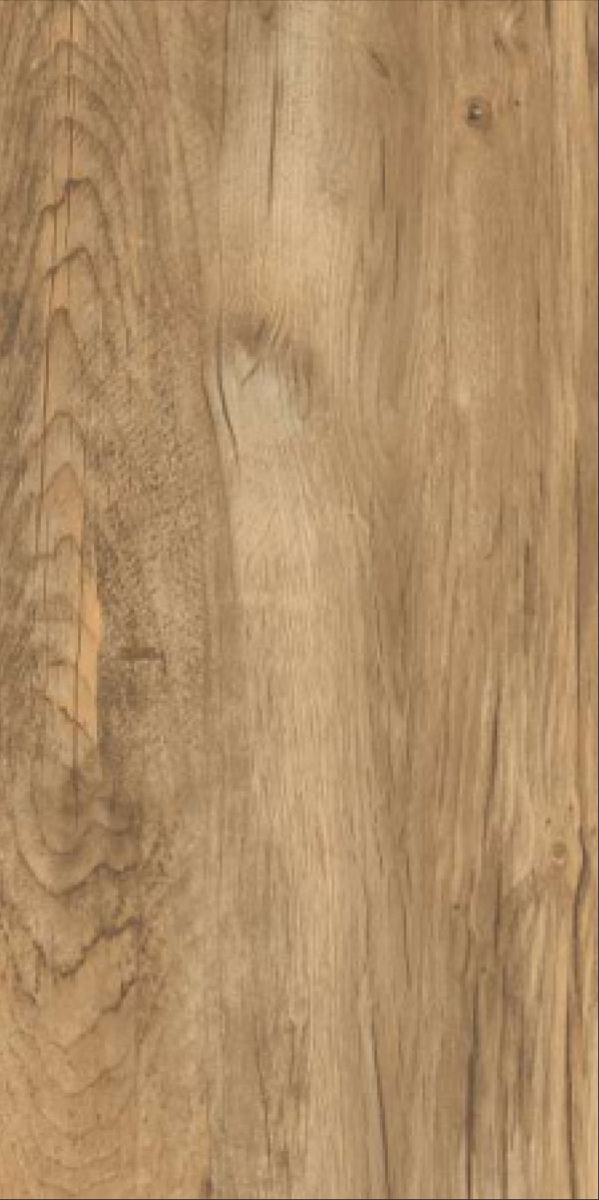
Brown wood tile is a glazed vitrified or porcelain tile printed with a wood-grain texture. The most popular format is the 200x1200mm (8x48) plank size, which closely replicates the look of a timber floor. A brown wood tile gives the warmth of wood flooring without the upkeep and monsoon-related warping issues. These tiles carry water absorption below 0.05% in GVT format, making them far more appropriate for Indian bathrooms and kitchens than actual timber. Prices run from Rs. 70 to Rs. 160 per sq.ft for standard plank sizes.
Brown Pool Tile
Brown pool tile is a specially formulated tile for swimming pool walls and floors. It must tolerate constant chlorinated water contact, high humidity, and UV exposure. Brown pool tiles in glass mosaic or small-format porcelain give a natural, stone-like look to pool interiors. A brown pool tile in a small home pool turns the water a warm, greenish-amber shade. Only use tiles specifically rated for pool use in submerged areas. Prices start from Rs. 150 per sq.ft for pool-grade mosaic.
Brown Outdoor Tiles
Brown outdoor tiles are GVT or full body vitrified tiles with anti-skid matte or GHR finish. They work on terraces, balconies, pathways, and garden areas. The most practical sizes for outdoor use are 400x400mm (16x16) and 500x500mm (20x20). For larger outdoor areas like driveways or parking zones, outdoor vitrified tiles in full body format give the best wear resistance. Brown outdoor tiles priced from Rs. 55 to Rs. 130 per sq.ft hold up well through Indian summers and monsoon cycles.
Note: Glossy and satin matte finishes must not be used on outdoor floors. Always choose matte, GHR, or sugar finish for outdoor brown tiles.
Which Sizes Work Best for Brown Tiles
Size selection depends on room dimensions and the specific area being tiled.
| Size | Alias | Best Use for Brown Tiles | Wall or Floor |
| 300x300mm | 1x1 | Bathroom floor, match with wall ceramic | Both |
| 300x450mm | 12x18 | Bathroom and kitchen walls only | Wall only |
| 300x600mm | 12x24 | Bathroom and kitchen walls, subway style | Wall only |
| 400x400mm | 16x16 | Outdoor, terrace, bathroom floor | Floor only |
| 500x500mm | 20x20 | Outdoor, balcony, bathroom floor | Floor only |
| 600x600mm | 2x2 | Living room, bedroom, bathroom floor and wall | Both |
| 600x1200mm | 2x4 | Large living rooms, bedroom floors and walls | Both |
| 200x1200mm | 8x48 | Wood-plank look floors and walls | Both |
| 800x1600mm | 32x64 | Large open-plan floors, feature walls | Both |
Brown Tiles by Room and Area
Bathroom
Brown tiles are one of the top three colour choices for Indian bathrooms. A dark brown tile floor with light brown or white wall tiles gives a clean contrast. Matte or sugar finish GVT tiles on the floor keep slipping risk low. For bathroom walls, glossy or high-glossy brown ceramic or GVT tiles are acceptable. Use epoxy grout throughout to prevent black grout staining in wet areas.
Kitchen
In kitchens, brown tiles mostly appear on floors and as backsplash tiles behind cooking zones. A brown and white tile combination, with brown on the floor and white or cream on the wall, is the most popular Indian kitchen pairing. Matte finish brown GVT tiles on the kitchen floor handle grease marks better than polished finishes.
Living Room
In living rooms, large-format brown GVT tiles in 600x1200mm (2x4) or 800x1600mm (32x64) give a clean, grounded look. A warm brown tile floor with minimal grout lines suits open-plan spaces. Wood-look tiles in brown tones give the feel of a timber floor without any of the maintenance concerns.
Outdoor and Terrace
Brown outdoor tiles in matte or GHR finish in 400x400mm (16x16) or 500x500mm (20x20) are widely used across Indian terraces, gardens, and pathways. The earthy tone blends naturally with landscaping. Anti-skid finish is mandatory for outdoor brown tiles, especially through monsoon months when the surface is consistently wet.
Swimming Pool
Brown pool tiles in glass mosaic or small-format porcelain give the water an amber-green tint that works well in home pools set in natural garden settings. Only use tiles with specific pool-use ratings for submerged areas.
Choosing the Right Finish for Brown Tiles
| Finish | Look | Safe for Wet Floors | Safe for Outdoor | Best Brown Tile Use |
| Matte | Flat, no reflection | Yes | Yes | Bathroom floor, outdoor, kitchen floor |
| GHR | Stone-like texture | Yes | Yes | Outdoor, high-traffic floors, parking |
| Sugar | Glossy drops on matte body | Yes | Yes | Living room, bedroom floors |
| Glossy | Bright reflection | No | No | Bathroom walls, kitchen walls only |
| High Glossy | Mirror-like surface | No | No | Feature walls only |
| Matte Carving | Matte with tactile veins | Yes | Yes | Living room and bedroom floors |
Note: Glossy, high glossy, and satin matte finishes must never be used on wet area floors or outdoor floors. This applies to all brown tiles regardless of body type.
Pairing Brown Tiles with Other Colours and Materials
Brown tiles pair most naturally with white, cream, grey, and black. White grout with a brown tile floor brings out the tile colour cleanly. Dark grey grout with a brown tile can give a more dramatic, veined-stone effect. Brass and copper fittings sit well against brown tile walls and floors. Polished chrome fittings work better against lighter brown shades.
A common and dependable combination for living rooms is a warm brown GVT floor tile with a light grey or off-white wall. For bathrooms, dark brown ceramic tile on the lower wall section up to dado height with white above gives a grounded, easy-to-clean layout. For those who want a sharper look, black and brown tile combinations on a bathroom floor with white walls give a strong, contemporary result.
Wood-grain brown tiles look best with minimal grout lines and a continuous-run laying pattern, not a brick-lay offset. This reduces visual interruption and makes the floor read as a continuous warm surface.
Water Absorption and Monsoon Suitability of Brown Tiles
GVT and full body vitrified brown tiles with water absorption below 0.05%, as tested under IS 15622:2006, are the right choice for wet bathrooms and covered outdoor areas in Indian monsoon conditions. Tiles that absorb more water loosen over time as repeated wet-dry cycles stress the adhesive bond. Porcelain brown tiles, which absorb between 2% and 5% water, work for dry indoor walls but should not go on outdoor floors or bathroom floors in high-rainfall regions. Ceramic brown tiles, which absorb 12% to 16% water, are wall-only tiles regardless of finish.
Morbi, Gujarat manufactures the majority of GVT and full body brown tiles sold in India. Sizes of 600x600mm (2x2), 600x1200mm (2x4), and 200x1200mm (8x48) wood-plank format are all produced there and priced from Rs. 60 to Rs. 200 per sq.ft depending on finish and body type. Imported brown tiles in the same sizes typically cost Rs. 250 to Rs. 500 per sq.ft. Gujarat factories also produce the brown pool tile mosaics and hexagon tiles in ceramic and porcelain body at competitive prices not available from non-Morbi sources.
Find Your Brown Tile on Tilesfinders
Browsing through hundreds of shade variations, size options, and finish types is much easier when you can compare them in one place. TilesFinders brings together GVT, full body, porcelain, and ceramic brown tiles from verified Morbi manufacturers, listed with real specifications: water absorption, size, finish, and current price per sq.ft. Use the colour filter on the brown tiles page to narrow by shade from light sand to deep chocolate, and the size filter to match your room dimensions exactly.



FAQs
Medium and dark chocolate brown are the most common choices in India. Light brown tile shades are popular in smaller flats where buyers want to keep the space feeling open. Dark brown tile floors with white or grey walls are standard in builder flats and independent homes across most Indian cities.
Yes, brown tiles work well on bathroom floors when you choose a matte, sugar, or GHR finish GVT or full body vitrified tile. These finishes are anti-skid even when wet. Do not use glossy or satin matte finish brown tiles on bathroom floors because they become slippery. Water absorption below 0.05% is the key spec to check before buying.
Brown ceramic tiles for walls start from Rs. 35 per sq.ft. GVT brown floor and wall tiles range from Rs. 60 to Rs. 150 per sq.ft. Full body vitrified brown tiles run from Rs. 85 to Rs. 200 per sq.ft. Brown pool tiles in mosaic format start from Rs. 150 per sq.ft. Prices vary by size, finish, and brand across the Indian market.
Dark brown ceramic tile absorbs 12% to 16% water and is for wall use only in 300x300, 300x450, and 300x600mm sizes. Dark brown GVT absorbs less than 0.05% water and works on floors, walls, and outdoor areas in sizes from 400x400mm up to large slabs. GVT is stronger and more water-resistant than ceramic.
Yes. Brown wood tile in GVT format is one of the most practical flooring options for Indian homes. It looks like timber but absorbs less than 0.05% water, making it safe for kitchens and bathrooms where real wood warps. The 200x1200mm plank size gives the most convincing wood-floor effect. Matte finish is the better choice over glossy for floor use.
Matte or GHR finish brown tiles are the only safe choice for outdoor floors. GHR (Glaze High Resistance) finish gives the best grip and scratch resistance for terraces, balconies, and pathways. Glossy, high glossy, and satin matte finishes must never go on outdoor brown tile floors because they become dangerously slippery when wet.
Yes. Brown mosaic tiles have many more grout joints than large-format tiles, so they are more vulnerable to water ingress and staining. Epoxy grout is strongly recommended for all brown mosaic tile applications, especially in bathrooms and pools. Epoxy grout does not absorb water, resists staining, and stays colour-stable far longer than cement-based grout.
White grout shows the strongest contrast with brown tiles and highlights the tile layout pattern. Grey grout gives a softer, more continuous look. Dark brown or charcoal grout blends the grout lines into the tile colour, making the floor read as one continuous surface. For outdoor brown tiles, use weatherproof epoxy grout regardless of colour choice.