
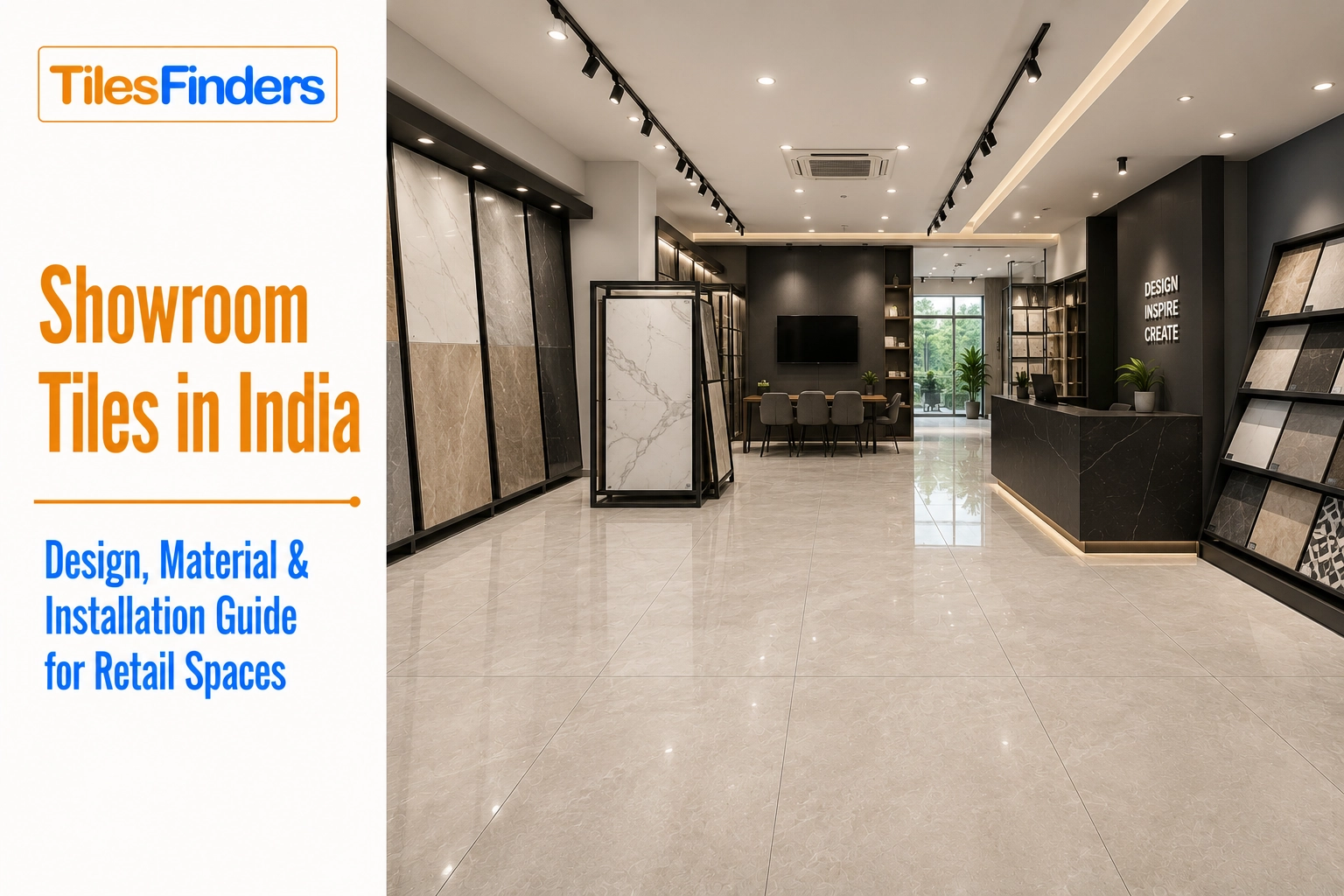
Showroom Tiles in India: Design, Material & Installation Guide for Retail Spaces
Explore the best showroom tiles in India for retail spaces. Compare materials, design ideas, inst...


Loading designs...







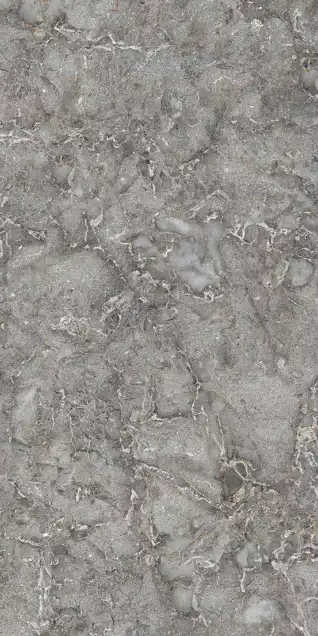











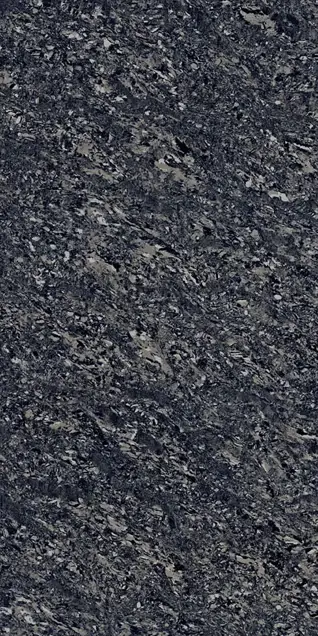
Showroom tiles need to handle heavy foot traffic, trolley movement, and vehicle load while looking sharp every day of the year. Whether you are laying a car showroom floor, a bike showroom floor, a retail shop, or a shopping mall, the tile body and finish matter as much as the design. Most showroom floors in India today use large-format vitrified tiles in full-body or GVT body, sourced directly from Morbi and Gujarat manufacturers. These tiles carry water absorption below 0.05% under IS 15622:2006, which means stains from oil spills, cleaning liquids, and monsoon mud do not penetrate the surface. Sizes from 600x1200mm (2x4) to 1200x2400mm (8x4) are most common for showroom floors in India, priced from Rs. 75 to Rs. 240/sq.ft depending on body, size, and finish.
A tile that works in a home living room will not always work in a showroom. Showroom floors face loads that residential tiles are not rated for: display vehicle weight, customer foot traffic running 12 to 14 hours a day, forklift movement in auto showrooms, and heavy cleaning with commercial detergents. The tile body must be dense and hard. Water absorption must be close to zero so oil and cleaning chemicals do not leave permanent marks.
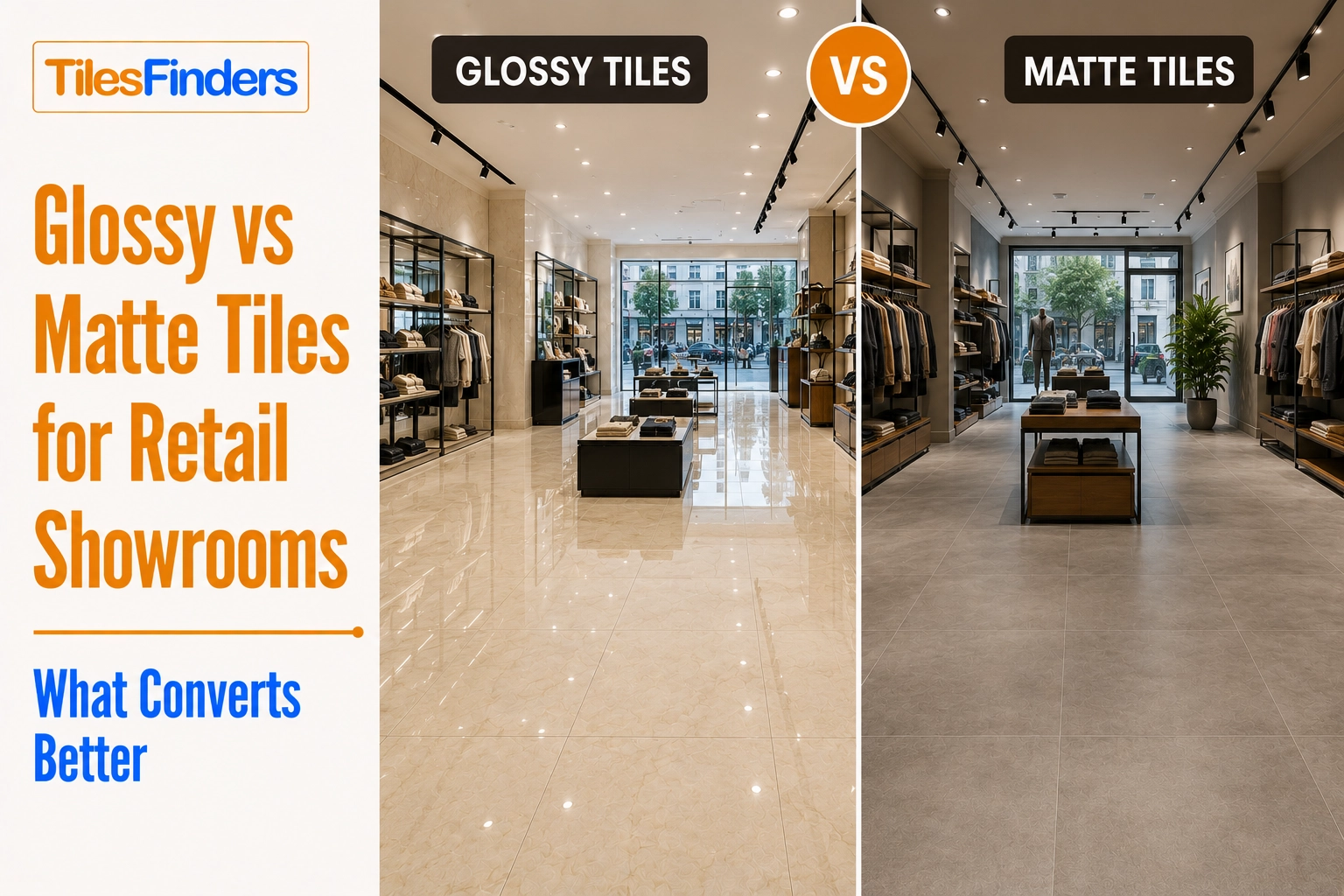
The finish choice is equally critical. High gloss and polished finishes show every footprint and scuff within hours of opening. They also become slip hazards when a cleaning team mops the floor during business hours. Many showroom owners switch from polished vitrified to large format matte GVT or full body vitrified tiles after one season because maintenance costs drop sharply. Satin matte finishes should not be used on commercial floors either, as they do not provide enough slip resistance under real foot traffic loads.
Note: Polished and semi-polished finishes, including PGVT, must not be used on showroom floors. These finishes become slippery with any moisture and do not meet commercial anti-skid requirements. Double charge tiles are suitable for dry indoor showroom floors only, not for outdoor forecourts or covered parking areas exposed to rain.
These are the four tile bodies most used for showroom floor tiles in India, along with their main properties:
| Tile Type | Water Absorption | Finish Options | Best For | Price Range |
| GVT (Glazed Vitrified) | 0.05% | Matte, Sugar, Texture | Retail, clothing, lifestyle showrooms | Rs. 75 to Rs. 160/sq.ft |
| Full Body Vitrified | 0.05% | Matte, Sugar, Polished (walls) | Auto showrooms, high-load floors | Rs. 90 to Rs. 240/sq.ft |
| Double Charge | 0.05% | Polished (dry indoor only) | Dry lobby and reception areas | Rs. 80 to Rs. 160/sq.ft |
| DGV (Digital Glazed Vitrified) | 0.05% | Matte, Sugar | Jewellery, electronics, luxury retail | Rs. 85 to Rs. 180/sq.ft |
Full-body vitrified tiles for showroom use are the top pick for automotive tiles because the colour and texture run through the full thickness of the tile. A surface scratch from a vehicle tyre or trolley wheel does not show a white line as it would on a glazed tile. For two-wheeler showroom tiles and bike showroom floor tiles, a 600x1200mm (2x4) or 800x1600mm (32x64) full-body tile in matte or sugar finish is the most practical choice.
GVT matte tiles work well for retail floor tiles in clothing stores, electronics outlets, and lifestyle stores where display furniture is moved regularly. The matte glaze resists scuffing better than a polished surface, and it does not show footprints under strong display lighting.
Large format showroom tiles reduce grout lines, which means less cleaning maintenance, and a cleaner visual grid across the floor. These sizes are most commonly laid in showrooms across India:
| Size (mm) | Size Alias | Showroom Type | Notes |
| 600x1200mm | 2x4 | All showroom types | Most common; fast to lay, easy to source |
| 800x1600mm | 32x64 | Car, premium retail, electronics | High visual impact, fewer joints |
| 1200x1800mm | 6x4 | Car showrooms, mall floors | Must specify non-polished finish for floors |
| 1200x2400mm | 8x4 | Large format mall floor tiles, flagships | Fewer tiles cover more area; reduces waste |
| 800x1200mm | 32x48 | Bike showrooms, mid-format retail | Good balance of size and handling |
Big format tiles for showroom use above 800mm on any side require a level subfloor and professional tile adhesive. Lippage (tiles sitting at uneven heights) is a common problem when large tiles are laid on uneven concrete, so the floor base must be checked with a straightedge before laying starts. Epoxy grout is the standard choice for showroom floor grout joints because it does not stain, does not crack under heavy load, and is easy to clean with commercial detergents.
| Finish | Anti-Skid | Maintenance | Recommended For Showrooms | Notes |
| Matte GVT | Yes | Low | All floor areas | Best overall choice for commercial floors |
| Sugar Finish | Yes | Low | Auto and bike showrooms | Slight texture hides tyre marks well |
| Full Body Matte | Yes | Very Low | Car showrooms, warehouse retail | No glaze to chip; long life |
| Double Charge Polished | No | High | Dry reception lobbies only | Do not use near entry doors or wet areas |
| PGVT Glossy | No | Very High | Walls only | Never on any floor surface |
| Glossy GVT | No | High | Showroom accent walls only | Footprints visible; not for floors |
Glossy floor tiles for showroom use are a common first choice for owners who prioritise appearance over function. In practice, glossy showroom floor tiles require mopping two to three times a day, and even then show footprints clearly under spot lighting. Most experienced showroom builders in Gujarat now specify matte or sugar finish as standard for showroom floor tiles design, with glossy tiles reserved for feature walls and display plinths only.
For showroom wall tiles, glossy vitrified tiles for showroom walls in large format (600x1200mm or 800x1600mm) give a clean, branded look without the maintenance burden of a polished floor. PGVT tiles in glossy or satin finish work well on showroom feature walls and brand walls where the reflective surface creates depth.
Non-slip showroom tiles and anti-skid showroom tiles are a legal and practical requirement for commercial spaces in India. Any flooring in a public commercial area must meet minimum COF (Coefficient of Friction) standards. A wet-rated matte vitrified tile or GHR tile provides sufficient grip for dry showroom floors. For covered entry zones where rainwater is tracked in from outside during the monsoon months, a GHR or textured matte tile is mandatory.
Automotive tiles in working service areas or car wash bays must be GHR-rated. GVT matte or full body matte tiles used in the display floor are not anti-skid in the same way as GHR tiles and should not be laid in wet service areas. Auto shop floor tiles in wash bays require a tile with a COF above 0.6 wet, and a 1:100 slope toward drainage points.
Garage showroom floor tiles in covered but open-sided carparks must handle thermal expansion, moisture from rain, and tyre contact. A full body vitrified tile in matte or sugar finish with proper expansion joints every 3 to 4 metres is the standard specification from Morbi tile manufacturers for such areas.
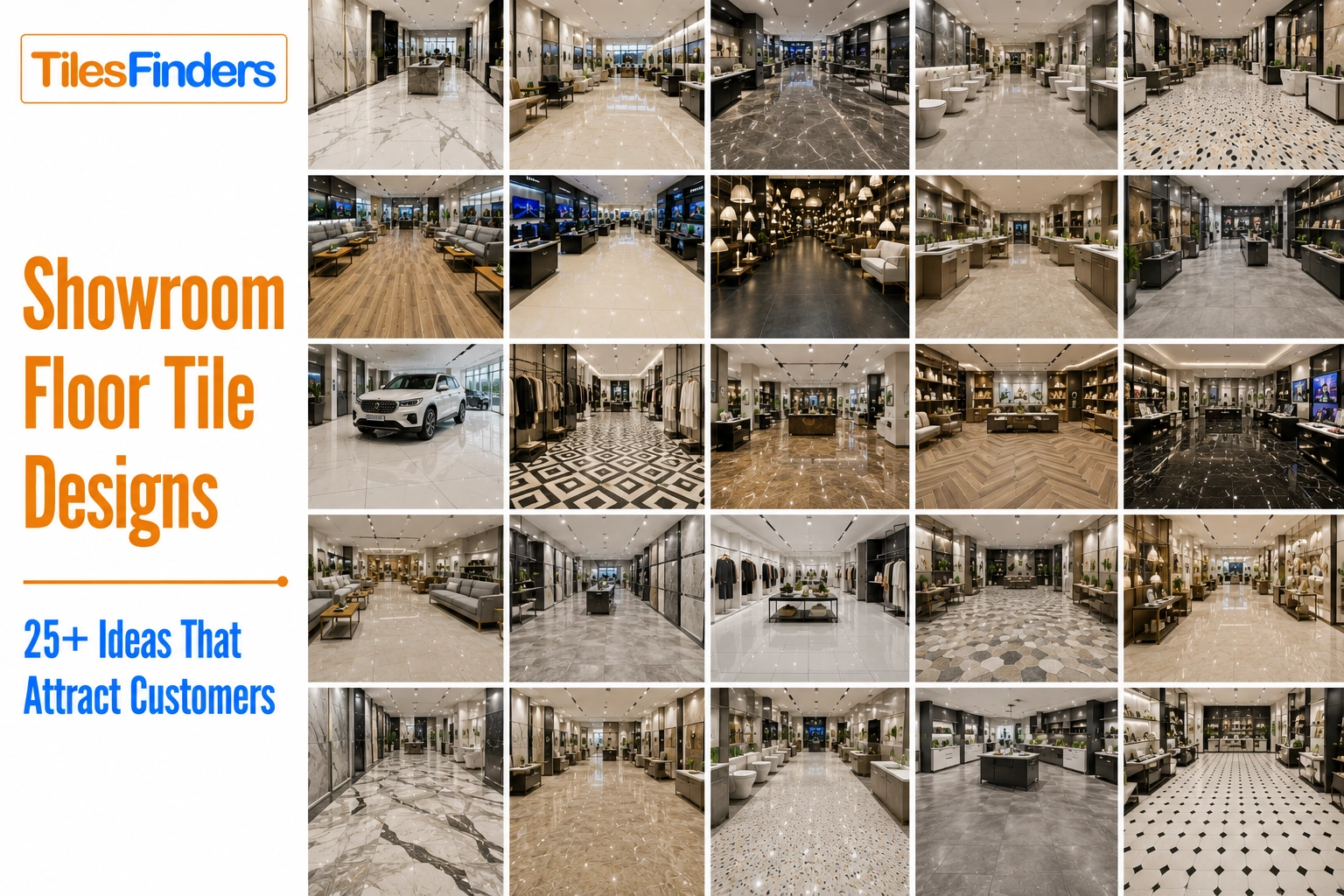
The showroom floor tiles' design affects how a customer moves through the space and how large the floor looks. These are the most used layout approaches in Indian showrooms:
Straight lay: Large format tiles in straight grid alignment, grout lines running parallel to walls. Clean and professional. Works well for car showroom floor tiles and bike showrooms where vehicles are displayed in rows.
Offset lay (brick bond): Each row offset by half a tile. Reduces lippage risk on 600x1200mm tiles. Common in retail floor tiles for clothing and lifestyle stores.
Feature strip: A contrasting tile strip in a darker shade runs down the centre or along walls to direct customer movement. Used in two-wheeler showroom tile layouts to guide visitors toward display vehicles.
Diagonal lay: Tiles laid at 45 degrees to the walls. Creates a wider look in narrow showrooms. Increases tile wastage by 10 to 15%, so quantities must be planned accordingly.
Mall floor tiles and shopping mall floor tiles usually follow a modular grid matched to the structural column grid of the building. Large format tiles in 1200x1800mm (6x4) or 1200x2400mm (8x4) are common in mall common areas because fewer joints make cleaning faster across large floor areas.
Colour is usually kept neutral for commercial flooring: light grey, warm beige, off-white, or cream. Dark tiles in showrooms tend to show white dust and cleaning residue. Tiles for commercial flooring in the light-to-mid range are easier to maintain across a full business day.
Full-body vitrified tiles used in showrooms carry water absorption of 0.05% under IS 15622:2006, which means oil, cleaning chemicals, and vehicle fluids do not stain the tile surface permanently. Sizes most used for showroom floors in India are 600x1200mm (2x4), 800x1600mm (32x64), and 1200x1800mm (6x4) tiles, priced from Rs. 90 to Rs. 240/sq.ft from Morbi and Gujarat manufacturers. Epoxy grout at 3mm joint width is the standard laying specification for large format showroom vitrified tiles to prevent joint cracking under vehicle load.
Morbi in Gujarat is the production hub for more than 80% of vitrified tiles used in Indian commercial spaces, including showrooms, malls, and auto dealerships. GVT matte tiles in 600x1200mm for showroom floors start from Rs. 75/sq.ft ex-factory, while full body vitrified tiles in 1200x1800mm for large format showroom projects start from Rs. 120/sq.ft. Most Gujarat manufacturers can supply tiles in bulk with consistent batch colour, which is critical for large showroom floor areas where colour variation across boxes is visible under flat lighting.
Large format vitrified tiles for showroom floors in full body, GVT, and double charge bodies, covering sizes from 600x1200mm (2x4) to 1200x2400mm (8x4), in matte, sugar, and texture finishes, suitable for car showroom floors, bike showroom floors, retail floors, and mall common areas, are listed on TilesFinders with body type, water absorption, finish type, and size alias on every product. Use the size filter to select large format tiles and the finish filter to narrow to matte or sugar finish options from Morbi and Gujarat manufacturers.
Full body vitrified tiles in 800x1600mm (32x64) or 1200x1800mm (6x4) with matte or sugar finish are best for car showroom floors. They resist tyre marks and vehicle load, and the colour runs through the full tile thickness so surface scratches do not show. Prices start from Rs. 90/sq.ft from Morbi manufacturers.
Glossy floor tiles for showroom use are not recommended for main floor areas because they show every footprint and become slippery when wet. Use matte or sugar finish on the floor. Glossy tiles work well on showroom walls and display plinths where slip risk is not a factor.
600x1200mm (2x4) and 800x1600mm (32x64) are the most practical large format showroom tiles for Indian showrooms. Larger sizes like 1200x1800mm (6x4) suit car showrooms and malls. Larger tiles mean fewer grout lines and faster daily cleaning.
Double charge tiles are suitable for dry indoor showroom floors like reception lobbies and display areas away from entry doors. They must not be used in covered entry zones where monsoon rainwater is tracked in, or in outdoor forecourts. For wet or semi-exposed areas, use full-body matte or GHR tiles.
Epoxy grout is the standard choice for showroom floor tiles. It does not stain, does not crack under heavy foot traffic or vehicle load, and is easy to clean with commercial detergents. Standard joint width for large-format tiles is 3mm.
Bike showroom floor tiles and two-wheeler showroom tiles are usually full-body vitrified or GVT matte in 600x1200mm (2x4) or 800x1600mm (32x64). These sizes cover the display area quickly and give a uniform, professional look. Prices range from Rs. 75 to Rs. 160/sq.ft from Gujarat.
Showroom floor tiles in GVT matte start from Rs. 75/sq.ft for 600x1200mm sizes. Full body vitrified tiles for large format showroom floors range from Rs. 90 to Rs. 240/sq.ft. Prices vary by size, body type, and manufacturer. Tiles are sourced directly from Morbi, Gujarat.
Yes. Mall floor tiles and shopping mall floor tiles use the same large-format vitrified tile bodies as showrooms. Sizes of 1200x1800mm (6x4) and 1200x2400mm (8x4) are common in mall common areas. Matte and sugar finishes are preferred because they show less footprint traffic under mall lighting.