

Red Tiles in India for Floors, Walls, and Outdoor Spaces
Loading designs...
-
 RED
RED -
 Opal 03
 -
CRYSTAR 04
-
5012
-
W Evans 05
-
Opal 03
-
Tokyo 06
-
Valencia 11
-
Opal 03
-
Lisa 11
-
Spring 04
-
Opal 03
-
CRYSTAR 04
-
Opal 03
-
RD-5033
-
RD-5024
-
10716-HL
-
10716-D
-
10713-HL
-
10713-D
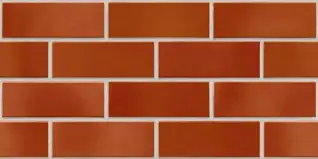
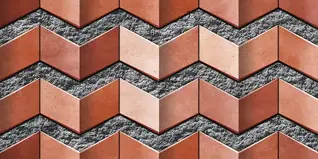
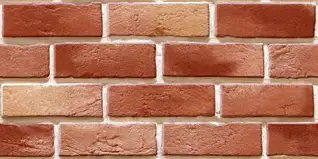
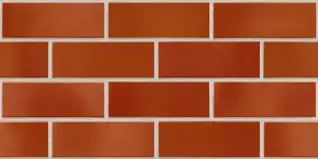
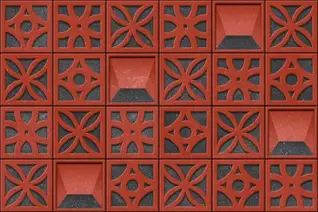
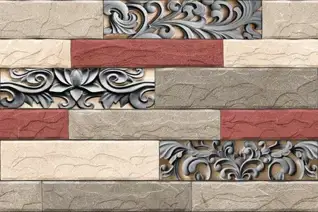
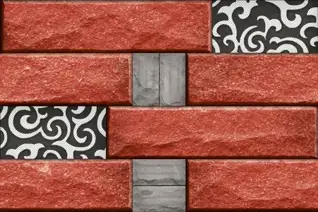
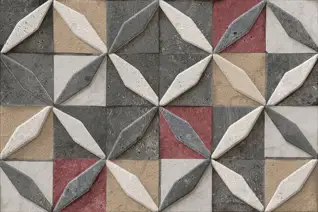
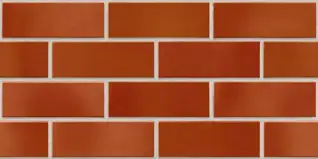
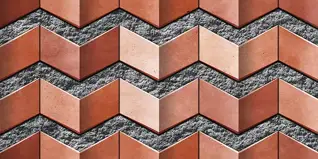
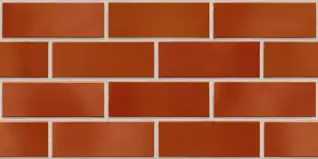
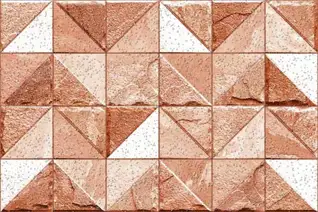
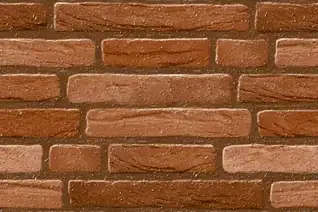
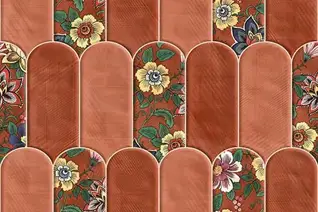

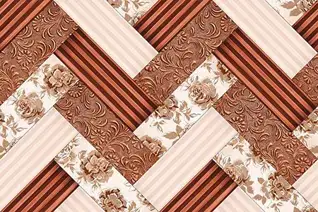
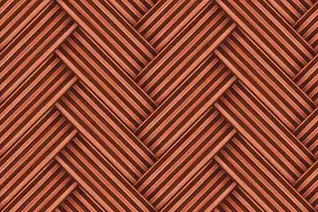
Red tiles bring warmth and depth to any space. The colour works across many tile materials: GVT and PGVT Tiles, ceramic wall tiles, and cement or terrazzo bodies. Red floor tiles are laid in living rooms, kitchens, corridors, and outdoor areas. Red wall tiles go on kitchen backsplashes, bathroom walls, and feature walls.
The collection includes shades ranging from deep terracotta and brick red to dark red and marble-look red tile designs. Prices start from approximately ₹45 per sq ft for ceramic wall tiles and go up to ₹180 per sq ft for large-format PGVT tiles. Use the filters below to browse red tiles by size, finish, colour tone, and application.
Why Red Tiles Work in Indian Homes
Red is a culturally rooted colour in India. It appears in traditional architecture across Rajasthan, Tamil Nadu, and Kerala, and in everyday design choices from kitchens to pooja rooms. In a north-facing room that gets less natural light, red tiles on the floor or one wall bring warmth without needing yellow or orange accents. In a south-facing room with strong light, dark red tiles on the floor anchor the space and stop it from feeling washed out.
In city apartments in cities like Mumbai, Bengaluru, and Ahmedabad, red works well as a single accent wall or as a full backsplash in the kitchen. Red and white tile combinations suit both traditional and clean-lined kitchens. Red and black tiles give a high-contrast look used in cafes, restaurants, and commercial floors. Red outdoor tiles in GVT matte finish are chosen for courtyards, balconies, and exterior facades where the earthy tone fits the natural surroundings.
Types of Red Tiles Available in India
Red tiles in India come in several body types. Each body type has a different water absorption rate, finish range, and use case. The table below covers the main options.
| Body Type | Water Absorption | Finish Options | Price Range (Rs/sq.ft) | Best Use |
| GVT (Glazed Vitrified) | 0.05% (IS 15622) | Matte, Sugar, Matte Carving, GHR | 80 to 160 | Floor and wall, indoor and outdoor |
| PGVT (Polished Glazed Vitrified) | 0.05% (IS 15622) | Polished Glossy, Polished High Glossy | 100 to 180 | Dry indoor walls and dry-area floors only |
| Ceramic | 12% to 16% (IS 13630) | Glossy, Matte | 45 to 80 | Wall cladding only (300x300 on bathroom floors only) |
| Full Body Vitrified | 0.05% (IS 15622) | Matte, Matte Carving | 130 to 200 | High-traffic commercial floors, edge grooves |
| Cement / Encaustic | 6% to 10% | Matte | 150 to 300 | Feature walls, Moroccan or zellige look |
Red ceramic tile in 300x300 (12x12) or 300x600 is the most widely ordered format for kitchen and bathroom wall cladding. Red ceramic tile 12x12 specifically is used in compact bathrooms and utility areas. Ceramic tile flooring is only safe in the 300x300 size on bathroom floors. All other ceramic red tiles are for wall use only.
Note: Ceramic tiles have 12% to 16% water absorption as per IS 13630. Red ceramic tile must not be used on floors except in a 300x300 size on bathroom floors. For all other floors, use GVT or Full Body vitrified tiles.
Red Tiles: Looks, Patterns and Colours
The red tile range covers many surface looks beyond plain, solid red. Here is how the main looks differ and where each one is used.
Red marble tile and red marble floor tile designs are GVT or PGVT tiles printed with red marble veining on a deep red or burgundy base. These are used for feature walls, foyers, and dry living room floors. Red stone tile designs copy the texture of sandstone or quartzite in warm red tones and are laid on outdoor terraces, courtyard floors, and exterior facades. Red travertine tile prints mimic the porous, layered surface of natural travertine in terracotta red and are mostly used on exterior walls and outdoor spaces.
Red terrazzo tile has a speckled surface with white, grey, or black chips on a red base. It suits balconies, cafes, and contemporary kitchen floors. Red zellige tiles are handmade Moroccan clay tiles with an irregular surface and raw glaze in red tones. They are used on kitchen backsplashes and feature walls where a handcrafted look is needed. Red Moroccan tiles cover a broader range of Moroccan-inspired geometric and floral patterns in red and white or red and black combinations, used on accent walls and bathroom floors.
Red patterned tiles include encaustic cement tiles and printed ceramic tiles with repeat geometric, floral, or ikat patterns in red. Red gloss tiles are ceramic or PGVT in a bright, shiny red finish used on kitchen walls and bathroom accent walls. Red glass tile is a glass mosaic or subway-format tile used on kitchen backsplashes and shower walls. Red onyx tile gives a translucent, layered vein look in deep red and amber and is used for feature walls and reception counters. Red and white tile and red and black tiles are combination-look formats used for Victorian patterns, checkerboard floors, and Moroccan layouts.
Red Floor Tiles: Sizes, Finishes and Where to Use Them
Red floor tiles in GVT matte or GHR finish work on all floor areas, including wet zones. For a living room floor, 600x1200 mm or 800x1600 mm in matte or sugar finish gives a clean, large-format look. Red square tiles in 600x600 mm are the most common size for kitchen floors and corridors. For bathroom floors, 300x300 mm GVT matte red tiles are the right choice. Red and white floor tiles in 300x300 mm checkerboard patterns are used in heritage and Victorian-style bathrooms and verandahs. Red and black floor tiles in the same 300x300 mm format are a standard choice for commercial kitchens, cafes, and restaurants.
Red outdoor tiles need a matte or GHR finish and at least 0.05% water absorption with an R10 or higher anti-skid rating. GVT matte in 400x400 mm or 600x600 mm is the standard choice for balconies, courtyards, and terraces. Red granite tile in GVT prints gives an outdoor-grade look with the visual texture of red granite in 600x600 or 800x800 mm format. Red brown tile and dark red tiles in matte GVT give a warm, earthy tone that blends with natural outdoor surroundings.
Note: Red gloss tiles and Polished Glossy red tiles must not be used on floors where water is present. Polished and glossy finishes are slippery when wet. For kitchen floors, bathroom floors, and outdoor floors, use GVT matte or GHR finish only.
Red Wall Tiles: Kitchen, Bathroom and Feature Walls
Red wall tiles in ceramic glossy or GVT matte are the standard for kitchen backsplashes. A full red backsplash from the counter to the cabinet, in 300x600 mm ceramic, glossy, gives the brightest red colour. For a softer look, use a half-height backsplash in red ceramic tile with white grout. Red cement tiles and red zellige tiles are used for artisan-style kitchen walls and alcoves where texture matters more than gloss.
[Red bathroom tiles](/colour/red-tiles/bathroom) on walls look good in PGVT Polished Glossy or ceramic glossy finishes. A single red accent wall behind a wash basin or in a shower alcove is the most common use. Red Moroccan tiles in 200x200 mm geometric patterns are used for full bathroom wall cladding in restaurants and boutique hotels. Red gloss tiles in 300x450 mm are a budget option for bathroom walls in rental apartments. Red patterned tiles in encaustic or ceramic print formats are used on feature walls in cafes, offices, and living rooms as an accent behind furniture.
For a living room feature wall, a [red marble tile](/look/marble-tiles) or red onyx tile in PGVT Polished High Glossy in 800x1600 mm gives the most dramatic look. This size covers the wall in two tiles from floor to ceiling in a standard 9-foot room, with near-invisible grout lines. Red stone tile in GVT matte carving finish in 600x1200 mm is a textured alternative that reads more natural and less formal than a polished marble look.
Recommended Sizes and Finishes for Red Tiles
| Area | Recommended Size | Body Type | Finish | Key Note |
| Living room floor | 600x1200 or 800x1600 mm | GVT | Matte or Sugar | Avoid polishing on floors near wet areas |
| Bedroom floor | 600x600 or 600x1200 mm | GVT | Matte or Posh | Deep red works well in north-facing rooms |
| Kitchen floor | 600x600 mm | GVT or Full Body | Matte or GHR | Never use a gloss finish on kitchen floors |
| Bathroom floor | 300x300 mm | GVT | Matte | Only 300x300 is safe for wet bathroom floors |
| Outdoor / terrace/balcony | 400x400 or 600x600 mm | GVT | Matte or GHR | R10 anti-skid rating needed for outdoor floors |
| Kitchen backsplash/wall | 300x450 or 300x600 mm | Ceramic | Glossy | Wall only size. Never on floors |
| Bathroom wall | 300x450 or 300x600 mm | Ceramic or PGVT | Glossy or Polished Glossy | Polished Glossy safe on walls, not wet floors |
| Feature wall (living room) | 800x1600 mm | PGVT or GVT | Polished High Glossy or Matte Carving | Large format reduces grout lines on feature walls |
Design and Pairing Tips for Red Tiles
Red tiles work best when the room has one dominant red surface, and the rest of the palette is neutral. Pair red floor tiles with off-white or light grey walls for a grounded look. Pair red wall tiles with white or cream floor tiles so the red reads as an accent, not a total saturation. Dark red tiles on the floor pair well with natural wood furniture and warm white walls in the 3000K to 3500K colour temperature range.
For a red and white tile floor in a traditional Indian verandah or kitchen, use a 300x300 mm checkerboard with a white or ivory alternate tile and narrow grout in grey. For red and black tiles in a commercial kitchen or cafe, use 300x300 mm in a 50:50 or 25:75 ratio and specify epoxy grout for easy cleaning. Red brown tile shades like rust, brick, and terracotta mix well with Kota stone, natural wood, and exposed concrete in open-plan homes.
Avoid using bright red tiles across an entire room. A full red floor or a red floor and red walls together overwhelm most Indian room proportions. One surface at a time gives the right visual weight. The exception is dark red tiles or terracotta red in matte finish, which can be used on floors and a single low wall in the same room without the space feeling closed in.
Browse Red Tiles at Tilesfinders
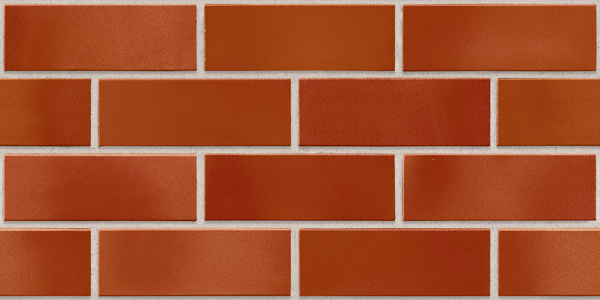
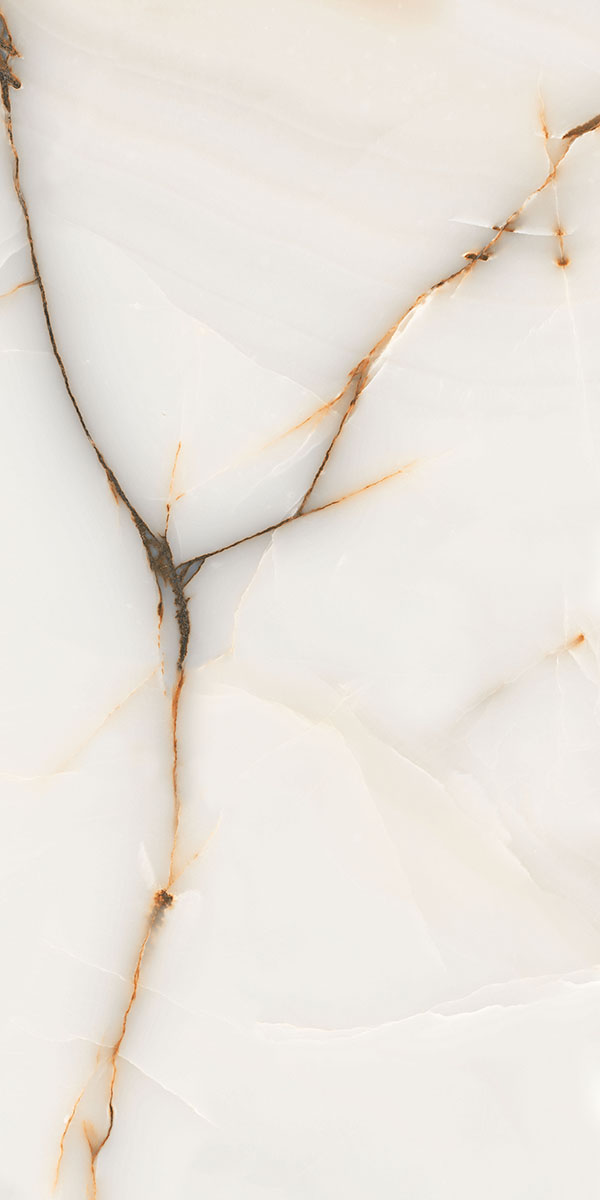
Find red tiles in ceramic, GVT, PGVT, and Full Body categories sourced from Morbi manufacturers across India. Tilesfinders offers matte, glossy, sugar, and GHR finishes in sizes from 300x300 mm to 800x1600 mm. Browse red floor tiles, wall tiles, and outdoor parking tiles by size, finish, and application, and contact the team for factory samples and bulk pricing.



FAQs
GVT matte or Full Body matte red tiles in 600x600 mm are the right pick for a kitchen floor. Never use red gloss tiles or PGVT Polished Glossy on a kitchen floor because oil and water spills make polished surfaces slippery. Red ceramic tile flooring is only safe in 300x300 mm on bathroom floors, not kitchen floors. For a kitchen with heavy traffic, a Full Body GHR finish in 600x600 mm gives the best resistance to wear and staining.
Red ceramic tile in 300x450 mm and 300x600 mm is for walls only. Ceramic tiles have 12% to 16% water absorption as per IS 13630 and are not rated for floor load except in the 300x300 mm size. Red ceramic tile 12x12 (300x300 mm) can be laid on bathroom floors only. For all other floor areas, use GVT or Full Body vitrified tiles in matte finish.
Red tiles in India range from Rs. 45 per sq ft for ceramic glossy wall tiles to Rs. 180 per sq ft for PGVT or large-format GVT designs. Red marble tile and red onyx tile designs in PGVT 800x1600 mm sit at Rs. 120 to Rs. 180 per sq.ft. Red terracotta and red stone tile looks in GVT matte run Rs. 70 to Rs. 120 per sq.ft. Prices vary by brand, size, and finish. Factory rates from Morbi run 20% to 30% below retail showroom prices.
Red floor tiles in GVT matte or GHR finish have an R10 or higher anti-skid rating and are safe for dry and wet indoor floors. Red gloss tiles and PGVT tiles are not anti-skid and must not be used on floors where water is present. For outdoor red floor tiles, pick GVT, GHR, or raindrops finished in 400x400 or 600x600 mm for adequate grip in all weather conditions.
Red marble tile is a GVT or PGVT tile printed with marble-like veining on a red or burgundy base. The surface is smooth, and the pattern is flowing and organic. Red stone tile copies the texture of sandstone or quartzite in red tones. The surface has a rough, textured feel, and the pattern is random and natural-looking. Red marble tile is mostly used on indoor walls and dry floors. Red stone tile works on both indoor and outdoor surfaces in matte or GHR finish.
Red and black tiles in 300x300 mm checkerboard work better in kitchens, commercial spaces, cafes, and restaurants than in a living room. In a living room, the high contrast can feel heavy in typical Indian room proportions of 12x14 to 16x18 feet. If you want red and black tiles in a living room, use them on one accent wall rather than the floor, or use a large-format dark red tile on the floor with black furniture and white walls.
Red tiles in India come in ceramic sizes from 300x300 mm to 300x600 mm for walls, and in GVT and Full Body vitrified sizes from 400x400 mm up to 800x1600 mm for floors and walls. Red square tiles in 600x600 mm are the most ordered size for floors. Red ceramic tile 12x12 (300x300 mm) is the standard for bathroom wall accents. Large-format red tiles in 600x1200 mm and 800x1600 mm are used for living room floors and feature walls.
Red zellige tiles are handmade Moroccan clay tiles with an irregular surface, raw glaze, and subtle colour variation across each piece. They come in small formats, mostly 100x100 mm to 150x150 mm, and are set with wide grout lines to show the handmade character. Red zellige tiles are used on kitchen backsplashes, bathroom accent walls, outdoor niches, and garden walls. They are not rated for heavy foot traffic and should not go on main floor areas.