

800x2400 Tiles: Size, Coverage and Full Body Guide for India
Loading designs...
-
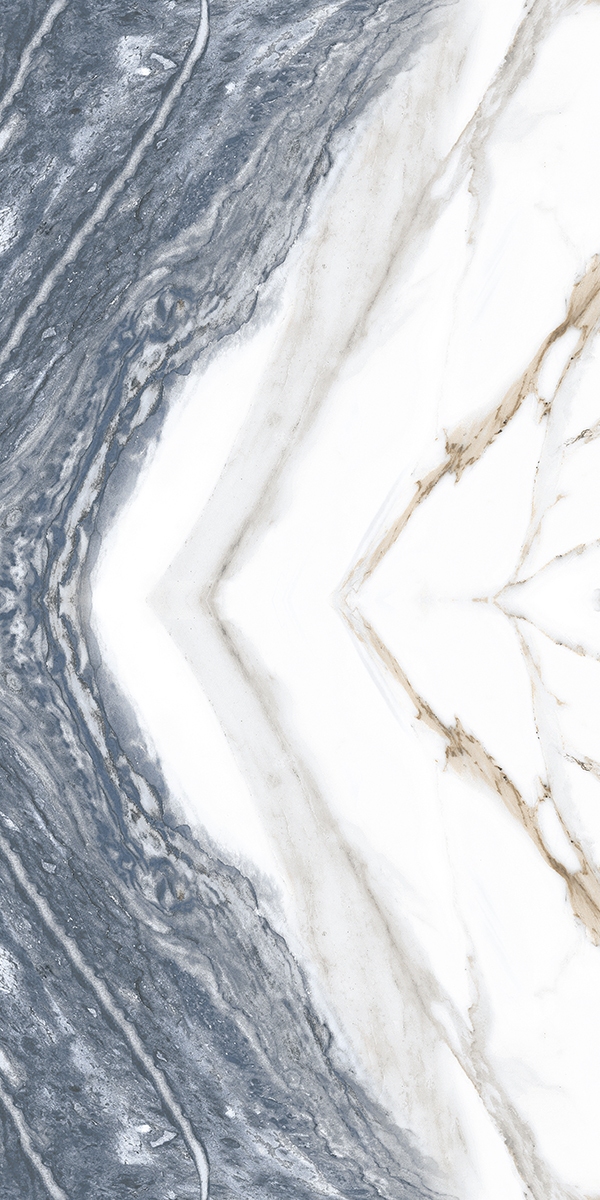
 80240GL BRAVO CREMA
 -
 80240GL BRAVO WHITE
 -
80240GL SATARI MINT
-
80240GL VARMONT KOTA
-
80240MT VARMONT WHITE
-
80240MT VARMONT WHITE
-
80240MT VARMONT GREY
-
80240MT VARMONT DOVE
-
80240MT VARMONT BLACK
-
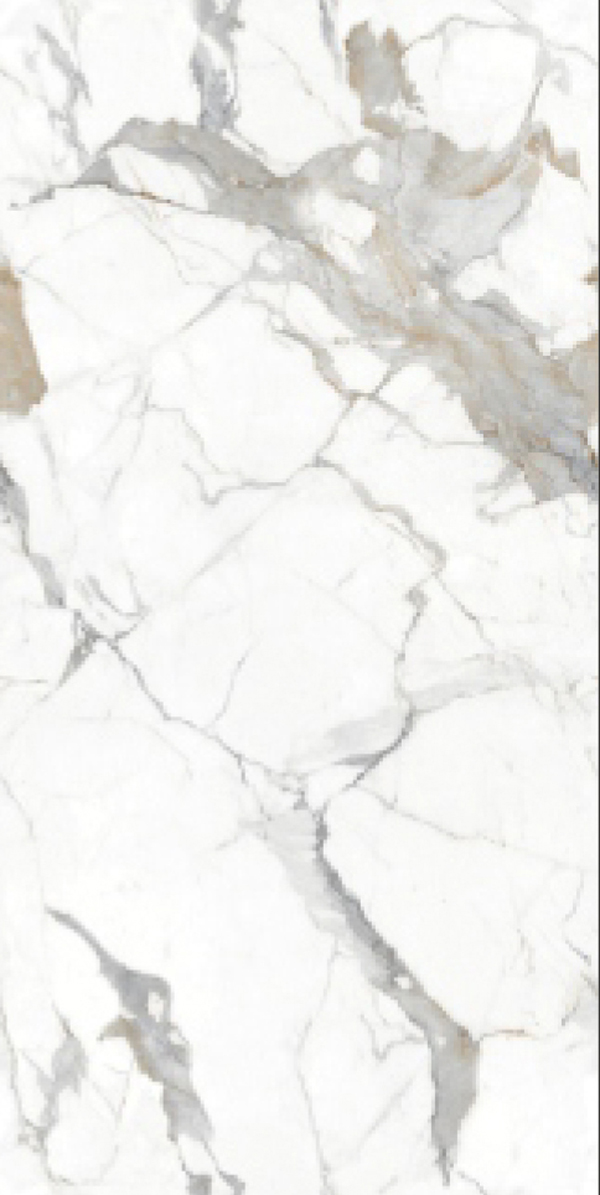
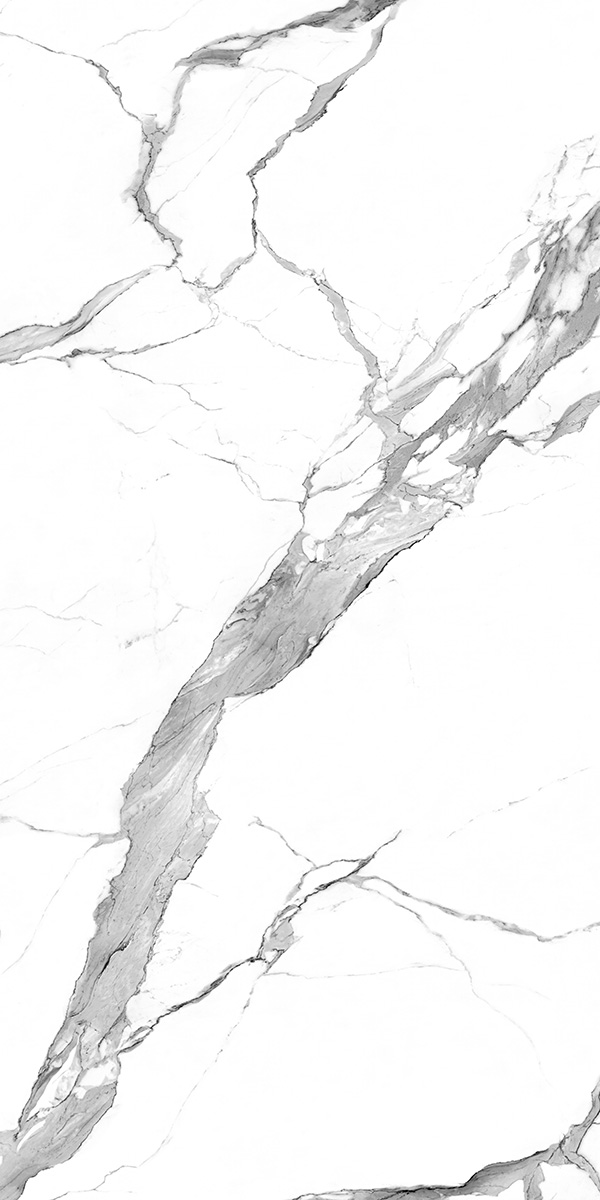
80240GL VARMONT WHITE
-
80240GL VARMONT MUSHROOM
-
80240GL VARMONT KOTA
-
80240GL VARMONT GREY
-
80240GL VARMONT DOVE
-
80240GL VARMONT BLACK
-
80240GL SATARI MINT
-
80240GL SATARI CHOCO
-
80240GL SATARI PILPIS
-
80240GL SATARI EARTH
-
80240GL BRAVO CREMA



















800x2400 tiles measure 800mm by 2400mm, converting to approximately 2.6 feet by 7.9 feet. Buyers frequently search for this size directly in square feet or feet, since 800x2400 does not have a common rounded imperial nickname the way sizes like 800x1200mm do.
One panel covers roughly 20.7 square feet, more coverage per piece than any large format tile of similar overall dimensions. This size is manufactured exclusively in full body vitrified construction, and is used mainly for feature walls, building elevations and long floor strips in premium residential and commercial projects.
800x2400 Tiles in Feet and Square Feet
800mm converts to roughly 2.62 feet, and 2400mm converts to roughly 7.87 feet, giving a panel size of approximately 2.6 by 7.9 feet. Multiplying these figures gives a coverage area of approximately 20.7 square feet per tile.
For a project needing 100 square feet of coverage, this works out to roughly 5 panels before adding wastage. Actual panel count on a real project usually depends more on wall or room shape than a simple area calculation, since this elongated size is rarely cut across its short width.
A useful comparison point is 1200x1800mm tiles, a large format size that covers about 23.2 square feet per panel despite looking similar in overall footprint on paper. 800x2400 delivers slightly less area per panel, but its elongated shape often suits a tall feature wall or long floor run better than a panel of similar total area.
Full Body Vitrified Specifications and Panel Weight
| Property | Specification |
| Water Absorption | Below 0.5% |
| IS Standard | IS 15622:2006 |
| Body | Full body vitrified only, no ceramic, porcelain or GVT at this size |
| Typical Thickness | 9mm to 12mm |
| Approx Panel Weight | 45kg at 10mm, 54kg at 12mm |
| Common Use | Feature walls, elevations, long floor strips, commercial projects |
This size is manufactured exclusively as a full body vitrified tile. The extreme length to width ratio puts far more bending stress on the tile during transport and handling than a large format size, so manufacturers do not offer porcelain, GVT or ceramic versions at this size.
A full body vitrified panel carries a consistent colour and pattern through its entire thickness, rather than only a printed glazed layer on top. This matters specifically at this size, since a glazed layer would be far more likely to chip or show a mismatched edge once a panel this long is cut or handled. Water absorption for a genuine full body vitrified panel stays below 0.5 percent.
A 10mm thick panel at this size weighs approximately 45 kilograms, based on a typical full body vitrified density of around 2350 kilograms per cubic metre. A 12mm panel weighs closer to 54 kilograms. This weight is a key reason installation needs specific equipment and crew planning, covered further below.
Where This Size Shines: Elevations and Architectural Cladding
800x2400 tiles are most often specified as feature walls or building elevation cladding. The panel's length allows it to span floor to ceiling in many residential rooms, or a full storey height on a building facade, without a horizontal joint.
On floors, this size is generally reserved for long hallways, entrance lobbies and large commercial spaces, laid as an elongated plank-style strip. Most Indian rooms are not long enough to make full use of a 2400mm panel length without heavy cutting, which is why bathroom and kitchen floor use is uncommon for this size.
Note: 800x2400 tiles should not be used on walls or floors shorter than roughly 8 feet in the panel's length direction, because cutting a panel this large down for a short wall or floor run produces very high wastage and removes the main benefit of choosing this size.
Book Matching and Panel Layout Options
Book matching is one of the most requested design options at this size. Adjacent panels are printed so their veining mirrors each other once installed side by side, so a marble look tile can run almost the full height of a feature wall with a single vertical joint.
Wood plank look is a distinctive option that suits this size particularly well, since its narrow, elongated proportions naturally match the pattern in wood look tiles running the length of the panel. This gives a plank flooring appearance with far fewer joints than actual wood plank flooring would need.
Stone and concrete look panels at this size are typically chosen for commercial facades and contemporary architecture, usually in a textured matte finish suited to exterior cladding. Panel orientation and book matching availability should always be confirmed with the manufacturer before ordering for a design-led project.
Site Logistics: Crew, Equipment and Access Planning
Laying or fixing 800x2400 tiles requires a mechanical suction lifter and typically three trained installers per panel. The combination of length and weight makes this size more prone to cracking under uneven support than a large format tile of similar area.
Site access needs checking before ordering, since a 2400mm panel does not fit through a standard door, lift or stairwell turn the way smaller tiles do. Multi-storey or apartment deliveries in particular should be planned with the transporter and installer together well ahead of the laying date.
Vertical feature wall installations need mechanical anchoring in addition to adhesive above a certain panel height, since adhesive alone is not considered reliable for a panel this heavy over time. Epoxy grout at the joints is recommended over standard cement grout, since it resists staining and monsoon moisture far better across the fewer, wider joints this size produces.
The most frequent mistake at this size is underestimating handling care compared with large formats. A second common mistake is skipping mechanical anchoring on tall walls and relying on adhesive alone. A third is ordering without confirming book matching or plank direction when a continuous veining or grain look is the goal.
800x2400 Tile Pricing in India
800x2400 tiles are priced from Rs. 180 to Rs. 400 per sq.ft from Morbi and Gujarat manufacturers, generally higher than large format sizes such as 1200x1800mm. This reflects the greater manufacturing difficulty, lower yield per production batch, and higher breakage risk that come with this elongated shape.
Marble look designs with book matching, and wood plank look designs, command the upper end of this price range. Plain stone or concrete look panels without matched veining are usually priced toward the lower end.
Freight, specialised crating, and the additional labour and equipment cost of a trained installation crew should all be budgeted separately from the per-foot tile price. These costs are proportionally higher for this size than for smaller large format tiles from Morbi. Epoxy grout at the joints should also be budgeted in, since it is the recommended joint filler for a panel this size.
Compliance, Sourcing and Cost Summary
Genuine 800x2400 full body vitrified tiles carry water absorption below 0.5 percent, compliant with IS 15622:2006 standards for vitrified tiles. This keeps long panels stable through India's monsoon humidity and summer heat without warping or cracking along their length.
Most tiles at this size sold in India are manufactured in Morbi, Gujarat, and shipped in reinforced wooden crates built specifically for this elongated shape. Standard large format crating used for sizes does not adequately support a panel this long during transport.
Price for this size spans Rs. 180 to Rs. 400 per sq.ft, with plain stone or concrete look panels at the lower end and book-matched marble or wood plank designs toward the upper end. Buyers outside Gujarat should budget for higher freight and breakage insurance than any large format size.
Planning a Feature Wall or Elevation Project
Choosing 800x2400 tiles is almost always a decision about a specific feature wall, building elevation or long floor strip, given how much the elongated shape drives both the design outcome and the installation plan. TilesFinders lists this size and other large format options with body, water absorption and book matching availability confirmed on every listing.
A panel this size, laid correctly with the right crew, equipment and anchoring, delivers a dramatic, almost seamless surface that no smaller tile size can replicate.



FAQs
800x2400 tiles measure approximately 2.6 feet by 7.9 feet, since 800mm converts to roughly 2.62 feet and 2400mm converts to roughly 7.87 feet. The exact manufactured size stays fixed at 800mm by 2400mm across brands. Always confirm the metric size on the technical data sheet before ordering.
One 800x2400 tile covers approximately 20.7 square feet, calculated from its 2.62 by 7.87 foot dimensions. This is slightly less coverage per panel than a size such as 1200x1800mm. Actual panel count for a project usually depends more on room or wall shape than a simple area calculation.
A 10mm thick 800x2400 panel weighs approximately 45 kilograms, based on typical full body vitrified density. A 12mm panel weighs closer to 54 kilograms. This weight is why installation needs a mechanical lifter and a trained multi-person crew.
No, 800x2400 tiles are manufactured almost exclusively in full body vitrified construction, not porcelain or GVT. The extreme length-to-width ratio needs a body strong enough through its full thickness to resist cracking during handling. Always confirm the actual body type on the technical data sheet.
800x2400 tiles are typically used for feature walls, building elevations and long floor strips in hallways or commercial spaces. The panel's height often spans floor to ceiling without a horizontal joint. This size is rarely used as a general floor tile for an average-sized room.
800x2400 tiles are rarely used on bathroom floors, since very few Indian bathrooms have a run long enough to avoid heavy cutting wastage. This size suits feature walls, elevations and long hallway floors far better. Smaller sizes are more practical for typical bathroom floors.
800x2400 tiles typically cost between Rs. 180 and Rs. 400 per sq.ft in India. Book-matched marble or wood plank-look designs sit toward the upper end, while plain stone or concrete-look panels cost less. Freight and specialised crating add further to the total project cost.
Not always, since a 2400mm long panel can be difficult to manoeuvre through a standard door, lift or stairwell turn. Site access should be checked and planned with the transporter and installer before ordering. Multi-storey deliveries need particular care and advance planning.
Book matching means adjacent 800x2400 marble look panels are printed so their veining mirrors each other once installed side by side. At this elongated size, book matching can run almost the full height of a feature wall with a single joint. Not every manufacturer offers book-matched pairs.
Yes, tall feature wall installations using this size typically need mechanical anchoring in addition to adhesive above a certain panel height. Relying on adhesive alone risks the panel detaching over time under its own weight. Always follow the manufacturer's fixing guidelines for vertical installations.