

Highlighter Tiles: Accent Strips, Border Bands, and Feature Inserts for Every Room
Loading designs...
-
Sea 600x1200Glossy -
Sea Decor P1 600x1200Glossy -
Sea Decor P1 600x1200Glossy -
Sea Decor P2 600x1200Glossy -
Sea Decor P2 600x1200Glossy -
Sea Decor P1 600x1200Glossy -
10614-D 300x450Glossy -
10658-HL-2 300x450Glossy -
10705-HL 300x450Glossy -
10708-HL 300x450Glossy -
10709-HL 300x450Glossy -
10710 300x450Glossy -
10713-HL 300x450Glossy -
10713-L 300x450Glossy -
10714-HL 300x450Glossy -
10715-HL 300x450Glossy -
10723-HL 300x450Glossy -
10725-HL 300x450Glossy -
10729-HL 300x450Glossy -
10733-HL 300x450Glossy








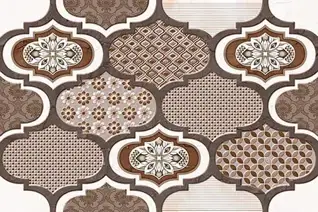


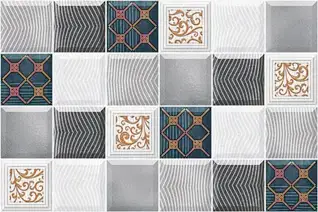
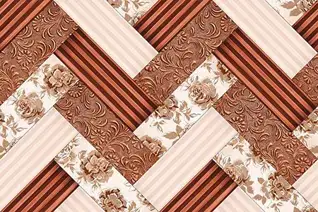

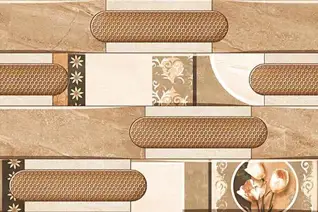
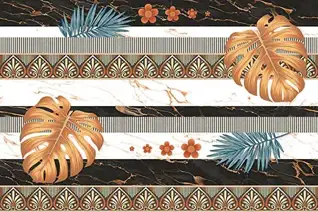
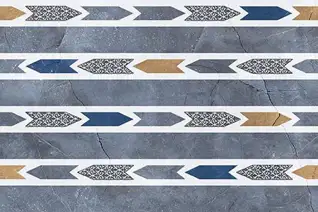
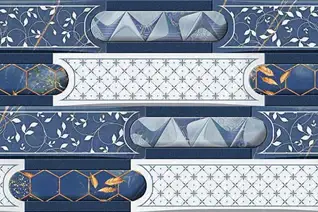

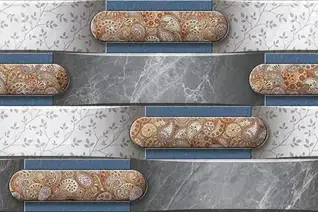
Highlighter tiles are narrow accent tiles placed within a larger tiled surface to draw attention to a specific point, create a visual break between two tile fields, or add a finishing detail that plain tiles do not provide. The term is used widely in India to describe what international tile catalogues call a listello, border tile, pencil liner, or accent strip. A highlighter tile is typically smaller or narrower than the field tile surrounding it, in a contrasting colour, finish, or texture, and placed horizontally or vertically as a band across a bathroom wall, kitchen backsplash, or living room feature wall.
The highlighter tile works by contrast. Placed against a plain white or grey field tile, a golden, coloured, metallic-finish, or textured highlighter strip draws the eye to the horizontal line it creates, effectively dividing the wall into two visual sections. Used around a shower niche, it frames the niche and turns a structural opening into a deliberate design element. Used as a single band at mid-height on a bathroom wall, it separates the lower half from the upper half and gives the room a defined wainscot effect without using a different tile across the entire lower section. The design impact is disproportionate to the area covered because the highlighter creates contrast rather than coverage.
Highlighter tiles are available in ceramic, GVT, and metallic-glaze finishes in formats from 50x300mm narrow strips to 100x600mm wider accent bands. They are used in bathrooms, kitchens, living rooms, bedrooms, and lobbies. Price ranges from Rs. 30 per sq.ft for standard ceramic highlighter strips to Rs. 120 per sq.ft for metallic, golden, or imported-look GVT highlighter tiles.
What Highlighter Tiles Are and How They Work in a Tiled Space
A highlighter tile creates contrast within a tiled surface in one of three ways: through a different colour from the field tile, through a different finish such as a metallic or high-gloss surface against a matte field tile, or through a different texture such as a raised or embossed surface against a smooth field tile. Most effective highlighter combinations use at least two of these three contrast types simultaneously.
| Highlighter Contrast Type | Example | Visual Effect | Best Room Application |
|---|---|---|---|
| Colour contrast | Gold strip in white bathroom wall | Strong horizontal line; eye drawn immediately to the band | Bathroom, living room, bedroom |
| Finish contrast | Metallic gloss strip in matte grey wall | Subtle shimmer line; reads as premium without bold colour | Bathroom, kitchen, lobby |
| Texture contrast | Raised embossed strip in plain flat wall | Shadow line under light; tactile detail visible at close range | Bathroom, bedroom, living room |
| Colour and finish contrast | Black gloss strip in white matte tile field | Maximum contrast; bold visual division of wall into two sections | Bathroom, contemporary kitchen |
Placement determines the effect. A highlighter strip at one-third height from the floor on a bathroom wall reads as a low wainscot line. At two-thirds height, it creates a visual cornice. Around the perimeter of a shower niche, it frames the niche like a picture frame. As a single horizontal band at counter height above a kitchen backsplash, it marks the transition between the counter zone and the cooking zone on the wall. Each placement creates a different spatial effect from the same narrow tile.
Types of Highlighter Tiles
- Narrow Strip Highlighter Tiles: The most common format, typically 50x300mm or 75x300mm, laid as a continuous horizontal or vertical band within a tiled wall. Available in ceramic and GVT in glossy, metallic-glaze, and gold finish. These are the standard bathroom and kitchen highlighter tile in Indian residential construction.
- Wider Accent Band Tiles: 100x300mm or 100x600mm formats that create a wider visual break than a narrow strip. Used in larger bathrooms and living rooms where a 50mm strip would be too thin to register at the scale of the room. Available in GVT and ceramic in a range of finishes.
- Mosaic Highlighter Tiles: A strip or band of mosaic-look pattern used as a highlighter between two plain tile fields. Available in ceramic and GVT in 300x300mm sheet format trimmed to strip width, or in purpose-cut strip formats. The mosaic pattern gives more visual complexity than a plain colour or finish contrast strip.
- Golden Highlighter Tiles: Gold-tone or warm metallic-glaze tiles in narrow strip format, the most popular highlighter tile colour in Indian bathrooms. Available in ceramic in 50x300mm and 75x300mm in glossy or metallic-glaze finish. Golden highlighter tiles in a white bathroom give a premium, warm-accented look that coordinates with gold-finish tapware and fittings.
- White Highlighter Tiles: A gloss or high-gloss white strip used as a highlighter within a matte or textured white or grey tile field. The contrast is finish-based rather than colour-based; the white strip reads as brighter and more reflective than the surrounding matte field. Used in contemporary minimal bathrooms where colour contrast is not wanted.
- Ceramic Highlighter Tiles: The most widely produced highlighter tile type, available in the full range of colours, finishes, and strip widths. Ceramic in 50x300mm and 75x300mm is the lowest-cost and most widely available highlighter format in the Indian market.
For buyers using a highlighter strip to separate a lower decorative tile field from an upper plain tile field, the transition reads most cleanly when the highlighter strip is in the same colour family as one of the two tile fields it separates. A gold strip between a white lower field and a white upper field works better than a gold strip between a terracotta lower field and a white upper field, because in the latter case the gold is competing visually with the terracotta rather than providing a clean transition. This same coordination principle applies to decor tiles used as border inserts within plain tile fields, where the border design needs to share at least one element with the surrounding tile to look integrated rather than pasted on.
Highlighter Tiles Room by Room
- Bathroom Highlighter Tiles: The primary use for highlighter tiles in Indian homes. A golden or metallic strip at mid-height on a white or grey bathroom wall is the most commonly seen highlighter tile application in Indian residential bathrooms. In small bathrooms below 40 sq.ft, one horizontal strip is sufficient; two strips on the same wall in a small bathroom creates a busy, visually cluttered result. Highlighter tiles around the shower niche, mirror frame, or vanity border are more contained applications that add definition without running the full wall width.
- Kitchen Highlighter Tiles: Used as a feature strip within the kitchen backsplash, either as a single horizontal band at the midpoint of the backsplash height or as a border running around the perimeter of a decorative backsplash panel. A golden or coloured highlighter strip at the top of the backsplash, just below the overhead cabinet, marks the upper edge of the tiled zone cleanly. Kitchen highlighter tiles must be in glossy finish for easy oil and residue cleaning.
- Living Room Wall Highlighter Tiles: Wider format highlighter bands in 100x300mm or 100x600mm GVT are used on living room feature walls as a visual division between a lower stone-look or textured tile panel and an upper plain or painted surface. A living room wall highlighter reads as an architectural detail, similar to a picture rail or skirting board in traditional interior design, and works particularly well in rooms with ceiling heights above 9 feet.
- Bedroom Highlighter Tiles: Used sparingly on bedroom feature walls, typically as a single band that runs across the headboard wall at the height of the mattress top or pillow line, giving the bed wall a defined horizontal register line. In bedrooms with PGVT or GVT feature wall panels, a highlighter strip at the transition between the tiled area and the painted wall above gives the panel a finished edge.
- Hall and Lobby Highlighter Tiles: In an Indian entrance hall or apartment lobby, a highlighter strip at dado height divides the more traffic-exposed lower wall from the upper wall and acts as both a decorative detail and a practical protection line, since the lower wall section below the highlighter is often tiled in a washable tile while the upper section above is painted.
For bathrooms where the highlighter tile is used around the shower niche specifically, the niche interior and the highlighter frame around it need to be sealed with epoxy grout at every joint to prevent water ingress. Bathroom tiles in glossy and matte finishes for both the field tile and the highlighter strip carry the waterproofing and grout specification relevant to any bathroom wall tile application in Indian wet room conditions.
Highlighter Tile Colours and Finishes
| Colour / Finish | Most Common Pairing | Effect in an Indian Bathroom or Kitchen | Price Range (sq.ft) |
|---|---|---|---|
| Golden/warm metallic | White or off-white field tile | Premium, warm-accented look; coordinates with gold-finish tapware | Rs. 45 to Rs. 90 |
| Silver / cool metallic | Grey or white field tile | Contemporary, cool-toned accent; suits chrome and steel fittings | Rs. 45 to Rs. 90 |
| Black gloss | White matte field tile | Maximum contrast; bold, contemporary dividing line | Rs. 35 to Rs. 70 |
| White gloss | Matte white or grey field tile | Subtle finish contrast; minimal look without colour change | Rs. 30 to Rs. 60 |
| Coloured gloss (blue, green, terracotta) | White field tile | Decorative colour accent; most visible design statement | Rs. 35 to Rs. 75 |
| Mosaic or textured strip | Plain glossy or matte field tile | Complex visual detail; adds pattern where surrounding tile is plain | Rs. 50 to Rs. 100 |
| Imported look/designer finish | Premium field tile | High-end accent; metallic or unique glaze not available in standard ranges | Rs. 80 to Rs. 120 |
Golden highlighter tiles are the most requested highlighter tile in Indian bathrooms because gold coordinates naturally with the brass and gold-finish tapware that dominates Indian bathroom fitting preferences. A 75x300mm golden ceramic highlighter strip at mid-height in a white bathroom typically costs Rs. 50 to Rs. 80 per sq.ft and requires only 3 to 5 sq.ft of tile for a standard bathroom wall, making it one of the highest-impact, lowest-cost decorative tile investments in an Indian home. White tiles as the field tile behind a golden highlighter strip give the maximum colour contrast that makes the gold band most visible in the room.
Highlighter Tile Sizes and Formats
| Size | Format | Body Types | Best Use |
|---|---|---|---|
| 50x300mm | Narrow pencil strip | Ceramic, GVT | Standard bathroom and kitchen highlighter; most common format in India |
| 50x600mm | Long narrow strip | Ceramic, GVT | Fewer joints along the length; cleaner look in larger rooms |
| 75x300mm | Standard band | Ceramic, GVT | Slightly more prominent than 50mm; the most popular highlighter width in Indian bathrooms |
| 75x600mm | Wide long strip | GVT | Feature wall highlighter in living rooms and bedrooms |
| 100x300mm | Wide accent band | Ceramic, GVT | More prominent division; suits larger bathrooms and living room walls |
| 100x600mm | Wide long band | GVT | Living room and lobby highlighter; architectural detail scale |
| 300x300mm | Square mosaic panel | Ceramic, GVT | Mosaic-look highlighter panel around niches and feature points |
The 75x300mm format is the most commonly specified highlighter tile width in Indian residential bathrooms. It is prominent enough to read clearly from the doorway without dominating the wall. The 50x300mm format suits small bathrooms below 40 sq.ft where a wider strip would feel heavy on a compact wall. In living rooms and lobbies, the 100x300mm and 100x600mm formats read at the scale of the larger room. For buyers planning a full-wall tiled feature with a highlighter accent at a specific height, confirming the field tile row height first ensures the highlighter sits on a clean full tile course rather than requiring cut tiles above or below it. Ceramic tiles in 50x300mm and 75x300mm highlighter formats from Morbi manufacturers are the most widely stocked and lowest-cost highlighter strip option in the Indian market.
How to Specify Highlighter Tiles: Placement, Quantity, and Grout
Highlighter tile installation requires less material than almost any other tile application, but the placement decision matters more than in a full-coverage tile because a misplaced highlighter strip is very visible in a completed room.
- Calculate running length, not area: a highlighter strip is typically ordered by the running metre or by counting the number of strips needed across the full wall width, not by square footage. A 3-metre-wide bathroom wall needs 10 strips of 300mm length with no joints, or 5 strips of 600mm length. Always order 10 to 15% extra for cuts at corners and door frames.
- Decide the placement height before ordering: the highlighter position must be decided before the field tile is laid, not after, because the field tile rows need to be planned so a full tile row falls immediately below and above the highlighter strip. If the highlighter is positioned at a height that requires cutting the field tile above or below it, the cut tile rows become visible and detract from the clean horizontal effect the highlighter is meant to create.
- Match grout colour to the highlighter tile, not the field tile: when the highlighter strip is in a contrasting colour from the field tile, using grout that matches the highlighter makes the strip read as a clean, intentional line. Using white grout with a gold highlighter against a white field makes the grout lines between the highlighter and the field tile visible and breaks the clean band effect.
- Use epoxy grout at highlighter joints in wet areas: in bathrooms and kitchen backsplash applications, the joints between the highlighter strip and the surrounding field tile are among the most vulnerable points for water ingress because the highlighter is a different thickness or profile from the field tile in some products. Epoxy grout at these joints prevents water tracking behind the tile bed.
For bathroom highlighter tiles that run across the full perimeter of a wet wall, the same waterproofing and adhesive specification that applies to any bathroom wall tile also applies to the highlighter strip and the joints where it meets the field tile. Grey tiles as a field tile behind a metallic or coloured highlighter strip give a more sophisticated neutral base than white, where the contrast between the highlighter and the field tile is colour-plus-finish rather than finish alone.
Highlighter Tiles in Indian Homes: Small Area, Large Impact
Highlighter tiles are one of the most cost-effective decorative investments in an Indian home tile project because the total area required is minimal, typically 3 to 10 sq.ft per room, while the visual impact is significant. A golden ceramic highlighter strip at 75x300mm from a Morbi manufacturer at Rs. 50 to Rs. 80 per sq.ft requires only Rs. 150 to Rs. 400 worth of tile for a full bathroom wall width, making it accessible at every budget level. The same effect in imported or designer highlighter tile at Rs. 80 to Rs. 120 per sq.ft costs Rs. 240 to Rs. 600 for the same wall, still a very small portion of the total bathroom tile budget.
Morbi and Gujarat manufacturers produce highlighter tiles in ceramic and GVT across the full range of colours, finishes, and strip widths from Rs. 30 per sq.ft for standard white or plain ceramic strips to Rs. 120 per sq.ft for metallic-glaze or designer-finish GVT highlighter bands. The 75x300mm golden ceramic highlighter from Gujarat factories at Rs. 50 to Rs. 80 per sq.ft is the highest-volume highlighter tile in the Indian residential market, found in the majority of mid-range Indian apartment bathroom projects as a standard finishing detail on white or grey bathroom walls.
Browse Highlighter Tiles by Colour, Width, and Room Application
Highlighter tiles span golden, metallic, white, coloured, and mosaic finishes in ceramic and GVT across strip widths from 50mm to 100mm and lengths from 300mm to 600mm. Browse the full highlighter tile catalogue from verified Morbi and Gujarat manufacturers on TilesFinders to compare colour, finish, width, and price before placing an order.



FAQs
A highlighter tile is a narrow accent tile placed within a larger tiled surface as a single contrasting strip, border band, or framing element. It draws attention to a specific point on the wall, creates a visual division between two tile zones, or adds a finishing detail that plain tiles do not provide. Highlighter tiles are smaller or narrower than the surrounding field tiles, in a contrasting colour, finish, or texture, and placed as a horizontal or vertical band rather than as a full tile coverage.
75x300mm is the most commonly specified highlighter tile width for Indian residential bathrooms. It is wide enough to read clearly from the doorway while still leaving enough field tile area above and below it to maintain the proportions of the wall. In small bathrooms below 40 sq.ft, 50x300mm is a better choice because a 75mm strip can appear heavy on a compact wall. In larger bathrooms above 60 sq.ft, a 100x300mm strip gives a more architectural scale.
Golden or warm metallic-glaze highlighter tiles in 75x300mm ceramic are the most widely used highlighter tile in Indian residential bathrooms. Gold coordinates with the brass and gold-finish tapware and fittings that are the dominant hardware choice across Indian bathroom projects. Silver and cool metallic highlighters are the second most popular choice, used when the bathroom fittings are chrome or brushed steel rather than gold.
A standard Indian bathroom with walls approximately 3 metres wide needs 10 strips of 300mm highlighter tile, or 5 strips of 600mm length, for a single horizontal band across one wall. For a band running around all four walls, multiply by four and add 15% for cuts at corners. Total material for a single horizontal band on all four walls of a 10 sq.ft bathroom is typically 12 to 20 sq.ft of highlighter tile, depending on strip width and wall dimensions.
Yes. Kitchen highlighter tiles are used as a feature strip within the backsplash, either at mid-height within the tiled area or at the top edge of the backsplash just below the overhead cabinet. Always specify a glossy finish for kitchen highlighter tiles so oil and cooking residue wipe off easily. Matte or textured highlighter tiles on a kitchen wall trap cooking residue in the surface and require scrubbing to clean.
Highlighter tiles in India are priced from Rs. 30 per sq.ft for standard white or plain ceramic strips to Rs. 120 per sq.ft for metallic-glaze or designer-finish GVT highlighter bands. The most popular format, 75x300mm golden ceramic, is priced at Rs. 50 to Rs. 80 per sq.ft from Morbi and Gujarat manufacturers. The total material cost for a highlighter strip in a standard Indian bathroom is typically Rs. 150 to Rs. 600 depending on strip width, finish, and wall length.