

Endless Tiles: Seamless Continuous Vein Matching Tiles for Walls and Floors
Loading designs...
-
 LAPATO-029
 -
 FOGG-AQUA
 -
FOGG-BLUE
-
FOGG-GREY
-
FOGG-SILVER
-
VISUAL-BLUE
-
VISUAL-GREEN
-
VISUAL-MULTY
-
LAPATO-029
-
Alasacia Beige
-
Anosa Natural
-
Delice Crema
-
Kinder Brown
-
Oriana Gold
-
Beton Silver
-
Delfina Decor
-
Eros White
-
Fenice Grey
-
Harlem Red
-
Liked Light Brown




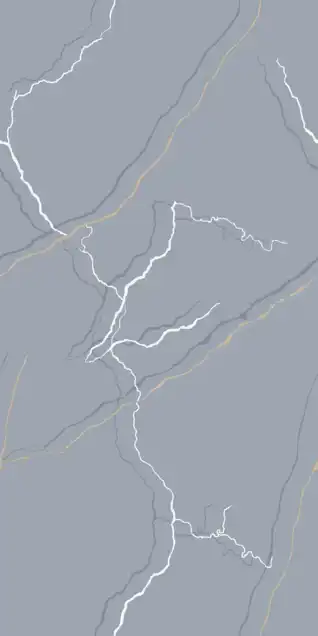
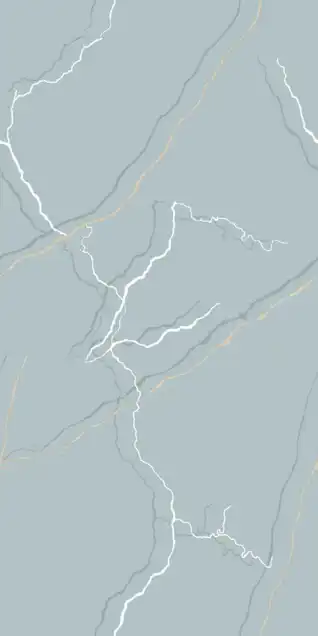
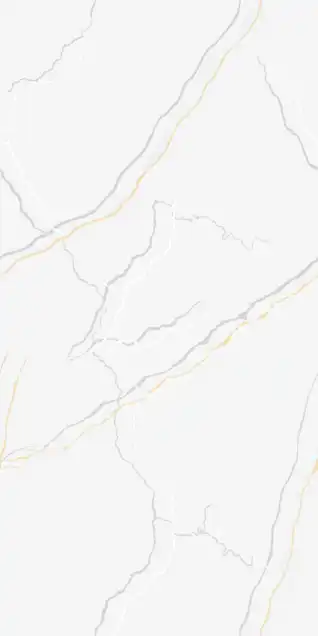
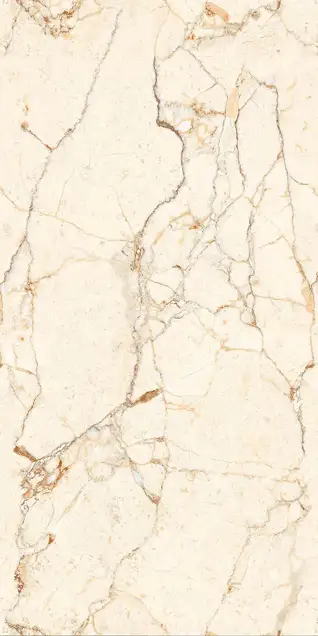
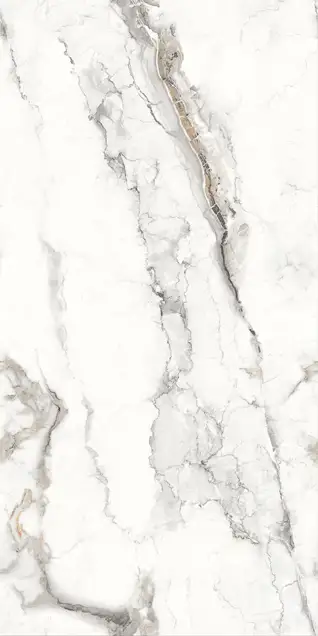
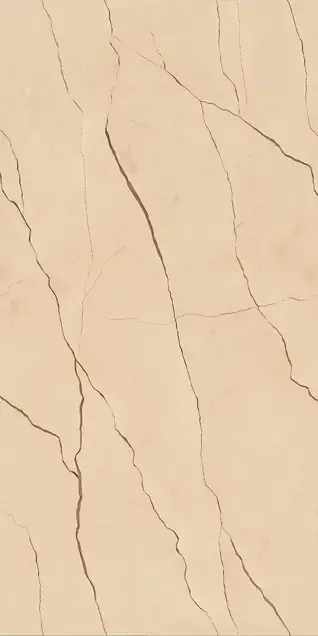
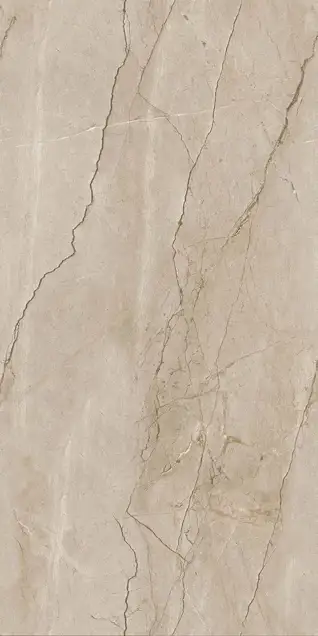
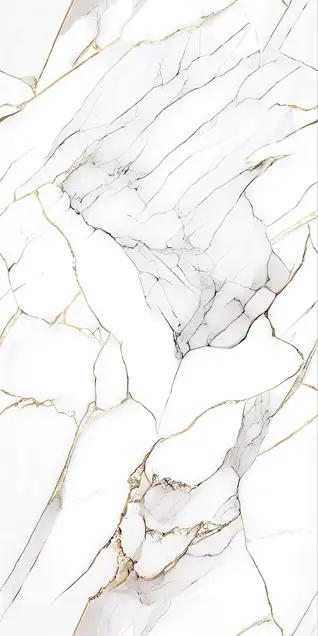

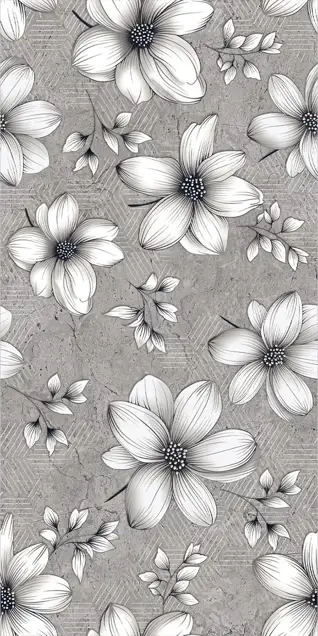
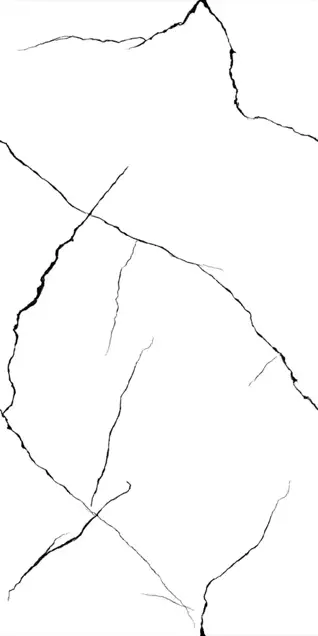
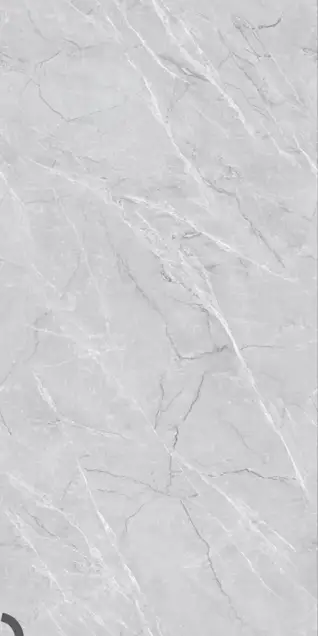
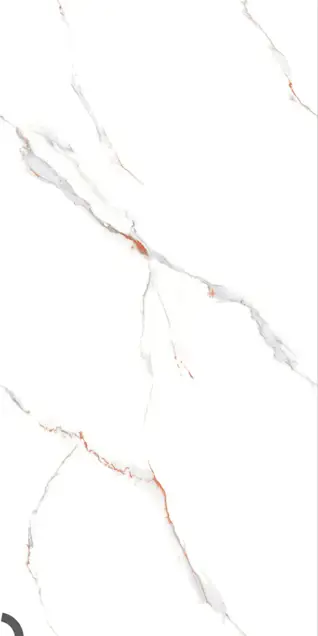

Endless tiles are tiles where the surface design is engineered to continue seamlessly from one tile to the next across an entire floor or wall. Endless is a design category, not a body type. The same endless pattern can be applied to GVT, PGVT, ceramic wall tiles, or any tile body that supports digital printing. Unlike standard tiles, where the printed pattern repeats independently on each tile, endless tiles carry a continuous vein matching pattern that flows without interruption, regardless of which tile is placed next to which. The result is a surface that looks like a single unbroken slab of stone or marble rather than a grid of individual tiles.
The term endless refers to the design philosophy: the pattern has no visible start or end. When a living room floor is laid with endless tiles in a marble or stone look, the veins and tonal gradients run across the entire surface as if the floor were cut from one piece of natural stone. This is the defining difference between endless tiles and standard vitrified tiles that carry a repeating digital print. Endless tiles require careful pattern continuity in the production process, which makes them a premium design category within GVT and PGVT tile ranges.
Endless tiles are manufactured in Morbi, Gujarat and supplied across India in 600x1200 mm and 800x1600 mm as the most common sizes. The most widely available body types in the endless design category are GVT and PGVT for floors and walls, and ceramic for wall-only applications. They are used in living rooms, master bedrooms, hotel lobbies, office reception areas, and feature wall cladding. Water absorption and floor suitability depend on the body type chosen, not on the endless design itself.
What Are Endless Tiles and How Does the Continuous Vein Pattern Work?
The continuous vein matching design in endless tiles is created during the digital printing stage. The tile manufacturer programs the inkjet printing system to produce a design where each tile carries a segment of a larger, non-repeating pattern. When tiles from the same production batch are placed side by side, the vein lines, shading, and tonal transitions align across the joints to give the impression of one seamless surface. This printing technique can be applied to any tile body type that accepts digital inkjet printing, including GVT, PGVT, and ceramic wall tiles.
This is different from how standard tiles work. A standard marble-look GVT tile carries one complete repeating pattern on each tile. Every tile in the box looks similar. When laid on a floor, you can see the same pattern repeat at regular intervals. Endless tiles avoid this repeat because no two tiles in the batch carry an identical design segment. The pattern simply keeps moving across as more tiles are added.
Endless tiles are distinct from bookmatch tiles, which mirror the design across two adjacent tiles in a book-like reflection. Endless tiles extend the pattern continuously without mirroring, covering larger areas more naturally and without the symmetrical repeat that bookmatch tiles create.
Endless Tiles: Available Sizes, Body Types, and Finishes
Endless tiles are produced in GVT, PGVT, and ceramic body types. Each body type has different floor and wall suitability rules that apply regardless of the endless design. GVT endless tiles are available in matte, glossy, sugar, and carving finishes and can be used on select floors and walls. PGVT endless tiles carry polished finishes and are restricted to wall use and dry indoor areas. Ceramic endless tiles are wall-only and carry higher water absorption, making them suitable for bathroom and kitchen wall cladding where digital design is needed at a lower price point.
| Size (mm) | Common Alias | Body Types Available | Recommended Use |
| 600x1200 | 2x4 (24x48) | GVT, PGVT | Living room floors, bedroom floors, feature walls, bathroom walls |
| 800x1600 | 32x64 | GVT, PGVT | Large living rooms, hotel lobbies, and continuous floor-to-wall layouts |
| 1200x1800 | 6x4 | GVT | Premium commercial floors, large lobby walls, and airport walkways |
| 300x600 | 12x24 | Ceramic (wall only) | Bathroom wall cladding, kitchen backsplash, and budget wall applications |
| 300x450 | 12x18 | Ceramic (wall only) | Small bathroom walls, kitchen tiles, and lower-budget wall cladding |
The 600x1200 mm format (2x4) is the most widely stocked endless tile size in India. It suits most residential living rooms and bedrooms and gives a long continuous vein that runs across the tile's longer dimension. The 800x1600 mm format is preferred for large rooms above 180 sq.ft where the extra tile length makes the pattern continuity more visually impactful. The 1200x1800 mm format in GVT is used in high-end commercial projects where near-zero grout lines across large areas are the design objective.
For PGVT endless tiles on bedroom walls, the 800x1600 mm format gives a full floor-to-ceiling panel in a standard 9-foot room with minimal cuts. For living room floors in the same project using GVT endless tiles in matte finish, 800x1600 mm tiles cover size-specific advice on layout, wastage calculation, and why larger formats work better for continuous pattern designs.
Endless Tiles Design: Popular Patterns in the Indian Market
The endless tile design range in India covers four main design categories. All are available in GVT and PGVT body types from Morbi manufacturers, with the most variety in marble-look and stone-look patterns.
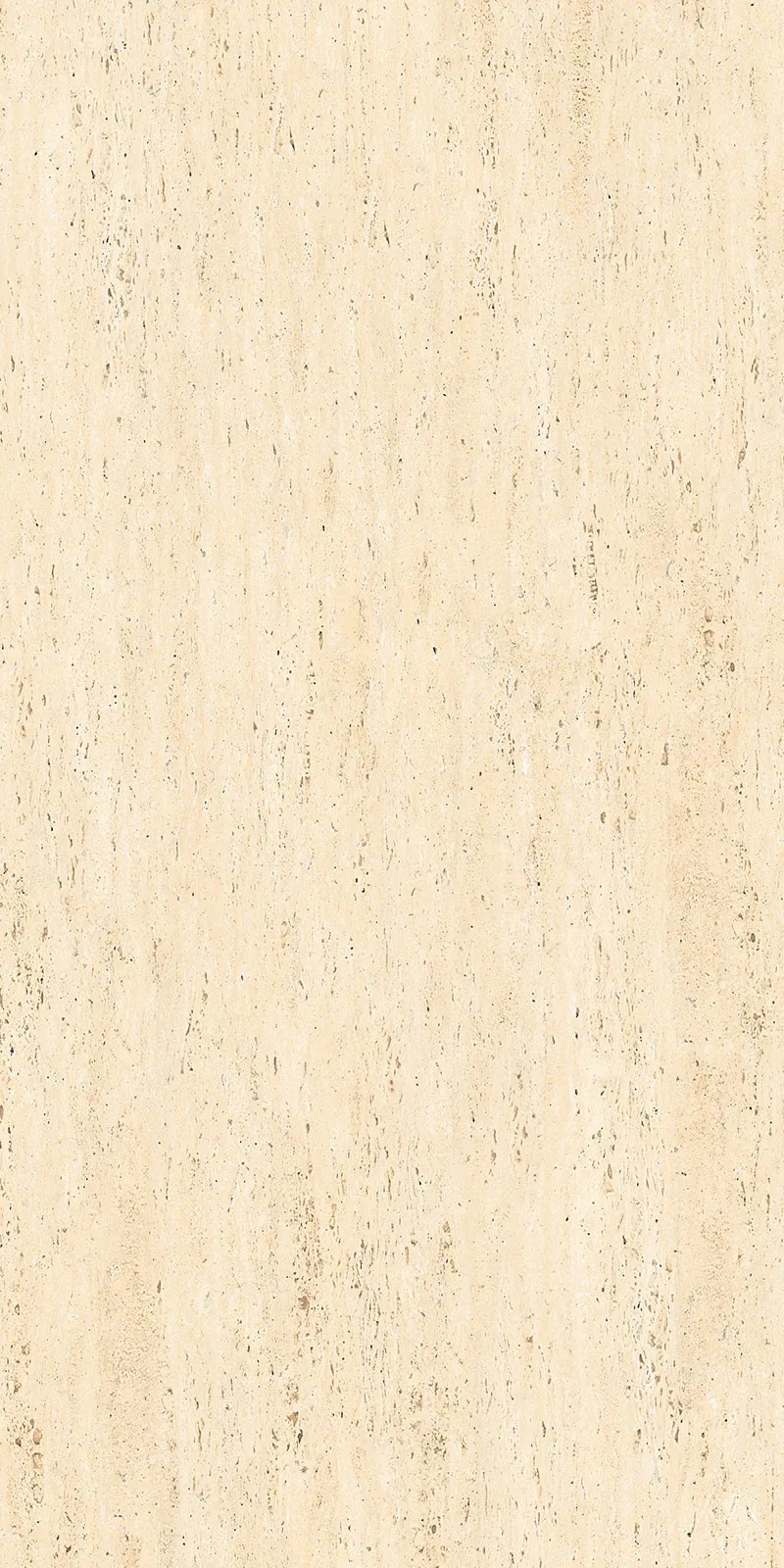
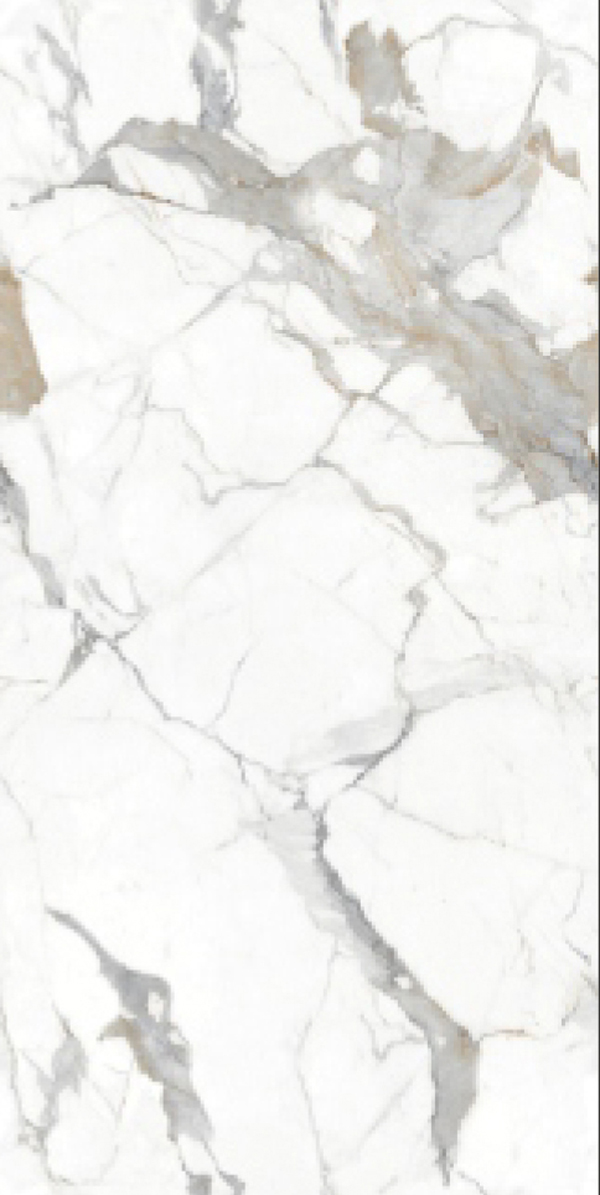
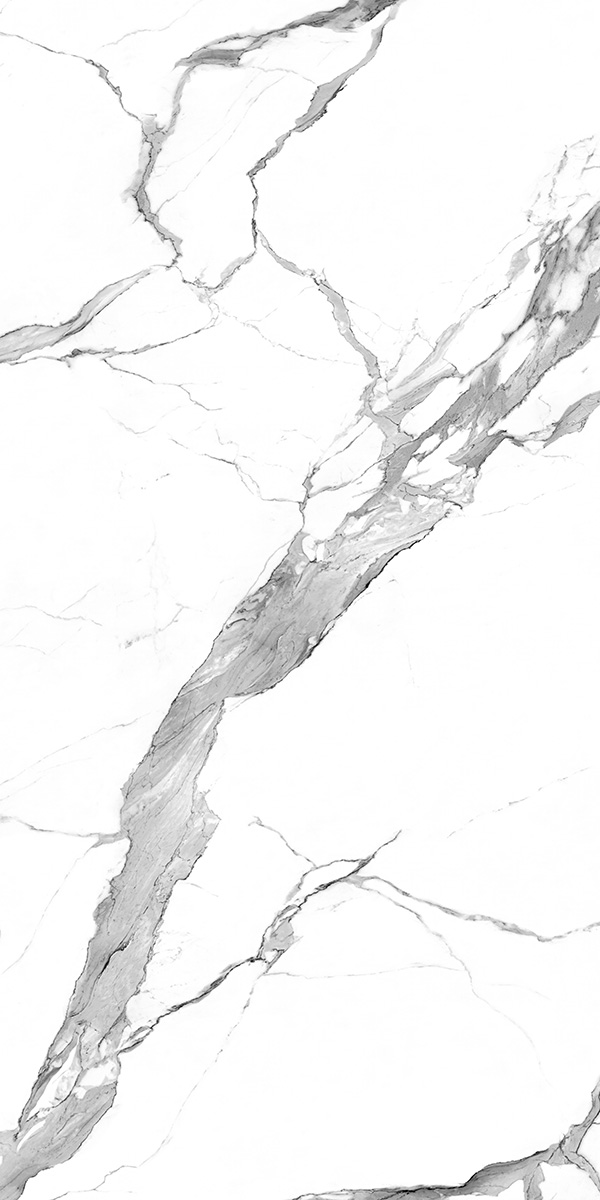
- Endless Marble Look: White Carrara, Statuario, Calacatta, and beige travertine vein patterns are the most popular endless tile designs in Indian residential projects. The veining flows continuously across the tile surface, and when matched at joints, the entire floor reads as a slab of natural marble. Morbi manufacturers produce marble-look endless GVT tiles in 600x1200 mm and 800x1600 mm from Rs. 70 to Rs. 130 per sq.ft.
- Endless Stone Look: Grey slate, dark granite, and quartzite patterns with directional grain are suited to the endless format because stone naturally has directional flow. These are popular for office lobbies, hotel corridors, and commercial floors where a stone-like aesthetic is needed without the maintenance cost of natural stone.
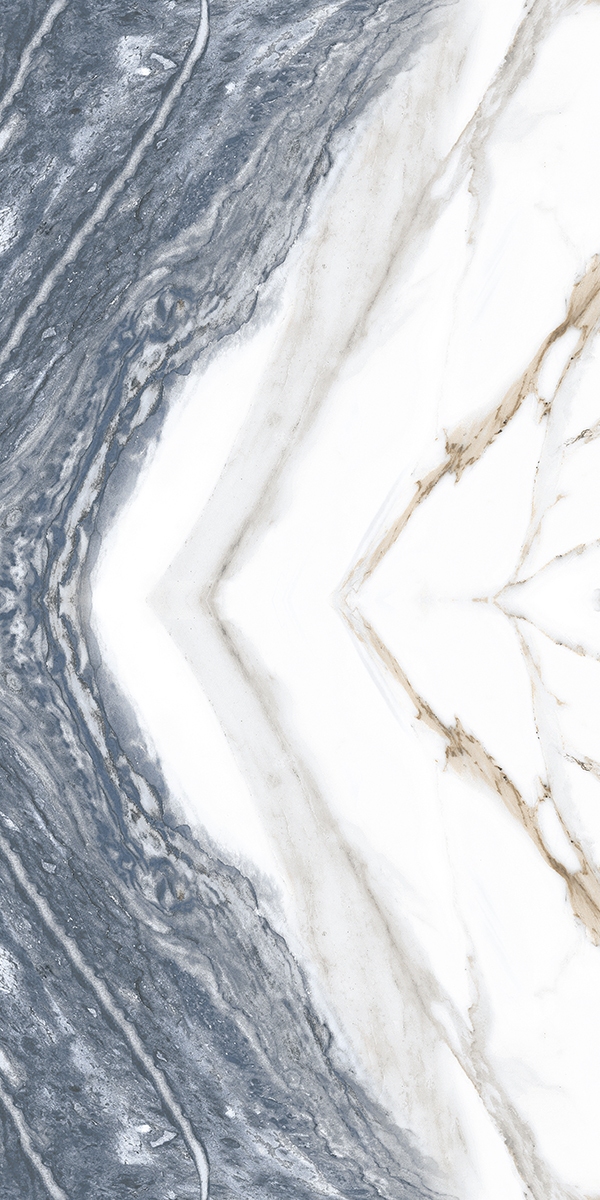
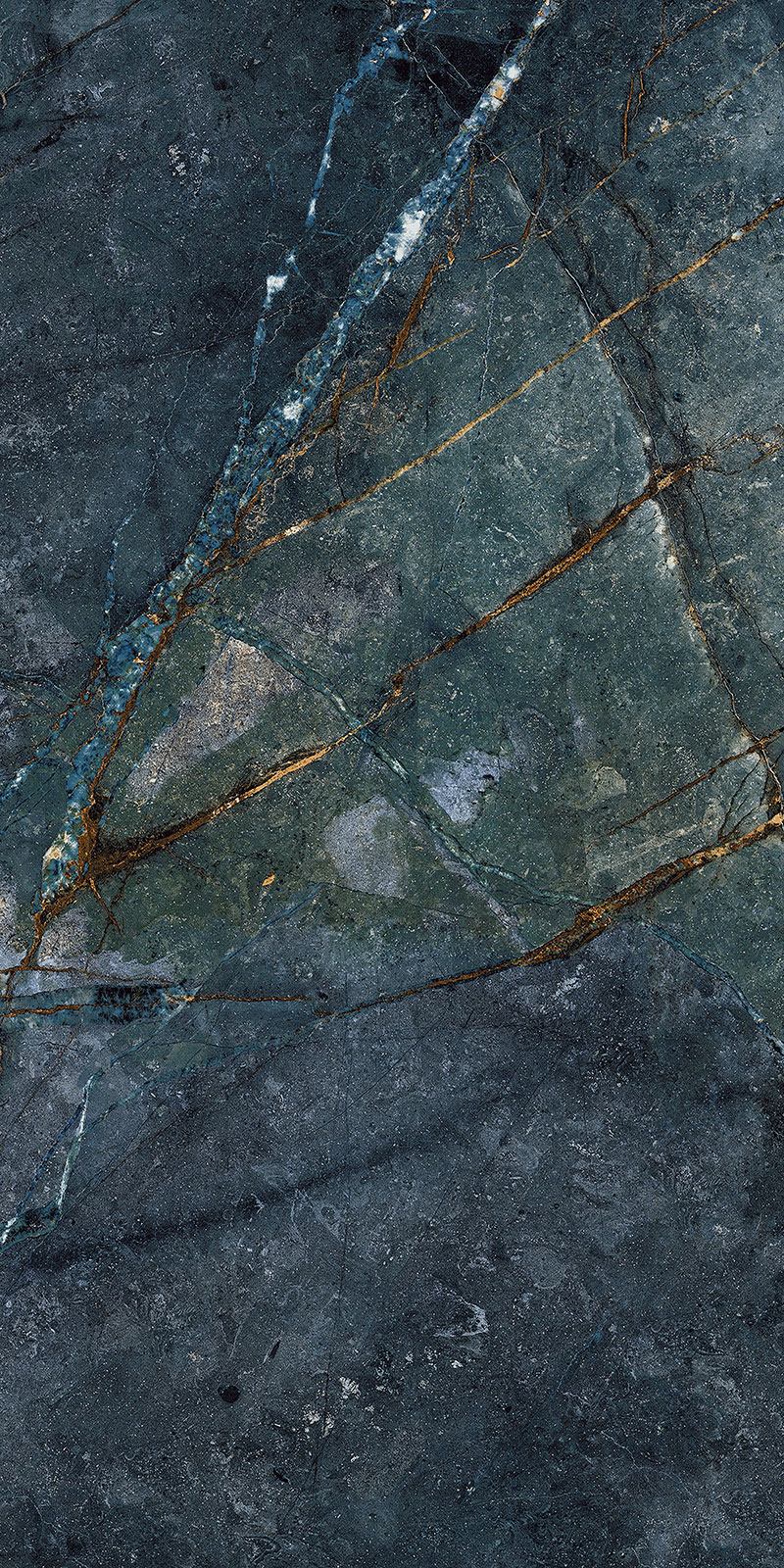
- Endless Onyx and Exotic Patterns: Blue onyx, black with gold veins, and deep green patterns are available in PGVT endless tiles for accent walls and feature surfaces. These are premium products priced from Rs. 100 to Rs. 160 per sq.ft and are mainly used in hotel lobbies, luxury apartment feature walls, and reception area cladding.
- Endless Neutral and Abstract: Off-white, warm beige, and soft grey patterns with minimal veining are popular for bedrooms and pooja rooms, where the tile should be present but not dominant. These are among the most accessible endless tiles in terms of price, starting from Rs. 60 to Rs. 90 per sq.ft in 600x1200 mm GVT.
Marble-look endless tiles in white and grey are the best-selling design category. Buyers planning a living room with a marble-look continuous floor often coordinate the floor tile with a wall cladding option. Marble-look tiles cover the full range of marble-look designs available in GVT, PGVT, and full-body tile categories, alongside endless specific options.
Where to Use Endless Tiles in Indian Homes and Commercial Spaces
Endless tiles work best in spaces where visual continuity across a large surface is the design goal. They are most effective in open-plan areas where the uninterrupted pattern can run across a meaningful distance. In small rooms below 100 sq.ft, the endless pattern effect is less visible, and a standard vitrified tile gives a similar result at a lower price.
- Living Room Floors: The primary use case for endless tiles in Indian homes. A 200 to 280 sq.ft living room laid with 800x1600 mm GVT endless tiles in a white marble or travertine look gives a slab-like floor effect that is difficult to achieve with standard tiled patterns. Matte or Posh finish is recommended for living room floors to reduce glare from tube lights and avoid visible footmarks.
- Bedroom Floors and Feature Walls: Endless tiles in 600x1200 mm in soft marble or neutral stone patterns work well for master bedroom floors. PGVT endless tiles are used for bedroom accent walls and headboard wall cladding, where the polished surface reflects light and the continuous vein pattern makes the wall look like a premium stone panel.
- Hotel Lobbies and Reception Areas: Large-format endless tiles in 800x1600 mm and 1200x1800 mm are standard in hotel and office reception design. The combination of large tile size and continuous vein pattern makes a reception floor appear much larger than its actual area. GHR finish is available for high-traffic commercial lobbies.
- Bathroom Walls: PGVT endless tiles are used for bathroom wall cladding, where the polished surface and continuous vein matching give a premium spa-like appearance. The 0.05% water absorption keeps the tile body moisture-free even in daily shower use. Epoxy grout is recommended at all joints in bathroom applications.
For living rooms where the endless tile floor connects to a dining area or open kitchen, selecting the same endless tile across both spaces gives the largest continuous pattern run and makes the combined area appear significantly more spacious. Buyers planning tiles for combined living and dining areas can start from living room tiles for size, finish, and layout guidance specific to open-plan Indian home designs.
Note: PGVT endless tiles are for walls and dry indoor areas only. Do not use PGVT endless tiles on any floor. Ceramic endless tiles are wall-only regardless of finish. For living room floors, use GVT endless tiles in matte, Posh, or GHR finish. For bathroom floors, use GVT tiles in matte or GHR finish that coordinate with PGVT or ceramic endless wall tiles.
How to Lay Endless Tiles: Batch Ordering and Pattern Alignment
Endless tiles require more care during ordering and installation than standard vitrified tiles. Following these steps avoids the most common problems buyers and contractors face.
- Order from a Single Batch: Endless tiles are batch-specific. The vein pattern and colour tone vary between production batches. If you order tiles from two different batches, the vein pattern will not align at the joint between batches. Always calculate the total area, including 7 to 10% wastage and order the complete quantity from a single dispatch batch before starting the laying work.
- Check the Arrow Direction: Every endless tile has an arrow printed on the back of the tile. This arrow indicates the direction in which the tile must be oriented during laying to achieve the continuous vein effect. Installers must align all tiles with arrows pointing in the same direction. Ignoring the arrow produces a random pattern instead of the continuous flow.
- Use Thin Grout Joints: Endless tiles achieve their slab-like appearance partly through minimal grout joint width. Use 2 to 3 mm grout joints with matching or near-matching grout colour for the best result. Wide or contrasting grout joints interrupt the visual flow of the pattern and reduce the seamless effect.
- Use Epoxy Grout for Wet Areas: In bathroom wall applications and kitchen backsplash areas, use epoxy grout at all tile joints. Epoxy grout is moisture-resistant, stain-resistant, and does not crack over time, the way cement grout does in areas exposed to water and steam.
Contractors laying endless tiles for the first time should do a dry run layout on the floor before adhesive application to confirm the vein continuity across the full area. For large commercial projects above 500 sq.ft, requesting a pattern simulation image from the tile supplier before ordering helps confirm the visual result. Buyers working on bathroom wall cladding with endless tiles should also check bathroom tiles for waterproofing specifications, adhesive types, and grout selection guidance for wet wall applications.
Endless Tiles vs Standard Vitrified Tiles vs Bookmatch Tiles
| Feature | Endless Tiles | Standard Vitrified Tiles | Bookmatch Tiles |
| Design approach | Non-repeating continuous vein across all tiles | Repeating pattern on each tile independently | Mirrored pattern across two adjacent tiles |
| Available body types | GVT, PGVT, Ceramic | GVT, PGVT, Double Charge, Full Body, Ceramic, etc. | GVT, PGVT |
| Pattern effect | Slab-like, uninterrupted surface | Grid-like, pattern repeats at intervals | Symmetrical book-open reflection |
| Best room size | Above 150 sq.ft for full effect | Works in any room size | Above 100 sq.ft for mirror effect to show |
| Installation skill | Higher: arrow direction and batch matching | Standard: no direction constraint | Higher: matching two mirrored pairs |
| Batch ordering | Mandatory: single batch for full area | Flexible: top-ups usually match | Mandatory: single batch for full area |
| Price range | Rs. 30 to Rs. 160 per sq.ft (body-type dependent) | Rs. 25 to Rs. 120 per sq.ft | Rs. 70 to Rs. 160 per sq.ft |
| Floor use | GVT only (matte/GHR for wet areas); PGVT walls only; Ceramic walls only | Depends on the category and finish | GVT only (matte/GHR for wet areas) |
For buyers comparing endless tiles against standard GVT designs, the price difference is typically Rs. 20 to Rs. 40 per sq.ft more for the same size and finish in an endless pattern. This premium covers the production cost of engineering a non-repeating design across an entire batch. Glazed vitrified tiles cover the full GVT category, including standard pattern, endless, and bookmatch design options across all sizes and finishes.
Endless Tiles Price in India
Price varies significantly by body type. Ceramic endless tiles are the most affordable. GVT endless tiles are mid-range. PGVT endless tiles carry the highest price within the design category.
| Size | Body Type | Finish | Price Range (per sq.ft) |
| 300x450 mm / 300x600 mm | Ceramic | Glossy / Matte | Rs. 30 to Rs. 55 |
| 600x1200 mm | GVT | Matte / Posh | Rs. 60 to Rs. 95 |
| 600x1200 mm | GVT | Glossy / High Glossy | Rs. 65 to Rs. 110 |
| 600x1200 mm | PGVT | Polished High Glossy | Rs. 75 to Rs. 120 |
| 800x1600 mm | GVT | Matte / Posh | Rs. 80 to Rs. 130 |
| 800x1600 mm | GVT | Glossy / Carving | Rs. 85 to Rs. 140 |
| 800x1600 mm | PGVT | Polished High Glossy | Rs. 90 to Rs. 160 |
| 1200x1800 mm | GVT | Matte / GHR | Rs. 100 to Rs. 160 |
Endless tiles cost more than standard GVT tiles of the same size and finish because of the additional design engineering involved in producing a non-repeating batch pattern. Morbi and Gujarat manufacturers offer endless tiles at more competitive prices than branded manufacturers for buyers who are comfortable sourcing directly. Prices here are indicative and vary by manufacturer, design complexity, and order quantity.
Endless Tiles and Indian Climate: Monsoon and Longevity
Endless tiles in GVT and PGVT body types carry a 0.05% water absorption rate, which makes them suitable for Indian monsoon conditions in covered areas. Living room floors, bedroom floors, and lobby surfaces laid with GVT endless tiles do not absorb humidity during monsoon months, and the tile surface remains stable without warping or adhesive failure. Ceramic endless tiles used on bathroom walls carry higher water absorption (12 to 16%) and are wall-only; they are suitable for Indian bathrooms as wall cladding because the tile body is not submerged, and epoxy grout at joints provides the moisture protection needed. For PGVT endless tiles on bathroom walls, epoxy grout provides the second layer of moisture protection against daily shower use and monsoon humidity.
Morbi, Gujarat, is the primary production hub for endless tiles sold in India, covering GVT, PGVT, and ceramic body types across the full size range. Standard 600x1200 mm GVT endless tiles from Morbi manufacturers start from Rs. 60 to Rs. 95 per sq.ft in matte finish. Ceramic endless tiles in 300x600 mm wall format from Gujarat factories start from Rs. 30 to Rs. 55 per sq.ft. Large format 800x1600 mm endless PGVT tiles in Polished High Glossy finish from Gujarat factories range from Rs. 90 to Rs. 160 per sq.ft. GVT and PGVT endless tiles from IS 15622:2006 certified plants carry 0.05% water absorption; ceramic endless tiles are covered under IS 13630 and carry 12 to 16% water absorption.
Compare Endless Tiles by Body Type, Finish, and Design Pattern
For premium projects where both endless floor tiles and coordinated wall cladding are needed, buying from the same Morbi manufacturer or brand ensures colour consistency and matching batch references. Buyers sourcing tiles for living rooms, master bedrooms, and lobbies in one order can compare size and finish options across the full vitrified tile range on TilesFinders, which lists endless tiles from verified Gujarat manufacturers organised by size, body type, finish, and design pattern to make the comparison straightforward before placing a bulk order.


FAQs
Endless tiles are tiles where the surface design flows continuously from one tile to the next without repeating. The vein pattern, shading, and texture continue across tile joints, making the entire floor or wall look like one unbroken stone slab. Endless is a design category and can be applied to GVT, PGVT, or ceramic body types. They are mainly used in living rooms, bedrooms, hotel lobbies, and bathroom walls in India.
Endless tiles extend a continuous non-repeating pattern across all tiles in one direction, like a flowing river. Bookmatch tiles mirror the design across two adjacent tiles in a book-like reflection, creating a symmetrical paired effect. Endless tiles work better for large open floors where natural slab flow is the goal. Bookmatch tiles create a specific symmetrical focal point and work well for feature wall panels and headboard walls.
Yes. Every endless tile has an arrow printed on the back. All tiles must be laid with arrows pointing in the same direction. This arrow alignment is what produces the continuous vein effect across the floor or wall. Ignoring the arrow direction during installation results in a random, disconnected pattern instead of the seamless flow that makes endless tiles visually distinct from standard tiles.
GVT endless tiles can be used on floors. Choose matte or GHR finish for floor safety. Glossy GVT endless tiles can be used on dry living room floors but not in bathrooms or kitchens. PGVT endless tiles must not be used on any floor surface because the polished finish is slippery. PGVT endless tiles are suitable for walls and dry indoor surface cladding only.
Endless tile patterns vary between production batches. If you order tiles from two different production batches, the vein patterns at the join between the two batches will not align. The seamless effect breaks at that point. Always order the complete quantity for your area including 7 to 10% wastage from a single batch. Confirm the batch code on tile carton labels before placing the order.
Endless tiles in India are priced from Rs. 60 per sq.ft for 600x1200 mm GVT matte finish to Rs. 160 per sq.ft for 800x1600 mm PGVT Polished High Glossy finish. Prices vary by size, body type, finish, design complexity, and whether sourced from Morbi manufacturers directly or through branded distributors. All prices are indicative and vary by order quantity and buyer location.
Endless tiles are available in 600x1200 mm (2x4) and 800x1600 mm (32x64) in GVT and PGVT body types, and in 1200x1800 mm in GVT. Ceramic endless tiles are available in 300x600 mm and 300x450 mm for wall use. The 600x1200 mm format is the most widely stocked in India. The 800x1600 mm format suits large rooms above 180 sq.ft where the longer tile length allows more of the continuous vein to show before a grout joint interrupts the pattern.
PGVT endless tiles are suitable for bathroom walls. The polished finish and continuous vein pattern give a premium spa-like look to bathroom walls. Use epoxy grout at all tile joints to prevent moisture ingress. For bathroom floors, use coordinating GVT tiles in matte or GHR finish instead, as PGVT is not suitable for any floor surface.