


Wash Area Tiles in India: Complete Guide for Utility and Service Spaces
Choose the right wash area tiles with guidance on anti-skid ratings, tile sizes, drainage slopes,...


Loading designs...

















The hall wash basin is one of the most distinctly Indian residential design features. In millions of Indian homes, a wash basin is placed outside the bathroom: in the dining room wall, in the entrance hall, in the corridor between the kitchen and the dining area, or in a dedicated alcove near the main living and dining space. This placement reflects the Indian cultural practice of hand-washing before and after meals as a routine that happens in a shared family space, not in a private bathroom. It is a practical feature that is also a visible one: the wash basin and its surrounding tile area are seen daily by every member of the household and by every guest.
This visibility is what makes wash area tiles a design decision rather than a purely functional one. A hall wash basin with a well-chosen tile background becomes a composed feature in the dining room or hall, considered as any other design element in the space. A poorly tiled wash basin area, with mismatched tiles or an undersized tile panel that does not frame the basin properly, reads as an afterthought in an otherwise designed room. Getting wash area tiles right requires understanding the specific tile decisions for this small, semi-public, water-splash-exposed wall area.
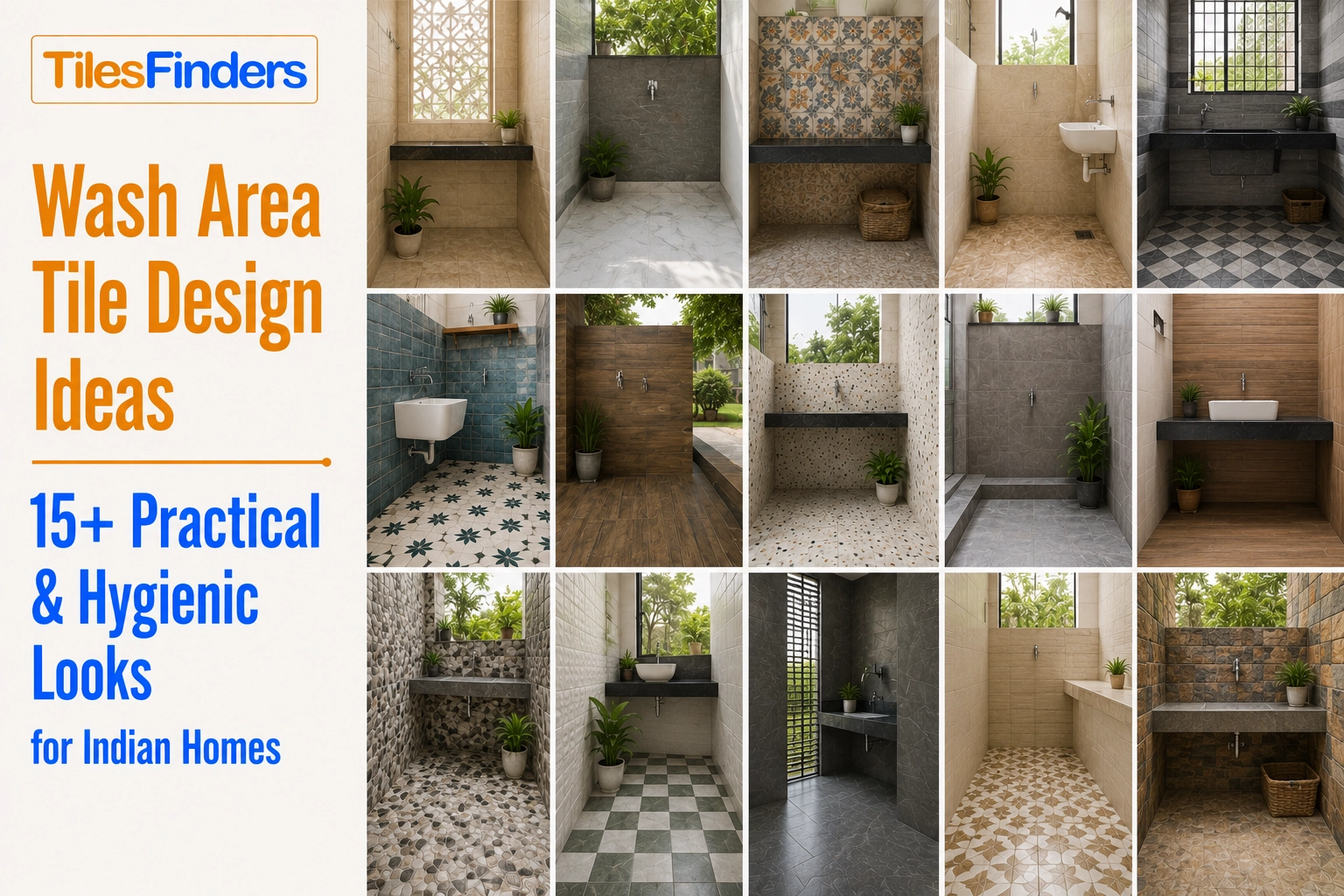
This page covers the complete wash area tile decision for Indian homes: which wall surfaces around a hall or dining wash basin need tiling, what body types and finishes work best in a splash-exposed area that is also visible from the main living space, how to design the background tile panel behind the basin as a composed feature, and the full range of design directions from marble-look to geometric and stone-look.
The standalone hall wash basin in an Indian home occupies a position that has no direct equivalent in most Western residential design. In a Western home, a wash basin is in a bathroom or a dedicated powder room. In an Indian home, the wash basin for hand-washing before meals is often placed in the main shared area of the home, adjacent to the dining table or in the connecting corridor. This makes the Indian hall wash basin simultaneously a utility fixture and a design element in a semi-public shared space.
The tile area around a hall wash basin is therefore seen in two very different contexts: at close range by the person using the basin, and from across the dining room or hall by everyone seated at the dining table or passing through the space. The tile design must work at both distances. A fine-detail mosaic or decorative tile reads as a composed panel from across the room. A plain white ceramic tile at the same location reads as a utility fixture. For a wash basin that is visible from the dining table, the tile choice deserves the same design attention as the dining room wall itself.
A standalone hall wash basin typically involves three distinct tile areas, each with a different functional and design role.
The background tile panel: The wall surface directly behind and around the basin, from the basin level to the mirror above and from the basin width to slightly beyond on each side. This is the primary tile decision for a hall wash basin. It is a water-splash surface (directly behind the tap and basin) and a decorative surface (seen as a composed panel from the dining room or hall). The background tile panel is where the design character of the wash area is established.
The side walls and counter surround: If the wash basin is set into a countertop or vanity rather than wall-mounted, the counter surface and the side walls of the vanity unit also need tiling. These surfaces are less water-exposed than the background panel but are seen at close range.
The wash area floor: If the wash basin area is in a recessed alcove or a defined wash zone with a different floor level, the floor tile is part of the wash area specification. If the wash basin sits on the same continuous floor as the dining room or hall, the floor tile is part of the adjacent room's flooring and is covered in the relevant area page for that room.
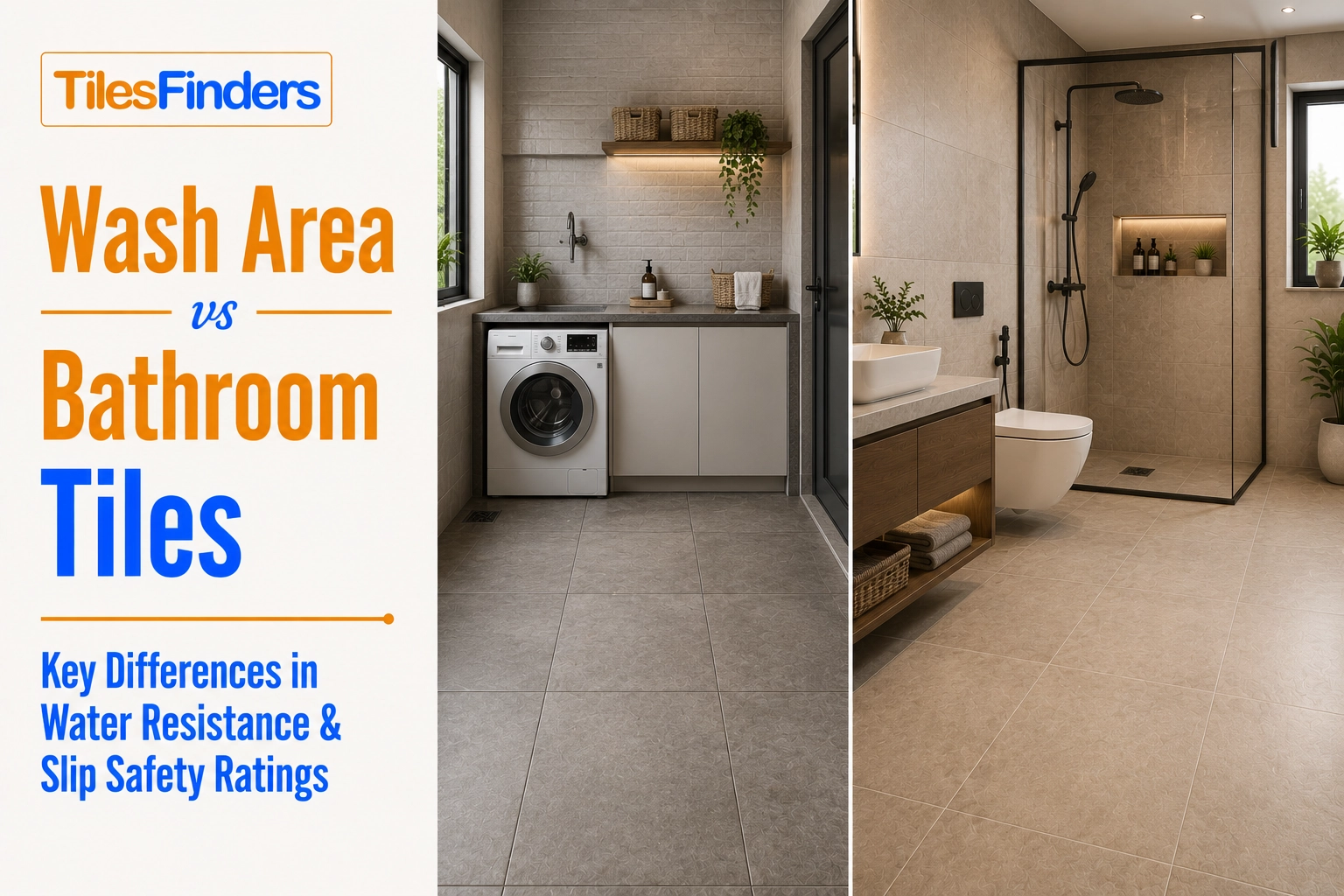
The wall tiles directly behind a wash basin face daily water splash from the tap and from hand-washing. This makes the tile specification slightly more demanding than drywall in the same room, but significantly less demanding than a full bathroom wall. Any tile body type is suitable for a wash basin background wall: ceramic, GVT, PGVT, and porcelain all work on this surface.
The finish choice for wash basin wall tiles is shaped primarily by two factors: how easy the tile is to wipe clean, and how the tile reads in the semi-public space of a hall or dining room. Glossy ceramic and polished GVT or PGVT are the easiest to wipe clean of water splash, soap, and hand-wash residue. They also reflect light back into the hall or dining room, which makes the wash basin area feel brighter. Matte tiles on a wash basin background wall hold water marks and soap film in the surface texture and require more frequent cleaning to look maintained at close range.
For the background tile panel specifically, polished GVT or PGVT in a marble-look, solid colour, or decorative design is the most used wash basin tile direction in Indian mid-range to premium homes. The polished surface amplifies the decorative quality of the tile design and is easy to wipe clean daily. Ceramic glossy is the budget-friendly alternative that delivers the same cleaning ease at a lower price point.
The background tile panel behind a hall wash basin is the most important design decision in the wash area. This panel is framed by the basin below, the mirror above, and the walls on either side. It is seen as a composed rectangle of tile from across the dining room or hall. Getting this panel right means choosing a tile that reads well from 3 to 5 metres, that frames the basin and mirror as a unified composition, and that complements the wall colour and furniture of the adjacent room.
Panel dimensions: A standard hall wash basin is 450mm to 600mm wide. The tile panel behind it typically extends 100mm to 150mm beyond the basin width on each side, giving a total panel width of 650mm to 900mm. The panel runs from the basin counter level or floor to the top of the mirror, which is typically 1500mm to 1800mm from the floor. The panel height of 1200mm to 1800mm is the primary tile field.
Large-format tiles in 600x600mm or 600x1200mm work well on the background panel of a standard hall wash basin: one or two tiles span the full panel width without any cuts, and two to three tiles span the full panel height. A single 600x1200mm tile on each side of the basin with a mirror above is the cleanest, most composed wash basin tile treatment available. PGVT tiles in polished marble-look or solid colour in 600x1200mm on the wash basin background panel give the hall wash basin a quality that reads as a designed feature from across the dining room. Price range: Rs. 60 to Rs. 130 per sq ft.
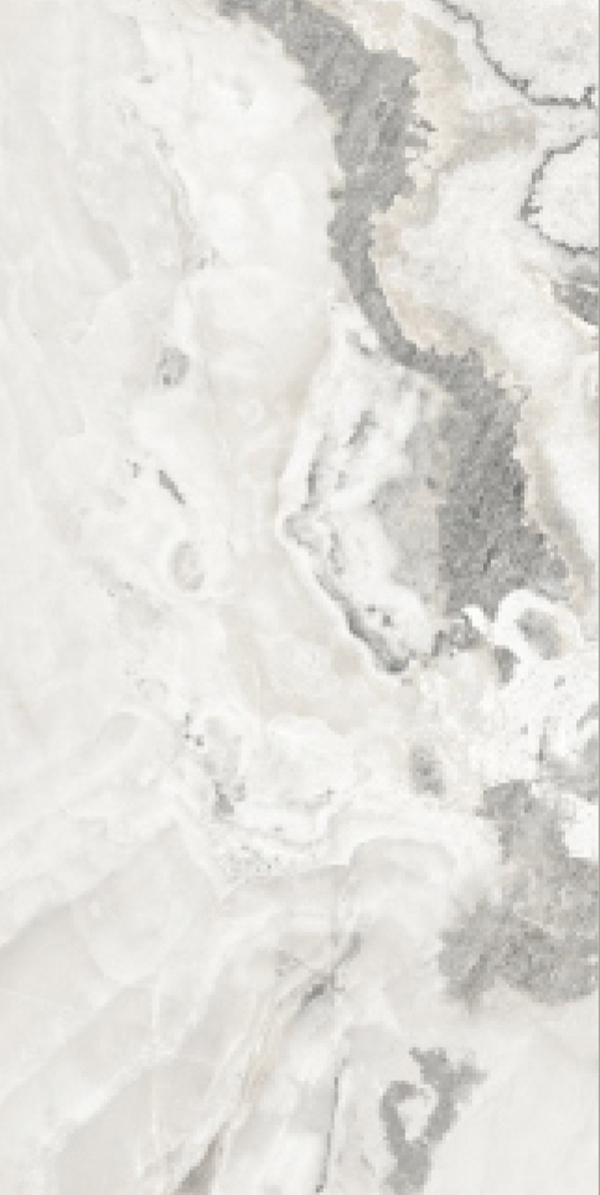
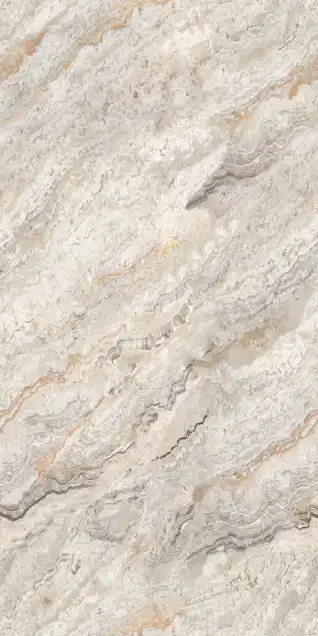
Marble look tiles behind a hall wash basin are the most aspirational wash basin tile direction in Indian residential design. A marble-look tiles panel in Carrara white or Statuario grey-and-white veining in polished GVT or PGVT behind the wash basin gives the hall or dining room a formal, quality-signalling feature that reads as a luxury installation from across the room. The white marble-look background makes the chrome or stainless steel tap and basin fittings stand out clearly, and the polished surface reflects the dining room or hall light to make the wash basin alcove feel lighter and larger. Price range: Rs. 58 to Rs. 125 per sq ft.
Geometric GVT tiles in black and white, grey and white, or terracotta and cream patterns on the wash basin background panel give the hall a contemporary, designed quality. A 300x300mm geometric mosaic-look tile panel behind the wash basin reads as a deliberate design statement from the dining table. In a modern Indian home with clean-line furniture and a minimal palette, a geometric tile panel gives the wash basin area more design authority than a plain white or marble-look tile. Price range: Rs. 48 to Rs. 90 per sq ft.
A plain, solid-coloured GVT or ceramic glossy tile on the wash basin background panel in a deep tone that contrasts with the wall colour around it frames the basin as a defined zone. A deep navy, forest green, or charcoal GVT tile panel behind a white or chrome wash basin against a white or cream hall wall creates a strong colour contrast that defines the wash basin area as its own design zone within the dining room or hall. The solid colour tile in glossy or polished finish is easy to clean and gives the wash basin area a graphic, intentional quality without the complexity of a pattern tile. Price range: Rs. 42 to Rs. 90 per sq ft.
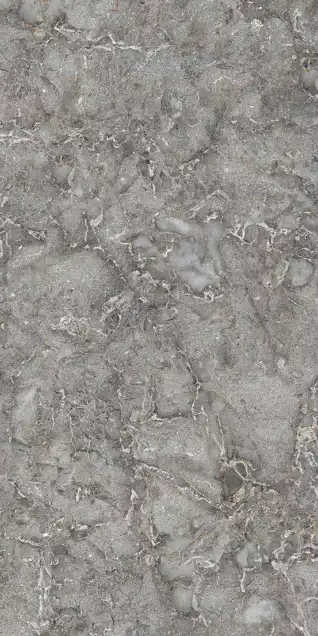
Stone-look GVT tiles in sandstone, slate, or granite grain patterns on the wash basin background wall give the hall a warm, natural-material quality that suits Indian homes with wooden furniture and earthy palettes. A warm sandstone-look GVT tile panel in 300x600mm matte or GHR finish behind the wash basin against a cream or warm white hall wall creates a wash area that reads as part of the room's material palette rather than as an inserted utility fixture. Price range: Rs. 48 to Rs. 88 per sq ft.
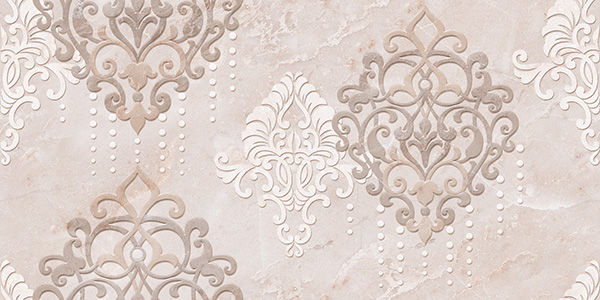
A decorative tile panel behind a hall wash basin, using Moroccan-look geometric GVT, floral-patterned ceramic, or encaustic-look tiles, gives the wash basin area a crafted, artisan quality that works particularly well in Indian traditional and eclectic interior styles. Because the wash basin panel is a small, contained tile area (typically 0.5 to 1.5 square metres), a bold decorative tile pattern can be used here that would be overwhelming across a full dining room or hall wall. The contained scale of the wash basin panel makes it the ideal location for a strongly patterned tile that would be too intense at a larger scale. Price range: Rs. 50 to Rs. 100 per sq.ft.
A wash basin placed in or adjacent to a dining room is seen from the dining table during every meal. The tile behind it is part of the dining room's visual composition, even though it is not on the dining room walls. This means the wash basin tile must coordinate with the dining room's wall colour, furniture material, and overall design palette.
The most effective approach: treat the wash basin tile panel as an accent feature that relates to one element in the dining room. A marble-look tile panel behind the wash basin in a dining room with marble-look floor tiles connects the two surfaces and gives the room a material continuity. A terracotta-look tile panel behind the wash basin in a dining room with warm wooden furniture connects to the warm palette. A geometric black and white tile panel behind the wash basin in a contemporary dining room with clean-line furniture and a monochrome palette connects to the graphic quality of the space.
What to avoid: a wash basin tile that reads as entirely disconnected from the dining room's palette and style. A brightly coloured mosaic tile panel behind a wash basin in a traditional Indian dining room with warm wooden furniture and classic wall colours can look like a tile showroom display rather than a considered design feature.
If the wash basin sits on a tiled counter or a vanity with a tiled face, these additional tile areas need to coordinate with the background panel. The counter surface specification follows the same logic as a bathroom vanity top: GVT or porcelain in polished or satin matte finish, with epoxy grout at all joints because the counter surface faces daily water pooling around the basin edge.
For the front face of the vanity or cabinet below the basin, a plain GVT or ceramic tile in a colour that coordinates with the background panel is the standard treatment. A white or light-coloured vanity face tile with a marble-look or decorative background panel gives the wash basin installation a composed, two-element quality: a patterned or rich background panel and a plain, clean vanity face below.
The grout specification for wash basin tiles depends on the specific surface. The background tile panel directly behind the tap and basin faces daily water splash and soap residue: epoxy grout at these joints is strongly recommended for long-term hygiene and joint colour consistency. Cement grout at the background panel joints will stain from soap scum and hard water mineral deposits over time, and is significantly harder to keep looking clean in a tile area that is wiped daily.
For the side walls and general tile area away from the direct splash zone, polymer-modified cement grout is adequate. For the counter surface of a tiled vanity, epoxy grout is mandatory: the counter faces daily water pooling that cement grout cannot handle hygienically over time.
| Wash Basin Type | Background Panel Width | Recommended Tile Size | Design Approach |
|---|---|---|---|
| Wall-mounted basin, no counter | Basin width plus 100 to 150mm on each side, typically 650 to 900mm | 300x600mm or 600x600mm | Single tile type panel from the basin level to the mirror top |
| Basin on tiled counter (vanity) | Full counter width, typically 900mm to 1200mm | 300x600mm background, 300x600mm or 600x600mm counter | Coordinated counter and background tiles, different finishes |
| Recessed alcove wash basin | Full alcove width and height | 300x300mm or 300x600mm for three-wall alcove | Same tile on all three walls of the alcove for a composed enclosed quality |
| Wide dining room wash basin installation | 1200mm or wider | 600x600mm or 600x1200mm | Large format for fewer joints across a wide panel, reads cleanly from a dining table |
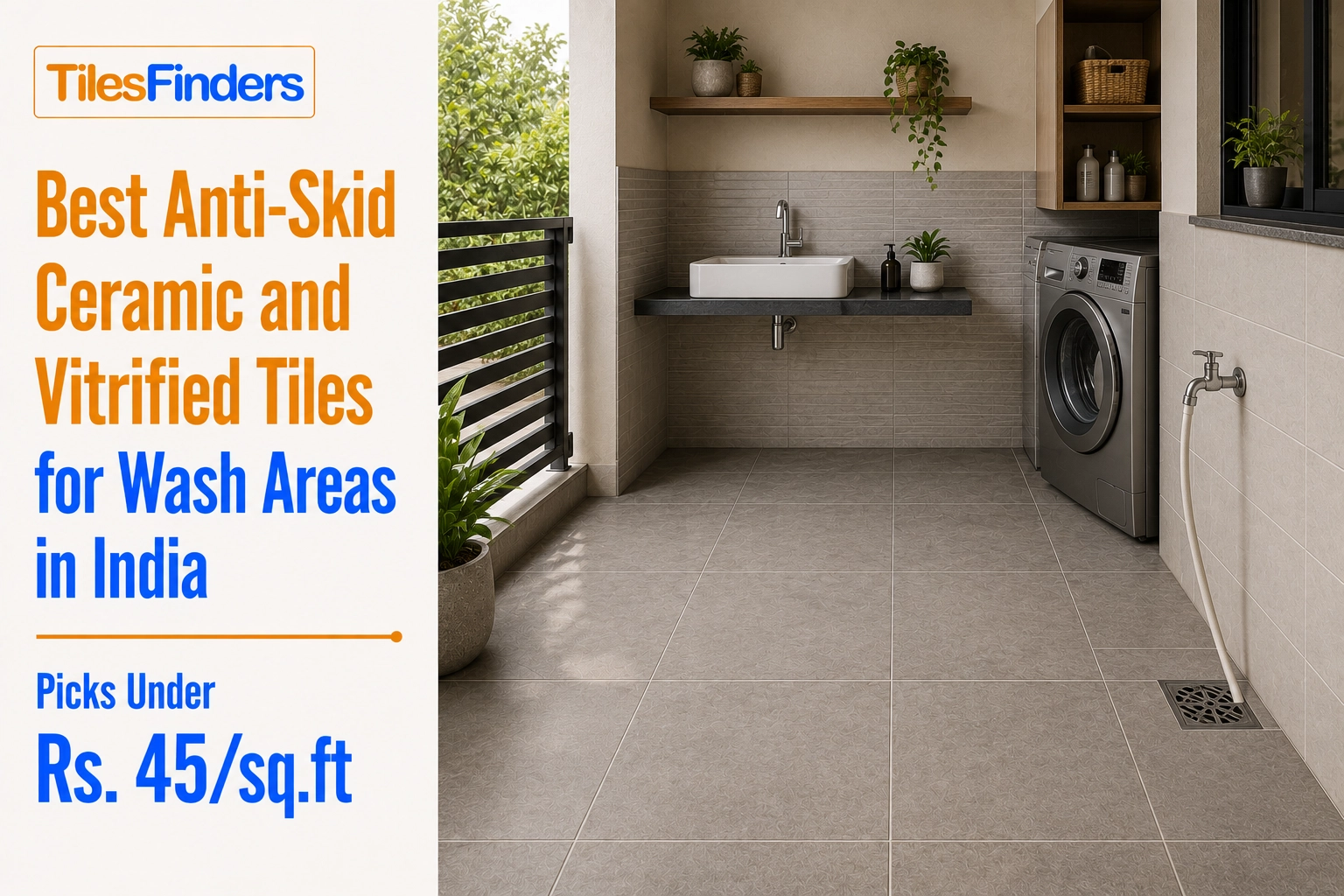
Wall tiles for wash basin areas from Morbi, Gujarat, are available across all body types and design directions used in Indian residential wash areas. Ex-factory prices: Rs. 22 to Rs. 42 per sq ft for ceramic glossy tiles in 200x300mm and 300x600mm, Rs. 40 to Rs. 68 per sq ft for GVT in 300x600mm or 600x600mm in polished or matte finish, Rs. 48 to Rs. 85 per sq ft for decorative or geometric GVT in 300x300mm and 300x600mm, and Rs. 58 to Rs. 115 per sq ft for PGVT in polished marble-look or solid colour in 600x600mm and 600x1200mm. Retail prices in Indian cities are 25% to 40% above ex-factory. Installation cost for wash basin wall tiles: Rs. 25 to Rs. 45 per sq.ft for the background panel and surrounding wall tiles.
Wash area tile selection starts with the hall or dining room context the wash basin sits in, then the background panel design that gives the basin a composed feature quality in the room. Browse GVT, PGVT, and ceramic wall tiles in marble-look, geometric, stone-look, solid colour, and decorative directions on TilesFinders to shortlist the background panel tile before deciding the finish and grout specification for the splash-exposed surfaces.
Polished GVT or PGVT in marble-look or solid colour in 600x600mm or 600x1200mm is the most used tile for hall wash basin background panels in Indian mid-range to premium homes. The polished surface is easy to wipe clean of water splash and soap, and the large format creates a clean, composed panel behind the basin. Ceramic glossy in 300x600mm is the budget-friendly alternative. Price range: Rs. 30 to Rs. 130 per sq ft, depending on body type and design.
A wash basin background tile is the tile panel on the wall directly behind the wash basin, between the basin counter level and the mirror above. It is the primary decorative tile surface in the wash area and serves both a functional role (protecting the wall from water splash) and a design role (creating a composed feature behind the basin). The background panel is typically 650mm to 900mm wide and 1200mm to 1800mm tall in a standard Indian hall wash basin installation.
Yes. A wash basin background wall is a vertical indoor surface, and PGVT is specified for wall applications. PGVT in polished finish on the wash basin background panel gives the wash area a high-quality, reflective surface that is easy to wipe clean. PGVT must not be used on any floor, including any recessed wash area floor. For the wall panel behind and around the basin, PGVT in 600x1200mm or 800x1600mm in marble-look or solid polished colour is the premium wash basin tile direction.
A wash basin in or adjacent to a dining room is seen from the dining table during every meal. The tile behind it should coordinate with the dining room's wall colour, furniture, and design palette. Marble-look GVT or PGVT in polished finish is the most formal dining room wash basin tile direction. Geometric GVT in a coordinating colour palette gives a more contemporary dining room wash basin a designed, graphic quality. Decorative or patterned tiles work well as a hob-surround-style focused panel behind the wash basin in a traditional Indian dining room.
Epoxy grout is strongly recommended for the tile joints directly behind the tap and basin where daily water splash and soap residue concentrate. Cement grout at these joints stains from hard water mineral deposits and soap scum over time. For tile joints on the side walls and general wall area away from the direct splash zone, polymer-modified cement grout is adequate. For any tiled counter surface of a vanity below the basin, epoxy grout is mandatory.
The tile panel behind a hall wash basin should extend 100mm to 150mm beyond the basin width on each side, giving a total panel width of 650mm to 900mm for a standard 450mm to 600mm basin. The panel runs from the basin counter level or floor level to the top of the mirror, typically 1200mm to 1800mm in height. This panel should be treated as a composed feature with the tile selection and format considered as a unified composition rather than just a waterproofing treatment behind the plumbing.
600x600mm and 600x1200mm are the most effective tile sizes for a hall wash basin background panel. At 600x600mm, two tiles span a standard panel width without cuts and three tiles span the full height with minimal cuts. At 600x1200mm, one tile spans the full panel width and two tiles span the height, creating a near-seamless background panel. Smaller formats in 300x600mm are used when a decorative or geometric pattern requires the smaller tile scale. Large-format tiles create fewer grout lines across the small panel area, which gives the wash basin background a cleaner, more premium quality.