IS-certified, sourced from MorbiChecked against IS 15622/13630, direct from Gujarat's tile hub
200+ verified dealersAcross India, checked and listed by TilesFinders
Free sample bookingHold the tile in your hand before you order
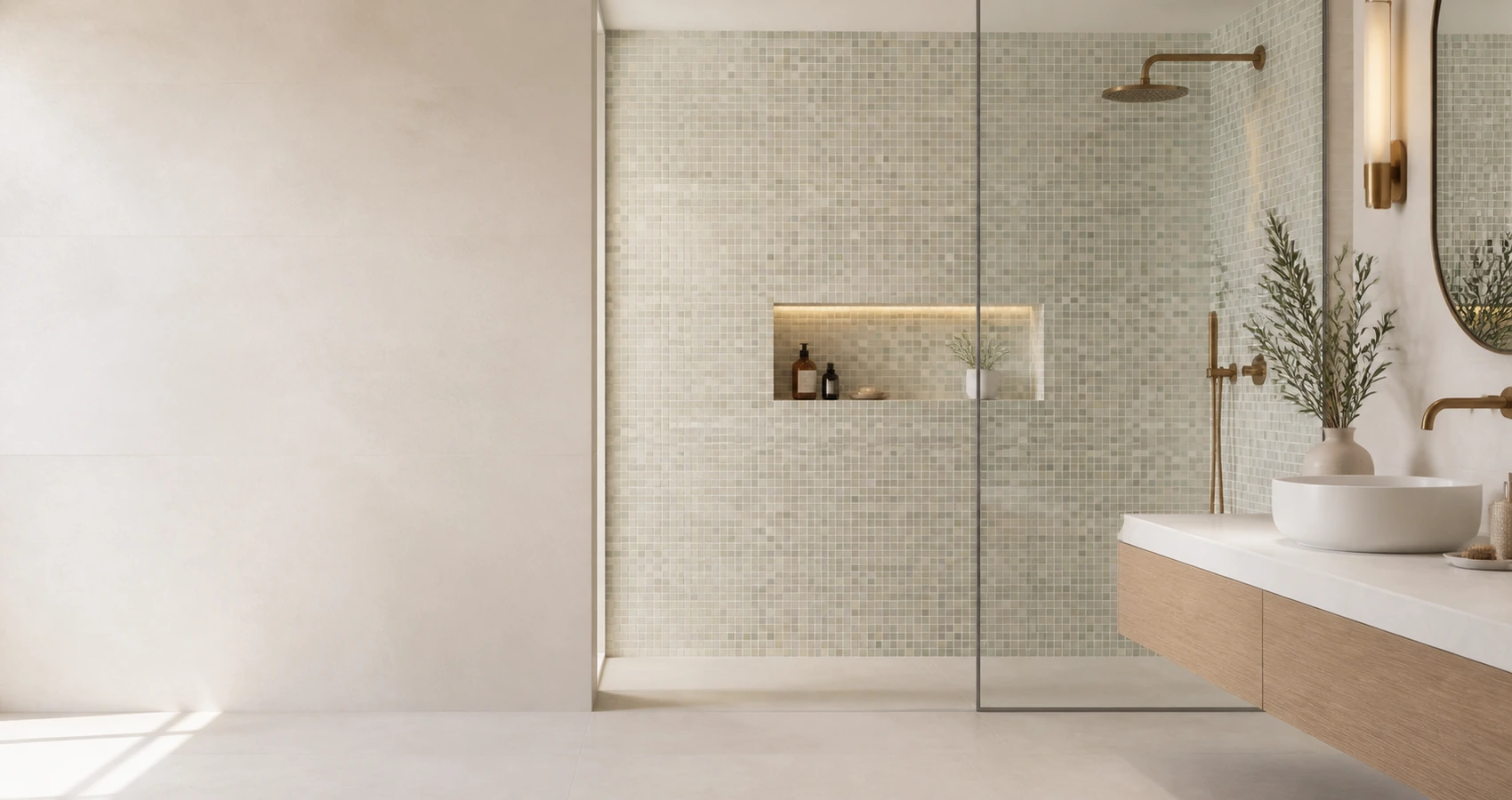
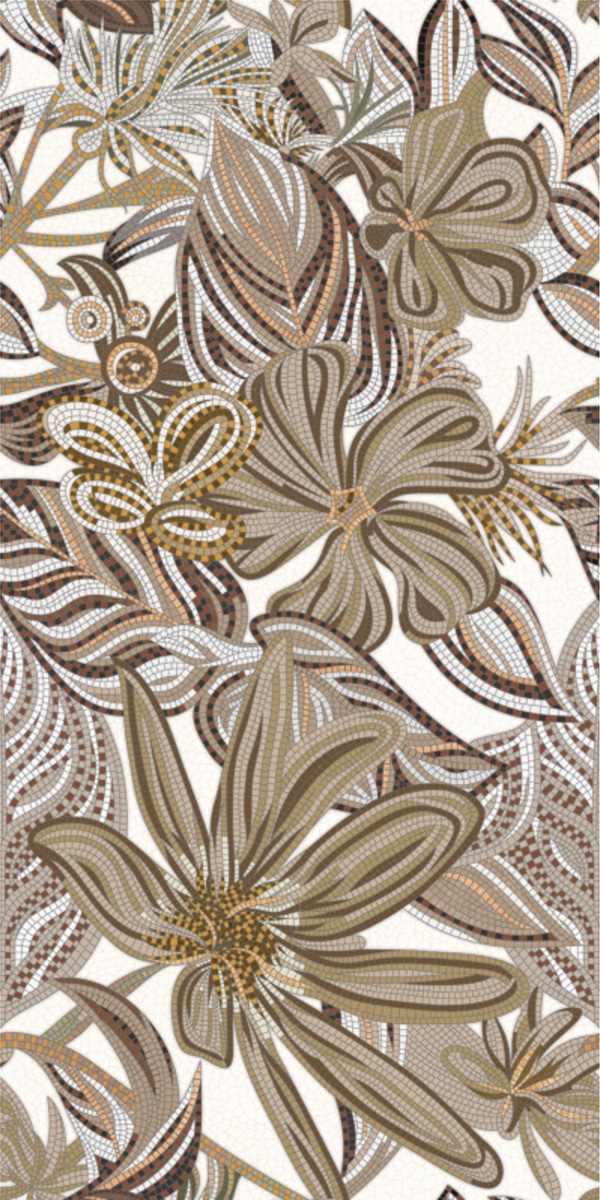
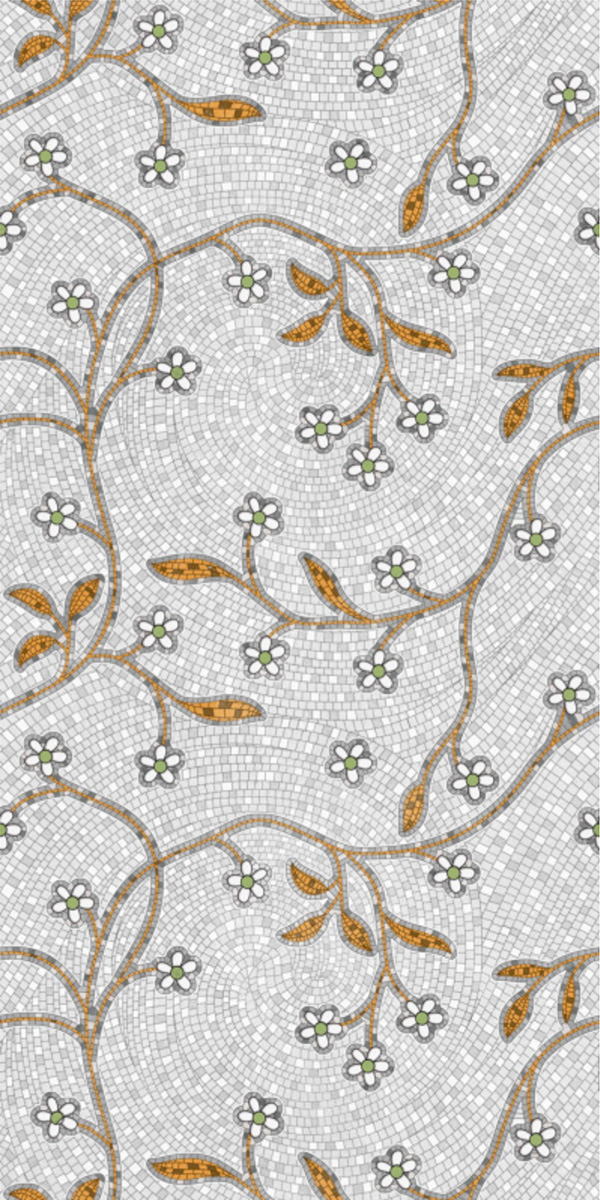
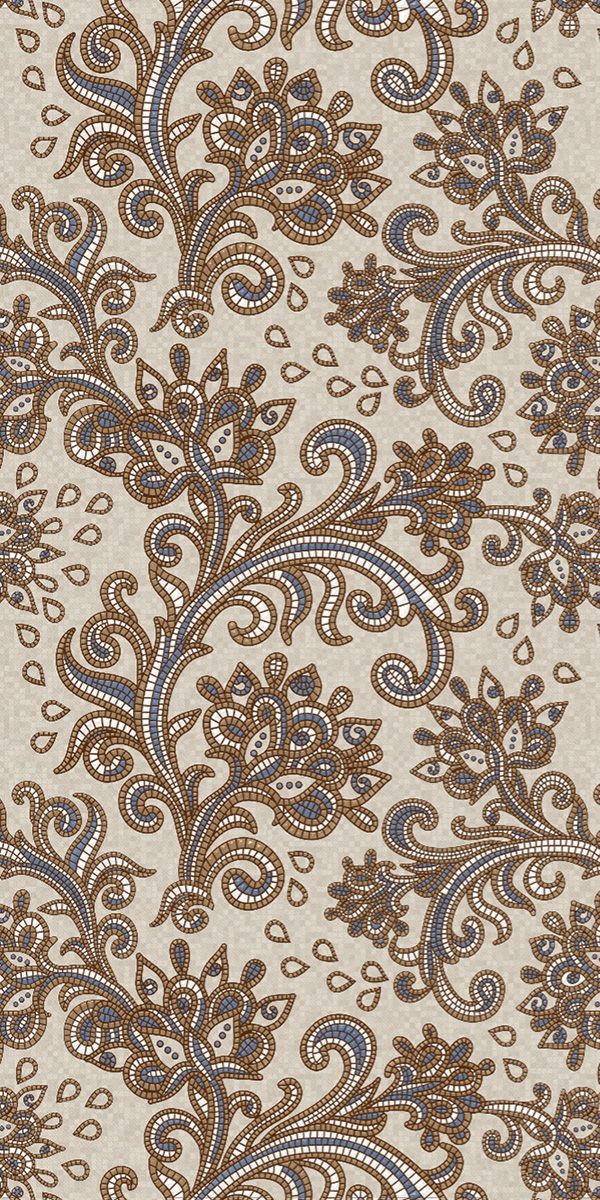
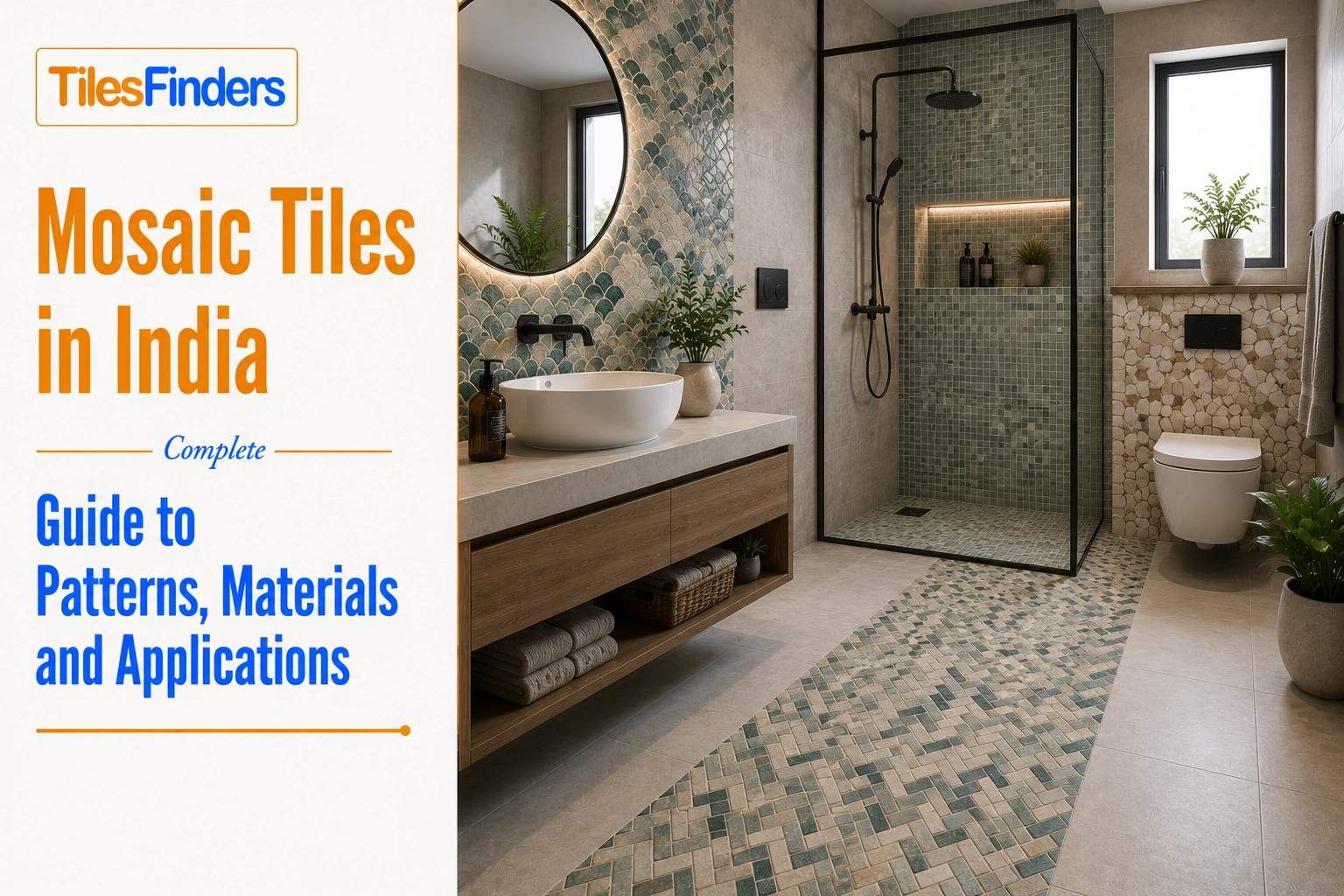
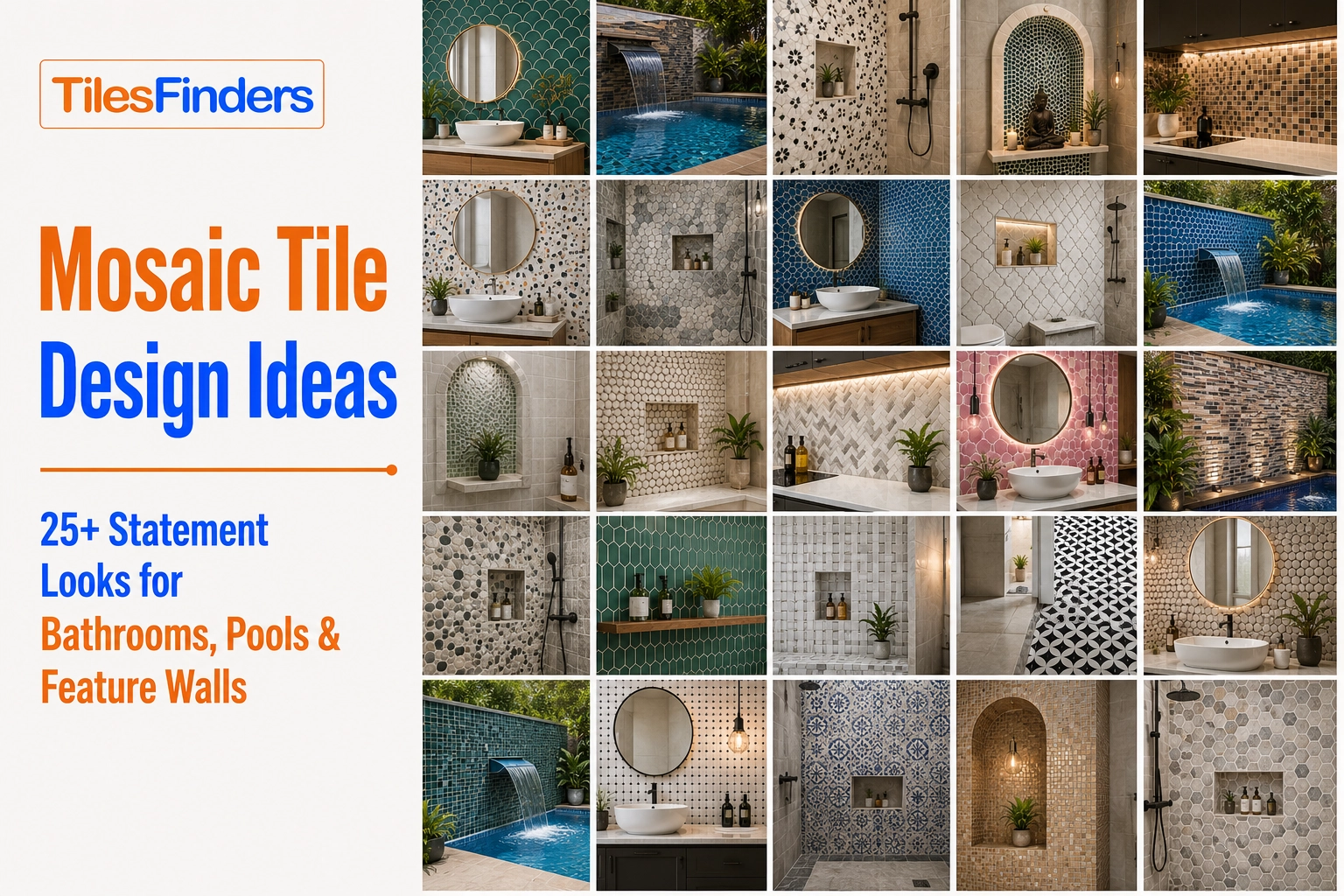
Mosaic tiles are small-format tiles or tile sheets that create pattern, texture, and visual depth across floors, walls, and feature surfaces. The term covers a wide range of tile bodies, from ceramic mosaic tile and porcelain mosaic tile to natural stone mosaic tile and GVT mosaic tile, all produced in small individual pieces mounted on mesh-backed sheets for faster installation. Mosaic tiles in India are most commonly used in bathrooms, kitchen backsplash, swimming pool surrounds, feature walls, and decorative floor borders. Sizes range from 1x1 mosaic tile (25x25mm individual pieces) to 2x2 mosaic tile (50x50mm pieces) and larger square mosaic tiles up to 100x100mm, with sheet dimensions typically 300x300mm (1x1) or 300x600mm. Prices range from Rs. 55 to Rs. 280/sq.ft from Morbi and Gujarat manufacturers depending on body, material, and pattern.
Mosaic Tile Types: Ceramic, Porcelain, Stone and GVT
Mosaic tiles are available in four main body types in India. The body determines where the tile can be used, how it handles moisture, and what maintenance it requires:
Mosaic Tile Type
Water Absorption
IS Standard
Floor Use
Wall Use
Price Range
Ceramic mosaic tile
12% to 16%
IS 13630
Wall-only (except dry 300x300mm floor use)
Yes
Rs. 25 to Rs. 80/sq.ft
Porcelain mosaic tile
2% to 5%
IS 15622:2006
Yes (matte finish)
Yes
Rs. 80 to Rs. 180/sq.ft
GVT mosaic tile
0.05%
IS 15622:2006
Yes (matte/GHR)
Yes
Rs. 55 to Rs. 130/sq.ft
Natural stone mosaic tile
Varies (3% to 20%+)
No IS standard
Yes (sealed)
Yes
Rs. 90 to Rs. 280/sq.ft
Ceramic mosaic tile is the most affordable body type and is suitable for bathroom walls, kitchen backsplash, and feature walls. Ceramic tiles must not be used on wet bathroom floors because their water absorption of 12 to 16% means moisture penetrates the body over time. The 300x300mm (1x1) exception allows ceramic mosaic sheets on dry or light-use bathroom floors only.
Porcelain mosaic tile has lower water absorption than ceramic and can be used on bathroom floors in a matte finish. Porcelain mosaic tiles are denser, harder, and more resistant to frost and chemical cleaning than ceramic, which makes them suitable for indoor and covered outdoor use.
GVT mosaic tiles carry the lowest water absorption at 0.05% and are the most widely available mosaic body from Morbi manufacturers. GVT mosaic in matte or GHR finish can be used on bathroom floors, kitchen floors, and covered outdoor areas. GVT mosaic in glossy finish is suitable for walls only.
Natural Stone Mosaic Tiles: Travertine, Limestone, Slate, and Pebble
Natural stone mosaic tile covers several distinct stone types, each with different porosity, texture, and maintenance requirements. These are the most searched stone mosaic variants in India, along with the GVT look-alike alternative available on Tilesfinders:
Stone Type
Porosity
Sealing Required
Best Use
Notes
Travertine mosaic tiles
High (12% to 20%)
Yes, annually
Walls, dry floors
Warm beige tones; must be sealed before and after grouting
Limestone mosaic tile
Moderate (5% to 15%)
Yes
Walls, light-use floors
Soft stone; not suited for high-traffic floors
Slate mosaic tile
Low to moderate (1% to 5%)
Recommended
Floors, feature walls
Natural split surface; good grip without sealing
Pebble mosaic tile
Varies
Recommended
Shower floors, outdoor paths
River pebbles on mesh; highly textured
Natural stone mosaic tile (marble)
Low (0.5% to 2%)
Yes
Walls, low-traffic floors
Polished marble is slippery on wet floors; use matte
Travertine mosaic tiles are the most popular natural stone mosaic in India for bathroom feature walls and spa-style interiors. The warm cream, beige, and walnut tones of travertine complement both modern and traditional interior design. However, travertine is porous and requires sealing before installation and annually thereafter. In Indian homes where monsoon humidity is high, and cleaning routines involve acidic products, maintaining a sealed travertine surface is time-consuming and expensive. GVT travertine-look mosaic tiles replicate the same warm beige and cream tones at 0.05% water absorption, require no sealing, and are available from Morbi manufacturers from Rs. 55/sq.ft.
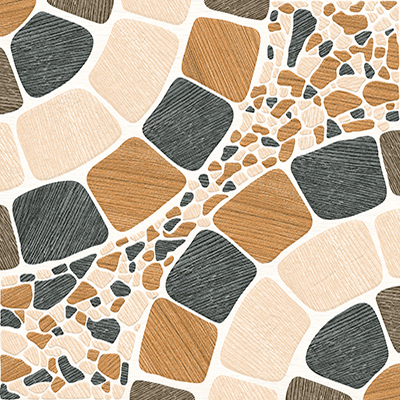
Pebble mosaic tile sheets use small river pebbles or split stone pieces mounted on mesh, creating a natural, highly textured surface. They are used for shower floors and outdoor paths because the irregular surface provides grip. The deep grout joints in pebble mosaic installations require epoxy grout to prevent mould growth, and the uneven surface makes cleaning more demanding than a flat tile surface. GVT pebble-look and textured mosaic tiles in matte or GHR finish give comparable grip with a flatter surface that is significantly easier to clean and maintain over time.
Slate mosaic tile has a natural split-face texture that provides grip on floors without additional treatment. The natural variation in slate thickness requires flexible adhesive and careful levelling, and installation waste is higher than with uniform manufactured tiles. GVT slate-look mosaic in matte finish replicates the dark grey, charred, and graphite tones of natural slate with consistent thickness across every tile, which reduces installation time and adhesive cost on large floor areas.
Why manufactured mosaic tiles outperform natural stone in most Indian applications: natural stone mosaic tiles require sealing on installation and regularly through the year, are sensitive to acidic cleaners common in Indian households, and vary in thickness and tone between batches, which complicates large installations. GVT tiles and porcelain tiles in stone-look finishes deliver the same visual character at lower maintenance cost, consistent dimensions, IS 15622:2006-certified water absorption, and no sealing requirement. For most Indian bathroom, kitchen, and feature wall applications, a GVT stone-look mosaic is the more practical choice.
Mosaic Tiles by Colour and Design
The colour and design of mosaic tiles shape the visual character of a space more than almost any other tile choice. These are the most widely used mosaic tile colours and their common applications in Indian homes and commercial spaces:
Mosaic Colour / Design
Common Body
Typical Use
Notes
Mosaic tiles white
Ceramic or GVT
Kitchen backsplash, bathroom walls
Bright, clean look; works with most grout colours
Black mosaic tiles
GVT or porcelain
Feature walls, bathroom floors
High contrast; shows watermarks in wet areas
Grey mosaic tile
GVT or porcelain
Bathroom walls and floors
Neutral; hides soap residue better than white
Gold mosaic tiles
Glass or glazed ceramic
Feature walls, luxury bathrooms
Usually glass body; accent use only
Blue and white mosaic tile
Ceramic or porcelain
Kitchen, poolside, bathroom
Classic Mediterranean look
Cream mosaic tiles
Ceramic or GVT
Bathroom walls, kitchen backsplash
Warm tone; forgiving on grout staining
Beige mosaic tiles
GVT or stone
Bathroom feature walls
Earthy tone; pairs with travertine and wood-look tiles
Pink mosaic tiles
Ceramic or glass
Bathroom feature walls
Accent use; classic Art Deco bathroom look
Brown mosaic tiles
GVT or stone
Feature walls, floor borders
Warm tone; works with wood-look floor tiles
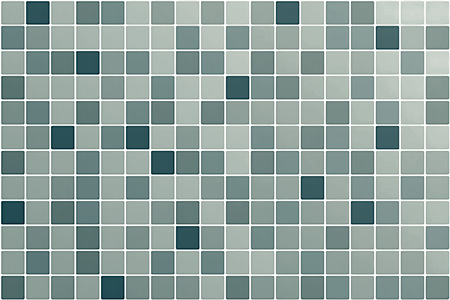
Sage green mosaic tiles
Ceramic or GVT
Kitchen backsplash, bathroom walls
Contemporary palette; trending in 2024 to 2026
Red mosaic tile
Ceramic or GVT
Feature walls, borders
Bold accent; rarely used as full-wall coverage
Terracotta mosaic tiles
Ceramic or GVT
Kitchen backsplash, outdoor walls
Terracotta is a colour, not a material; tile body varies
Mosaic tiles in white remain the most popular mosaic colour in Indian bathrooms because they work with any grout colour, reflect light in small spaces, and are available in every mosaic body from ceramic to GVT to porcelain. White mosaic in a matte ceramic body is the most affordable option at Rs. 25 to Rs. 60/sq.ft from Gujarat.
Black mosaic tiles are used most often on bathroom feature walls, shower niches, and kitchen backsplash where a strong contrast statement is needed. Black GVT matte mosaic in 25x25mm (1x1) or 50x50mm (2x2) individual pieces on 300x300mm sheets is the most common format from Morbi manufacturers. On bathroom floors, black mosaic in matte finish hides soap residue and footprints better than white or light grey.
Terracotta mosaic tiles use terracotta as a colour description, not a material. Mosaic tiles in terracotta colour are made in ceramic or GVT bodies. Natural clay terracotta tiles require sealing and are not recommended for wet areas because of their high water absorption of 15% to 25%.
Mosaic Tile Patterns: Herringbone, Chevron, Basketweave and More
The pattern of a mosaic tile sheet is as important as the colour. These are the most widely used mosaic patterns in Indian homes and commercial spaces:
Herringbone mosaic tile: Rectangular pieces laid in a V-shaped zigzag pattern. Herringbone mosaic is one of the most popular formats for kitchen backsplash and bathroom feature walls in India. It is available in ceramic, GVT, porcelain, and natural stone bodies, typically on 300x300mm or 300x600mm tiles.
Chevron mosaic tile: Similar to herringbone but uses parallelogram-cut pieces that meet at a continuous point rather than an offset. Chevron mosaic creates a cleaner, more geometric arrow pattern compared to herringbone. It requires precise cutting at the edges and is more expensive to produce than herringbone.
Basketweave mosaic tile: A classic pattern using small rectangular pieces arranged to mimic a woven basket texture. Basketweave mosaic is used in traditional and Art Deco-style bathrooms. White basketweave mosaic in ceramic body on a 300x300mm sheet is a standard product from Morbi manufacturers.
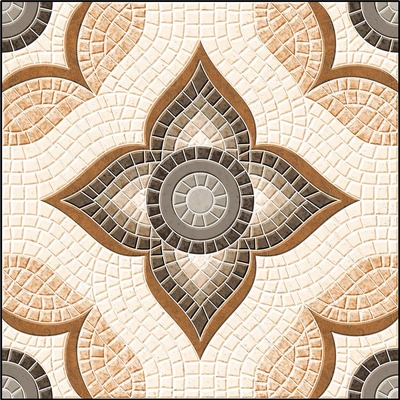
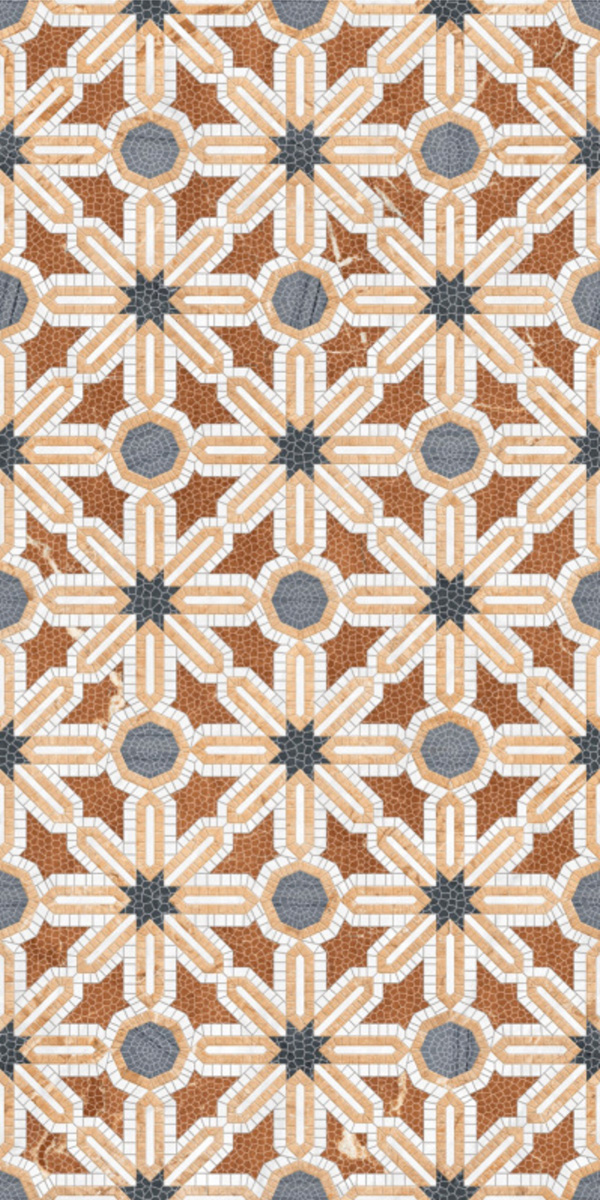
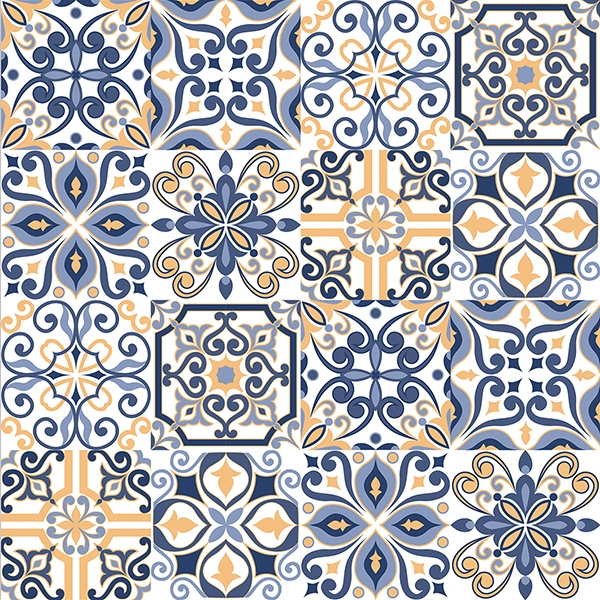
Moroccan mosaic tiles: Refers both to geometric star-and-cross patterns and to hand-cut cement or ceramic tile pieces arranged in Moorish geometric designs. Moroccan mosaic tiles in ceramic or encaustic cement body are used on bathroom floors, kitchen backsplash, and feature walls. They require sealing when produced in cement body.
Mosaic subway tile: Small rectangular mosaic tiles in subway proportions (typically 25x75mm or 50x100mm pieces) on mesh-backed sheets. Mosaic subway tile gives the classic subway look at a smaller scale, often used in kitchen backsplash and shower walls. Available in ceramic, GVT, and porcelain bodies.
Mosaic Pattern
Piece Shape
Sheet Format
Common Body
Best Use
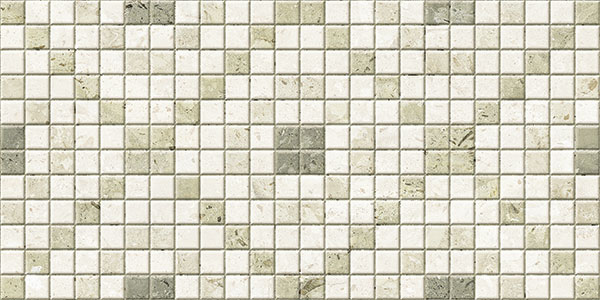
Square mosaic tiles (1x1)
25x25mm square
300x300mm sheet
Ceramic, GVT, porcelain
Bathrooms, pools, kitchen backsplash
Square mosaic tiles (2x2)
50x50mm square
300x300mm sheet
GVT, ceramic
Bathroom walls, feature walls
Small mosaic tiles
10x10mm to 25x25mm
300x300mm or 320x320mm sheet
Glass, ceramic, porcelain
Pool liners, accent strips, borders
Large mosaic tiles
100x100mm to 150x150mm
300x300mm or 600x300mm sheet
GVT, ceramic
Feature walls, large bathroom surfaces
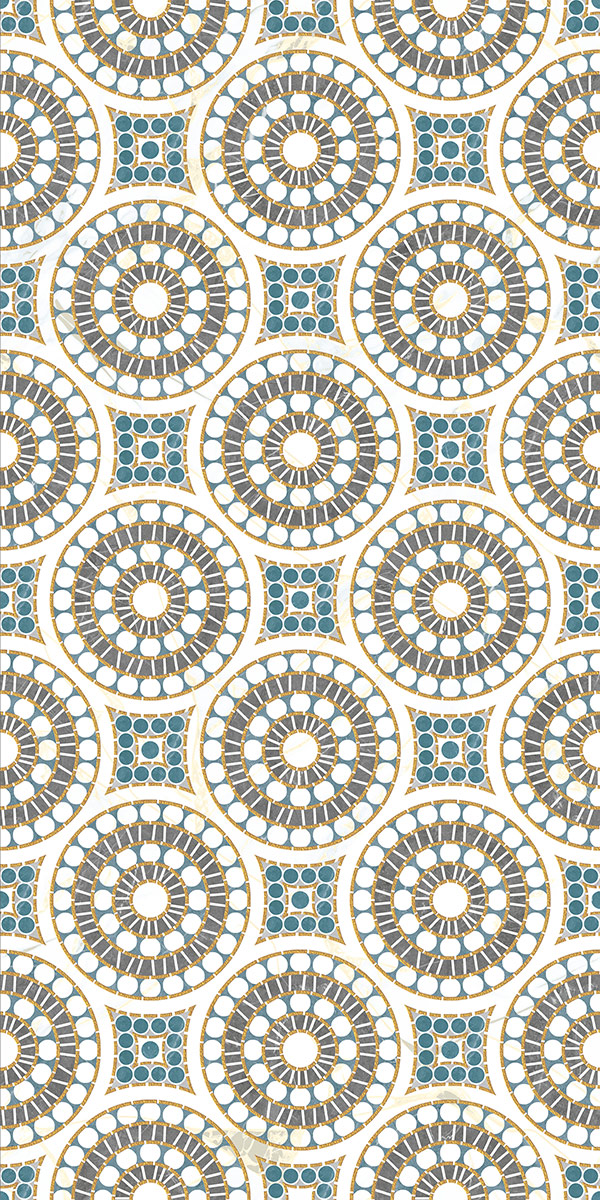
Round mosaic tiles
Circular pieces on mesh
300x300mm sheet
Ceramic, glass
Feature walls, shower niches
Herringbone mosaic tile
Rectangular, offset V pattern
300x300mm or 300x600mm sheet
Ceramic, GVT, porcelain, stone
Kitchen backsplash, bathroom walls
Chevron mosaic tile
Parallelogram, arrow pattern
300x300mm sheet
Ceramic, GVT
Feature walls, bathroom floors
Basketweave mosaic tile
Rectangular, woven arrangement
300x300mm sheet
Ceramic, porcelain
Traditional bathrooms, floor borders
Moroccan mosaic tiles
Geometric star-cross or hand-cut
300x300mm sheet
Cement, ceramic
Feature walls, kitchen backsplash
Mosaic subway tile
25x75mm or 50x100mm rectangle
300x300mm sheet
Ceramic, GVT
Kitchen backsplash, shower walls
Pebble mosaic tile
Irregular river pebbles
300x300mm sheet
Natural stone
Shower floors, outdoor paths
Wood mosaic tile
Thin wood-look planks on mesh
300x600mm sheet
GVT or porcelain
Feature walls, spa walls
Where to Use Mosaic Tiles in Indian Homes
Mosaic tiles suit different spaces based on the tile body, finish, and individual piece size. Here is where each type performs best:
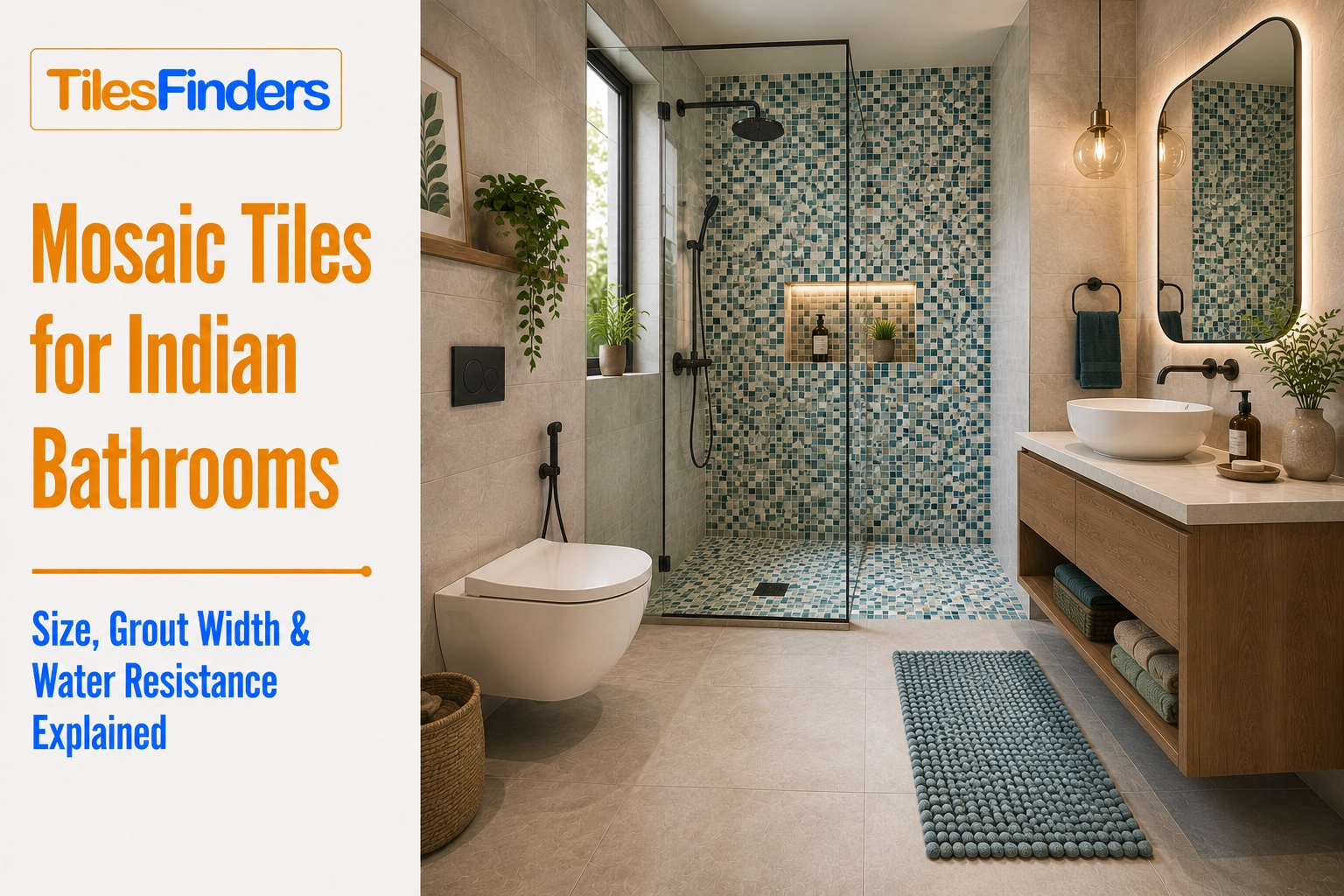
Bathroom walls: Ceramic mosaic tile in square or herringbone pattern is the most common bathroom wall mosaic in India. White, grey, and cream mosaic tiles on 300x300mm sheets cover bathroom walls quickly. Grout joint width depends on the sheet gap spacing, typically 2 to 3mm. Epoxy grout in wet bathroom areas prevents mould growth in the narrow joints between small mosaic pieces.
Bathroom floors: Small mosaic tiles on bathroom floors provide more grout joints per square foot, which increases grip compared to large format tiles on the same surface. GVT matte or porcelain matte mosaic in 25x25mm (1x1) pieces on 300x300mm sheets is the standard specification for Indian bathroom floors. Never use glossy, polished, or PGVT mosaic on bathroom floors.
Kitchen backsplash: Herringbone mosaic tile, mosaic subway tile, and square mosaic tiles in ceramic or GVT body are the most used kitchen backsplash mosaic formats in India. Kitchen backsplash tiles face oil splash and heat, so a glazed ceramic or GVT body with a semi-glossy or glossy finish is practical and easy to wipe clean.
Swimming pools: Porcelain mosaic tile in matte or textured finish is the standard specification for pool liners and pool floors in India because porcelain resists chlorine and does not fade in direct sunlight. Natural stone mosaic tiles must not be used in pools because chlorinated water attacks the stone and sealing materials.
Feature walls and niches: Gold mosaic tiles, blue and white mosaic tile, Moroccan mosaic tiles, and round mosaic tiles are typically used as accent or feature elements rather than full-wall coverage. A niche or half-wall section in a contrasting mosaic tile pattern draws the eye without the maintenance cost of covering an entire wall.
GVT and Ceramic Mosaic Tile Specs from Morbi
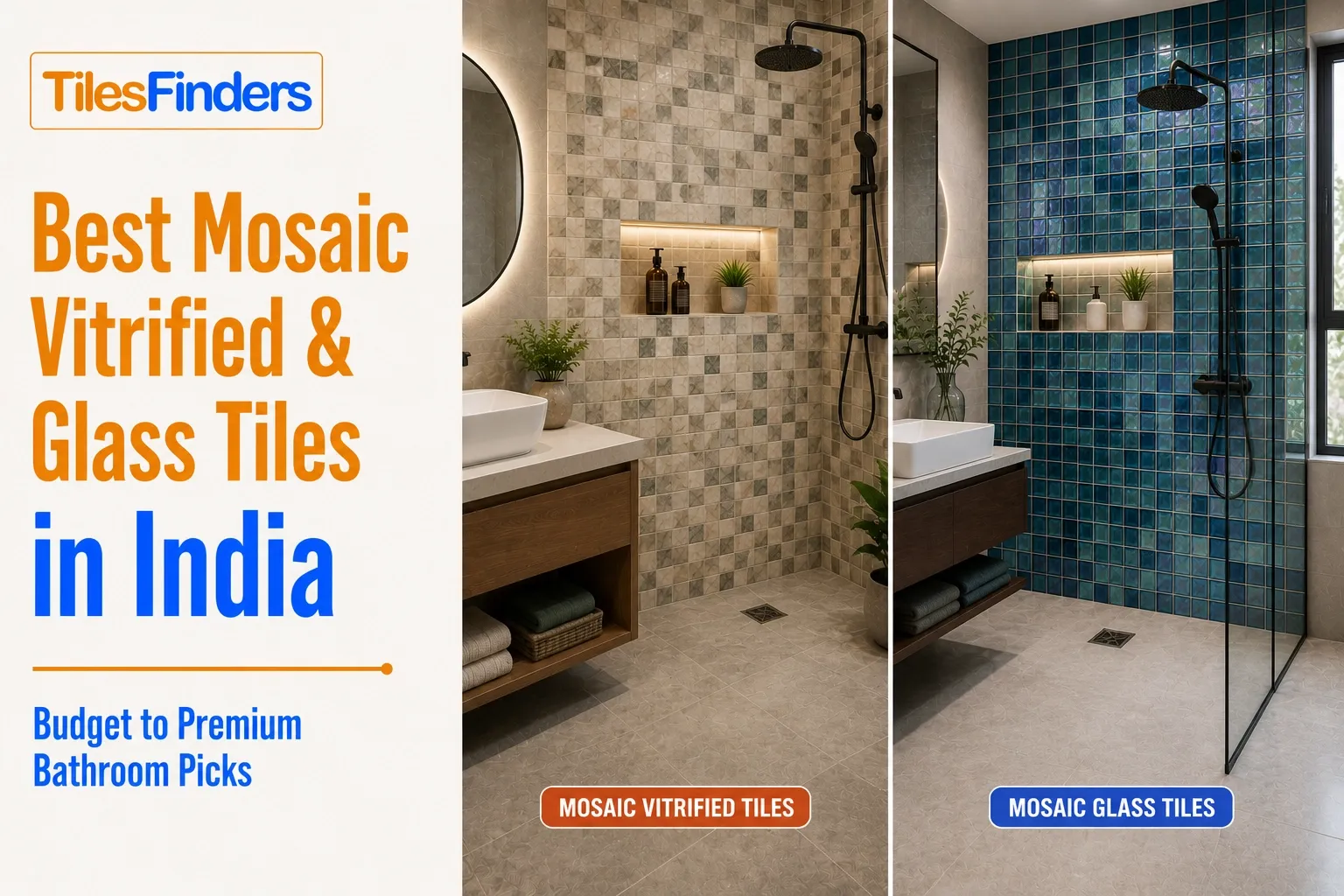
GVT mosaic tiles from Morbi and Gujarat carry water absorption of 0.05% under IS 15622:2006, making them suitable for bathroom floors, kitchen backsplash, and covered outdoor walls. Individual piece sizes of 25x25mm (1x1) and 50x50mm (2x2) on 300x300mm mesh-backed sheets are the most widely available GVT mosaic formats from Gujarat manufacturers, priced from Rs. 55 to Rs. 130/sq.ft. Ceramic mosaic tile from the same manufacturers starts from Rs. 25/sq.ft for wall-only applications.
Natural Stone and Porcelain Mosaic Tile Pricing in India
Porcelain mosaic tile in 25x25mm individual pieces on 300x300mm sheets for bathroom floors and kitchen backsplash is priced from Rs. 80 to Rs. 180/sq.ft from Indian suppliers. Natural stone mosaic tiles, including travertine mosaic tiles and limestone mosaic tile, are priced from Rs. 90 to Rs. 280/sq.ft depending on stone type and sourcing region. All natural stone mosaic tiles require sealing before installation and regularly during monsoon months to prevent water penetration in humid Indian climates. Epoxy grout is the standard specification for all natural stone mosaic joints in wet or covered outdoor areas.
Browse Mosaic Tile Designs and Formats
Ceramic mosaic tile, porcelain mosaic tile, GVT mosaic tile, and natural stone mosaic tile in square, herringbone, chevron, basketweave, subway, pebble, Moroccan, and round formats, in white, black, grey, gold, blue, cream, beige, sage green, and terracotta colours, for bathroom floors, bathroom walls, kitchen backsplash, feature walls, and pool surrounds, are listed on Tilesfinders with individual piece size, sheet size, tile body, water absorption, and finish type on every product. Use the look filter to select mosaic and the colour filter to narrow by shade from Morbi and Gujarat manufacturers.
Tiles Near You
Detecting location...
Explore tiles available with trusted dealers near your location.
A buying guide on tile size, finish, anti-skid choices, and how to reduce wastage before you order.
How we keep this page accurate
Pricing on this page is checked against current dealer listings and manufacturer spec sheets. Body type facts, water absorption figures and IS standard references are checked against BIS documentation, not copied from other websites. This page still won't catch a batch-specific spec, so confirm exact figures with your dealer before ordering.
PricingChecked against live dealer listings
Technical specsVerified against IS 15622 and IS 13630
Dealer listingsChecked before being added to the directory
After The Tiles Are Laid
Living with your new tile
Five habits that keep any GVT, PGVT or porcelain floor looking new for years, not just months.
Use a pH-neutral cleaner
Acidic or alkaline cleaners can dull the glaze over time. A mild, pH-neutral floor cleaner keeps the finish intact.
Skip abrasive scrubbers
Steel wool or scouring pads can scratch a polished surface permanently. A soft mop or cloth is enough for daily cleaning.
Wait before heavy use
Light foot traffic is fine after 24 to 48 hours. Hold off on moving heavy furniture back for a full 7 days.
Seal cement grout
Cement grout benefits from a sealant applied a few weeks after laying, to resist staining. Epoxy grout doesn't need this.
Mind the monsoon
A door mat at every entry cuts down on grit that scratches matte finishes over a wet season.
A mosaic tile is a small-format tile or mesh-backed sheet of small individual pieces used to create pattern, texture, and design across floors, walls, and feature surfaces. Mosaic tiles are available in ceramic, porcelain, GVT, and natural stone bodies in sizes from 10x10mm to 150x150mm individual pieces. Sheets are typically 300x300mm or 300x600mm for fast installation.
Yes. GVT matte or porcelain matte mosaic tiles in 25x25mm (1x1) pieces are suitable for bathroom floors. The increased number of grout joints on a mosaic floor improves grip compared to large format tiles. Never use glossy, polished, or PGVT mosaic tiles on bathroom floors as they are slippery when wet.
Herringbone mosaic uses rectangular pieces in an offset V pattern where the ends meet at the side of another piece. Chevron mosaic uses parallelogram-cut pieces that meet at a continuous point, creating a sharper arrow effect. Herringbone is more widely available and affordable. Chevron requires precise cuts and is more expensive to produce.
Some are, with proper sealing. Slate mosaic and porcelain mosaic work in wet bathrooms with adequate sealing. Travertine mosaic tiles and limestone mosaic tile are highly porous and must be sealed before and after grouting, and resealed annually. Pebble mosaic tiles work well on shower floors because the irregular surface provides grip. Use epoxy grout in all wet stone mosaic installations.
Ceramic mosaic tiles start from Rs. 25/sq.ft for wall applications from Morbi, Gujarat. GVT mosaic tiles range from Rs. 55 to Rs. 130/sq.ft. Porcelain mosaic tiles range from Rs. 80 to Rs. 180/sq.ft. Natural stone mosaic tiles, including travertine and limestone, range from Rs. 90 to Rs. 280/sq.ft depending on stone type.
Epoxy grout is the correct choice for mosaic tiles in wet areas, including bathroom floors, shower walls, and kitchen backsplash. The narrow joints in mosaic installations trap moisture easily, and epoxy grout prevents mould growth and staining. Standard joint width for 25x25mm mosaic pieces is 2 to 3mm.
Terracotta mosaic tile refers to tiles in a terracotta colour, not tiles made from natural terracotta clay. Terracotta-coloured mosaic tiles are produced in ceramic or GVT bodies. Natural clay terracotta tiles absorb 15% to 25% water and require sealing, making them unsuitable for wet areas without proper preparation.
The most common mosaic tile sizes in India are 25x25mm (1x1) individual pieces on 300x300mm sheets and 50x50mm (2x2) pieces on 300x300mm sheets. Small mosaic tiles in 10x10mm pieces are used for pool liners and fine accent work. Larger mosaic pieces up to 100x100mm are used for feature walls and large bathroom surfaces.
What Our Customers Say
Real feedback from homeowners and contractors who found their perfect tiles
★★★★★
Found exactly the wood-look tiles I wanted for my living room. The dealer listed here had great stock and fair pricing. Saved me at least two weekends of running around showrooms.
★★★★★
Very detailed size and finish guide helped me choose anti-skid tiles for my bathroom. Wish I had found this site before my last renovation.
★★★★☆
Good comparison between vitrified and ceramic options. Contacted a dealer directly through the listing and got a quote within the hour.
★★★★★
As a contractor, I use this to quickly show clients different tile sizes and finishes on-site. The photos are high quality and load fast even on mobile data.
★★★★★
Loved how easy it was to filter by size and color together. Ended up going with 600x1200 GVT tiles for my hall, exactly what I was picturing.
★★★★☆
Solid resource for comparing tile finishes before visiting the showroom. Would like to see more price transparency, but overall a helpful first step.
★★★★★
The dealer directory saved me so much time. Called two showrooms directly from the site and had my order finalized within two days.
★★★★★
Great breakdown of PGVT vs GVT vs ceramic. I finally understood which tiles are meant for walls versus floors before making a costly mistake.
★★★★☆
Used this while renovating my kitchen backsplash. The FAQ section answered most of my questions about grout and water resistance without needing to call anyone.
★★★★★
Best part is being able to browse by room type. Picked out balcony and parking tiles in the same session without jumping between different sites.
0/4 selected
Compare Designs (0/4)
No designs added to compare yet. Open a design and tap "Compare" to add it here (up to 4).