

Elevation Tiles: The Complete Guide to Transforming Your Home Exterior
Complete guide to elevation tiles for home exteriors, covering tile types, sizes, finishes, 3D de...


Loading designs...

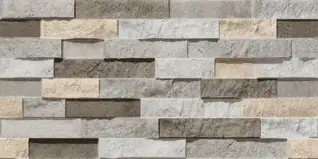
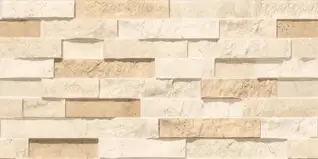
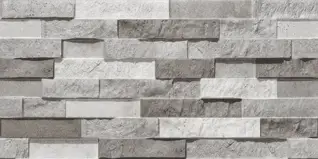
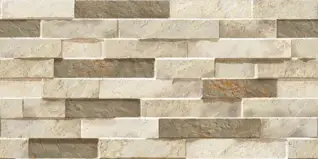
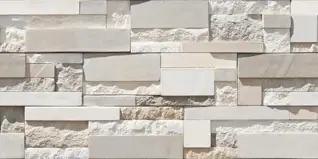
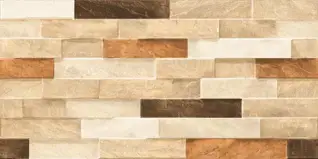
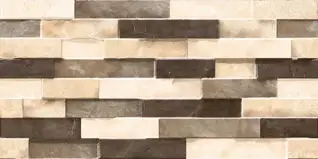

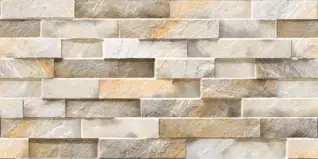
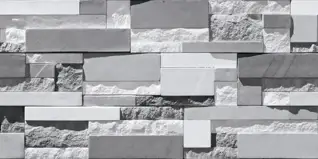
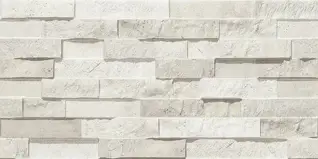

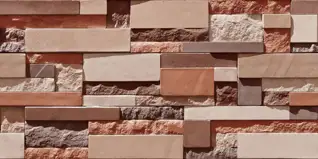
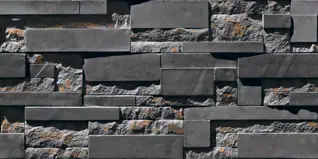
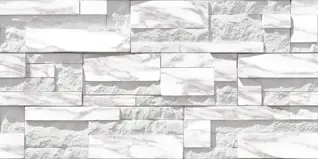
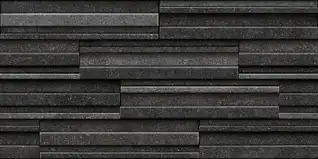
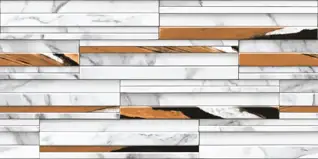

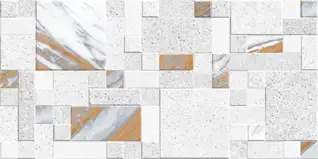
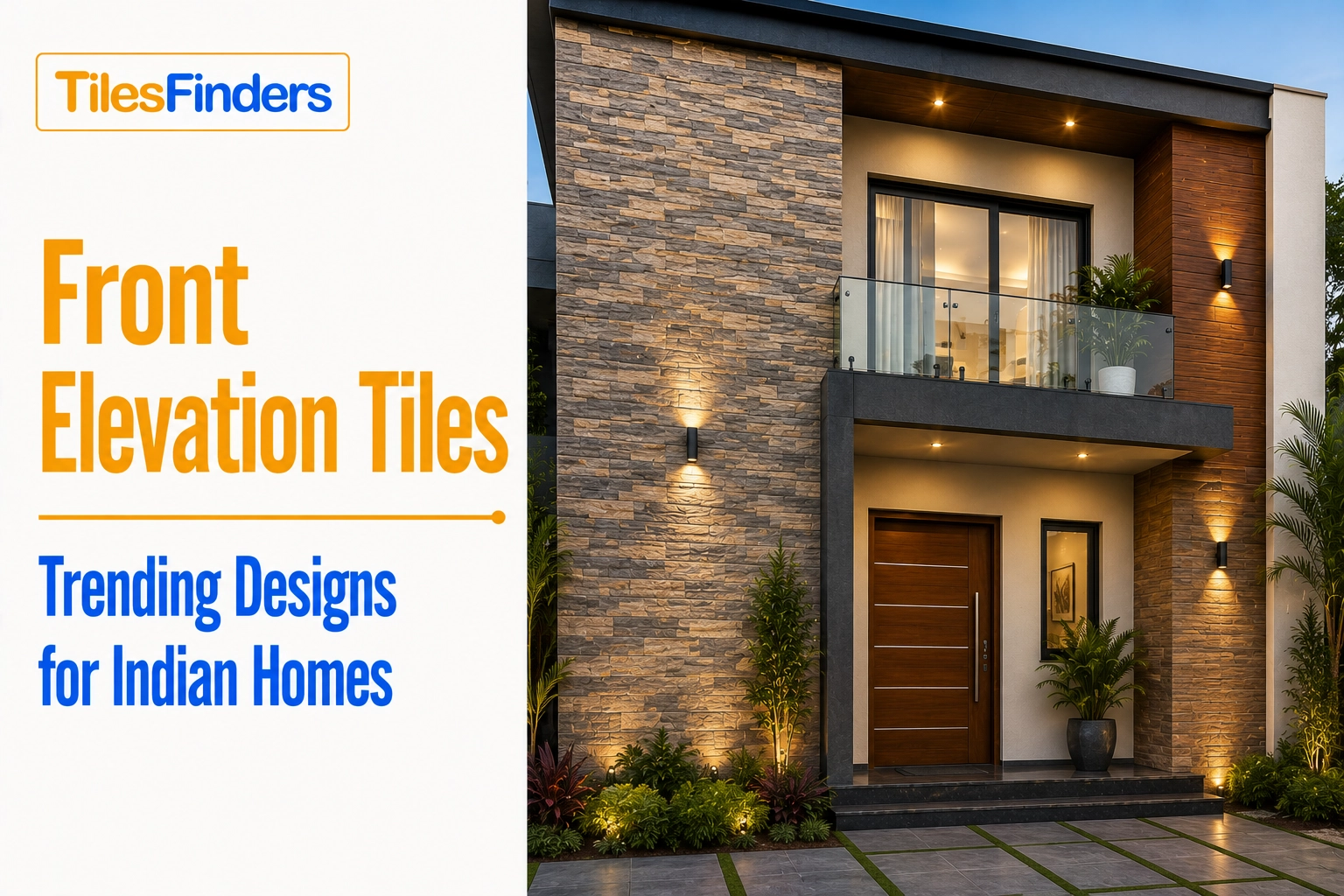
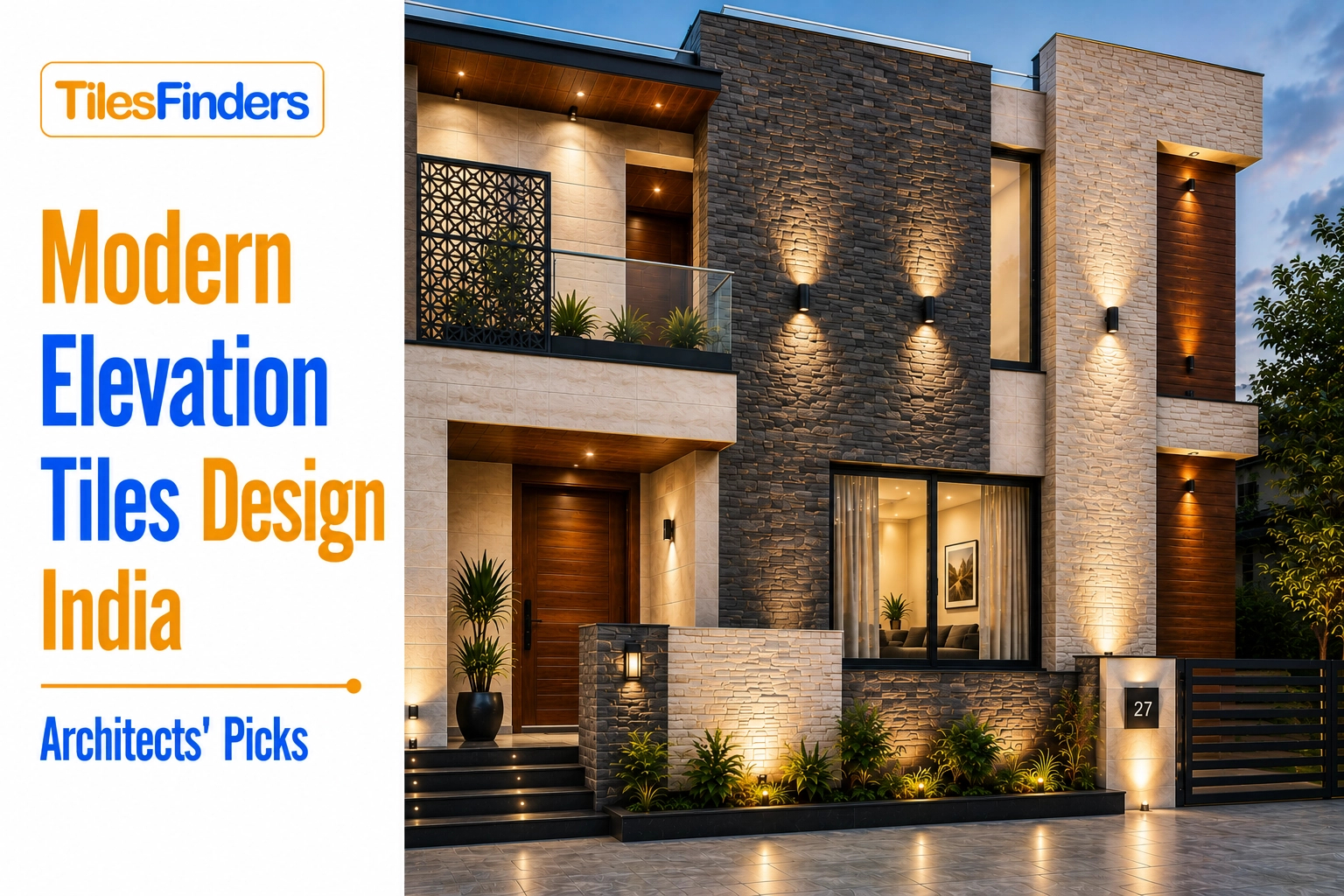
Front wall tile design in India is not one decision. It is five or six decisions made about different wall surfaces that all face the street. The main house wall, the boundary wall, the gate pillar, the porch wall, the front balcony parapet, and the entrance panel around the main door each have different exposure to rain, different heights and proportions, and different roles in how the house reads from outside. All of them fall under the broader category of elevation tiles, but each surface calls for its own tile specification.
This page covers front wall tile design surface by surface: what tiles work on each zone of an Indian home's front, why the boundary wall needs a different approach from the main house wall, what porch tile ideas hold up through Indian monsoons, and how to bring a coherent tile design across all the wall surfaces facing the road without making every wall look identical.
The tile is the primary design material on every surface discussed here. The size, the surface texture, the colour, and the finish of the tile determine what each wall looks like from the road and how long it holds up in the Indian climate. Getting those four decisions right per surface is what a good front wall tile design comes down to.
Indian residential construction has specific front wall conditions not found in most other markets. The front of an Indian home typically includes a compound boundary wall running the full plot width at road level, a gate opening with flanking pillars, a setback area between the gate and the house, and then the house front wall itself, which may have a porch, a covered portico, a balcony at the upper floor, and a main door entrance panel.
Each of these surfaces sits at a different height, faces different rain exposure, and is viewed from a different distance. The boundary wall is at eye level and within arm's reach of anyone walking past. The main house wall is set back 10 to 25 feet from the road and is seen at a distance. The first-floor balcony wall is seen from below and from across the road. Front wall tiles design that treats all these surfaces the same will look incoherent: too much of one thing, no variation in visual weight.
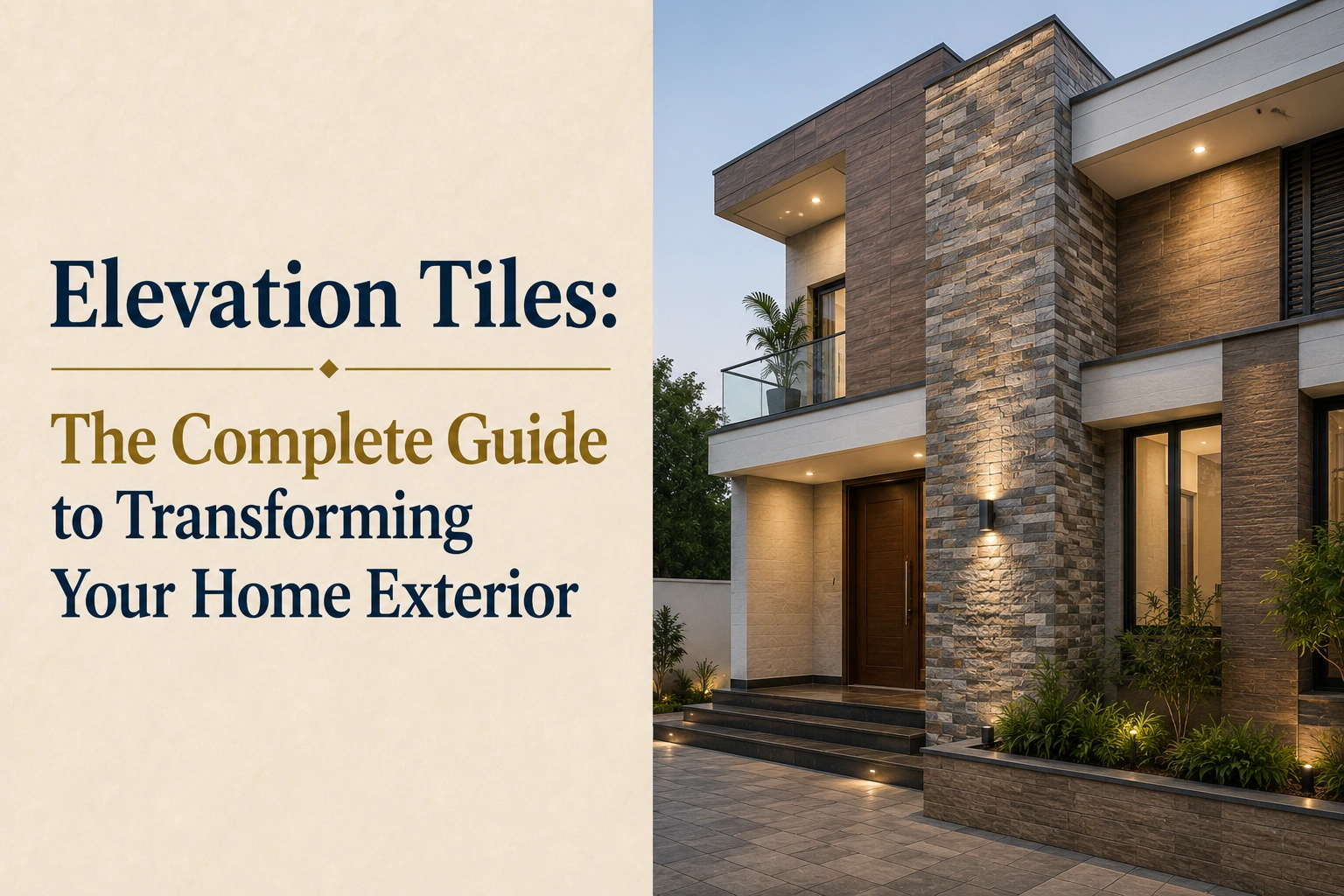
The most effective front wall tile design in Indian house construction uses a controlled tile palette: one primary tile across the main house wall, a contrasting but related tile on the boundary wall and gate pillars, and a feature tile at the entrance zone. Three tiles, coordinated but not identical, give the front of the house visual structure.
The main house front wall is the largest tile surface facing the road. It carries the most visual weight and sets the tone for the entire front. If the main wall uses a warm sandstone-look GVT in 600x600mm matte, the boundary wall and pillar tiles should pick up either the same colour in a different format, or a complementary tone in the same warmth range.
For the main house front wall, 600x600mm and 600x1200mm GVT tiles in matte or GHR finish are the most used options in Indian residential construction. A 600x1200mm tile creates very few grout joints across a wide wall, which reads as a cleaner, more composed surface from the road. Large format tiles in this size from Morbi run Rs. 55 to Rs. 95 per sq.ft in GVT matte finish.
Simple front wall tiles design in Indian house projects uses one tile across the entire main wall run with no bands, no contrasting panels, and no mixed sizes. A single 600x600mm mid-grey or warm beige GVT tile in a square grid with 3mm epoxy grout joints is the most common simple approach. It reads well at a distance and is straightforward to extend or repair.
The boundary wall is the most overlooked tile surface in Indian front wall design, and often the one that matters most to street presence. At eye level and within arm's reach of anyone walking past, the texture and finish of boundary wall tiles is read more closely than the main house wall tiles set back behind it.
Front boundary wall tiles design works best with smaller formats than the main house wall. A 300x600mm tile in a horizontal stack bond creates a proportionally correct scale for a wall typically 4 to 5 feet tall. The tile texture needs to be clear enough to read at 2 to 3 feet: a fine-grain sandstone look, a strong wood-plank grain, or a clean geometric relief tile all read well at this range.
The boundary wall gets direct rain from above and rain splashes at ground level. A GVT tile rated below 0.05% water absorption keeps the boundary wall surface clean through the monsoon without staining or adhesion loss. Outdoor tiles with high-grip texture are also used on the top coping of boundary walls.
Front gate wall tiles design covers the two pillar faces flanking the main gate and, in some designs, short wall sections on each side of the gate. Gate pillars are narrow structures, typically 12 to 18 inches on each visible face, and their tile design is seen from directly in front as well as from the road angle.
300x600mm tiles in a vertical stack bond are the standard for square gate pillars. A dark slate-look or charcoal GVT tile on the gate pillar against a lighter boundary wall creates a strong entry frame readable from the road. The pillar cap should use a flatter tile format, such as 300x300mm or 300x600mm, to finish the vertical tile run cleanly.
Gate pillar tile pricing: GVT matte and GHR options from Morbi in 300x600mm run Rs. 50 to Rs. 85 per sq.ft. A pair of standard gate pillars uses 15 to 25 sq.ft of tile total, so a slightly richer tile for the pillars is practical without significantly increasing the project cost.
Front porch tile ideas for wall surfaces of a covered porch or portico sit in a unique position: these walls are sheltered from direct rain but still get monsoon humidity, occasional splash, and temperature cycling. This means the tile body must still be GVT or full body vitrified, since ceramic tiles at 12% to 16% water absorption are not suitable for a porch wall, even if it is partially covered. For porch floor tile decisions, the front elevation tiles guide covers portico floor specifications in detail.
Portico wall tile design can use a slightly richer tile than the open main wall. Inside the covered porch, a GHR-finish tile or even a polished tile works well because the overhead cover prevents direct rain. A cream, ivory, or warm white GHR tile on inner portico walls reflects light into the entrance area. Size: 300x600mm in a vertical stack bond or 600x600mm in a square grid. Price: Rs. 55 to Rs. 95 per sq.ft.
Front balcony wall tiles design covers the external face of the parapet wall at first-floor or upper-floor balconies. This surface is fully exposed: it faces the road, gets direct rain, and is seen from below at a foreshortened angle from street level.
A 300x600mm tile in a vertical orientation or a 600x600mm tile in a square grid both read better from street level than a wide horizontal tile format on a balcony parapet. The tile body must be GVT with water absorption below 0.05%, and epoxy grout is non-negotiable because water sits on the top horizontal coping surface and works into any cement grout joint.
Front balcony wall tiles in a coordinated front wall design typically echo the main house wall tile in colour but use a slightly smaller format or a stronger texture. Price: Rs. 50 to Rs. 90 per sq.ft for GVT matte or GHR options.
The entrance wall is the tile surface immediately around and above the main door: the jamb panels on either side of the door frame, the transom panel above the door lintel, and sometimes a feature panel above. This is the closest-viewed tile surface on the entire front of an Indian home.
At this close viewing range, fine-grain details in a stone-look GVT, the relief depth of a 3D carved tile, or the grain clarity of a wood-look panel all read at their full intended detail. A feature tile with more visual complexity earns its place here against a simpler main wall tile. Main door wall tile sizing: 300x600mm for vertical jamb panels, 600x600mm for the feature panel above the lintel. Price: Rs. 55 to Rs. 110 per sq ft for GVT tiles at the main door surround.
The choice between a modern front wall tile design and a simple one follows the architecture of the building, not a trend. A contemporary flat-roof house with clean geometric lines suits large-format grey or charcoal GVT in 600x1200mm with tight 2mm epoxy joints and no contrasting inserts. A traditional pitched-roof bungalow with moulded cornices suits a more surface texture and a warmer tile colour.
Modern front wall tiles design in the Indian context most often uses one of three approaches: a full-facade run of large-format grey or charcoal GVT with minimal grout joints; a vertical wood-grain GVT strip breaking a wider wall into sections; or a flat stone-look GVT main wall with a 3D Matte Carving tile insert at the entry zone.
A simple front wall tiles design means one tile, one size, one finish, across the main wall, and a coordinated but distinct tile on the boundary wall. The design discipline in a simple scheme is in the grout joint width and colour. A 3mm epoxy grout joint in a colour matched to the tile body reads as deliberate; a cement grout joint that has stained grey over two monsoon seasons reads as neglected.
Front wall wooden tiles design uses GVT tiles with a wood-grain surface texture to bring a warm linear character to wall panels. On an Indian front wall, wood-look tiles work as accent elements rather than full-wall coverage.
The most common placement: a vertical strip of 200x1200mm or 300x1200mm GVT wood-look tiles flanking the main entry gate on the boundary wall, or a horizontal wood-grain band running across the main house wall at window-sill level. These placements use the long format of wood-look tiles to create a strong directional line that gives the front wall visual structure.
GVT wood-look tiles for front wall use are available in matte, and GHR finishes from Morbi manufacturers. Matte finish reads closest to real timber at a distance. GHR gives the same grain pattern with a slightly reflective quality. Both are outdoor-rated for direct rain exposure. Price range: Rs. 60 to Rs. 100 per sq ft. For the full range of wood-look tile formats, wood look tiles cover sizes, body types, and finish options.
3D front wall tiles, those with a pressed or carved surface relief rather than a flat print, behave differently depending on viewing distance. On a wall seen from close range, such as a boundary wall, gate pillar, or entrance panel, the shadow depth of a 3D tile is clearly visible and changes with natural light direction. On a wall seen from 15 or more feet away, the relief detail starts to flatten and reads more as a surface pattern.
Modern front wall tiles design 3D works best on the entrance wall and gate pillar, the close-viewed surfaces. A 3D Matte Carving GVT tile in 300x600mm at the main door surround creates a tactile, detailed entry zone. The same tile across the full boundary wall creates visual busyness at close range. 3D tiles on surfaces viewed within 5 feet; flat matte or GHR tiles on surfaces viewed from beyond 10 feet. Price range: Rs. 65 to Rs. 110 per sq ft from Morbi.
| Wall Surface | Recommended Tile Body | Best Format | Finish | Direct Rain Exposed? | Price (Rs./sq.ft) |
| Main house front wall | GVT | 600x600mm or 600x1200mm | Matte or GHR | Yes | Rs. 50 to Rs. 95 |
| Front boundary wall | GVT | 300x600mm horizontal stack | Matte or GHR | Yes | Rs. 45 to Rs. 85 |
| Gate pillar faces | GVT | 300x600mm vertical stack | Matte, GHR, or Textured | Yes | Rs. 50 to Rs. 85 |
| Front porch or portico inner wall | GVT | 300x600mm or 600x600mm | GHR, Matte, or Polished | Covered, indirect | Rs. 55 to Rs. 95 |
| Front balcony parapet wall | GVT | 300x600mm vertical or 600x600mm | Matte or GHR | Yes, full exposure | Rs. 50 to Rs. 90 |
| Entrance or main door surround | GVT | 300x600mm (jamb), 600x600mm (panel) | Matte Carving or GHR | Partial, entry cover | Rs. 55 to Rs. 110 |
| Front gate wall section | GVT | 300x600mm | Matte or Textured | Yes | Rs. 45 to Rs. 80 |
Note: Ceramic tiles (12% to 16% water absorption) must not be used on any front wall surface that gets direct rain. GVT is the minimum body type specification for all outdoor Indian home front wall tile applications.
A front wall in an Indian home faces direct monsoon rain for four to five months of the year. The west and south-west faces receive the highest rain load. GVT tiles with water absorption below 0.05% let rain run off the tile face and exit at the grout joint without entering the tile body. Epoxy grout at front wall joints holds its colour and bond through years of monsoon and post-monsoon heat cycling without the staining and cracking that affects cement grout on outdoor joints.
Morbi, Gujarat manufactures GVT front wall tiles across all major sizes: 300x600mm, 600x600mm, and 600x1200mm in stone-look, wood-look, solid colour, and 3D carved finishes. Ex-factory prices from Morbi for GVT matte front wall tiles: Rs. 40 to Rs. 55 per sq ft for 600x600mm, Rs. 55 to Rs. 95 per sq ft for 600x1200mm, and Rs. 60 to Rs. 110 per sq ft for 3D Matte Carving panels. Indian retail prices are typically 25% to 40% above these figures.
Every front wall surface on an Indian home, from the boundary wall at the gate to the main entrance panel, has a specific tile specification that fits its exposure and its visual role. Browse GVT tiles for Indian residential front wall construction on TilesFinders by body type, finish, and size to shortlist options for each surface separately before placing an order.
GVT matte or GHR-finish tiles are best for home front walls in India. They absorb less than 0.05% water and resist staining and adhesion failure through monsoon rain. For the main house wall, 600x600mm or 600x1200mm GVT in matte finish is the most used specification. For boundary walls and gate pillars, 300x600mm GVT in a stack bond is standard. Prices from Morbi: Rs. 45 to Rs. 95 per sq.ft.
A simple front wall tiles design uses one GVT tile across the main house wall in a single colour and finish, and a coordinated but distinct tile on the boundary wall. Mid-grey or warm beige GVT in 600x600mm with 3mm epoxy grout is the most common simple approach. It reads clearly from the road and weathers well through Indian monsoons.
Using the same tile on both is possible, but it often looks flat. The boundary wall is viewed from 2 to 3 feet; the house wall from 15 to 25 feet. Using the same colour but a smaller format, 300x600mm on the boundary wall versus 600x600mm on the house wall, creates coherence without monotony.
GVT tiles are the correct specification for front porch walls in India, even under a covered canopy. A covered porch gets monsoon humidity, rain splash at the base, and temperature cycling, so ceramic tiles at 12% to 16% water absorption will stain and degrade. GHR-finish GVT in 300x600mm or 600x600mm works well on inner porch walls. The covered location means a polished finish is also an option on the inner porch wall, where direct rain does not reach.
3D relief tiles work well on boundary walls and gate pillars because these surfaces are viewed from close range, typically 2 to 5 feet. At that distance, the shadow depth of a pressed or carved relief tile is clearly visible and changes with the direction of sunlight. Use 3D tiles on gate pillar faces and the entrance panel, not across the full boundary wall run, where the effect becomes visually busy at close range.
Epoxy grout is the correct specification for all outdoor front wall tile joints in India. Cement-based grout absorbs water through monsoon and heat cycles, causing it to crack, stain, and eventually allow water behind the tile. Epoxy grout is waterproof and holds its colour for years. It costs Rs. 300 to Rs. 600 per kg versus Rs. 50 to Rs. 100 per kg for cement grout.
300x600mm in a vertical orientation or 600x600mm in a square grid work best for a front balcony parapet wall. The balcony parapet is seen from below at an upward angle, which compresses horizontal tile formats visually. GVT matte finish with epoxy grout is mandatory on a balcony parapet since it is a direct-rain surface with water sitting on the top coping.
GVT wood-grain tiles work best as accent panels on front walls: a vertical strip flanking the gate on the boundary wall, or a horizontal band across the main house wall at window-sill level. Use 200x1200mm or 300x1200mm in vertical orientation for the strongest timber-plank effect. Matte finish is the correct specification for any exposed front wall surface. Avoid satin matte and sugar finish outdoors.