IS-certified, sourced from MorbiChecked against IS 15622/13630, direct from Gujarat's tile hub
200+ verified dealersAcross India, checked and listed by TilesFinders
Free sample bookingHold the tile in your hand before you order
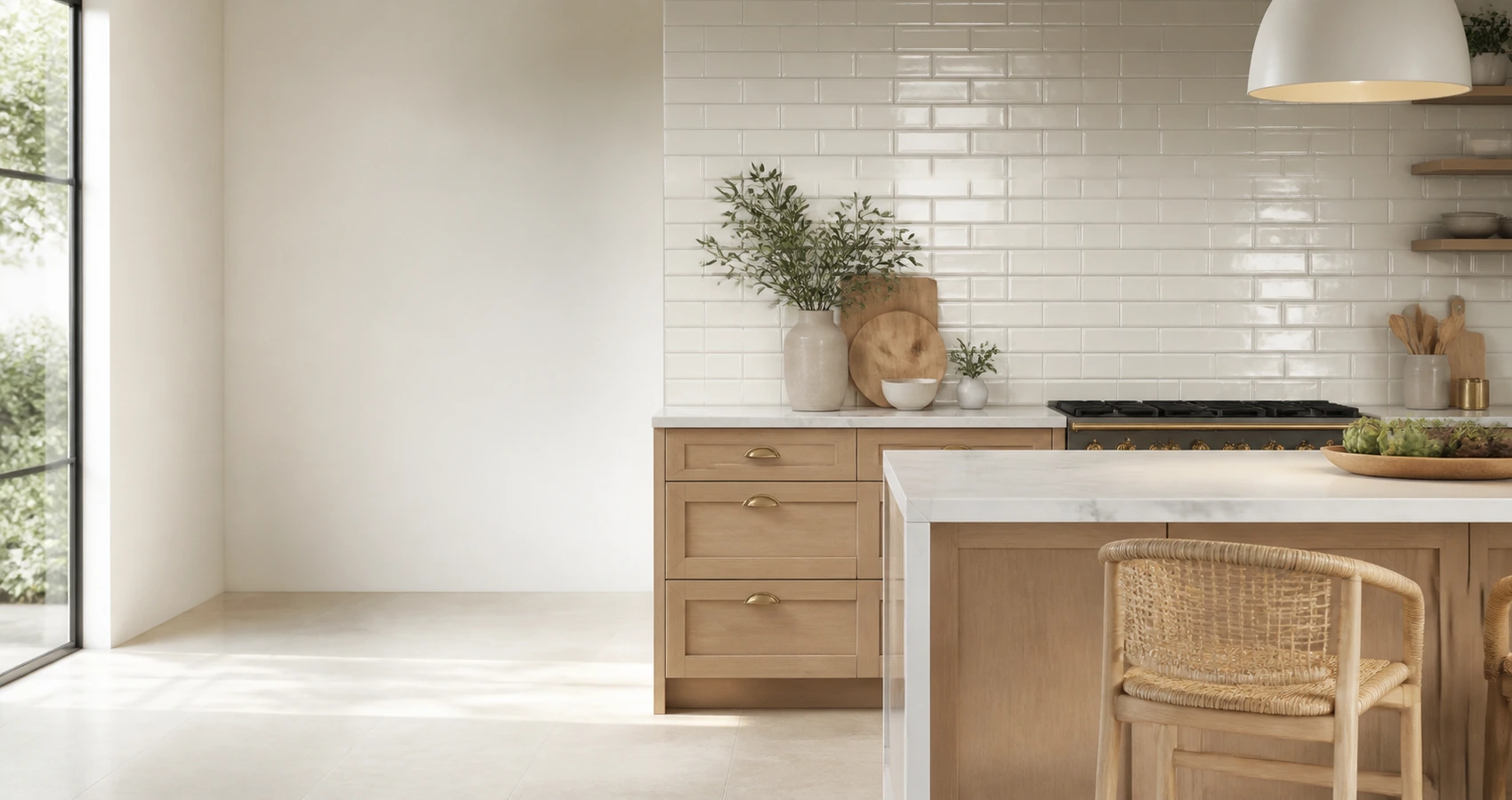
Subway tiles are the most enduring tile design direction in the global market and one of the most consistently searched tile looks in India. The rectangular tile in a running bond pattern has survived every design trend of the last century because it solves the most fundamental design problem in a tiled surface: how to cover a wall or floor with a tile that reads as both pattern and material simultaneously. The subway proportion creates enough visual grid to register as a design decision, while staying quiet enough to work with almost any cabinet colour, furniture material, and room palette. In Indian homes, the subway tile has moved from being primarily a practical kitchen backsplash specification to a design direction used across bathrooms, hallways, wash area tiles, panels, commercial cafe and restaurant walls, and accent walls in contemporary residential interiors.
The subway tile in the Indian tile market is a broader category than the original 3x6 inch (approximately 75x150mm) New York subway tile from which the name derives. Indian subway-proportion tiles are produced primarily in 200x400mm and 300x600mm formats, which are significantly larger than the original US subway tile. They are available in ceramic and GVT body types across a wide colour range and in several surface variants, including plain glossy, bevelled, textured, wavy, and mosaic-look. This page covers the subway tile look across its full range: every major colour direction, the surface and finish variants, applications beyond the kitchen backsplash, and the Indian dimension reality for buyers who have seen US-format subway tile photography and want to understand what is achievable from Morbi.
Subway-Look Tile Formats in Indian Production
Subway-look tiles from Morbi are available in two main formats that suit Indian room scales and construction standards. The 200x400mm format gives a proportionate rectangular grid that reads clearly as a subway surface. The 300x600mm format is the most widely produced subway-look tile from Morbi: it gives a bold, contemporary grid across the wall with fewer grout joints per square metre, making installation faster and grout maintenance simpler. Both formats are available in horizontal running bond, vertical stack, herringbone, and stacked patterns and suit the dimensions of Indian kitchen backsplash heights and bathroom walls without requiring complex cuts.
Subway Tile Colours: The Full Spectrum
The subway tile colour range is one of the broadest in any single tile look category because the simple rectangular format works equally well in almost every colour. The following covers the full colour range of searched subway tile directions beyond the standard white, grey, and green that are covered in kitchen backsplash contexts.
Pink and Blush Subway Tiles
Pink subway tiles from pale blush to deep rose give bathrooms, boutique retail, cafe, and residential bathroom spaces a warm, soft character that is distinctly different from the cooler neutrals of white, grey, and cream subway tiles. Pale blush pink ceramic or GVT subway in 300x600mm in glossy finish is the most used pink subway direction in contemporary Indian interior design, particularly in ensuite bathrooms and beauty salon spaces. Deep rose or dusty mauve subway tiles give a space a more saturated, deliberately chosen pink character. Price range: Rs. 35 to Rs. 78 per sq ft.
Terracotta and Orange Subway Tiles
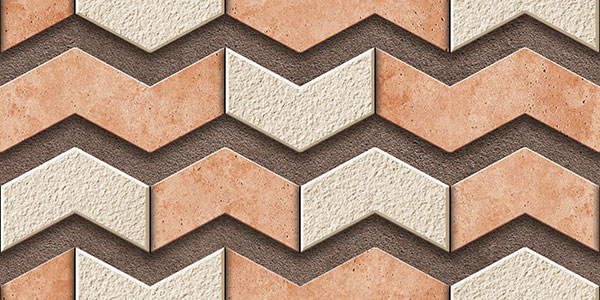
Terracotta subway tiles in warm red-brown and burnt orange tones give walls a warm, Mediterranean or Southern Indian domestic quality. Stone look tiles in terracotta tones in a subway proportion give a kitchen backsplash or bathroom wall a natural, earthy warmth that white and grey subway tiles cannot deliver. Orange subway tiles in brighter, more saturated tones are used in compact spaces (children's bathrooms, boutique cafe walls, compact wash areas) where a high-energy colour is the design intention. Price range: Rs. 35 to Rs. 78 per sq ft.
Navy Blue and Teal Subway Tiles
Navy blue subway tiles are the most design-forward blue direction in contemporary Indian interior design: deep, saturated, and bold against white sanitaryware and light cabinets. In a bathroom with white floor tiles and a navy subway tile wall, the contrast creates a graphic, hotel-quality result. Teal subway tiles, which sit between blue and green, give a bathroom or kitchen backsplash a more complex, less common colour character. Teal works particularly well in bathrooms with brass or gold hardware, where the warm metal note mediates between the cool teal tile and the warm room lighting. Price range: Rs. 38 to Rs. 82 per sq ft.
Brown, Taupe, and Ivory Subway Tiles
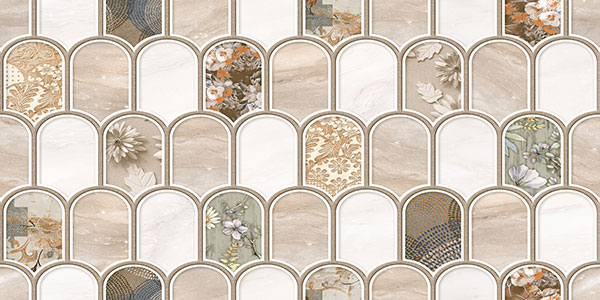
Brown, taupe, and ivory subway tiles give walls a warm, natural-material quality that suits traditional Indian interiors, homes with wooden furniture and earthy palettes, and spaces where the design intention is comfort and domesticity rather than graphic contrast. Ivory subway tiles in a warm, glossy ceramic are a softer alternative to white: they give the wall brightness without the clinical quality of pure white and coordinate naturally with warm wooden cabinet faces and cream sanitaryware. Taupe (warm grey-brown) in a subway proportion gives a bathroom or kitchen a composed, sophisticated neutral that is warmer than standard grey and more understated than terracotta. Price range: Rs. 30 to Rs. 72 per sq ft.
Red and Dark Subway Tiles
Red subway tiles in ceramic or GVT give a space a bold, vibrant character. In an Indian context, deep red subway tiles reference the traditional Indian colour vocabulary of festival, celebration, and warmth. In a compact bathroom or cafe, a red subway tile wall against white fittings and a white or grey floor creates a high-contrast, energetic space. Dark grey subway tiles (deeper than mid-grey) give a space a more dramatic, masculine quality and work as bathroom feature walls against lighter floor tiles and chrome fittings. Price range: Rs. 35 to Rs. 80 per sq ft.
Subway Tile Surface Variants
Bevelled Subway Tiles
A bevelled subway tile has a raised centre field and angled edges that create a shadow line at each tile border. The bevel gives the tile surface a dimensional quality that a flat subway tile does not have: in certain lighting conditions, the angled edges catch light differently from the flat tile face, creating a subtle pattern of highlight and shadow across the wall surface. Bevelled subway tiles in white glossy ceramic or GVT are a popular direction in traditional and transitional Indian bathroom design, adding surface depth without the complexity of a patterned or textured tile. Price range: Rs. 40 to Rs. 85 per sq ft.
Textured and Wavy Subway Tiles
Textured and wavy subway tiles have a non-flat surface: the textured variant has an irregular, slightly rough or ribbed surface that gives the tile an artisan quality, while the wavy subway tile has a rippled or undulating surface that catches and scatters light across the wall in a dynamic way. Both create more visual complexity than a flat subway tile and are used where the wall is a primary design element rather than a neutral background. Wavy subway tiles in white or cream glossy ceramic give a bathroom or kitchen backsplash wall a distinctly handcrafted, organic quality. Price range: Rs. 42 to Rs. 88 per sq ft.
Mosaic Subway Tiles
Mosaic subway tiles are standard-size subway-proportion GVT tiles with a mosaic surface design on the tile face. The mosaic pattern (small tile-within-tile grid, pebble arrangement, or geometric mosaic) is a printed design on the tile body rather than individual small pieces. Mosaic subway tiles combine the subway proportion and running bond installation of a standard subway tile with a more complex surface design. Price range: Rs. 45 to Rs. 88 per sq ft.
Travertine and Rustic Look Subway Tiles
Travertine-look subway tiles are GVT tiles in a subway proportion with a travertine stone surface design: the characteristic pitted, linear pore pattern of natural travertine limestone in warm cream, beige, and tan tones. Travertine-look subway tiles give a bathroom or kitchen wall a natural, aged-stone quality. Rustic subway tiles are ceramic or GVT tiles in the subway proportion with a deliberately imperfect, aged, or handcrafted surface quality: slight colour variation between tiles, irregular edges, or a rough matte finish that suggests hand-made clay tile rather than precision-manufactured ceramic. Price range: Rs. 42 to Rs. 88 per sq ft.
Mirror and Metallic Subway Tiles
Mirror and metallic-look subway tiles are polished GVT or metallic-effect GVT tiles in a subway proportion that gives the wall a highly reflective, light-amplifying surface. A white or silver metallic-finish GVT in 300x600mm in a horizontal running bond gives a kitchen or bathroom wall a bright, jewel-like quality that amplifies lighting and makes compact spaces feel larger. The non-porous GVT body is durable in kitchen and bathroom conditions and maintains its reflective surface quality over years of daily use. Price range: Rs. 45 to Rs. 105 per sq.ft for high-gloss or metallic-effect GVT in subway proportion.
Subway Floor Tiles
Subway tiles are predominantly used on walls, but the subway proportion on a floor creates a specific visual effect: the running bond pattern on a floor gives the floor a directional quality that square tiles do not, emphasising the length of the space and creating a visual movement across the floor surface. Subway floor tiles must follow the same finish specification as any floor tile: matte or satin matte for dry indoor floors, anti-skid for wet areas.
The most effective subway floor tile application in Indian residential design: a 200x400mm ceramic or GVT tile in matte or satin matte finish in a horizontal running bond in a bathroom or compact hallway. In an entrance foyer, subway proportion tiles in a running bond create a designed, welcoming floor that plain square tiles cannot match at the same price point. The running bond on the floor gives the narrow space a widening visual effect (if the longer tile dimension runs perpendicular to the room length) or a lengthening effect (if the longer dimension runs parallel to the room length). A black and white chequerboard ceramic in a small format is one of the most searched subway floor tile directions in Indian cafes and restaurants.
For restaurant tiles and cafe floor applications, ceramic or GVT in 200x400mm or 300x600mm in a running bond gives commercial dining and retail floors a designed, hospitality-quality character. The subway proportion on a commercial floor reads as a deliberate design decision rather than a generic floor tile, which gives the space more personality at the same tile price point as a plain square tile.
Subway Tiles in Commercial Spaces
The subway tile's most natural home outside the kitchen backsplash is the commercial hospitality interior. Indian cafes, speciality coffee shops, boutique restaurants, and retail spaces have adopted the subway tile wall as a defining aesthetic element. In a cafe with exposed brick or raw concrete walls, a white subway tile behind the barista counter creates a clean, bright zone that contrasts with the rough surfaces around it and frames the coffee-making as a craft activity. In a restaurant context, subway tiles on the dining area walls or behind the bar give the space a timeless, professionally designed quality that suits everything from a quick-service restaurant to a fine-dining establishment.
In office tile contexts, subway tiles in the pantry area, meeting room accent walls, and bathroom walls give commercial spaces a finished, considered quality. White or light grey subway tiles in a corporate pantry or washroom read as clean and professional. A coloured subway tile (navy, forest green, or terracotta) in an office meeting room accent wall or a collaborative workspace feature wall gives the commercial interior a designed, energetic quality that plain painted walls or generic large-format tiles cannot achieve.
Subway Tiles in Bathrooms Beyond the Backsplash
The subway tile's versatility extends well beyond the kitchen backsplash. In an Indian satin matte tiles context, satin matte subway tiles in 300x600mm on a bathroom feature wall give the wall a warm, understated quality that glossy ceramic cannot. Full-height bathroom wall tiling in subway proportion (floor to ceiling in 300x600mm portrait orientation) gives an Indian bathroom a hotel-quality completeness that tiling only to dado height cannot match.
Subway tiles in an Indian bathroom can cover all four walls in the same tile or use the subway tile on the shower wall and wet zones, while the non-wet walls use a larger format coordinating tile. The subway format works at every scale of Indian bathroom: in a compact 35-square-foot bathroom, 300x600mm subway tiles in portrait orientation give the walls a vertical emphasis that makes the small room feel taller. In a large bathroom of 100 square feet, the same tile in the same orientation reads as a refined, hotel-quality specification. Price range for bathroom subway tiles: Rs. 28 to Rs. 88 per sq.ft, depending on body type and colour.
Herringbone Subway Tiles: Pattern Beyond the Running Bond
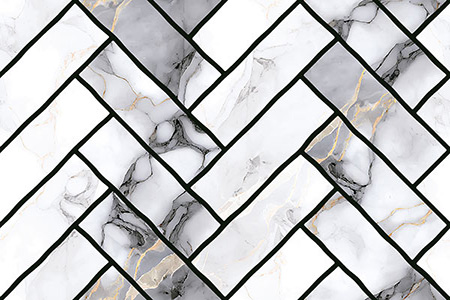
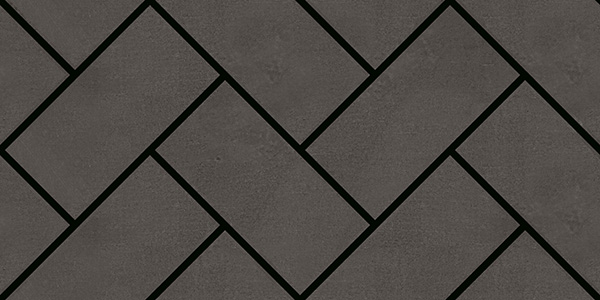
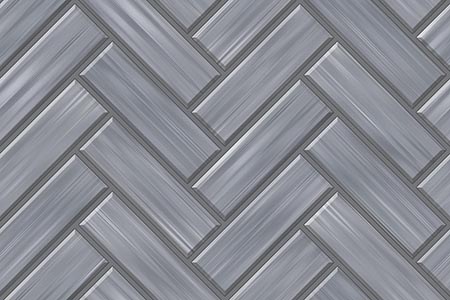
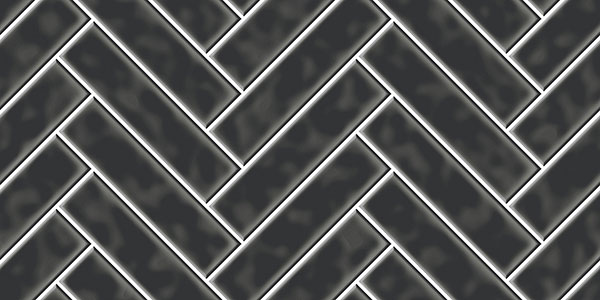
The subway tile proportion lends itself particularly well to the herringbone laying pattern, where each tile is placed at a 45-degree angle in a V-formation rather than in the standard horizontal running bond. The herringbone pattern with subway-proportion tiles creates a more dynamic, directional surface than a standard grid. In a 300x600mm tile, the herringbone creates a pattern with a diagonal emphasis that is clearly legible from across the room. Herringbone subway tiles in white or grey GVT are one of the most used design bathroom and kitchen wall tile directions in contemporary Indian interiors. Herringbone requires 15% to 20% more tile than a running bond and adds to installation labour cost.
Subway Tiles Pricing from Morbi
Subway Tile Direction
Body Type
Format
Finish
Retail Price (Rs./sq.ft)
Plain white or ivory ceramic
Ceramic
200x400mm, 300x600mm
Glossy
Rs. 28 to Rs. 62
Coloured ceramic (pink, green, blue, terracotta)
Ceramic
200x400mm, 300x600mm
Glossy or Satin
Rs. 32 to Rs. 72
Bevelled ceramic or GVT
Ceramic or GVT
300x600mm
Glossy or Satin
Rs. 40 to Rs. 85
Textured or wavy ceramic
Ceramic
200x400mm, 300x600mm
Irregular Glaze or Matte
Rs. 42 to Rs. 88
Marble-look GVT subway
GVT
300x600mm
Polished or Satin Matte
Rs. 50 to Rs. 105
Travertine or stone-look GVT subway
GVT
300x600mm
Matte or Satin
Rs. 45 to Rs. 88
High-gloss or metallic GVT subway
GVT
300x600mm
Polished or Metallic
Rs. 45 to Rs. 105
Mosaic surface design subway
GVT
300x600mm
Polished or Matte
Rs. 45 to Rs. 88
Small format ceramic (150x300mm or 200x300mm)
Ceramic
150x300mm or 200x300mm
Glossy
Rs. 30 to Rs. 65
Choose the Right Subway Tile
Subway tile selection starts with the application (wall or floor), then the colour and tone that suit the room's palette, then the surface variant (plain glossy, bevelled, textured, wavy, marble-look), and finally the laying pattern (running bond, herringbone, vertical stack, stacked). Browse ceramic and GVT subway tiles in every colour, surface variant, and format from Morbi on TilesFinders. For the specific kitchen backsplash specification and grout colour guide for subway tiles, the subway backsplash tiles page covers the kitchen-specific decisions in detail.
Tiles Near You
Detecting location...
Explore tiles available with trusted dealers near your location.
A buying guide on tile size, finish, anti-skid choices, and how to reduce wastage before you order.
How we keep this page accurate
Pricing on this page is checked against current dealer listings and manufacturer spec sheets. Body type facts, water absorption figures and IS standard references are checked against BIS documentation, not copied from other websites. This page still won't catch a batch-specific spec, so confirm exact figures with your dealer before ordering.
PricingChecked against live dealer listings
Technical specsVerified against IS 15622 and IS 13630
Dealer listingsChecked before being added to the directory
After The Tiles Are Laid
Living with your new tile
Five habits that keep any GVT, PGVT or porcelain floor looking new for years, not just months.
Use a pH-neutral cleaner
Acidic or alkaline cleaners can dull the glaze over time. A mild, pH-neutral floor cleaner keeps the finish intact.
Skip abrasive scrubbers
Steel wool or scouring pads can scratch a polished surface permanently. A soft mop or cloth is enough for daily cleaning.
Wait before heavy use
Light foot traffic is fine after 24 to 48 hours. Hold off on moving heavy furniture back for a full 7 days.
Seal cement grout
Cement grout benefits from a sealant applied a few weeks after laying, to resist staining. Epoxy grout doesn't need this.
Mind the monsoon
A door mat at every entry cuts down on grit that scratches matte finishes over a wet season.
A subway tile is a rectangular tile, typically in a 1:2 width-to-length ratio, installed in a horizontal running bond pattern with each row offset by half a tile from the row above. The name comes from the small white ceramic tiles used in the New York City subway system in the early 1900s. In the Indian tile market, subway tiles are produced primarily in 200x400mm and 300x600mm formats in ceramic and GVT body types across a full colour range. The original US subway tile dimension of 3x6 inches (75x150mm) is not standard production from Morbi.
The original 3x6 inch subway tile (75x150mm) and most small US-format subway dimensions (2x4, 2x6, 3x8, 4x12, 4x16) are not standard production from Morbi. Indian subway-proportion tiles are produced in 200x400mm (approximately 8x16 inches) and 300x600mm (approximately 12x24 inches), which are significantly larger than US small-format subway tiles. Some Morbi manufacturers produce 150x300mm and 100x200mm ceramic tiles that are closer to the US small subway proportion, but availability varies by manufacturer. The fine-grid visual density of a US 3x6 subway tile wall cannot be replicated with standard Indian production tiles.
Subway tiles from Morbi are available in the full colour spectrum: white, off-white, ivory, cream, beige, pale yellow, pink, blush, orange, red, terracotta, brown, taupe, sage green, forest green, teal, light blue, navy blue, grey (light to dark), charcoal, and black. Marble-look, stone-look, travertine-look, and mosaic surface designs are also available in the subway proportion. The most used colour directions in Indian residential design are white, grey, green, and navy blue; terracotta, pink, and teal are growing directions in contemporary Indian interiors.
Yes. Subway-proportion tiles in matte or satin matte finish in 200x400mm or 300x600mm are suitable for dry indoor floor applications in bathrooms, hallways, and compact corridors. For wet bathroom floors, anti-skid matte GVT in the subway proportion is the correct specification. The running bond pattern on a floor gives the space a directional visual quality that emphasises the length or width, depending on tile orientation. Polished or glossy subway tiles must not be used on any wet floor surface.
A bevelled subway tile has a raised centre field and angled edges that create a shadow line at each tile border. The bevel is a feature of the tile face, not a separate trim piece. In light from ceiling or window sources, the angled edges catch light at a different angle from the flat tile centre, creating a subtle highlight-and-shadow pattern across the wall surface. Bevelled subway tiles give a wall more surface depth than flat subway tiles while remaining within the same colour and proportion family. They are most used in traditional, transitional, and heritage-reference interior contexts.
A textured subway tile has an irregular or ribbed surface finish across the tile face, giving the tile an artisan, handcrafted quality. The texture is achieved through the tile mould or glaze application and varies across the tile face. A wavy subway tile has a more pronounced, regular ripple or wave pattern across the tile face that catches light in a more dramatic way. Both create more visual complexity than a flat subway tile. Textured subway tiles tend toward a softer, more subtle surface variation; wavy subway tiles have a stronger directional surface movement that is visible from across the room.
Subway tiles in 200x400mm or 300x600mm create a grid pattern across the wall where the grout lines are visible as part of the design. Large format tiles in 600x600mm or 600x1200mm create minimal grout lines, and the wall reads as a near-continuous surface. Subway tiles give a wall more visual texture and pattern character; large format tiles give a wall a cleaner, more seamless quality. For a wall that is a design statement (kitchen backsplash, bathroom feature wall, cafe interior), subway tiles carry more design character. For a wall that is a premium background (hotel room, living room accent wall), large-format tiles give a higher quality result with fewer visible joints.
What Our Customers Say
Real feedback from homeowners and contractors who found their perfect tiles
★★★★★
Found exactly the wood-look tiles I wanted for my living room. The dealer listed here had great stock and fair pricing. Saved me at least two weekends of running around showrooms.
★★★★★
Very detailed size and finish guide helped me choose anti-skid tiles for my bathroom. Wish I had found this site before my last renovation.
★★★★☆
Good comparison between vitrified and ceramic options. Contacted a dealer directly through the listing and got a quote within the hour.
★★★★★
As a contractor, I use this to quickly show clients different tile sizes and finishes on-site. The photos are high quality and load fast even on mobile data.
★★★★★
Loved how easy it was to filter by size and color together. Ended up going with 600x1200 GVT tiles for my hall, exactly what I was picturing.
★★★★☆
Solid resource for comparing tile finishes before visiting the showroom. Would like to see more price transparency, but overall a helpful first step.
★★★★★
The dealer directory saved me so much time. Called two showrooms directly from the site and had my order finalized within two days.
★★★★★
Great breakdown of PGVT vs GVT vs ceramic. I finally understood which tiles are meant for walls versus floors before making a costly mistake.
★★★★☆
Used this while renovating my kitchen backsplash. The FAQ section answered most of my questions about grout and water resistance without needing to call anyone.
★★★★★
Best part is being able to browse by room type. Picked out balcony and parking tiles in the same session without jumping between different sites.
0/4 selected
Compare Designs (0/4)
No designs added to compare yet. Open a design and tap "Compare" to add it here (up to 4).