

Matte Carving Tiles: A Textured Finish for Feature Walls
Loading designs...
-
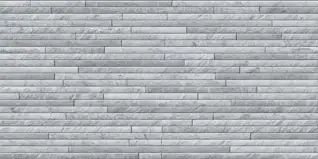 5807
5807 -
 CR Endless Eternity Rust
 -
CR Ant Grey
-
CR Antique Gray
-
CR Camo Beige
-
CR Camo Bianco
-
CR Camo Dove
-
CR Camo Grey
-
CR Classico Beige
-
CR Coralito Crema
-
CR Coralito Silver
-
CR Elias Bianco
-
CR Elias Green
-
CR Endless Antonio Greek
-
CR Endless Antonio Multy
-
CR Endless Authentic Bianco
-
CR EL Belezza Pista
-
CR Endless Breccia Saffari
-
CR Endless Calacatta Symphony
-
CR Endless Calcatta Borghini
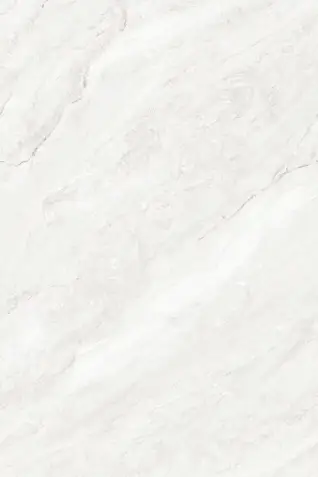
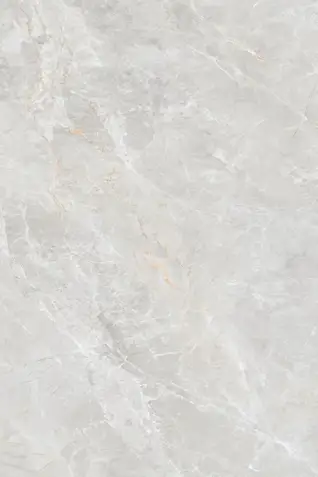
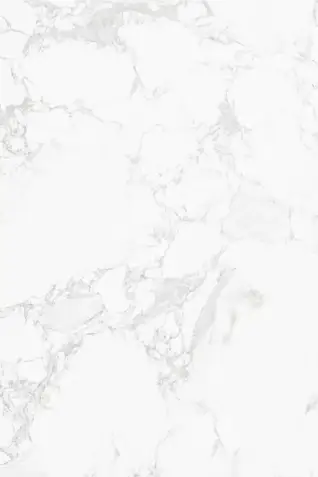
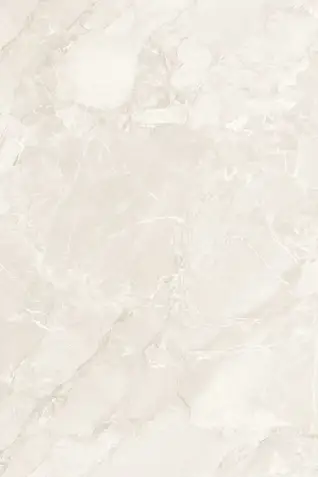
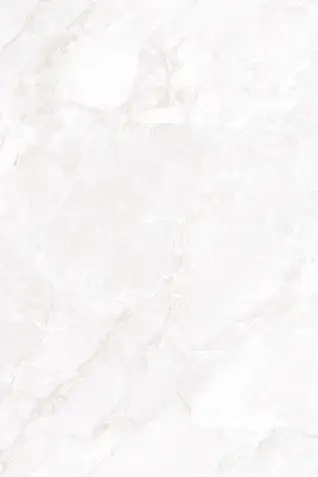
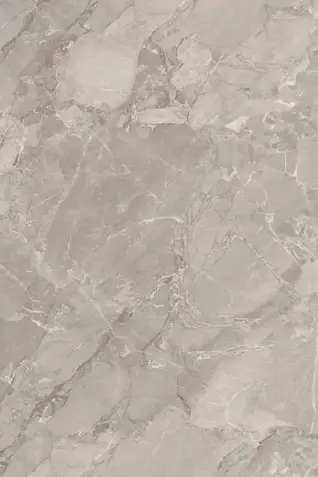
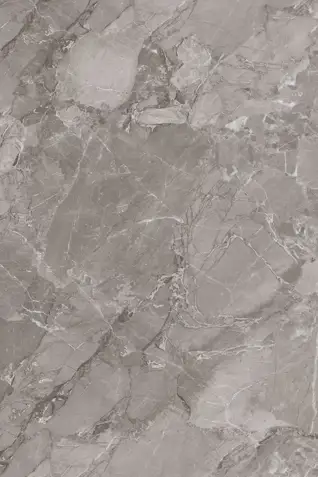
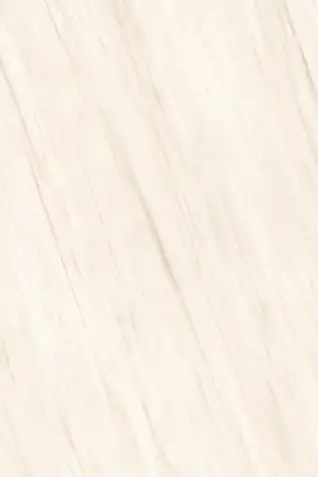
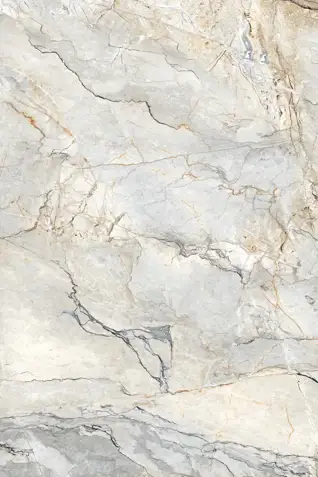
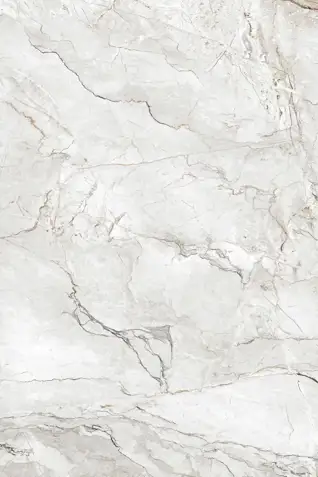
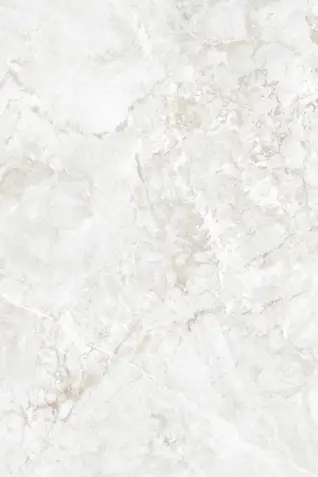
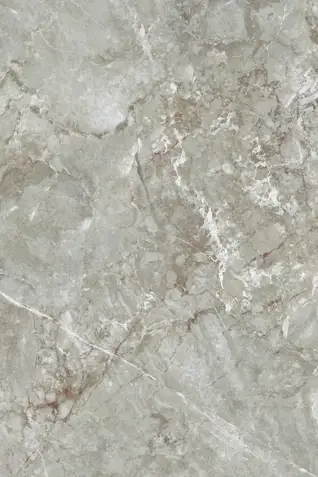
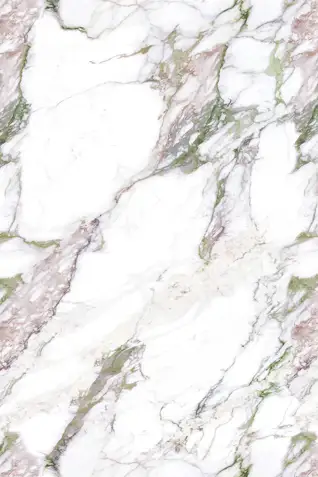
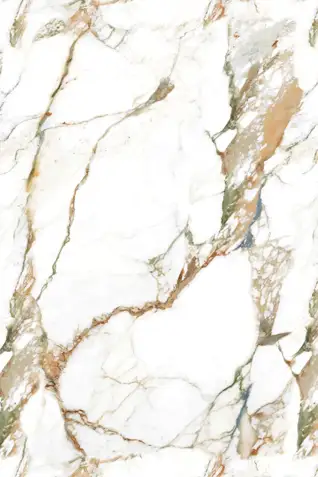
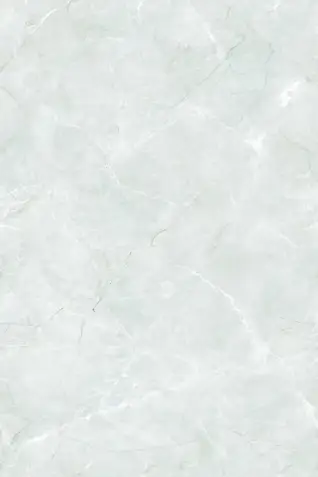
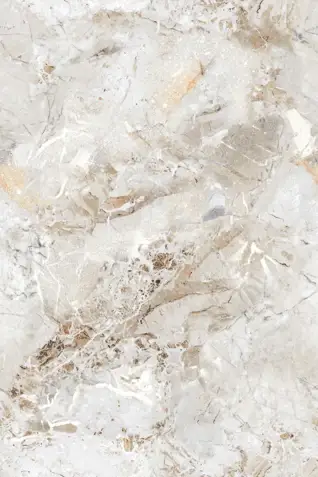
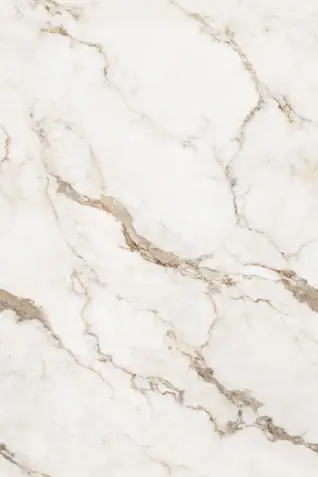
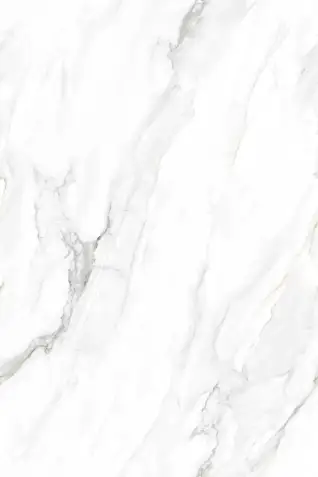
Matte carving tiles combine a raised, sculpted surface texture with a low-sheen matte finish, giving a feature wall genuine physical depth rather than a flat printed pattern. TilesFinders lists this finish across porcelain and GVT bodies, in geometric, stone-inspired, and organic relief patterns.
This finish is produced using a rotary carving press or a mould-based relief technique, which raises parts of the tile surface above others before a matte glaze or digital print is applied. Depth of relief varies from a subtle, shallow texture to a deep, dramatic carved pattern several millimetres proud of the tile surface.
Prices for matte carving tiles range from Rs. 70 to Rs. 220 per sq.ft from Morbi and Gujarat manufacturers, depending on body, relief depth, and pattern complexity. This finish is used almost entirely on walls and elevations, since a deeply textured surface is harder to clean on a floor than a flat tile would be.
How the Carved Texture Is Actually Made
The carving process presses a three-dimensional relief pattern into the tile body before firing, rather than printing a flat image that only looks textured. This gives matte carving tiles a genuinely tactile surface, with light and shadow falling differently across the raised and recessed areas depending on the time of day and the angle of a room's lighting.
A matte, low-sheen glaze or digital print is then applied over the carved surface, avoiding the glare a glossy finish would create across an uneven, textured surface. Matte suits the carved texture better than gloss does, since a shiny surface tends to highlight every dust particle and fingerprint sitting in the recessed areas of the pattern.
Which Bodies Hold Up to Carving
Porcelain and GVT tiles are the standard bodies for matte carving tiles, since both offer the strength needed to hold a raised relief pattern without chipping at the edges of the carved detail over time. Ceramic is rarely used for a deep carved texture, since its lower-density body is more prone to cracking along the thinner, raised sections a mould-based relief pattern creates.
Water absorption for GVT and porcelain tiles of this finish stays below 3 percent and below 0.5 percent respectively, keeping the carved surface stable in India's humid coastal cities without the raised texture swelling or hairline cracking over time. Buyers should always confirm the body type on the technical data sheet, since carving is a surface technique that can technically be applied to a weaker body at a lower price point with reduced long-term durability.
Reading the Patterns: Geometric, Stone, and Organic
Geometric carving patterns, including linear grooves, chevron-style ridges, and repeating grid textures, are the most requested style for contemporary feature walls and building elevations. Stone-inspired relief patterns, replicating the rough, natural face of slate or travertine, are popular for buyers wanting a textured, organic look without sourcing actual natural stone cladding.
Organic and floral carved motifs, less common than geometric or stone-inspired patterns, are typically reserved for a single decorative feature wall or a hospitality project rather than a full room. Relief depth is generally described as shallow, medium, or deep, with deeper relief creating a stronger shadow effect under directional lighting but also collecting more dust in daily use.
Rooms Where This Finish Actually Earns Its Keep
Living room and bedroom tiles and feature walls are the single most common application for matte carving tiles, typically covering one wall behind a television unit, bed headboard, or sofa rather than an entire room. Building elevations and exterior facades are the other major use, where the textured surface adds visual depth to a facade viewed from a distance.
Reception areas, hotel lobbies, and commercial feature walls use this finish at a larger scale than most residential projects, often paired with directional lighting specifically chosen to emphasise the shadow effect the carved texture creates. Floor use remains uncommon for this finish, and where it is used, only a shallow relief, anti-skid-rated version should be specified for a covered outdoor or low-traffic indoor area.
Note: Matte carving tiles with a deep relief pattern should not be used on kitchen or bathroom floors, because the recessed texture traps dirt, soap residue, and moisture in a way that is far harder to clean than a flat tile surface, even in a matte finish.
Matte Carving Next to Other Finishes
Compared with plain matte-finish tiles, this finish adds genuine physical texture and a stronger shadow effect under angled lighting, at a meaningfully higher price for the added tooling and press time the carving process needs. Compared with a glossy or polished finish, matte carving trades reflectivity and brightness for depth and a more tactile, architectural feature wall look.
Anti-skid finishes remain the correct choice for any wet floor tile application, since carving is designed primarily for visual and tactile effect on a wall rather than for slip resistance underfoot, even though a textured surface can incidentally add some grip. Buyers wanting both a textured look and floor-safe grip should ask specifically for a shallow relief, anti-skid tiles rather than assuming a standard wall carving product is suitable.
Laying and Living With a Carved Surface
Installing matte carving tiles needs a slightly more experienced tile layer than a flat finish, since aligning a repeating carved pattern across multiple tiles requires careful attention to which edge of each tile continues the relief design into the next piece. Manufacturers typically number or mark tiles from the same production batch to help installers maintain the correct pattern sequence across a feature wall.
Cleaning a carved surface takes more effort than a flat tile, since dust and residue settle into the recessed areas of the pattern and need a soft brush or a damp cloth rather than a simple wipe to remove fully, particularly during and after the monsoon when airborne dust and humidity both increase. Epoxy grout is recommended at the joints for any carving tile installation in a kitchen or high-traffic commercial area, since it resists staining better than standard cement grout around the more complex, uneven tile edges this finish produces.
Budgeting for This Finish
Porcelain matte carving tiles are priced from Rs. 70 to Rs. 140 per sq.ft from Morbi and Gujarat manufacturers, the more accessible option for a residential feature wall. GVT versions cost more, from Rs. 110 to Rs. 220 per sq.ft, reflecting the lower water absorption and better long-term durability of the fully vitrified body.
Deeper relief patterns and more complex geometric or stone-inspired designs generally sit toward the upper end of these ranges, since a more intricate mould or press tool adds to the manufacturing cost. GST, freight from Gujarat, and the additional installation time a patterned, sequenced tile layout needs should all be budgeted separately from the base tile price.
Standards and Sourcing Behind This Finish
Genuine porcelain and GVT matte carving tiles carry water absorption below 3 percent and below 0.5 percent respectively, both compliant with IS 15622:2006 standards for vitrified tiles, keeping the raised relief pattern stable through India's monsoon humidity without cracking along the carved edges. Most matte carving tiles sold in India are manufactured in Morbi, Gujarat, using a rotary carving press specifically suited to this finish.
Price for this finish spans Rs. 70 to Rs. 220 per sq.ft depending on body and relief depth, with porcelain at the lower end and GVT toward the upper end. Buyers outside Gujarat should confirm freight costs separately, and always request a physical sample of the carved texture before ordering enough material for a full feature wall, since a printed catalogue image cannot show the true depth and shadow effect of the relief.
Planning a Feature Wall in This Finish
Choosing matte carving tiles usually comes down to a specific feature wall or facade project rather than a general purpose finish for an entire home, given the higher cost and the pattern alignment care this finish needs during installation. TilesFinders lists matte carving tiles from Morbi and Gujarat manufacturers with body, relief depth, and pattern confirmed on every listing, making it easier to plan a feature wall with an accurate sense of the finished look.
A well-chosen matte carving tile, correctly lit and installed with the pattern properly aligned, brings a genuinely architectural, three-dimensional quality to a feature wall that no flat printed tile finish can fully replicate.


FAQs
Matte carving tiles are tiles with a raised, sculpted surface texture pressed into the body before firing, finished in a matte glaze. The physical relief creates real light and shadow across the surface, unlike a flat printed pattern. They are mainly used on feature walls and building facades.
Matte carving tiles are mainly designed for walls, and deep relief versions should not go on kitchen or bathroom floors. The recessed texture traps dirt and moisture more than a flat tile would. Only a shallow relief, anti-skid rated version is suitable for limited floor use in a covered or low traffic area.
Ceramic is rarely used for matte carving tiles, since its lower-density body cracks more easily along the raised sections a carved pattern creates. Porcelain and GVT are the standard bodies for this finish instead. Always confirm the body type before ordering a deep relief pattern.
Matte carving tiles typically cost between Rs. 70 and Rs. 220 per sq.ft in India. Porcelain versions sit at the lower end, while GVT and deeper relief patterns cost more. Prices vary by pattern complexity, body, and dealer.
Matte carving tiles need a soft brush or a damp cloth to clean properly, since dust settles into the recessed areas of the pattern. A simple wipe is usually not enough to fully clean a textured surface. Regular cleaning prevents dirt from building up in the deeper parts of the pattern over time.
Yes, many matte carving tiles need a specific installation sequence to keep the relief pattern aligned from one tile to the next. Manufacturers typically number or mark tiles from the same batch to help installers maintain this order. Always confirm the layout sequence before installation begins.
Matte carving is designed for visual texture and a three-dimensional feature wall look, while anti-skid finish is designed for slip resistance on wet floors. A carved surface can incidentally add some grip, but it is not tested as an anti-skid product. Buyers needing floor-safe grip should ask for a dedicated anti-skid tile instead.