IS-certified, sourced from MorbiChecked against IS 15622/13630, direct from Gujarat's tile hub
200+ verified dealersAcross India, checked and listed by TilesFinders
Free sample bookingHold the tile in your hand before you order
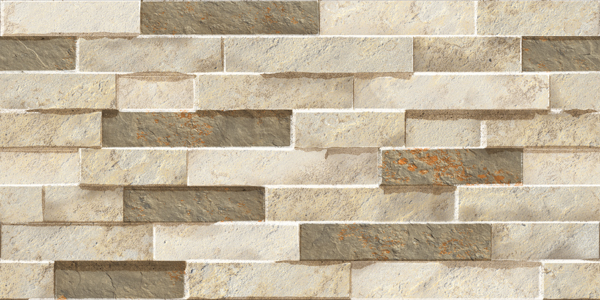
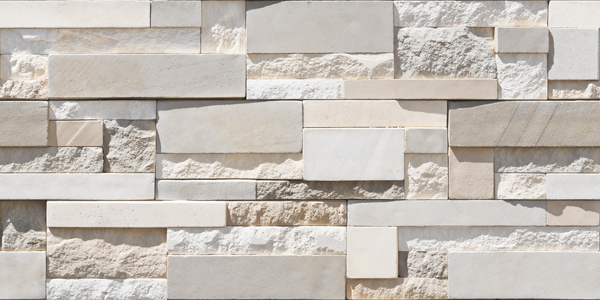
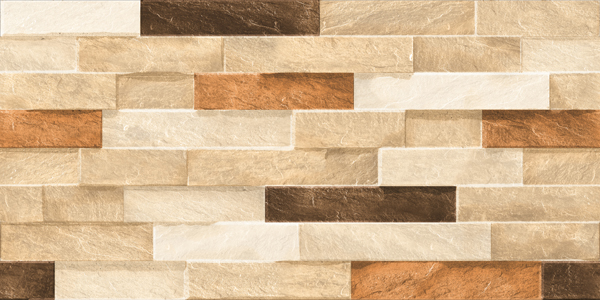
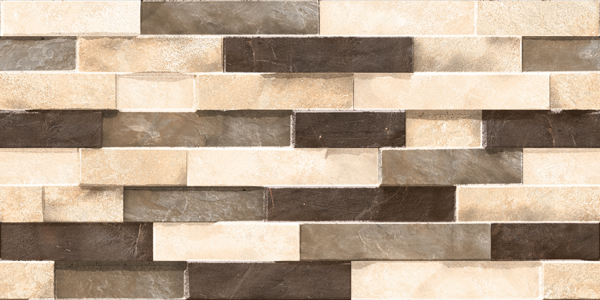
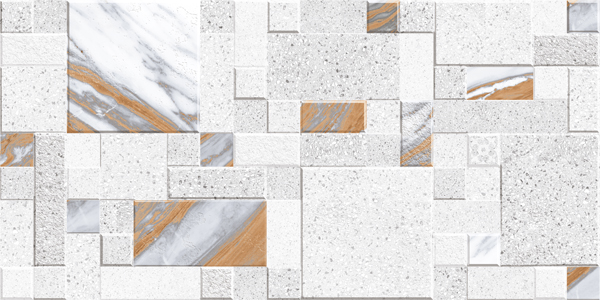
300x600 tiles measure 300mm by 600mm, the same as the 12x24 tile size widely searched in inch measurements, and are sometimes described as 1x2 tiles or tiles 1 x 2 based on a rounded 1 foot by 2 foot conversion. This size is manufactured in ceramic, porcelain and GVT bodies and sold in a wide range of colours, finishes and looks including white, blue, grey, black, marble, calacatta, travertine and slate patterns.
This size is one of the most versatile in Indian tile buying, used across bathroom walls, shower enclosures, kitchen backsplash, and bedroom or living room floors. Prices range from Rs. 35 to Rs. 120 per sq.ft from Morbi and Gujarat manufacturers depending on body, colour and finish.
Ceramic wall tile in this size is the classic bathroom and kitchen backsplash product across India, glazed for easy cleaning but too porous for floor use because water absorption above 10 percent lets moisture penetrate the body over time.
Ceramic floor tile, sometimes called vitrified ceramic, is a denser version of the same clay body pressed and fired to a lower water absorption, and is commonly sold in matte or rustic finish for bedroom and living room floors. Porcelain tiles and GVT tiles in this size carry the lowest water absorption of the four types, which is why they are the standard specification for 12x24 shower tile and bathroom floor tile applications where both wet floors and walls need one consistent product.
300x600 Tiles by Colour: White, Blue, Grey and Black
Colour
Common Body
Typical Use
Notes
White
Ceramic, porcelain, GVT
Bathroom walls, shower, kitchen
Most requested colour; gloss and matte both common
Blue
Ceramic, porcelain
Bathroom walls, feature strips
Popular as a coastal style accent
Grey
Porcelain, GVT
Bathroom floors, shower walls
Hides soap residue better than white
Black
Porcelain, GVT
Feature walls, shower niches
High contrast accent; less common as full coverage
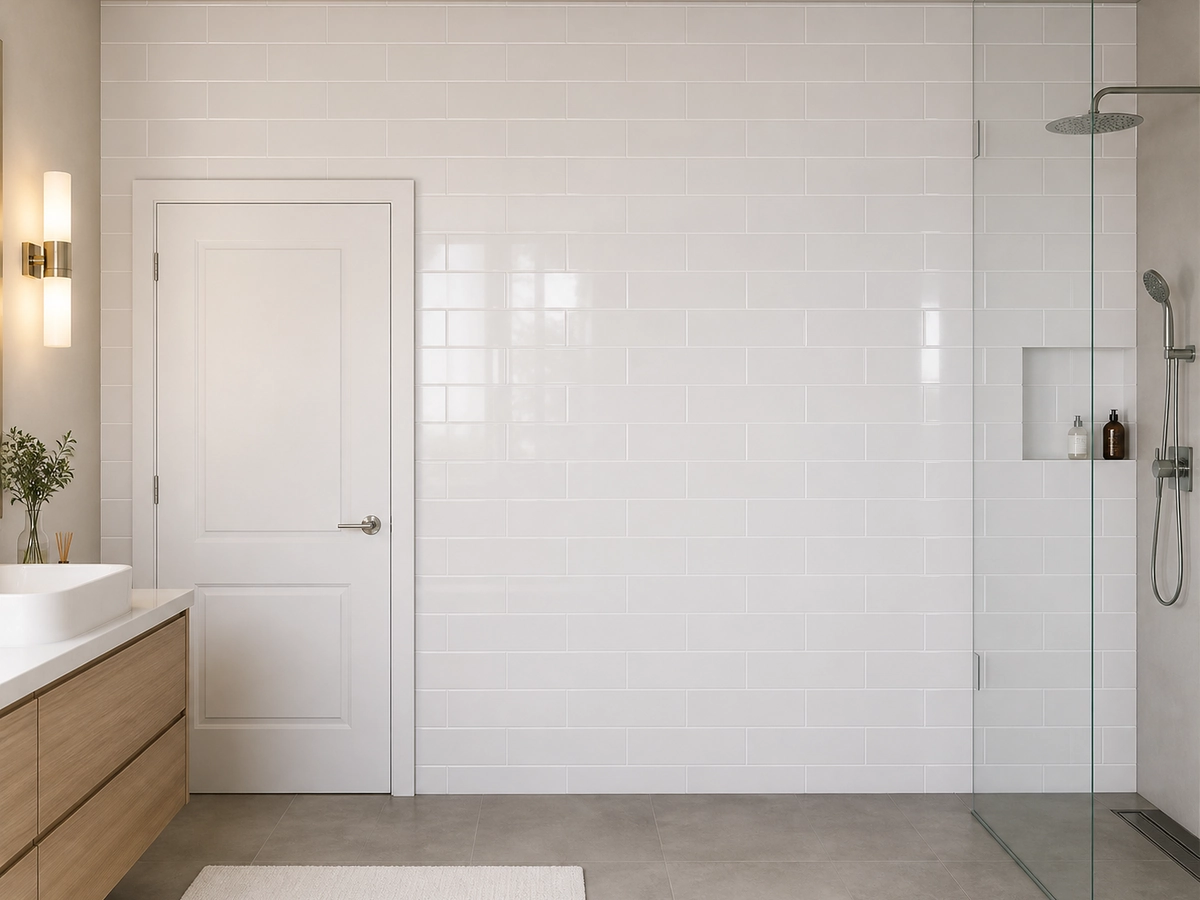
White 300x600 tiles remain the most searched colour in this size, available in gloss white for a bright reflective bathroom wall and matte white for a softer, low-glare look on shower walls and floors. A white tile in a matte or textured finish is the safer choice for wet shower floors, since gloss white becomes slippery once wet.
Blue 12x24 tiles, whether ceramic or porcelain, are typically used as an accent on bathroom walls or as a border strip rather than full wall coverage, giving a coastal look popular in Indian bathroom design. Grey and black tiles in porcelain or GVT body are chosen for their practicality on shower walls and bathroom floors, since darker tones hide soap scum, water spots and daily grime better than white over time.
300x600 Tiles by Look: Marble, Calacatta, Travertine and Slate
Look
Common Body
Typical Use
Notes
Marble look
Porcelain, GVT
Bathroom walls, feature floors
Classic veined pattern
Calacatta look
Porcelain, GVT
Feature walls, premium bathrooms
Bright white base with bold grey veining
Travertine look
Porcelain, GVT
Bathroom walls, shower surrounds
Warm tone without natural stone's sealing needs
Slate look
Porcelain, GVT
Shower floors, feature walls
Textured matte surface for grip
Marble look 12x24 porcelain tile is one of the most requested finishes in this size, since the rectangular proportions suit both a running bond wall layout and a herringbone floor pattern equally well. Calacatta tile in this size, a bright white base with bold grey veining, is typically chosen for premium bathroom feature walls where a striking, high-contrast marble pattern is wanted without the maintenance a natural Calacatta marble slab would need.
Travertine look tiles replicate the warm beige tones of natural travertine in a porcelain or GVT body with water absorption below 3 percent, avoiding the sealing and staining concerns that come with real travertine during India's humid monsoon months. Slate look tile in a textured matte finish is a common choice for shower floors, since the natural slate texture pattern also adds grip underfoot.
300x600 Finishes: Matte, Polished and Glossy
Matte finish is the standard recommendation for any 300x600 tile used on a shower floor or bathroom floor, since the low sheen surface provides better grip than polished or glossy alternatives when wet. Polished porcelain tile in this size is buffed to a reflective, stone-like shine and is suitable for bathroom walls and dry floor areas such as bedroom or living room flooring, but should never be specified for a wet shower floor because of slip risk. Glossy tiles in this size, most often seen in white or light colours, are the standard choice for kitchen backsplash and bathroom wall coverage, where reflectivity and easy cleaning matter more than floor grip.
Where to Use 300x600 Tiles: Showers, Bathrooms, Floors and Walls
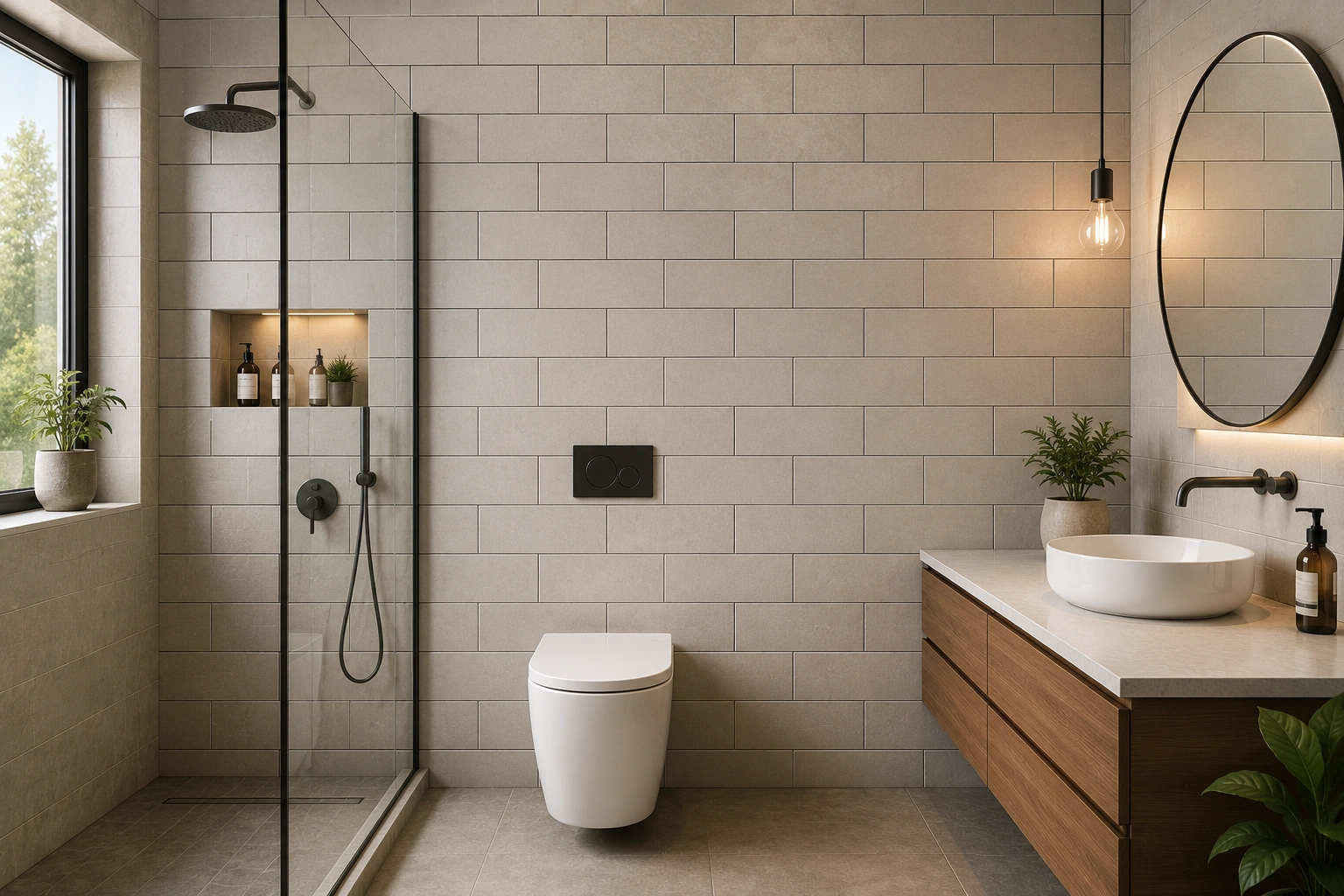
A 12x24 shower wall tile and a 12x24 shower floor tile should always be specified separately, since a glossy wall tile and a matte or textured floor tile serve different jobs even within the same shower enclosure. Bathroom wall tile in this size typically runs in a running bond or stacked layout up to ceiling height, while bathroom floor tile uses a tighter grout joint and a slip-resistant matte or GHR finish.
Epoxy grout at the joints is strongly recommended in wet shower and bathroom areas, since it resists staining and moisture far better than standard cement grout. 300x600 wall tiles outside the bathroom are common on kitchen backsplash walls, while 300x600 floor tiles fit well in bedrooms, passages, and smaller living rooms where a full 600x1200mm or 800x1200mm large format tile would be oversized for the room.
Note: Tiles in this size, finished glossy or polished, should not be used on shower floors or bathroom floors, because a wet glossy surface becomes slippery underfoot without an anti-skid or GHR finish.
300x600 Tile Patterns: Herringbone and Brick Lay Layouts
A 12x24 herringbone tile layout uses the rectangular proportions of this size to create a V-shaped zigzag pattern that is currently one of the most requested layouts for both bathroom walls and living room floors in India. A standard one-third brick lay or running bond layout, where each row offsets by a third of the tile length, remains the more common and lower wastage option for large wall or floor areas, while herringbone is usually reserved for a feature wall, shower niche or entryway floor because of the higher cutting wastage the pattern produces at room edges.
300x600 Tile Pricing in India
Ceramic wall tile in this size is the most affordable option, priced from Rs. 35 to Rs. 70 per sq.ft from Morbi and Gujarat manufacturers, and remains the standard specification for bathroom and kitchen walls on a budget. Porcelain and GVT tiles cost more, from Rs. 55 to Rs. 120 per sq.ft, reflecting their lower water absorption and floor plus wall versatility.
Marble look, Calacatta, and travertine look designs in porcelain or GVT body sit toward the upper half of this range, while plain white or single colour matte and glossy tiles are usually priced at the lower end. GST, freight from Gujarat, and loading charges are typically quoted separately from the per square foot tile price, so buyers should confirm the final landed cost before finalising an order. Epoxy grout, recommended for all wet area installations in this size, adds a small amount to the total project cost but prevents staining at the joints for years.
Manufacturing, Standards and Price at a Glance
Genuine porcelain and GVT tiles in this size carry water absorption below 3 percent and below 0.5 percent respectively, both compliant with IS 15622:2006 standards for vitrified tiles, which keeps them stable through India's monsoon humidity without swelling or hairline cracking at the joints. Ceramic wall tile in this size follows IS 13630 standards instead, since its higher water absorption is expected and acceptable for wall-only glazed tile. Most 300x600 tiles sold across India, whether ceramic, porcelain or GVT, are manufactured in Morbi, Gujarat, and despatched to dealers nationwide in protective packaging.
Price for this size across ceramic, porcelain and GVT bodies generally spans Rs. 35 to Rs. 120 per sq.ft, with plain white or single colour ceramic wall tile at the lower end and porcelain or GVT marble, calacatta and travertine look designs toward the upper end. Buyers outside Gujarat should confirm freight and breakage costs separately, and always request the technical data sheet to confirm water absorption and finish before ordering shower or bathroom floor tiles in bulk.
Bringing This Look Home
Choosing between ceramic wall tile, porcelain and GVT in the 300x600 size comes down to where the tile will be used and how much daily wear the surface needs to handle, and comparing a few physical samples under bathroom lighting before ordering is always worth the extra day. TilesFinders lists 300x600 and 12x24 tile options from Morbi and Gujarat manufacturers with body, water absorption and finish confirmed on every listing, making it easier to match the right type to a shower, bathroom wall, kitchen backsplash or bedroom floor. A well-matched tile in this size, correctly specified for wall or floor, wet or dry, lasts for years without the cracking or slip issues that come from using the wrong finish in the wrong place.
Tiles Near You
Detecting location...
Explore tiles available with trusted dealers near your location.
Nine terms that come up constantly when shopping for tiles in India. Tap any card to expand it.
A vitrified body with a printed and glazed surface layer. Water absorption is 0.05% under IS 15622. The glaze carries the design, whether stone-look, wood-look, plain colour or pattern. The most-used body type for Indian floors and walls.
GVT with a polished finish applied after firing. High-shine, mirror-like surface. Correct for walls and dry indoor floors only. Never on a bathroom, kitchen or outdoor floor, it has close to no grip when wet.
Colour and pattern run through the entire thickness of the tile, not just a printed layer. A chip or deep scratch doesn't expose a different-coloured base. The pick for high-traffic and commercial floors.
A step above full body: tighter colour consistency through the body and finer surface control. Used on higher-end floors and walls where budget isn't the limiting factor.
Higher water absorption than GVT under IS 13630, still fit for most indoor floors and walls. The lower-cost entry point in most sizes, with a narrower finish range, commonly matte only in large formats.
Water absorption of 12% to 16% under IS 13630. In India, ceramic is made only up to 300x600 mm, it doesn't exist in larger formats. Fit for dry, low-traffic floors and any wall.
A textured, anti-skid finish with raised surface relief. Common where grip matters: bathroom floors, outdoor areas, parking. Never "Glossy High Relief," that's a different, incorrect expansion.
All four edges machine-cut to exact size after firing. Allows a narrow 1.5mm to 2mm grout joint. Non-rectified tiles have natural edge variation and need a wider 3mm to 4mm joint.
The slip-resistance rating on a spec sheet, tested under the German DIN 51130 standard. R9 is the lowest common rating; R10 and R11 are typical for wet or outdoor areas. Ask for the number in writing.
A buying guide on tile size, finish, anti-skid choices, and how to reduce wastage before you order.
How we keep this page accurate
Pricing on this page is checked against current dealer listings and manufacturer spec sheets. Body type facts, water absorption figures and IS standard references are checked against BIS documentation, not copied from other websites. This page still won't catch a batch-specific spec, so confirm exact figures with your dealer before ordering.
PricingChecked against live dealer listings
Technical specsVerified against IS 15622 and IS 13630
Dealer listingsChecked before being added to the directory
After The Tiles Are Laid
Living with your new tile
Five habits that keep any GVT, PGVT or porcelain floor looking new for years, not just months.
Use a pH-neutral cleaner
Acidic or alkaline cleaners can dull the glaze over time. A mild, pH-neutral floor cleaner keeps the finish intact.
Skip abrasive scrubbers
Steel wool or scouring pads can scratch a polished surface permanently. A soft mop or cloth is enough for daily cleaning.
Wait before heavy use
Light foot traffic is fine after 24 to 48 hours. Hold off on moving heavy furniture back for a full 7 days.
Seal cement grout
Cement grout benefits from a sealant applied a few weeks after laying, to resist staining. Epoxy grout doesn't need this.
Mind the monsoon
A door mat at every entry cuts down on grit that scratches matte finishes over a wet season.
300x600 tiles measure 12 inches by 24 inches, which is why this size is searched as 12x24 tiles. It is sometimes described as 1x2 tiles based on a rounded foot conversion. The exact manufactured size stays fixed at 300mm by 600mm across brands.
Yes, 12x24 is one of the most popular shower sizes in India, but the wall tile and floor tile should be specified separately. Glossy or polished 12x24 tile suits shower walls, while a matte or textured 12x24 tile is safer for the shower floor. Mixing the two by mistake creates a slip risk underfoot.
Yes, porcelain and GVT 300x600 tiles with water absorption below 3 percent are suitable for bathroom and bedroom floors. Plain ceramic wall tile should not be used on floors because its higher water absorption makes it too porous for foot traffic and moisture exposure. Always confirm the floor-rated finish before ordering.
12x24 tiles typically cost between Rs. 35 and Rs. 120 per sq.ft in India, depending on body and finish. Ceramic wall tile sits at the lower end, while porcelain and GVT marble or Calacatta look designs cost more. Prices vary by city, brand and dealer.
Ceramic 300x600 tiles have higher water absorption and are generally restricted to walls. Porcelain 300x600 tiles absorb less than 3 percent water and can be used on both floors and walls. Porcelain is also denser and typically costs more per sq.ft than ceramic.
No, 12x24 vinyl tile is a PVC based flooring product, completely different from 12x24 porcelain tile, which is a fired ceramic material. Vinyl tiles are lighter, softer underfoot and do not require grout, while porcelain tiles are harder, more durable and need proper tile adhesive and grouting.
Matte or textured finish is the safest choice for 12x24 shower floor tile, since it provides grip underfoot when wet. Glossy and polished 12x24 tiles look attractive but become slippery on a shower floor and should be reserved for walls or dry areas instead. Anti-skid or GHR rated finishes offer the most grip.
Yes, 12x24 tiles are commonly laid in a herringbone pattern on bathroom walls, shower niches and feature floors. The rectangular proportions suit the classic herringbone zigzag well, though the pattern produces more cutting wastage at room edges than a standard running bond layout. Budget extra material when planning a herringbone layout.
White or light grey 300x600 tiles in a matte or gloss finish are generally the best colour choice for small bathrooms. Lighter tones reflect more light and make the space feel larger. Darker colours such as black or deep grey work better as an accent strip than full coverage in a small bathroom.
Yes, glossy or matte ceramic and porcelain 12x24 tiles are commonly used for kitchen backsplash walls in India. The size covers a large wall area quickly with fewer joints than smaller tiles. A glazed, easy-to-wipe finish is preferred for backsplash areas that face oil splashes and daily cleaning.
What Our Customers Say
Real feedback from homeowners and contractors who found their perfect tiles
★★★★★
Found exactly the wood-look tiles I wanted for my living room. The dealer listed here had great stock and fair pricing. Saved me at least two weekends of running around showrooms.
★★★★★
Very detailed size and finish guide helped me choose anti-skid tiles for my bathroom. Wish I had found this site before my last renovation.
★★★★☆
Good comparison between vitrified and ceramic options. Contacted a dealer directly through the listing and got a quote within the hour.
★★★★★
As a contractor, I use this to quickly show clients different tile sizes and finishes on-site. The photos are high quality and load fast even on mobile data.
★★★★★
Loved how easy it was to filter by size and color together. Ended up going with 600x1200 GVT tiles for my hall, exactly what I was picturing.
★★★★☆
Solid resource for comparing tile finishes before visiting the showroom. Would like to see more price transparency, but overall a helpful first step.
★★★★★
The dealer directory saved me so much time. Called two showrooms directly from the site and had my order finalized within two days.
★★★★★
Great breakdown of PGVT vs GVT vs ceramic. I finally understood which tiles are meant for walls versus floors before making a costly mistake.
★★★★☆
Used this while renovating my kitchen backsplash. The FAQ section answered most of my questions about grout and water resistance without needing to call anyone.
★★★★★
Best part is being able to browse by room type. Picked out balcony and parking tiles in the same session without jumping between different sites.
0/4 selected
Compare Designs (0/4)
No designs added to compare yet. Open a design and tap "Compare" to add it here (up to 4).