

Bedroom Wall Tiles Design: Headboard Wall, Half-Wall and Accent Panel Ideas
Loading designs...
-
 AMERICAN WALNUT
 -
 7007
7007 -
7038
-
7039
-
7040
-
7041
-
BRASS-MULTY
-
EBANA-BIANCO
-
EBANA-MIST
-
FOGG-AQUA
-
FOGG-BLUE
-
FOGG-GREY
-
FOGG-SILVER
-
STATUARIO-STREET
-
VISUAL-BLUE
-
VISUAL-GREEN
-
VISUAL-MULTY
-
Artsy Nero
-
Kebon Blue
-
Kebon Nero







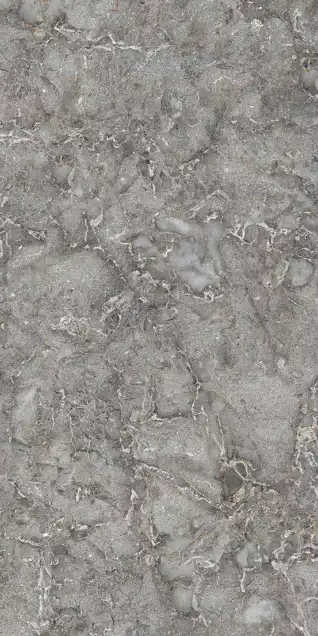











Most tiled surfaces in a home are horizontal: floors carry foot traffic and water. Bedroom walls are neither. They are dry, stable, and seen at eye level from two positions: standing at the door and lying in bed. That second viewing position is particular to the bedroom and changes the wall tile decision in a way that no other room in the house does. Among all bedroom tiles, the one on the headboard wall is the surface a person looks at in bed, in low light, from close range. It is also the first surface any visitor sees when entering the room. Getting bedroom wall tiles design right starts with understanding which wall matters most, how far up the tile should go, and what the tile looks like in the warm, low ambient light that bedrooms are typically used in.
In Indian bedroom interiors, the standard approach is to tile one wall and leave the other three in paint or texture finish. This single-accent-wall convention works because a bedroom is a quieter, more restrained space than a living room: too many tiled surfaces in a bedroom makes the room feel hard and institutional rather than restful. The headboard wall gets the tile treatment, the remaining walls get paint, and the tile on the one treated wall carries the room's design statement.
This page covers bedroom wall tiles design across all the key decisions: what tile body types and finishes are correct for bedroom walls (all are valid, since bedroom walls are dry), how the headboard wall is designed as a complete panel, half-wall dado tiling in a bedroom, how 3D tiles work in bedroom wall applications, how wood-look and stone-look tiles function differently on a wall versus a floor, and what the Indian bedroom wall tile design conventions are in terms of colour, scale, and composition.
Which Bedroom Wall to Tile and Why
In a standard Indian bedroom layout, the bed is placed against one wall with the headboard touching or near the wall surface. This headboard wall is the primary accent wall and the correct surface for tile treatment. It is the wall seen straight ahead when entering the room, seen from the foot of the bed, and seen from the bed itself. Every design investment in the headboard wall tile pays off in daily use.
The remaining walls in a typical Indian bedroom are the wardrobe wall (usually the longest wall opposite the headboard), the entry wall with the door, and the window wall. Tiling the wardrobe wall is less common because fitted wardrobes typically cover most of that surface and leave only 6 to 12 inches of exposed wall on each side. Tiling the window wall can create glare on a reflective tile surface in morning light. The entry wall is seen only briefly on entering and leaving. The headboard wall alone benefits consistently from tile treatment.
In a master bedroom with an attached dressing area or walk-in wardrobe, a second tile accent wall at the back of the dressing space (the wall facing the dressing mirror) is a secondary application. A polished PGVT or a decorative ceramic tile on this wall gives the dressing area its own design quality separate from the main bedroom headboard wall.
Bed Back Wall Tiles Design: Dimensions and Proportions
The bed back wall, also called the headboard wall, has specific dimensional requirements that should guide the tile selection and layout. A standard Indian queen bed is 60 inches wide. A king bed is 72 inches wide. The headboard wall is typically 10 to 12 feet wide in a standard bedroom, which means the bed and headboard span roughly half the wall width, with 2 to 3 feet of exposed wall on each side.
The tile on the headboard wall should run from floor to ceiling without breaking at an intermediate height. A tile that runs from floor to 7 feet and then switches to paint for the remaining 3 feet of wall height reads as a half-finished treatment. Floor to ceiling is the correct extent for a headboard wall tile. A 10-foot ceiling and an 800x1600mm PGVT tile means the wall needs approximately six tiles in height with a small cut at the top, creating very few horizontal joints across the full wall height.
Width: the tile typically covers the full width of the headboard wall from corner to corner. If the wall has a window, the tile runs up to the window reveal on both sides and continues above. If there is a door on the headboard wall (uncommon but possible), the tile wraps around the door frame. The cleanest headboard wall tile treatment uses the same tile across the full wall area without contrasting borders or frame tiles.
PGVT Wall Tiles for Bedroom: The Primary Headboard Wall Specification
PGVT (Polished Glazed Vitrified Tiles) is the most used tile body type for bedroom headboard walls in mid-range to high-end Indian residential interiors. PGVT must be used on walls only and must never be installed on any floor. In a bedroom, this specification suits the headboard wall perfectly: it is a vertical surface with no foot load, no water exposure, and a clear design role as the room's primary visual focal point. PGVT tiles in polished finish in 800x1600mm or 1200x1800mm format in marble-look, solid white, cream, or deep tone create a headboard wall surface that reflects the room's ambient light and gives the bedroom a quality of finish that paint cannot deliver. Price range: Rs. 60 to Rs. 135 per sq ft from Morbi.
The most used PGVT directions for Indian bedroom headboard walls: Carrara white marble-look with grey veining in polished finish (gives the bedroom a hotel-suite quality), solid off-white or cream in satin matte (warmer and softer than polished white), deep charcoal or navy in polished finish (for high-contrast master bedrooms), and abstract stone vein patterns in warm beige or taupe tones. All of these are available in 800x1600mm format from Morbi manufacturers.
3D Wall Tiles for Bedroom
3D wall tiles for a bedroom are GVT tiles with a pressed or carved surface relief used on the headboard wall or another accent wall. Unlike the floor, where a raised surface relief is impractical and uncomfortable, the bedroom wall is exactly the right surface for 3D tile design: the tile is seen and not stepped on, the relief creates shadow depth that changes with the room's ambient lighting, and the tactile quality of the carved surface adds a designed character to the wall that flat tiles cannot achieve.
The relief pattern matters in a bedroom context more than in an outdoor or public space. Bedroom lighting is warm and directional, typically from bedside lamps rather than overhead ceiling lights. A 3D tile with a deep geometric cut or a lattice carving will cast very strong shadow lines in the direction of a bedside lamp, which creates a dramatic effect some find too activating for a room meant for rest. Softer relief patterns, wave forms, gentle organic carving, and shallow diamond lattice create more diffused shadow effects in warm bedside lighting and feel more appropriate to a bedroom context.
For 3D wall tiles design for bedroom headboard walls, 300x600mm GVT in Matte Carving finish is the standard format. A full headboard wall in 3D tile is effective in a large master bedroom with a high ceiling. In a smaller bedroom, a central panel of 3D tiles flanked by a coordinating plain tile on either side gives the wall visual interest without making the room feel dominated by the 3D surface. Price range: Rs. 50 to Rs. 100 per sq.ft.
Small Bedroom Wall Tiles Design
Small bedroom wall tiles decisions are different from those for larger rooms because the tile has to do design work without visually compressing the space. In a bedroom under 100 square feet, the headboard wall tile affects how the room feels in its entirety: a heavy, dark, or strongly patterned tile on the headboard wall of a small bedroom can make the room feel smaller and more enclosed.
The most effective small bedroom wall tiles design uses white tiles or very light-toned PGVT in a polished finish on the headboard wall. The polished surface reflects light from the bedside lamps and windows back into the room, which makes the wall feel like it recedes rather than advances. A large-format tile in 800x1600mm on the headboard wall of a small bedroom reduces the number of visible grout lines, which also contributes to a sense of space: more grout joints mean more visual segmentation of the wall surface, which reads as smaller.
What to avoid in a small bedroom wall: full-room tiling on all four walls (makes the room feel like a tiled box), dark or heavily patterned tiles on the headboard wall (advance toward the viewer and reduce perceived depth), and small-format tiles that create a dense grid across the wall (add visual complexity that compresses the room). One wall, one tile, light in tone, large in format, in a polished or satin matte finish: this is the most reliable small bedroom wall tile direction.
Bedroom Half Wall Tiles Design
Half-wall tiles in a bedroom, covering the wall from the floor to approximately 36 to 48 inches in height, are less common in Indian bedrooms than in hallways or bathrooms. The reason is practical: in a bedroom, the bed sits against the headboard wall, and the mattress height (typically 24 to 30 inches from the floor) already visually defines a lower zone. A half-wall dado below the bed line is almost entirely hidden by the bed and bedside furniture and does not serve a visible design purpose on the headboard wall.
Bedroom half wall tiles are more appropriate on the wardrobe wall or the entry wall, where the lower portion of the wall is visible and exposed to occasional scuff marks from luggage, vacuum cleaners, and furniture movement. A plain glossy ceramic tile at dado height on the wardrobe wall, with the upper wall in paint, gives that surface a cleanable, protected lower zone without requiring a full tile treatment.
If half wall tiling is used on a bedroom wall, the proportions follow the same rules as any interior dado: 36 inches height in rooms with standard 9 to 10 foot ceilings, up to 48 inches in rooms with taller ceilings. The top edge of the dado must be finished with a border tile or chair rail to close the junction between the tile and the plaster above. An unfinished cut edge at the top of a half-wall tile looks incomplete regardless of how good the tile itself is.
Wooden Tiles for Bedroom Wall
Wood-look GVT tiles on a bedroom wall give the headboard wall or accent panel a warmth and organic quality that is distinct from marble-look or solid-colour PGVT. A wood-look panel behind the bed, in vertical plank orientation (200x1200mm or 300x1200mm with the long edge running vertically), creates a backdrop that reads as a panelled timber wall from the foot of the bed and from the doorway.
The finish range for wooden tiles on a bedroom wall is wider than for bedroom floors. On a wall, GHR finish wood-look tiles are appropriate alongside matte and satin matte options because the wall does not need to withstand the underfoot comfort requirement that makes GHR impractical on a floor. GHR on a wood-look wall tile adds a surface variation and slight sheen that reads more convincingly as real timber than a flat matte print on the same grain design.
Vertical plank orientation is the more common approach for wooden tiles on a bedroom wall: it creates the proportions of timber wall panelling and makes the ceiling feel higher. Horizontal orientation creates the proportions of a timber floor laid sideways, which reads less naturally on a wall. The same warm oak, grey-washed oak, and dark walnut grain directions used on bedroom floors translate naturally to the bedroom wall. Coordinating the headboard wall tile with the bedroom floor tiles design gives the room a considered material continuity that reads as intentional design rather than separate tile selections.
Master Bedroom Wall Tiles Design
Master bedroom wall tiles design operates at a higher design resolution than secondary bedroom walls. The headboard wall in a master bedroom is typically wider (10 to 14 feet), taller (10 to 12 feet ceiling), and seen in a room with more considered lighting than a standard bedroom. These conditions allow a more ambitious tile treatment.
The most used master bedroom headboard wall tile direction in contemporary Indian residential interiors is PGVT in 800x1600mm or 1200x1800mm in a marble-look pattern (Statuario, Calacatta, or Carrara) in polished finish, laid in a book-matched layout where adjacent tiles are mirror images of each other and the veining creates a symmetrical pattern across the full wall. This book-matched marble-look headboard wall is the bedroom wall treatment most associated with hotel-suite quality in Indian residential design.
A simpler but equally effective master bedroom wall tile direction: a single deep-tone solid-colour PGVT in polished finish (navy, forest green, deep charcoal) in 800x1600mm, floor to ceiling, covering the full headboard wall width. Against a neutral or light floor tile and light-coloured remaining walls, this creates a strong, composed bedroom with a clear design axis at the bed. Price range for master bedroom headboard wall tiles: Rs. 65 to Rs. 145 per sq ft for PGVT in large formats from Morbi.
Indian Bedroom Wall Tiles Design: What Is Distinctive
Indian bedroom wall tile preferences have specific characteristics that differ from European or East Asian bedroom tile conventions. Indian bedrooms typically have warmer colour temperatures in their lighting (incandescent or warm-white LED), which makes cool-tone tiles (pure bright white, cool grey, pale blue) read differently than in a daylit European room. A pure white polished PGVT headboard wall in a room lit by warm bedside lamps reads as cream-white rather than pure white, which is warmer and more flattering.
Indian bedroom wall tile design also shows a preference for marble-look and stone-look patterns over solid colours at the mid-range and premium price points. This reflects the longstanding cultural association between stone and quality in Indian architecture and interiors. A Statuario marble-look PGVT headboard wall reads as aspirational in the Indian residential context in a way that a solid grey tile of identical specification does not.
At the entry-level price point, ceramic glossy tiles in cream, ivory, and warm white in 300x450mm or 300x600mm format on the bedroom headboard wall are the most common Indian bedroom wall tile treatment. These are practical, easy to clean, bright in low light, and available at Rs. 25 to Rs. 60 per sq.ft. The finish is less refined than PGVT, but the visual result from the foot of the bed is comparable.
Bedroom Wall Tile Body Types: Quick Reference
| Body Type | Wall Suitable? | Best Bedroom Wall Application | Finish Options | Price Range (Rs./sq.ft) |
|---|---|---|---|---|
| PGVT | Yes, walls only, never floor | Headboard wall, master bedroom feature wall | Polished Glossy, Satin Matte | Rs. 60 to Rs. 135 |
| GVT | Yes | Headboard wall, 3D accent panel, wardrobe accent | Matte, GHR, Matte Carving, Satin Matte, Polished | Rs. 40 to Rs. 110 |
| Ceramic | Yes | Headboard wall (entry level), half-wall dado, dressing area | Glossy, Matte, Satin | Rs. 25 to Rs. 65 |
| Porcelain | Yes | Any bedroom wall | Matte, Satin Matte | Rs. 35 to Rs. 85 |
| Full Body Vitrified | Yes | Bedroom walls (less common, more often used for floors) | Matte, Textured | Rs. 55 to Rs. 120 |
Note: All tile body types are suitable for bedroom walls since bedroom walls are dry and not subject to water, chemical, or load exposure. The choice between body types on a bedroom wall is driven by finish availability, size range, and budget, not by performance requirements.
Bedroom Wall Tiles Pricing from Morbi
Bedroom wall tiles are manufactured in Morbi, Gujarat, across all body types and formats used in Indian residential bedrooms. Ex-factory prices: Rs. 25 to Rs. 60 per sq.ft for ceramic glossy wall tiles in 300x450mm and 300x600mm, Rs. 40 to Rs. 85 per sq.ft for GVT in 300x600mm and 600x600mm in matte or GHR finish, Rs. 55 to Rs. 90 per sq.ft for GVT 3D Matte Carving tiles in 300x600mm and 600x600mm, and Rs. 60 to Rs. 135 per sq.ft for PGVT in 800x1600mm and 1200x1800mm in polished or satin matte finish. Retail prices across Indian cities are 25% to 40% above ex-factory. Installation cost for bedroom wall tiles: Rs. 25 to Rs. 45 per sq.ft for ceramic and standard GVT, Rs. 40 to Rs. 60 per sq ft for large-format PGVT in 800x1600mm and above requiring flexible adhesive and back-buttering.
Choosing Bedroom Wall Tiles for Your Home
Bedroom wall tile selection starts with the headboard wall dimensions, the room's lighting type, and the overall bedroom palette. Once the accent wall role is established, the body type, finish, and format decisions follow. Browse PGVT, GVT, and ceramic bedroom wall tile options across all formats and design directions on TilesFinders and compare body type, finish, and size before shortlisting.
FAQs
The headboard wall, the wall directly behind the bed, is the correct accent wall for tile treatment in a bedroom. It is seen straight ahead when entering the room, from the foot of the bed, and from the bed itself. The other three walls (wardrobe wall, entry wall, window wall) are typically left in paint. Tiling all four walls in a bedroom makes the room feel hard and enclosed rather than restful.
PGVT in 800x1600mm polished or satin matte finish is the most used tile for bedroom headboard walls in mid-range to high-end Indian homes. PGVT is specified for walls only and must not be installed on any floor. Marble-look, solid deep-tone, and abstract vein PGVT panels give the headboard wall a permanent, high-quality finish. For a more budget-conscious headboard wall, ceramic glossy tiles in 300x600mm or GVT in Matte Carving finish are the alternatives. Price range: Rs. 60 to Rs. 135 per sq ft for PGVT from Morbi.
Bedroom wall tiles on the headboard wall should run from floor to ceiling without breaking mid-wall. A tile that runs to 7 feet and then switches to paint for the remaining wall height reads as incomplete. Floor-to-ceiling coverage is the correct extent for a headboard wall tile treatment. The only exception is a deliberate half-wall dado treatment, which should be finished with a border tile at the top edge at 36 to 48 inches in height.
3D wall tiles for a bedroom are GVT tiles with a pressed or carved surface relief used on the headboard wall or another accent wall. Soft relief patterns such as wave forms, shallow diamond lattice, and gentle organic carving work better in a bedroom than deep geometric cuts, because bedroom lamp lighting creates strong shadow lines in deep relief patterns that can feel activating in a room meant for rest. Format: 300x600mm or 600x600mm in Matte Carving finish. Price range: Rs. 50 to Rs. 100 per sq.ft.
For a small bedroom under 100 square feet, a light-toned PGVT in polished finish in 800x1600mm on the headboard wall is the most effective tile direction. The polished surface reflects lamp and window light back into the room, making the wall feel like it recedes. Large-format tiles reduce visible grout lines on the wall, which reduces visual segmentation and makes the room feel larger. Avoid dark tiles, heavily patterned tiles, and full-room tiling in small bedrooms
Yes. Ceramic tiles are fully appropriate for bedroom walls. Bedroom walls are dry and not subject to water, chemical, or load exposure, so the body type choice on a bedroom wall is driven entirely by finish availability and budget. Ceramic glossy tiles in 300x450mm or 300x600mm are the most cost-effective bedroom wall tile at Rs. 25 to Rs. 60 per sq.ft and give a bright, reflective headboard wall surface. For a premium finish, GVT or PGVT is the step up.
Bedroom half-wall tiling covers the lower portion of a wall from the floor to 36 to 48 inches, the same as a dado treatment. In a bedroom, this is most useful on the wardrobe wall or entry wall, where the lower section takes occasional scuff marks from luggage and furniture. It is less useful on the headboard wall, where the bed blocks most of the lower wall from view. The top edge of a half-wall tile must be finished with a border tile or chair rail strip to close the junction with the plaster above.
Yes. GVT wood-look tiles in 200x1200mm or 300x1200mm format in vertical orientation work well on bedroom headboard walls and accent panels. On a wall, GHR finish wood-look tiles are also appropriate alongside matte and satin matte options, since the wall does not require the underfoot comfort considerations that limit finish choice on a floor. Vertical plank orientation is more common on bedroom walls than horizontal, as it creates the proportions of timber wall panelling and makes ceilings feel higher.