
Best Outdoor Tiles for Indian Weather Conditions
Create lasting outdoor spaces with the right flooring. Learn why low water absorption, proper gri...


Loading designs...
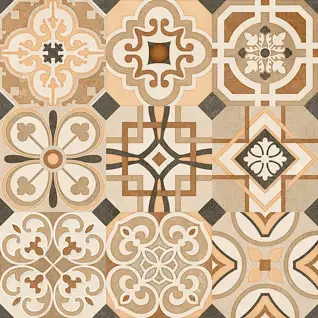
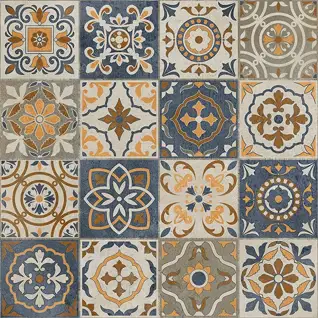
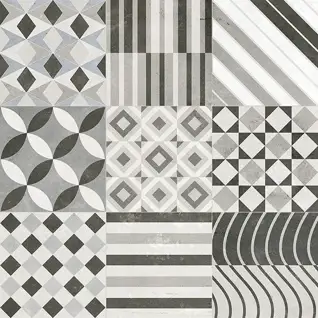
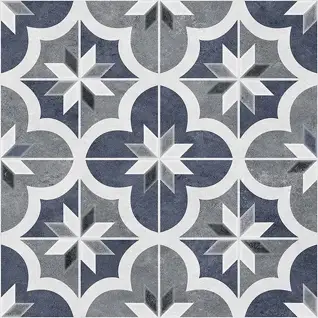
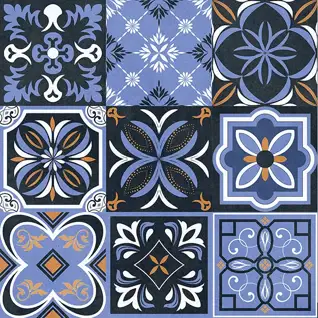
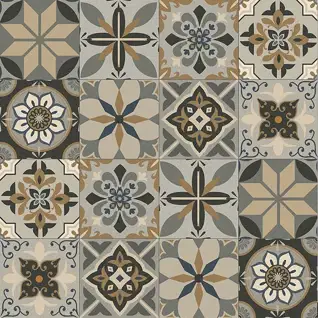
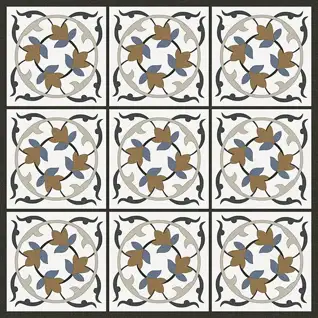
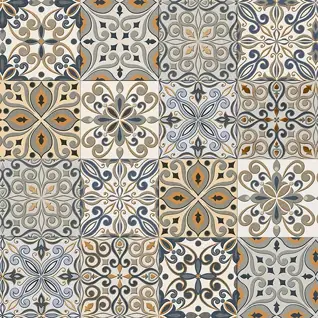
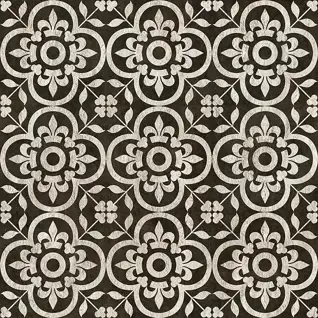
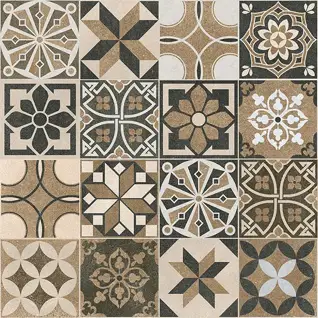
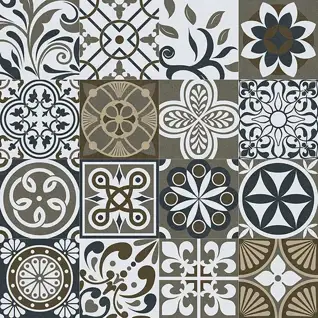
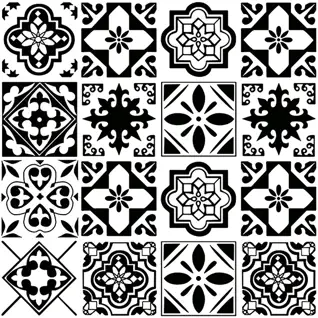
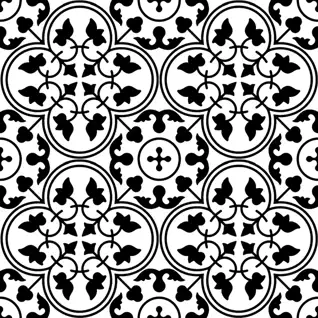
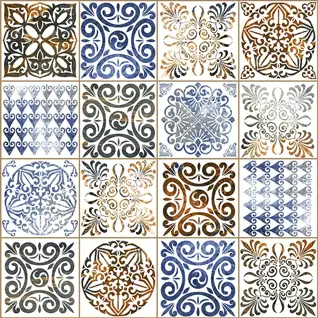
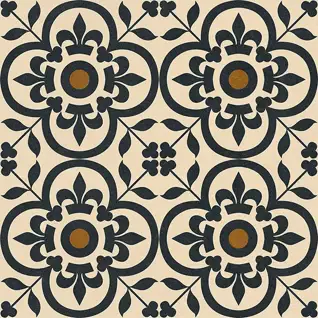
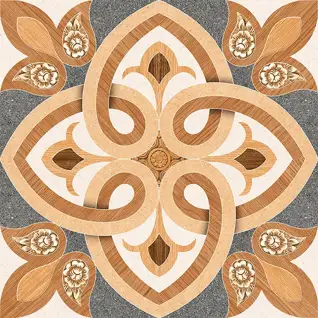
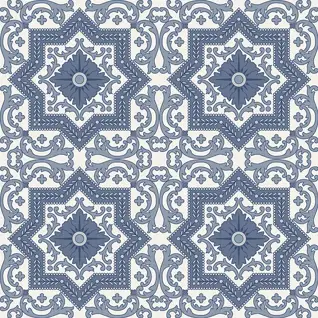
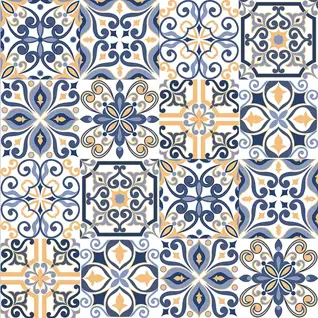
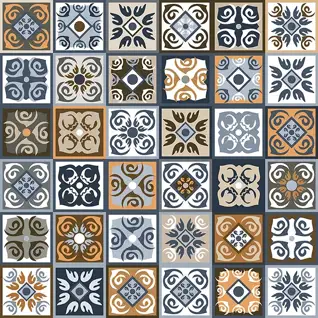
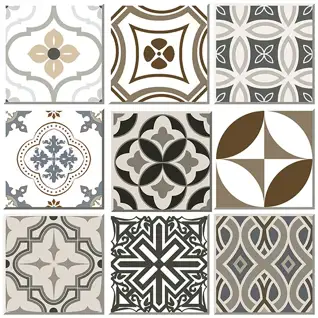
Moroccan tiles bring bold geometry, rich colour, and handcrafted character to floors and walls across India. Whether you want classic floor tiles with star-and-cross patterns, colourful Moroccan tiles for a kitchen backsplash, or large-format Moroccan mosaic tiles for a feature wall, the range available in India today covers every budget and finish. Prices for Moroccan tiles in India start from Rs. 45 per sq ft for ceramic options and go up to Rs. 280 per sq ft for handmade zellige and encaustic styles. This page covers everything: tile types, body materials, safe surfaces, size guide, and how to choose the right design for your space.
Moroccan tiles are a category defined by their ornamental tile design, not by any single body material. The signature look comes from geometric repeating patterns: eight-pointed stars, interlocking crosses, arabesque curves, and hexagon grids. The Moroccan tile design tradition draws from Islamic geometric art developed in North Africa over centuries, but today the look is produced in ceramic, porcelain, GVT, and cement bodies by manufacturers across Gujarat and imported through distributors in Mumbai and Delhi.
The term covers several distinct sub-styles. Zellige tiles are hand-cut from fired clay and assembled into mosaic sheets. Encaustic or Moroccan concrete tiles use pigmented cement pressed into moulds. Ceramic and porcelain varieties are kiln-fired with the pattern applied as glaze or digital print. All four types qualify as Moroccan tiles in common trade usage across India.
Pro tip: Ask your supplier for the body material, not just the look. A ceramic Moroccan tile and a Moroccan porcelain tile feel similar in the showroom, but behave very differently in wet areas and under heavy foot traffic. Always check the water absorption figure on the product sheet.
Moroccan tiles are available in four main body types in India. Each has a different water absorption figure, price range, and suitable surface list.
| Body Type | Water Absorption | Suitable For | Price Range (Rs./sq.ft) |
| Ceramic Moroccan Tiles | 12% to 16% (IS 13630) | Walls, dry floors | Rs. 45 to Rs. 110 |
| GVT Moroccan Tiles | 0.5% to 3% | Floors, walls, and light outdoors | Rs. 95 to Rs. 175 |
| Full Body Vitrified (IS 15622:2006) | 0.05% | All floors incl. outdoor | Rs. 130 to Rs. 220 |
| Moroccan Porcelain Tile | Below 0.5% | Floors, outdoor, heavy use | Rs. 160 to Rs. 280 |
| Moroccan Concrete Tile | 4% to 8% | Indoor floors, covered outdoor | Rs. 180 to Rs. 350 |
| Zellige / Encaustic | 6% to 12% | Feature walls, dry indoor floors | Rs. 220 to Rs. 600 |
Note: Ceramic Moroccan tiles (IS 13630) absorb 12 to 16% water. Do not use them on outdoor floors, bathroom shower areas, or any surface with standing water. They are wall and dry floor tiles only.
The Moroccan patterned tiles category is wide. These are the main design families you will see in the Indian market:
Star and cross: The original Moroccan tile design. An eight-pointed star sits inside a square cross frame. Works on floors and walls at any scale from 20x20 cm to 60x60 cm.
Arabesque / Moorish tiles: Curved interlocking shapes with no straight edges. The softer version of geometric Moroccan tile design. Popular for bathroom feature walls and kitchen splashbacks.
Moroccan hexagon tiles: Six-sided tiles laid in a honeycomb grid. Available in single-colour or patterned. Suit bathrooms and compact kitchen floors well.
Moroccan mosaic tiles: Small pieces (2 cm to 5 cm) assembled into a sheet of 30x30 cm. The sheet installs like a single tile. Widely used for pools, feature walls, and backsplashes.
Moroccan-shaped tile (ogee/fish scale): A single tile with a curved top edge. When laid in rows, the curves create a scale or petal pattern. Commonly seen on bathroom and kitchen walls.
Decorative Moroccan tiles (patchwork style): A set of different patterns sold together as a coordinated mix. Each tile is a different design but uses the same colour palette. The patchwork effect is created on installation.
Pro tip: For large floor areas above 30 sq. ft., stick to one or two Moroccan tile design families. Mixing three or more patterns in one floor makes the space look cluttered. Save the mixed patchwork effect for accent strips or feature panels only.
The material determines where you can use Moroccan tiles safely. Here is a quick comparison across the main categories:
| Feature | Ceramic | GVT | Porcelain | Concrete / Zellige |
| Pattern method | Glaze print | Digital glaze | Through-body or glaze | Pigmented cement / hand-cut |
| Slip resistance | R9 to R11 (matte) | R9 matte, R7 polished | R10 to R11 matte | R9 to R10 (varies) |
| Weight (approx) | 14 kg/sq.m | 16 kg/sq.m | 18 kg/sq.m | 20 to 25 kg/sq.m |
| Frost resistance | No | Partial | Yes (ISO 13006) | No |
| Indian availability | Widely available | Widely available | Widely available | Limited, mostly imported |
Note: Glazed Moroccan tiles with a polished or high-gloss finish are not safe for any floor used by people. The glaze becomes slippery when wet. Use matte, sugar, or GHR (grip) finish for all floor applications. Polished Moroccan tiles are wall-only.
Moroccan tiles in India are sold in these standard sizes. The right size depends on the room area and the pattern scale.
| Size (cm) | Size (mm) | Best For | Pattern Scale |
| 20x20 | 200x200 mm | Bathroom floors feature strips | Fine/small |
| 20x20 hexagon | 200x200 mm | Bathroom walls, compact kitchens | Fine |
| 25x25 | 250x250 mm | Kitchen floors, bedroom accents | Medium |
| 30x30 | 300x300 mm | Living room floors, outdoor edges | Medium to large |
| 45x45 | 450x450 mm | Large living rooms, corridors | Large |
| 60x60 | 600x600 mm | Modern Moroccan-style floor tiles | Very large |
| Mosaic sheet 30x30 | 300x300 mm sheet | Walls, pools, backsplashes | Very fine |
Pro tip: Small Moroccan tiles (20x20 cm) in a star-and-cross pattern use more grout lines than large tiles. Budget for epoxy grout rather than cement grout. Epoxy grout costs Rs. 180 to Rs. 250 per kg but resists staining and moisture far better, especially for Moroccan kitchen floor tiles and bathroom floors.
Vintage Moroccan tiles and antique Moroccan tiles found in the Indian market are almost never reclaimed originals from Morocco. True reclaimed zellige from Fez or Marrakech is rare, fragile, and inconsistently sized. What the market calls vintage Moroccan tiles in India are usually:
If you need genuinely handmade or authentic Moroccan tiles, expect to pay Rs. 350 to Rs. 800 per sq.ft and allow 6 to 10 weeks for import. For most residential projects in India, high-quality digital ceramic or GVT alternatives at Rs. 80 to Rs. 180 per sq.ft deliver a very similar visual result at a fraction of the cost.
Moroccan-style floor tiles for outdoor use need a water absorption figure below 0.5% and a slip resistance rating of R11 or higher. Most ceramic Moroccan tiles fail both tests. The only body types that work reliably for outdoor Moroccan tiles in India are:
Note: Standard glazed Moroccan tiles, zellige, and ceramic Moroccan tiles must not be used on exposed outdoor floors, terraces, or pool surrounds. These body types absorb moisture, crack in monsoon conditions, and become dangerously slippery when wet. Only use full-body vitrified or porcelain Moroccan tile options for any outdoor surface.
Moroccan tile design in India is sold across a wide colour range. The most widely stocked families are:
| Colour Family | Common Uses | Typical Price (Rs./sq.ft) |
| Blue and white | Bathrooms, kitchen walls, feature panels | Rs. 75 to Rs. 180 |
| Black and white | Floors, hallways, monochrome kitchens | Rs. 65 to Rs. 160 |
| Turquoise / teal | Bathroom feature walls, pool areas | Rs. 80 to Rs. 200 |
| Green | Kitchen backsplashes, garden features | Rs. 70 to Rs. 175 |
| Terracotta / red | Outdoor floors, rustic interiors | Rs. 90 to Rs. 210 |
| Colourful / patchwork | Accent strips, staircases, risers | Rs. 110 to Rs. 280 |
| White / off-white | Bathrooms, minimal interiors | Rs. 55 to Rs. 130 |
| Grey | Modern floors, industrial styles | Rs. 65 to Rs. 155 |
Follow these steps before placing an order:
Step 1: Fix the surface first. Wall, floor, indoor, or outdoor. This determines which body type you can use. Do not choose a pattern before fixing the surface.
Step 2: Set the pattern scale. Small rooms suit 20x20 cm or 25x25 cm tiles. Large rooms handle 45x45 cm and 60x60 cm Moroccan tiles better. Big patterns in small rooms shrink the visual space.
Step 3: Choose the finish. Matte or sugar finish for floors. GHR or rock finish for wet or outdoor floors. Glazed Moroccan tiles with polished finish for walls only.
Step 4: Order from one batch. Moroccan patterned tiles are batch-produced. Different batches can have colour variation. Always order 10% extra from the same batch number and keep it for repairs.
Step 5: Plan the grout. For floor Moroccan tiles in wet areas (bathrooms, kitchens), specify epoxy grout to your contractor. Cement grout stains and grows mould in tight grout lines.
Full-body vitrified tiles certified to IS 15622:2006 carry a water absorption figure of 0.05%, which puts them in the same durability class as natural stone. Sizes from 300x300 mm to 600x600 mm are produced in quantity by Morbi manufacturers in Gujarat and are the most widely available format for Moroccan tiles in India, with prices ranging from Rs. 95 to Rs. 220 per sq.ft, depending on the finish and pattern complexity. The Gujarat tile cluster makes it possible to source consistent batches for large projects without the lead time that imported Moroccan tiles require.
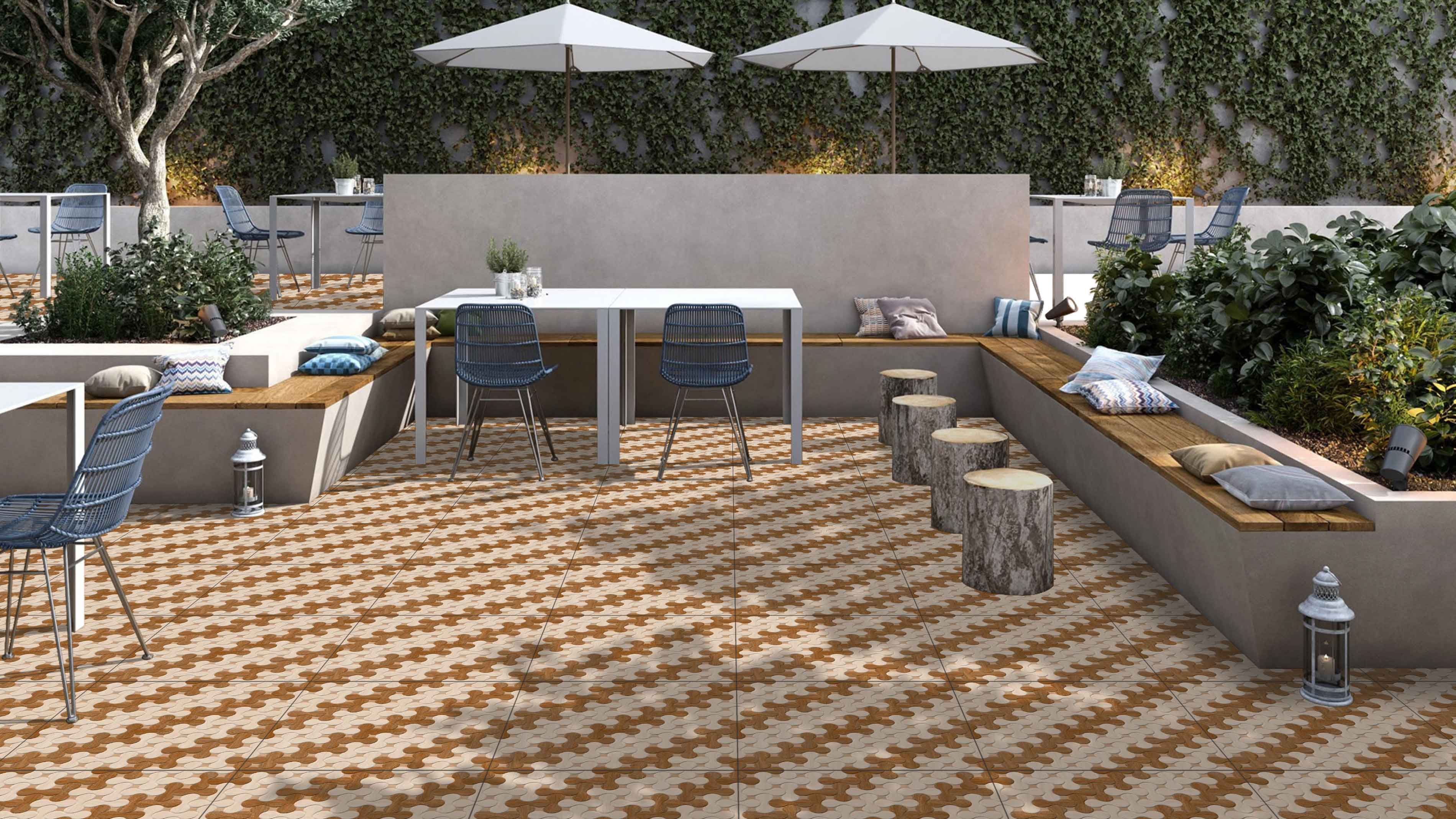
Indian climate conditions, particularly the monsoon season from June to September, with relative humidity above 85% and temperatures ranging from 28 to 38 degrees Celsius across most of the country, mean outdoor Moroccan tiles must be chosen with care. Only full body vitrified and porcelain formats at 450x450 mm (450x450 mm) to 600x600 mm survive repeated wet-dry cycles without cracking or efflorescence. Morbi and wider Gujarat produce a growing range of outdoor-rated Moroccan-style floor tiles priced at Rs. 130 to Rs. 250 per sq.ft, which makes the look accessible for terraces and garden paths without paying import prices.
From classic blue-and-white Moorish tiles to bold colourful Moroccan tiles for statement floors, the full range is catalogued with body type, size, finish, and price on TilesFinders, India's dedicated tile marketplace. Use the filter panel to narrow by colour, finish, size, and price bracket, and compare shortlisted Moroccan patterned tiles side by side before requesting samples.
Moroccan tiles in India range from Rs. 45 per sq.ft for basic ceramic options to Rs. 600 per sq ft for imported handmade zellige. GVT floor tiles, the most common choice for residential floors, cost Rs. 95 to Rs. 175 per sq.ft. Moroccan porcelain tile for outdoor or heavy-use floors costs Rs. 160 to Rs. 280 per sq.ft. Prices vary by body type, size, finish, and brand. Morbi manufacturers in Gujarat offer competitive rates for bulk orders.
Broadly yes. Moorish tiles refer to the same geometric Islamic decorative tradition. In the Indian tile trade, the terms Moroccan tiles and Moorish tiles are used interchangeably. Moorish typically refers to the older historical style from Al-Andalus (Islamic Spain and North Africa), while Moroccan tiles refer to the broader category, including modern production. Both names describe the same star-and-cross and arabesque pattern families available in India.
A GVT Moroccan floor tile in 30x30 cm or 45x45 cm with matte finish works best for kitchen floors. The matte surface gives R9 slip resistance, which meets Indian kitchen safety norms. Star-and-cross and hexagon Moroccan patterned tiles in black-and-white or blue-and-white are the most popular kitchen floor choices. Use epoxy grout on kitchen floors to prevent staining between the grout lines. Avoid polished or high-gloss Moroccan tiles on any kitchen floor.
Moroccan mosaic tiles are made from small pieces (2 cm to 5 cm) fixed to a mesh or paper backing and sold as a 30x30 cm sheet. Regular Moroccan tiles are single pieces, typically 20x20 cm to 60x60 cm. Mosaic tiles create finer-grained patterns and suit curved surfaces, pool surrounds, and backsplashes. Single Moroccan tiles install faster and cost less in labour. Both categories carry similar Moroccan tile design patterns but at different scales.
Vintage Moroccan tiles sold in India are almost always new tiles with a distressed or aged-look glaze print, not reclaimed originals. True antique Moroccan tiles from Morocco are rarely imported due to inconsistent sizing and fragility. Digital-print ceramic and GVT tiles that replicate the vintage Moroccan tiles look cost Rs. 75 to Rs. 180 per sq.ft. Genuine imported zellige or encaustic tiles start at Rs. 350 per sq.ft and need a 6- to 10-week lead time.
Moroccan concrete tiles can be used on covered outdoor areas like verandas if sealed properly, but are not safe for fully exposed outdoor floors in Indian monsoon conditions. Their water absorption of 4 to 8% means repeated wet-dry cycles cause cracking over time. For fully exposed outdoor Moroccan tiles, choose full-body vitrified or Moroccan porcelain tile with water absorption below 0.5% and R11 slip resistance. Morbi manufacturers in Gujarat produce outdoor-rated formats from Rs. 130 per sq.ft.
Epoxy grout is strongly recommended for Moroccan tiles in kitchens and bathrooms. Cement grout stains easily in the narrow grout lines typical of Moroccan patterned tiles and develops mould in humid conditions. Epoxy grout costs Rs. 180 to Rs. 250 per kg but is stain-resistant, waterproof, and long-lasting. For dry wall applications, quality cement grout with a grout sealer applied after laying is acceptable. Match the grout colour to the tile border colour to make the pattern stand out.
-c1c8f337-bdf9-4ae7-a497-a62c8680ea62.png)