

Skirting Tiles In Damoh: Usage, Benefits & Cost
Loading designs...
-
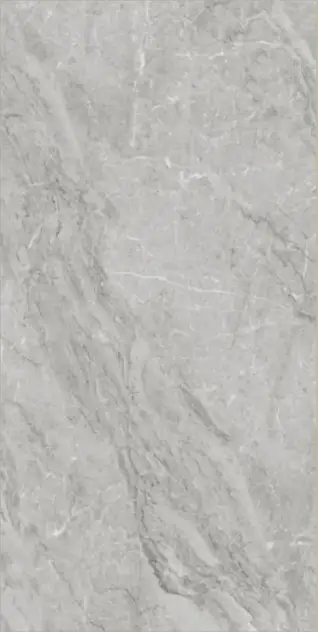 Eracco Grey
 -
 Gress Velvet Tortora
 -
Gress Velvet Tortora LT
-
Eracco White
-
Leon Beige
-
Landmark Lemon
-
Lumina White
-
CWP 5011
-
Galaxy Crema
-
Lupit Grey
-
Lendmark Beige
-
Galaxy Grey
-
Greek Crema
-
Damas Bianco
-
Lendmark Brown
-
Marfil Fab Light
-
Greek Grey
-
Lendmark Crema
-
Italia Beige
-
Asterix Statuario






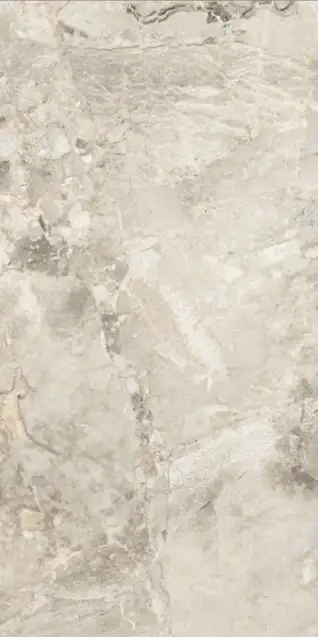




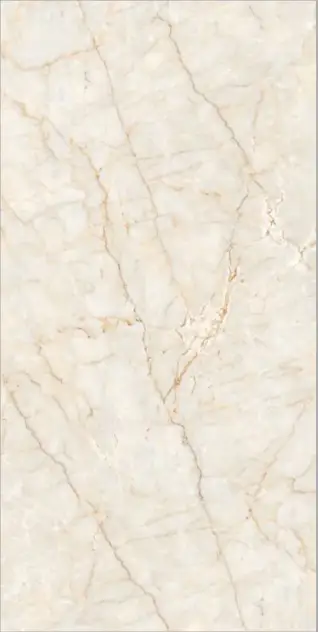



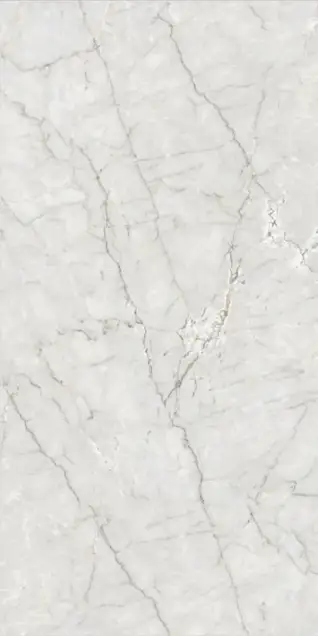



Skirting tiles, the 4-inch tile border at the base of your walls, are essential for homes in Damoh. Far from just a decorative frame, they act as a critical structural shield to protect your walls from daily mopping damage and expansion cracks.
The Structural Usage: Hiding Expansion Gaps and Uneven Edges
Most homeowners don't realise exactly why skirting is installed in the first place. Its primary purpose is structural concealment.
- The Expansion Gap: During the intense heat of a Damoh summer, building materials expand. When laying floor tiles, masons must leave a slight gap (around 3mm to 5mm) between the edge of the floor tile and the wall. If the tiles are pushed flush against the wall, the summer heat will cause them to expand, buckle, and pop out.
- The Concealment: Skirting tiles are installed over this necessary expansion gap, hiding the ugly joint while still allowing the floor underneath to breathe and shift naturally.
- Hiding Plaster Imperfections: The bottom edge of a plastered wall is rarely a perfect, straight 90-degree line. Skirting acts as a clean, sharp visual boundary that covers up any wavy or uneven plasterwork at the base of the room.
The Daily Defence Benefit: Protecting Walls from Mopping (Pochha) Damage
This is arguably the most important practical benefit for Indian households. Because Damoh faces dry, dusty winds for much of the year, daily wet mopping (pochha) is mandatory to keep homes clean.
- The Waterproof Shield: Without skirting, a wet mop repeatedly hits the bottom of your painted walls every single day. Wall putty and emulsion paints are not meant to handle constant water exposure.
- Preventing "Seelan" (Dampness): When the wall absorbs this mop water, it leads to rising dampness (seelan). Over a few months, your expensive wall paint will start bubbling, flaking, and peeling off at the bottom. A 4-inch tile skirting acts as an impenetrable, waterproof shield that takes the hit from the wet mop, keeping your walls pristine.
Hygiene & Maintenance Benefits: Keeping Corners Dust-Free
The 90-degree corner where a bare floor meets a bare wall is a notorious trap for dirt.
- Easy Sweeping: Dust, pet hair, and spider webs naturally accumulate in room corners. Sweeping against a rough painted wall can leave dirty broom marks. A smooth, glossy, or satin skirting tile allows the broom to glide effortlessly, making daily cleaning faster and more hygienic.
- The "Flush Skirting" Upgrade: Traditional skirting protrudes slightly from the wall, creating a tiny ledge that catches falling dust. A massive trend right now in modern Damoh duplexes is "Concealed" or "Flush" skirting. Here, the wall plaster is cut out, and the skirting tile is embedded into the wall so it sits completely flat. This removes the dust-catching ledge entirely, giving a premium, 100% dust-free finish.
Understanding Skirting Tile Cost in Damoh: Running Foot vs. Sq. Ft.
Tile pricing can be confusing because floor tiles are sold by the square foot (Sq. Ft.) or by the box, whereas skirting is calculated by the Running Foot (RFT), meaning it is measured by length, not area.
When budgeting for skirting in Damoh, you have two main options:
- Option A: Cutting Leftover Floor Tiles (Cost-Effective): You can ask your contractor to cut leftover floor tiles into 4-inch strips. This is cheaper because you are using existing material. You only pay the mistri (mason) a small labor charge per running foot for cutting and installation. However, the cut edge will be sharp and flat, not rounded.
- Option B: Factory-Finished Skirting (Premium): You can buy ready-made skirting tiles from the showroom. These come with beautifully rounded, polished top edges (bullnose finish) that look much more luxurious. They cost slightly more per RFT, but they save on cutting labor and provide a flawless, high-end finish without sharp edges. However, there is a much lower possibility of getting an exact design match with your floor tiles. Additionally, local dealers rarely keep these in stock because managing such a large, specific inventory is difficult, and the final price per RFT is often double that of Option A.
Skirting tiles showroom and dealer in damoh
Shiva Tiles
Contact: +91 09425096026
Shree Marbles Damoh
Contact: +91 09425611924
Smart Homes Damoh
Contact: +91 07000827856
FAQs
In Damoh, you will commonly see three skirting heights: 3 inches, 4 inches, and 6 inches. The industry standard for most homes is 4 inches (100mm), as it offers the perfect balance of protection and aesthetics. A shorter 3-inch skirting is sometimes used for a minimal, subtle look, while the 6-inch skirting is used very rarely, typically only in grand living rooms with exceptionally high ceilings to make a bold architectural statement.
Matching the skirting to your floor tiles is the most popular choice because it creates an illusion that the floor is extending up the wall, making the room look larger. If you want a bold, traditional "border" effect, you can use a contrasting color (like black or dark brown skirting on a light floor).
While wooden skirting looks beautiful, it is not recommended for ground-floor homes in Damoh. Real wood or MDF skirting will absorb water from daily wet mopping, swell up, and eventually attract termites (deemak). Tile skirting is waterproof and termite-proof.
Yes. Even if the wardrobe hides the wall, you still need the skirting to cover the structural expansion gap of the floor tiles. If you are building a fixed, built-in modular wardrobe, the carpenter will adjust the woodwork to fit around or over the skirting.