

Wood Look Tiles in India: Wooden Tiles, Wood Grain and Plank Designs
Loading designs...
-
 10013
10013 -
 10015
10015 -
10017
-
10018
-
Biscuit
-
Golden Oak
-
Classic Oak
-
Kempas
-
Mahogony
-
Maple Wood
-
Roman Wood
-
Sedona Red
-
Wenge Wood
-
Mocca Oak
-
Oxford Brown
-
Pecan
-
Satin Wood
-
Florence Grey
-
Marfil Brown
-
Marfil Choco



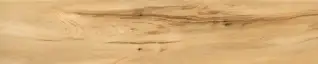





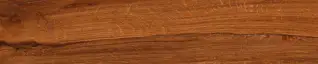









Wood look tiles give you the warmth of timber flooring without the upkeep problems that come with real wood in Indian conditions. A wood-look tile is a vitrified or porcelain tile with a wood grain surface printed using high-resolution digital glazing. The result is a tile that looks like wood in colour, texture, and grain direction, yet absorbs almost no water, stays cool underfoot in summer, and cleans easily. Wooden tiles in India are mostly made in GVT and full-body vitrified categories. These categories carry a water absorption rate of 0.05% as per IS 15622:2006, which makes them far more stable than timber in monsoon-humid rooms. Wood effect tiles are made in a wide range of colours and sizes, from narrow 8x40 plank tiles to large 2x4 format boards. Prices start from Rs. 45 per sq.ft for porcelain wood look tiles and go up to Rs. 180 per sq.ft for full body vitrified options in large plank sizes. The range covers light wood tile, grey wood tile, dark wood effect tiles, black wood look tile, and white wood look tile, so you can match any room colour scheme.
What Are Wood Look Tiles and How Are They Made?
Wood look tiles are ceramic, porcelain, or vitrified tiles that carry a digital print of wood grain on the glazed surface. The printing process uses high-resolution inkjet technology to reproduce grain patterns, knots, and wood texture directly on the tile body. A top glaze coat is then fired to lock the pattern and give the tile its surface finish.
Three body types are most common for this look:
GVT (Glazed Vitrified Tiles) is the most popular choice for wooden tiles in India. GVT wood look tiles have a water absorption rate of 0.05%, which puts them among the best tile categories for wet-prone rooms. GVT tiles work on both floors and walls and come in sizes from 200x1200mm (8x48 plank) to 800x1600mm (32x64).
Porcelain wood look tiles absorb 2% to 5% water, which is higher than vitrified tiles but still far better than real timber. These tiles cost less, starting from Rs. 45 per sq ft, and work well in dry indoor rooms.
Full-body vitrified wood look tiles carry the wood grain design through the full depth of the tile body, which makes them suited for high-traffic commercial floors and outdoor covered areas.
Note: PGVT wood-look tiles are for bathroom walls and accent walls only. Do not use PGVT wooden tiles on any floor, whether wet or dry, as the polished surface is slippery. Do not use PGVT tiles outdoors.
Wood Look Tile Colours: From Light Wood to Grey Wood Effect and Beyond
The colour of the wood grain is often the first decision a buyer makes. Wood-style tiles come in several distinct colour families, each suited to different room palettes.
Light wood tile uses pale beige and cream grain tones that work in bedrooms and small living rooms where a lighter, open feel is the goal. Light wooden tiles design works particularly well with white or off-white wall paint and fits budgets from Rs. 50 to Rs. 100 per sq.ft.
Grey wood tile has become one of the most searched finishes for contemporary Indian homes. Grey wood look tile uses ash, silver, or concrete-grey grain tones that pair well with minimalist interiors. Grey wood-effect tiles start from Rs. 55 per sq ft in matte GVT finish.
Dark wood effect tiles use deep walnut, mahogany, and ebony tones. These create a warm, rich feel in bedrooms and work well in commercial hospitality spaces. Dark wood effect tiles in the full-body vitrified category cost Rs. 90 to Rs. 130 per sq ft.
Black wood look tile uses near-black grain patterns on a dark body. This is a bold accent choice and works well on feature walls, bar counters, and studies. Black wood-effect tiles start from Rs. 70 per sq ft.
White wood look tile uses a pale, bleached grain that suits bathrooms and modern drawing rooms. White wood look tile on a bathroom accent wall in PGVT Polished Glossy finish starts from Rs. 65 per sq.ft.
| Colour Variant | Best Rooms | Finish to Pair | Price Range |
| Light wood tile | Bedroom, living room | Matte, Sugar | Rs. 50 to Rs. 100/sq.ft |
| Grey wood tile | Drawing room, study | Matte, GHR | Rs. 55 to Rs. 110/sq.ft |
| Dark wood effect tile | Bedroom, commercial | Matte Carving, GHR | Rs. 60 to Rs. 130/sq.ft |
| White wood look tile | Bathroom wall, living room | Polished Glossy (walls only) | Rs. 65 to Rs. 140/sq.ft |
| Black wood-look tile | Accent walls, bars, study | Matte, Matte Carving | Rs. 70 to Rs. 150/sq.ft |
Wood Tile Sizes: Plank Tiles, Wood Grain Tile in Large Format, and Hexagon Wood Tiles
Size choice changes how realistic and spacious the wood floor or wall looks. Narrow plank tiles come closest to the look of real timber boards.
The 200x1200mm (8x48) size is the main plank format for wooden tiles in India. This size gives long, narrow boards that run across a room and create a strong directional feel. These are sometimes called wooden plank tiles in the trade. They come in GVT and porcelain categories. Prices for 8x48 wood grain tile start from Rs. 55 per sq.ft.
The 200x1000mm (8x40) plank is a slightly shorter format that works well in smaller rooms and bathrooms. This wood-like tile size costs from Rs. 50 per sq. ft. and comes in porcelain and GVT bodies.
The 600x1200mm (2x4) format is a wide-board wood finish tile that suits larger living rooms and open-plan spaces. This format has fewer grout joints, which makes the wood grain pattern read more clearly across the floor. Prices for 2x4 wood look tiles in GVT start from Rs. 55 per sq.ft.
The 800x1600mm (32x64) size is used in large bedrooms and commercial projects where a wide-plank feel is wanted. This is one of the best wood-look tile formats for open areas with a single uninterrupted floor.
Wood look hexagon tiles use a 600x600mm (2x2) body cut into hexagonal shapes. Wood-look hexagon tile creates a geometric accent pattern on bathroom walls, feature walls, and kitchen backsplashes. Black wood look tile and grey wood look tile in hexagon format are particularly popular. Prices for wood look hexagon tile start from Rs. 65 per sq.ft. Use epoxy grout in hexagon joints to stop moisture and discolouration over time.
| Size (mm) | Alias | Wall | Floor | Best For |
| 200x1200 | 8x48 | Yes | Yes | Plank-style rooms |
| 200x1000 | 8x40 | Yes | Yes | Narrow planks, bathrooms |
| 600x1200 | 2x4 | Yes | Yes | Living room, bedroom floors |
| 800x1600 | 32x64 | Yes | Yes | Large open areas |
| 600x600 | 2x2 | Yes | Yes | Hexagon tile patterns, general |
Where to Use Wood Effect Tiles in Indian Homes
Wood effect tiles work in most rooms, but the body type and finish must be matched to the area.
For living room and bedroom tiles, GVT wood look tiles in matte or sugar finish on a 2x4 or 8x48 plank format give a clean, consistent grain across the floor. These are the best wood-look tile choices for dry indoor residential floors in India.
For bathrooms, use GVT or porcelain wood look tiles with a matte or GHR finish. The matte surface gives anti-skid traction on wet floors. Wood grain tile in a 200x1000mm (8x40) or 600x1200mm (2x4) format with 1mm grout joints and epoxy grout works well in bathroom flooring. PGVT wood look tiles in Polished Glossy finish work on bathroom walls and are not to be used on bathroom floors.
For walls and accent areas, PGVT tiles in Polished Glossy or Polished High Glossy finish create a reflective wood grain surface for feature walls. White wood look tile and grey wood look tile in PGVT are common choices for living room feature walls and bathroom back walls.
For covered balconies and outdoor verandahs, use GVT wood-effect tiles with a GHR finish. For open outdoor areas that see full monsoon rain, full-body vitrified wood look tiles in matte or GHR finish are a more water-resistant choice. Check that the tile carries water absorption below 0.5% before laying on outdoor exposed floors.
Note: Glossy, Polished Glossy, Polished High Glossy, Satin Matte, and Semi Polished finishes must not be used on any floor, wet or dry, outdoors. These finishes become extremely slippery when wet.
Best Finishes for Wood Look Tiles on Floors and Walls
The finish of a wood-style tile affects both the look and the safe use of that tile.
Matte finish is the most practical for wood-look tiles on floors. It gives a close match to the natural matte texture of real timber, adds anti-skid traction, and is the safest finish for wet rooms and families with children. Matte wooden tiles cost Rs. 55 to Rs. 120 per sq ft in GVT.
Matte Carving finish adds a slight texture to the matte surface that you can feel underfoot. This finish suits dark wood effect tiles and grey wood tile, where depth in the grain is part of the visual goal.
GHR (Glaze High Resistance) finish gives high scratch resistance along with anti-skid properties. This works well for wood-look tiles in areas with heavy foot traffic or outdoor covered floors.
Sugar finish gives a soft sparkle on the tile surface with transparent glaze drops. This works on GVT wood look tiles in light wood tile and white wood look tile tones, and is safe on both floors and walls.
Polished Glossy and Polished High Glossy finishes (PGVT category) give a mirror-like shine that makes wood grain tile look very rich on accent walls. These finishes are for walls only.
Note: Satin Matte finish is not for floors. Despite the word 'matte' in the name, Satin Matte is highly slippery when wet and must be used on dry walls only.
Water Absorption and Monsoon Suitability of Wooden Tiles
The main reason GVT wood look tiles perform better than real timber in Indian homes is their water absorption rate. GVT and full-body vitrified wooden tiles absorb 0.05% water, which is near zero. This means that even in a bathroom or a room exposed to humidity during the six-month monsoon season, the tile body does not swell, warp, or discolour. By contrast, real timber and wood laminate flooring absorb moisture and often buckle within two to three monsoon cycles in Gujarat and coastal regions. IS 15622:2006 sets the maximum water absorption for vitrified tiles at 0.5%, and GVT wood look tiles are well within that limit at 0.05%.
Sizes and Prices of Wood Look Tiles from Morbi, Gujarat
Most wooden tiles sold in India are manufactured in Morbi, Gujarat, which is the largest tile production cluster in the country. Morbi factories produce GVT and porcelain wood look tiles across all the main plank and board sizes: 200x1200mm (8x48), 200x1000mm (8x40), 600x1200mm (2x4), and 800x1600mm (32x64). Prices from Morbi for GVT wood grain tiles start from Rs. 55 per sq.ft for standard matte plank tiles and reach Rs. 120 per sq ft for large-format double-sided wood look tiles. Full body vitrified wood look tiles manufactured in Gujarat for commercial projects are priced from Rs. 90 to Rs. 180 per sq.ft. Prices vary by brand, design complexity, and order quantity.
Find the Right Wood Grain Tile for Your Space
India's widest range of wooden tiles, wood grain tile, and wood finish tiles sits in one place. The catalogue on TilesFinders covers GVT plank tiles, porcelain wood look tiles, full body vitrified options, and wood look hexagon tiles across all the main colour families: light wood, grey wood, dark wood, black wood look, and white wood look. Sort by body type, size, finish, or colour to narrow the range to tiles that match your room and your budget. Prices start from Rs. 45 per sq.ft and the range runs through to Rs. 180 per sq ft for large-format full body options.



FAQs
A wood-look tile is a ceramic, vitrified, or porcelain tile printed with a wood grain design using digital glazing technology. It gives the appearance of real wood planks or boards without the maintenance problems that real wood brings in Indian climates. These tiles work on both floors and walls, resist moisture, and do not warp, crack, or stain the way timber does in humid conditions.
GVT wood look tiles with a matte finish work well on bathroom floors. They have a water absorption rate of 0.05%, which meets IS 15622:2006 vitrified tile standards. Use matte or GHR finish for anti-skid traction. Avoid glossy and polished finishes on wet bathroom floors as they become slippery. Porcelain wood look tiles with matte finish are also a safe option at Rs. 45 to Rs. 95 per sq.ft.
Wood look tiles come in plank sizes 200x1200mm (8x48) and 200x1000mm (8x40), which copy the narrow plank look of real timber. Larger sizes like 600x1200mm (2x4) and 800x1600mm (32x64) give a wide-board feel in living rooms and bedrooms. A 600x600mm (2x2) size works for hexagon wood tile layouts. Prices for plank sizes start from Rs. 55 per sq.ft.
Grey wood tiles have cool, ash-toned grain patterns that suit contemporary rooms with white or concrete-finish walls. Dark wood effect tiles use deep brown, walnut, or ebony tones and suit rooms where a warm, rich finish is the goal. Grey wood look tile prices start from Rs. 55 per sq. ft.; dark wood effect tiles start from around Rs. 60 per sq ft. Both work on floors and walls in GVT finish.
GVT wood look tiles with a GHR or matte finish can be used on covered outdoor areas such as balconies and verandahs. For open outdoor areas exposed to monsoon rain, full-body vitrified wood look tiles are a stronger choice. Do not use PGVT wood look tiles outdoors or in any wet area. Glossy finish wood look tiles must never be placed on outdoor floors as they become dangerously slippery when wet.
Wood look tile prices in India range from Rs. 45 to Rs. 180 per sq.ft depending on body type, size, and finish. Porcelain wood look tiles start from Rs. 45 per sq.ft. GVT plank tiles (8x48 size) run from Rs. 55 to Rs. 120 per sq ft. Full body vitrified wood look tiles for heavy commercial use cost Rs. 90 to Rs. 180 per sq ft. Prices vary by brand, batch, and buying location.
Wood look hexagon tiles are available in 600x600mm (2x2) format, cut into hexagonal shapes. They work on bathroom walls, feature walls, and small accent areas in bedrooms. Hexagonal wood grain tiles give a geometric pattern that differs from the standard plank layout. Prices for wood look hexagon tile start from Rs. 65 per sq.ft in GVT finish. Use epoxy grout in narrow hexagon joints to prevent moisture ingress and discolouration.
Matte finish is the safest choice for wood look tiles on floors, both wet and dry. GHR (Glaze High Resistance) finish works well in high-traffic areas and covered outdoor floors. Matte Carving gives a textured grain feel that adds depth to the wood pattern. Do not use Polished Glossy, Polished High Glossy, or Satin Matte finishes on any floor, as they are slippery. On walls, PGVT wood-look tiles in Polished Glossy finish work well.