

Why 800x1600 mm Tiles Are the Ultimate Choice for Luxury Interiors
Discover why 800x1600 mm tiles are the luxury sweet spot. Get seamless marble looks, fewer grout ...


Loading designs...
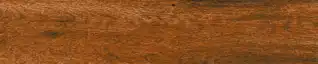
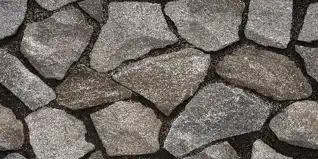
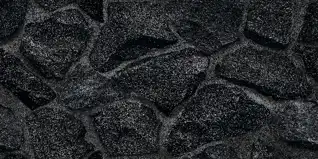
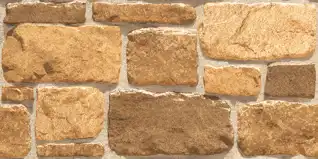
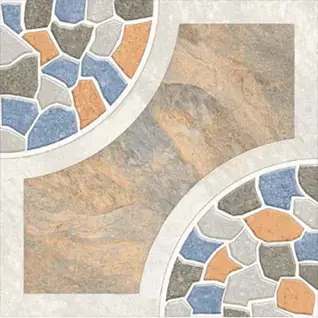
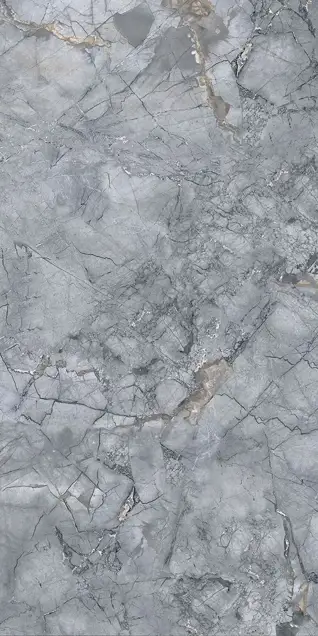

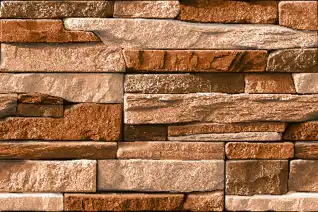
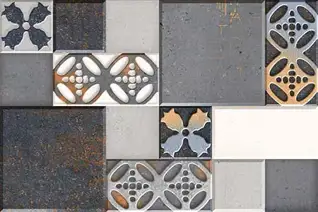
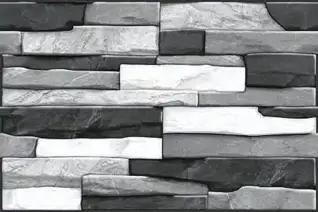
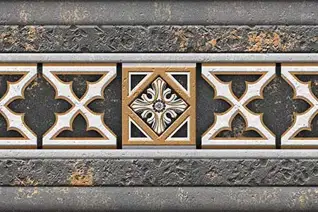
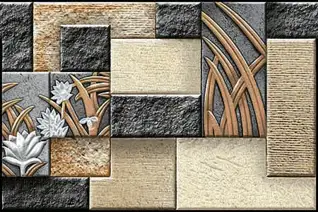
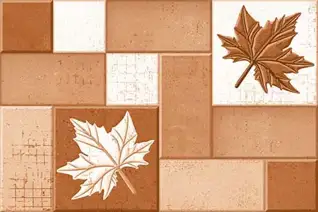
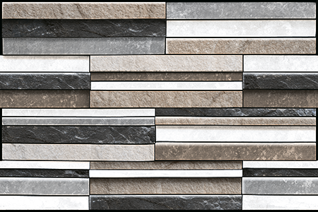
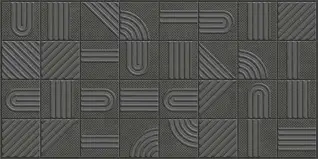
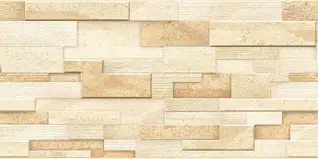
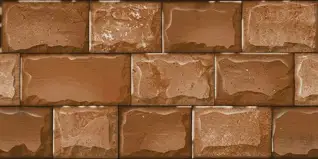
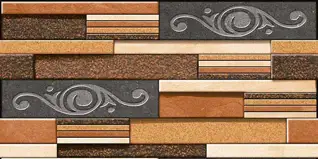
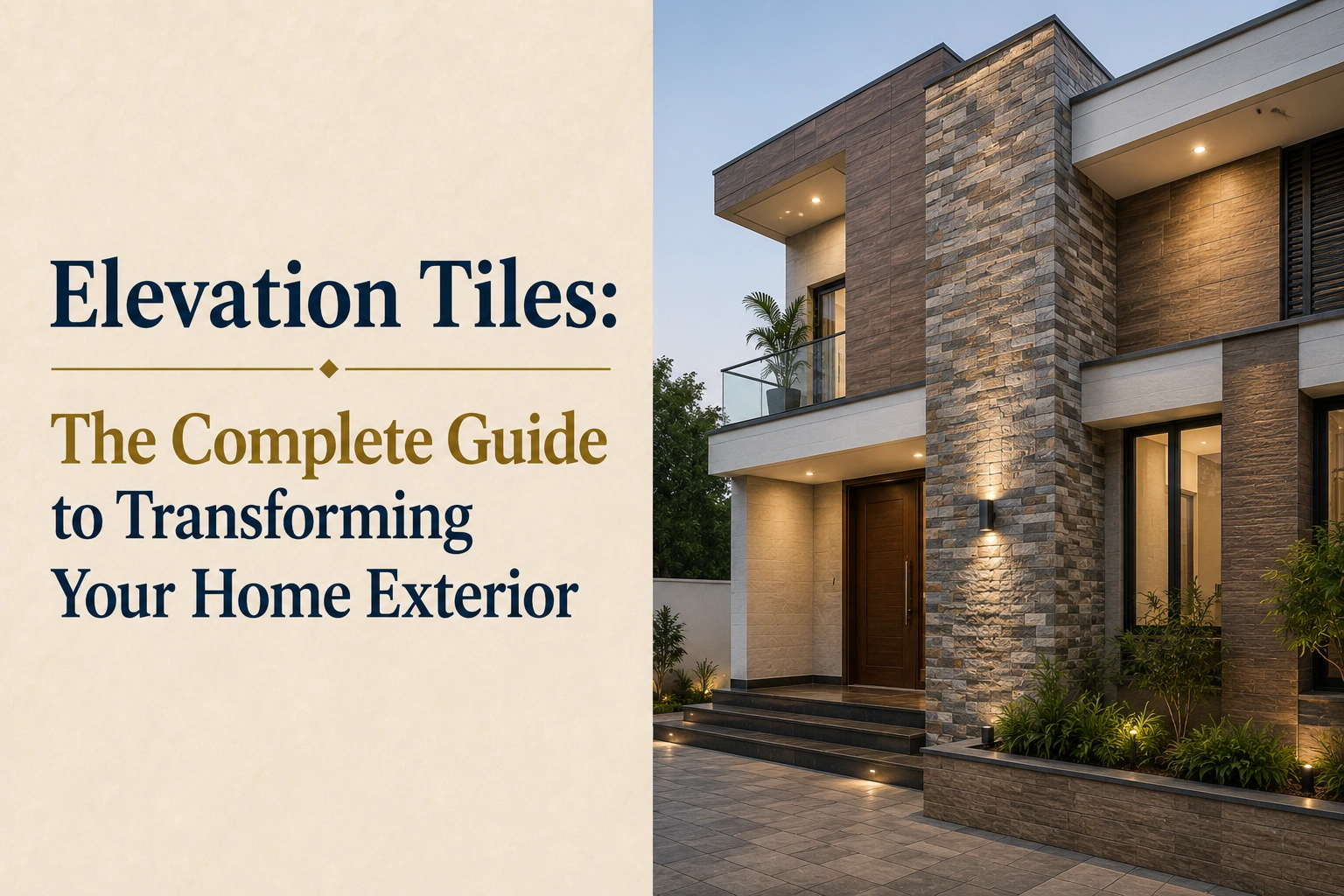
Elevation tiles are tiles fixed to the exterior vertical surfaces of a building: the front facade, boundary walls, pillars, entry panels, and outer staircases. They are not floor tiles. The job of an elevation tile is to protect the wall surface from rain, heat, and pollution while giving the building a finished appearance. In India, where monsoon rains beat against facades for four to five months every year, the choice of tile body type and finish directly affects how long the cladding holds up.
Architects, contractors, and homeowners choose elevation tile designs based on two things: technical performance and visual result. The technical side covers water absorption, frost resistance in cooler climates, and whether the finish stays safe when wet. The visual side covers the surface pattern, the colour, and the size format that fits the wall panel.
The most important specification for any tile going onto an exterior vertical surface is water absorption. Elevation walls are exposed to direct rain. A tile that absorbs water will stain, crack under freeze-thaw cycling in colder regions, and lose adhesion from the wall over time.
Glazed Vitrified Tiles (GVT) rated under IS 15622:2006 absorb less than 0.05% water. This makes them the standard body type for exterior elevation cladding in India. Ceramic tiles absorb 12% to 16% water and are not suitable for surfaces that get direct rain. If you see ceramic wall tiles used on elevations, they are placed under covered overhangs only, never on open-to-sky exterior walls.
The choice of finish on an exterior elevation wall is primarily about how the surface handles rain over time. Matte, GHR (Glossy High Relief), and textured finishes resist rain streaking and do not show mineral deposit staining from water runoff, keeping the wall clean-looking with minimal maintenance. Polished, glossy, and high-gloss finishes on an open outdoor wall will show rain streaks and white mineral deposits from hard water runoff, requiring more frequent cleaning to keep the facade presentable. For covered elevation surfaces that do not receive direct rain, such as inner portico walls or under-canopy panels, glossy and high-gloss tiles are a perfectly valid choice.
| Body Type | Water Absorption | Outdoor Elevation Safe? | Finish Options | Typical Price (Rs./sq.ft) |
|---|---|---|---|---|
| GVT | Below 0.05% | Yes, full outdoor | Matte, GHR, Textured, Matte Carving | Rs. 45 to Rs. 120 |
| Full Body Vitrified | Below 0.05% | Yes, full outdoor | Matte, Textured | Rs. 55 to Rs. 130 |
| Ceramic | 12% to 16% | Covered or shaded walls only | Glossy, Matte | Rs. 25 to Rs. 60 |
| PGVT | Below 0.05% | No, walls only (indoor) | Polished Glossy | Rs. 50 to Rs. 110 |
| Porcelain | 2% to 5% | Light shaded elevation only | Matte, Satin Matte | Rs. 40 to Rs. 90 |
Note: PGVT (Polished Glazed Vitrified Tiles) must not be used on any outdoor elevation surface. Despite their low water absorption, the polished high-gloss finish becomes hazardous when wet and is not engineered for direct weather exposure.
The surface design on elevation tiles works the same way as on any other tile category. It is a texture, pattern, or digital print pressed or fired onto a standard-size tile body. The tile is the structural element; the design is what creates the visual finish on your wall.
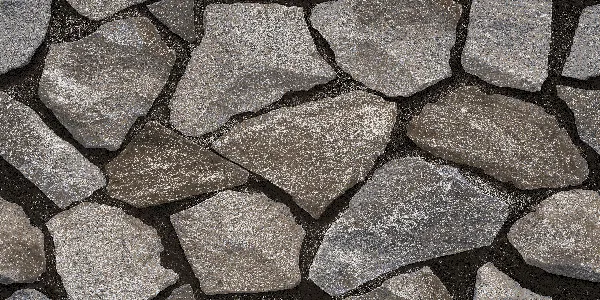
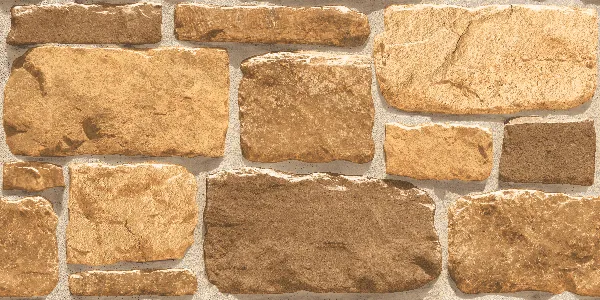
Elevation stone tiles are the most common choice for residential and commercial facades in India. They replicate the grain patterns of sandstone, slate, limestone, and quartzite at water absorption rates no natural stone can match. A GVT stone-look panel at Rs. 65 to Rs. 90 per sq.ft gives the visual weight of a stone facade without the maintenance problems of porous materials in a wet climate.
Elevation stone tile design ranges from fine-grain beige and ivory textures used on bungalow fronts to dark slate-look panels on commercial entry walls. The sizes most used for stone-look elevation cladding are 300x600mm and 600x600mm.
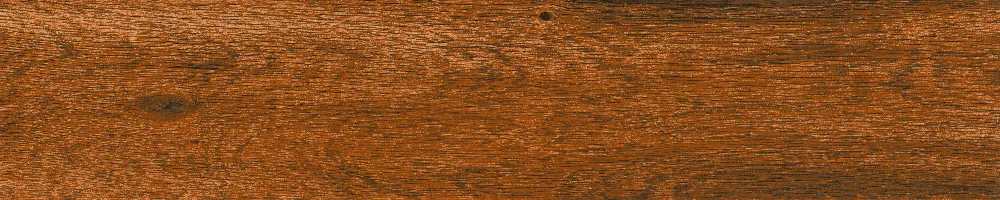
Elevation wood tiles bring a warm-toned linear texture to facade panels, entry walls, and boundary features without the rot and weathering problems of timber on Indian exteriors. Unlike painted wood or composite cladding, wood-look tiles on an exterior wall hold their colour and grain pattern through monsoon seasons. GVT wood-look tiles in 200x1200mm or 200x1000mm formats are the most used formats for vertical facade strips.
A typical wood elevation panel uses alternating tile strips in two tones of brown or grey to create the depth of timber planking. Price range for wood-look GVT elevation tiles: Rs. 55 to Rs. 95 per sq ft.
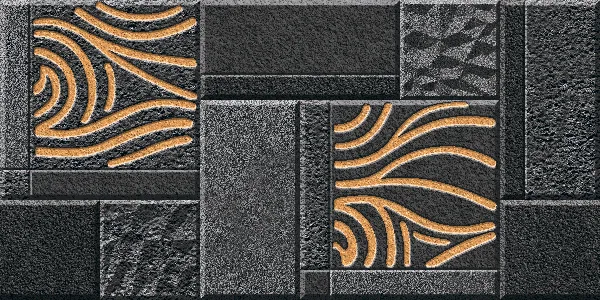
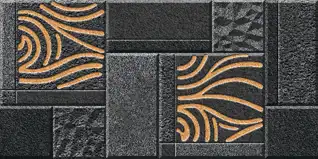
Elevation tiles 3D refers to tiles with a pronounced surface relief, including grooves, geometric ridges, wave patterns, or geometric lattice cuts pressed into the tile body before firing. The 3D effect creates shadow lines on the wall that change appearance with the light direction throughout the day.
3D elevation tiles work best on feature walls, entry pillars, and boundary panels rather than full front facades. Common body types used for 3D elevation panels are GVT with Matte Carving finish. Sizes: 300x600mm and 600x600mm. Price range: Rs. 60 to Rs. 110 per sq ft. Pair with flat outdoor tiles on adjacent floor zones for a clean finish.
Elevation flower tiles and god tiles for elevation (also called ganesh tiles for elevation) are digitally printed GVT panels made for entry gates, pooja room exteriors, and facade feature panels. The design is fired into the tile glaze at high temperature, so it does not fade with rain or UV exposure the way painted finishes do.
These tiles are typically laid as single-panel installations or in small clusters, not across full wall runs. Standard sizes: 300x600mm and 600x600mm. Price range: Rs. 45 to Rs. 80 per sq ft.
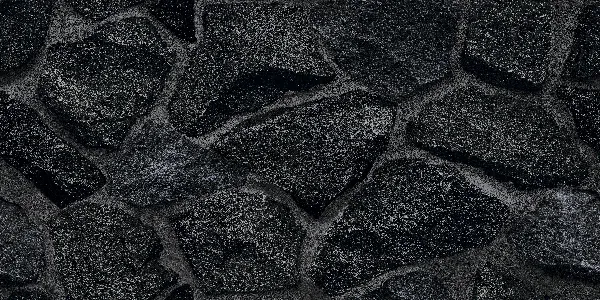
Black elevation tiles have become a standard choice for modern residential facades and commercial entry walls. A deep charcoal or true black GVT panel in matte finish gives a building a sharp, weighty look from the street. Black tiles in 600x600mm and 600x1200mm formats are the most used sizes for clean facade runs. Matte and textured black elevation panels: Rs. 55 to Rs. 100 per sq.ft.
Glossy elevation tiles are ceramic or GVT tiles with a polished or high-gloss surface. On covered exterior panels, under-canopy entry walls, and inner portico surfaces that are not exposed to direct rain, glossy tiles perform well and give the wall a light-reflective, clean finish. On open-to-sky exterior elevation walls, rain runoff on a glossy surface leaves visible streaking and mineral deposit marks that require regular cleaning to maintain appearance.
Choosing the right tile size for an elevation is not just an aesthetic decision. The size determines how many grout joints the facade will show, how the tile's weight loads onto the adhesive, and how the pattern scales to the wall height.
| Tile Size | Trade Alias | Best Use on Elevation | Visual Effect |
|---|---|---|---|
| 300x300mm | 1x1 foot | Boundary walls, garden pillars | Dense grid pattern, traditional look |
| 300x600mm | 1x2 foot | Entry walls, facade panels, feature strips | Brick-bond or stack pattern, most common |
| 600x600mm | 2x2 foot | Full facade runs, commercial fronts | Clean square grid, contemporary |
| 600x1200mm | 2x4 foot | Large facade panels, entry portals | Fewer joints, slab-like modern finish |
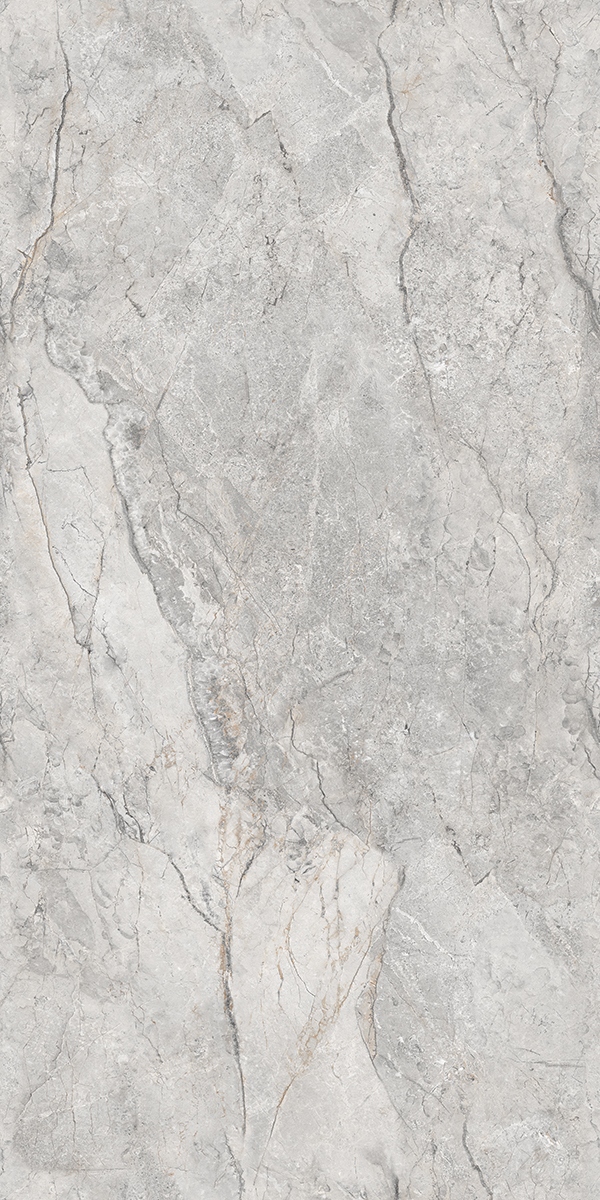
| 800x1600mm | Slab format | Feature walls, high-end commercial elevations | Minimal joint lines, architectural look |
Elevation cladding tiles are tiles fixed to an exterior wall surface using tile adhesive and grout, covering the structural wall entirely. They differ from painted plaster, stone chips, and render systems. The main advantages of tile cladding over these alternatives are water resistance at the material level, UV stability, and the ability to replicate stone or wood grain without the maintenance those natural materials require.
In the Indian construction context, tile facades cost Rs. 45 to Rs. 130 per sq.ft for the material alone. Labour for elevation tile laying runs Rs. 25 to Rs. 50 per sq.ft, depending on the pattern and height of the wall. For tiles on facade surfaces above ground floor level, the scaffolding cost is additional.
Tiles on facade surfaces that face north or east in the Indian climate last longer between cleanings than south or west-facing walls. For south and west elevations, full-body vitrified tiles with zero water absorption are the stronger specification.
| Finish | Outdoor Elevation Suitable? | Best For | Maintenance on Outdoor Walls |
|---|---|---|---|
| Matte | Yes | Full facade, any orientation | Low, rain runoff does not leave visible marks |
| GHR (Glossy High Relief) | Yes | Stone-look panels, textured feature walls | Moderate, relief texture collects dust over time |
| Matte Carving | Yes | 3D feature panels, entry walls | Moderate, carved grooves collect dust |
| Textured | Yes | Any exterior wall zone | Low |
| Glossy / High Gloss | Covered walls only | Under-canopy entry walls, inner portico surfaces | High, shows rain streaking and mineral deposits on open walls |
| Satin Matte | No, indoor only | Interior walls | Not applicable outdoors |
| Sugar Finish | No, indoor only | Interior walls | Not applicable outdoors |
GVT elevation tiles meeting IS 15622:2006 absorb less than 0.05% water by weight. In practice, this means a 600x600mm GVT panel fixed to a Mumbai or Ahmedabad facade will not absorb measurable moisture even after four months of monsoon rain. Ceramic elevation tiles, which absorb 12% to 16% water, will stain, crack at grout lines, and eventually lose adhesion on any wall that gets direct rain. The difference in long-term performance between a Rs. 45 per sq.ft GVT matte panel and a Rs. 30 per sq.ft ceramic glossy tile on an open exterior wall is significant enough that most contractors and architects now specify GVT as the minimum for any elevation surface without overhead cover.
Morbi in Gujarat produces the bulk of GVT and ceramic elevation tiles sold in India. Factories there manufacture elevation tiles in 300x600mm, 600x600mm, and 600x1200mm formats, with sizes available as large as 800x1600mm for high-end architectural facades. Typical ex-factory prices from Morbi for GVT elevation tiles range from Rs. 40 per sq ft for plain matte panels to Rs. 120 per sq ft for 3D carved or large-format stone-look tiles. Retail prices in Indian cities are 20% to 40% above ex-factory, depending on the dealer margin and transport distance from Gujarat.
Elevation tile selection involves matching the body type to the weather exposure of each wall face, then picking the finish that holds up through years of Indian monsoons. Browse stone-look, wood-look, 3D, and solid-colour GVT elevation tiles on TilesFinders and compare options by body type, finish, and size before shortlisting for your specific wall.
Elevation tiles are tiles fixed to the exterior vertical surfaces of a building, including the front facade, boundary walls, entry pillars, and outer staircases. They are made to resist rain, UV exposure, and temperature change. GVT elevation tiles absorb less than 0.05% water and are the standard choice for open exterior walls in India.
GVT matte or textured finish tiles are the best choice for home elevation in India. They absorb less than 0.05% water, rated under IS 15622:2006, and hold their appearance through monsoon seasons. Stone-look and wood-look GVT panels in 300x600mm or 600x600mm formats are the most used options for residential facades. Prices range from Rs. 45 to Rs. 100 per sq.ft.
Glossy tiles can be used on elevation walls. On covered surfaces such as under-canopy entry walls and inner portico panels that do not receive direct rain, they work well and give the wall a light-reflective finish. On open-to-sky exterior walls, rain runoff on a glossy surface leaves streaking and mineral deposit marks that require more frequent cleaning than matte or GHR finishes.
300x600mm and 600x600mm tiles are the most used sizes for residential elevation in India. Larger formats like 600x1200mm give fewer grout joints and a more slab-like look, popular in contemporary construction. The 300x600mm size is easiest to handle at height and suits brick-bond or stack-pattern layouts on entry walls and boundary panels.
Elevation tiles in India range from Rs. 25 per sq.ft for basic ceramic panels to Rs. 130 per sq ft for large-format GVT stone-look or 3D carved tiles. Most mid-range GVT elevation tiles for home facades cost Rs. 50 to Rs. 90 per sq ft at retail. Tiles are sourced primarily from Morbi, Gujarat, and prices vary by size, finish, and design complexity.
Yes. Elevation tiles are specified for exterior vertical surfaces exposed to weather, so they require water absorption below 0.05% and finishes that perform outdoors. Standard interior wall tiles, including PGVT and ceramic, are not built for direct rain exposure. Using interior wall tiles on an open exterior elevation will result in staining, grout failure, and eventual debonding within a few monsoon seasons.
Epoxy grout is a two-component grout mixed from resin and hardener instead of cement. It bonds more strongly than cement grout, is waterproof, and does not stain or crack from rain and temperature cycling. For elevation tile joints on open exterior walls, epoxy grout keeps joints intact through monsoon seasons and prevents water ingress behind the tile.
Ceramic tiles with 12% to 16% water absorption must not be used on open exterior elevation walls that get direct rain. They can be fixed on covered or shaded elevation surfaces only. On any wall face that receives direct monsoon rain, ceramic tiles will absorb water, stain at the grout lines, and lose adhesion. GVT tiles are the correct body type for open elevation surfaces.

-f1da82bc-3e84-43ae-ba89-25798aa2a206.webp)