

Cement Parking Tiles: Body Type, Thickness and Slip Rating Guide
Cement parking tiles carry the same matte, poured concrete look as the rest of TilesFinders' cement tiles range, but a parking floor asks more of a tile than any bedroom or living room ever will. Tyres concentrate a vehicle's full weight onto a small contact patch, grit gets dragged across the surface with every turn, and the floor usually sits uncovered under direct sun and monsoon rain. A tile that looks right for a driveway can still crack or turn dangerously slick within a season if the body type was chosen on looks alone. Getting cement parking tiles right the first time saves a full re-lay a year or two down the line.
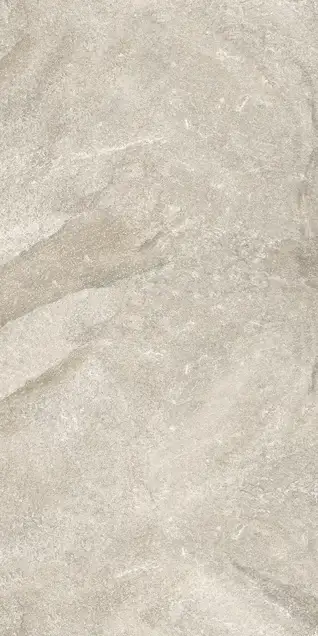
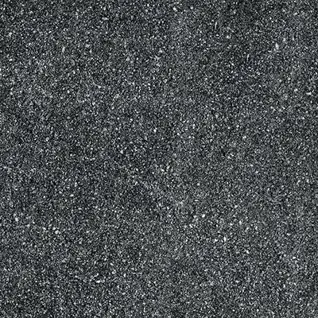
Only a narrow set of body types actually hold up under parking use. Full body vitrified with a high abrasion rating is the safest default; glazed vitrified works when the anti-skid finish is rated for outdoor exposure, and both ceramic and double charge vitrified are ruled out entirely, the first for its low impact strength and the second because it was never built to sit outdoors. Design stays practical rather than decorative on cement parking tiles: grey and taupe tones in a matte finish dominate parking areas because they hide tyre marks and oil far better than a light colour ever could.
Cement parking tiles cost Rs. 55 to Rs. 140 per sq.ft in India, with full body vitrified sitting at the upper end because of its higher abrasion and load rating. Most of this stock ships from Morbi, Gujarat, in the same size alias buyers already use elsewhere on the site, such as 1x1 feet (300x300mm) and 2x2 feet (600x600mm), though parking areas favour these smaller formats over the large slabs common on interior floors.
What Makes a Tile Fit for Parking, Not Just Outdoor Use
Four things separate a parking-safe tile from an ordinary outdoor one. Breaking strength matters more here than on any other floor, since a vitrified tile carries a minimum mechanical strength requirement under IS 15622 that a bedroom floor rarely tests, while a tyre resting or turning on one spot pushes that limit hard.
Abrasion resistance needs to sit at PEI V, the highest band on the scale, because grit trapped under tyres grinds the surface far faster than bare feet ever would. Slip resistance should carry an R11 rating under DIN 51130, since a wet, oily parking surface is more dangerous underfoot than a wet bathroom floor.
Thickness follows from all of this: indoor tiles run 8mm to 10mm, but a parking tile needs 18mm to 20mm to spread a vehicle's weight without hairline cracking, and heavier vehicles like SUVs also need a properly compacted sub-base under full body vitrified tiles, not just a thicker tile on its own.
Which Cement Tile Body Types Work for Parking
Ceramic is out entirely for this use. Its water absorption and softer body make it prone to cracking under sustained wheel load, so it has no place on a driveway even though it works fine on a light-traffic bathroom floor elsewhere in the cement tiles range. Double charge vitrified tiles are also ruled out, since this pressed body is built for dry indoor floors only and was never designed to handle direct sun, standing rain, or the temperature swings a parking area sees through an Indian summer and monsoon.
That leaves full-body vitrified as the strongest choice for daily vehicle traffic, since the colour runs through the entire tile and a tyre scuff or stone chip does not expose a lighter layer underneath. Glazed vitrified remains a workable second option where budget is tighter, provided the specific listing carries an outdoor-rated anti-skid finish rather than a standard indoor glaze.
| Body Type | Parking Suitable | Abrasion (PEI) | Slip Rating | Price (Rs./sq.ft) |
| Ceramic | No | PEI I to II | Not rated for outdoor use | Rs. 35 to Rs. 55 |
| PGVT (printed pattern) | No, wall only | Not applicable | Not applicable | Rs. 55 to Rs. 90 |
| Double charge vitrified | No, indoor only | PEI IV | R9 to R10 | Rs. 90 to Rs. 150 |
| Glazed vitrified (outdoor rated) | Yes, with rated finish | PEI IV to V | R10 to R11 | Rs. 65 to Rs. 100 |
| Full body vitrified | Yes, best choice | PEI V | R11 | Rs. 90 to Rs. 140 |
Sizes and Thickness for Cement Parking Tiles
Parking areas favour smaller, thicker formats over the large slabs that dominate indoor floors, mainly because a smaller tile distributes point load from a tyre more evenly and is cheaper to replace if one piece does crack.
Indoor cement floor tiles usually run 8mm to 10mm thick, as covered on the cement floor tiles page, but a parking floor needs roughly double that thickness, typically 18mm to 20mm, to carry vehicle weight without stress cracks forming along the edges.
Standard 300x300mm and 400x400mm sizes remain the most common choice for car parks and driveways, while 600x600mm shows up mainly in larger commercial parking bays where the sub-base has been engineered to match. A 300x300mm full body vitrified parking tile typically costs Rs. 55 to Rs. 90 per sq.ft, while a heavier duty 600x600mm option in the same body runs Rs. 100 to Rs. 140 per sq.ft.
Design and Colour Options for Parking Areas
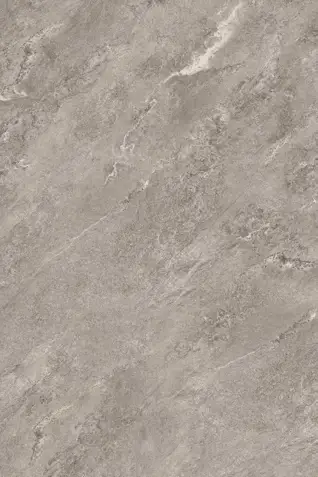
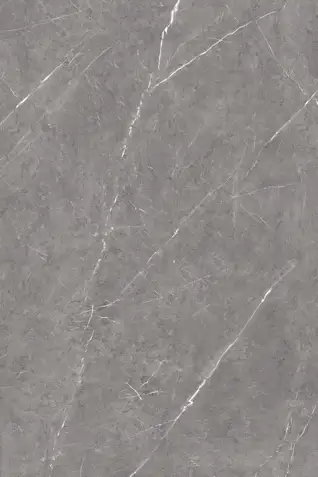
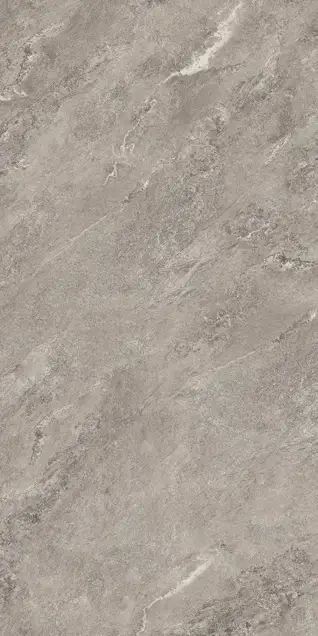
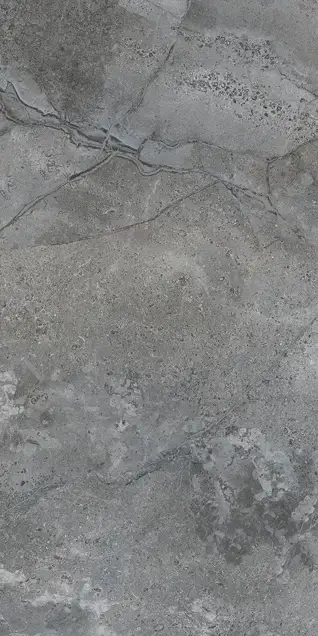
Parking tile design stays functional first. Grey remains the overwhelming favourite because it hides tyre marks, brake dust, and the occasional oil drip far better than white, beige, or any pale tone, and a matte or lightly textured surface avoids the glare and slip risk that a glossy finish would add to a wet driveway.
Patterned cement designs stay off parking floors for the same reason they stay off any floor: the printed layer wears through quickly under constant grit and tyre contact, so any visual interest usually comes from a contrasting border tile marking the parking bay edge rather than a full pattern across the surface. A few buyers add a slightly darker accent strip along wheel paths specifically because that band takes the heaviest, most repeated contact and shows wear first.
Loading designs...
-
Epsilon White 800x1200GHR -
Cotto Sentosa Eve 800x1200GHR -
President Gris 800x1200Glossy -
Ardesia Grigio (800x1600) 800x1600GHR -
Cotto Sentosa Eve (800x1600) 800x1600GHR -
Epsilon White (800x1600) 800x1600GHR -
ANJC- COTTO SEALINE CEMENT 800x1600Matte -
7357 600x1200Glossy -
7405-DK 600x1200Glossy -
7405-LT 600x1200Glossy -
SP 68 DK1 400x400Matte -
SP 68 LT1 400x400Matte -
ANORI SAGE 600x1200Posh -
motif beige 600x1200Posh -
10537-D 300x450Glossy -
10537-L 300x450Glossy -
10558-D 300x450Glossy -
10558-L 300x450Glossy -
10537-D 300x450Glossy -
10537-L 300x450Glossy













Laying Cement Parking Tiles: Slope, Drainage and Load Considerations
A parking floor needs a gentle slope, usually 1 to 2 percent, running toward a drain point, since flat parking tiles pool monsoon rainwater exactly where a car needs to sit. The sub base matters as much as the tile itself: a compacted aggregate layer under the bedding mortar keeps the surface from flexing under vehicle weight, which a standard indoor screed was never built to handle.
Expansion joints need to run more frequently than on an indoor floor, both because the area is usually larger and because a surface sitting in direct sun expands and contracts more than one protected indoors. Outdoor tiles in a parking setting also benefit from epoxy grout, since epoxy grout resists oil and fuel staining in a way ordinary cement-based grout cannot.
Note: double-charge vitrified tiles should never be used for parking or any other outdoor application, because the pressed body was never designed to handle sustained sun, rain, or temperature swings.
Cleaning a parking floor differs from cleaning an indoor one too. Oil and fuel spills should be lifted with an absorbent powder before washing rather than hosed straight into the grout lines, since that just pushes the stain deeper into a porous joint.
A pressure washer works well on the tile surface itself but should be kept on a lower setting near grout lines, since high pressure can erode ordinary cement grout over repeated washes in a way it never would indoors.
A yearly grout check, topping up any worn joints before the next monsoon, keeps water from finding its way under the tiles through a widening gap. Covered parking, such as a carport or basement bay, sees far less of this wear and can often go two to three years between grout checks instead of one.
How to Choose the Right Driveway Tile
Start with the vehicle. A two-wheeler or hatchback parking spot can work with a well-rated 300x300mm full-body tile, while a driveway that regularly sees an SUV or a larger vehicle needs both a thicker tile and a properly reinforced sub-base underneath it. Next, check whether the parking area is covered or open to the sky, since an open driveway needs the full R11 anti-skid and outdoor-rated glaze, while a covered carport has slightly more flexibility on slip rating since it stays dry.
Finally, budget for the sub-base and drainage work alongside the tile cost itself, since a GHR tiles or other anti-skid finish only performs as promised when the slope and base underneath it are done correctly. For a shared or commercial parking area with constant daily turnover, it is worth stepping up to the full PEI V and R11 combination even if a lighter rated tile would pass on paper, since the extra wear from dozens of vehicles a day adds up far faster than on a single family driveway.
Breaking Strength, Water Absorption and Regional Pricing
Cement parking tiles in full body vitrified carry water absorption under 0.05 percent under IS 15622:2006, while glazed vitrified sits under 0.5 percent, both well within range for sustained outdoor exposure across India's coastal humidity and inland heat. A 300x300mm full body vitrified parking tile typically costs Rs. 55 to Rs. 90 per sq.ft, while a 600x600mm option in the same body runs Rs. 100 to Rs. 140 per sq.ft. Most of this stock is manufactured in Morbi, Gujarat, which keeps parking tile pricing steady even during peak construction months when demand for outdoor flooring rises.
Installation for a parking floor adds Rs. 25 to Rs. 45 per sq.ft in most of Gujarat and neighbouring states, higher than a standard indoor floor because of the sub-base preparation, slope work, and drainage detailing involved. Epoxy grout adds a further Rs. 8 to Rs. 15 per sq.ft on top of standard grout, though most parking installations consider it worth the cost given the oil and fuel exposure.
Buyers sourcing directly from Morbi factories typically save on freight, though the saving matters less here than the labour cost of getting the base right. The sub-base should always be compacted and the slope checked before tiles go down, since laying a parking tile over an unlevelled or poorly drained base is the most common cause of cracking and water pooling once the Gujarat monsoon arrives. A finished parking floor should be left to cure for at least 48 hours before it takes vehicle weight, longer than the 24 to 48 hours typical for an indoor floor.
Get the Parking Floor Right the First Time
A driveway does not get a second chance once the tiles are set in place, so getting the body type and thickness right matters more here than the finish photo ever will. Full body vitrified with an R11 anti-skid rating and PEI V abrasion class covers nearly every Indian parking scenario without a maintenance headache later. TilesFinders lists the rated body type, thickness, and slip class on every parking tile listing, so the choice can be made before the vehicle is already parked on a cracked floor. Get the body type and base right once, and the driveway stops being something you worry about every monsoon.
FAQs
Parking tiles should run 18mm to 20mm thick, roughly double a standard indoor floor tile. This extra thickness spreads a vehicle's weight across the tile and sub-base instead of concentrating it under the tyre, which is what causes hairline cracks in thinner tiles.
No, ceramic is not suitable for parking areas. Its higher water absorption and softer body crack under sustained wheel load, so full body or glazed vitrified with a rated abrasion and slip class should be used instead.
No, double charge vitrified should never be used for parking or any outdoor application. The pressed body was designed for dry indoor floors only and cannot handle sustained sun, rain, or temperature swings without damage.
This flooring costs Rs. 55 to Rs. 140 per sq.ft in India, depending on size and body type. A 300x300mm full body vitrified tile sits at the lower end, while larger 600x600mm heavy duty options sit closer to the top.
Yes, a parking floor needs a 1 to 2 percent slope toward a drain point. Without this slope, monsoon rainwater pools on the surface instead of draining away, which speeds up staining and can undermine the sub-base over time.
Grey works best for parking areas because it hides tyre marks, brake dust, and oil drips far better than lighter tones. A matte or lightly textured grey finish also avoids the glare and slip risk that a glossy surface would add.
They should not be if rated correctly. Look for an R11 anti-skid rating under DIN 51130 specifically, since a standard indoor slip rating is not enough for a parking surface that regularly sees rain, oil, and standing water.
Yes, when the tile is full-body vitrified at 18mm to 20mm thickness and laid over a properly compacted sub-base. Heavier vehicles like SUVs need both the thicker tile and a reinforced base, not the tile alone.