

Cement Floor Tiles: Slip Rating, Body Type and Room Guide
Cement floor tiles bring the plain, matte finish of poured concrete to Indian floors without the porosity and staining problems of real cement. They sit inside TilesFinders' wider cement tiles range, but this page narrows down to what actually matters for a floor: slip resistance, abrasion rating, and which body types can safely carry foot traffic day after day. A wall tile with the right cement look can still be the wrong choice for a floor, and that distinction is where most buying mistakes happen.
For flooring, the safe body types are ceramic in small formats, glazed vitrified, and full body or double charge vitrified, each rated for a different level of foot traffic and moisture exposure. Design options for the floor itself run from a plain grey cement floor tile finish to a lightly textured cement effect floor tile, while heavily patterned designs stay off the floor entirely because that printed layer cannot survive daily wear. Large cement floor tiles in large format vitrified slabs are increasingly common in living rooms and terraces, since fewer grout lines leave less place for grit and water to sit.
This flooring costs Rs. 45 to Rs. 160 per sq.ft in India depending on body type and size, with ceramic floor tiles at the lower end and large format vitrified at the top. Most of this flooring stock ships from Morbi, Gujarat, and is sold using the same size aliases buyers already know, such as 2x2 feet (600x600mm) and 2x4 feet (600x1200mm).
What Makes a Tile Floor Safe, Not Just Floor Look
Two ratings decide whether a tile belongs on a floor, and neither is the IS water absorption figure most buyers check first. Slip resistance is tested separately, usually quoted as an R rating under DIN 51130, and a floor exposed to water needs at least R10, with R11 preferred for bathrooms and terraces.
Abrasion resistance is graded under the PEI scale from I to V, and a residential cement tile floor should sit at PEI III or above, moving to PEI IV or V for kitchens, entryways, and any space with constant foot traffic. Standard floor thickness runs 8mm to 10mm for indoor use, rising to around 20mm for outdoor pavers that need to bear vehicle or heavy furniture loads.
For anti-skid demands specifically, a GHR finish, short for Glazed High Relief, is built for exactly this job, with a textured surface that grips underfoot even when wet, and TilesFinders lists GHR tiles as a dedicated floor safe option for exactly this reason. The R number itself refers to the ramp angle at which a wet test surface starts to slip during testing: R9 covers a shallow incline suited to dry living rooms, while R10 and R11 hold grip on steeper inclines and suit bathrooms, kitchens, and outdoor floors where water pools underfoot.
Water absorption still matters underneath all of this: full body and double charge vitrified sit under 0.05 percent under IS 15622, glazed vitrified stays under 0.5 percent, and ceramic runs from 3 to 10 percent under IS 13630, which is why ceramic needs the most caution on a floor.
Which Cement Tile Body Types Are Floor Rated
Not every body type that carries a cement finish is meant for a floor. PGVT, the digitally printed pattern body used for detailed cement look designs, is a wall-only product and should never be laid on a floor, wet or dry, because its print layer sits on the surface and wears through within months under foot traffic.
Ceramic tiles in this finish are floor rated only in select cases, mainly 300x300mm sizes in light traffic bathrooms, since ceramic's higher water absorption and softer surface make it a poor match for busier rooms. Double charge vitrified tiles work well on dry indoor floors, where the colour runs straight through the body so a chip does not show a white patch underneath, but this body should never go outdoors and never onto a bathroom floor, since sustained moisture and temperature swings work against how it is pressed.
Glazed vitrified remains the most flexible choice, rated for both indoor and outdoor use when the surface finish carries an anti-skid rating.
| Body Type | Floor Rated | Typical Slip Rating | Best Room | Price (Rs./sq.ft) |
| PGVT (printed pattern) | No, wall only | Not applicable | Feature walls only | Rs. 55 to Rs. 90 |
| Ceramic (300x300mm) | Limited | R9 to R10 | Light traffic bathroom floor | Rs. 35 to Rs. 55 |
| Glazed vitrified (GVT) | Yes, indoor and outdoor | R10 to R11 with anti-skid finish | Living room, kitchen, terrace | Rs. 60 to Rs. 110 |
| Full body vitrified | Yes, indoor and outdoor | R10 to R11 | Kitchen, terrace, heavy traffic | Rs. 90 to Rs. 160 |
| Double charge vitrified | Indoor dry floors only | R9 to R10 | Living room, bedroom | Rs. 90 to Rs. 150 |
Room by Room: Bathroom, Kitchen and Terrace Floor Requirements
Cement tiles for bathroom floor use are entirely about water. The floor should carry an R10 or R11 rating, epoxy grout should go in every joint to stop mould and staining during humid months, and ceramic should only appear in 300x300mm format on a light traffic bathroom floor rather than as a full body option.
Cement tile kitchen floor use faces a different threat: dropped pans, knives, and constant grease. A full-body or double charge vitrified floor absorbs impact better than ceramic and will not show white chip marks, while the dense surface wipes clean of oil far faster than a porous grout line ever could.
Cement tiles for terrace flooring need to survive direct sun, standing monsoon water, and daily temperature swings between a hot afternoon and a cool night, which rules out double charge vitrified entirely and points toward full body or glazed vitrified outdoor tiles with a confirmed R11 rating and generous expansion gaps at the room boundary.
Note: double charge vitrified tiles should never be used outdoors or in a bathroom, because the pressed body was not designed to handle sustained moisture or temperature swings. A quick way to check this before ordering is the product listing itself: TilesFinders marks the recommended room and slip rating on every floor tile page in this finish, so the outdoor or bathroom suitability does not need to be guessed from the finish photo alone.
Loading designs...
-
Epsilon White 800x1200GHR -
Cotto Sentosa Eve 800x1200GHR -
President Gris 800x1200Glossy -
Ardesia Grigio (800x1600) 800x1600GHR -
Cotto Sentosa Eve (800x1600) 800x1600GHR -
Epsilon White (800x1600) 800x1600GHR -
ANJC- COTTO SEALINE CEMENT 800x1600Matte -
7357 600x1200Glossy -
7405-DK 600x1200Glossy -
7405-LT 600x1200Glossy -
SP 68 DK1 400x400Matte -
SP 68 LT1 400x400Matte -
ANORI SAGE 600x1200Posh -
motif beige 600x1200Posh -
10537-D 300x450Glossy -
10537-L 300x450Glossy -
10558-D 300x450Glossy -
10558-L 300x450Glossy -
10537-D 300x450Glossy -
10537-L 300x450Glossy


















Sizes for Cement Floor Tiles
Compact 300x300mm and standard 600x600mm formats remain common in bathrooms and kitchens, largely because they are easier to cut around fittings and cheaper to replace if one piece cracks.
Large format pieces in 600x1200mm and 800x1600mm reduce the number of grout lines across a living room or terrace floor, which matters because grout joints are where grit, water, and stains collect fastest on a floor.
The largest formats, 1200x1800mm and 1200x2400mm, are vitrified rather than porcelain, even though the market still calls this a cement-look porcelain floor tile or cement porcelain floor tile, and these sizes need at least two installers and mechanical lifting gear to lay flat without cracking during transport.
A same-finish 600x600mm tile typically costs Rs. 45 to Rs. 70 per sq.ft, while an 800x1600mm slab in the same body runs Rs. 110 to Rs. 160 per sq.ft, with the price gap coming from the extra care large format pressing and firing demand.
Grey and Patterned Floor Design Options
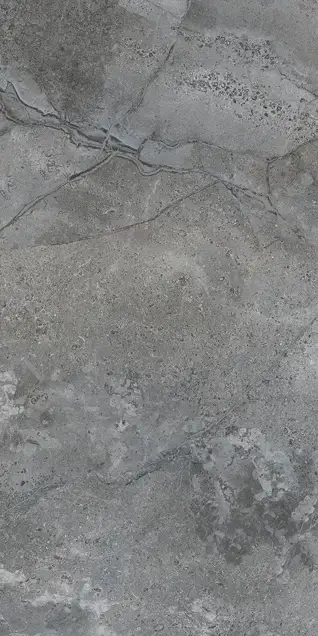
Because printed pattern tiles stay off floors entirely, design variation on a cement tile floor comes from tone and texture rather than print. A grey cement floor tile in a warm or cool undertone remains the most common choice because it hides scuff marks and pairs with almost any furniture colour.
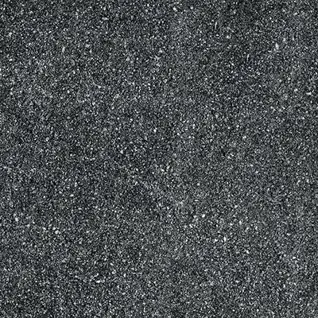
Warm grey undertones read better under yellow tungsten lighting common in Indian living rooms, while a cooler grey suits spaces lit mostly by daylight or white LED fixtures. Cement-style floor tiles that add subtle texture, such as a light ripple or sandy grain, break up an otherwise flat surface without introducing a pattern that would wear through underfoot.
For buyers who still want visual interest, pairing a plain grey tile floor with a patterned cement accent on an adjoining wall keeps the pattern where it can actually survive, while the floor itself stays practical and low maintenance.
Laying and Maintenance for Cement Floor Tiles
A cement tile floor is only as good as the base underneath it. The subfloor should be levelled to within about 3mm over any 2-metre span before laying starts, since an uneven base is the single biggest cause of cracked tiles and lippage.
Large format ceramic tiles and vitrified slabs both need a full bed of tile adhesive rather than dabs in the corners, since hollow spots under a floor tile crack much faster under foot traffic and furniture weight than the same gap under a wall tile.
Spacers of 2mm to 3mm keep grout lines consistent, and expansion joints should run every 3 to 4 metres, or wherever the floor meets a wall or door threshold, since cement tiles expand slightly in Indian summer heat and contract again once the monsoon cools things down.
Epoxy grout is worth the extra cost on any floor that sees water, since it resists staining far better than cement-based grout. A mid grey grout, rather than pure white, also hides everyday dirt between joints for longer, which matters more on a floor than it ever does on a wall. Once laid, a cement tile floor needs about 24 to 48 hours of cure time before it takes regular foot traffic, and ongoing care is simple: a pH-neutral cleaner and a soft mop keep the matte surface looking new, while acidic cleaners can dull a ceramic grout line over time.
Choosing the Right Floor for Your Space
Start with the wettest room first. A bathroom or terrace floor needs an R10 or R11 rating and a body type rated for moisture, which rules out double charge vitrified immediately. A kitchen floor benefits from a full body finish that hides impact marks, while a living room or bedroom floor has more freedom to prioritise size and tone since moisture and impact are less of a concern.
Once the body type is settled, pick a size based on room shape: large formats suit open spaces with fewer breaks, while standard 600x600mm pieces are easier to work around fixtures and doorways in smaller rooms. Budget the grout and labour separately from the tile price too, since a full body vitrified floor with epoxy grout and professional laying can add another 25 to 35 percent on top of the material cost before the room is ready to walk on.
Water Absorption and Installation Cost
Cement floor tiles rated for wet or heavy traffic areas carry water absorption under 0.5 percent as glazed vitrified, or under 0.05 percent as full body and double charge vitrified, both tested to IS 15622:2006, while the ceramic version runs 3 to 10 percent under IS 13630 and stays limited to light traffic bathroom use.
A 2x2 feet (600x600mm) ceramic tile in this finish costs Rs. 45 to Rs. 70 per sq.ft, while a large format 800x1600mm vitrified slab in the same finish runs Rs. 110 to Rs. 160 per sq.ft. Most of this flooring stock is manufactured in Morbi, Gujarat, and dispatched nationwide, keeping large format flooring pricing steady even during peak construction season.
Installation adds Rs. 18 to Rs. 32 per sq.ft to a cement tile floor in most of Gujarat and neighbouring states, with large format 1200x1800mm floor pieces sitting at the top of that range because of the extra labour and lifting gear involved.
Buyers sourcing directly from Morbi factories typically save on the freight portion of the bill, though this varies by distance and order size. The sub floor should always be levelled and cured before laying begins, since laying a floor tile over an uneven or damp base is the most common cause of cracking within the first year, especially once the Gujarat monsoon starts working moisture into any gap in the screed. A finished cement tile floor should be left to cure for 24 to 48 hours before it takes daily foot traffic.
Get the Floor Right the First Time
A floor gets one first impression and then years of daily wear, so the body type matters more here than almost any other buying decision on a tile page. Full body or glazed vitrified in a matte, anti-skid finish covers most Indian rooms without a maintenance headache. TilesFinders lists every floor tile by its rated body type, slip rating, and size, so buyers can match the tile to the room before ordering rather than after a crack shows up. Get the body type right once, and the floor stops being something you think about at all.
FAQs
They can be if the finish lacks an anti-skid rating. Look for tiles rated R10 or R11 under DIN 51130 for bathrooms and outdoor floors, since a plain matte cement finish without this rating still turns slick once water sits on the surface.
Only in select cases, mainly 300x300mm sizes on light-traffic bathroom floors. Ceramic absorbs more water than vitrified and wears faster underfoot, so full body or glazed vitrified is the safer default for kitchens, living rooms, and any floor with regular traffic.
Full body or double charge vitrified works best for kitchen floors because the colour runs through the tile. Dropped pans and knives do not leave a visible white chip mark, and the dense surface wipes clean of oil and grease faster than a porous ceramic floor.
Yes, but only glazed or full-body vitrified rated for outdoor use, never double-charge vitrified. Outdoor pieces need an R11 anti-skid rating, generous expansion joints, and epoxy grout to survive direct sun and standing monsoon water.
Indoor tiles in this finish usually run 8mm to 10mm thick, which is enough for normal residential foot traffic. Outdoor pavers and terrace tiles often go up to 20mm, since the extra thickness helps them handle vehicle weight, furniture, and temperature swings without cracking.
Most floor tiles in this finish need 24 to 48 hours of cure time after laying before regular foot traffic. Walking on the floor too early can shift tiles out of alignment or create hollow spots underneath, both of which show up as cracks within the first year.
Compact 300x300mm or 600x600mm sizes work best for small bathrooms since they are easier to cut around fittings and fixtures. Large format tiles look striking but generate more offcut waste in a tight, irregularly shaped bathroom floor plan.
No, grey cement flooring hides everyday scuff marks and dust better than white or black floors. This is one reason grey remains the most popular colourway for cement tile flooring in high-traffic Indian homes.