
Stylish Kitchen Backsplash Ideas That Are Easy to Clean
Upgrade your kitchen with beautiful, practical, easy-clean backsplash ideas—from glossy classics ...


Loading designs...
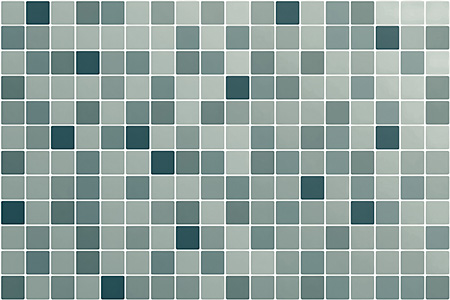
Gold mosaic tiles are small-format individual pieces laid to cover any surface. This format allows gold mosaic tiles to go where full-size gold tiles cannot: inside shower niches with inside corners, around pool inlets with curved edges, on backsplash panels interrupted by tap fittings and socket boxes, and on feature wall areas with irregular shapes.
Gold mosaic tiles in India come in glass, vitrified, ceramic, and natural stone body types, with piece sizes from 1 cm to 5 cm, at prices from Rs. 110 per sq.ft for ceramic gold mosaic tiles to Rs. 500 per sq.ft for hand-cut gold glass mosaic tiles. The body type determines where the gold mosaic tiles are safe to use. Choose the body before choosing the colour or pattern.
Match your surface to the correct gold mosaic tile body before looking at colours or patterns.
Gold Glass Mosaic Tiles Wet-safe: Yes - 0% water absorption, chlorine-resistant | Price: Rs. 180 to Rs. 500/sq.ft | Best for: Pool surrounds, shower floors, backsplashes, feature walls | Avoid: Any floor with heavy point load (too fragile)
GVT Gold Mosaic Tiles Wet-safe: Yes - 0.5% to 3% water absorption | Price: Rs. 150 to Rs. 320/sq.ft | Best for: Shower floors, bathroom walls, kitchen backsplashes, feature walls | Avoid: Pool surrounds needing chlorine resistance
Ceramic Gold Mosaic Tiles (IS 13630) Wet-safe: Dry zone only - 12% to 16% water absorption | Price: Rs. 110 to Rs. 200/sq.ft | Best for: Dry feature walls, dado accents, living room borders | Avoid: Shower, pool, kitchen backsplash behind hob, any wet surface
Natural Stone Gold Mosaic Wet-safe: Sealed indoor surfaces - 2% to 8% water absorption | Price: Rs. 280 to Rs. 600/sq.ft | Best for: Dry feature walls, spa areas (sealed), indoor floors | Avoid: Outdoor surfaces, direct shower water, pool surround
The piece size of a gold mosaic tile determines the grout joint frequency, the scale of the pattern repeat, and the visual texture of the finished surface. Most buyers choose by colour first and piece size second. The order should be reversed: piece size affects grip, cleanability, and visual scale more than colour does.
| Piece Size | Grout Joints per 30x30 cm Area | Visual Effect | Best Surface | Avoid On |
| 1 to 2 cm | Very high density | Fine-grain gold texture, maximum grip underfoot | Shower floors, pool surrounds, wet room floors | Living room feature walls (looks busy at distance) |
| 2 to 3 cm | High density | Clear gold pattern visible from 1 m | Shower floors, shower walls, bathroom niches | Dry living room walls where coarser pattern suits better |
| 3 to 5 cm | Medium density | Pattern reads clearly from 2 m, less grout to clean | Kitchen backsplashes, bathroom feature walls, floor borders | Shower floors (less grip than finer mosaic) |
| 5 cm | Lower density | Statement pattern, individual pieces visible | Feature walls, dado borders, floor border strips | Shower floors and any wet surface needing maximum grip |
Pro tip: For a gold mosaic tiles bathroom installation that covers both the shower floor and the feature wall, use two different piece sizes. Specify 2 cm pieces for the shower floor (maximum grout joint density, best grip) and 4 to 5 cm pieces for the feature wall (pattern reads clearly from across the bathroom). Using the same piece size on both surfaces is the most common mistake in Indian bathroom mosaic tile projects: the shower floor reads as too coarse, and the wall reads as too fine.
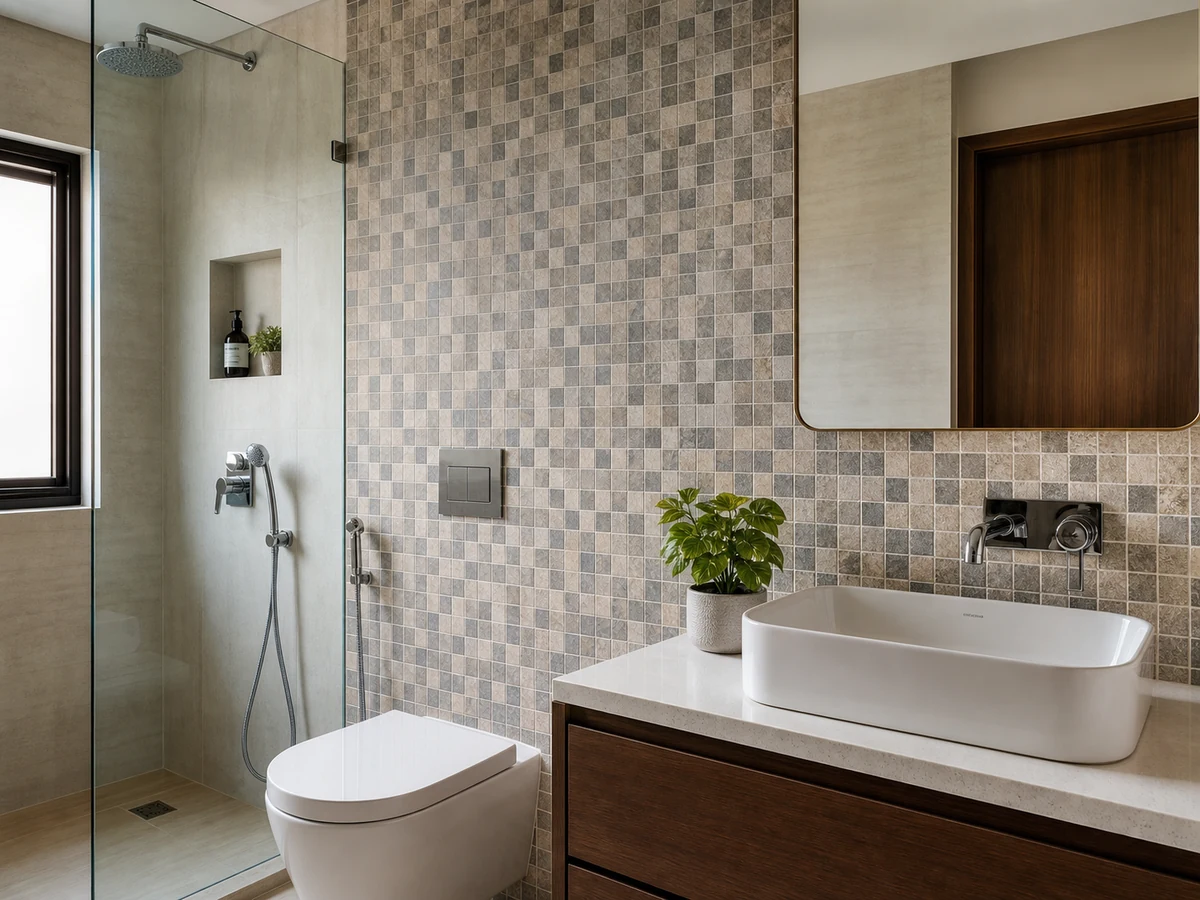
Gold mosaic tiles bathroom installations are the most searched application for this tile format in India. The small-format mosaic tile covers shower niches, curved alcoves, and inside corners of shower enclosures that single gold tiles cannot reach cleanly. A shower niche in gold glass mosaic tiles with 2 cm pieces in a vitrified or glass body picks up the light from a shower downlight and distributes it across the niche surface in a way no plain tile can match.
For gold mosaic tiles bathroom use on shower floors, the body must be vitrified at 0.05% water absorption certified to IS 15622:2006 with GHR finish at R11 slip resistance. Gold glass mosaic tiles in the same vitrified specification meet both requirements: the glass surface is 0% water absorption and non-porous. At Rs. 200 to Rs. 380 per sq.ft for the glass body and Rs. 150 to Rs. 280 per sq.ft for vitrified body, these tiles on the shower floor are the most cost-effective way to bring the gold bathroom tile look to the surface with the most tactile impact underfoot.
Gold mosaic wall tiles on a bathroom feature wall behind the vanity or bath surround use a different approach. On a dry bathroom feature wall, ceramic gold mosaic tiles (IS 13630) are safe and cost Rs. 110 to Rs. 200 per sq.ft. On a wet bath surround or shower wall, only GVT or glass gold mosaic wall tiles at 0.5% to 3% water absorption are safe. Indian bathroom humidity during monsoon months, which runs 80% to 95% in coastal cities and 65% to 80% in interior cities like Ahmedabad and Pune for 4 to 5 months per year, makes epoxy grout the only grout that maintains its colour and mould resistance in any wet zone bathroom mosaic installation.
Gold glass mosaic tiles are the most water-resistant option in the gold mosaic range available in the Indian market. The glass body does not absorb water, does not require sealing, and maintains its reflective gold surface without any special maintenance beyond regular wiping with a pH-neutral cleaner. Glass body mosaic tiles absorb 0% water, resist chlorine, and do not stain with pool chemicals. This makes gold glass mosaic tiles the standard specification for pool surrounds, infinity edges, and wet room applications where the tile is in contact with water permanently rather than intermittently.
In India, gold glass mosaic tiles for pool surrounds are produced by specialist glass mosaic manufacturers in Mumbai and imported from suppliers in Spain and China through distributors in Bangalore and Hyderabad. The price range is Rs. 200 to Rs. 500 per sq.ft depending on the gold shade, piece size, and surface finish of the glass. A honey gold glass mosaic at Rs. 220 per sq.ft in 2 cm piece size suits a residential swimming pool surround and gives a warm gold reflection across the pool water that is distinctly different from plain white or grey pool tile.
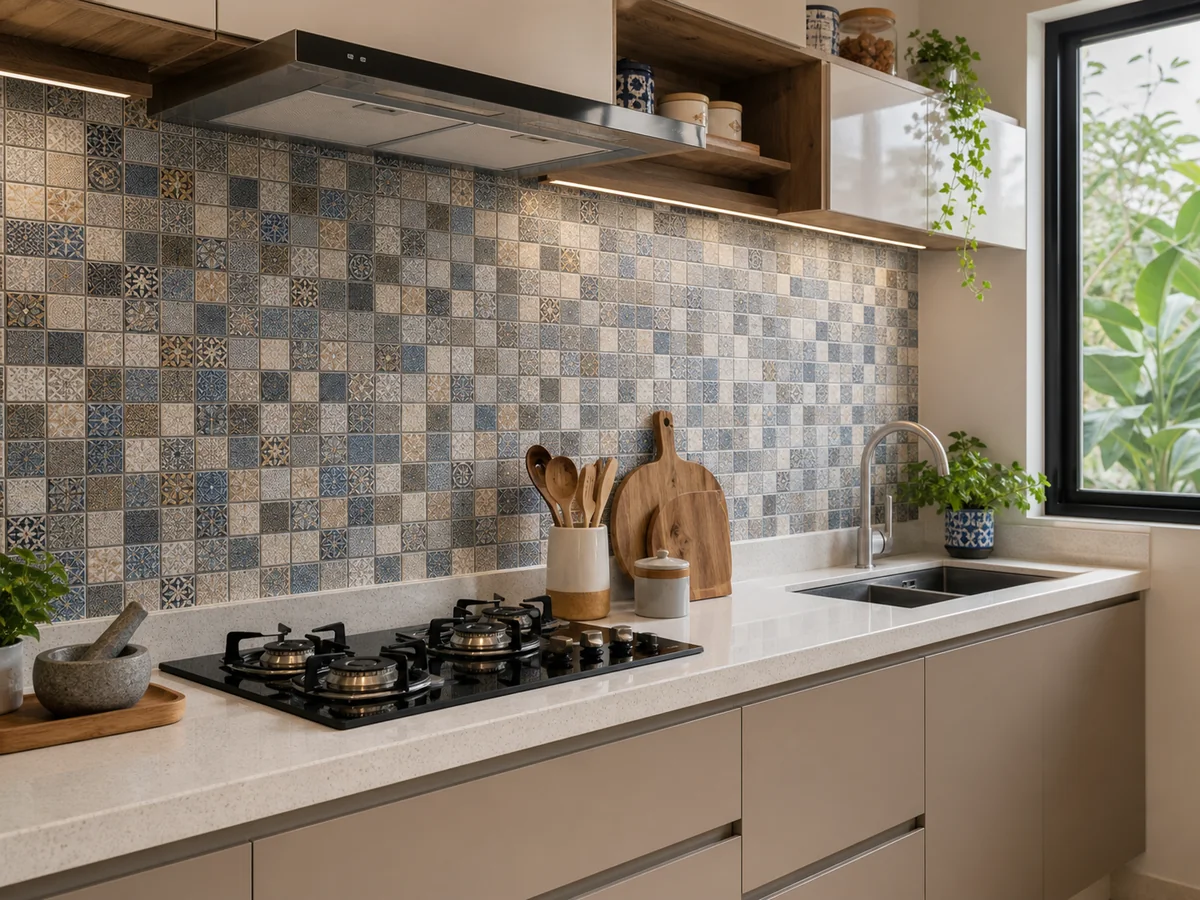
Gold glass mosaic for kitchen backsplash applications works at Rs. 180 to Rs. 350 per sq.ft. The smooth glass surface wipes clean of cooking grease in one wipe, which is the critical cleanability requirement for a kitchen backsplash mosaic installation. The gold colour in a glass mosaic backsplash tile comes from a gold foil or metallic backing behind the transparent or translucent glass piece. This backing layer is sealed within the glass and does not degrade with cooking steam or cleaning liquids when the correct glass mosaic body is specified.
The colour range for gold mosaic tiles in India spans the full golden tile family. Each colour creates a different visual effect at the mosaic piece scale.
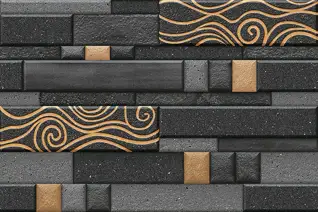
Black and gold mosaic tile pieces combine black and gold tones in a star, arabesque, or random mix pattern. The high-contrast combination between the black and gold pieces creates a visual intensity that reads clearly from across a room. Black and gold mosaic tile in glass body at Rs. 240 to Rs. 400 per sq.ft is the most dramatic backsplash and shower niche gold mosaic tile option in the Indian market. The same pattern in ceramic bodies at Rs. 130 to Rs. 200 per sq.ft is safe for dry feature walls only.
White gold mosaic tiles combine off-white or cream pieces with gold accent pieces in a star or geometric repeat. The white gold mosaic tiles look softer than the black-and-gold version and suits Indian bathrooms where the gold element needs to add warmth without darkening the space. White gold mosaic tiles in GVT body at Rs. 160 to Rs. 280 per sq.ft are widely stocked by Morbi manufacturers in Gujarat in small-format pieces for both bathroom and kitchen applications.
Rose gold mosaic tile is the softest and most understated variant in this range. The rose gold tone sits between warm pink and champagne gold. It pairs naturally with white sanitary ware, brass or antique gold fittings, and blush, ivory, or sage wall paint, making it the most colour-flexible tone in the gold mosaic range for Indian residential bathrooms. Rose gold mosaic tile in glass body at Rs. 200 to Rs. 380 per sq.ft is the top specification for master bathroom feature walls in Indian residential projects where a warm, non-traditional gold tone is required. Rose gold mosaic tile in ceramic body at Rs. 120 to Rs. 200 per sq.ft suits dry feature panels in bedrooms and living rooms.
Calacatta gold mosaic tile brings the calacatta gold marble pattern to the mosaic format. Each piece carries a section of the white-base, gold-vein print. When assembled, the area creates a small-scale Calacatta Gold marble surface. Calacatta gold mosaic tile in GVT body at Rs. 180 to Rs. 300 per sq.ft suits shower niches, bathroom dado bands, and kitchen backsplash panels where the calacatta gold print from the full-size floor and wall tile carries into a smaller decorative element.
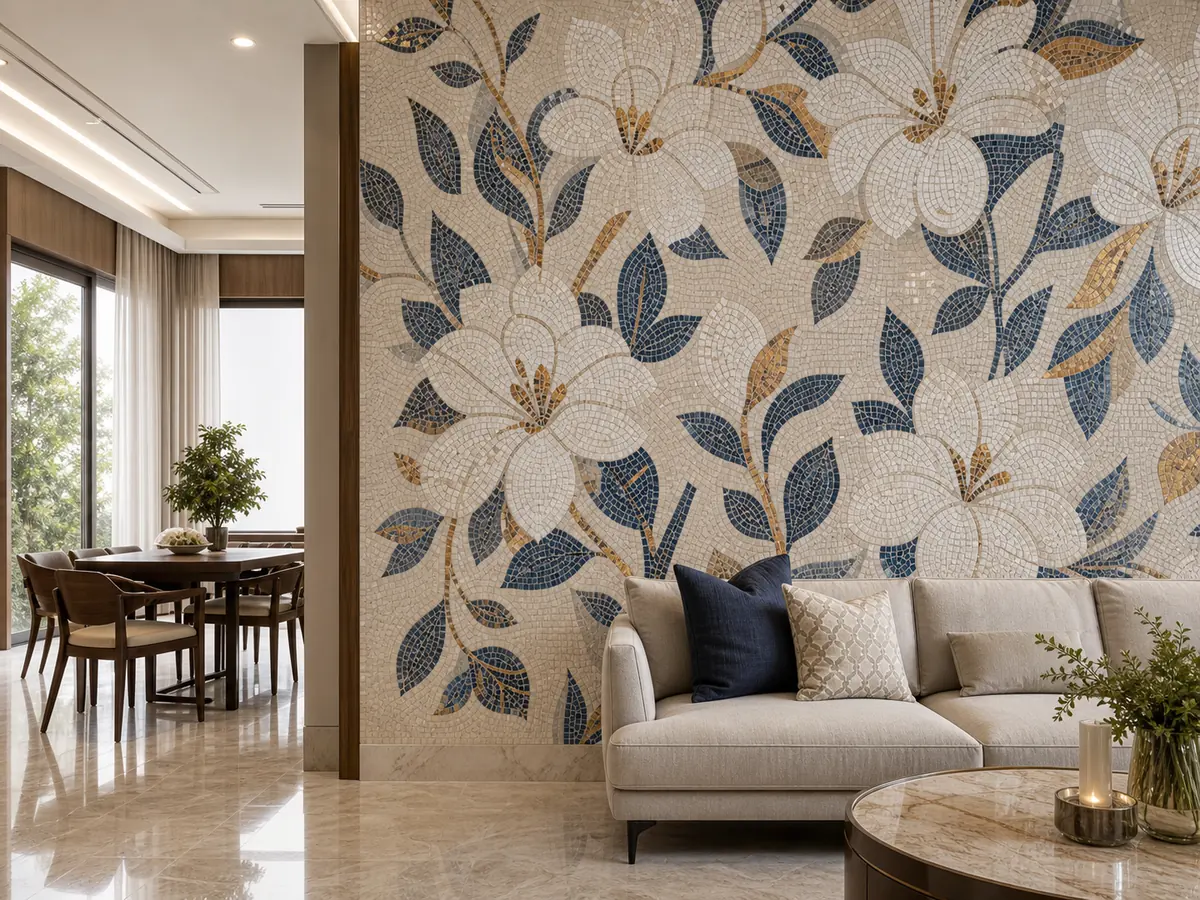
Blue and gold mosaic tiles combine deep blue and gold pieces in geometric star or arabesque patterns. The combination sits in the traditional Moroccan colour palette applied to the gold mosaic tile format. Blue and gold mosaic tiles in glass or GVT body at Rs. 200 to Rs. 380 per sq.ft are used on kitchen backsplashes, bathroom feature walls, and pool surrounds where a bold, colour-rich alternative to plain gold mosaic is needed.
Installation failures with gold mosaic tiles in Indian projects come down to four specific reasons, all of which are preventable if addressed before laying begins.
The first is batch colour variation. Gold mosaic tiles are more colour-sensitive between production batches than single tiles because the small piece size amplifies any glaze tone difference between batches. Gold mosaic tiles from batch A and tiles from batch B can look identical in the showroom under fluorescent light and show a visible tonal shift on the wall under the room's natural light. Always open every box before installation and mix tiles from multiple boxes rather than completing one box before opening the next. Order all tiles for a single surface from the same batch number confirmed on the box label, not the supplier's verbal assurance.
The second is grout haze. Epoxy grout haze on gold mosaic pieces is the most difficult surface residue to remove in any tile installation. Epoxy grout cures chemically and bonds to the tile glaze within 30 to 45 minutes of application. On gold glass mosaic tiles and glossy GVT mosaic pieces, cured epoxy haze dulls the gold surface and cannot be removed without abrasive cleaning that damages the glaze. Wipe each section with a barely damp sponge immediately after grouting, before the epoxy begins to set. Never grout more area than can be wiped in 20 minutes.
The third is incomplete adhesive coverage. Gold mosaic tiles have many individual pieces, each with a small back surface. When the adhesive is applied only to the wall or floor substrate, individual pieces can have hollow spots beneath them that crack under point load. Apply adhesive to the substrate with a notched trowel, then also spread a thin coat on the back of each mosaic piece before pressing it firmly into position. Full contact between the adhesive and the tile back prevents hollow spots that crack under point load.
The fourth is monsoon season installation. Gujarat and coastal Indian states experience 80% to 95% humidity for 4 to 5 months annually. Standard C2 tile adhesive takes 24 to 48 hours to cure in normal conditions but can take 72 to 96 hours in peak monsoon humidity. Removing the paper face of a gold mosaic tile before the adhesive has reached sufficient tack causes individual pieces to shift. In monsoon months, allow at least 48 hours after laying gold mosaic tiles before grouting, as adhesive takes longer to cure in high humidity.
Gold mosaic tiles look very different at 1 cm piece size versus 5 cm, and very different in glass body versus GVT under the same bathroom lighting. Order a sample of your shortlisted gold mosaic tiles from TilesFinders before placing a box order. Lay it dry on the surface, step back to the doorway, and look at it under the room's actual light. The real colour and piece scale in your own space tells you more than any photograph or showroom display.
Gold mosaic tiles in India start from Rs. 110 per sq.ft for ceramic body sheets on dry walls and go up to Rs. 500 per sq.ft for hand-cut gold glass mosaic tiles. GVT gold mosaic tiles for bathroom and kitchen applications cost Rs. 150 to Rs. 320 per sq.ft. Gold glass mosaic tiles for pools and shower floors cost Rs. 180 to Rs. 500 per sq.ft. Rose gold mosaic tile in ceramic body starts at Rs. 120 per sq.ft and in glass body at Rs. 200 per sq.ft.
Yes, but only vitrified or glass body gold mosaic tiles with GHR anti-slip finish at R11 and 0.05% water absorption. Gold glass mosaic tiles at 0% water absorption are the most water-resistant option for shower floors. Ceramic gold mosaic tiles absorb 12% to 16% water and are not safe on any shower floor or wet surface. Use epoxy grout throughout all shower mosaic tile installations.
1 to 2 cm piece size for shower floors and pool surrounds where maximum grip from grout joint density is needed. 3 to 5 cm piece size for kitchen backsplashes and bathroom feature walls where the pattern needs to read clearly from 1 to 2 metres. 5 cm pieces for floor border strips and dado bands. Using the same piece size across all surfaces is the most common sizing mistake in Indian bathroom mosaic tile projects.
Gold glass mosaic tiles have a glass body at 0% water absorption, complete chlorine resistance, and a gold colour from metallic backing or coloured glass. They suit pools, shower floors, and backsplashes. GVT gold mosaic tiles have a vitrified ceramic body at 0.5% to 3% water absorption, a wider range of gold patterns, and a lower price at Rs. 150 to Rs. 320 per sq.ft versus Rs. 180 to Rs. 500 per sq.ft for glass. The GVT version is the more practical choice for most Indian bathroom applications.
Epoxy grout is the correct choice for gold mosaic tiles in all wet areas including shower floors, pool surrounds, bathroom walls, and kitchen backsplashes. The high grout joint density of small-format mosaic tiles means far more grout surface is exposed to moisture and cooking grease than in a standard tile installation. Epoxy grout costs Rs. 180 to Rs. 280 per kg and does not stain or grow mould in Indian bathroom conditions.
Yes. Calacatta gold mosaic tile in GVT body at Rs. 180 to Rs. 300 per sq.ft is produced in 3 to 5 cm piece size by manufacturers in Morbi, Gujarat. The Calacatta gold print on each piece replicates the white-base, gold-vein marble pattern at mosaic scale. Calacatta gold mosaic tile is used in shower niches, dado bands, and kitchen backsplash panels that use the full-size calacatta gold tile on the floor or wall.
Yes. Rose gold mosaic tile in glass or GVT body is safe on wet bathroom walls and shower niches at 0% to 3% water absorption. Rose gold mosaic tile in ceramic body with 12% to 16% water absorption is safe on dry bathroom feature walls and vanity areas only. The rose gold tone pairs with brass fittings and white sanitary ware and suits master bathrooms where a warm, understated gold is preferred over honey or antique gold shades.
Order all gold mosaic tiles for a single surface from the same confirmed batch number on the box label. Open every box before installation and mix sheets from multiple boxes when laying, rather than completing one box before opening the next. This distributes any within-batch variation evenly across the surface. Photograph the batch number label on every box and keep the record for future repairs.