
Best bathroom tile design for modern Indian homes
Choosing good bathroom aesthetics is just as important as styling the rest of your home. Your bat...


Loading designs...

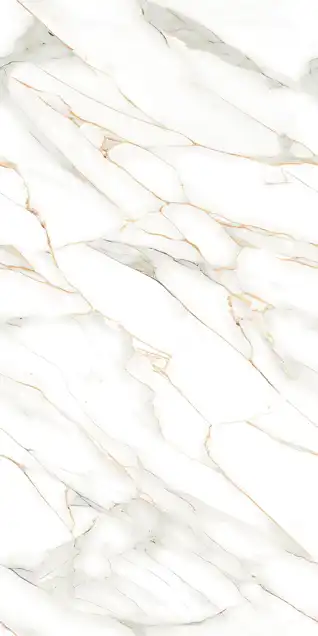




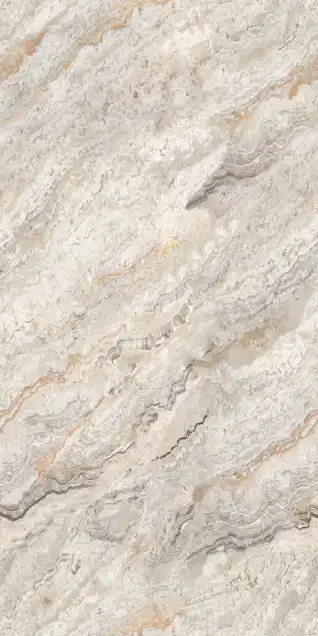

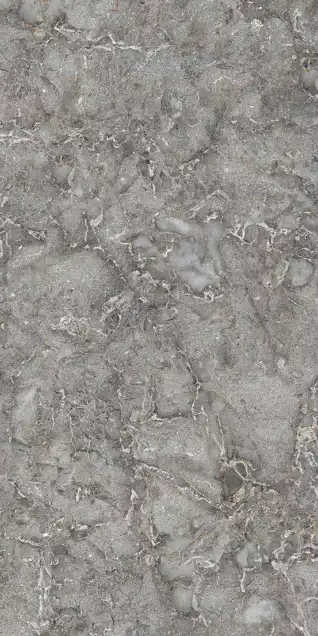








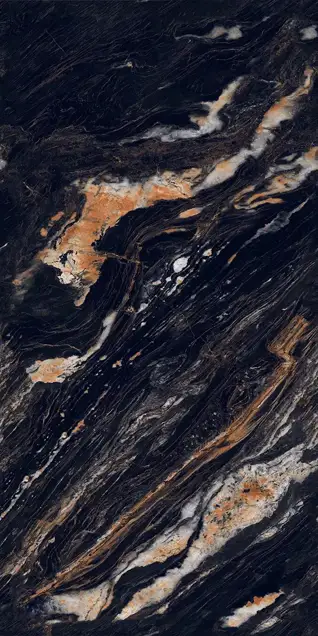

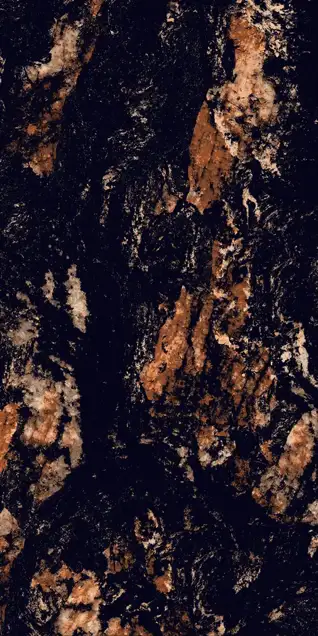
Mosaic bathroom tiles bring a distinct look to bathrooms of any size. Small tiles laid in grids or patterns cover both floors and walls, giving the bathroom a textured, detailed finish that larger tiles cannot replicate. In India, mosaic tiles are popular in compact bathrooms where the small format makes the space feel more detailed and well-finished. This page covers tile types, sizes, finishes, price ranges, and how to pick the right mosaic tile for your bathroom floor or wall.
Mosaic tiles are small, usually under 300x300 mm, arranged in a repeating grid or pattern. In a bathroom setting, they are used on the floor, on accent walls, in shower zones, or as a border strip between full-format wall tiles. The small unit size gives the tiler more flexibility to lay curved surfaces and creates more grout lines, which adds grip on wet floors.
In the Indian market, mosaic tiles come in three main body types: ceramic, vitrified (GVT), and natural stone. Each has different water resistance, scratch rating, and price range. The correct choice depends on where in the bathroom you are laying them.
Not all tile body types work for every part of the bathroom. Here is a clear breakdown of which types are right for mosaic bathroom design on walls versus floors.
| Tile Type | Water Absorption | Best Use in Bathroom | Finish Options | Price Range (Rs/sq.ft) |
| Ceramic (IS 13630) | 12% to 16% | Walls only (not floors except 300x300) | Glossy, Matte | Rs. 30 to Rs. 80 |
| GVT Vitrified (IS 15622) | 0.05% | Floors and walls, both | Matte, Sugar, GHR | Rs. 70 to Rs. 160 |
| Natural Stone (Marble/Slate) | Varies by stone | Walls and dry floors with sealing | Polished, Honed | Rs. 90 to Rs. 250 |
| Porcelain | 2% to 5% | Floors and walls | Matte | Rs. 60 to Rs. 140 |
Note: Ceramic mosaic tiles with a glossy finish must not be used on bathroom floors. The finish is slippery when wet and poses a slip risk. Use ceramic mosaic only on bathroom walls or as a decorative border strip.
For mosaic floor tiles for bathroom use, the tile must have an anti-skid finish. The most common mosaic sizes for bathroom flooring in India are 300x300 mm (1x1 ft). This size works for both walls and floors. For very small mosaic sheets (below 100x100 mm per chip), the sheet is usually 300x300 mm overall and mounted on mesh backing for easier laying.
Mosaic floor tiles for bathroom use should carry an R9 or higher slip resistance rating. Matte, GHR, and Sugar finish all passing this threshold. Avoid High Glossy, Semi High Glossy, and Polished Glossy finishes on bathroom floors, as these are slippery when wet.
| Size | Wall Use | Floor Use | Notes |
| 300x300 (1x1 ft) | Yes | Yes | Most common mosaic size; ceramic OK for bathroom floor only in this size |
| 100x100 chips on 300x300 sheet | Yes | Yes | More grout lines = better grip on wet floors |
| 50x50 chips on 300x300 sheet | Yes | Yes | Best anti-skid; consult the tiler for levelling |
| 300x600 (12x24) | Yes | No | Wall only; never lay on floors |
| 300x450 (12x18) | Yes | No | Wall only; never lay on floors |
Note: 1x2 and 12x18 tiles are wall-only sizes. Never use them on bathroom floors, regardless of finish.
The most requested mosaic bathroom tile design styles in India fall into four broad groups. Each suits a different budget and bathroom type.
Grid pattern: The most basic layout. Square chips in a uniform grid. Works in small and large bathrooms. Easy to lay and clean. Most ceramic and GVT mosaic tiles come in this layout.
Hexagonal mosaic: Six-sided chips arranged in a honeycomb grid. Gaining popularity in urban Indian homes. Slightly harder to lay than square grids. Gives a graphic, geometric look to walls and shower floors.
Brick bond (running bond): Rectangular mosaic chips laid like bricks. Common in shower enclosures and behind washbasins. The staggered grout lines break the visual monotony of a plain wall.
Random or freestyle mosaic: Chips in different shapes and sizes arranged without a strict grid. Often done with natural stone. Takes longer to lay and costs more per sq ft in labour.
Bathroom size affects which mosaic approach works best. Here are practical bathroom mosaic floor tile ideas based on common bathroom sizes in Indian homes.
Small bathrooms (under 30 sq.ft): Use small chip mosaic sheets (50x50 or 100x100 mm chips) on the floor. The extra grout lines add texture without making the space feel smaller. Keep the wall tiles plain or in a large format to balance the busy floor.
Medium bathrooms (30 to 60 sq.ft): A mosaic strip or border at the base of the wall, combined with plain 300x600 mm wall tiles above, gives a clean layered look without over-tiling.
Large bathrooms (above 60 sq.ft): Mosaic tiles can cover the full shower zone floor while larger handles the main floor area. This breaks the floor into zones and reduces the amount of mosaic needed.
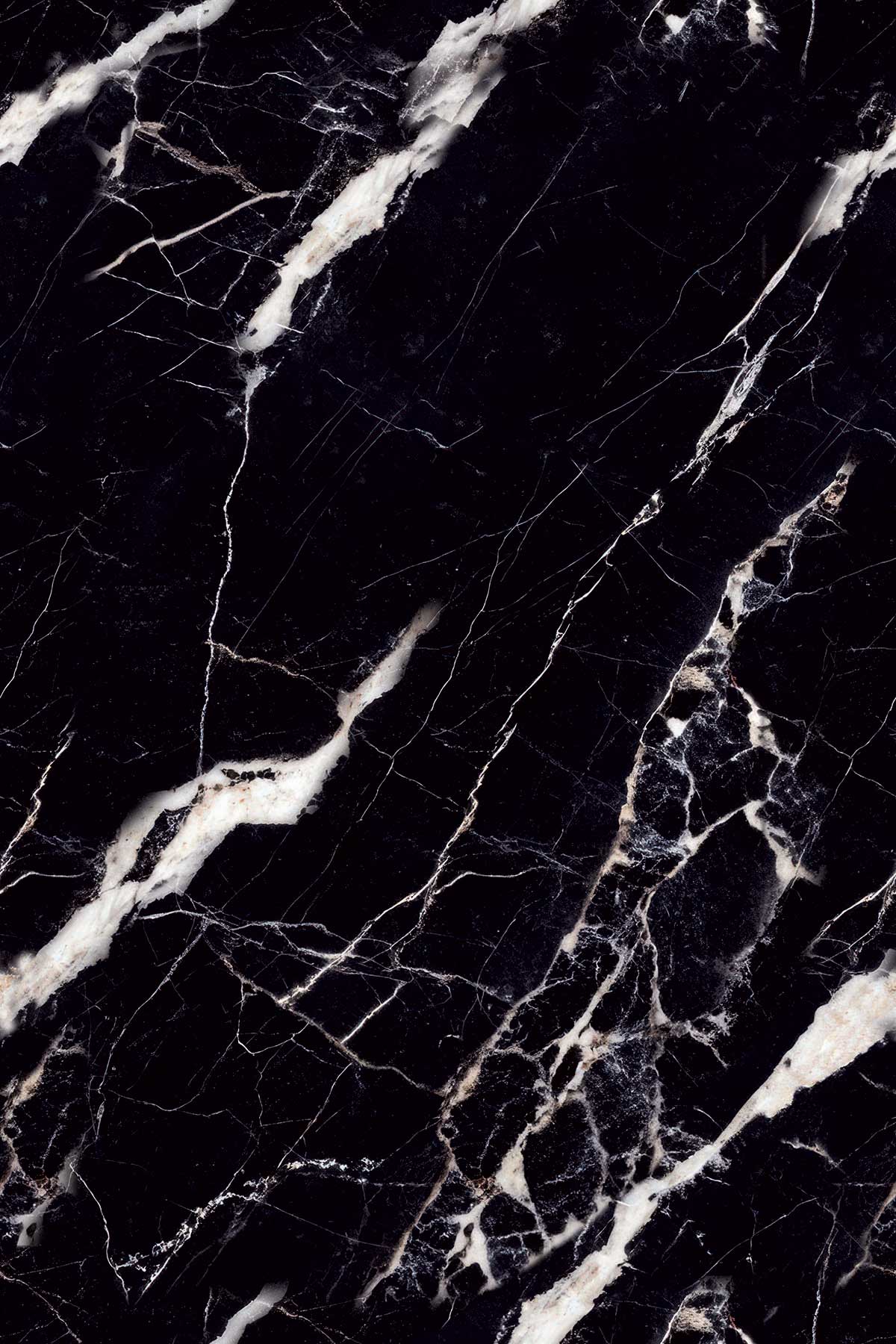
Marble mosaic bathroom tiles are natural stone chips, usually 20x20 mm to 50x50 mm, mounted on mesh sheets. They come in white, grey, beige, and veined patterns that look very close to full marble slabs but cost much less per sq.ft.
Three things to check before buying a marble mosaic: Water absorption - natural marble absorbs water, so always seal it before laying it in a bathroom. Polished vs honed finish - polished marble is slippery on wet floors; use honed or brushed marble for bathroom floors. Grout compatibility - Use epoxy grout in wet areas to prevent staining in the grout lines.
Marble mosaic is not as hard as GVT vitrified mosaic. It scratches more easily and needs periodic re-sealing (every 1 to 2 years in a bathroom used daily). For low-maintenance bathrooms, GVT mosaic in a marble-look pattern is a better pick.
Note: Do not lay polished marble mosaic on bathroom floors. The polished surface is slippery when wet and does not meet the IS anti-skid requirements for wet areas.
Mosaic bathroom floor tile black and white is one of the most searched tile combinations in India. The high-contrast grid pattern works in both compact and spacious bathrooms. It reads as clean and graphic without needing any extra decor.
For a black-and-white mosaic floor, use matte or sugar-finish GVT tiles in 300x300 mm. Matte black and matte white chips in a 50-50 or 25-75 ratio give the sharpest contrast. Pair with plain white 300x600 wall tiles to keep the walls calm and let the floor be the feature.
Some buyers go for a grey grout instead of white between black-white chips. Grey grout hides staining better over time and softens the contrast slightly. For a bolder look, use black grout to make the tile pattern grid stand out sharply.
The finish you pick changes how the tile grips, how it ages, and how often you clean it. Here is a practical guide for bathroom use.
| Finish | Slip Resistance | Use on Bathroom Floor | Use on Bathroom Wall | Cleaning Frequency |
| Matte | High (anti-skid) | Yes | Yes | Once a week |
| GHR (Glaze High Resistance) | Very high | Yes | Yes | Once a week |
| Sugar | Moderate | Yes | Yes | Twice a week (drops trap dust) |
| Glossy | Low (slippery) | No | Yes | Easy to clean daily |
| High Glossy | Very low | No | Yes | Easy to clean daily |
| Polished (Marble/PGVT) | Very low | No (wet areas) | Yes (walls only) | Daily |
Prices vary by body type, chip size, finish, and brand. The ranges below reflect the Indian market as of 2025. Actual prices depend on the brand, region, and quantity ordered.
Ceramic mosaic (walls): Rs. 30 to Rs. 80 per sq.ft.
GVT vitrified mosaic (floors and walls): Rs. 70 to Rs. 160 per sq ft.
Natural stone mosaic (marble, slate): Rs. 90 to Rs. 250 per sq.ft.
Porcelain mosaic: Rs. 60 to Rs. 140 per sq.ft.
Add Rs. 25 to Rs. 60 per sq.ft for labour and epoxy grout in wet areas.
Follow these four steps to narrow down your choice before visiting a tile shop.
Step 1: Decide the area. Floor or wall? If the floor, you need an anti-skid matte or GHR finish and a body type with less than 0.5% water absorption. Ceramic mosaic on floors only works in the 300x300 mm size.
Step 2: Fix the budget. GVT vitrified mosaic costs more than ceramic but lasts longer and needs less sealing. For walls on a tight budget, ceramic works well.
Step 3: Pick the finish. For floors, stick to matte or GHR. For walls, you have more options, including glossy finishes that reflect light and make small bathrooms feel brighter.
Step 4: Order with wastage. Mosaic tiles on sheets lose more material to cuts at edges and corners. Add 10% to 12% wastage when calculating the quantity to order, compared to 7% to 8% for larger format tiles.
Mosaic tiles from verified Indian manufacturers and dealers are available on TilesFinders with filters for size, finish, body type, and price range to help narrow down options for bathroom floors and walls. Product listings include IS 15622 or IS 13630 certification details along with water absorption data, making it easier to compare tile suitability before purchase.
Yes, if you pick the right finish. GVT vitrified mosaic in matte, or GHR finish, has high slip resistance and water absorption below 0.05%, which is safe for wet bathroom floors. Ceramic mosaic in a 300x300 mm size also works on bathroom floors. Do not use any glossy or polished mosaic finish on wet floors.
100x100 mm chips mounted on 300x300 mm sheets work well for small bathrooms. The higher number of grout lines gives a better grip. The small chip size also makes cuts at edges less wasteful than larger tiles.
Yes, but use different finishes. For the floor, choose matte or GHR finish with an anti-skid rating. For the wall, you can use glossy or sugar finish mosaic. Using the same tile on both floor and wall is possible only if the tile has a matte finish, since glossy tiles on a floor are a safety hazard.
Ceramic mosaic for walls starts at Rs. 30 per sq.ft. GVT vitrified mosaic for floors and walls starts at Rs. 70 per sq.ft. Natural stone mosaic (marble or slate) starts at Rs. 90 per sq.ft and can go up to Rs. 250 per sq ft for premium stone. Labour and epoxy grout add Rs. 25 to Rs. 60 per sq.ft on top of tile cost.
Only if you use a honed or brushed marble finish, not polished. Polished marble is very slippery when wet and should only be used on walls. Honed marble is less slippery but still needs periodic sealing, every 1 to 2 years, to protect against water absorption and staining in the grout lines.
Ceramic mosaic absorbs 12% to 16% water and is only for bathroom walls (except 300x300 mm size, which can go on bathroom floors). Vitrified mosaic absorbs 0.05% water, meets IS 15622 standards, and works on both floors and walls. GVT costs more but needs less sealing and lasts longer in wet conditions.
Measure the floor or wall area in sq.ft. Add 10% to 12% wastage for cuts and breakage. Mosaic sheets lose more material at corners and edges than large-format tiles, so the higher wastage factor is necessary. If your bathroom floor is 40 sq. ft., order 44 to 45 sq. ft. of mosaic tiles.
Use epoxy grout in all wet areas, including bathroom floors and shower walls. Epoxy grout does not absorb water, resists staining, and does not crack under temperature changes. Cement-based grout works in dry wall areas but is not recommended for bathroom floors, where it will be exposed to water daily.