Stylish Kitchen Backsplash Ideas That Are Easy to Clean
Upgrade your kitchen with beautiful, practical, easy-clean backsplash ideas—from glossy classics ...


Loading designs...

















Mosaic kitchen tiles in their traditional form, small individual squares on mesh sheets, are beautiful until the first month of Indian cooking. Hundreds of grout joints per square foot absorb oil, turmeric, and hard water minerals simultaneously, turning the splashback into a cleaning project rather than a kitchen feature. Mosaic look kitchen tiles solve this by printing the same geometric, patchwork, or encaustic pattern onto a single large tile. One tile. One set of edges. The visual of a mosaic kitchen backsplash with the grout count of a standard wall tile.
This page covers the mosaic tile range available from Indian manufacturers, ceramic for walls and GVT for walls and floors, where the mosaic pattern is part of the glaze rather than part of the construction. Across the kitchen tiles category, mosaic look tiles sit at the intersection of decorative design and practical kitchen use. For each surface backsplash, full wall, and kitchen floor, the right body, size, and finish is different, and this page explains why.
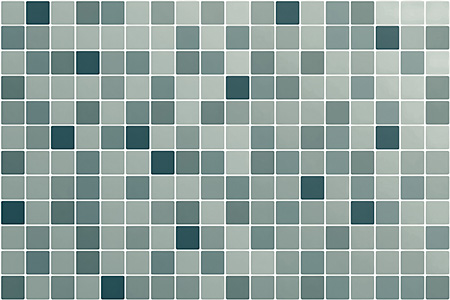
A mosaic look tile is a standard large-format tile ceramic in 12x24, GVT in 2x2 or 2x4, where the glaze carries a pattern that reads as a mosaic composition: geometric shapes, patchwork colour blocks, encaustic floral motifs, or small square grid patterns. The tile is a single piece with a single set of perimeter joints. The grout you see in the finished wall is the grout between tiles, not the grout between hundreds of small tile pieces.
This is the defining practical advantage. A 300x600mm (12x24) ceramic tile with a mosaic grid pattern printed on the glaze has four grout lines in a standard backsplash run, not four hundred. Cooking oil settles on the tile face and wipes off. Hard water calcium from the sink sits on a sealed glazed surface, not in a web of cement joints. The mosaic aesthetic is delivered through the digital glaze print; the maintenance profile is that of any standard kitchen wall tile.
| Property | Real Mesh Mosaic (small tiles) | Mosaic Look Tiles (large format with printed pattern) |
| Tile construction | Individual 25x50mm tiles on a 300x300mm mesh sheet | Single tile: ceramic 12x24, GVT 2x2 or 2x4 |
| Grout joints per sq.ft | Very high; 100 to 200+ joints per sq.ft | 4 to 8 per sq. ft., depending on tile size |
| Cleaning burden | High; joints near the cooktop absorb oil uniformly across the surface | Low; same as any standard kitchen wall tile |
| Pattern source | Comes from the tile arrangement, colour mix, and physical joint lines | Printed onto the tile glaze as a digital pattern |
| Recommended grout | Epoxy mandatory; very high joint count makes oil absorption a certainty with cement grout | Polymer-modified cement grout is adequate; epoxy is optional |
| Floor use | Porcelain matte on mesh can go on floors; ceramic mesh cannot | GVT matte in the same tile can go on floors with no change in construction |
| Price range (Rs./sq.ft) | Rs. 55 to Rs. 130 (ceramic mosaic on mesh) | Rs. 55 to Rs. 180 (ceramic or GVT, wall and floor) |
Important: This page covers mosaic look tiles, single tiles with a mosaic pattern printed on the glaze. For real small-tile mesh mosaic specification, tile body rules, and the full grout discipline required, those are a different product category.
The backsplash is where mosaic-look kitchen tiles are most visually effective. At eye level, between counter and overhead cabinets, the geometric or encaustic pattern reads clearly as a decorative surface without requiring the buyer to commit to a patterned floor or a full patterned wall. The backsplash is the zone where pattern earns its place in an Indian kitchen.
Ceramic in 12x24 with a mosaic pattern glaze is the most practical mosaic tile kitchen backsplash specification. The 12x24 size gives four perimeter joints across a standard 900mm backsplash height, a fraction of the joint count of real mesh mosaic. The gloss or sugar finish on the ceramic face wipes clean from cooking oil. The printed pattern, whether it is a small white square grid, a blue and white geometric, or a black and cream encaustic motif, reads as a designed surface rather than a construction decision.
Grout colour on a mosaic look backsplash is a design decision in the same way it is on a real mosaic, but with lower stakes because the joints are fewer. White grout between a blue and white mosaic look tile on the backsplash lets the pattern read as a continuous composition. A matching grout lets the joins disappear. Either works because the grout web is sparse enough not to dominate the visual.
A full kitchen wall in a mosaic look tile from dado to ceiling works when the pattern is restrained. A fine white grid on a white or light grey background, or a subtle geometric in two close tones, reads as a textured surface rather than an overwhelming pattern across a large wall area. A bold multi-colour encaustic pattern on a full kitchen wall competes with every other surface in the kitchen and is better suited to a contained feature panel.
GVT in 2x2 with a mosaic look pattern on the full kitchen wall gives fewer joins than ceramic 12x24 across the same area. In a kitchen above 100 sq. ft. where the buyer wants full-height wall cladding in a mosaic aesthetic, GVT 2x2 in a white mosaic grid or a grey geometric pattern gives a cleaner result: twelve grout lines top to bottom in a 2.7 metre wall height versus twenty-four lines with 12x24 ceramic. The kitchen wall tiles page covers the surface-by-surface rules that apply to all wall tile formats, including mosaic look options.
Colourful mosaic kitchen tiles in a look tile format, an encaustic blue and white, a geometric terracotta and cream, or a bold Moroccan-style patchwork are most effective on a contained feature panel of 10 to 20 sq.ft, not across the full kitchen wall. A feature panel in mosaic-look ceramic behind the hob or behind open kitchen shelves frames the pattern as a deliberate design accent. The surrounding plain tiles provide the visual rest the pattern needs to read clearly.
Mosaic look kitchen floor tiles are GVT in matte finish in 2x2 (600x600) with a geometric, encaustic, or patchwork pattern in the glaze. The matte surface is anti-skid. The GVT body has water absorption of 0.05%, which handles Indian monsoon humidity, cooking water, and daily mopping without adhesive bond weakening over time.
The practical case for mosaic looks over a real mosaic on a kitchen floor is even stronger than on a wall. A real small-tile mosaic floor in a kitchen has hundreds of grout joints per square foot that collect cooking oil and turmeric uniformly across the entire floor surface. A GVT 2x2 with a mosaic pattern printed on the glaze has sixteen grout lines across a 10x10-foot kitchen floor. The cleaning difference between these two surfaces in Indian daily cooking conditions is not marginal; it is significant. For the full kitchen floor specification covering finish, safety and body requirements, the kitchen floor tiles page gives the complete rules.
Note: Gloss, high gloss, and satin matte finishes must not be used on kitchen floors. Mosaic look tiles in gloss finish are for kitchen walls and backsplash only. For a mosaic look kitchen floor, specify GVT in matte or matte carving finish.
White mosaic tiles for kitchen use in the look tile format come in several distinct pattern types from Indian manufacturers:
All white mosaic look tiles in gloss ceramic are for the wall and backsplash only. For a white kitchen floor in a mosaic aesthetic, GVT 2x2 matte in a white grid pattern is the correct specification. The white kitchen tiles page covers the full white tile range, including gloss, matte, and GVT options across all standard kitchen sizes.
Colourful mosaic look tiles in the kitchen are ceramic or GVT tiles with vivid multi-colour geometric or encaustic patterns printed on the glaze. They are available from Indian manufacturers primarily in the 12x18 and 12x24 ceramic sizes for wall use and in 1x1 (300x300) ceramic for both wall and floor use, where the encaustic pattern is the primary visual.
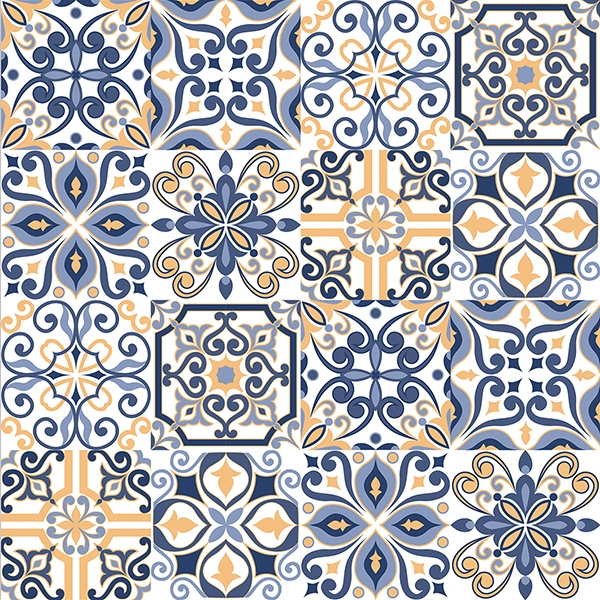
The encaustic look replicates the traditional handmade cement tile aesthetic, geometric shapes, repeating motifs, limited colour palette of two to four tones on a glazed ceramic or GVT body. The tile is a single piece that looks like an encaustic cement tile but has none of the sealing requirements, water absorption vulnerability, or chip risk of actual cement tile. From Indian manufacturers in Morbi and Gujarat, encaustic look ceramic in 12x24 is available in blue and white, terracotta and cream, black and white, and green and beige combinations.
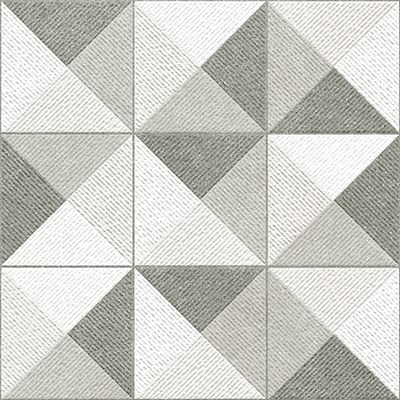
A geometric patchwork look uses repeating diagonal squares, diamonds, or hexagon shapes in two or three colours across the tile face. When laid in a grid, the pattern continues across the tile joins to form a larger geometric composition. This is the mosaic look kitchen backsplash format that requires the least design decision-making: the pattern self-organises as the tiles go up.
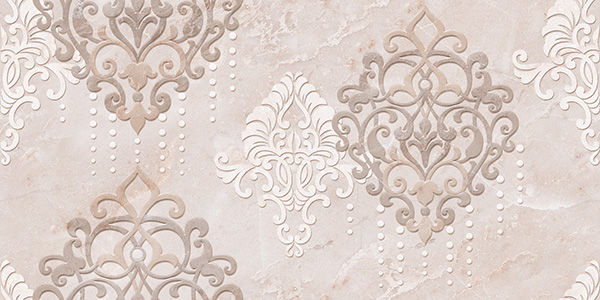
The Moroccan or zellige-inspired mosaic look uses interlocking geometric shapes in warm colours, deep blue, terracotta, ivory, and sage across the tile face. These patterns have strong cultural resonance in Indian interior design and work well in farmhouse, heritage, and transitional kitchen styles. Available from select Morbi manufacturers in 12x18 and 12x24 ceramic gloss for wall use.
| Size | Alias | Tile Body | Surface | Best Mosaic Look Pattern | Price Range (Rs./sq.ft) |
| 300x600 | 12x24 | Ceramic (IS 13630) | Wall and backsplash only; never floor | Grid, geometric, encaustic, blue and white | Rs. 55 to Rs. 110 |
| 300x450 | 12x18 | Ceramic (IS 13630) | Wall and backsplash only; never floor | Small geometric, encaustic motif, Moroccan | Rs. 55 to Rs. 100 |
| 300x300 | 1x1 | Ceramic (IS 13630) | Wall and floor (floor: dry areas only) | Square patchwork, encaustic on the floor, feature zone | Rs. 50 to Rs. 90 |
| 600x600 | 2x2 | GVT | Wall and floor | Large geometric, monochrome grid, bold encaustic | Rs. 80 to Rs. 175 |
| 600x1200 | 2x4 | GVT | Wall and floor | Extended geometric, architectural grid pattern | Rs. 100 to Rs. 200 |
Note: 300x450 and 300x600 ceramic tiles are wall-only sizes without exception. They must not be used on kitchen floors regardless of the pattern printed on them. For a mosaic look kitchen floor, use GVT in matte or matte carving finish in 600x600 (2x2) or larger.
Grout decisions for mosaic look tiles follow the same logic as for any large-format tile because the tile itself is large format. The pattern is in the glaze, not in the grout. This means the grout web is sparse and the grout colour affects the overall surface reading, not the pattern detail.
Three grout choices and their effect on a mosaic look backsplash:
Pattern alignment across tiles is the one laying discipline that matters more with mosaic look tiles than with plain tiles. If the pattern on the tile repeats across the tile edges - as many geometric and encaustic looks do - the tiles must be laid in a precise grid bond so the pattern continues from tile to tile. A brick bond (offset by half the tile length) breaks the pattern continuation. Always confirm the correct laying bond with the tile supplier before the contractor begins; the pattern alignment requirement should be marked on the tile box.
| Your Kitchen Requirement | Recommended Tile | Size | Finish | Price Range (Rs./sq.ft) |
| White mosaic look backsplash, subtle | White grid or white-grey geometric ceramic | 12x24 | Gloss or Sugar | Rs. 55 to Rs. 100 |
| White mosaic look backsplash, bold | Blue and white encaustic ceramic | 12x24 | Gloss | Rs. 70 to Rs. 120 |
| Colourful feature panel on backsplash | Moroccan or geometric patchwork ceramic | 12x18 or 12x24 | Gloss | Rs. 65 to Rs. 125 |
| Full kitchen wall, mosaic look | White grid GVT matte or encaustic GVT | 2x2 | Matte or Gloss (walls only) | Rs. 80 to Rs. 165 |
| Mosaic look kitchen floor | GVT matte, geometric or encaustic pattern | 2x2 | Matte | Rs. 85 to Rs. 175 |
| Encaustic floor in heritage kitchen | Ceramic 1x1 encaustic look (dry zones only) | 1x1 | Matte or Sugar | Rs. 55 to Rs. 100 |
| Mosaic look extended to the floor and the wall | Same GVT pattern, matte throughout | 2x2 (floor and wall) | Matte | Rs. 85 to Rs. 175 |
The core practical case for mosaic look GVT in an Indian kitchen is the water absorption figure. GVT carries a water absorption of 0.05%, which means cooking steam, monsoon humidity, and daily mopping water do not penetrate the tile body. In a kitchen where pressure cooker steam, monsoon-season humidity, and frequent floor washing are daily realities, that figure matters. A tile with higher body absorption develops adhesive bond stress over time as the body expands and contracts with moisture cycling. GVT in matte finish in 2x2 avoids this entirely, which is why it is the correct specification for a mosaic look kitchen floor in any Indian climate zone.
Ceramic mosaic look tiles in 12x24 are manufactured in Morbi and Gujarat in gloss and sugar finish from Rs. 55 to Rs. 110 per sq ft for the backsplash and wall application. GVT in 2x2 with geometric or encaustic printed patterns for wall and floor use runs from Rs. 80 to Rs. 175 per sq ft, depending on pattern complexity and brand. Across these two categories, ceramic wall tiles under IS 13630 and GVT under IS 15622, the full mosaic look kitchen tile range covers budgets from Rs. 55 per sq ft for a standard gloss backsplash to Rs. 200 per sq ft for a large-format GVT feature wall in a bold encaustic pattern.
Printed pattern, single tile, no mesh, no hundreds of joints to scrub after every cook, that is the mosaic look tile's argument in one line. Ceramic in 12x24 and GVT in 2x2 with geometric, encaustic, blue and white, and patchwork patterns from verified manufacturers across Morbi and Gujarat are listed on TilesFinders with finish, size, pattern type, and body clearly shown. Gloss ceramic for the backsplash starts from Rs. 55 per sq ft; GVT matte in mosaic patterns for walls and floors runs from Rs. 80 to Rs. 175 per sq ft. Confirm the pattern alignment bond before ordering.
Mosaic look kitchen tiles are large-format ceramic or GVT tiles with a mosaic, geometric, or encaustic pattern printed onto the glaze. They are single tiles, not small pieces on mesh sheets. The pattern looks like a mosaic composition, but the tile has standard perimeter joints, giving the decorative visual of a mosaic kitchen backsplash with far fewer grout lines and significantly lower maintenance in a cooking environment.
Yes, substantially so. Real mesh mosaic has 100 to 200 or more grout joints per square foot; mosaic look tiles in 12x24 have four joints across the same area. In an Indian kitchen where cooking oil and turmeric reach the backsplash daily, fewer joints mean less surface for residue to accumulate. The glazed tile face wipes clean with a damp cloth. Epoxy grout is not mandatory for mosaic look tiles, as it is for real mesh mosaic.
Yes, if the tile is GVT in matte or matte carving finish. GVT 2x2 with a geometric or encaustic pattern in matte finish is safe on a kitchen floor: the 0.05% water absorption handles Indian cooking and monsoon conditions, and the matte surface is anti-skid. Ceramic 12x24 mosaic look tiles are wall-only and must not be used on kitchen floors. Gloss mosaic look tiles of any body type must not be used on kitchen floors.
Encaustic look tiles replicate the specific aesthetic of handmade cement tiles with geometric motifs, limited colour palettes, and repeating patterns that tile edge-to-edge. Mosaic look tiles are a broader term covering any tile with a small-scale repeated pattern, grids, patchwork, or geometric shapes that read as a mosaic composition. The encaustic look is a subset of the mosaic look category. Both are available as single large-format tiles with the pattern on the glaze.
Ceramic in 12x24 (300x600) is the most practical for a kitchen backsplash. It covers the standard 450 to 600mm backsplash height in one to two tile rows with minimal joins. The 12x24 size is also the most widely stocked format for printed mosaic and encaustic patterns from manufacturers in Morbi and Gujarat. Smaller sizes like 12x18 give more tile rows and a finer grid of joins, but work well for smaller backsplash areas.
Polymer-modified cement grout in a colour matching the tile background tone is adequate for mosaic look tiles on walls, as the joint count is low. White or off-white grout with most mosaic patterns is the clean standard choice. For the floor, epoxy grout is recommended for the joints between GVT 2x2 tiles to resist cooking oil and turmeric over time. The tile face itself does not require epoxy grout; only the joints between tiles benefit from it.
Many geometric and encaustic look patterns are designed to align when tiles are laid in a straight grid bond. The pattern continues from one tile edge to the next, creating a larger composition across the full wall. This requires a straight grid bond, not a brick bond offset. Confirm the required laying bond with the supplier before ordering and mark it on the installation drawing for the contractor.
From manufacturers in Morbi and Gujarat, the most commonly available mosaic look kitchen tile colours are white and grey geometric, blue and white encaustic, terracotta and cream patchwork, black and white grid, and green and ivory geometric. Bold single-colour or multi-colour Moroccan-style patterns are available from select manufacturers. Confirm current stock before specifying unusual colour combinations, as not all patterns are held as standard production across all manufacturers.