

Patterned Ceramic Tiles: Technique, Repeat, and Layout Scale
Loading designs...
-
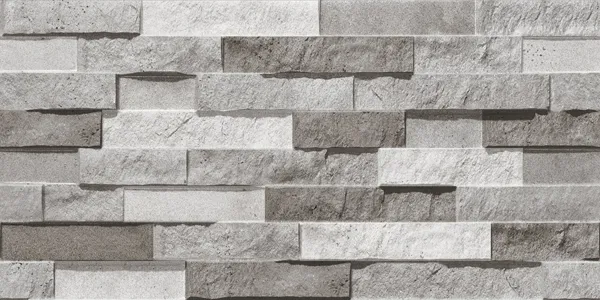 W Rockline 03
 -
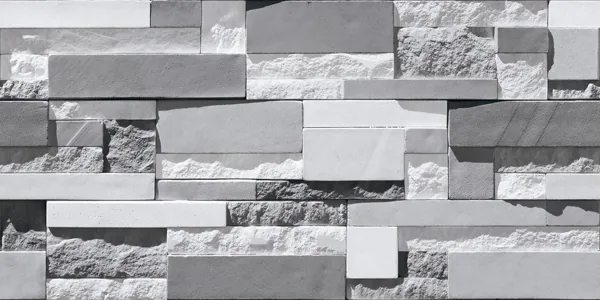 Lyon 03
 -
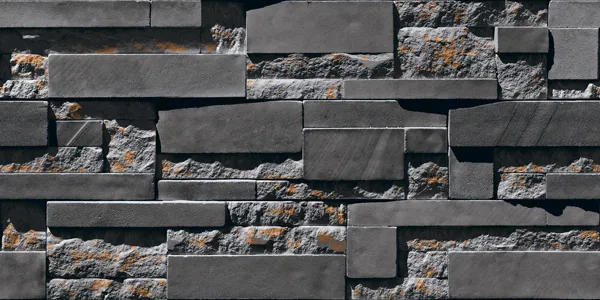 Lyon 06
 -
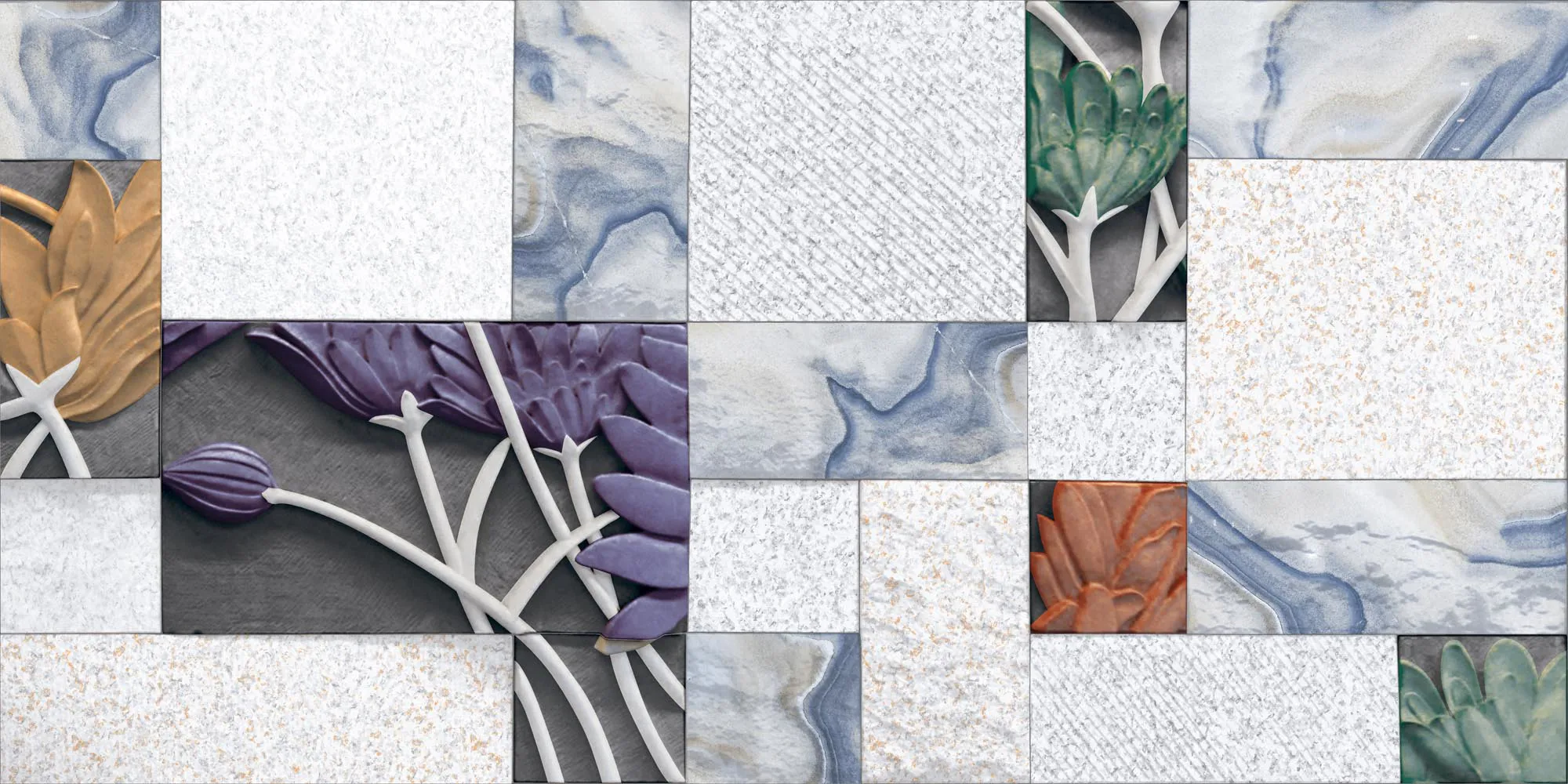 W 7813
 -
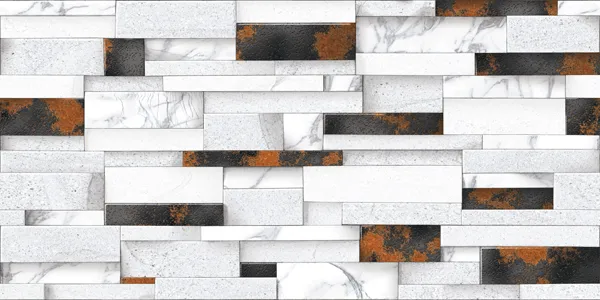 W Adam 10
 -
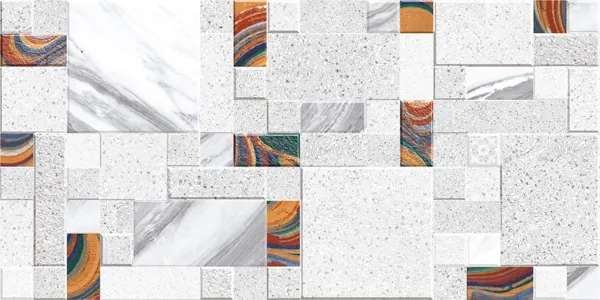 w 7613
 -
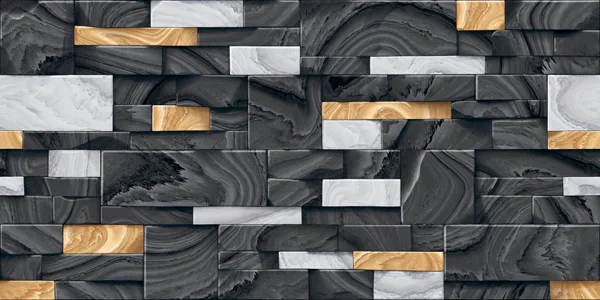 W Costa 12
 -
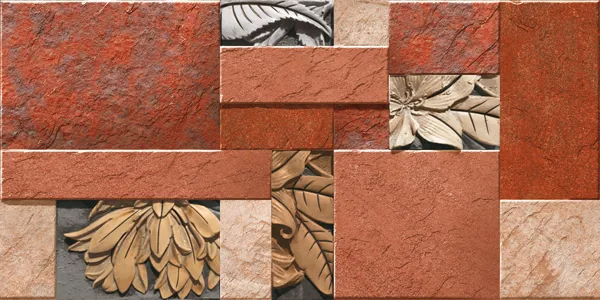 W Rio 07
 -
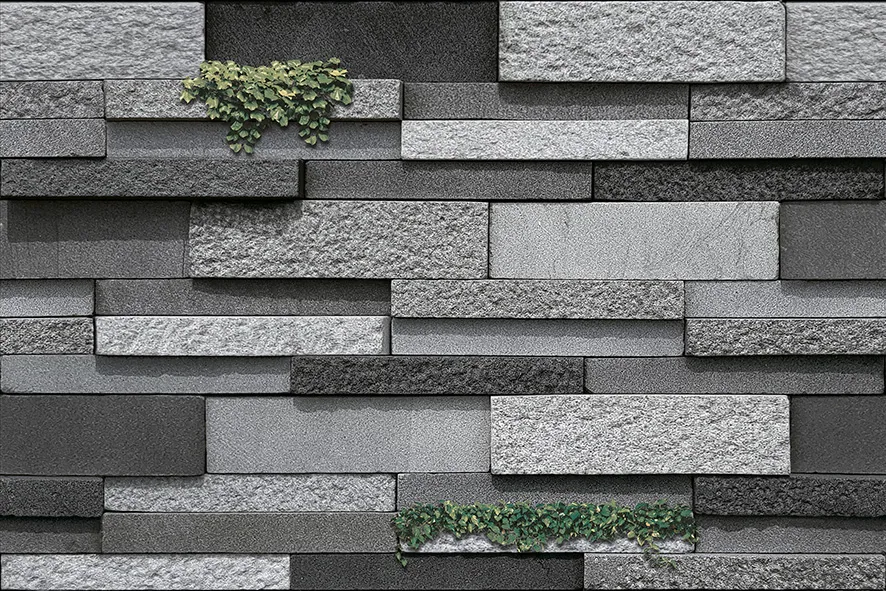 3217
3217 -
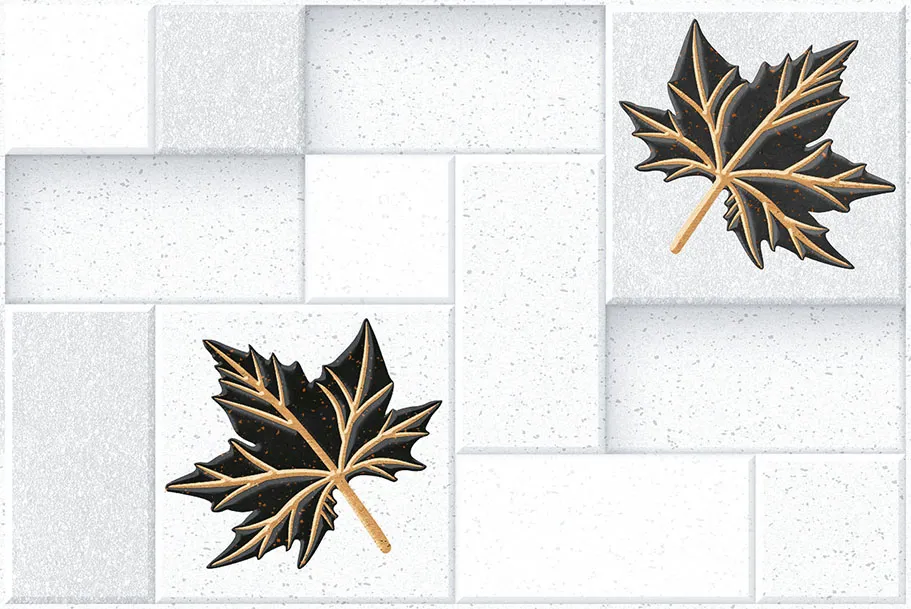 3806
3806 -
 2001
2001 -
 1501 HL 1
 -
 1835 HL
 -
 1836 HL 1
 -
 3045 HL 1
 -
 3049 HL 1
 -
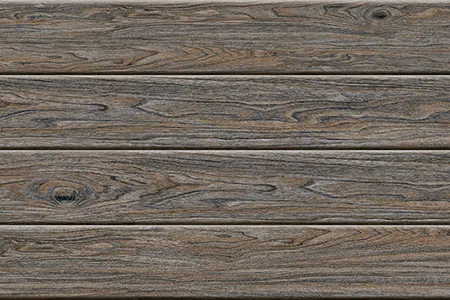 10644-D
 -
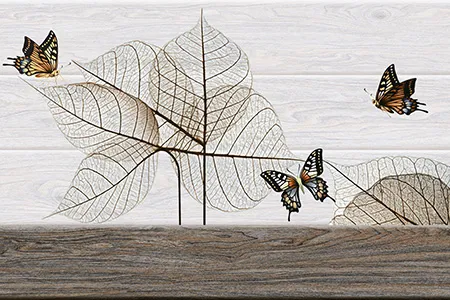 10644-HL
 -
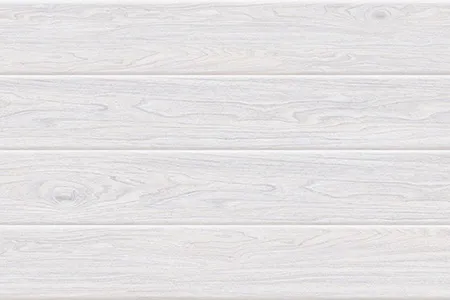 10644-L
 -
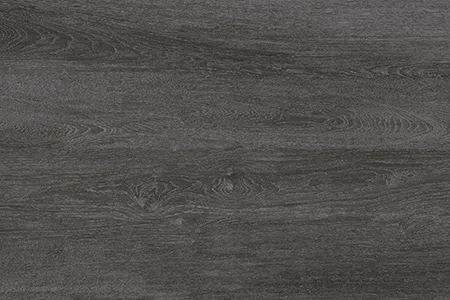 10648-D
Patterned ceramic tiles cover any design beyond a single flat colour, produced either as a printed surface, a raised relief texture, or a coordinated set of several different tiles meant to be mixed across a floor. TilesFinders lists this category across encaustic style prints, geometric and Art Deco motifs, Ikat inspired textile patterns, and ombre gradient designs, alongside the regional styles covered on the main ceramic tile page.
This page focuses specifically on how a pattern is technically produced and how it behaves once laid across a real floor, since the visual style itself, Moroccan, Mexican Talavera, or floral, is already covered in more depth elsewhere on this site. Understanding repeat, rotation, and layout scale matters more to a successful patterned floor than the specific motif chosen.
Prices for patterned ceramic tiles range from Rs. 55 to Rs. 160 per sq.ft from Morbi and Gujarat manufacturers, depending on print complexity and whether the design is sold as a single repeating tile or a coordinated multi-design set. Patterned tiles are used as often for a single feature area as for an entire room, a decision covered in detail further down this page.
Three Ways a Pattern Actually Gets Made
A printed pattern is the most common production method, using a high-resolution digital print fired onto the glaze in a single pass, capable of reproducing fine detail such as an encaustic cement tile look or a delicate Ikat textile motif at relatively low cost. A relief or embossed pattern instead presses a raised texture into the tile surface before firing, giving the design genuine physical depth rather than only a flat printed image.
A coordinated multi-design set, the third and often overlooked production method, sells four, six, or nine visually related but individually different tiles as a single collection, meant to be laid in a randomised or rotated sequence across a floor rather than repeating one design in a fixed grid. This method is common for encaustic style and geometric pattern ranges specifically because it avoids the obvious repetition a single printed design would otherwise create.
Styles Worth Knowing Beyond the Usual Names
Encaustic style prints replicate the look of traditional cement tile flooring, a hand-poured, pigmented style historically popular across colonial-era Indian buildings, now reproduced far more affordably and durably in a printed ceramic body. Geometric and Art Deco motifs use bold, angular repeating shapes, popular for a contemporary kitchen backsplash or a statement hallway floor.
Ikat-inspired patterns borrow the blurred, woven dye technique from traditional textile weaving, translating a fabric pattern onto a hard floor surface for a softer, more organic look than a sharp geometric print. Ombre and gradient patterns shift gradually from one tone to another across a set of tiles, requiring careful sequencing during installation to keep the transition smooth rather than visibly stepped.
Moroccan, Mexican Talavera, marble look, and floral patterned tiles are covered in more depth on the main ceramic tiles page, since these specific regional and decorative styles are addressed there alongside the full colour range this material comes in.
Repeat and Rotation: The Part Nobody Explains
A single repeating printed design, laid in a straight grid without variation, is the simplest and lowest cost option, but shows an obvious, mechanical repeat across a larger floor area that some buyers find visually monotonous. Manufacturers address this by printing several subtly different versions of the same base design and mixing them randomly during installation, breaking up the repeat without changing the overall pattern family.
A coordinated multi-design set takes this further, offering genuinely different tiles, rather than subtle print variations, meant to be shuffled and rotated as they are laid, similar to how a real encaustic cement floor was traditionally built from individually hand poured tiles. Installers working with this kind of set should lay out a full dry run across the floor before committing to adhesive, checking that no two identical or visually similar tiles end up adjacent to each other.
Directional patterns, where the design has a clear top and bottom such as an Ikat motif or an ombre gradient, need every tile oriented the same way during installation, while non-directional geometric patterns can generally be rotated freely without breaking the design. Buyers should confirm with the manufacturer or installer which category a specific pattern falls into before laying begins, since a directional pattern installed inconsistently is a difficult mistake to correct after grouting.
Whole Room, or a Tile Rug in One Corner
A busy, high contrast pattern covering an entire room can visually overwhelm a small space, which is why patterned ceramic tiles are increasingly used as a defined feature area, sometimes called a tile rug, rather than across a full floor. A tile rug typically covers an entryway, a kitchen work zone, or a section of a hallway, bordered by a plain tile on all sides to frame the pattern as an actual area rug would.
Full room coverage in a patterned tile works best in a larger, well-lit space, or with a more subdued, tonal pattern rather than a high-contrast design, since the visual intensity that reads as a striking accent in a small area can become overwhelming across an entire large room. Kitchens and entryways remain the most common full room application for a bold patterned floor, and any patterned ceramic floor tiles chosen for one of these rooms should still meet the same floor-rated body requirements as a plain colour floor tile would.
Grout Choice Changes How the Pattern Reads
Grout colour choice matters more on a patterned floor than on a plain coloured one, since the grout lines either disappear into the design or actively compete with it depending on the shade chosen. Matching the grout closely to the tile's dominant background colour keeps the pattern as the visual focus, letting individual tiles blend into a more continuous overall design.
A contrasting grout, deliberately chosen in a shade that stands apart from the tile, emphasises the grid structure underneath the pattern, giving a more graphic, tile-by-tile read rather than a blended one. This applies equally to a patterned floor and to a patterned kitchen backsplash laid using ceramic wall tiles, where the same grout logic decides whether the pattern reads as one continuous design or a visible grid of individual pieces. Epoxy grout is recommended for any patterned floor or wall installation in a kitchen or bathroom, since it resists staining better than cement grout and keeps the chosen colour looking consistent through the monsoon and beyond.
Where Most Patterned Floors Actually Go Wrong
Not planning the repeat before ordering is the most common mistake with patterned ceramic tiles, since buyers who order only enough tile for the floor area without accounting for a multi-design set's randomisation needs can run short partway through installation. A second common mistake is choosing an overly busy, high-contrast pattern for full coverage in a small room, which can make the space feel more cluttered rather than more distinctive.
A third mistake is inconsistent orientation on a directional pattern, where some tiles are laid rotated relative to others, breaking the intended flow of an Ikat or ombre design. Ordering a small sample panel and dry laying it in the actual room before committing to a full order helps catch pattern, scale, and orientation issues before they become a permanent problem.
A fourth, easily overlooked consideration for a kitchen or bathroom floor is slip resistance, since a busy printed pattern does not on its own indicate a textured, safe surface underfoot. Buyers specifying a patterned floor for one of these rooms should confirm the same rating covered on our non-slip ceramic tiles page applies to the specific pattern being ordered, since print and texture are produced separately and one does not guarantee the other.
FAQs
Printed patterns use a digital print fired onto the glaze in a single pass, giving a flat but highly detailed image. Relief patterns instead press a raised texture into the surface before firing, giving genuine physical depth. Relief versions generally cost more due to the additional tooling involved.
A defined feature area, sometimes called a tile rug, works well for a busy or high contrast pattern that could overwhelm a full small room. Full room coverage suits a larger room or a more subdued pattern instead. The right scale depends on both pattern intensity and room size.
A coordinated multi-design set includes several different but visually related tiles, sold as one collection and meant to be mixed and rotated across a floor. This avoids the obvious repeat a single printed design would otherwise create. Buyers should dry lay the full set before committing to adhesive.
Patterned ceramic tiles typically cost between Rs. 55 and Rs. 160 per sq.ft in India. Printed patterns sit at the lower end, while relief or embossed designs cost more. Coordinated multi-design sets are usually priced per set rather than per tile.
A grout closely matched to the tile's dominant background colour keeps the pattern as the visual focus. A contrasting grout instead emphasises the grid structure underneath the pattern for a more graphic look. Either approach works depending on the desired effect.
A directional pattern has a clear top and bottom, such as an Ikat motif or an ombre gradient, needing every tile oriented the same way. A non-directional geometric pattern can generally be rotated freely without breaking the design. Confirm this with the manufacturer before installation begins.
Encaustic style ceramic tile is a printed pattern replicating the look of traditional hand poured cement tile flooring, common in colonial era Indian buildings. The printed version is more affordable and durable than genuine cement tile. It is commonly sold as a coordinated multi-design set for variety.