

Non Slip Ceramic Tiles: How Grip Is Made, Tested, and Retrofitted
Loading designs...
-
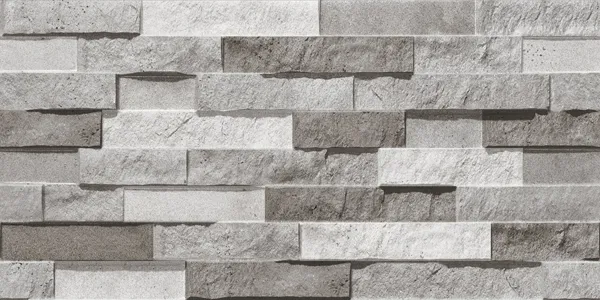 W Rockline 03
 -
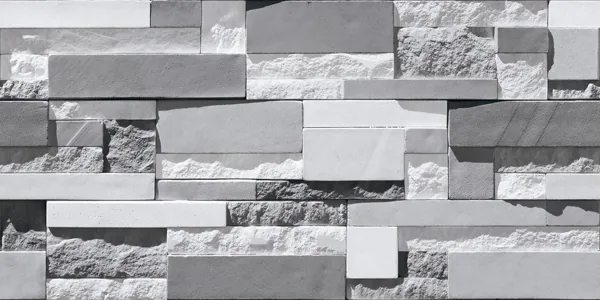 Lyon 03
 -
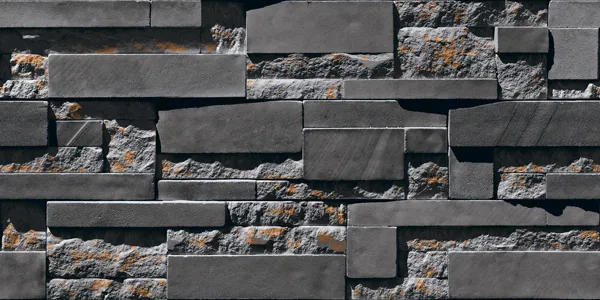 Lyon 06
 -
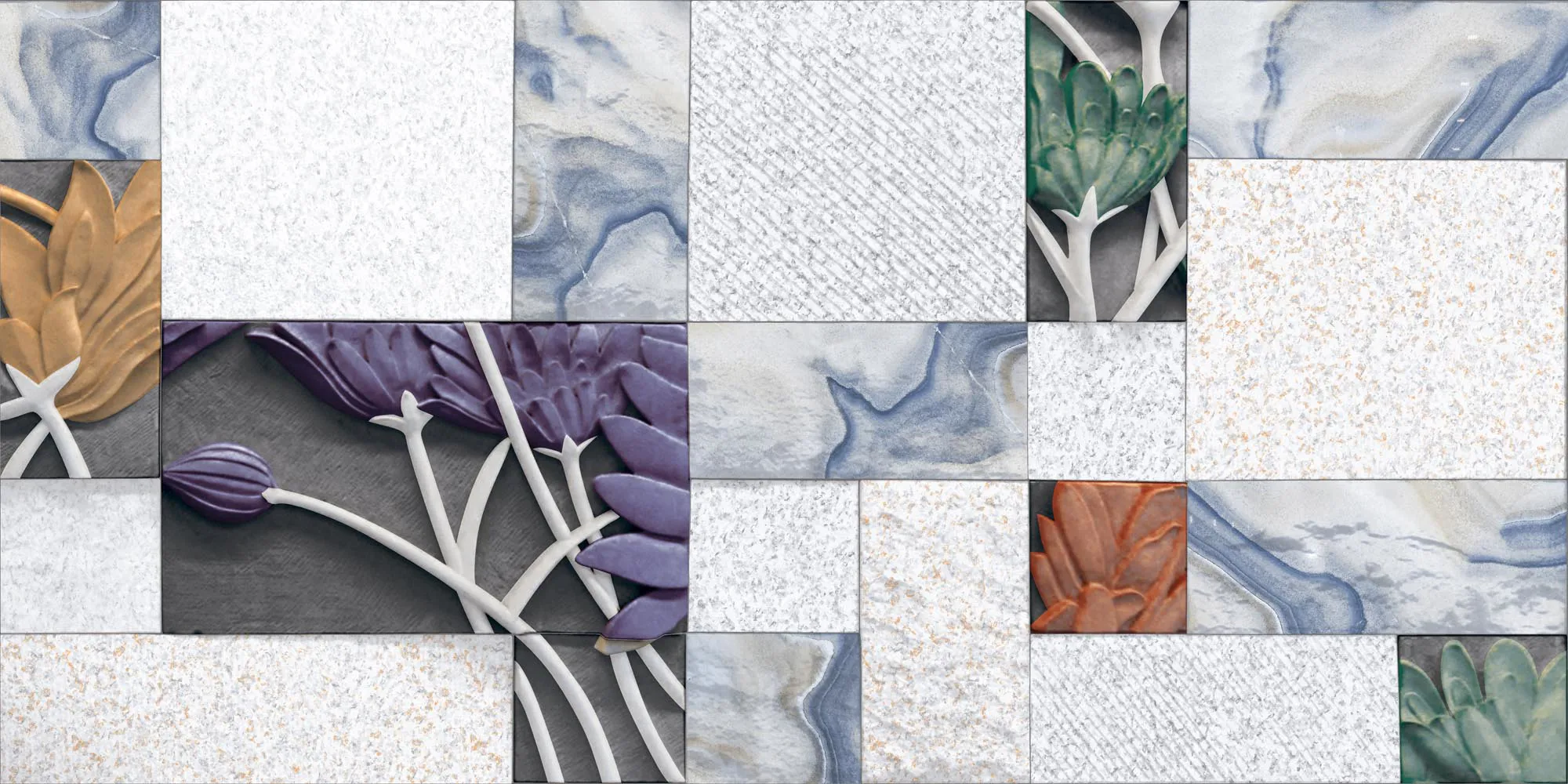 W 7813
 -
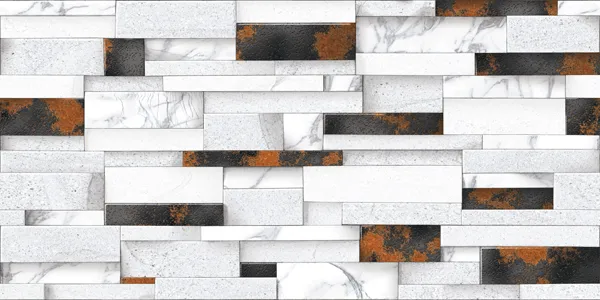 W Adam 10
 -
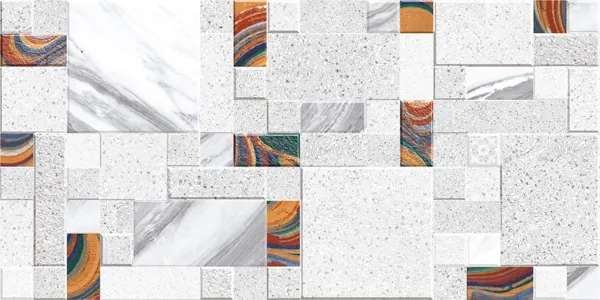 w 7613
 -
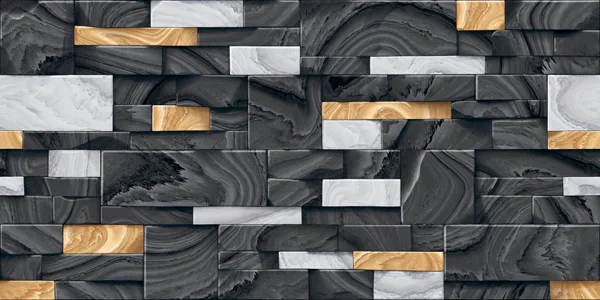 W Costa 12
 -
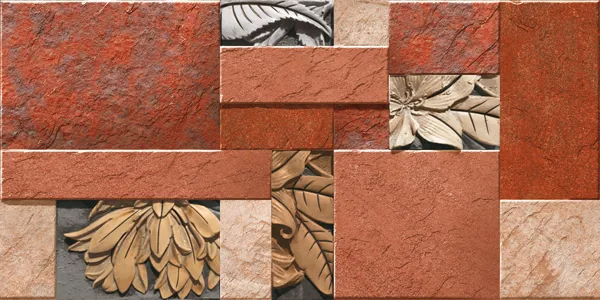 W Rio 07
 -
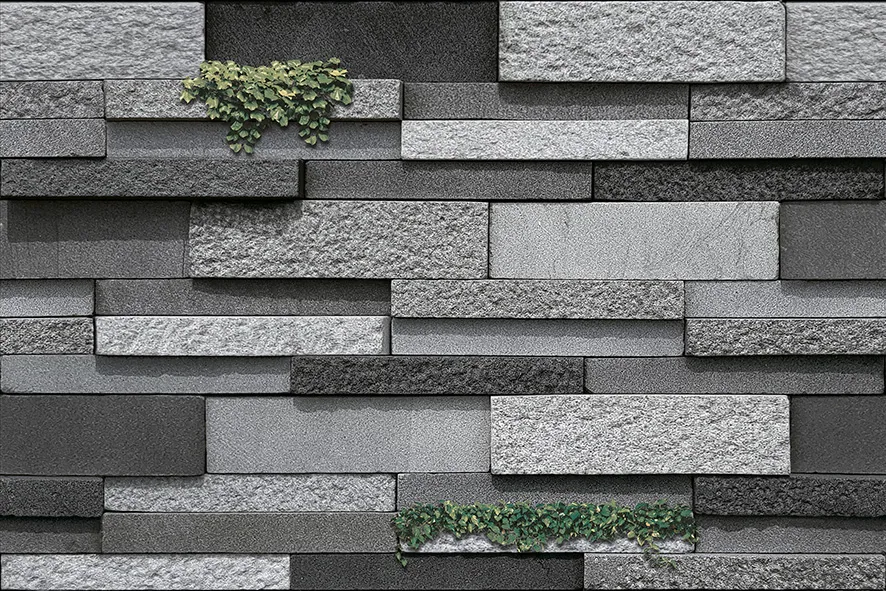 3217
3217 -
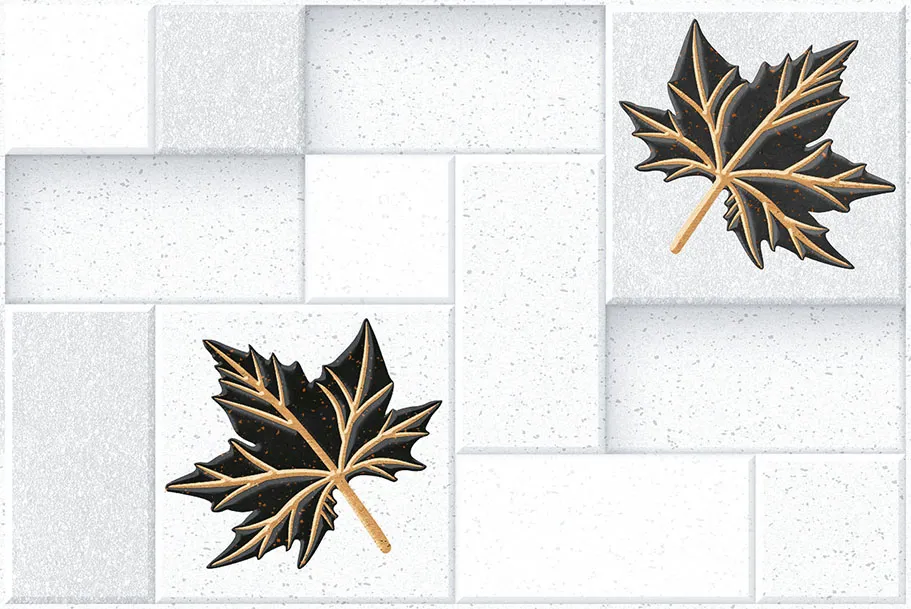 3806
3806 -
 2001
2001 -
 1501 HL 1
 -
 1835 HL
 -
 1836 HL 1
 -
 3045 HL 1
 -
 3049 HL 1
 -
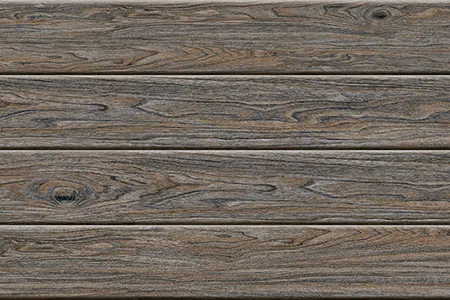 10644-D
 -
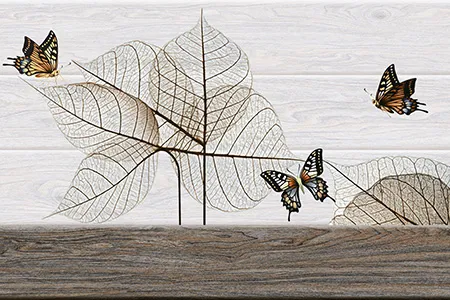 10644-HL
 -
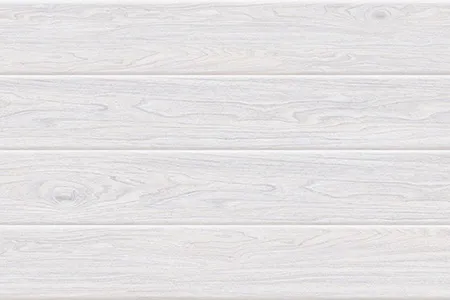 10644-L
 -
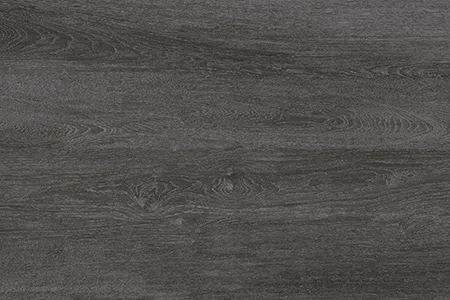 10648-D
Non slip ceramic tiles, also searched as non slippery, anti slip, anti skid, non skid, and slip resistant ceramic tiles, all describe one physical property: a surface textured or structured specifically to hold grip underfoot when wet. This page goes deeper into how that grip is actually engineered and tested, since the terminology alone tells a buyer very little about how safe a specific tile actually is.
TilesFinders lists this surface property across ceramic floor and outdoor tiles, achieved through a textured pressing, an aggregate embedded glaze, or a structured matte finish rather than through colour or a printed pattern. A separate but related search, anti-slip treatment for ceramic tiles, refers to a retrofit coating or chemical process applied to an already installed, already slippery floor rather than a new tile purchase.
Genuinely slip-resistant ceramic tiles cost roughly Rs. 40 to Rs. 90 per sq.ft from Morbi and Gujarat manufacturers, only modestly more than a standard matte finish of the same size and body. Bathroom floors are where this property matters most for ceramic specifically, while a continuously wet shower floor is better specified in a lower absorption body such as porcelain or GVT, a distinction covered in more detail further down this page.
How Manufacturers Actually Build In Grip
Grip on a ceramic tile is created in one of three main ways during manufacture. A textured press mould stamps a fine, rough pattern directly into the tile surface before firing, giving a permanent physical texture that does not wear away the way a surface coating eventually would.
An aggregate embedded glaze mixes fine grit or mineral particles into the glaze layer itself before firing, creating microscopic high points across the surface that break up the smooth film of water a foot would otherwise slide across. This method is common on tiles marketed specifically as GHR, short for Grip and Hard-Wearing Resistant, a finish category built around exactly this kind of embedded texture.
A structured matte finish, the third common method, uses a chemical or mechanical process during glazing to create a slightly uneven, low-sheen surface rather than a fully smooth one. This is generally the least aggressive of the three methods, offering a visually subtle texture suited to a bathroom floor that still needs to look relatively sleek rather than heavily textured.
The Rating Systems Buyers Actually Need to Know
Two main test methods are used internationally to rate slip resistance, and both matter depending on whether a floor is used barefoot or with footwear. The barefoot ramp test, standardised as DIN 51097, rates a wet barefoot surface into groups A, B, or C, with C offering the strongest grip and generally required for a shower floor or pool surround.
The oil wet ramp test, standardised as DIN 51130, rates a footwear surface using the R scale from R9 through R13, with R9 suited to a normal indoor floor and R10 or R11 recommended for a kitchen or bathroom that sees regular water or oil exposure. A separate measure, the dynamic coefficient of friction or DCOF, is increasingly used in some markets as a single numeric grip value rather than a letter or R grade category.
Note: An R10 rating and a class B barefoot rating are not directly comparable figures, despite both describing a form of slip resistance. The technical data sheet for a genuine slip-rated tile should state the specific test method and result rather than simply printing the word anti-skid on the packaging.
Fixing an Already Slippery Floor: Retrofit Treatments
Anti-slip treatment for ceramic tiles refers to a chemical etching or coating process applied to an already installed floor that has become slippery over time, rather than a property built into a tile at the point of manufacture. A professional etching treatment lightly roughens the glazed surface at a microscopic level, restoring some grip without changing the tile's appearance significantly.
A topical anti-slip coating or sealer sits on top of the existing glaze rather than etching into it, and generally needs periodic reapplication as the coating wears down with foot traffic and cleaning. Adhesive safety strips or discs are a lower-cost, purely mechanical alternative, though they cover only the specific area they are applied to rather than the full floor.
A tile genuinely rated for slip resistance from the point of manufacture remains the more reliable long-term solution compared with any of these retrofit options, since a built-in textured or aggregate surface does not wear off, chip, or need reapplication the way an applied coating eventually does. Retrofit treatments are best treated as a temporary fix for an existing floor rather than a substitute for choosing the correct tile during a new installation.
Where This Actually Matters Most
Shower and bathroom floor tiles are where slip resistance matters most, though a tile's slip rating and its water absorption are two separate properties that both need checking. A non-slip, floor-rated ceramic tile suits the dry to occasionally wet zones of a bathroom, but a continuously wet shower floor needs a genuinely low-absorption body such as porcelain or GVT tiles rather than ceramic, since even a floor-rated ceramic body's porosity makes it a poor long-term choice for standing water regardless of how high its slip rating is.
Note: A high slip rating does not offset ceramic's water absorption. For a shower floor that sits under standing water for extended periods, porcelain or GVT with an anti-skid or R11 rating is the safer specification, while a rated ceramic tile is better reserved for a bathroom's dry to occasionally wet areas.
Kitchen floors benefit from slip resistance given regular water and oil exposure during cooking and cleaning, generally needing an R9 or R10 rating rather than the higher grades a shower floor demands. Outdoor patio tiles and pool surrounds need the highest practical grip available, since these areas combine standing water with bare feet far more often than an indoor kitchen or bedroom floor.
Two Myths That Cause Most of the Bad Purchases
A common misconception is assuming any matte or rough-looking tile is automatically slip-resistant, when in fact a matte finish only reduces glare and does not guarantee a tested grip rating on its own. A textured print pattern, such as a stone or wood-look tile, can look rough while still testing poorly for actual slip resistance if the manufacturer has not specifically engineered and tested the surface for grip. This applies just as much to patterned ceramic tiles, where a busy printed design can visually suggest texture without actually delivering it.
Relying on grout lines alone for floor grip is another common mistake, since grout provides only a narrow strip of texture between otherwise smooth tile faces, contributing far less overall grip than a genuinely textured tile surface would across the full floor area. Buyers should always request the specific slip rating on the technical data sheet rather than judging safety from a tile's visual texture or grout pattern alone.
What Grip Actually Costs
Genuinely slip-resistant ceramic tiles are priced from Rs. 40 to Rs. 90 per sq.ft from Morbi and Gujarat manufacturers, only a modest premium over a standard matte finish of comparable size and body. Higher R or class ratings, such as R11 or class C, generally sit toward the upper end of this range given the more aggressive texture or aggregate content these ratings require.
Retrofit anti-slip treatments, where relevant, are typically priced and quoted separately as a service rather than a tile product, and cost varies significantly by applicator and treatment method rather than following a standard per square foot tile price. Buyers planning a new installation should factor the modest cost difference for a genuinely rated tile against the ongoing cost and inconvenience of a retrofit treatment later.
The Standards Behind a Genuine Rating
Genuine slip-resistant ceramic and vitrified tiles are tested under recognised methods such as DIN 51097 for barefoot areas and DIN 51130 for footwear areas, alongside standard IS 13630 or IS 15622:2006 water absorption compliance depending on body type. Most slip-rated tiles sold in India are manufactured in Morbi, Gujarat, and despatched to dealers nationwide with the relevant rating documented on the technical data sheet.
Price for this property spans Rs. 40 to Rs. 90 per sq.ft depending on body, rating, and finish, generally only a modest increase over an equivalent non-rated tile. Buyers outside Gujarat should confirm freight costs separately, and always request the specific rating, body type, and water absorption in writing before ordering for a bathroom or outdoor project ahead of the monsoon season, when wet floor conditions become the daily norm rather than the exception.
Ask for the Rating, Not the Marketing Term
Choosing a genuinely non-slip ceramic tile comes down to confirming the actual test method and rating on the technical data sheet rather than trusting a marketing term like anti-skid or non-slippery at face value. TilesFinders lists slip-rated ceramic tiles from Morbi and Gujarat manufacturers with the specific R grade or barefoot class confirmed on every relevant listing.
A correctly rated tile, chosen for the right area of a bathroom, kitchen, or outdoor space from the outset, remains a far more reliable long-term safety measure than any retrofit treatment applied to an already slippery floor after the fact.
FAQs
Non slip, anti slip, anti skid, non skid, and slip resistant all describe the same underlying property, a surface textured or structured for grip underfoot. Different sellers and regions simply use different wording for the same concept. The actual rating, not the marketing term, indicates how much grip a specific tile provides.
Anti-slip treatment refers to a chemical etching or coating process applied to an already installed, already slippery floor rather than a new tile purchase. Etching lightly roughens the existing glaze, while a topical coating sits on top and needs periodic reapplication. A genuinely rated tile from the start remains more reliable long term.
R10 is generally the minimum recommended for a ceramic bathroom floor used in dry to occasionally wet zones. A continuously wet shower floor should use porcelain or GVT with an R11 rating instead, since ceramic's higher water absorption makes it a poor fit for standing water regardless of slip rating. Always confirm both the body type and the rating before ordering.
Slip resistance is tested using standardised ramp test methods. DIN 51097 rates barefoot areas A, B, or C, while DIN 51130 rates footwear areas R9 through R13. A separate DCOF measurement is also used in some markets, and these methods are not directly interchangeable.
No, a matte finish only reduces glare and does not guarantee a tested slip rating on its own. Some matte or textured-looking tiles still perform poorly on an actual grip test. Always request the specific R or barefoot class rating rather than assuming safety from appearance.
Non-slip ceramic tiles typically cost between Rs. 40 and Rs. 90 per sq.ft in India. This is only a modest premium over a standard matte tile of similar size and body. Higher rated tiles, such as R11 or class C, generally cost more.
No, grout lines provide only a narrow strip of texture between otherwise smooth tile faces, contributing far less grip than a genuinely textured tile surface. Relying on grout pattern alone for safety is a common mistake. A properly rated tile surface matters far more than grout line spacing.
Textured surfaces can trap more dirt than a smooth tile, so they generally need a slightly firmer brush during cleaning rather than a simple wipe. This does not reduce their slip resistance, only their day-to-day cleaning effort. Regular cleaning keeps both grip and appearance intact over time.