

Ceramic Wall Tiles: Coverage Height, Trim, and Pairing With Your Floor
Loading designs...
-
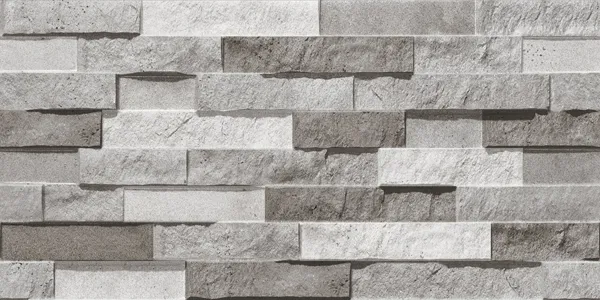 W Rockline 03
 -
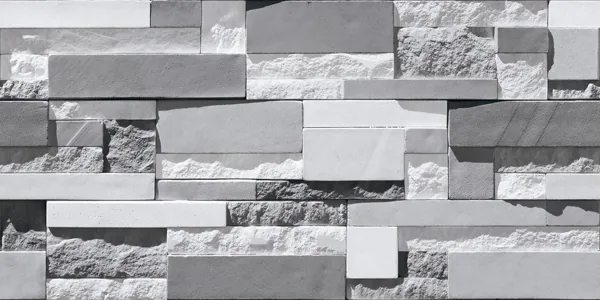 Lyon 03
 -
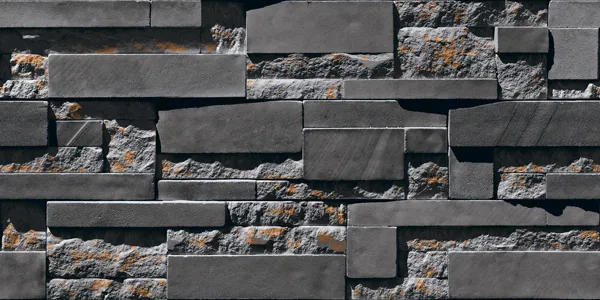 Lyon 06
 -
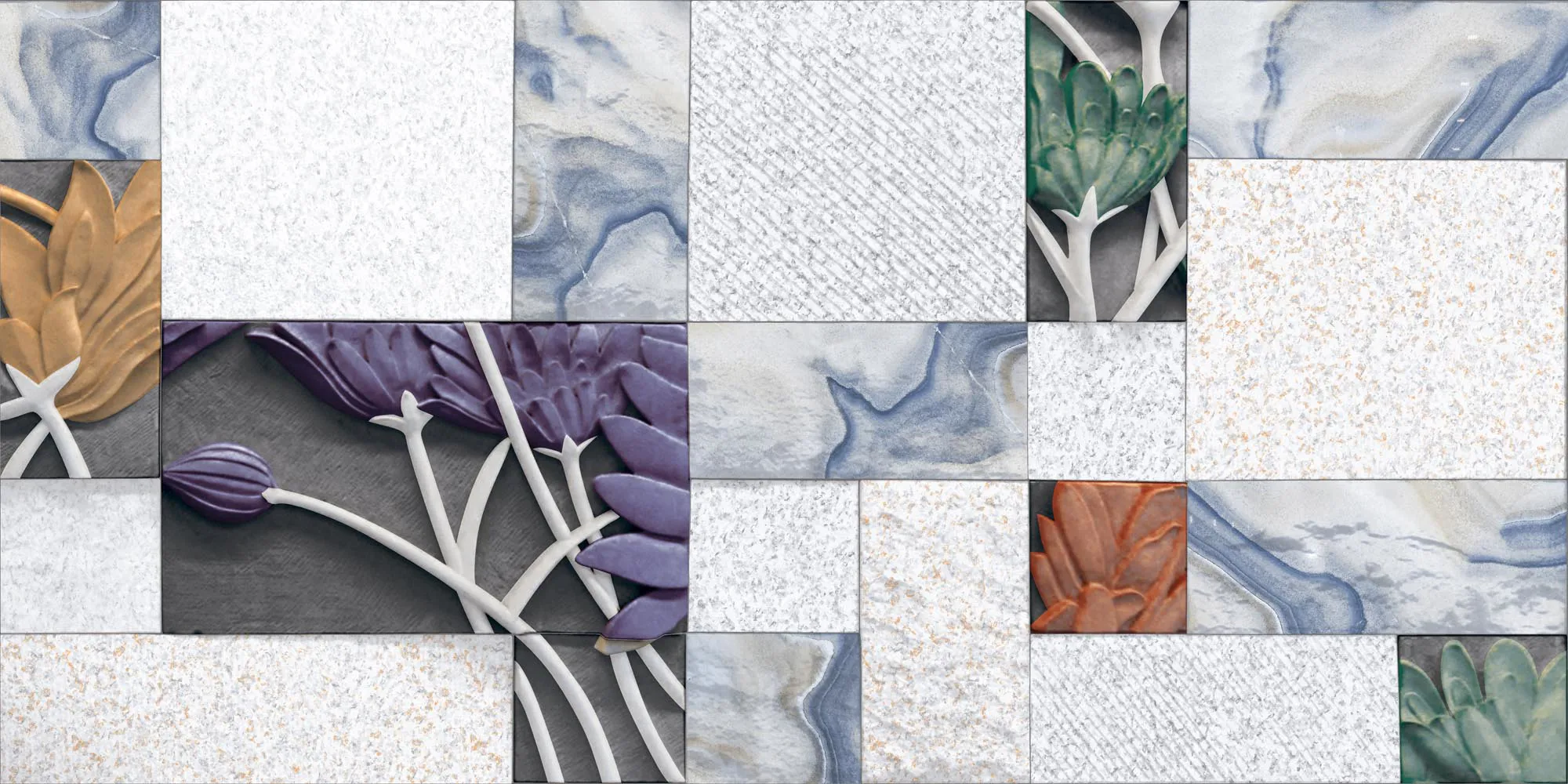 W 7813
 -
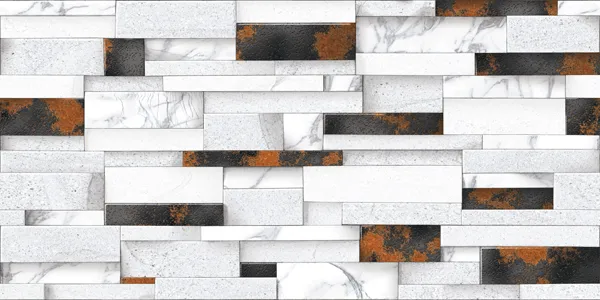 W Adam 10
 -
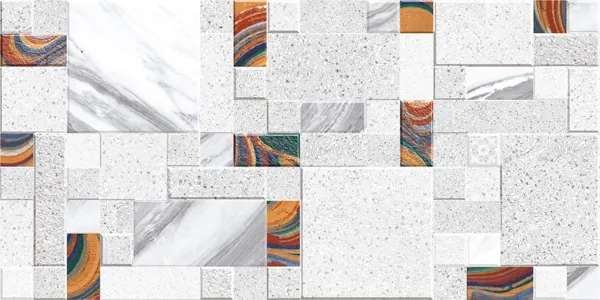 w 7613
 -
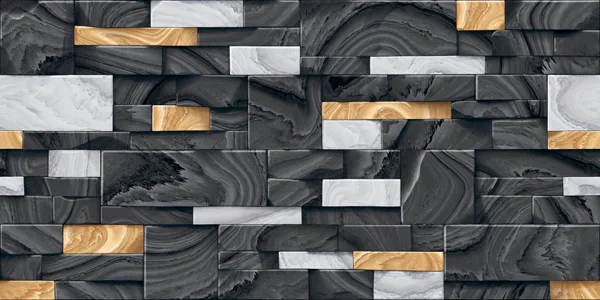 W Costa 12
 -
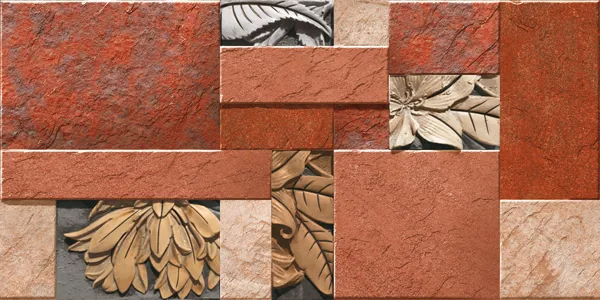 W Rio 07
 -
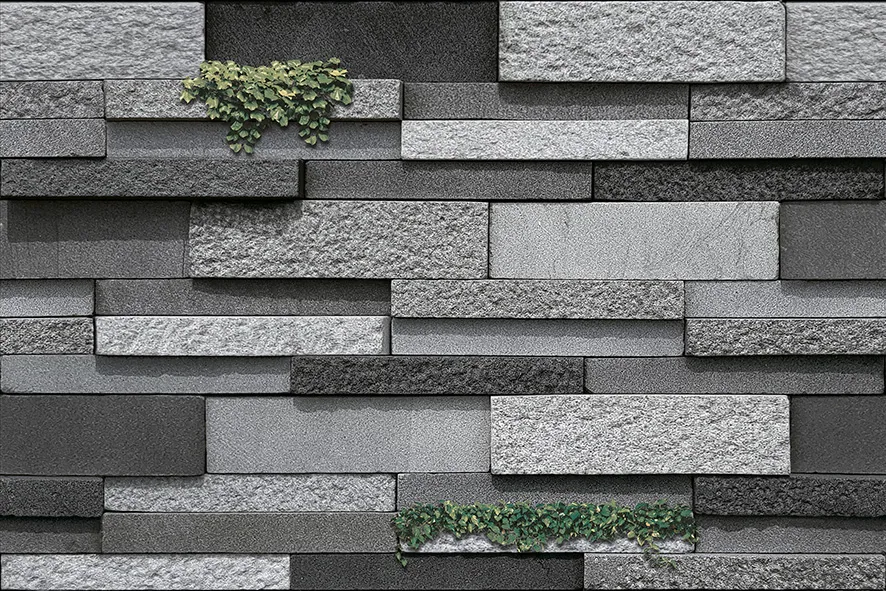 3217
3217 -
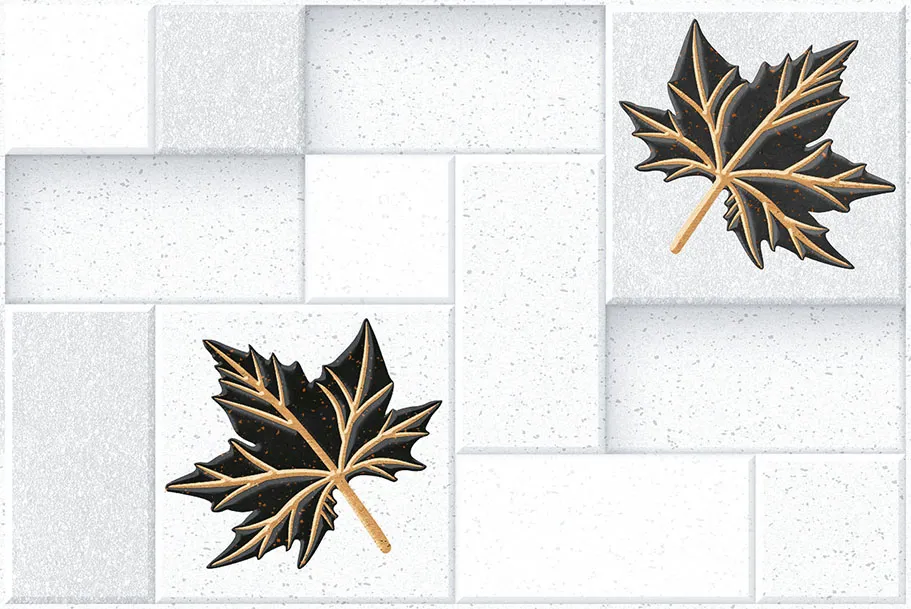 3806
3806 -
 2001
2001 -
 1501 HL 1
 -
 1835 HL
 -
 1836 HL 1
 -
 3045 HL 1
 -
 3049 HL 1
 -
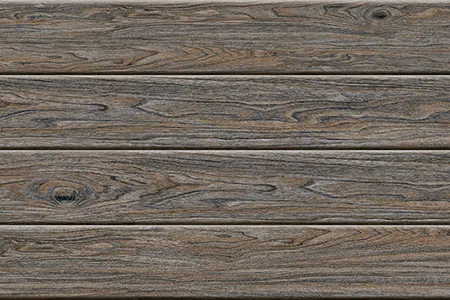 10644-D
 -
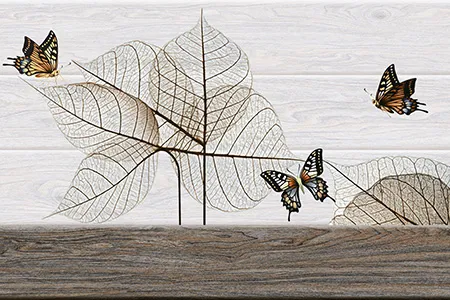 10644-HL
 -
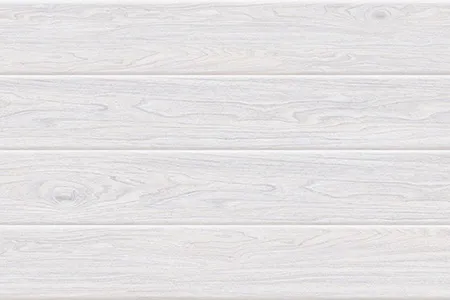 10644-L
 -
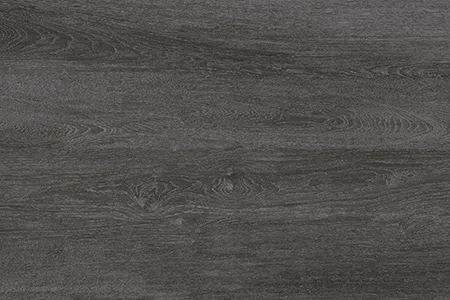 10648-D
Ceramic wall tiles remain the original and still the most common application for ceramic tiles, since a wall never needs the abrasion resistance or slip rating a floor demands, freeing the glaze to focus purely on colour, pattern, and sheen. TilesFinders lists these ceramic tiles in plain colours, brick shapes, 3D textured relief, and wood or marble effect finishes.
Glazed ceramic wall tile is effectively the default version of this product, since walls rarely need the denser, lower absorption body a floor requires, letting manufacturers focus the glaze layer on visual effect rather than durability under foot traffic. Coverage height, edge trim, and how a wall tile pairs with the floor below it are the main practical decisions buyers face.
Prices for ceramic wall tiles range from Rs. 25 to Rs. 140 per sq.ft from Morbi and Gujarat manufacturers, depending on colour, texture, and pattern complexity. A 3D textured or brick-shaped ceramic tile generally costs more than a plain flat colour, reflecting the additional tooling these surfaces need.
Why the Wall Is Where This Material Really Shines
A wall does not carry foot traffic, so a wall tile can be pressed thinner and fired with a softer body than a floor-rated tile, which is part of why this remains the most design-flexible and affordable tile category for Indian bathrooms and kitchens. The glaze layer, rather than the underlying clay body, does almost all of the visual work here.
This freedom is why wall tile supports such a wide range of colours, textures, and printed patterns compared with a floor-rated body, which has to balance appearance against durability and grip. Buyers choosing a wall tile can prioritise look and feel first, since the practical demands a floor tile faces simply do not apply to a vertical surface.
Full Height, Half Height, or a Border in Between
Deciding how high to run wall tile is one of the first practical choices in any bathroom or kitchen project. Full height coverage, running tile from floor to ceiling, is standard inside a shower enclosure and increasingly common across an entire bathroom for an easier-to-clean, more premium-looking finish.
Half height or dado coverage, typically stopping around 1200mm or door handle height, is the traditional approach in many Indian homes, with a painted wall above the tiled section. A decorative border strip, sometimes called a listello, is commonly used to mark this transition point, adding a coloured or patterned band where the tile meets the paint.
Kitchen backsplash tiles coverage usually runs from the counter to the underside of the upper cabinets, a shorter run than a full bathroom wall, which is why smaller wall tile sizes and brick-shaped pieces are particularly popular for this specific application.
Brick Shapes and 3D Texture on a Vertical Surface
Brick-shaped ceramic wall tiles, styled as a small rectangle rather than a square, are laid in a running bond pattern for a classic look, or stacked in a straight vertical grid for a more contemporary appearance. This shape is especially popular for kitchen backsplash and bathroom accent walls, since the narrow proportions suit a band of feature tile well.
3D ceramic tiles for walls use a raised, sculpted surface rather than a flat glazed finish, creating genuine shadow and depth under angled lighting. This textured category overlaps with the carving finish family, and buyers wanting a deeper, more architectural relief pattern should look specifically at a matte carving tiles product rather than a standard flat glazed wall tile.
Choosing a Colour That Works on a Wall, Not a Floor
White and grey wall tiles remain the most requested plain colours, both working as either a full wall covering or a neutral backdrop for a patterned accent strip elsewhere in the room. White in particular helps a small bathroom feel larger and brighter, since it reflects available light rather than absorbing it the way a darker colour would.
Green and black wall tiles are typically chosen for a single feature wall or an accent band rather than full room coverage, since both colours read as a deliberate design statement rather than a neutral backdrop. Large wall tiles in either shade reduce the number of visible grout lines across a feature wall, giving the colour a cleaner, more uninterrupted presence.
Wood effect wall tiles bring a timber look to a vertical surface, commonly used behind a bed headboard or as a bathroom accent wall, where the grain print reads differently under wall level lighting than it would underfoot on a floor. Marble effect wall tiles offer a similar budget alternative to porcelain or GVT marble look tile, well suited to a bathroom feature wall where the surface never faces foot traffic or standing water the way a floor would.
Wall and Floor Together: Match or Contrast
Ceramic wall and floor tiles are frequently searched together by buyers planning a coordinated bathroom or kitchen scheme, though the wall and floor pieces are almost always different products given the different water absorption and slip requirements each surface faces. A contrasting approach, pairing a patterned or coloured wall tile with a plain floor, tends to draw the eye upward and can make a small room feel taller.
A matching or closely toned approach, using a similar colour family for both wall and floor, generally reads as calmer and more cohesive, particularly in a compact bathroom where too much contrast between surfaces can feel busy. Buyers combining wall tile with a genuine ceramic floor tiles product, porcelain, or GVT should confirm both are available in coordinating tones before finalising either order.
Finishing the Edges Properly
Bullnose tiles, carrying one rounded, fully glazed edge, are used to finish any exposed edge of a wall tile installation, such as the top of a half height dado wall or the side of a window reveal, so the exposed edge does not show a raw, unglazed cut line. Corner pieces, glazed on two adjoining edges, serve the same purpose at an external corner.
Epoxy grout is recommended for any wall tile installation in a kitchen or bathroom, since it resists staining from oil, soap, and daily cleaning products far better than standard cement grout over the life of the wall, particularly through the humidity of the monsoon season. Buyers ordering a brick-shaped or patterned tile should also confirm box quantities carefully, since these layouts typically produce more cutting wastage at wall ends and corners than a plain square tile would.
What a Wall Project Actually Costs
Plain colour wall tiles are priced from Rs. 25 to Rs. 55 per sq.ft from Morbi and Gujarat manufacturers, the most affordable option for a full bathroom or kitchen wall. Brick-shaped and textured 3D versions cost more, from Rs. 60 to Rs. 140 per sq.ft, reflecting the additional mould or press tooling these shapes need.
Wood effect and marble effect wall tiles sit in the middle of the range, from roughly Rs. 45 to Rs. 90 per sq.ft, more affordable than an equivalent porcelain or GVT version while remaining suitable for the wall-only application these designs are intended for. GST, freight from Gujarat, and bullnose or corner trim pieces should all be budgeted separately from the base tile price.
The Standard Behind the Glaze
Genuine ceramic wall tiles follow IS 13630 standards, typically carrying water absorption between 10 and 18 percent, which is entirely appropriate for a vertical surface that never sits in standing water the way a floor would. Most ceramic wall tiles sold in India are manufactured in Morbi, Gujarat, and dispatched to dealers nationwide.
Price for this product spans Rs. 25 to Rs. 140 per sq.ft depending on colour, texture, and pattern, with plain colours at the lower end and 3D textured or brick-shaped designs toward the upper end. Buyers outside Gujarat should confirm freight costs separately, particularly during the monsoon months when transit timelines can shift.
Planning the Wall Before You Order
Choosing ceramic wall tiles usually comes down to deciding coverage height, pairing colour with the floor below, and confirming trim pieces for any exposed edge, since these are the practical decisions that shape the finished look of a bathroom or kitchen wall. TilesFinders lists ceramic wall tiles from Morbi and Gujarat manufacturers with colour, texture, and trim availability confirmed on every listing.
A well-planned installation, whether full height, half height with a border, or a single accent wall, remains one of the most flexible ways to bring colour, pattern, or texture into an Indian bathroom or kitchen without the durability constraints a floor tile has to meet.
FAQs
Ceramic wall tiles carry higher water absorption, typically 10 to 18 percent, since a wall never faces standing water or foot traffic. Ceramic floor tiles use a denser body with lower absorption specifically for floor use. The two are different products even within the same broad material.
Full height, floor-to-ceiling coverage is standard inside a shower and increasingly common for an entire bathroom for easier cleaning. Half height or dado coverage, stopping around 1200mm, remains common elsewhere with paint above. A decorative border often marks the transition point between the two.
A bullnose tile carries one rounded, glazed edge, used to finish an exposed edge, such as the top of a half height wall. This avoids showing a raw, unglazed cut edge. Corner pieces serve the same purpose at external corners.
3D ceramic wall tiles and matte carving tiles both use a raised, sculpted surface rather than a flat glaze, and the two categories overlap significantly. Buyers wanting a deeper, more architectural relief pattern should look specifically at a matte carving product. Standard 3D wall tiles typically offer a shallower texture.
Ceramic wall tiles typically cost between Rs. 25 and Rs. 140 per sq.ft in India. Plain colours sit at the lower end, while brick-shaped and 3D textured designs cost more. Wood and marble effect versions sit in the middle of this range.
Both approaches work, and the choice depends on the room. A contrasting wall tile against a plain floor draws the eye upward and can make a small room feel taller. A matching or closely toned scheme generally feels calmer in a compact bathroom.
Yes, ceramic wall tile is the standard choice for kitchen backsplash, typically with a glossy or satin glaze that wipes clean of oil splashes easily. Confirm the tile is glazed rather than unglazed for this application. A glazed surface cleans far more easily than an unglazed one.
Epoxy grout is recommended for ceramic wall tile in kitchens and bathrooms, since it resists staining better than cement grout. This matters most behind a stove or inside a shower. Standard cement grout remains acceptable for a dry, low-traffic wall.