

Ceramic Floor Tiles: Slip Rating, Wood Look, and Outdoor Use
Loading designs...
-
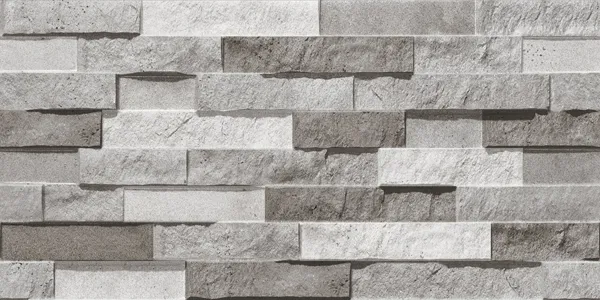 W Rockline 03
 -
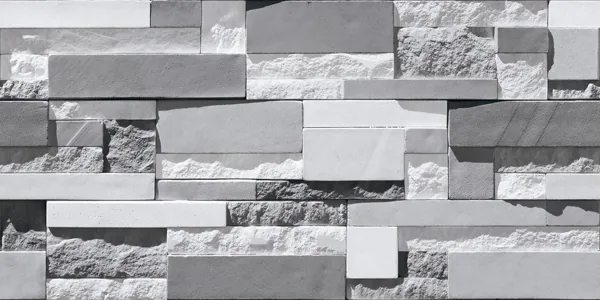 Lyon 03
 -
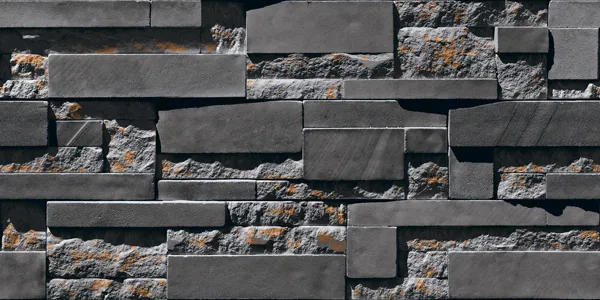 Lyon 06
 -
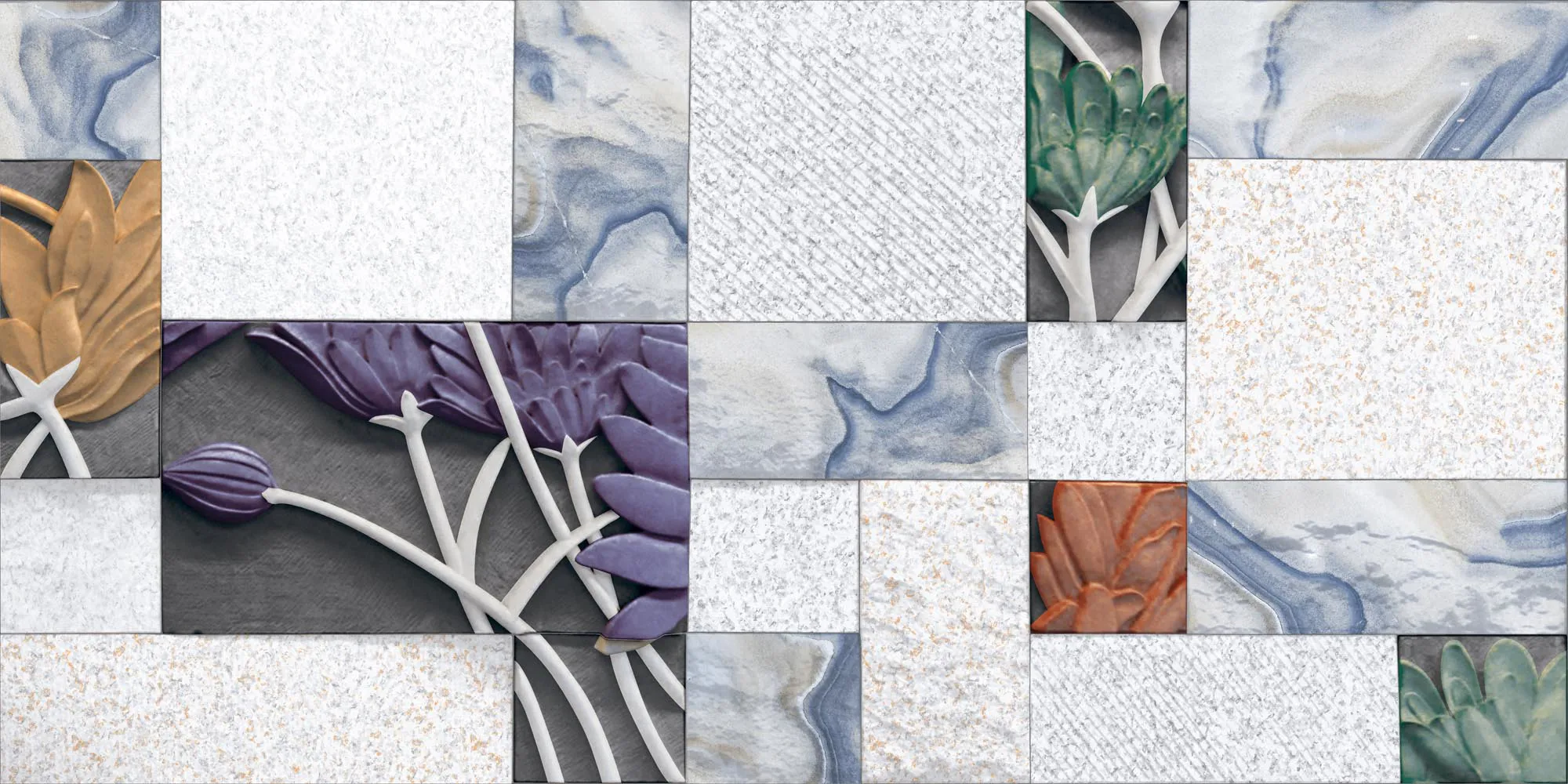 W 7813
 -
 W Adam 10
 -
 w 7613
 -
 W Costa 12
 -
 W Rio 07
 -
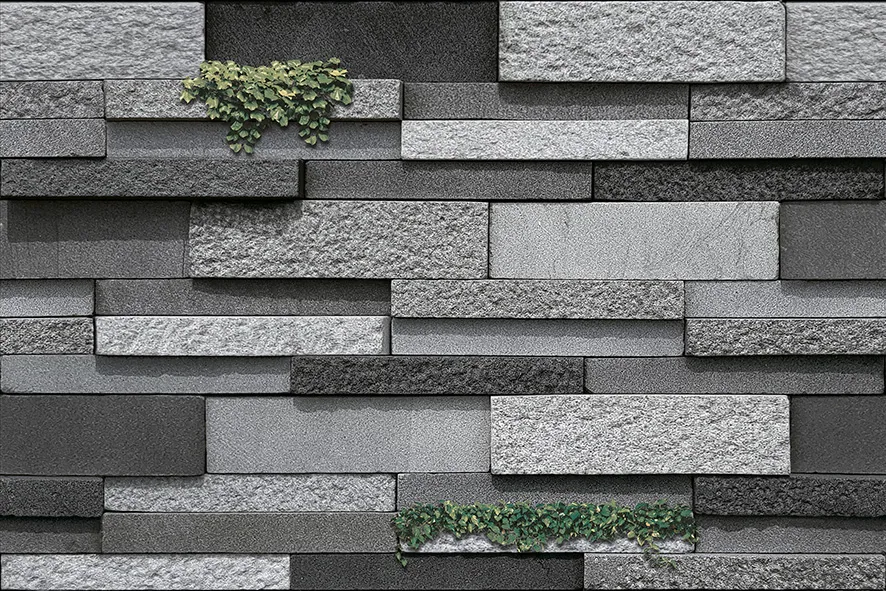 3217
3217 -
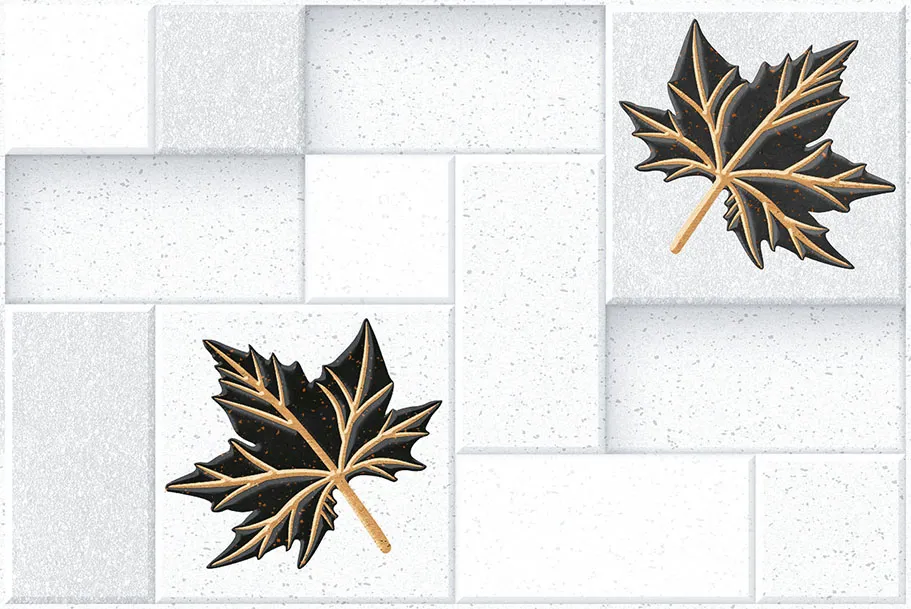 3806
3806 -
 2001
2001 -
 1501 HL 1
 -
 1835 HL
 -
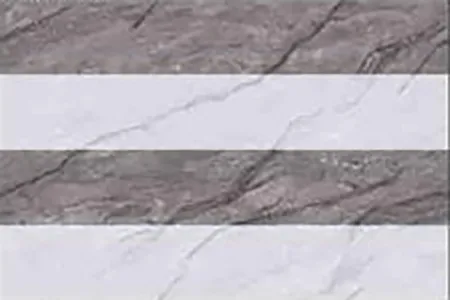 1836 HL 1
 -
 3045 HL 1
 -
 3049 HL 1
 -
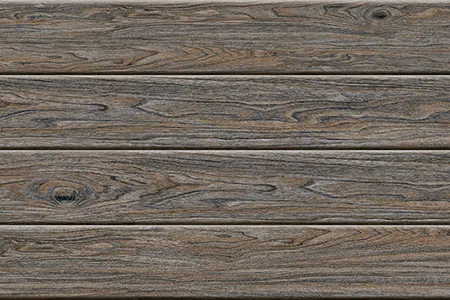 10644-D
 -
 10644-HL
 -
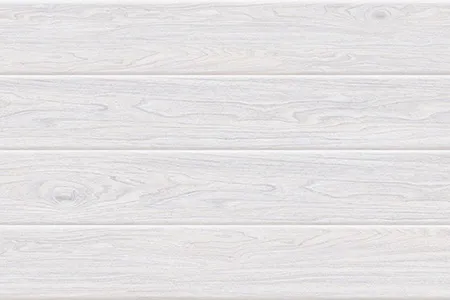 10644-L
 -
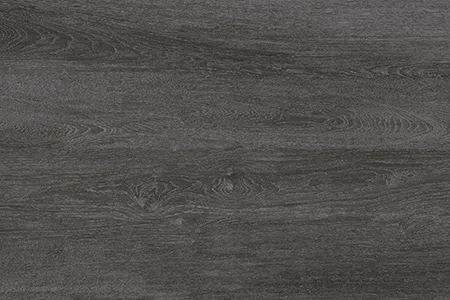 10648-D
Ceramic floor tiles are a denser, lower-absorption version of ceramic specifically engineered for foot traffic, distinct from the thinner, more porous ceramic wall tile used for backsplash and bathroom walls. TilesFinders lists this floor product across matte, textured, wood-look, and mosaic sheet options, suitable for bedrooms, living rooms, patios, and select commercial spaces.
This floor-rated product carries water absorption of roughly 3 to 6 percent, considerably lower than the 10 to 18 percent typical of a wall-only ceramic tile, which is what allows genuine floor use without the staining and durability issues a wall product would face underfoot. Slip resistance, sold under several overlapping names including non-slip, anti-slip, and anti-skid, is a major consideration for any ceramic floor product.
Prices range from Rs. 35 to Rs. 100 per sq.ft from Morbi and Gujarat manufacturers, depending on finish, pattern, and rated use. Outdoor and patio applications need a specifically rated product, since a standard indoor finish is not built for direct monsoon rain and sun exposure over several years.
The One Fact That Actually Matters: Floor Body vs Wall Body
This floor tile is manufactured as a denser body than the ceramic wall tiles used for backsplash and decorative walls, pressed and fired to bring water absorption down to roughly 3 to 6 percent rather than the 10 to 18 percent typical of a wall-rated product. This is the key technical difference that makes genuine floor use possible in bedrooms, living rooms, and other floor applications where a standard wall tile would fail over time.
Both wall and floor versions fall under IS 13630 standards, though the floor-rated body is tested and classified separately from the thinner, more porous wall tile grade within the same broad standard. Buyers should always confirm which grade a listing refers to, since wall tile and floor tile within ceramic describe genuinely different products rather than the same tile used in two locations.
Non Slip, Anti Skid, Slip Resistant: One Idea, Five Names
Non slip, slip resistant, anti slip, non skid, and anti skid floor tiles all refer to the same underlying property, a textured or structured surface rated for grip underfoot, described using slightly different wording depending on the seller or region. This matters most for bathroom floors, where a matte or textured finish is the standard recommendation over a smooth or glossy surface.
Slip resistance is generally rated using an R grade system, with R9 suited to normal indoor dry to occasionally wet floors and R10 or R11 recommended for bathrooms, kitchens, and any area that sees regular water exposure. A textured or structured surface achieves this grip through a slightly rougher physical texture rather than through colour or pattern, so the rating should always be confirmed on the technical data sheet rather than assumed from the tile's appearance.
Note: Glossy or polished ceramic floor tiles, regardless of how the product is marketed, should never be treated as slip-resistant, since a smooth reflective surface offers meaningfully less grip than a textured or matte one once wet.
Wood-Look Ceramic Flooring Without the Upkeep
Floor tile flooring that looks like wood uses a digitally printed grain pattern over the floor-rated body, giving a warm, timber like appearance without the sealing, scratching, and moisture concerns real wood flooring faces in India's humid climate. This wood-look option is typically sold in an elongated plank shape to mimic the proportions of real timber boards, though square formats with a wood grain print also exist.
A matte or lightly textured finish suits this wood look tiles option best, since a glossy surface makes the grain pattern look artificial and reduces the grip a real floor needs. Buyers should request a sample of the specific grain repeat before ordering a full room, since some manufacturers reuse the same one or two grain prints across an entire production batch.
Patios, Exteriors, and What Weather Does to a Floor
Outdoor, exterior, and patio floor tiles need a body and finish specifically rated for weather exposure, since a standard indoor finish is not built to handle direct monsoon rain, standing water, and prolonged sun over several years. A dedicated outdoor-rated product typically carries an anti-skid or GHR finish alongside the lower water absorption floor body already described above.
Patio tiles specifically should be laid on a properly sloped base to drain rainwater away from the surface, since standing water on an outdoor floor both shortens tile life and increases slip risk even on a rated anti-slip finish. Colour fading from prolonged direct sun exposure is a minor long-term consideration outdoors, generally less pronounced on darker or more muted tones than on very bright printed patterns.
Sizing It Up: Large Formats, Mosaic Sheets, and Herringbone
Large floor tiles, generally sizes upward of 400x400mm, are chosen for open living areas and larger rooms where fewer grout lines are wanted, while smaller sizes remain common for bathrooms and other tighter spaces where cutting wastage matters more than joint count. A mosaic sheet, made up of small individual pieces on a mesh backing, is a related but distinct product from a single large floor tile, generally used for shower floors or decorative floor borders rather than a full room.
A herringbone tile layout uses a rectangular plank-shaped piece arranged in a V shaped zigzag pattern, popular for an entryway or a feature floor area rather than a full room given the higher cutting wastage this layout produces compared with a straight grid. A standard running bond or straight grid layout remains the lower wastage, more common choice for a full installation of this kind.
When Ceramic Floor Tile Belongs in a Commercial Project
Commercial grade floor tile in this material needs a higher breaking strength and abrasion rating than a typical residential product, since retail, office, and hospitality floors see far heavier and more continuous foot traffic than a home. A PEI rating, describing surface abrasion resistance, should be confirmed for any commercial project, with a higher PEI number indicating better long-term wear resistance under heavy use.
Many commercial projects choose porcelain tiles or GVT over this material specifically for the lower water absorption and higher breaking strength these bodies offer, reserving ceramic floor tile for lighter commercial use such as a reception area or an office space with moderate rather than continuous heavy footfall.
What You'll Actually Pay
Standard floor tiles in this material are priced from Rs. 35 to Rs. 65 per sq.ft from Morbi and Gujarat manufacturers, the most accessible option for a bedroom or living room floor. Wood-look and anti-skid-rated versions cost more, from Rs. 50 to Rs. 95 per sq.ft, reflecting the added print or texture process.
Outdoor-rated patio tiles and commercial-grade options sit toward the upper end of the range, from roughly Rs. 55 to Rs. 100 per sq.ft, given the additional testing and rated finish these applications need. GST, freight from Gujarat, and epoxy grout should all be budgeted separately from the base tile price for any floor project.
The Specifications That Back This Up
Genuine ceramic floor tiles carry water absorption between 3 and 6 percent, tested under IS 13630 standards, which keeps a floor stable through India's monsoon humidity without the swelling or staining a wall-rated body would face if used on a floor by mistake. Most floor tiles of this type sold in India are manufactured in Morbi, Gujarat, and dispatched to dealers nationwide.
Price for this product spans Rs. 35 to Rs. 100 per sq.ft depending on finish and rated use, with standard matte options at the lower end and outdoor-rated or commercial grade tiles toward the upper end. Buyers outside Gujarat should confirm freight costs separately, particularly for outdoor or patio orders placed ahead of the monsoon season. Epoxy grout is also worth budgeting for any wet area or outdoor installation, since it resists staining far better than standard cement grout over time.
Getting the Grade Right Before You Order
Choosing ceramic floor tiles usually comes down to confirming the water absorption grade, slip rating, and intended use before ordering, since wall tile and floor tile within ceramic describe genuinely different products rather than the same tile suited to any location. TilesFinders lists ceramic floor tiles from Morbi and Gujarat manufacturers with water absorption, slip rating, and finish confirmed on every listing.
A correctly specified floor tile in this material, whether a plain matte finish, a wood-look print, or an outdoor-rated patio option, delivers years of reliable daily use without the cracking or staining problems that come from installing a wall-rated body on a floor by mistake.
FAQs
Ceramic floor tile is a denser body with water absorption of roughly 3 to 6 percent, built to handle foot traffic. Ceramic wall tile has higher water absorption, typically 10 to 18 percent. The two are genuinely different products despite both being called ceramic.
Non-slip, anti-slip, non-skid, and anti-skid all describe the same textured surface rated for grip underfoot. These terms are used interchangeably by different sellers and regions. The rating is usually expressed as an R grade, such as R9, R10, or R11.
Yes, but only a specifically rated outdoor or exterior tile with an anti-skid or GHR finish should be used outdoors. Standard indoor floor tile is not built for direct monsoon rain and prolonged sun exposure. Confirm the outdoor rating before ordering for a patio or exterior area.
Yes, wood-look floor tile gives a timber appearance without the sealing and moisture concerns real wood faces in India's humid climate. A matte or lightly textured finish works best for both grip and a natural-looking grain. Request a sample of the specific grain print before ordering a full room.
Ceramic floor tiles typically cost between Rs. 35 and Rs. 100 per sq.ft in India. Standard matte options sit at the lower end, while wood-look, anti-skid, and outdoor-rated versions cost more. Commercial grade tiles generally sit toward the upper end of this range.
R10 or R11 is generally recommended for bathroom floors, since these ratings indicate stronger grip for consistently wet conditions. R9 suits normal indoor floors with only occasional water exposure. Always confirm the specific R rating on the technical data sheet rather than assuming from texture or appearance.
Yes, but commercial-grade floor tile needs a higher breaking strength and PEI abrasion rating than a typical residential product. Many commercial projects choose porcelain or GVT instead for heavier footfall areas. This material suits lighter commercial use such as a reception area or moderate traffic office space.
No, a mosaic floor sheet is made up of small individual pieces on mesh backing, while a large floor tile is one solid piece. Mosaic sheets are generally used for shower floors or decorative borders. Large single tiles suit open living areas better.