

Kota Stone and Shahabad Tiles: Price, Hardness, and Best Use
Loading designs...
-
W Rockline 01 300x600Matte -
Bucak Light 200x1000Matte -
Navona White 200x1000Matte -
Scabos Honed 200x1000Matte -
Silver Mist Honed 200x1000Matte -
Noir Honed 200x1000Matte -
Silyon Ivory 200x1000Matte -
Vesta White 200x1000Matte -
Silyon Beige 200x1000Matte -
Vesta Grey 200x1000Matte -
Volcano 200x1000Matte -
W Rockline 02 300x600Matte -
W Rockline 03 300x600Matte -
W Rockline 04 300x600Matte -
Lyon 01 300x600Matte -
W Rockline 05 300x600Matte -
W Rockline 06 300x600Matte -
Lyon 02 300x600Matte -
W Rockline 07 300x600Matte -
Lyon 03 300x600Matte







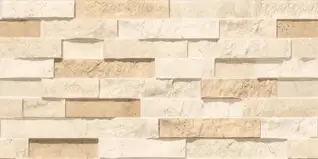
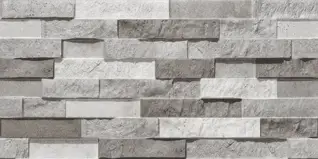
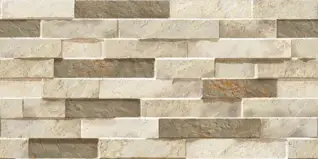
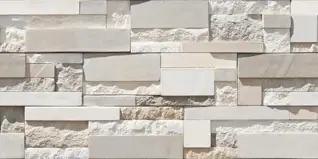
Kota stone and Shahabad tiles are two of the most established natural limestone flooring materials in India, both predating the rise of vitrified and porcelain tile by decades and still widely specified for their low cost and natural anti-slip surface. The two stones look similar enough in photos that buyers often assume they're interchangeable, but they come from different quarry regions, carry different hardness, and suit slightly different budgets and applications. This page starts with that comparison, then covers pricing, outdoor use, wall cladding, and finish choice.
Kota Stone vs Shahabad Stone: Origin and Hardness
| Factor | Kota Stone | Shahabad Stone |
| Quarry region | Ramganj Mandi, Kota district, Rajasthan | Shahabad/Tandur area, Karnataka and Telangana |
| Hardness | Harder, more scratch-resistant | Softer, easier to cut and shape |
| Typical colours | Green, grey, beige, brown | Green, grey, red, blue |
| Base price (Rs./sq.ft) | Rs. 15 to Rs. 50 | Rs. 12 to Rs. 35 |
| Best suited for | High-traffic floors, commercial use | Budget flooring, outdoor courtyards |
Kota stone, technically a fine-grained siliceous limestone rather than true dolomite, despite sometimes being described that way, holds up better under heavy foot traffic and scratching, which is why it remains common in government buildings, hospitals, railway stations, and commercial spaces. Shahabad stone is a close cousin geologically, similar enough that shopkeepers occasionally substitute one for the other, but its softer composition makes it the more budget-friendly and easier-to-install option for residential floors that see lighter daily use.
Note: Shahabad stone and Kota stone can look nearly identical in a sample photo despite real hardness differences. Always confirm which stone a listing is actually selling before ordering for a high-traffic area.
Kota Stone Tiles Price: What Changes the Cost
Kota stone tiles price is one of the most searched terms in this category, and it varies more with thickness, colour, and finish than with size alone, since the raw material itself is quarried in slab form and cut to order.
- Standard unpolished Kota stone: Rs. 15 to Rs. 25 per sq.ft for raw material.
- Semi-polished Kota stone: Rs. 25 to Rs. 40 per sq.ft.
- Highly polished or mirror-finish Kota stone: Rs. 40 to Rs. 50 per sq.ft for material alone.
- Polished Kota stone flooring, including fixing: typically Rs. 60 to Rs. 80 per sq.ft in most Indian cities, once labour and finishing are added.
Pro tip: When comparing Kota stone tiles price between suppliers, always confirm whether the quoted figure includes fixing and finishing labour, since raw material price alone can look misleadingly low compared to a fully installed floor.
Kota Stone Flooring Outdoor: Why It Holds Up
Kota stone flooring for outdoor applications remains popular because the stone tolerates dry heat, monsoon rain, and temperature swings without the sealing schedule that more porous stones like sandstone demand. The natural, low-shine surface also means outdoor Kota stone rarely becomes as slippery as polished marble or granite would under similar wet conditions, making it a long-standing choice for driveways, courtyards, garden paths, terraces, and staircases across Indian homes and commercial buildings.
- Driveways and parking areas: honed or semi-polished Kota stone for grip under vehicle and foot traffic.
- Courtyards and garden paths: rough or lightly finished Kota stone or rough Shahabad tiles for maximum slip resistance.
- Terraces and balconies: semi-polished finish balances a clean look with safe footing in wet weather.
- Staircases: textured or honed finish only, never a high-polish mirror finish, on any outdoor step.
Polished Kota Stone Flooring: Finish Options
Polished Kota stone flooring is available across several distinct finish levels, and the right one depends on where the floor sits rather than personal preference for shine alone.
- River wash finish: a natural, tumbled look replicating stone taken directly from a riverbed.
- Leather finish: a soft, textured surface resembling worked leather, popular for feature areas.
- Honed finish: matte, low-shine, and velvety to the touch, the safest all-round choice for wet or high-traffic floors.
- Sandblasted finish: a rough, non-slip surface best suited to bathroom floors and other consistently wet areas.
- Highly polished or mirror finish: the glossiest option, best kept to dry indoor floors and feature areas rather than any wet or outdoor application.
Note: Highly polished Kota stone flooring in mirror finish should stay indoors and in dry areas. Even though Kota stone grips better than most polished stone, a full mirror shine still reduces slip resistance compared to honed or sandblasted finishes.
Kota Stone Wall Cladding and Rough Shahabad Tiles
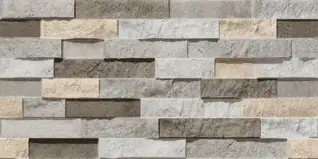
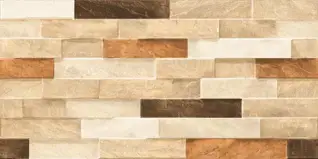
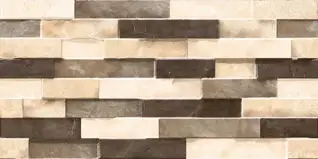
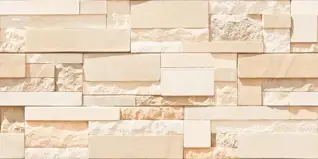
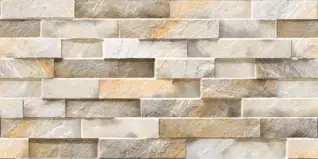
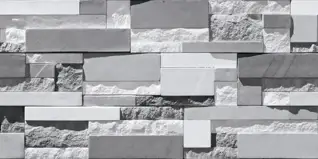
Kota stone wall cladding uses the same base material cut into thinner panels rather than full flooring-thickness slabs, applied to building exteriors and feature walls for a textured, natural look at a lower cost than granite or sandstone cladding. Rough Shahabad tiles, left in their natural, unpolished state, serve a similar purpose for budget-conscious exterior work, particularly in courtyards, garden paths, and other areas where the stone's raw texture and slip resistance matter more than a refined finish.
Kota and Shahabad Stone Specifications for Indian Buyers
Kota stone and Shahabad stone, both natural limestone, do not carry a single fixed IS water absorption standard the way manufactured tile does, since porosity and density vary by quarry lot. Kota stone tiles price ranges from Rs. 15 to Rs. 80 per sq.ft, depending on finish and whether fixing labour is included, and buyers researching kota stone tiles price should always ask whether a quote covers material only or material plus installation. Shahabad tiles typically run slightly lower at Rs. 12 to Rs. 35 per sq.ft for raw material. Kota stone is quarried primarily around Ramganj Mandi in Rajasthan's Kota district, while Shahabad stone comes from the Shahabad and Tandur belt spanning Karnataka and Telangana.
Buyers ordering Kota stone or Shahabad tiles in bulk for a large floor should request cut-to-size options and confirm colour consistency across the full order, since both stones show natural variation between quarry lots that can be more visible than variation in manufactured tile.
Two Regional Favourites, Ready to Explore
Kota stone and Shahabad tiles sit together on Tilesfinders across raw, semi-polished, and highly polished finishes, spanning flooring, outdoor, and wall cladding applications sourced from quarry regions in Rajasthan, Karnataka, and Telangana. Prices range from Rs. 12 to Rs. 80 per sq.ft depending on stone type, finish, and whether fixing is included. Hardness, colour, and finish can all be compared before deciding which classic Indian stone suits a specific project.
FAQs
Kota stone is a harder, denser limestone quarried in Rajasthan, while Shahabad stone is a softer limestone quarried in Karnataka and Telangana. Kota resists scratching better; Shahabad is more budget-friendly.
Kota stone tiles cost Rs. 15 to Rs. 50 per sq ft depending on colour, thickness, and finish, with polished Kota stone flooring, including fixing running higher, around Rs. 60 to Rs. 80 per sq.ft in most cities.
Yes. Kota stone flooring outdoor applications handle sun, rain, and temperature swings well, and the naturally low-shine surface stays grip-safe even in a honed or lightly polished finish.
Less than most other polished natural stone. Kota stone's natural texture holds some grip even in a mirror-polish finish, though a honed or semi-polished finish is still the safer choice for wet areas.
Rough Shahabad tiles keep the stone's natural, unpolished surface, giving a strong grip for outdoor paths, courtyards, and areas where slip resistance matters more than a smooth finish.
Yes. Kota stone wall cladding works well for building exteriors and feature walls, cut into thin panels rather than full flooring-thickness slabs.
Kota stone is harder and more scratch-resistant. Shahabad stone is softer, which makes it easier to cut and shape, but more prone to wear over time.
Yes, in honed or semi-polished finish. Both stones offer natural anti-slip properties even at a moderate shine level, making them a traditional choice for Indian bathroom and bedroom floors.