

Terrace Floor Tiles: Design, Size, Laying Pattern and Price Guide
Loading designs...
-
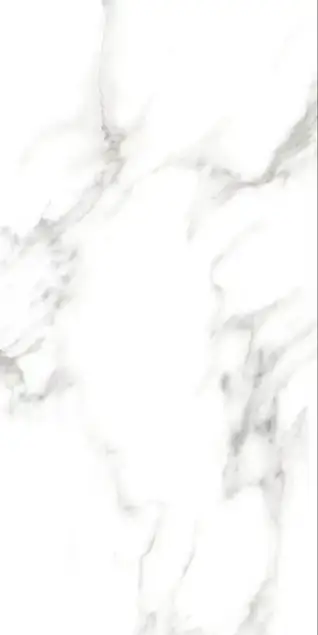 Calacutta Bianco
 -
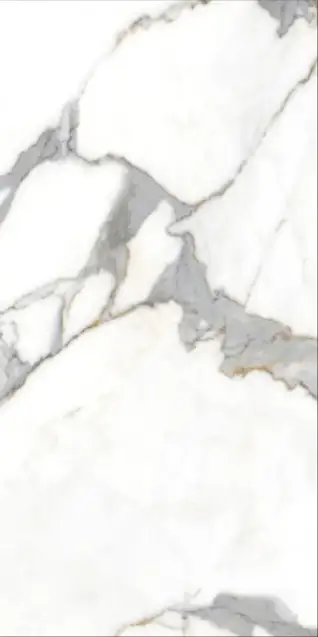
 Sea Wave Grey
 -
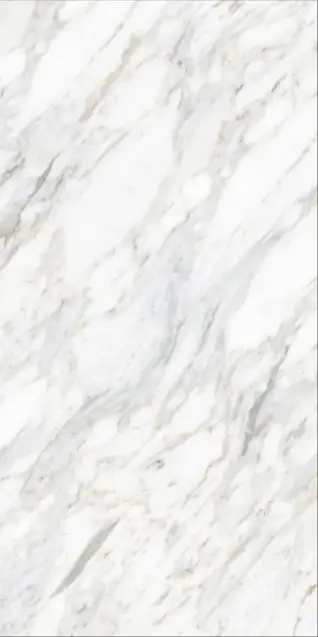
Carrara Classico
-
Cruto Statuario Grey
-
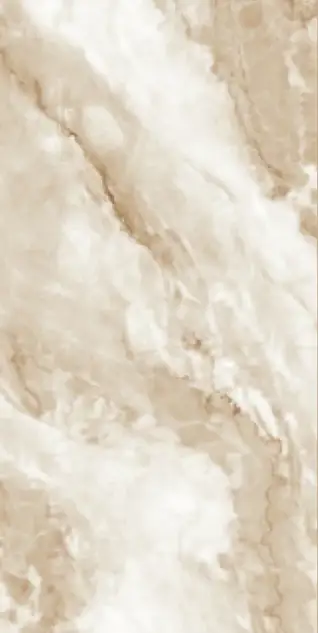
Slimy Beige
-
Venezia Bianco
-
Supra White
-
P 1201
-
P 1207
-
P 1203
-
Cotto Sealine Musterd Decor (800x1600)
-
Quartzite Beige (800 x 1600)
-
P 1201
-
P 1207
-
P 1203
-
Versace Grey (800 x 1600)
-
Ant Bianco (800 x 1600)
-
P 1201
-
P 1203
-
P 1207

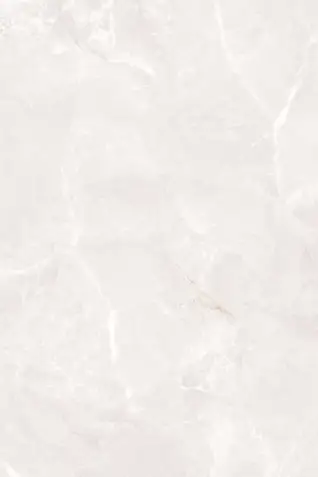

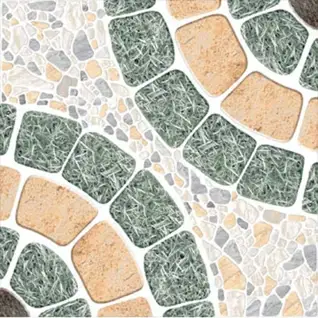
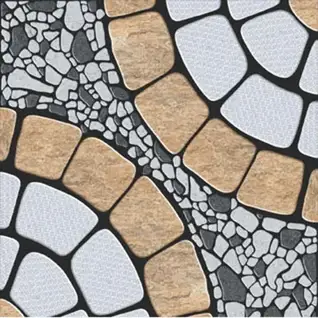
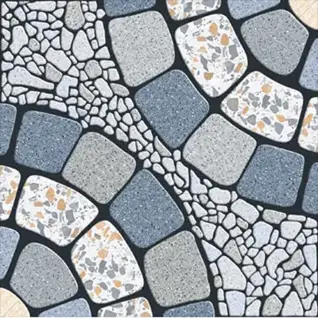


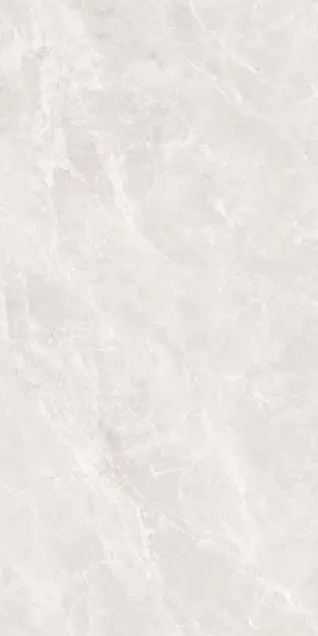
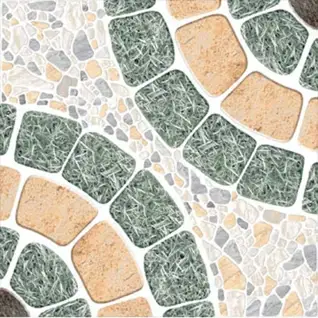
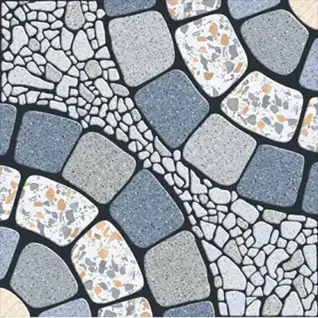
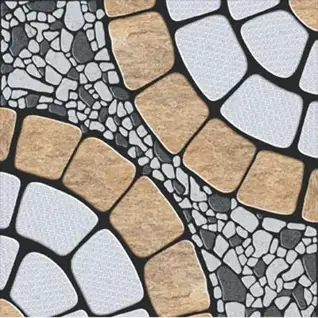
Terrace floor tiles carry a different set of decisions from any indoor floor tile. The floor is outdoors, sloped toward a drain, exposed to direct sun and monsoon rain, and in some homes used as a seating area, garden space, or drying yard. The tile that goes on this floor has to handle all of those conditions simultaneously while also looking considered when the terrace is used as a social or leisure space. Finding the right terrace tiles for the floor starts with the outdoor specification, then works through size, design, laying pattern, and the practical factors that are specific to an outdoor sloped surface.
An indoor living room floor is flat, enclosed, and primarily looked at from standing or seated height. A terrace floor is sloped, open to the sky, viewed from above as a complete plane when someone looks down from a higher floor or from a neighbouring building, and can be walked on in all weather conditions. These differences affect tile size choice (large formats are harder to lay on a sloped surface), laying pattern choice (diagonal patterns create more cut waste and are harder to align with a slope), and design direction (outdoor colours and textures behave differently in direct sunlight than in interior ambient lighting).
This page covers terrace floor tiles from the design and practical decision perspective: what sizes work on a sloped terrace floor and why smaller formats suit outdoor slopes better than large ones, how different design directions look in outdoor light conditions, terracotta tiles for terrace flooring in both traditional and GVT form, how the roof terrace floor tile choice works when the terrace is used as an outdoor room, and what to expect in terms of price for terrace floor tiles from Morbi manufacturers.
Open Terrace Floor Tiles: The Specification Starting Point
Before design, the tile body type and finish for an open terrace floor tile are non-negotiable. Water absorption must be below 0.05% under IS 15622:2006 for any tile on an open-to-sky terrace floor. This means GVT (Glazed Vitrified Tiles) in matte or textured finish, or full body vitrified in matte or rough finish. Polished, high-gloss, satin matte, and sugar finish tiles must not be used on open terrace floors: they provide inadequate grip when the floor is wet from rain or cleaning.
Ceramic tiles with 12% to 16% water absorption must not be used on open terrace floors. A covered terrace under a pergola or partial shade structure has lower direct rain exposure, and porcelain tiles (2% to 5% absorption) in matte finish are acceptable on a covered terrace floor. For any open-to-sky terrace floor, GVT matte or textured is the starting specification from which all other decisions follow.
All design directions discussed on this page, terracotta-look, stone-look, brick-look, grey, white, and mosaic-look, are available in correctly specified GVT outdoor terrace floor tiles from Morbi. The design choice does not compromise the specification requirement: a terracotta-look GVT tile and a plain grey GVT tile have the same outdoor performance specification. The design is the surface print or texture; the specification is the body type and water absorption.
Tile Size for Terrace Floors: Why the Slope Changes the Calculation
An indoor floor is flat. A terrace floor is sloped. This single difference changes the tile size calculation significantly. A large-format tile in 600x1200mm laid on a sloped terrace floor must follow the slope across its full length. If the slope changes direction (as it does on an L-shaped terrace or a terrace with multiple drains), a large tile spanning the direction change will rock on its long edge unless the screed beneath is precisely modelled to the slope. This is achievable but requires a more skilled installation.
300x600mm and 600x600mm are the most used terrace floor tile sizes in Indian residential construction for this reason. The shorter tile dimension means the tile spans a shorter distance across the slope, which reduces the risk of rocking or lippage at tile edges as the slope changes. The 300x600mm size is particularly forgiving on terraces with irregular shapes, multiple drainage points, or obstacles like planter bases and equipment plinths, where cutting around irregular edges is frequent.
Large formats in 600x1200mm are used on large, regularly shaped terraces with a single consistent slope direction and a single drain. On a 500 square foot rectangular terrace with a uniform slope and a single central drain, a 600x1200mm tile laid parallel to the slope direction is practical and produces a clean contemporary surface. The same tile on an irregular terrace with multiple drains and planters is significantly harder to install correctly and will produce more waste from the complex cuts required.
| Tile Size | Best Terrace Floor Application | Slope Compatibility | Installation Complexity | Waste at Perimeter |
|---|---|---|---|---|
| 300x300mm | Garden terrace zones, around planters, irregular shapes | Excellent, short span across slope | Low | Moderate (small tiles, many cuts) |
| 300x600mm | Standard residential terraces, all shapes | Very good, manageable across the slope | Low to moderate | Low to moderate |
| 600x600mm | Regular rectangular terraces, single slope direction | Good, requires precise screed levelling | Moderate | Moderate |
| 600x1200mm | Large regular terraces, single slope, minimal obstacles | Requires precise slope modelling | High | Higher, more difficult cuts at the perimeter |
| 800x1600mm and above | Not recommended for open terrace floors with a slope | Very difficult, significant rocking risk | Very high | High |
Terrace Floor Tiles Design: How Outdoor Light Changes the Design Decision
Tile colours and textures behave differently in direct outdoor sunlight than they do in a showroom or under indoor lighting. An important practical reality of terrace floor tile selection: always view the tile sample in direct sunlight before ordering, not just under showroom fluorescent lighting. Several design decisions change under this test.
Terracotta-red and rust tones look warm and rich under indoor lighting. In direct Indian summer sun, the same tile reads as a much hotter, more saturated colour. Some buyers find this reads as vibrant and festive; others find it too intense for a terrace used as a daily rest space. Grey and stone-look tiles read more consistently between indoor and outdoor light: a mid-grey matte GVT tile under showroom light and the same tile in direct sun produce a similar colour impression. White and off-white tiles look clean and bright in both conditions. Dark tiles look very different: a charcoal matte tile that reads as a sophisticated neutral in a showroom looks stark and aggressive in bright Indian sun, and the heat it absorbs makes it impractical underfoot.
Terracotta Tiles for Terrace Flooring
Terracotta-look GVT tiles for terrace flooring bring the warm red-orange character of traditional Indian fired terracotta to a roof terrace or garden terrace without the maintenance burden of actual terracotta. Traditional fired terracotta tiles used on Indian terraces for decades absorb 15% to 20% water, develop moss and algae in shaded corners, fade unevenly with UV exposure, and require periodic sealing to maintain their surface. After two to three monsoon seasons without proper sealing, a traditionally terracotta-tiled terrace typically shows heavy mineral staining, dark growth patches in shaded zones, and uneven colour across the sun-exposed and shaded sections.
GVT terracotta-look tiles absorb less than 0.05% water, hold their warm red-orange colour without fading or staining through monsoon seasons, do not develop moss or algae on their non-porous surface, and never need sealing. The GVT surface is consistent across every tile from the same production batch, which eliminates the natural colour variation that traditional terracotta develops over time. For homeowners who want the character of terracotta on a roof terrace without the maintenance, GVT terracotta-look in 300x300mm or 300x600mm rough or matte finish in the same warm red-orange range is the practical choice. Price range: Rs. 42 to Rs. 75 per sq ft.
Stone Look Terrace Floor Tiles
Stone-look GVT tiles in sandstone, slate, and granite grain patterns are the most used design direction for Indian terrace floors across all price points. Stone textures read naturally in an outdoor setting: a sandstone-look or slate-look GVT tile on a terrace surface sits visually within the outdoor environment in a way that plain solid-colour tiles sometimes do not. Grey slate-look GVT in matte or GHR finish in 300x600mm or 600x600mm is the single most used terrace floor tile direction in Indian urban residential construction today. It is neutral enough to work with any outdoor furniture and planter colour, shows less heat absorption than terracotta-red, and holds its appearance with minimal maintenance. Price range: Rs. 45 to Rs. 90 per sq.ft.
Grey and White Terrace Floor Tiles
Grey terrace floor tiles in light to mid-grey GVT matte finish balance heat management and design neutrality better than any other terrace tile colour direction. A light grey matte GVT tile keeps the terrace surface temperature lower than terracotta-red or dark tiles while providing a clean, contemporary backdrop for outdoor furniture and planters. White terrace floor tiles in GVT rough or matte finish are the highest-reflectance option and the best choice for terraces used primarily for cooling the room below, but they show soil and algae marks more readily than grey in Indian urban environments. The maintenance discipline for a white terrace floor in an Indian city is higher than for any other colour.
Brick Look Terrace Floor Tiles
Brick-look GVT tiles on a terrace floor give the outdoor space a warm, informal character suited to garden terraces, rooftop barbecue areas, and casual seating spaces. A 300x600mm brick-look GVT tile in terracotta-red or charcoal laid in a running bond on a terrace floor reads as a brick courtyard from above and from standing height. This design direction works well on terraces where the aesthetic intention is a traditional or rustic outdoor space rather than a contemporary rooftop room. Price range: Rs. 42 to Rs. 80 per sq ft.
Laying Patterns for Terrace Floor Tiles
The laying pattern for a terrace floor tile is more constrained than for an indoor floor because of the slope requirement and the outdoor exposure. Not all indoor laying patterns work well on a sloped outdoor surface.
Straight Lay (Stack Bond)
The straight lay, with all tile joints running in horizontal and vertical lines across the terrace, is the most practical pattern for terrace floors. It is the most efficient in terms of tile use, produces the least perimeter cut waste, and aligns most naturally with the slope direction of the screed. The slope can be modelled directly in the adhesive and screed thickness without any pattern conflict. Straight lay in 300x600mm or 600x600mm is the standard for Indian residential terrace floors. The dominant joint direction (along the long edge of a 300x600mm tile) should run parallel to the slope direction where possible, so water drains along the joint rather than pooling against a perpendicular joint edge.
Running Bond (Brick Bond)
Running bond, where tiles in alternating rows are offset by half a tile length, gives the terrace floor a more dynamic, less grid-like appearance without the installation complexity of diagonal or herringbone patterns. Running bond in 300x600mm format is the natural layout for brick-look terrace tiles. It works well on terraces with a single clear slope direction and is moderately more complex than a straight lay at the perimeter cuts. Running bond is not recommended on terraces with multiple slope directions or complex shapes.
Diagonal Lay
Diagonal laying at 45 degrees to the wall creates a diamond pattern on the terrace floor. While this can give a large terrace floor a designed quality, it has three practical disadvantages outdoors: it produces 20% to 25% more tile waste from the perimeter cuts (a significant cost on a large terrace), the diagonal alignment is harder to maintain consistently while following the slope direction, and the triangular cuts at every perimeter edge are the most vulnerable to edge chipping in an outdoor environment where thermal cycling puts stress on cut edges. Diagonal lay on outdoor terrace floors is not recommended for budget-conscious projects or for terraces with irregular shapes.
Roof Terrace Floor Tiles Design: The Outdoor Room Approach
A roof terrace used as an outdoor living space, whether for dining, seating, gardening, or overnight star-watching, calls for a floor tile design approach that considers the whole terrace as a designed room rather than simply a tiled surface. The outdoor room approach to roof terrace floor tiles design uses the tile to define zones within the terrace and to create a visual quality that holds in outdoor daylight at the distances and angles from which the terrace is seen.
In an outdoor room roof terrace, the floor tile is typically seen from: above (from a higher floor window or neighbouring building), from the terrace itself at standing and seated height, and from the terrace entry point (the door from the staircase or the room below). These three viewing positions suggest different things. From above, the tile pattern and colour create an abstract composition. From the terrace itself, the tile surface texture and the joint pattern are visible. From the entry point, the tile floor reads as a complete surface with its edges framed by the parapet wall.
The most effective roof terrace floor tile design treatments in Indian residential projects: a single consistent grey or stone-look GVT tile across the full terrace area with an anti-skid textured surface, defining zones through outdoor furniture placement and planter positioning rather than different tile types; a terracotta-look GVT tile across the main terrace area with a white or light grey GVT tile strip at the parapet edge creating a clear border; or a light grey matte GVT base tile on the main floor with a mosaic-look GVT accent strip around the planter beds in a garden terrace zone. For the installation system beneath whichever tile design is chosen, the waterproof terrace tiles guide covers the complete waterproofing membrane and installation sequence that all terrace floor tile designs must be built on.
Tiling a Terrace Floor: What to Confirm Before and During Installation
For homeowners overseeing a terrace floor tile installation, several specific checks during the process protect against the most common installation failures on Indian terrace floors.
Before tiling: Confirm the waterproofing membrane has been correctly applied and tested. A simple flood test, maintaining 25mm of water over the full terrace for 24 hours and checking the ceiling below for any moisture, confirms the membrane is intact before tiles are laid over it. Once tiles are down, any membrane failure is hidden, and the only remedy is removing all the tiles.
Slope verification: Pour water from a bucket across different zones of the terrace and watch where it flows. All water should move toward the drain without ponding anywhere on the surface. Flat or low spots that pond water are a problem: the tile will sit in standing water that promotes algae growth and accelerates grout joint degradation.
Adhesive coverage check: Lift a freshly laid tile before the adhesive sets and check the coverage on its back. Full coverage (minimum 85% of the tile back area) is required for outdoor terrace tiles. Any large void in the adhesive coverage creates a pocket behind the tile where water can pool and freeze in winter or steam in summer, both of which degrade the adhesive bond over time.
Expansion joint verification: Confirm that flexible sealant, not grout, has been used at all wall abutments and at expansion joints every 3 to 4 metres. Run a fingernail along the perimeter joint between the floor tile and the parapet wall. If it is hard and rigid, it is grout and will crack. If it flexes slightly, it is sealant and is correct.
Terrace Floor Tiles Price: What to Expect from Morbi
Terrace floor tile prices from Morbi, Gujarat, cover a wide range depending on body type, surface design, finish, and size. The following ranges are ex-factory prices: retail prices in Indian cities are 25% to 40% above these figures.
| Tile Type and Design | Body Type | Format | Finish | Ex-Factory Price (Rs./sq.ft) | Retail Estimate (Rs./sq.ft) |
|---|---|---|---|---|---|
| Plain matte or rough texture, light colours | GVT | 300x300mm, 300x600mm | Matte or Rough | Rs. 35 to Rs. 48 | Rs. 45 to Rs. 65 |
| Plain matte or rough texture, light colours | GVT | 600x600mm | Matte or GHR | Rs. 40 to Rs. 58 | Rs. 52 to Rs. 78 |
| Terracotta look | GVT | 300x300mm, 300x600mm | Rough or Matte | Rs. 38 to Rs. 55 | Rs. 50 to Rs. 75 |
| Stone look (sandstone, slate, granite) | GVT | 300x600mm, 600x600mm | Matte or GHR | Rs. 42 to Rs. 68 | Rs. 55 to Rs. 90 |
| Brick look | GVT | 300x600mm | Matte or GHR | Rs. 38 to Rs. 58 | Rs. 50 to Rs. 78 |
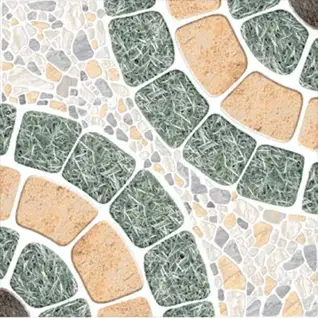
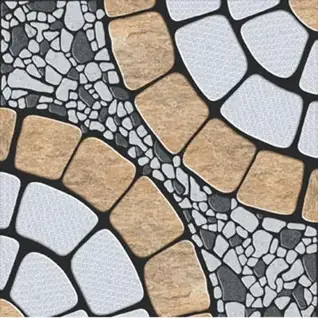
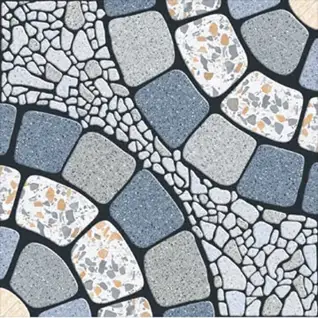
| Mosaic look (geometric or pebble print) | GVT | 300x300mm, 300x600mm | Matte or Rough | Rs. 42 to Rs. 60 | Rs. 55 to Rs. 80 |
| Large format outdoor | GVT | 600x1200mm | Matte | Rs. 52 to Rs. 82 | Rs. 68 to Rs. 110 |
| Full body vitrified, matte | Full Body Vitrified | 300x600mm, 600x600mm | Matte or Rough | Rs. 48 to Rs. 75 | Rs. 62 to Rs. 100 |
Installation cost: Rs. 40 to Rs. 65 per sq.ft for standard straight or running bond lay on a prepared screed, including polymer-modified outdoor adhesive and epoxy grout. Diagonal laying patterns add Rs. 15 to Rs. 25 per sq ft. This does not include waterproofing membrane, screed, or slope work, which are separate costs.
Terrace Floor Tile Maintenance: Keeping a Tiled Terrace Clean
A correctly specified and installed terrace floor tile in GVT matte or textured finish is low-maintenance compared to most other outdoor floor materials. The following routine keeps a tiled terrace floor in good condition through the Indian monsoon season and summer.
Weekly or after heavy rainfall: Sweep or blow off accumulated leaves, soil, and debris. If the terrace has planters, check that overflow water has drained and is not ponding around planter bases.
Monthly: Wash the tile floor with a pH-neutral floor cleaner and water. Avoid acidic cleaners (vinegar, citrus-based) on terrace tile grout joints: acid attacks cement grout and degrades epoxy grout over time. A neutral or mildly alkaline cleaner is correct for both tile and epoxy grout surfaces.
Before and after monsoon: Inspect the expansion joints at wall abutments and at the perimeter of the terrace. If the flexible sealant is cracked or pulling away from the tile edge, re-seal with fresh polyurethane sealant before monsoon rain arrives. This is the single most cost-effective maintenance action for a tiled terrace: a Rs. 200 sealant top-up prevents a Rs. 2,00,000 waterproofing remediation.
Algae and moss: Light-coloured tiles in shaded zones may develop algae or moss patches over one to two monsoon seasons. A diluted sodium hypochlorite solution (1 part bleach to 10 parts water) applied to the affected area and left for 30 minutes before scrubbing and rinsing removes algae effectively. GVT tiles are unaffected by this treatment at the dilutions used for cleaning.
Choosing Terrace Floor Tiles for Your Home
Terrace floor tile selection for an Indian home starts with the open or covered status of the terrace, then the slope and drain layout, then the size format that suits the terrace shape, and finally the design direction that works in outdoor daylight. Browse outdoor-rated GVT terrace floor tiles in terracotta, stone-look, grey, white, brick, and mosaic directions on TilesFinders. Confirm GVT body type and matte or textured finish before shortlisting any tile for an open terrace floor application.
FAQs
GVT in matte or textured finish with water absorption below 0.05% under IS 15622:2006 is the best tile for Indian terrace floors. It handles direct monsoon rain, thermal cycling, and UV exposure without adhesion failure or surface degradation. Anti-skid grip is inherent in matte and textured finishes. 300x600mm and 600x600mm are the most used sizes. Stone-look and grey matte GVT are the most used design directions. Price range: Rs. 45 to Rs. 90 per sq ft at retail from Morbi.
300x600mm is the most practical tile size for the majority of Indian residential terrace floors. The shorter tile dimension accommodates slope changes across the floor more easily than large formats. 600x600mm works well on regularly shaped terraces with a single consistent slope direction. Large formats in 600x1200mm and above are not recommended for terraces with irregular shapes, multiple drains, or significant slope changes, as they are harder to lay correctly on a sloped surface and produce more waste at perimeter cuts.
Traditional fired terracotta tiles with 15% to 20% water absorption are not the correct specification for an open Indian terrace floor. They absorb monsoon rain, develop moss and algae in shaded zones, and require annual sealing. GVT terracotta-look tiles in matte or rough finish absorb less than 0.05% water, hold their warm colour through monsoon seasons without fading or staining, and never need sealing. For an open terrace floor, GVT terracotta-look is the correct specification. Traditional terracotta tiles work in covered or semi-covered outdoor areas with limited direct rain.
Straight lay is the most practical laying pattern for terrace floor tiles. It aligns naturally with the slope direction of the screed, minimises tile waste at the perimeter, and is straightforward to install around drain locations and expansion joints. Running bond in 300x600mm format is a good alternative that gives the floor more visual rhythm without the complexity of a diagonal pattern. Diagonal laying patterns are not recommended for outdoor terrace floors: they produce 20% to 25% more tile waste from perimeter cuts and are harder to align with the slope direction.
Terrace floor tiles from Morbi, Gujarat range from Rs. 45 to Rs. 65 per sq.ft at retail for plain matte or rough-texture GVT in 300x300mm and 300x600mm. Stone-look and terracotta-look GVT in 300x600mm or 600x600mm: Rs. 55 to Rs. 90 per sq.ft at retail. Large-format 600x1200mm outdoor GVT: Rs. 68 to Rs. 110 per sq.ft at retail. Full body vitrified tiles for terrace floors: Rs. 62 to Rs. 100 per sq.ft at retail. Installation cost: Rs. 40 to Rs. 65 per sq.ft for straight or running bond lay, not including waterproofing membrane or screed.
Four checks confirm a correct terrace floor tile installation: (1) water poured on any part of the floor drains completely toward the drain with no ponding anywhere on the surface; (2) tapping each tile produces a solid sound without any hollow areas (a hollow sound indicates a void in the adhesive beneath); (3) all perimeter joints between the floor tile and the parapet wall are filled with flexible sealant, not rigid grout; and (4) the expansion joints at every 3 to 4 metres across the floor are filled with flexible sealant, not grout. Any of these checks failing indicates an installation deficiency that should be corrected before the monsoon season.
Clean a tiled terrace floor monthly with a pH-neutral or mildly alkaline floor cleaner and water. Avoid acidic cleaners, which degrade cement grout and damage epoxy grout over time. Before and after each monsoon season, inspect the flexible sealant at all wall abutments and re-seal any cracked or pulling joints with polyurethane sealant. For algae or moss patches in shaded zones, apply a diluted sodium hypochlorite solution (1 part bleach to 10 parts water), leave for 30 minutes, scrub, and rinse. GVT tiles are unaffected by this treatment at standard cleaning dilutions.
Open terrace floor tiles must be GVT in matte or textured finish with water absorption below 0.05% under IS 15622:2006. A covered terrace under a pergola or partial shade structure has reduced direct rain and UV exposure, allowing porcelain tiles (2% to 5% absorption) in matte finish as an alternative specification. Both open and covered terrace floors require anti-skid grip from matte or textured finish: a covered terrace floor still gets wet from rain blow-in, humidity, and cleaning. Polished or glossy finish tiles must not be used on any terrace floor, covered or open.