

Waterproof Terrace Tiles: What the Tile Does and What the Membrane Must Do
Loading designs...
-
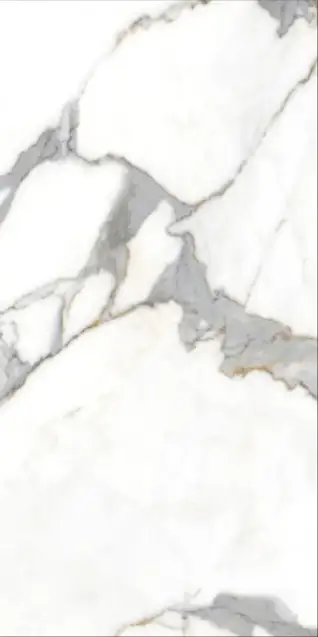
 Calacutta Bianco
 -
 Sea Wave Grey
 -
Carrara Classico
-
Cruto Statuario Grey
-
Slimy Beige
-
Venezia Bianco
-
Supra White
-
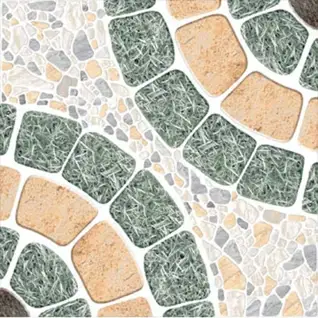
P 1201
-
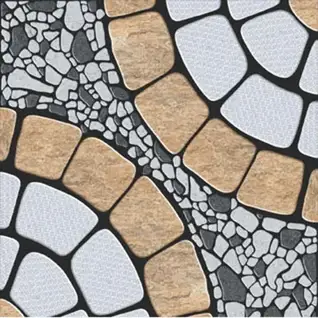
P 1207
-
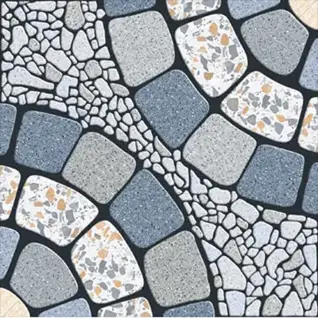
P 1203
-
Cotto Sealine Musterd Decor (800x1600)
-
Quartzite Beige (800 x 1600)
-
P 1201
-
P 1207
-
P 1203
-
Versace Grey (800 x 1600)
-
Ant Bianco (800 x 1600)
-
P 1201
-
P 1203
-
P 1207









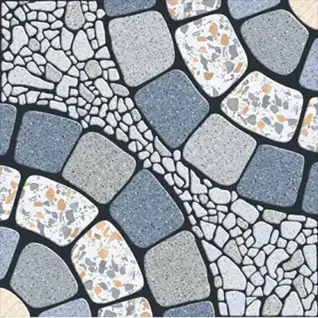
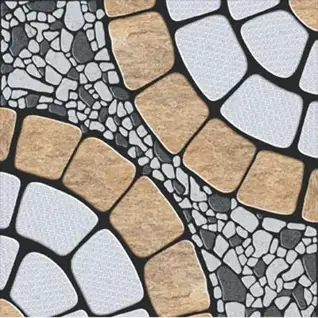
The question of waterproofing tiles for a terrace brings together two separate but interdependent systems: the tile, which is the visible wear surface, and the waterproofing membrane, which is the actual barrier between the terrace and the room below. Understanding where the tile's responsibility ends and where the waterproofing system's responsibility begins is the most important thing to get right before any terrace tile installation on a roof terrace above a living space.
GVT tiles with water absorption below 0.05% are correctly described as water-resistant. Rain that falls on a GVT terrace floor runs off the tile face and exits at the grout joints and drains. The tile body itself absorbs so little water that it does not contribute to moisture ingress. But the tile is a surface layer fixed with adhesive onto a screed, and the screed sits on a structural concrete slab. Water that finds its way through the grout joints, around the drain edges, at the tile-parapet junction, or through any crack in the tile-adhesive-screed system will reach the slab. Once it reaches the slab, it will move through the slab and into the ceiling of the room below. The tile cannot stop this. Only a waterproofing membrane applied to the slab surface before the tile system is installed can stop this.
This page covers the complete tiled terrace waterproofing system: how water enters a tiled terrace, the types of waterproofing membranes used in Indian construction and which are compatible with tile-over-top installation, the correct construction sequence, the critical details at drains and parapet junctions, how epoxy grout contributes to the joint waterproofing, what happens when terrace waterproofing fails, and how to correctly re-tile a terrace that has a failed waterproofing system.
How Water Enters a Tiled Terrace
Understanding where water finds its way through a tiled terrace is the starting point for understanding why the waterproofing membrane matters and where the installation details are critical.
Through Grout Joints
Grout joints between tiles are the primary path for water ingress on a tiled terrace. Cement grout absorbs water and is not inherently waterproof. Over years of monsoon rain and thermal cycling, cement grout in outdoor joints cracks, stains, and opens. Water that enters a cracked cement grout joint reaches the adhesive layer beneath the tile. If there is no waterproofing membrane below the adhesive, this water continues to the screed, then to the slab, and then to the ceiling below. Waterproof epoxy grout significantly reduces this ingress path at the joint level, but epoxy grout on its own is not a substitute for a membrane below the tile system.
At Drain Junctions
The drain is the most critical waterproofing detail on any tiled terrace and the most common location of failure. The junction between the drain body and the surrounding tile and adhesive system is a structural transition: the drain is a rigid metal or plastic fitting set into the slab, and the tile and screed around it are a separate material that expands and contracts with temperature changes. This thermal movement creates a gap at the drain perimeter over time. Without a waterproof collar or clamping ring built into the drain detail to integrate with the waterproofing membrane, water enters at this gap and channels directly onto the slab surface. Correct terrace drain installation includes a waterproofing membrane carried under the drain flange and sealed at the drain perimeter.
At Parapet and Wall Junctions
Where the terrace floor tile meets the parapet wall or any vertical surface, there is a horizontal-to-vertical transition that thermal movement puts under stress. The grout or sealant at this junction opens over time as the floor expands and contracts in cycles of Indian summer heat and monsoon rain. Water entering this junction moves horizontally along the wall-floor interface and can travel several metres before finding its way to the slab surface. The waterproofing membrane must be carried up the parapet wall face by at least 300mm above the finished tile level, and the floor-to-wall junction must be filled with a flexible sealant, not grout. Grout at this junction will crack.
Through Tile or Adhesive Cracks
Thermal expansion across a large tile area that has no expansion joints can cause the tiles to push against each other and crack, or can cause the adhesive bond to fail and create hollow tiles. A cracked tile or a hollow tile (one with a void behind it) allows water pooling and direct ingress to the screed. Expansion joints at every 3 to 4 metres filled with flexible sealant prevent this by accommodating the thermal movement within the sealant joint rather than in the tile body or the adhesive.
Waterproofing Systems Used Under Tiled Terraces in India
Several waterproofing systems are used in Indian construction for roof terraces intended to be tiled. The correct system for a tiled terrace must be compatible with tile-over-top installation: it must provide a stable base for the tile adhesive and screed, must not be damaged by the alkalinity of cement-based adhesive, and must remain flexible enough to accommodate slab movement without cracking.
Cementitious Waterproofing
Cementitious waterproofing is a two-component system of cement, sand, and polymer additives applied as a slurry directly to the concrete slab. It is the most common waterproofing used under tiled terraces in Indian residential construction because it is compatible with tile adhesive, can be tiled over directly after curing, and is applied by most waterproofing contractors. Standard cementitious systems achieve waterproofing through a combination of pore-filling chemistry and surface coating. The limitation is flexibility: cementitious waterproofing can crack at slab movement joints or where the slab has inherent microcracking. For slabs with significant movement, a more flexible membrane is the better choice.
Liquid-Applied Membranes
Liquid-applied membranes, including polyurethane (PU), acrylic, and modified bitumen emulsions, are applied as liquids that cure to a flexible, seamless membrane on the slab surface. They bridge minor cracks in the slab and accommodate slab movement without cracking. Polyurethane membranes are the highest-performance liquid-applied option for Indian terraces: they are UV-stable (important for any membrane that may be exposed during construction), chemically resistant, and highly flexible. They are also the most expensive of the liquid-applied options. Acrylic membranes are less expensive and easier to apply, but have lower flexibility and UV resistance. All liquid-applied membranes must be fully cured before the protection screed or tile adhesive is applied over them.
Sheet Waterproofing Membranes
Sheet membranes, including APP (Atactic Polypropylene) and SBS (Styrene-Butadiene-Styrene) modified bitumen sheets, are torch-applied or self-adhesive sheets bonded to the slab surface. They provide a continuous, highly flexible membrane layer with excellent crack-bridging capability. Sheet membranes are the most common choice for large commercial terrace areas and high-value residential roofs in India. The limitation for tile-over use is that the bituminous surface requires a protection screed of at least 25 to 40mm before tile adhesive is applied: direct tile fixing onto bituminous membranes is not recommended because the adhesive chemistry is incompatible. The screed adds to the overall floor buildup height, which must be accounted for in drain level planning.
Crystalline Waterproofing
Crystalline waterproofing systems are applied to the concrete slab surface and react with moisture in the concrete to form crystalline structures that fill the pore network of the concrete. They become part of the slab rather than forming a surface layer. Crystalline systems are used for below-grade waterproofing and water tanks primarily, but are also applied to roof slab surfaces in some Indian construction projects. For tiled terraces, the advantage of crystalline systems is that they self-heal minor cracks over time as moisture reactivates the crystalline reaction. The limitation is that they do not provide a flexible surface membrane and are not effective for bridging larger structural cracks.
Waterproofing System Comparison for Tiled Terraces
| System Type | Tile Compatible? | Crack Bridging | Flexibility | Relative Cost | Best For |
|---|---|---|---|---|---|
| Cementitious | Yes, direct tile over | Limited | Low | Low | Standard residential terraces with good slab quality |
| Polyurethane liquid | Yes, after the protection screed | Good | High | High | High-value terraces, slabs with movement or microcracking |
| Acrylic liquid | Yes, after curing | Moderate | Moderate | Moderate | Budget-conscious residential terraces |
| APP or SBS sheet | Needs 25 to 40mm screed before tiling | Excellent | Very high | Moderate to high | Large terraces, high-rainfall zones, and commercial roofs |
| Crystalline | Yes, direct tile over | Limited for larger cracks | Low | Moderate | Concrete slabs with minor porosity as the primary issue |
The Complete Tiled Terrace Waterproofing Construction Sequence
The correct construction sequence for a tiled roof terrace in India is not negotiable. Skipping or reordering any step creates a system that will fail under Indian monsoon and temperature conditions.
Step 1: Slab preparation. The structural concrete slab must be clean, free of curing compounds, oil, and loose material. All cracks wider than 0.3mm should be filled with polyurethane sealant before the waterproofing membrane is applied. Hairline cracks below 0.3mm will be bridged by the membrane.
Step 2: Slope to drain. Confirm the slab has at least a 1 in 100 slope toward the drain. If the slab is flat, apply a cement screed with the required slope before the waterproofing membrane. Waterproofing on a flat slab allows water to pond, which increases the hydrostatic pressure against the membrane.
Step 3: Waterproofing membrane application. Apply the selected membrane system to the full slab area, carried up the parapet wall face and any pipe penetrations by at least 300mm above the intended finished tile level. At drain locations, carry the membrane under the drain flange and seal with the drain's clamping ring. Allow full curing as specified by the membrane manufacturer before proceeding.
Step 4: Protection layer. For sheet membranes, apply a 25 to 40mm cement screed protection layer over the membrane before tiling. For liquid-applied membranes, a thin screed or direct tiling over the membrane is possible, depending on the membrane specification. Confirm compatibility with the membrane manufacturer.
Step 5: Tile fixing. Use a polymer-modified outdoor tile adhesive. Apply adhesive to the screed or protection layer with a notched trowel and back-butter each tile. Full adhesive coverage behind each tile is mandatory. Leave a 10mm flexible sealant joint at every wall abutment and at expansion joints every 3 to 4 metres across the tile area. Do not fill these joints with grout.
Step 6: Grouting. Fill all tile joints with epoxy grout. Epoxy grout is waterproof and does not stain or crack from monsoon rain and thermal cycling. In a tiled terrace waterproofing system, epoxy grout reduces water ingress at the joint level to supplement the primary membrane below. Fill expansion joints with flexible polyurethane sealant, not epoxy grout.
The Role of Epoxy Grout in Terrace Tile Waterproofing
Epoxy grout on a tiled terrace is not the primary waterproofing system. It is the final line of defence at the tile joint level. A terrace with a correctly applied waterproofing membrane and cement grout will still perform better over time than a terrace with no membrane and epoxy grout, because the membrane is below the entire tile system and the grout is only at the tile joints.
However, epoxy grout plays a genuine and important role in a complete tiled terrace waterproofing system. Epoxy grout joints do not absorb water, do not crack from thermal cycling in the way cement grout does, do not stain from mineral deposits in monsoon rain, and do not allow water to channel through them the way an aged, cracked cement grout joint does. In combination with a correctly applied waterproofing membrane, epoxy grout makes the complete system significantly more durable.
For the tile specification on a waterproof terrace, the body type and finish requirements are the same as any outdoor terrace: GVT in matte or textured finish with water absorption below 0.05% under IS 15622:2006. The waterproofing requirement does not change the tile specification. What changes is the installation system beneath the tile. For design and colour options within the correct outdoor tile specification, the cool roof tiles guide covers the light-coloured GVT options that also reduce terrace heat absorption alongside their outdoor performance credentials.
Critical Waterproofing Details
Drain Detail
The drain on a tiled terrace must be specified as a two-part drain with a clamping ring: a lower body set into the slab and an upper grating that clamps the waterproofing membrane or the drain collar between the two parts. The waterproofing membrane is carried to and under the lower drain body, cut around the drain outlet, and clamped tight by the upper clamping ring. This creates a continuous sealed junction between the membrane and the drain. A drain fitted without a clamping ring, or a single-part drain without membrane integration, is the most common waterproofing failure point on Indian tiled terraces.
The finished tile surface at the drain must slope toward the drain opening at a steeper gradient than the general floor slope, typically 1 in 50 in the 300mm zone around the drain. This ensures water clears the drain area rather than ponding around the drain edge, where grout joint failures are most likely.
Parapet and Wall Junction
At every junction between the terrace floor tile and a vertical surface (parapet wall, equipment base, staircase wall, column), the correct detail is: waterproofing membrane carried up the vertical surface by at least 300mm, a cove fillet of waterproofing or sealant at the horizontal-to-vertical transition, the tile system stopping 10mm from the vertical surface, and a flexible polyurethane sealant filling the 10mm joint. This joint is the movement accommodation for the floor system's thermal expansion and must never be filled with rigid grout. The sealant is recessed slightly below the tile surface so it does not protrude.
Pipe and Service Penetrations
Any pipe, conduit, or service that penetrates the terrace slab is a potential waterproofing failure point. The waterproofing membrane must be carried up around each penetration and sealed with a waterproof collar or a flexible flashing detail. Pipe penetrations that are simply grouted at the floor level without membrane integration will allow water channelling along the pipe exterior directly to the slab penetration opening.
What Happens When Tiled Terrace Waterproofing Fails
Waterproofing failure on a tiled terrace has a sequence of visible symptoms that typically appear in this order over one to three monsoon seasons after the failure initiates.
First: ceiling staining in the room below, typically appearing as a spreading brown or grey mark around the area of the waterproofing failure. This is the earliest visible sign.
Second: efflorescence at tile joints on the terrace floor. White crystalline deposits appear at the grout joints as dissolved mineral salts are carried to the surface by the water movement through the tile system. This confirms that water is moving upward through the tile system, which means it is also moving downward through the slab.
Third: hollow tiles. As the adhesive bond fails from water undermining, individual tiles become hollow (they produce a hollow sound when tapped). In extreme cases, tiles begin to lift and crack from the hydraulic pressure of water trapped beneath them.
Fourth: spalling concrete. Water that has been cycling through the slab for years begins to corrode the reinforcement steel, which expands and spalls the concrete cover. This is structural damage that goes well beyond tile replacement.
Re-Tiling a Terrace with Failed Waterproofing
A tiled terrace with failed waterproofing cannot be fixed by applying new tiles over the existing ones. The failed waterproofing membrane is below the existing tile system. Laying new tiles over old tiles that are sitting on a failed membrane simply adds another layer of tile on top of the same problem. The correct remediation sequence is:
1. Remove all existing tiles, adhesive, and screed down to the structural concrete slab surface.
2. Identify and repair all cracks in the slab concrete. Fill with polyurethane sealant or epoxy injection, depending on crack width.
3. Dry the slab completely. Apply a new waterproofing membrane system over the full slab area with all correct details at drains, parapet walls, and penetrations.
4. Apply protection screed and drainage slope as required.
5. Fix new waterproof terrace tiles with polymer-modified outdoor adhesive, full back-buttering, and epoxy grout at all joints. Leave expansion joints at all wall abutments and at 3 to 4 metre intervals.
The cost of this complete remediation is significantly higher than the original tile installation. It is also the only correct approach. Partial fixes, such as injecting waterproofing grout into the tile joints of a failed terrace without removing the tiles, do not address the membrane failure below the tile system and will not prevent ceiling leakage.
Waterproof Tiles for Terrace: The Correct Specification Summary
Waterproof floor tiles for a terrace are GVT tiles with water absorption below 0.05% under IS 15622:2006, in matte or textured finish, fixed with polymer-modified outdoor tile adhesive with full back-buttering, and grouted with epoxy grout at all tile joints. This tile and installation system, on top of a correctly applied and detailed waterproofing membrane, creates a tiled terrace that is weather-resistant, durable through Indian monsoon conditions, and does not leak into the room below.
The tile specification alone is not sufficient for a waterproof terrace. The tile and the membrane are two separate systems that must both be correctly specified and correctly installed. A correctly specified tile on a poorly installed or absent waterproofing membrane will still leak. A correctly installed waterproofing membrane under a poorly specified tile (ceramic, polished, or without expansion joints) will fail at the tile system level within a few monsoon seasons.
Choose Waterproof Terrace Tiles and Plan the System Correctly
Tiled terrace waterproofing is a construction system decision as much as a tile decision. Browse outdoor-rated GVT terrace tiles in matte and textured finishes that form the correct tile layer of a complete tiled terrace waterproofing system on TilesFinders. For the tile colour and thermal performance layer of the system, particularly for roof terraces above occupied rooms, the guide on waterproof terrace tiles and cool roof tiles covers both the specification and the design direction.
FAQs
GVT tiles with water absorption below 0.05% are water-resistant: rain runs off them without being absorbed. But tiles are not a waterproofing membrane. Water that reaches the grout joints, the drain edges, or the wall junctions of a tiled terrace will find its way to the concrete slab below. Only a waterproofing membrane applied to the slab surface before the tile system is installed can prevent water from reaching the room below. The tile and the waterproofing membrane are two separate systems that must both be correctly specified and installed.
The most common systems used under tiled terraces in Indian residential construction are cementitious waterproofing (a polymer-modified cement slurry applied directly to the slab, tile-compatible), liquid-applied polyurethane membrane (higher flexibility and crack-bridging, requires screed before tiling in some formulations), and APP or SBS modified bitumen sheet membrane (excellent crack-bridging, requires a 25 to 40mm protection screed before tiling). The correct choice depends on the slab quality, terrace area, and project budget. All systems must be carried up parapet walls by at least 300mm and integrated correctly at drains and pipe penetrations.
Epoxy grout is the correct specification for all terrace tile joints. Epoxy grout is waterproof, does not crack from thermal cycling, does not stain from monsoon rain and mineral deposits, and reduces water ingress at the joint level to supplement the primary membrane below. Expansion joints at every 3 to 4 metres and at every wall abutment must be filled with flexible polyurethane sealant, not grout. Cement grout at terrace tile joints absorbs water and degrades the joint over time.
No. If the existing waterproofing membrane has failed, laying new tiles over the existing tile system will not prevent further leakage. The failed membrane is below the tile system, and adding a new tile layer does not reach it. The correct remediation requires removing all existing tiles, adhesive, and screed down to the slab, repairing the slab, applying a new complete waterproofing membrane with all correct details, and then re-tiling with the correct outdoor tile specification.
The drain is a structural transition point where a rigid fitting in the slab meets the tile and screed system that expands and contracts with temperature changes. This thermal movement creates a gap at the drain perimeter over time. Without a clamping ring drain that integrates the waterproofing membrane at the drain flange, water channels directly from the tile surface onto the slab through this gap. The drain detail is the most common location of terrace waterproofing failure in Indian residential construction.
GVT tiles with water absorption below 0.05% under IS 15622:2006 in matte or textured finish are the correct tile specification for a waterproof terrace floor. The body type (GVT or full body vitrified) and finish (matte or textured, never polished or glossy) are determined by the outdoor specification requirement. The waterproofing performance of the terrace comes primarily from the membrane system below the tile, not from the tile itself. The tile must be correctly specified for outdoor use, but its contribution to waterproofing is secondary to the membrane.
The waterproofing membrane is the primary barrier between the terrace and the room below. The tile system sits above it and protects it from UV, foot traffic, and physical damage. The membrane must be applied before the tile system and must be carried up all vertical surfaces, around all drains, and around all penetrations with the correct details. The tile specification (GVT matte, IS 15622:2006), the adhesive specification (polymer-modified outdoor adhesive, full back-buttering), the grout specification (epoxy), and the expansion joint specification (flexible sealant every 3 to 4 metres) all work together with the membrane to create a complete, durable tiled terrace system.
The signs of tiled terrace waterproofing failure appear in sequence: first, ceiling staining in the room below the terrace (spreading brown or grey marks); second, white efflorescence crystalline deposits at the tile grout joints on the terrace floor; third, hollow-sounding tiles when tapped (adhesive bond has failed from water undermining); and fourth, in severe cases, tiles that begin to lift or crack from water pressure beneath them. Any of these signs indicates that the waterproofing membrane has failed, and the tile system must be removed and the membrane repaired before re-tiling.