

Cool Roof Tiles: How to Choose Cooling Tiles for an Indian Terrace
Loading designs...
-
 Calacutta Bianco
 -
 Sea Wave Grey
 -
Carrara Classico
-
Cruto Statuario Grey
-
Slimy Beige
-
Venezia Bianco
-
Supra White
-
P 1201
-
P 1207
-
P 1203
-
Cotto Sealine Musterd Decor (800x1600)
-
Quartzite Beige (800 x 1600)
-
P 1201
-
P 1207
-
P 1203
-
Versace Grey (800 x 1600)
-
Ant Bianco (800 x 1600)
-
P 1201
-
P 1203
-
P 1207

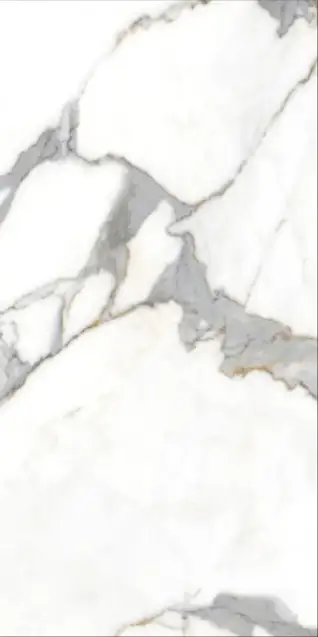
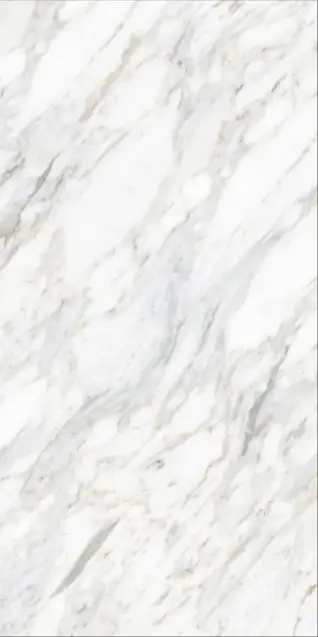



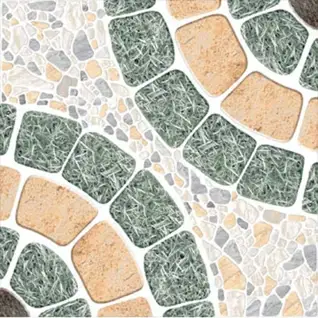
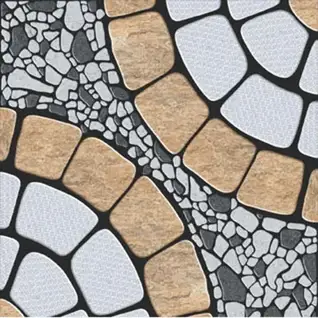



In Indian summers, a concrete roof terrace without any tile covering reaches surface temperatures of 70 to 80 degrees Celsius in direct afternoon sun. That heat conducts through the slab into the room below, raising indoor temperature and increasing air conditioning load. Cool roof tiles reduce this heat transfer by reflecting more solar radiation away from the slab surface rather than absorbing it. The principle behind cooling tiles for a terrace is straightforward: a tile that absorbs less solar energy keeps the slab cooler, and a cooler slab conducts less heat into the building below. The result is a more comfortable terrace surface and a measurable reduction in the cooling load on the room underneath.
Cool roof tiles are not a proprietary product category with a special material formula. They are GVT tiles selected on the basis of colour, finish, and surface reflectance properties. A white or light-coloured GVT tile in matte finish on a terrace tile specification is a cool roof tile. The same tile in dark grey or black is not. Understanding what makes a tile perform well as a cool roof tile means understanding the solar reflectance and thermal emittance of different tile colours and finishes, and then verifying that the tile is also correctly specified for outdoor use with water absorption below 0.05% under IS 15622:2006.
This page covers cool roof tiles from the specification side and the design side: how solar reflectance works on tile surfaces, why matte finish outperforms glossy for terrace cooling, what the correct tile body type and installation standard is for a rooftop terrace, which colour and design options are available in the cool roof tile range, and what practical reduction in surface temperature to expect from a well-chosen cool roof tile compared to a bare concrete roof or a dark tile.
What Makes a Tile a Cool Roof Tile: Solar Reflectance and Thermal Emittance
A roof surface manages solar radiation in two ways: by reflecting some of it back into the sky and by emitting the heat it has absorbed as infrared radiation. The combination of these two properties is expressed as the Solar Reflectance Index (SRI). A higher SRI means a cooler roof surface under the same solar conditions. Standard black surfaces have an SRI near zero. A reference white surface has an SRI of 100. Most white or light-coloured matte GVT tiles have SRI values between 70 and 95, depending on the specific tile colour and glaze.
Solar reflectance is the fraction of incoming solar radiation that a surface reflects. A white matte tile surface reflects 70% to 80% of solar radiation. A black tile surface reflects only 3% to 5%. The remaining radiation is absorbed as heat. On a terrace in direct Indian summer sun, this difference translates to a surface temperature gap of 20 to 30 degrees Celsius between a white matte tile and a dark matte tile. On a 300 square foot terrace, a white cool roof tile can reduce the heat conducted into the room below by 30% to 40% compared to the same terrace with a dark tile or bare concrete.
Thermal emittance is the ability of a surface to radiate absorbed heat back out as infrared energy rather than conducting it into the slab. Most tile surfaces, regardless of colour, have high thermal emittance (above 0.85 on a scale of 0 to 1). This means tiles are generally good at radiating heat outward once they have absorbed it. The primary variable for tile cool roof performance is solar reflectance, which is directly determined by colour and, to a lesser extent, finish.
Why Matte Finish Outperforms Glossy for Cool Roof Tiles
A common assumption is that glossy or reflective tiles should perform better as cool roof tiles because they look more reflective. This is incorrect. Glossy tiles produce specular reflection: they reflect sunlight in one direction, like a mirror, which means some of the reflected light goes back to the sky, and some is directed toward adjacent surfaces, people, or neighbouring buildings. They do not necessarily reflect more total solar energy than a matte tile in the same colour.
Matte tiles produce diffuse reflection: they scatter incoming solar radiation in all directions. This means the total solar reflectance of a white matte tile is comparable to or slightly higher than a white glossy tile, but without the glare problems of a specularly reflective surface. A white matte tile on a terrace does not create the blinding glare that a glossy white tile does, which is a practical advantage in a terrace that is used as a seating or garden area.
The second reason matte finish is preferred for cool roof tiles is safety: a matte or textured surface provides better grip when wet than a glossy surface, which is the outdoor slip resistance requirement that any terrace floor tile must meet. Cool roof tiles must be both thermally efficient and safe underfoot, and a matte or textured finish satisfies both requirements simultaneously. Polished or glossy tiles, even in white or cream, are not appropriate for terrace floors for this reason.
Best Cool Roof Tiles: Colour and Their Cooling Performance
Colour is the single most important variable in cool roof tile selection. The lighter the tile colour, the higher the solar reflectance, and the lower the tile surface temperature in direct sun. This is not a matter of tile quality or brand: it is physics. The following table gives practical guidance on the expected surface temperature of different tile colour directions under Indian summer conditions (direct sun, May noon, approximately 1000 watts per square metre solar radiation).
| Tile Colour Direction | Approximate SRI | Tile Surface Temp (Approx, May Noon) | Heat to Room Below | Cooling Performance |
|---|---|---|---|---|
| Pure white or bright white, matte GVT | 80 to 95 | 42 to 50 degrees C | Low | Best |
| Off-white, cream, or ivory, matte GVT | 70 to 82 | 46 to 54 degrees C | Low to moderate | Very good |
| Light grey or pale stone, matte GVT | 55 to 70 | 50 to 58 degrees C | Moderate | Good |
| Mid grey or beige, matte GVT | 35 to 55 | 56 to 64 degrees C | Moderate to high | Fair |
| Terracotta red, matte GVT | 25 to 40 | 58 to 66 degrees C | High | Limited |
| Dark grey or charcoal, matte GVT | 10 to 25 | 63 to 70 degrees C | High | Poor |
| Black, matte GVT | 2 to 10 | 67 to 74 degrees C | Very high | Not recommended for cooling |
Note: These are approximate ranges based on standard solar reflectance data. Actual surface temperatures will vary with tile thickness, adhesive, screed depth, and local solar radiation levels. The comparison between colours is consistent across conditions, even if the absolute values vary.
White Roof Tiles: The Primary Cool Roof Tile Direction
White tiles for a rooftop terrace are the most effective cool roof tile choice available and the most commonly specified option in Indian residential and institutional cool roof applications. A pure white or bright white GVT tile in matte or rough-textured finish on an open terrace reflects 75% to 85% of incoming solar radiation and can reduce the terrace surface temperature by 20 to 30 degrees Celsius compared to a bare concrete or dark-tiled surface. White tiles in GVT outdoor specification absorb less than 0.05% water under IS 15622:2006, require no sealing, hold their colour through monsoon seasons without staining, and provide anti-skid grip in textured finish.
White cool roof tiles for terraces are available in several design directions within the white colour range. Pure bright white in 300x300mm or 300x600mm textured or rough GVT is the highest-SRI option and the most effective from a thermal performance standpoint. Off-white and cream matte GVT in 300x600mm or 600x600mm gives a slightly softer visual quality with only marginally lower reflectance. Mosaic-look white GVT tiles in a geometric pattern on 300x300mm are used in decorative terrace garden zones where the cool roof performance is needed alongside a more designed aesthetic.
The maintenance reality of white tiles on a terrace must be acknowledged: white surfaces show algae, moss, and staining from rain-borne soil and mineral deposits more than any other colour. In Indian cities with high pollution and organic material in the air, a white terrace tile will show grey-brown staining over time without regular cleaning. Pressure washing a white terrace tile floor twice a year is the standard maintenance for this colour in Indian urban conditions. Off-white or cream matte GVT shows staining less readily than pure white while retaining most of the thermal reflectance advantage.
Vitrified Cool Roof Tiles: The Correct Body Type
Vitrified cool roof tiles, specifically GVT (Glazed Vitrified Tiles) in matte or textured finish, are the correct body type for any cool roof terrace application in India. GVT absorbs less than 0.05% water under IS 15622:2006 and handles the outdoor temperature cycling, monsoon rain, and UV exposure of an open Indian roof terrace without adhesion failure or surface degradation. GVT tiles in white, off-white, cream, and light grey in 300x300mm, 300x600mm, and 600x600mm are produced in Morbi specifically for outdoor terrace and cool roof applications. Price range: Rs. 38 to Rs. 80 per sq.ft for cool roof specification GVT in light colours from Morbi.
Full-body vitrified tiles in light colours are an alternative to GVT for cool roof terrace applications. Full body vitrified has the same water absorption below 0.05% and the colour runs through the full tile depth rather than just the glazed surface. On a terrace floor where surface wear from foot traffic, furniture, and cleaning equipment is a factor over many years, full-body vitrified in a light tone maintains its reflective surface longer than a glazed tile, where the glaze layer could theoretically chip at edges. Price range: Rs. 50 to Rs. 110 per sq.ft.
Ceramic Cool Roof Tiles: An Important Clarification
Ceramic cool roof tiles are a category that appears in searches but requires a clear specification note. Ceramic tiles absorb 12% to 16% water. On an open rooftop terrace that receives direct monsoon rain, ceramic tiles will absorb water, expand and contract with the extreme temperature cycling of a roof surface, and the adhesive bond will fail within two to three monsoon seasons. The fact that a ceramic tile is white or light-coloured does not make it suitable for an open rooftop terrace floor. Cool roof performance requires both high solar reflectance (achieved through colour and finish) and correct outdoor specification (achieved through body type). A white ceramic tile satisfies the first requirement but fails the second.
Ceramic tiles in white or light colours are appropriate for covered terrace walls, shaded terrace areas under a pergola or sun shade, and covered porch walls where direct monsoon rain does not reach. For any open-to-sky roof terrace floor, GVT or full body vitrified in matte finish is the minimum correct specification regardless of colour.
Energy Efficient Roof Tiles: The Building Energy Connection
Energy-efficient roof tiles contribute to a building's thermal performance by reducing the heat gain through the roof slab. In a typical Indian residential building with an exposed concrete roof terrace and no tile or insulation, the roof slab reaches 70 to 80 degrees Celsius on a summer afternoon and conducts significant heat into the top-floor rooms. Air conditioning systems in those rooms work harder and longer to compensate, increasing electricity consumption.
A white cool roof GVT tile with an SRI of 80 to 90 reduces the roof surface temperature to 45 to 52 degrees Celsius under the same conditions. The temperature differential across the slab is lower, which means less heat is conducted into the room, which means less cooling load on the air conditioner. Studies on cool roof performance in Indian climate zones have shown reductions in air conditioning energy consumption of 15% to 25% for top-floor spaces directly below a well-specified cool roof surface. For a large home or an apartment building where the roof terrace sits above multiple apartments, the cumulative energy saving over the monsoon and summer seasons is significant.
It is important to be clear that the tile alone provides this benefit only when correctly installed on a properly waterproofed slab with the right adhesive and grout specification. A cool roof tile on a slab without a waterproofing membrane, or fixed with interior tile adhesive that degrades under outdoor cycling, will not deliver long-term thermal benefits because it will begin to delaminate and allow air gaps that change the heat transfer dynamics.
Weather-Proof Tiles for Terrace: Durability Requirements
Weatherproof tiles for a terrace need to withstand more than just rain. On an Indian rooftop, the tile faces UV radiation that breaks down organic materials and some glazes over time, monsoon rain with mineral content that can stain certain surfaces, thermal shock from rapid temperature changes when monsoon rain hits a 65-degree tile surface, and freeze-thaw cycling on terraces in North Indian cities where winter temperatures drop below 5 degrees Celsius.
GVT tiles from Morbi rated under IS 15622:2006 meet all of these requirements. The vitrification process fires the tile at temperatures above 1200 degrees Celsius, creating a body that is chemically stable under UV, resistant to frost, and unaffected by the thermal shock of cold monsoon rain on a hot tile surface. The glaze on a GVT tile for outdoor use is UV-stable: it does not fade or discolour under years of direct Indian sun.
The grout joint is the most weather-sensitive part of a terrace tile installation. Cement grout absorbs water, stains from mineral deposits, and cracks from thermal expansion. Epoxy grout on terrace joints resists all of these. On a cool roof terrace tile installation, epoxy grout in a white or light-coloured joint completes the high-reflectance surface without the dark joint lines that cement grout in grey tones creates between light-coloured tiles.
Cool Roof Tile Design Options
The cool roof tile specification (GVT matte or textured in light colours) does not limit the design options significantly. Within the light colour range that delivers effective cool roof performance, the following design directions are available.
Plain White and Off-White Panels
The most common cool roof tile design is a plain white or off-white GVT tile in 300x300mm, 300x600mm, or 600x600mm in rough or matte finish. This creates a clean, uniform terrace surface that performs optimally for heat reflection and provides a neutral backdrop for any outdoor furniture, planters, or shade structures. The simplicity of a plain white terrace tile is also its maintenance advantage: there are no pattern elements or colour variations to show uneven wear or staining over time.
Light Stone-Look Cool Roof Tiles
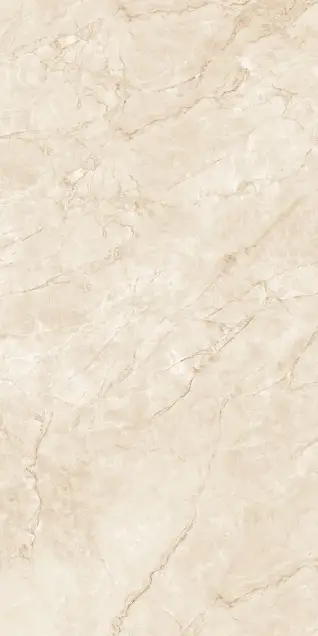
A light sandstone-look, limestone-look, or pale grey slate-look GVT tile in matte or GHR finish in 300x600mm or 600x600mm falls within the effective cool roof colour range while giving the terrace a more natural, garden-oriented visual quality. A light-toned stone-look GVT tile with an SRI of 60 to 75 is slightly less reflective than pure white but significantly more effective than terracotta-red or grey terrace tiles. For terraces used primarily as garden or seating areas where the tile is seen close up, a light stone-look gives more design character than a plain white panel.
Mosaic Look Cool Roof Tiles
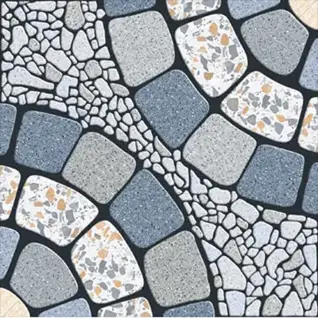
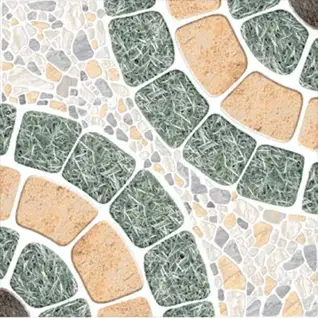
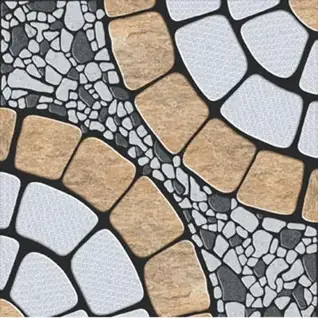
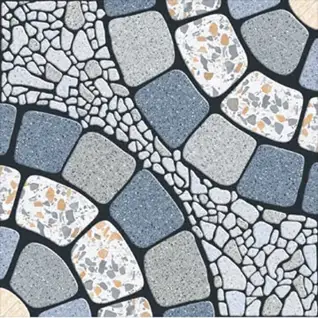
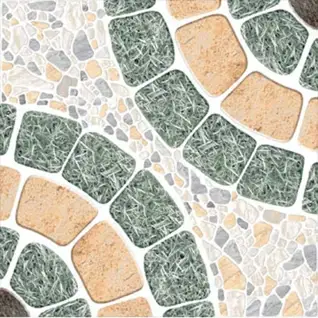
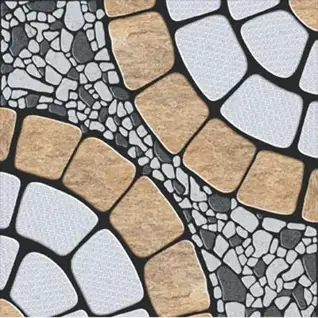
White or light grey mosaic-look GVT tiles in 300x300mm with a geometric or pebble-pattern surface print are used in decorative rooftop garden zones where cool roof performance is combined with a more decorative tile appearance. The mosaic pattern in white or off-white tones maintains high solar reflectance while giving the garden terrace a more finished, designed quality than a plain white panel. These tiles are standard-size GVT tiles with a mosaic surface design, not individual small mosaic pieces, and are installed with the same adhesive and epoxy grout specification as any other cool roof GVT tile.
Cool Roof Tiles Pricing from Morbi
GVT cool roof tiles in white, cream, off-white, and light grey from Morbi manufacturers are the most accessible option in the cool roof tile category. Ex-factory prices: Rs. 35 to Rs. 50 per sq ft for 300x300mm and 300x600mm white and light-coloured matte or rough-texture GVT, Rs. 40 to Rs. 65 per sq ft for 600x600mm in white or light grey matte, and Rs. 55 to Rs. 85 per sq ft for 600x1200mm in light-toned outdoor GVT. White or cream full-body vitrified tiles for cool roof applications: Rs. 50 to Rs. 110 per sq.ft. Retail prices across Indian cities are 25% to 40% above ex-factory. Installation cost for cool roof terrace tiles: Rs. 40 to Rs. 65 per sq ft, including outdoor adhesive and epoxy grout.
Choosing Cool Roof Tiles for Your Terrace
Cool roof tile selection starts with confirming the tile is correctly specified for outdoor use (GVT or full body vitrified, water absorption below 0.05%, matte or textured finish), then choosing the lightest colour that suits the terrace design. Browse outdoor-rated GVT terrace tiles in white, cream, light grey, and stone-look on TilesFinders and confirm body type, finish, and solar reflectance direction before shortlisting.
FAQs
Cool roof tiles are tiles chosen for high solar reflectance that reduce heat absorption through a roof slab. They work by reflecting more solar radiation away from the roof surface rather than absorbing it as heat. A white matte GVT tile with an SRI of 80 to 90 can reduce the terrace surface temperature by 20 to 30 degrees Celsius compared to a dark tile or bare concrete, which reduces the heat conducted into the room below and lowers the cooling load on air conditioning.
White and off-white GVT tiles in matte or rough-textured finish are the best cool roof tiles for an Indian terrace. Pure white matte GVT has the highest solar reflectance index (SRI of 80 to 95) and the lowest tile surface temperature in direct summer sun. Off-white, cream, and light grey matte GVT tiles are close alternatives with slightly lower reflectance and better resistance to showing staining and soil marks than pure white. Light-coloured matte GVT in 300x600mm or 600x600mm is the most used cool roof tile direction for Indian residential terraces.
No. Matte finish GVT is better than glossy for cool roof terrace applications. Glossy tiles produce specular (mirror-like) reflection that does not improve total solar reflectance compared to matte and creates glare problems for anyone using the terrace. Matte tiles produce diffuse reflection that scatters solar radiation in all directions and provides better wet grip than glossy surfaces, which is the outdoor slip resistance requirement for any terrace floor. White matte GVT outperforms white glossy on both thermal and safety criteria for a terrace floor.
No. Ceramic tiles absorb 12% to 16% water and must not be used on open terrace floors regardless of their colour. On an open rooftop terrace, ceramic tiles will absorb monsoon rain, fail at the adhesive layer through thermal cycling, and delaminate within two to three monsoon seasons. A white ceramic tile achieves the colour requirement for cool roof performance but fails the outdoor specification requirement. Only GVT and full-body vitrified tiles with water absorption below 0.05% under IS 15622:2006 are the correct body types for open terrace floors.
The Solar Reflectance Index (SRI) is a measure of a surface's ability to reject solar heat. It combines solar reflectance and thermal emittance into a single value. A standard black surface has an SRI near 0. A reference white surface has an SRI of 100. White matte GVT terrace tiles typically have SRI values between 80 and 95. Light grey or cream matte GVT tiles typically achieve SRI of 60 to 80. The higher the SRI, the lower the tile surface temperature in direct sun and the less heat conducted into the building below.
Yes, in rooms directly below the terrace. A correctly specified cool roof tile with an SRI of 80 to 90 can reduce the heat gain through the roof slab by 30% to 40% compared to a dark tile or bare concrete, which reduces the cooling load on air conditioning in the top-floor rooms. Studies on cool roof applications in Indian climate zones have shown reductions in air conditioning energy consumption of 15% to 25% for top-floor spaces. The actual saving depends on the room's insulation, window area, and air conditioning system efficiency.
Cool roof tiles for an Indian terrace must be installed on a properly waterproofed slab with a polymer-modified outdoor tile adhesive, full back-buttering of each tile, epoxy grout at all joints, and flexible sealant expansion joints every 3 to 4 metres across the floor. The adhesive must achieve full coverage behind the tile to prevent water pooling in voids behind the tile. Epoxy grout in a white or light colour maintains the reflective surface across the joint areas rather than introducing dark cement grout lines between light-coloured tiles.
300x600mm and 600x600mm GVT in matte or textured finish are the most used sizes for Indian cool roof terrace floors. The 300x600mm format has more grout joints across the terrace floor, which means slightly more surface area covered by grout than tile. With white epoxy grout, this is not a disadvantage. The 600x600mm format has fewer joints and may be slightly easier to clean. For large unbroken terrace areas above 500 square feet, 600x600mm reduces the number of joints and the installation time. For terraced areas around planters and equipment, the smaller 300x300mm or 300x600mm is easier to cut around irregular obstacles.