Floor Tiles for Kitchen: Durability Meets Design
Discover the perfect Indian kitchen flooring. Learn why vitrified, matte, and large-format tiles ...


Loading designs...
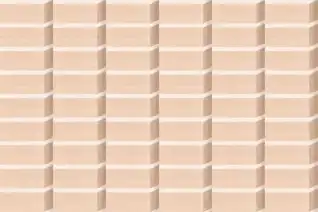
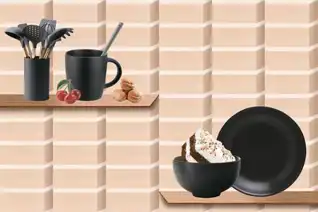
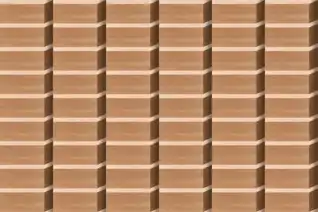

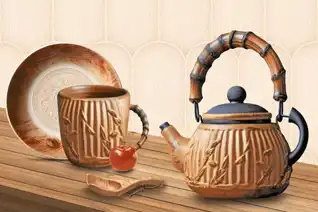
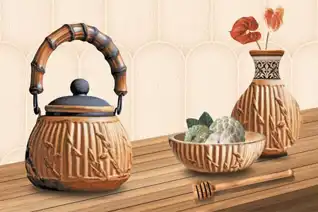
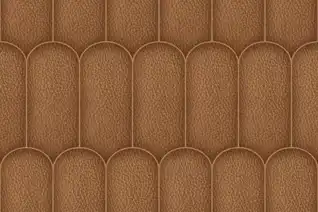
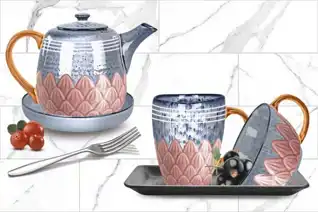
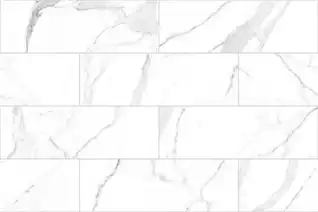
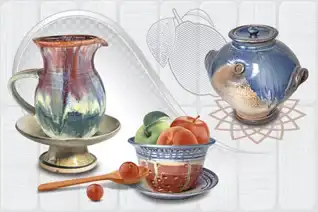
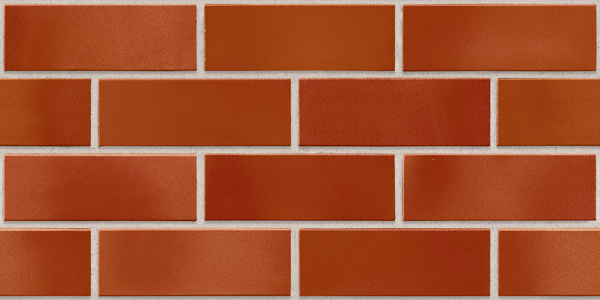
Terracotta is a colour, not a material. In kitchen tile design, terracotta refers to the warm reddish-orange glaze that runs from sandy ochre at the pale end through classic rust-orange to deep burnt sienna at the rich end. Terracotta kitchen tiles are ceramic, GVT, or porcelain tiles carrying that colour on their glaze. They carry the warmth and earthiness that buyers associate with traditional Indian spaces, but they perform as modern manufactured tiles: sealed glaze surface, consistent dimensions, and no requirement for annual sealing.
The terracotta colour in kitchen tiles has come back strongly in Indian homes over the last few years, driven by the natural material aesthetic and the growing popularity of the terracotta and grey kitchen combination. Across the kitchen tiles range, the colour appears in ceramic for backsplash and wall use, in GVT for floors and full-wall cladding, and in hexagonal mesh sheet formats that give the backsplash a geometric dimension. This page covers each surface and each format with the specific tile body, finish, and size that works.
Terracotta as a colour in tiles covers four distinct shade bands, each with a different visual weight and a different set of pairings that work in an Indian kitchen:
| Shade | Colour Character | Kitchen Visual Weight | Best Kitchen Style | Cabinet Pairing |
| Pale ochre | Warm sandy yellow-orange; reads as a warm neutral at a distance | Low, the lightest terracotta, open and airy on floors | Transitional, modern, any kitchen needing warmth without strong colour | Cream, white, light timber |
| Classic terracotta | Mid reddish-orange; the benchmark shade most buyers picture | Medium; grounded and warm without enclosing the space | Farmhouse, traditional Indian, transitional with white cabinets | Cream, off-white, aged timber, white |
| Burnt sienna | Deeper red-brown; more red than orange; rich and earthy | Medium-high; adds clear visual weight; good in larger kitchens | Heritage, farmhouse, rustic-modern with good lighting | Cream or off-white only; antique bronze fixtures |
| Rust | Brownish-red; the warmest and most saturated terracotta | High, strong floor or wall colour; use as an accent rather than full coverage in small kitchens | Designed farmhouse, open-plan kitchens | Cream, warm linen cabinets, brass fixtures |
Classic terracotta is the most widely stocked shade from Indian GVT and ceramic manufacturers in Morbi and across Gujarat. Pale ochre and rust shades are available from a narrower range of manufacturers and may need stock confirmation before ordering in large quantities. Burnt sienna is primarily available in the premium GVT range.
A terracotta kitchen floor tile specification starts with the tile body. The reddish-orange colour comes from the glaze, and that glaze is on GVT or porcelain. Both handle Indian cooking conditions correctly when specified in matte or matte carving finish. GVT has a water absorption of 0.05%, which means cooking steam, monsoon humidity, and daily mopping water do not penetrate the tile body. The sealed glaze surface also means turmeric and cooking oil sit on the face until wiped rather than absorbing into the tile.
GVT in matte finish in 2x2 (600x600) in a classic terracotta colour is the primary recommendation for a kitchen terracotta tile floor in Indian mid-range to premium kitchens. The 2x2 format is available on both wall and floor and gives enough tile runs in a standard kitchen to minimise cut wastage at the perimeter. For floors, the full kitchen floor specification covering finish safety rules across all tile bodies is on the kitchen floor tiles page.
Note: Glossy, high-glossy, and satin matte finishes must not be used on kitchen floors. Terracotta kitchen floor tiles must be in matte or matte carving finish. This applies to GVT and all other tile bodies regardless of colour.
In a contemporary modular kitchen, GVT 2x2 in classic terracotta gives a clean, even floor with a manageable joint count. In a farmhouse or heritage-style kitchen, a 2x4 (600x1200) in a terracotta colour with a stone-like matte carving finish gives fewer grout lines and reads closer to a large slab floor. In a very small kitchen under 60 sq. ft., 1x1 (300x300) in a terracotta ceramic glaze on the floor is possible, but this size is more common in bathroom applications; the 2x2 GVT matte tiles are the better kitchen floor specification in most cases.
Terracotta kitchen wall tiles in ceramic gloss in 12x24 are the practical backsplash specification. Ceramic in 12x24 in a terracotta colour glaze is wall-only, available from Indian manufacturers in Morbi, and the gloss surface on the tile face wipes clean from cooking oil and splashes. The warm reddish-orange colour on the backsplash reads as a strong design decision against white or cream cabinets. With cream or off-white grout and brass fixtures above, the terracotta backsplash is one of the most cohesive warm-palette kitchen combinations available.
For a full kitchen wall from dado to ceiling in a terracotta colour, GVT in matte or glossy finish in 2x2 or 2x4 is the specification. The GVT body handles the wall application, and the larger format gives fewer grout lines. On the wall, the glossy finish is safe; the floor-only constraint on glossy applies only to horizontal surfaces. A full-height terracotta GVT wall in glossy finish in 2x4 is a strong design statement in a large or open-plan kitchen where the wall reads from the dining area.
The backsplash is the most requested terracotta kitchen tile application in Indian contemporary renovations. Three decisions determine how the terracotta backsplash reads:
For the backsplash zone directly behind the cooktop, glossy ceramic in classic or pale terracotta is the most practical specification from a maintenance perspective. The bright colour near the cooktop makes cooking residue visible quickly, which encourages prompt cleaning. With epoxy grout at a 2mm joint width, a terracotta backsplash near the cooktop is manageable in Indian daily cooking conditions.
The terracotta and grey kitchen is the combination that has moved terracotta from a purely traditional colour into contemporary Indian kitchen design. The pairing works because of colour temperature contrast: grey is the coolest neutral, and terracotta is one of the warmest colours in the tile range. That opposition is what gives a terracotta and grey kitchen its visual energy.
| Combination Type | Terracotta Element | Grey Element | Fixture | What It Reads As |
| Terracotta floor, grey cabinets | GVT matte 2x2 in classic terracotta on the floor | Mid-grey or concrete-grey modular cabinets | Brass or matte black | The most popular version, warm floor against cool cabinet, reads as a deliberate design decision |
| Terracotta backsplash, grey wall above | Ceramic glossy 12x24 in terracotta on the backsplash strip | Light to mid-grey ceramic 12x24 on the full wall above the strip | Brass or matte black | Contained terracotta accent; the terracotta reads as a feature strip; the grey provides the background |
| Terracotta feature panel, grey kitchen | Terracotta hex or patterned ceramic on a contained panel | Grey modular cabinets throughout the kitchen | Brass only | The terracotta panel reads as a warm focal point in a grey kitchen; the most restrained interpretation |
| Terracotta and grey open-plan floor | Terracotta GVT matte in the kitchen zone | Grey GVT matte in the dining or living zone | Consistent across both zones | A deliberate zone definition using warm-cool contrast works well in open-plan layouts. |
In all terracotta and grey kitchen combinations, grout management at the boundary between the two zones matters. A warm off-white grout on the terracotta side and a mid-grey grout on the grey tile side create a visible but considered transition. If the grout colour is inconsistent at the join, the combination reads as two incomplete tile jobs rather than one designed scheme.
Hexagonal kitchen tiles in a terracotta colour combine two strong design languages: the geometric honeycomb of the hex format and the warm earthiness of the terracotta colour. The combination reads as both traditional, referencing encaustic floor tiles in colonial bungalows, and contemporary, because the hex format is currently the most requested geometric tile shape in Indian kitchen renovations.
Terracotta hex tiles are ceramic in gloss or matte finish, mounted on mesh sheets, available in 75mm to 100mm individual tile size from select manufacturers in Morbi and Gujarat. For the kitchen backsplash, glossy terracotta hex in flat-top orientation with cream grout gives a rich, warm geometric surface. For a heritage kitchen floor in a terracotta hex look, the correct body is porcelain in matte finish on mesh sheets with epoxy grout; standard ceramic mosaic mesh is not suitable for kitchen floors.
The full hexagonal tile specification covering orientation, grout, and size decisions is on the hexagonal kitchen tiles page. For terracotta hex specifically, cream or off-white grout reads most naturally because it references lime mortar in traditional Indian clay tile laying. Grey grout with terracotta hex creates a cool-warm conflict at every joint.
A modern kitchen with terracotta floor tiles distinguishes itself from a traditional terracotta kitchen in three ways: the cabinet colour, the fixture finish, and whether terracotta is used as a full-coverage colour or as a deliberate accent.
What separates all three modern applications from a traditional terracotta kitchen is the cabinet colour. Traditional terracotta kitchens use cream, aged timber, or warm off-white cabinets. Modern kitchens with terracotta tiles use white, cool grey, or concrete-tone cabinets where the terracotta colour provides the entire warmth in the palette.
| Cabinet Colour | Terracotta Application | Fixture Finish | Countertop | Grout Colour |
| White or off-white | Floor and backsplash; high contrast reads as bold and deliberate | Brass or antique bronze | White quartz or light stone | Off-white or cream on backsplash; warm tan on floor |
| Cream or ivory | Floor in a slightly darker terracotta; backsplash in pale ochre or classic terracotta | Brass or brushed gold | Warm beige quartz or Kota stone looks GVT | Cream on both; a very warm,m unified palette |
| Mid or dark grey | Floor in classic terracotta for warm-cool contrast; backsplash in terracotta as a strip | Brass or matte black | Light quartz; keep the countertop light | Warm off-white on terracotta; mid-grey on grey section |
| Warm timber | Backsplash in pale ochre or classic terracotta; avoid dark terracotta floor with warm timber cabinets | Brass or copper | Warm stone look or beige quartz | Cream or tan; the warmest option in the range |
| Tile | Body | Size | Surface | Finish | Price Range (Rs./sq.ft) |
| Terracotta backsplash | Ceramic | 12x24 (wall only) | Backsplash and wall only; never floor | Glossy or Sugar | Rs. 50 to Rs. 90 |
| Terracotta wall tile | Ceramic | 12x18 (wall only) | Wall and backsplash only | Glossy | Rs. 50 to Rs. 85 |
| Terracotta floor tile | GVT | 2x2 (600x600) | Floor and wall | Matte or Matte Carving | Rs. 85 to Rs. 160 |
| Terracotta floor tile, large format | GVT | 2x4 (600x1200) | Floor and wall | Matte or Matte Carving | Rs. 100 to Rs. 190 |
| Terracotta full-height wall | GVT | 2x2 or 2x4 | Wall only (glossy finish); wall and floor (matte) | Glossy or Matte | Rs. 85 to Rs. 190 |
| Terracotta hex backsplash | Ceramic on mesh | 75mm to 100mm individual tile | Wall and backsplash only | Glossy | Rs. 65 to Rs. 120 |
| Terracotta 1x1 feature zone | Ceramic | 1x1 (300x300) | Wall; floor only in dry areas | Glossy or Matte | Rs. 50 to Rs. 85 |
| Requirement | Recommended Tile | Size | Finish | Price (Rs./sq.ft) |
| Terracotta backsplash, contemporary kitchen | Classic terracotta glossy ceramic | 12x24 | Glossy | Rs. 50 to Rs. 90 |
| Terracotta floor, modern kitchen | Classic terracotta GVT matte | 2x2 | Matte | Rs. 85 to Rs. 155 |
| Terracotta and grey kitchen floor | Classic terracotta GVT matte (floor zone) | 2x2 | Matte | Rs. 85 to Rs. 155 |
| Terracotta feature wall, open-plan kitchen | Terracotta GVT, matte or glossy | 2x4 | Matte (floor and wall); Glossy (wall only) | Rs. 100 to Rs. 190 |
| Hexagon terracotta backsplash | Terracotta glossy ceramic hex on mesh | 75mm to 100mm | Glossy | Rs. 65 to Rs. 120 |
| Pale ochre floor, subtle warmth | Pale ochre GVT matte | 2x2 | Matte | Rs. 80 to Rs. 145 |
| Deep rust backsplash, statement kitchen | Rust or burnt sienna glossy ceramic | 12x24 | Glossy | Rs. 55 to Rs. 95 |
| Terracotta and grey combined floor | Terracotta GVT matte + grey GVT matte | 2x2 each zone | Matte both | Rs. 85 to Rs. 160 each |
GVT tiles in terracotta colour carry a water absorption of 0.05%, which qualifies them under IS 15622 as fully vitrified tiles. In Indian monsoon conditions where kitchen floors and walls experience humidity cycling across seasons, this absorption level means the tile body neither expands with moisture uptake nor contracts on drying. The adhesive bond stays stable. The sealed glaze on the face prevents cooking oil, turmeric, and cleaning agents from penetrating the body, which is the primary maintenance advantage over materials with higher absorption in a daily Indian cooking environment.
Ceramic in 12x24 in terracotta colour for kitchen walls and backsplash is manufactured by a range of producers across Morbi and Gujarat at Rs. 50 to Rs. 90 per sq.ft. GVT in 2x2 in classic terracotta and burnt sienna shades for kitchen floors and walls runs from Rs. 85 to Rs. 190 per sq ft, depending on shade depth and finish. Hexagonal terracotta ceramic on mesh sheets in 75mm to 100mm size from Morbi manufacturers runs Rs. 65 to Rs. 120 per sq.ft. All ceramic tiles listed on the platform comply with IS 13630; all GVT tiles comply with IS 15622.
The reddish-orange warmth of terracotta in a ceramic backsplash or a GVT floor tile changes the reading of a kitchen more than almost any other colour decision at the same price point. Ceramic in 12x24 glossy for the backsplash, GVT 2x2 matte for the floor, and hexagonal mesh tiles for a geometric accent wall are all available from verified manufacturers across Morbi and Gujarat on TilesFinders. Glossy ceramic for the terracotta backsplash starts from Rs. 50 per sq.ft; GVT matte for the floor in the terracotta colour range runs from Rs. 85 to Rs. 190 per sq.ft.
Terracotta kitchen tiles are ceramic, GVT, or porcelain tiles in a warm reddish-orange colour. Terracotta is a colour description of the tile glaze, not a material. These tiles have sealed glaze surfaces, consistent dimensions, and no sealing requirement. They perform as standard manufactured tiles with the warm ochre-to-rust colour family as the glaze colour.
Yes, when specified as GVT in matte or matte carving finish in 2x2 (600x600). GVT has 0.05% water absorption, and the matte surface is anti-skid. Glossy terracotta tiles must not be used on kitchen floors. Ceramic terracotta tiles in 12x18 and 12x24 are wall-only and must not go on floors regardless of colour.
White, cream, and grey cabinets are the strongest pairings. White or off-white creates high contrast that reads as deliberate. Grey cabinets with a terracotta floor give the popular terracotta and grey kitchen effect,t where cool cabinets and warm floor work as temperature opposites. Avoid very dark timber lower cabinets with a terracotta floor, as both have warm visual weight and can feel heavy together in a standard-size kitchen.
A terracotta and grey kitchen uses warm-cool colour contrast: terracotta tiles on the floor or backsplash paired with grey kitchen cabinets or grey wall tiles. Grey cools the warmth of terracotta to a manageable level, while terracotta prevents grey from feeling cold. Brass or matte black fixtures work well in this combination. GVT matte 2x2 in terracotta on the floor with mid-grey modular cabinets is the most common version.
Off-white, cream, or warm beige grout in the same tone family as the tile gives the most natural result. White grout creates a stronger contrast grid. Grey grout creates a cool-warm conflict at the joints that reads as unresolved. For the floor, epoxy grout in a warm off-white or tan shade resists cooking oil and turmeric staining in the grout lines better than cement grout.
Terracotta hexagon kitchen tiles are ceramic tiles in a reddish-orange glaze mounted on mesh sheets in a honeycomb format, typically 75mm to 100mm per tile. They are used on kitchen backsplash walls and wall feature panels, not on floors. Glossy finish for the backsplash; cream or off-white grout for the most natural mortar-like result. Available from select manufacturers in Morbi.
GVT in 2x2 (600x600) matte is the best kitchen floor size for terracotta tiles in India. It gives a clean floor pattern with a manageable grout count in standard kitchen dimensions. For kitchens above 150 sq. ft., 2x4 (600x1200) in a terracotta matte carving finish gives fewer joins and a more slab-like reading. Both sizes are suitable for wall and floor use in matte finish.
In a modern kitchen, terracotta works as a deliberate warm contrast element rather than a traditional background colour. A terracotta GVT matte floor with white or grey cabinets and brass fixtures reads as contemporary because the clean modern combination lifts the warm colour into a designed context. Terracotta with cream or timber cabinets reads as traditional. The cabinet colour determines whether the kitchen reads as modern or heritage.