

Balcony Wall Tiles Design: Parapet, Back Wall, and Feature Panel Guide
Loading designs...
-
 10010
10010 -
 10013
10013 -
10015
-
10017
-
10018
-
Biscuit
-
Golden Oak
-
Classic Oak
-
Kempas
-
Mahogony
-
Maple Wood
-
Roman Wood
-
Sedona Red
-
Wenge Wood
-
Mocca Oak
-
Oxford Brown
-
Pecan
-
Satin Wood
-
Florence Grey
-
Marfil Brown




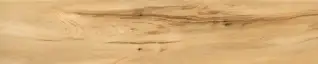














A balcony has more wall surfaces than most people account for when planning the tile design. There is the parapet wall, the low outer boundary that faces the street or garden. There is the back wall, the exterior face of the building that the balcony is attached to, seen from within the balcony space. On some balconies, there are side walls. And on many Indian residential buildings, there are structural columns or pillars within the balcony that have their own tile faces. Each of these surfaces has a different rain exposure, a different viewing angle, and a different design role. All of them fall within the scope of balcony tiles, but they are not all the same surface, and they do not all require the same tile.
The distinction between balcony wall surfaces matters for both specification and design. The outer face of the parapet wall is a direct-rain outdoor surface, seen from the street. It needs an outdoor-rated tile in the same way the balcony floor does. The inner back wall of the balcony, the building face wall, is partially sheltered by the floor slab of the storey above and by the parapet wall itself. It receives less direct rain than the outer parapet, which opens up slightly more tile finish options and makes it the right surface for a feature tile treatment: a wood-look GVT panel, a 3D carved tile, or a decorative stone-look that gives the balcony an enclosed garden-room quality when sitting outdoors.
This page covers balcony wall tiles design across all the wall surfaces: the outdoor specification for parapet walls and outer-facing surfaces, how the back wall works as a feature wall for the balcony space, wooden tiles and 3D tiles on balcony walls, front balcony wall tile design and its relationship to the building elevation, and how the wall tile coordinates with the floor tile for a coherent balcony design.
The Three Balcony Wall Surfaces and What Each Needs
The Outer Parapet Wall Face
The outer face of the parapet wall is an outdoor elevation surface. It faces the street, garden, or adjacent building, receives direct monsoon rain, and is exposed to full UV radiation. The tile specification for the outer parapet wall face is the same as for any exterior elevation surface: GVT in matte or GHR finish with water absorption below 0.05% under IS 15622:2006. The finish choice on an outdoor wall is about maintenance, not grip (since no one walks on a wall). Matte and GHR finishes are preferred on outdoor walls because rain runoff on a glossy surface leaves visible water streaking and mineral deposit marks that require regular cleaning to look maintained. On an open outdoor parapet wall, matte or GHR GVT is the lower-maintenance specification.
Format: 300x600mm in a horizontal stack bond or vertical stack bond is the most common for Indian residential balcony parapet walls. The parapet is typically 3 to 4 feet tall, which accommodates two to three tile widths in a 300x600mm horizontal stack without any cuts at the top or bottom. The parapet cap, the top horizontal surface that water sits on during rain, must be tiled with a flat tile and a flexible sealant joint at the parapet-to-wall junction so water does not pool and seep into the joint.
The Inner Back Wall
The inner back wall of the balcony is the exterior face of the building that you look at when sitting on the balcony. It is partially sheltered by the floor slab of the storey above and by the parapet wall in front of it, so it typically receives less direct rain than the outer parapet face. This reduced rain exposure makes the inner back wall the most suitable surface for a feature tile treatment on a balcony.
On the inner back wall, GHR finish tiles, Matte Carving (3D) tiles, and even polished or semi-glossy tiles in sheltered positions are technically possible. However, even the inner back wall of an Indian balcony receives some monsoon rain from wind-driven rain at an angle, humidity, and condensation. The most practical specification for the inner back wall remains GVT in matte or GHR finish, which provides the design richness of a feature tile without the rain-streaking maintenance of a polished surface in an outdoor position. PGVT, which is specified for indoor walls only, should not be used on any balcony wall surface, including the inner back wall.
Side Walls and Structural Columns
Where a balcony has solid side walls rather than a railing on one or both sides, these walls are partially exposed depending on their orientation. A side wall facing the prevailing monsoon wind direction will receive more direct rain than one sheltered by the building structure. GVT matte or GHR in the same specification as the parapet is the correct choice for side walls. Structural columns or pillars within the balcony are fully outdoor surfaces on all visible faces and require the same GVT outdoor spec.
Outdoor Wall Tiles for Balcony: Finish and Body Type
| Wall Surface | Direct Rain Exposure | Recommended Body Type | Recommended Finish | Suitable for PGVT? | Price Range (Rs./sq.ft) |
|---|---|---|---|---|---|
| Outer parapet face | High, direct rain | GVT | Matte or GHR | No | Rs. 42 to Rs. 90 |
| Inner back wall (building face) | Low to moderate, partially sheltered | GVT | Matte, GHR, or Matte Carving | No | Rs. 45 to Rs. 100 |
| Side walls | Moderate, depends on orientation | GVT | Matte or GHR | No | Rs. 42 to Rs. 90 |
| Structural columns or pillars | High, fully outdoor | GVT | Matte or GHR | No | Rs. 45 to Rs. 88 |
| Parapet cap (top surface) | Very high, water sits on the surface | GVT | Matte or Textured | No | Rs. 42 to Rs. 80 |
Note on PGVT: PGVT (Polished Glazed Vitrified Tiles) is specified for indoor walls only and must not be used on any balcony wall surface. PGVT is not engineered for outdoor weather exposure, UV radiation, or the thermal cycling of an outdoor elevated surface. Even on the sheltered inner back wall of a balcony, PGVT is not the correct specification.
Wooden Tiles for Balcony Wall
Wooden tiles for a balcony wall, specifically GVT tiles with a wood-grain surface design in matte or GHR finish, give the inner back wall of the balcony a warm, panelled character that transforms the balcony from a concrete projection into an outdoor room. When the floor is tiled in wood-look plank GVT, and the back wall carries a complementary wood-look or stone-look GVT panel, the balcony reads as a completely designed space from both inside the room and from within the balcony itself. For the balcony floor tiles direction that pairs most naturally with a wood-look back wall, the grey-washed or concrete-look floor tile creates a strong contrast: warm timber-look wall against a cool grey floor. A matching wood-look tile on both the floor and the back wall tends to look monotonous in a small balcony space.
Format for wooden tiles on a balcony wall: 300x600mm in a vertical orientation is the most used format for a back wall wood-look tile. Vertical plank orientation on a wall creates the proportions of timber wall panelling and makes the balcony ceiling feel higher. Horizontal orientation reads as a floor laid sideways, which is less natural on a wall. GHR finish wood-look tiles read closest to actual timber grain on an outdoor wall because the slight relief in the glaze adds surface variation that a flat matte print cannot.
The outer parapet face is not the right surface for a wood-look tile: the outer parapet receives direct rain, and the wood grain surface print can show mineral deposit lines from rain runoff over time, even on a GVT tile. Wood-look tiles for balcony walls work best on the inner back wall and side walls that are partially sheltered. Price range: Rs. 55 to Rs. 100 per sq ft for outdoor-rated GVT wood-look wall tiles from Morbi.
3D Wall Tiles for Balcony
3D wall tiles for a balcony are GVT tiles with a pressed or carved surface relief used on the inner back wall to create shadow depth and texture. The 3D surface catches light differently throughout the day as the sun moves across the balcony, which makes the back wall visually active in a way that a flat tile cannot achieve outdoors. In the evening, when balcony lighting from wall-mounted or string lights hits the 3D surface at an angle, the shadow lines from the relief pattern give the balcony a strong design character.
Matte Carving finish in GVT is the correct specification for 3D wall tiles on a balcony back wall. The matte surface does not show rain streaking in the carved grooves, and the Matte Carving finish is engineered for outdoor thermal cycling. Geometric relief patterns, wave forms, and linear ridge patterns work well on a balcony back wall. Organic or floral relief patterns that look at home on an interior bedroom headboard wall can look out of place in the harsher outdoor light of a balcony.
Format: 300x600mm in a vertical orientation for the main back wall area. The scale of 300x600mm allows the 3D relief pattern repeat to be visible across the full wall without becoming either too compressed (too many small repeat units) or too large-scale (pattern repeat too big for the wall area). Price range: Rs. 52 to Rs. 100 per sq ft for GVT Matte Carving outdoor wall tiles from Morbi.
Front Balcony Wall Tiles Design
A front balcony is visible from the street. The outer face of its parapet wall is part of the building's front elevation: it is seen from the road as one of the most clearly visible surfaces on the building front. Front balcony wall tile design is, therefore, both an outdoor tile specification decision and an elevation design decision.
The outer parapet wall tile on a front balcony should coordinate with the main elevation tile on the building facade. A building with a grey stone-look GVT elevation and a darker charcoal GVT parapet wall tile has strong visual coherence from the road: the parapet reads as a heavy baseline below the lighter facade. A building with a terracotta-look elevation and a matching terracotta parapet creates a warm, consistent outer face. A building with a plain white or cream elevation and a contrasting dark grey or black GVT parapet creates a modern, high-contrast street presence.
The inner back wall of a front balcony, visible through the balcony railing from the street, contributes to the overall street view of the building. A wood-look GVT or stone-look GVT on the inner back wall that is visible from the road gives the building a layered depth that a plain painted wall does not. For specification and design guidance on the outer parapet wall as part of the building's elevation, stone-look tiles cover the stone-look GVT options most commonly used on Indian residential elevation and parapet surfaces.
Modern Balcony Wall Tiles Design: Current Directions
Modern balcony wall tiles design in Indian residential interiors has moved toward featuring back walls in one of three directions: wood-look GVT panels on the inner back wall for a warm, domestic outdoor-room quality; plain large-format grey or stone-look GVT on the back wall for a clean, contemporary outdoor space; or 3D Matte Carving GVT on the back wall for a textured, architecturally detailed balcony.
The outer parapet in most modern Indian residential balcony designs uses a plain matte GVT that coordinates with the main building elevation, while the back wall carries the design interest. This approach divides the balcony wall surfaces by their functional role: the outer parapet is the weather-facing structural boundary, and the inner back wall is the design surface that defines the balcony's character as a living space.
An emerging direction in Indian apartment balcony design is the full-height tile treatment on the inner back wall, running from the balcony floor level to the underside of the slab above, in a large-format 300x600mm or 600x600mm stone-look or concrete-look GVT. This gives the balcony a completely tiled interior wall surface without any plaster or paint, which is both maintenance-free and consistent in appearance over the life of the building.
Balcony Wall and Floor Tile Coordination
The wall tile and the floor tile on a balcony are seen simultaneously from the room inside through the door or window, and from within the balcony itself. The relationship between them defines whether the balcony reads as a designed space or a collection of unrelated material choices.
Three coordination approaches that work in Indian balcony contexts: a wood-look plank floor with a plain stone-look or grey GVT back wall (warm floor, cool wall, strong contrast); a grey matte floor with a 3D Matte Carving or wood-look GVT back wall (neutral floor, feature wall, the back wall carries all the design interest); or a terracotta-look floor with a terracotta or warm sandstone-look back wall in a slightly lighter or darker tone (warm-tone monochromatic scheme that gives the balcony a courtyard character).
The outer parapet tile should be the quietest element in the balcony tile composition: a plain matte GVT that coordinates in colour with either the floor or the back wall without competing with either. A parapet tile that is darker than both the floor and the back wall grounds the balcony space. A parapet tile that is lighter than both can make the boundary wall visually disappear, which works when the view beyond the balcony is the intended focal point.
Balcony Wall Tiles: Quick Reference by Surface
| Wall Surface | Tile | Format | Finish | Design Role | Price Range (Rs./sq.ft) |
|---|---|---|---|---|---|
| Outer parapet face | GVT | 300x600mm horizontal or vertical stack | Matte or GHR | Coordinates with building elevation, quietest element | Rs. 42 to Rs. 90 |
| Inner back wall, plain | GVT stone-look or grey | 300x600mm or 600x600mm | Matte or GHR | Clean backdrop, outdoor room quality | Rs. 48 to Rs. 95 |
| Inner back wall, feature | GVT wood-look or 3D Matte Carving | 300x600mm vertical | Matte, GHR, or Matte Carving | Primary design element of the balcony | Rs. 55 to Rs. 100 |
| Side walls | GVT, same as or coordinating with parapet | 300x600mm | Matte or GHR | Tie parapet and back wall together | Rs. 42 to Rs. 90 |
| Structural columns or pillars | GVT, darker tone than floor or parapet | 300x600mm vertical stack | Matte or GHR | Strong vertical frame for the balcony space | Rs. 45 to Rs. 88 |
| Parapet cap | GVT flat tile, sealant at junction | 300x300mm or 300x600mm | Matte | Water-shedding cap, must not trap water | Rs. 42 to Rs. 80 |
Balcony Wall Tiles Pricing from Morbi
GVT balcony wall tiles from Morbi, Gujarat, certified under IS 15622:2006, are available across all formats and finish directions used for Indian residential balcony walls. Ex-factory prices: Rs. 38 to Rs. 52 per sq.ft for 300x300mm and 300x600mm plain matte or GHR GVT for parapet and side walls, Rs. 48 to Rs. 72 per sq.ft for stone-look and grey GVT in 300x600mm or 600x600mm for back walls, Rs. 52 to Rs. 88 per sq.ft for GVT Matte Carving 3D panels in 300x600mm, and Rs. 52 to Rs. 92 per sq.ft for wood-look GVT in 300x600mm or 300x1200mm for back wall feature panels. Retail prices across Indian cities are 25% to 40% above ex-factory. Installation cost for balcony wall tiles: Rs. 30 to Rs. 52 per sq.ft for standard wall tiling, with large-format or 3D tiles requiring slightly higher labour due to precise alignment requirements.
Choosing Balcony Wall Tiles for Your Home
Balcony wall tile selection starts with identifying which surfaces need tiling (outer parapet, inner back wall, side walls, pillars), then matching the specification to the rain exposure of each surface, and finally choosing the design direction that gives the balcony its character. Browse outdoor-rated GVT balcony wall tiles in stone-look, grey, wood-look, and 3D Matte Carving directions on TilesFinders. Confirm GVT body type and matte or GHR finish for any outdoor balcony wall application.
FAQs
GVT in matte or GHR finish with water absorption below 0.05% under IS 15622:2006 is the correct specification for any balcony wall surface. The outer parapet wall face, which receives direct monsoon rain, should use plain matte or GHR GVT in 300x600mm. The inner back wall, which is partially sheltered, can carry a feature tile such as a wood-look GVT, a stone-look GVT, or a 3D Matte Carving GVT. PGVT must not be used on any balcony wall. Price range: Rs. 45 to Rs. 100 per sq ft from Morbi.
No. PGVT (Polished Glazed Vitrified Tiles) is specified for indoor walls only. It must not be used on any balcony wall surface, including the inner back wall. PGVT is not engineered for outdoor weather exposure, UV radiation, or the thermal cycling of an elevated outdoor surface. Even on the partially sheltered inner back wall of a balcony, the correct specification is GVT matte, GHR, or Matte Carving finish.
Glossy finish tiles on an outdoor wall, including balcony parapet walls and outer-facing surfaces, show rain streaking and mineral deposit marks from water runoff. Rain that runs down a glossy outdoor wall leaves visible watermark lines and white mineral deposits from hard water, which require regular cleaning to maintain a presentable appearance. Matte and GHR finishes on outdoor walls do not show these marks as prominently and require less cleaning to look maintained. This is a maintenance consideration, not a safety concern: the issue is visual appearance, not grip, since no one walks on a wall.
Wood-look tiles for a balcony wall are GVT tiles with a wood-grain surface design in matte or GHR finish used on the inner back wall of the balcony. They give the balcony an outdoor-room quality when the back wall reads as a timber-panel feature wall. The format is 300x600mm in a vertical orientation, which creates the proportions of timber wall panelling. Wood-look tiles are best on the inner back wall and sheltered side walls, not on the outer parapet face, where direct rain and mineral deposits are more likely to show on the grain print surface. Price range: Rs. 55 to Rs. 100 per sq ft.
3D Matte Carving GVT wall tiles are best used on the inner back wall of the balcony, the building face wall seen from within the balcony space. The 3D surface creates shadow lines that change with natural light through the day and with balcony lighting in the evening. Geometric and linear relief patterns work better on balcony back walls than organic or floral patterns, which suit indoor bedroom contexts more than outdoor spaces. Format: 300x600mm vertical stack on the back wall. Price range: Rs. 52 to Rs. 100 per sq.ft.
The outer parapet wall tile should coordinate with the building's main elevation tile in colour and tone, as it forms part of the building's street-facing facade. It should be a plain matte or GHR GVT tile in a colour that is slightly darker than or matching the main elevation tile. Avoid strong patterns or highly decorative tiles on the outer parapet: seen from the road at a distance, fine patterns flatten out, and the parapet reads better as a solid tone that frames the floor and elevation above and below it. Price range: Rs. 42 to Rs. 90 per sq ft for GVT parapet wall tiles from Morbi.
Three coordination approaches work well: a wood-look back wall with a grey or stone-look floor (warm wall, cool floor, strong contrast); a 3D or feature back wall with a plain grey or neutral floor (the back wall carries all the design interest, the floor is a quiet backdrop); or a terracotta or sandstone-look back wall with a matching warm-tone floor in a slightly different shade (monochromatic warm-tone scheme giving a courtyard character). The outer parapet tile should be the quietest element in the composition, coordinating with either the floor or the back wall without competing with both.
The parapet cap, the top horizontal surface of the parapet wall, must be tiled with a flat GVT tile in 300x300mm or 300x600mm with a flexible polyurethane sealant joint at every junction between the cap tile and the vertical tile faces. Water sits on the parapet cap during rain, and a rigid grout joint at the cap edge will crack from thermal cycling, allowing water to seep into the parapet wall structure. The sealant joint accommodates thermal movement and keeps the cap junction watertight. The cap tile finish should be matte to shed water cleanly.