Tile vs Wooden Flooring for the Living Room: Pros and Cons
Wood vs. Tile: Which fits your living room? Compare durability, comfort, and maintenance to make ...


Loading designs...




















A hallway is a different design problem from the main drawing room. Where the drawing room is a space people settle into, a hallway is a space people pass through. It is typically narrow, often without natural light, and connected at both ends to other rooms. Hallway tiles need to do more visual work per square foot than almost any other tile in the house, because the space is seen in a brief, focused way as you walk through it. The tile choice, the pattern, and whether the walls are tiled alongside the floor all determine whether a hallway feels considered and composed or simply functional. Finding the right hallway tile design starts with understanding what the hallway is actually asking of the tile.
Indian homes have several types of hallways. The entrance hallway connects the main door to the drawing room and is the first interior space a visitor sees. Interior passage hallways connect bedrooms to the living area or link the kitchen and utility areas. In larger bungalows and villas, a central corridor runs the length of the house connecting all rooms. Each of these spaces has a different width, a different light condition, and a different relationship to what lies at either end. The tile that works in a generous entrance hall does not automatically work in a narrow interior passage.
This page covers hallway tiles design across all of these contexts: floor tile selection for narrow and wide hallways, patterned tile options including the geometric heritage styles that have become one of the most searched hallway tile directions in India, wall tile design for hallways, and how to use border tiles, highlighter strips, and accent elements to give a hallway a designed quality without overwhelming a small space.
Hallway floor tiles take the highest foot traffic per square foot of any floor in the house. The entrance hallway specifically handles outdoor footwear, which brings in grit, moisture from rain, and dust. This means the tile body type and surface hardness matter more in the hallway than in a bedroom or study.
GVT in matte or satin matte finish is the most practical specification for hallway floor tiles in Indian homes. GVT absorbs less than 0.05% water under IS 15622:2006 and resists the surface scratching from grit on outdoor footwear better than ceramic. Polished GVT is a valid finish in a hallway that connects interior rooms and does not receive outdoor footwear, but for the entrance hallway that takes shoe-on traffic, matte or satin matte holds its appearance longer. The hallway is also a space where cleaning frequency is high, and matte surfaces show less of the cleaning water marks and footprints that would be visible on a polished finish in a high-traffic passage.
For hallways that connect directly to an outdoor entrance or that receive rain splash during monsoon, the floor tile must be GVT with water absorption below 0.05%. A light-coloured matte or satin matte GVT in a 300x600mm or 600x600mm format works well in this context. If the hallway is entirely internal and dry, the tile options open up to include polished GVT, large-format panels, and even marble-look surfaces. For the hallway floor tiles that also serve the main drawing room, the hall floor tiles design guide covers laying patterns, skirting, and size-to-proportion decisions in detail.
The instinct to use large-format tiles everywhere in the house sometimes works against a hallway. An 800x1600mm tile in a hallway that is only 4 feet wide will show just two tiles across the width of the floor, with cut tiles at both walls. The scale of the tile will read as oversized for the space, and the grout joint running down the centre of the corridor will be very visible.
For narrow hallways under 5 feet wide, 300x600mm and 600x600mm tiles are the formats that read best. The smaller tile scale is proportionate to the hallway width, gives more grout joint lines to break up the floor plane, and produces less tile waste at the perimeter cuts. For wider hallways and entrance halls above 6 feet wide, 600x1200mm is a good format: large enough to read as contemporary, small enough to work in the proportions of a hallway.
Patterned floor tiles for hallways are most commonly available in 300x300mm and 300x600mm formats. The pattern repeat on a geometric or encaustic-look tile is designed to work at these smaller sizes, and scaling up to 600x1200mm would make the repeat too large to read correctly in a narrow hallway.
One of the most distinctive things about hallway tile design as a category is the role of heritage-influenced geometric patterns. In Indian residential design, the interest in Victorian, Edwardian, and Georgian-era hallway tile patterns has grown significantly, partly through exposure to British and European interiors on social media and partly because the intricate geometric patterns of these styles suit the small, contained proportions of a hallway better than they would in a large open room.
Victorian hallway tiles typically use a combination of black and white geometric shapes laid in a repeating pattern across the floor. The most recognisable version uses alternating black and white octagons with small square inserts at the junctions, but the Victorian tile vocabulary also includes diamond layouts, hexagonal patterns, and interlocking geometric forms in two or three colours. These patterns are replicated in GVT tiles in 300x300mm format, where the pattern is digitally printed onto the tile body and then fired into the glaze.
Edwardian hallway tiles tend to use more pastel and earth tones than strictly black-and-white Victorian layouts, and often feature floral or Gothic-influenced border elements alongside the geometric field pattern. The distinction between Victorian and Edwardian style is mostly in colour palette and the degree of ornamentation: Victorian is crisper and more geometric, Edwardian is slightly warmer and more decorative.
Georgian hallway tiles sit earlier in this lineage and tend toward simpler geometric layouts, often using terracotta, cream, and slate tones in a limited colour palette. All three of these heritage style directions are available as GVT patterned tiles from Morbi manufacturers, typically in 300x300mm format at Rs. 45 to Rs. 80 per sq.ft.
1930s hallway tiles reference the Art Deco period, which brought stronger geometric forms, bolder colour combinations, and a more graphic quality to floor tile patterns. Sunburst patterns, fan shapes, chevron sequences, and strong diagonal geometric layouts characterise this style. In the Indian context, Art Deco tile patterns work particularly well in older homes being renovated, where the architecture already has Art Deco detailing, and in contemporary apartments where owners want the graphic clarity of Deco geometry without the ornamental complexity of Victorian-era patterns. GVT patterned tiles in this style: Rs. 50 to Rs. 85 per sq.ft.
Modern hallway tiles in a heritage-influenced direction take the geometric language of Victorian and Edwardian layouts and apply it in contemporary colour combinations: dark navy and terracotta, sage green and cream, charcoal and warm white. The pattern structure is the same, but the palette is updated. This category, sometimes called modern Victorian hallway tiles, sits between a traditional reproduction tile and a fully contemporary tile and works in homes where the rest of the interior is contemporary but the hallway is intended to be a character moment.
Black and white hallway tiles are the most searched patterned hallway tile direction in India, and one of the clearest examples of a heritage tile style crossing into contemporary interiors. The high contrast of black and white reads with equal clarity in both low-light hallways and brightly lit entrance halls, which is part of why it works so well in a space that may have no windows.
The classic black and white layout uses 300x300mm tiles in alternating plain black and white squares laid diagonally, creating a chequered diamond pattern. A more complex version uses shaped tiles: octagonal white tiles with small black square inserts at the intersections. Both are available as GVT tiles in 300x300mm format. A simpler contemporary interpretation uses 300x600mm tiles in a running bond pattern with one tile in charcoal and the next in light grey rather than strict black and white, which gives the same high-contrast effect with a softer overall read.
For a hallway that connects to a room with a neutral, large-format floor, the black and white hallway tile functions as a visual pause: it signals the change of space and gives the hallway its own design identity. This is one of the most effective uses of a smaller patterned tile in a house that is otherwise tiled in large-format grey tiles or marble-look panels throughout the main rooms.
Not every hallway needs a pattern. Modern hallway tiles in a plain, large-format direction work well in contemporary homes where the hallway is wide enough to take a 600x1200mm tile without looking compressed, and where the design intention is a seamless flow from the hallway into the adjacent rooms.
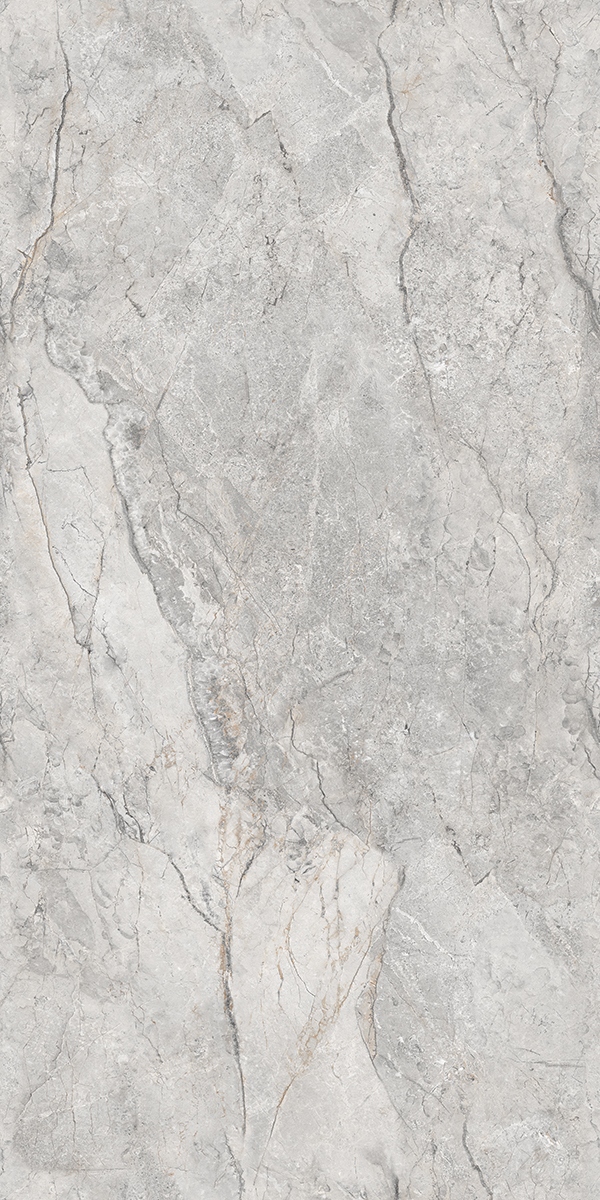
Grey hallway tiles in GVT matte or satin matte finish are the most practical modern direction. A consistent mid-grey floor tile running from the entrance through the hallway and into the living room creates a unified, calm floor plane that does not demand visual attention. This works particularly well in apartments where the hallway, dining area, and living room share a continuous open floor plan.
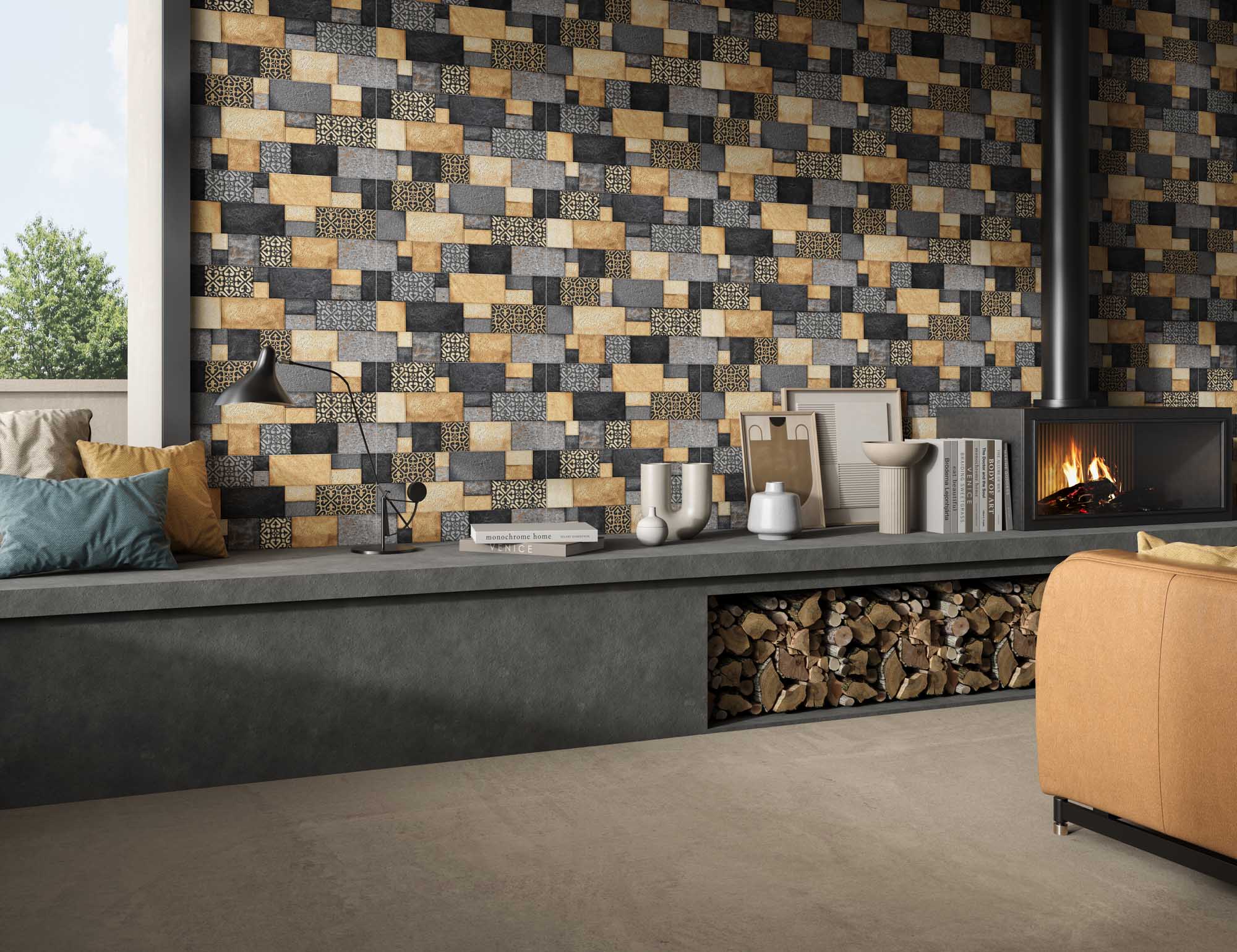
For modern hallways where the floor is plain, the design interest can shift to the hallway wall tiles instead. A textured GVT feature tile or a 3D Matte Carving tile on one end wall of a hallway gives the corridor a focal point without requiring a patterned floor. This is a lower-cost way to give a plain hallway a designed quality because the wall area involved is small.
Tiling hallway walls is less common in Indian homes than floor tiling, but it is used in two specific contexts: dado height tiling in entrance hallways where the lower portion of the wall takes scuff marks from shoes and bags, and full-height feature wall tiling at the end of a corridor or on one accent wall in a wider entrance hall.
Dado tiling in a hallway typically runs to 36 to 48 inches from the floor, covering the portion of the wall most exposed to contact and cleaning. The dado tile is usually a plain GVT or ceramic glossy tile in a colour that coordinates with the floor, with a border tile strip at the top edge to finish the dado junction. Ceramic glossy tiles in 300x450mm or 300x600mm format are commonly used for hallway dado work because they are easy to clean and available in a wide colour range. PGVT tiles are also used for hallway walls in larger entrance halls where the reflective surface adds light to a dim corridor. Full-height hallway wall tiles share specification principles with bathroom wall tiling: the key difference is that a hallway wall does not see water, so any body type is acceptable on the wall.
3D tiles on hallway walls work best at the end wall of a corridor, which is the surface seen straight ahead as you walk down the passage. A 3D Matte Carving GVT tile in 300x600mm on this end wall creates a textured focal point that gives the hallway a finished quality without requiring any other wall treatment. The shadow lines of a 3D tile shift with the light through the day, which makes the end wall visually active even without natural light.
A border tile in a hallway is a narrower tile, typically 100mm wide or less, laid as a frame around the perimeter of the floor or as a dividing line between the field tile and a different tile at the edge zone. Border tiles in hallways serve two purposes: they create a visual frame that makes the hallway floor feel like a defined composition rather than a plain run of tiles, and they allow two different tiles to meet cleanly at a transition.
Highlighter tiles for a hallway wall are thin horizontal strips, typically 50mm to 100mm in height, used at dado height or at eye level to break up a plain wall surface. A metallic-look or contrasting colour highlighter tile strip at 36 inches from the floor gives a plain hallway wall a designed quality with very little tile area involved. This is particularly effective in a narrow hallway where a full feature wall treatment would be too heavy for the space.
The cleanest use of borders and highlighters in a hallway keeps the total number of different tile elements to two or three. Field tile, border tile, and possibly a highlighter. Adding more creates visual complexity that a small, narrow space cannot absorb without feeling cluttered.
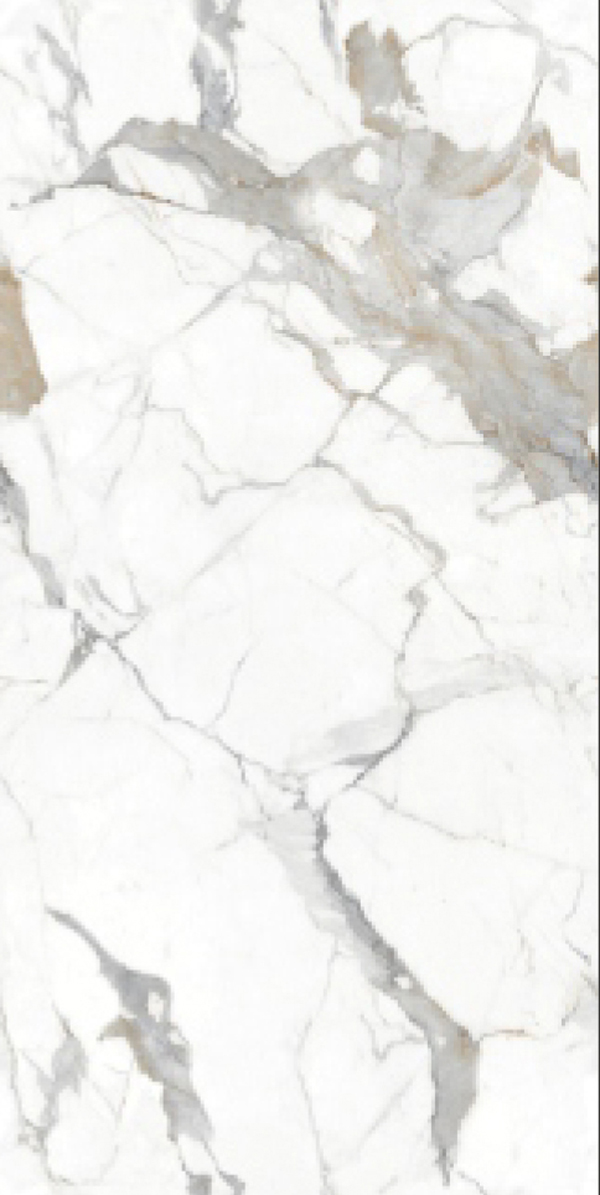
Marble tiles for a hallway, specifically GVT marble-look tiles in polished finish, are one of the most aspirational hallway floor directions in Indian residential design. A Carrara white or Statuario marble-look GVT tile in 600x600mm or 600x1200mm polished finish in an entrance hallway gives the space a formal, generous quality that sets the tone for the whole house. The practical consideration is the same as any polished floor tile in a high-traffic passage: it shows footprints and dust more readily than a matte or satin matte surface and needs more frequent cleaning. In an entrance hallway that takes outdoor footwear, a marble-look tile in satin matte finish is a lower-maintenance alternative that retains most of the visual richness. Marble look tiles in polished GVT for hallways: Rs. 55 to Rs. 110 per sq ft from Morbi.
The entrance hall floor is the tile that visitors see first and that residents cross every time they enter or leave the house. The design decision for entrance hall tiles involves balancing three things: visual impression, practical performance at a threshold zone that sees outdoor footwear and weather exposure, and continuity with the adjacent hallway or living room floor.
For entrance halls in Indian homes that connect directly to the outdoors, even a covered porch, the floor tile must be GVT with water absorption below 0.05%. Monsoon rain splash, wet footwear, and cleaning water all reach the entrance floor. A matte or textured GVT in this zone is the practical call. The entrance hall tiles can be a different tile from the main hallway to create a defined welcome zone, or the same tile to create a seamless flow. When they differ, a border strip at the threshold makes the transition deliberate rather than accidental. For hallways that connect the entrance to the main living area, the hall floor tiles design guide covers size, proportion, and laying pattern decisions that apply to both spaces.
In a narrow hallway under 4 feet wide, tile size has a stronger effect on how the space feels than colour or finish. A tile that is too large for the hallway width creates a floor that reads as awkward, with most tiles cut on at least one edge and no full tile visible across the full width of the passage.
For hallways under 4 feet wide, 300x300mm is the most proportionate format. The small tile scale creates many grout lines across the floor, which is visually busy but proportionally correct. 300x600mm in a horizontal orientation, with the 600mm dimension running across the width of the hallway, is a practical middle ground: wider than a square tile, but still manageable in a narrow space. Avoid 600x600mm or anything larger in a hallway under 4 feet wide unless the tile is specifically chosen for a diagonal lay, where the 45-degree orientation means the tile width across the floor is the tile's diagonal dimension rather than its side length.
| Hallway Type | Recommended Size | Finish | Pattern Direction | Price Range (Rs./sq.ft) |
|---|---|---|---|---|
| Entrance hall, shoes-on traffic | 300x600mm or 600x600mm | Matte or Satin Matte GVT | Plain or geometric patterned | Rs. 40 to Rs. 90 |
| Interior passage, shoes-off | 300x600mm or 600x1200mm | Polished or Satin Matte GVT | Plain, neutral or subtle texture | Rs. 45 to Rs. 100 |
| Wide entrance hall above 6 feet | 600x600mm or 600x1200mm | Polished or Satin Matte GVT | Heritage geometric or marble-look | Rs. 55 to Rs. 110 |
| Narrow corridor under 4 feet | 300x300mm or 300x600mm | Matte GVT | Geometric, chequered, or plain | Rs. 35 to Rs. 80 |
| Hallway wall dado | 300x450mm or 300x600mm | Glossy ceramic or GVT | Plain or with a highlighter strip | Rs. 30 to Rs. 75 |
| Hallway feature end wall | 300x600mm | Matte Carving GVT or PGVT | 3D relief or polished feature | Rs. 50 to Rs. 110 |
GVT hallway floor tiles from Morbi, Gujarat, are available in all sizes relevant to hallway design. Ex-factory prices: Rs. 35 to Rs. 50 per sq ft for 300x300mm patterned and plain GVT, Rs. 40 to Rs. 60 per sq ft for 300x600mm in matte or satin matte, and Rs. 55 to Rs. 90 per sq ft for 600x1200mm in polished or satin matte finish. Heritage-pattern and geometric-patterned GVT tiles in 300x300mm: Rs. 45 to Rs. 80 per sq.ft. Retail prices across Indian cities are 25% to 40% above ex-factory, depending on city and dealer margin.
Installation cost for hallway floor tiles: Rs. 35 to Rs. 50 per sq.ft for a standard straight or offset lay. Geometric and diagonal layouts add Rs. 15 to Rs. 25 per sq.ft due to the increased cutting at the perimeter and the precision required to align the pattern correctly across the full floor area.
Hallway tile selection starts with the hallway width, then moves to the traffic type, the light conditions, and the relationship between the hallway and the rooms it connects. Browse GVT floor tiles, patterned geometric tiles, and hallway wall tile options by size, finish, and design direction on TilesFinders to shortlist the right combination for your specific hallway.
GVT in matte or satin matte finish is the best floor tile for hallways in India, particularly for entrance hallways that see outdoor footwear. GVT absorbs less than 0.05% water under IS 15622:2006 and resists surface scratching from grit better than ceramic. For interior passage hallways that stay dry, polished GVT is also a valid finish. Sizes most practical for hallways: 300x600mm for narrow passages, 600x1200mm for wider entrance halls. Price range: Rs. 40 to Rs. 100 per sq ft from Morbi.
For hallways under 4 feet wide, 300x300mm or 300x600mm tiles are the most proportionate formats. Large tiles in a narrow hallway leave most tiles cut on at least one edge and create an awkward floor read. 300x300mm allows a complete pattern repeat to be visible across the hallway width. 300x600mm in a horizontal orientation is a practical middle ground that reads wider than a square tile.
Victorian hallway tiles refer to the geometric floor tile patterns common in British Victorian-era entrance halls, typically black and white or multi-tone geometric shapes in 300x300mm format. Today, these patterns are replicated as digitally printed GVT tiles manufactured in Morbi, where the pattern is fired into the tile glaze on a vitrified body. This gives the visual character of Victorian hallway tiles with water absorption below 0.05%, which is significantly better than the original encaustic cement tiles they replicate. Available in 300x300mm format at Rs. 45 to Rs. 80 per sq.ft.
Hallway walls do not need to be fully tiled, but dado tiling to 36 to 48 inches height is a practical choice in entrance hallways where the lower wall takes scuff marks from shoes and bags. A plain glossy ceramic or GVT tile at dado height with a border strip at the top edge is the standard approach. Full-height tiling on one end wall of a hallway, particularly with a 3D relief tile, gives the corridor a focal point that makes the space feel designed. The decision depends on the width of the hallway and how much visual complexity the space can absorb.
For a small or narrow hallway, the most effective tile design uses one small-format tile across the full floor in a plain colour with a simple laying pattern. 300x300mm or 300x600mm in a matte GVT, either in a single neutral colour or in a two-colour geometric pattern, gives the hallway its own design character without making the space feel smaller. Avoid using more than two different tile elements in a small hallway. A border strip at the perimeter is acceptable; multiple different tile types across a small floor area create visual clutter.
A border tile in a hallway works best as a perimeter frame running along all four edges of the floor, creating a visual boundary between the field tile and the skirting. The border tile is typically 100mm wide or less and in a contrasting colour or finish to the field tile. A charcoal border around a cream field tile, or a terracotta border around a beige geometric field, both read clearly without competing with the main floor tile. The border width should be proportionate to the hallway size: a 150mm border in a 3-foot-wide hallway will dominate the floor.
Yes. GVT marble-look tiles in 600x600mm or 600x1200mm format work well in wider entrance hallways. Polished marble-look GVT gives the hallway a formal, generous quality and holds up to daily foot traffic. In a narrower or shoes-on entrance hallway, satin matte marble-look GVT is a lower-maintenance choice that retains the veining and colour of marble-look without showing every footprint. Price range: Rs. 55 to Rs. 110 per sq.ft from Morbi.
Light colours, particularly white, cream, and pale grey GVT tiles in polished or satin matte finish, work best in hallways with no natural light. The reflective quality of polished GVT in a light colour amplifies whatever artificial light is present and makes the hallway feel less enclosed. If a pattern tile is used in a windowless hallway, high-contrast patterns in black and white read more clearly in artificial light than low-contrast patterns in similar tones. Avoid very dark tile colours in a windowless hallway as they absorb light and make the corridor feel smaller and darker.