



Best Parking Tiles for Heavy Vehicles: What Actually Works?
Stop parking tile cracks before they start. Prioritize 10-16mm vitrified tiles and anti-skid text...


Loading designs...


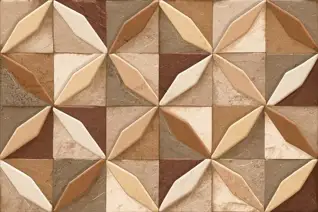



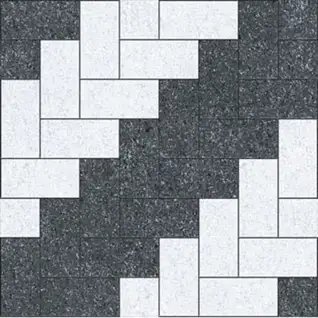
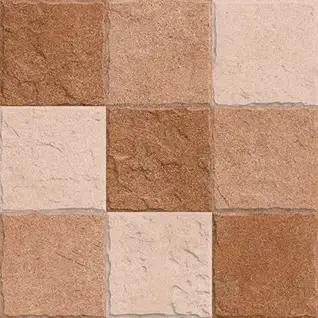

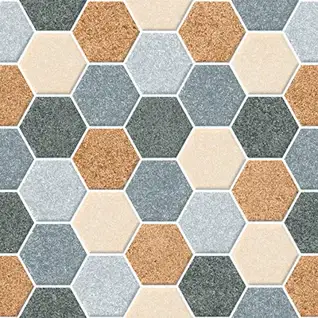
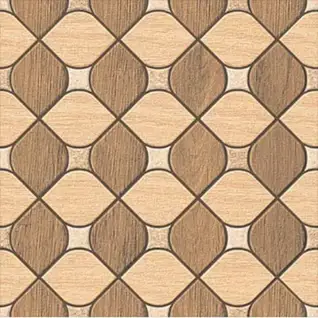
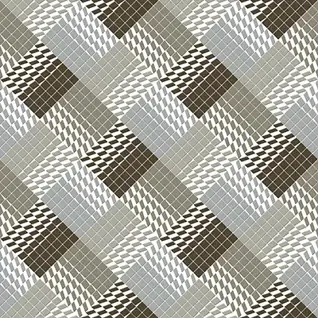


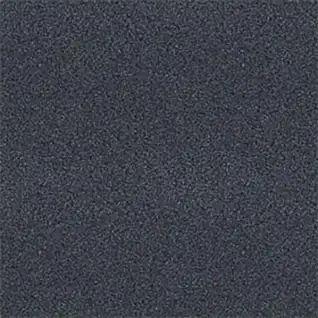


Full-body vitrified parking tiles have the same vitrified material running through the entire tile thickness, from the top surface to the bottom face. This is the single fact that makes them different from GVT tiles, and it is the reason they are specified for parking floors where the surface takes heavy vehicle load, impact at tile edges, or long-term wear at ramp channels and drain surrounds.
For most home parking areas with standard cars, GVT matte tiles in 16x16 or 20x20 perform well and cost less. Full-body vitrified parking tiles become the right specification when the parking surface handles heavier loads, more traffic, or when the tile edge is exposed and likely to chip.
Browse the full body tile range on Tilesfinders and the parking tile area page for all outdoor floor options side by side.
Full-body vitrified parking tiles have 0.05% water absorption and vitrified material throughout the full tile body. They are the correct spec for ramp areas, basement car parks, heavy vehicle parking, and surfaces where exposed tile edges are a concern. Price starts at Rs. 90/sq.ft in 20x20 matte. For standard home car porches with regular cars, GVT matte in 16x16 or 20x20 is sufficient and more cost-effective.
In a GVT tile, the vitrified body has a glaze layer on top. The glaze carries the colour, pattern, and finish. If the tile chips at a corner or edge, the chip exposes the tile body underneath, which is usually a different colour from the surface glaze. In a white or light grey GVT tile, a chipped corner shows the buff or light cream body colour. In a dark or black GVT tile, a chip shows a lighter interior body. This contrast makes chips visible.
In a full-body vitrified tile, the colour and material are consistent throughout the entire tile thickness. If the tile chips at a corner, the chip shows the same colour as the surface. On a grey full-body tile, a chipped edge is still grey. The chip is there, but it is far less visible than on a GVT tile. This is why a full body is specified wherever tile edges are exposed, such as drain channel surrounds, ramp edges, step nosings, and kerb tiles in parking areas.
Both categories have 0.05% water absorption,n and both work on outdoor parking floors with the correct finish. The differences are in the tile body, the edge behaviour, and the price.
| Property | Full Body Vitrified | GVT (Glazed Vitrified) |
| Tile body | Vitrified material throughout 100% of tile thickness | Vitrified body with glaze and colour layer on the top surface |
| Colour at the chipped edge | Same colour as surface. Chip blends in. | Different colours from the surface. The chip is visible as a contrast. |
| Water absorption | 0.05% | 0.05% |
| IS 15622:2006 compliance | Yes | Yes |
| Breaking strength | Very high. Consistent through a full body. | High. Meets IS 15622:2006 standard. |
| Best use in parking | Ramps, drain surrounds, basement parking, heavy vehicles, step nosings | Standard home car porches, driveways, single and double garage |
| Design range | Limited. Stone-look, concrete-look, and plain colours mostly. | Wide. Stone, wood, concrete, geometric, multi-pattern. |
| Finish options | Matte, GHR, texture | Matte, GHR, rain drops, matte carving, texture, sugar |
| Sizes available | 16x16, 20x20, 2x2, 2x4 and above | All sizes from 1x1 to 2x4 and above |
| Price range | Rs. 90 to Rs. 240/sq.ft | Rs. 55 to Rs. 180/sq.ft |
| Laying method | Standard outdoor tile adhesive. Back-butter for 2x2 and above. | Standard outdoor tile adhesive. |
For a new home parking floor with a single standard car, GVT matte 16x16 or 20x20 is the more practical and cost-effective choice. Choose full body vitrified parking tiles when the surface takes heavier load, the tile edge is exposed at ramp transitions or drain channels, or the parking area is commercial or basement use.
Full body vitrified tiles have a narrower finish range than GVT because the finish is applied to a uniform body rather than a glaze layer. For parking use, this is not a limitation. The finishes available are exactly the ones a parking floor needs.
| Finish | Anti-Skid Rating | Safe for Parking Floor | Notes |
| Matte | High | Yes | Most used finish for full body vitrified parking tiles. Standard for all outdoor parking floors. |
| GHR (Glaze High Resistance) | Very High | Yes | Best for sloped ramps, driveways with grade, and high-rain exposure. |
| Texture | High | Yes | Stone or slate-like surface. Good grip. Works in stone-look designs. |
| Polished | Very Low | Never on outdoor floors | Full body vitrified polished tiles are for indoor floors only. Never on wet outdoor parking. |
Hard Rule: Full body vitrified tiles in a polished finish must not be used on outdoor parking floors. The polished surface is slippery when wet, exactly the same as PGVT polished finish. Full body matte or GHR is the correct finish for any outdoor parking floor.
20x20 (500x500) and 2x2 (600x600) matte are the most used sizes for full body vitrified parking tiles. 20x20 suits home car porches where heavy SUVs or multiple vehicles park. 2x2 tile is the standard for commercial parking floors and basement car parks. 16x16 is also available in full body and works for all home car porch applications.
| Size | Alias | Full Body Parking Floor | Best Application | Notes |
| 400x400 mm | 16x16 | Yes | Home car porch, single or double garage. | Handles cuts at drain channels well. More grout lines than 20x20. |
| 500x500 mm | 20x20 | Yes | Home parking with heavy SUVs, double garage, open driveway. | Fewer grout lines. Better load distribution across fewer joints. |
| 600x600 mm | 2x2 | Yes, matte or GHR | Basement parking, commercial car parks, ramp areas. | Standard for commercial and heavy-use parking. Back-butter on laying. |
| 600x1200 mm | 2x4 | Yes, matte only | Feature driveways, large open commercial parking. | Very few grout lines. Specialist laying for large format. |
Note: 16x16 and 20x20 are floor-only sizes in full body vitrified. They are not used for wall cladding or compound walls. For parking walls and boundary cladding in a matching colour, use GVT matte in 2x2 or 2x4.
A sloped driveway or ramp is where full body vitrified tiles give their clearest advantage over GVT. The top and bottom transitions of a ramp have exposed tile edges where the floor grade changes. Tyres exert lateral force at these transitions as the vehicle moves up or down the slope. GVT tiles at these edges chip and show the contrasting body colour. Full body tiles chip at the same frequency but the chip blends with the surface colour.
For the ramp surface itself, GHR finish in full body vitrified 20x20 or 2x2 is the highest-spec outdoor parking floor combination available in the Indian tile market. GHR gives the best anti-skid rating. A full body gives the best edge durability. Together, they are the correct spec for any sloped parking surface used by heavy vehicles.
Basement car parks in apartment buildings and commercial properties need full-body vitrified tiles for two reasons. First, the floor sees multiple vehicles daily and needs a tile body that handles repeated concentrated loads without micro-cracking over the years. Second, the basement parking is washed with water regularly. Full body vitrified at 0.05% water absorption handles this washing without any moisture entering the tile body.
The standard specification for a new apartment basement car park floor in India is full-body vitrified 2x2 matte or GHR in grey or concrete grey. Epoxy grout at all joints to resist vehicle fluid staining.
Any parking area that handles vehicles above 2,000 kg - loaded SUVs, pickup trucks, tempos, or commercial vans - benefits from full-body vitrified tiles over standard GVT. The higher and more consistent breaking strength of a full-body tile distributes the concentrated tyre load more evenly across the tile face. Over years of daily heavy vehicle parking, this difference in body consistency reduces micro-cracking and tile loosening.
Where a step down exists at the entrance from the parking floor to the home, the step nosing tile takes direct foot contact at its front edge. Full-body vitrified tiles at step nosings show no visible chip colour change when the edge wears. They also carry the same anti-skid finish across the full surface, including the nosing edge.
Full body vitrified tiles have a narrower design range than GVT because the colour must run through the full tile body, not just a surface glaze layer. The available designs are the ones that suit parking use best.
Grey, concrete grey, dark charcoal, and ash grey are the most available and most specified colours in full-body vitrified parking tiles. These tones suit parking floors because they hide tyre marks, grit, and monsoon dust between cleanings. In matte or GHR finish, grey full body vitrified is the most common parking floor specification for apartment buildings and commercial parking across India.
Beige, sandstone, and warm grey tones are available in full-body vitrified for home car porches that need a warmer colour to match a warm-plaster or brick exterior. In a 20x20 matte, a warm beige full body tile reads as natural stone from the street while meeting all the outdoor parking floor specs.
Some full-body vitrified tiles carry a stone-look variation across the tile surface, where slight tone differences in the same colour family create a natural stone appearance. In grey, the effect looks like a dressed granite surface. In beige, it reads as sandstone. The full body nature means this stone-look variation runs through the tile body, not just the surface, giving the tile a consistent appearance even at chipped edges.
Stone-look full body vitrified options are listed in the stone look tile collection on Tilesfinders, filtered by the full body category.
Full-body vitrified tiles are laid the same way as GVT tiles, with a few additional steps for large-format sizes and heavy-load applications.
Full body vitrified parking tiles in matte and GHR finish, in 16x16, 20x20, and 2x2, in grey, concrete grey, beige, and stone-look tones, are listed on Tilesfinders with IS 15622:2006 compliance data, water absorption figures, and finish type on every product. Use the category filter to select full body tiles, then narrow by finish and size, and browse the full parking and outdoor tile collection to compare full body vitrified with GVT options for your specific parking application.
Full-body vitrified parking tiles have vitrified material running through the complete tile thickness, from the top surface to the bottom face. The colour and body material are the same throughout. This means a chipped corner or edge shows the same colour as the tile surface. They have 0.05% water absorption, meet IS 15622:2006 standards, and are the correct specification for ramp areas, basement parking, heavy vehicle floors, and any parking surface where exposed tile edges are a concern.
Both have 0.05% water absorption, and both work on outdoor parking floors with the correct finish. The difference is in the tile body. GVT tiles have a glaze layer on top of the vitrified body. A chip at a GVT tile edge shows a different colour from the surface. Full body vitrified tiles have the same colour throughout the full body, so chips do not show a contrasting colour. For standard home car porches with regular cars, GVT matte is sufficient. For ramps, basement parking, and heavy vehicles, full body is the better specification.
Matte finish for flat parking floors with good drainage. GHR (Glaze High Resistance) for sloped driveways, ramps, and areas that stay wet after rain. Both are anti-skid. Never use polished or glossy full-body vitrified tiles on outdoor parking floors. The polished surface is slippery when wet, the same as any other polished finish.
20x20 (500x500) matte is the most practical size for full-body vitrified parking tiles at home. It handles heavy vehicle loads well, gives fewer grout lines than 16x16, and comes in the widest range of grey and beige tones. 2x2 (600x600) matte or GHR is the standard for commercial parking areas and basement car parks. For ramp edges and drain surrounds, use the same size as the main floor tile to keep the cut edge consistent.
Yes. Full body vitrified parking tiles start at approximately Rs. 90/sq.ft for 20x20 matte and go up to Rs. 240/sq.ft for 2x2 in premium stone-look designs. GVT matte in the same sizes starts at Rs. 65/sq.ft. The price difference is justified when the parking area requires the full body specification: ramps, heavy vehicles, basement use, or exposed edge conditions. For a standard home car porch with a single car, the additional cost does not change the performance outcome.
Use outdoor-rated weather-resistant tile adhesive, not white cement. For 2x2 and above, back-butter the tile by applying adhesive to both the tile back and the base surface. The base must be a minimum of 75mm concrete screed, sloped at 1:80 toward the drain, and flat within 3mm over 2 metres. Use epoxy grout at all joints. Add expansion joints at 3 to 4 metre intervals on open outdoor areas. These steps prevent hollow spots, tile cracking under load, and grout staining from oil and vehicle fluids.
Full-body vitrified tiles are rarely used on parking walls or compound wall cladding because their design range is narrow and their cost is higher than GVT or ceramic for a vertical surface that does not need the full-body strength advantage. For parking compound walls and gate pillars, GVT matte in 2x2 or 2x4 gives the same colour tone at a lower cost. Full-body tiles on parking walls are specified when the wall takes direct vehicle impact, such as the kerb wall at the side of a ramp.