

Elevation Tiles: The Complete Guide to Transforming Your Home Exterior
Complete guide to elevation tiles for home exteriors, covering tile types, sizes, finishes, 3D de...


Loading designs...

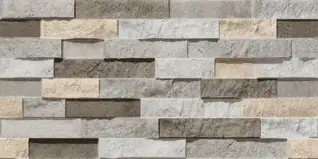
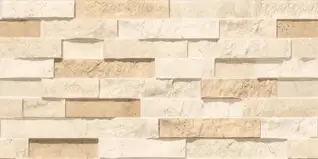
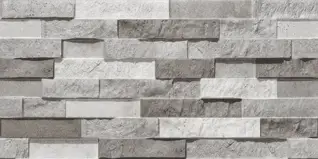
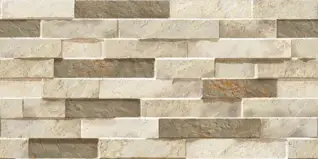
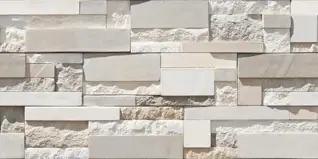
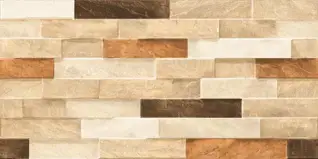
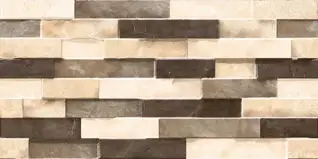
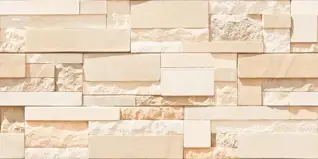
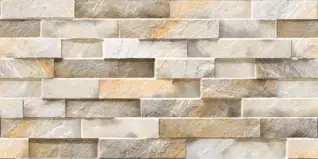
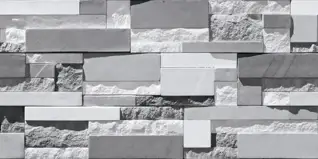
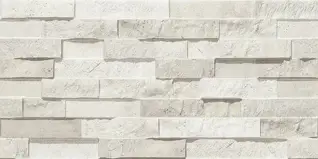
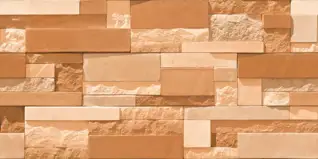
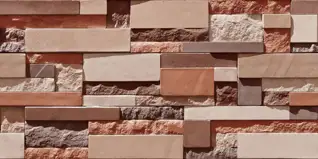
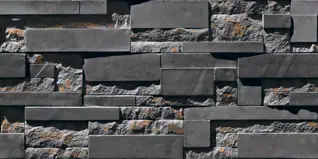
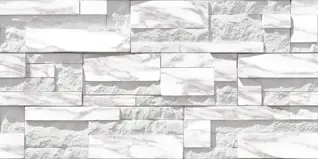
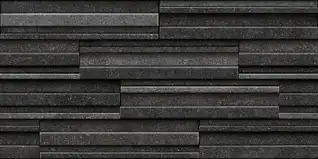
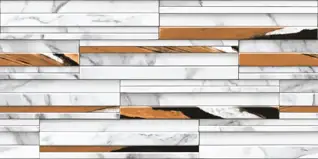
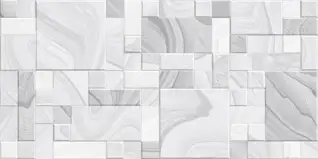
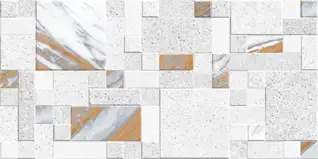
Cladding tiles are tiles fixed directly onto an existing wall surface to create a finished, protective outer layer. The word cladding describes the method: a tile layer bonded onto the structural wall with adhesive and grouted at the joints, so the tile system carries both the visual finish and the weather protection. On exterior walls, this is what most people refer to when they talk about elevation tiles. On interior walls, cladding tiles cover surfaces that need a hard, cleanable finish, such as bathroom walls, kitchen feature panels, and interior lobby walls.
The tile is the cladding material. It determines how well the wall performs in rain, how easy it is to clean, and what the surface looks like from a distance and up close. The tile body type, the finish, and the size are the three decisions that define a cladding tile system.
This page covers cladding tiles across both outdoor and indoor applications: what tile body types are appropriate for each surface, how brick-look, terracotta, stone, and porcelain cladding tiles work on Indian exterior and interior walls, and what to expect in terms of pricing from Morbi-sourced cladding tiles.
A standard wall tile is specified for a single, defined surface condition, typically an interior wall in a dry or wet indoor environment. A cladding tile is specified for the surface condition of the wall it will cover, which, on an exterior elevation, means direct rain, UV exposure, and temperature cycling. The tile body type and finish must match those conditions.
In practice, any tile correctly specified for the surface it covers is a cladding tile. A GVT matte tile on a building facade is exterior wall tile cladding. The same tile on an interior feature wall in a hotel lobby is tile cladding interior. The tile is identical; what changes is whether the specification is correct for that surface. On outdoor surfaces, the minimum correct specification is a tile body with water absorption below 0.05%, rated under IS 15622:2006.
The problem arises when interior-rated wall tiles are used on exterior cladding surfaces. Ceramic tiles with 12% to 16% water absorption, PGVT tiles, and satin matte finish tiles are all interior-only specifications. Fixed to an open exterior wall, they will absorb rain, stain at the grout joints, and eventually delaminate from the adhesive. The tile-effect wall cladding panels sold in some Indian markets are sometimes ceramic-bodied and must not go onto any open outdoor surface.
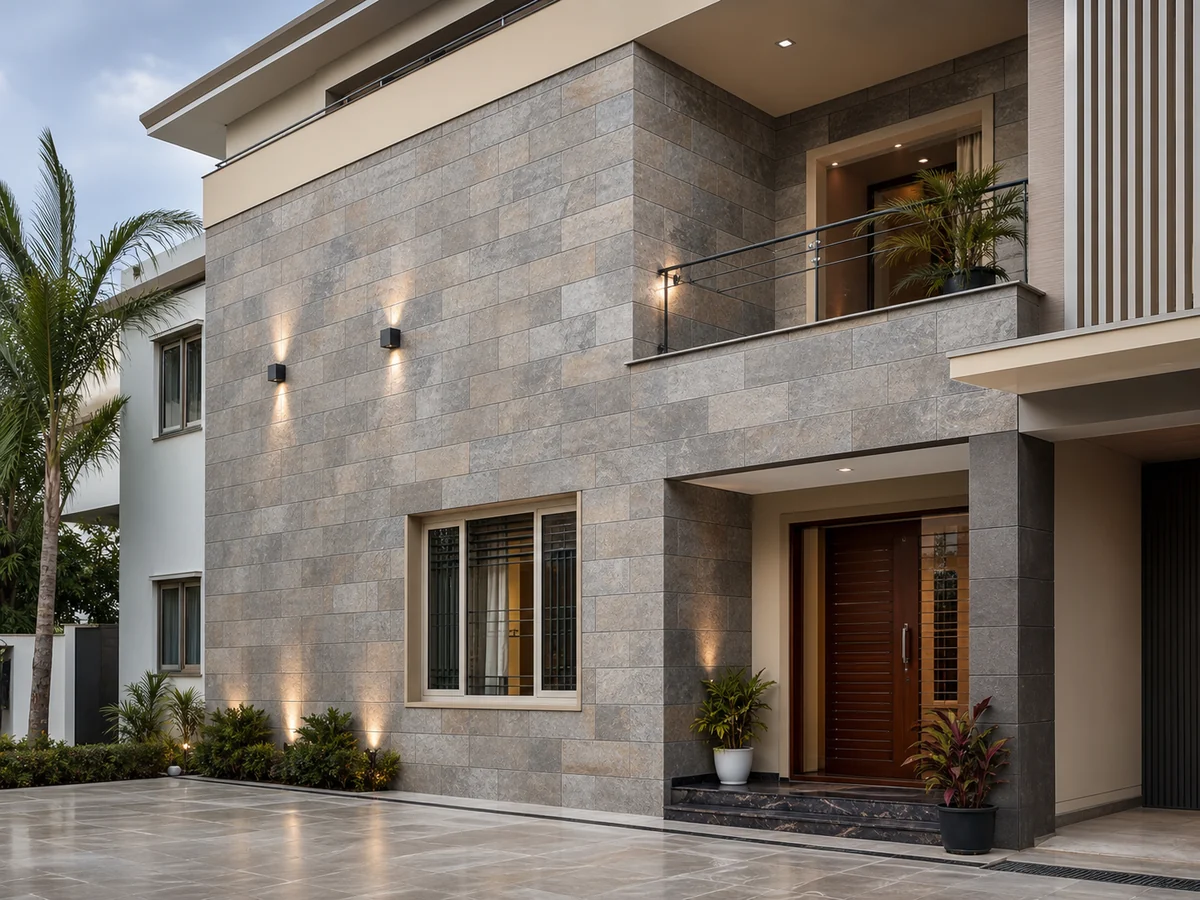
Glazed Vitrified Tiles are the standard body type for tile cladding exterior in India. GVT absorbs less than 0.05% water, is rated under IS 15622:2006, and is produced in Morbi in every surface design used for exterior cladding: stone-look, wood-look, brick-look, terracotta-look, and 3D relief. For outdoor wall cladding tiles exposed to direct monsoon rain, GVT in matte, GHR, or textured finish is the correct specification. Price range: Rs. 45 to Rs. 120 per sq ft, depending on size and surface design.
GVT cladding tiles are available in standard sizes for exterior vertical surfaces: 300x600mm, 600x600mm, 600x1200mm, and 800x1600mm. The larger the format, the fewer grout joints across the wall face, which reduces water ingress points and gives the cladding a cleaner appearance from the road.
Porcelain cladding tiles absorb 2% to 5% water, significantly better than ceramic but substantially higher than GVT. Porcelain exterior wall cladding is appropriate for covered or partially shaded exterior surfaces such as under-canopy walls, internal courtyard walls, and covered verandah panels. It is not the correct specification for open-to-sky exterior cladding surfaces in India that receive direct monsoon rain.
Porcelain facade cladding is used extensively in European construction, where rainfall intensity is lower than in Indian monsoon conditions. For any open exterior wall in a high-rainfall Indian city, GVT is the stronger specification. Full-body vitrified tiles offer the same low water absorption as GVT across the full tile body depth, which is an additional advantage on high-traffic or high-impact exterior surfaces.
Ceramic tile cladding for exterior walls is suitable only on covered, shaded surfaces that do not receive direct rain. A covered entrance lobby wall, the interior-facing side of a covered parking wall, or a wall under a deep overhanging canopy are appropriate surfaces for ceramic exterior cladding. Open exterior walls, boundary walls, and any surface that receives direct monsoon rain are not appropriate for ceramic cladding tiles.
The water absorption rate of ceramic tiles, 12% to 16%, means that monsoon rain on an open ceramic-clad wall is absorbed into the tile body on every wet day. Over one or two monsoon seasons, this causes grout joint staining, hairline cracks in the tile face, and eventual tile debonding as the adhesive fails from repeated water expansion and contraction cycles.
Brick cladding tiles are tiles with a brick-face surface design pressed or printed onto a standard tile body. They are not actual fired clay bricks. The brick cladding tile sits flat against the wall on a full tile back, bonded with tile adhesive, and grouted at the joints to create the visual appearance of brick coursing without the structural loading or laying complexity of actual brickwork.
GVT brick wall cladding tiles in matte or GHR finish are the correct outdoor specification. They absorb less than 0.05% water and replicate the warm red, buff, or grey tones of brick at a consistent surface quality across every tile. The standard format for brick cladding tiles is 300x600mm laid in a horizontal bond pattern. Outdoor cladding tiles in brick-look GVT are available from Morbi in red, charcoal, sand, and ivory tones. Price range: Rs. 45 to Rs. 80 per sq.ft.
Brick cladding tiles are most used on boundary walls, entry pillars, and accent panels on residential front elevations. A full facade of brick-look cladding tiles on a multi-storey building tends to look heavy from the road. More effective is a ground-floor zone of brick-look cladding tiles transitioning to a plain stone-look or grey GVT panel on the upper floors, giving the building a grounded base and a lighter upper mass.
Terracotta cladding tiles are GVT or ceramic tiles with an earthy red-orange surface colour and texture that replicates fired terracotta. The terracotta look is one of the most used design directions for Indian residential elevation cladding because it aligns with traditional architectural palettes and reads warmly against both white plaster and grey concrete facades.
Terracotta wall cladding in GVT is the outdoor-rated option. GVT terracotta-look tiles absorb less than 0.05% water and are available in matte and GHR finishes in 300x600mm and 600x600mm formats. Matte finish terracotta-look cladding tiles closely match the chalky surface character of terracotta clay.
Terracotta-look ceramic tiles are suitable for covered or interior cladding applications only. Price range for GVT terracotta cladding tiles: Rs. 50 to Rs. 85 per sq.ft from Morbi. Ceramic terracotta tiles for interior use: Rs. 30 to Rs. 60 per sq ft.
Stone wall cladding tiles are GVT tiles with a surface design that replicates the grain, colour, and texture of stone such as sandstone, slate, limestone, quartzite, and basalt. For a detailed breakdown of how stone-look cladding tiles are used across different exterior wall zones, the front wall tiles design guide covers the surface-by-surface application in detail.
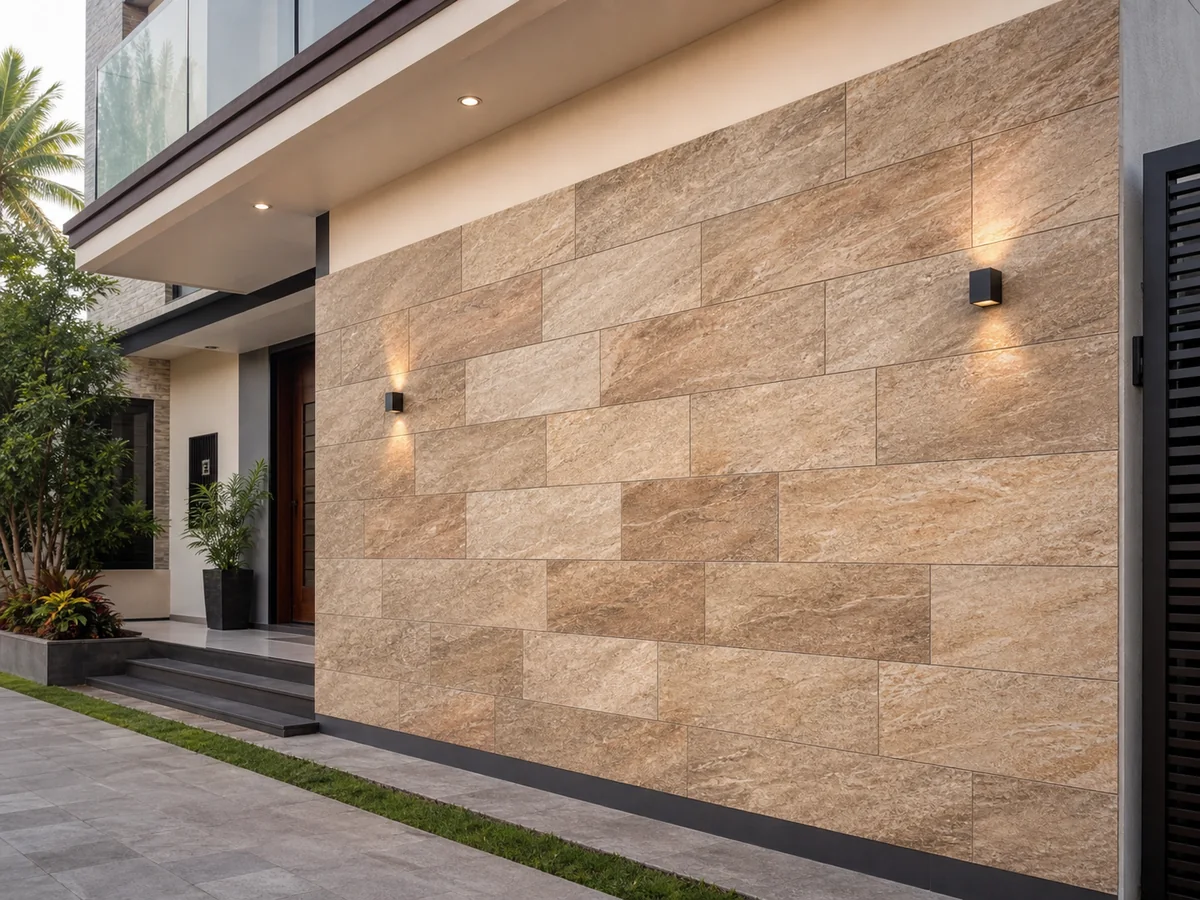
Stone wall cladding tiles in 600x600mm format are the most used size for open exterior walls on Indian residential and commercial buildings. The 600x600mm format is large enough to show the full stone grain pattern from street distance while remaining manageable for wall installation at height. Price range: Rs. 55 to Rs. 100 per sq ft for GVT stone-look cladding tiles in matte or GHR finish from Morbi.
Cladding tiles for interior walls follow different specifications from outdoor cladding because the exposure conditions are completely different. Indoor wall surfaces do not experience direct rain, UV degradation, or temperature extremes. The tile body type choice for interior cladding is driven by the moisture level of the specific indoor surface and the visual finish the space requires.
Bathroom cladding tiles cover the wall surfaces inside a bathroom: the wet zone walls around the shower or bath, the dry zone walls above the dado line, and the wall behind the WC. The tile specification for bathroom wall cladding is driven by shower water exposure and the cleaning products used, not outdoor weather.
Ceramic tiles are the most common bathroom cladding tile in India at entry and mid-range price points. On a bathroom wall, the 12% to 16% water absorption of ceramic is not a structural problem because the water exposure is from a shower head, not monsoon rain, and the wall is not load-bearing. Ceramic tiles in 300x600mm are the standard format for bathroom wall cladding in India. Price range: Rs. 30 to Rs. 80 per sq.ft.
PGVT tiles are used for bathroom wall cladding in mid-range to high-end Indian bathrooms. PGVT absorbs less than 0.05% water and carries a polished high-gloss or satin finish that gives the bathroom wall a reflective, light-amplifying surface. PGVT must be used on bathroom walls only, never on the bathroom floor. Price range: Rs. 55 to Rs. 120 per sq ft for PGVT bathroom wall cladding from Morbi.
Do not use satin matte finish tiles in wet bathroom wall zones. Satin matte finish is an interior wall specification not designed for sustained water contact from shower spray. A ceramic glossy, PGVT polished glossy, or GVT matte finish is the correct specification for wet zone bathroom walls.
Interior feature wall cladding covers accent walls in living rooms, dining areas, hotel lobbies, office reception areas, and retail spaces. These surfaces are dry and temperature-stable. PGVT polished glossy, ceramic glossy, and GVT in any finish are all valid options for interior feature wall cladding.
Brick-look, stone-look, terracotta-look, and 3D relief tiles are all used as tile cladding for interior feature walls. A brick-look GVT panel on a living room accent wall, a slate-look GVT panel on a hotel lobby feature wall, or a 3D Matte Carving tile on a reception counter back wall are all standard interior cladding applications. Sizes: 300x600mm and 600x600mm for patterned looks, 600x1200mm for slab-look interiors. Price range: Rs. 40 to Rs. 110 per sq.ft.
| Surface | Tile Body Type | Water Absorption | Finish Options | Monsoon Rated? | Price Range (Rs./sq.ft) |
| Open exterior facade wall | GVT | Below 0.05% | Matte, GHR, Textured, Matte Carving | Yes | Rs. 45 to Rs. 120 |
| Covered exterior wall | GVT or Porcelain | Below 0.05% or 2 to 5% | Matte, GHR, Glossy (on covered walls) | Partial | Rs. 40 to Rs. 100 |
| Boundary wall | GVT | Below 0.05% | Matte, GHR, Textured | Yes | Rs. 45 to Rs. 85 |
| Bathroom wall (wet zone) | Ceramic or PGVT | 12 to 16% or below 0.05% | Glossy (ceramic), Polished Glossy (PGVT) | No | Rs. 30 to Rs. 120 |
| Interior feature wall | Ceramic, GVT, or PGVT | Any | Matte, Glossy, GHR, Polished Glossy | No | Rs. 40 to Rs. 110 |
| Interior lobby wall | GVT or PGVT | Below 0.05% | Matte, GHR, Polished Glossy | No | Rs. 50 to Rs. 120 |
Important: PGVT must be used on walls only, never on any floor surface. Satin matte and sugar finish are interior wall specifications only and must not be used on any outdoor cladding surface.
The tile body type and size directly determine the adhesive specification, the joint width, and the grout type required for a cladding installation. For outdoor cladding tiles on open exterior walls, epoxy grout is the correct joint fill. Cement grout on an outdoor cladding joint absorbs water through every monsoon rain, stains from road dust and mineral deposits, and degrades the joint over time. Epoxy grout at 2mm to 3mm joints seals the joint completely and holds its colour through years of monsoon cycling.
Large-format cladding tiles in 600x1200mm and 800x1600mm formats require a notched trowel and back-buttering technique to achieve full coverage behind the tile. Inadequate adhesive coverage behind a large tile on a vertical wall allows water to pool in voids behind the tile face, which causes tile debonding within one to two monsoon seasons. For any exterior cladding tile larger than 600x600mm, full mortar bed coverage on the back of the tile is the minimum installation requirement.
Morbi, Gujarat, is the primary manufacturing source for GVT and ceramic cladding tiles sold in the Indian market. GVT exterior cladding tiles are manufactured there in sizes from 300x600mm to 800x1600mm, covering stone-look, wood-look, brick-look, terracotta-look, and solid-colour finishes. IS 15622:2006 certified tiles from Morbi carry water absorption data on the product specification sheet, which is the number to check before specifying any tile for an outdoor cladding surface.
Ex-factory prices from Morbi for GVT cladding tiles: Rs. 40 to Rs. 55 per sq ft for plain matte 600x600mm panels, Rs. 55 to Rs. 95 per sq ft for stone-look and terracotta-look GVT in 600x600mm and 600x1200mm, and Rs. 65 to Rs. 120 per sq ft for brick-look and 3D Matte Carving panels. Ceramic cladding tiles for covered or interior use: Rs. 25 to Rs. 65 per sq ft. Retail prices across Indian cities run 25% to 40% above these figures.
Every cladding tile decision starts with the surface condition: outdoor or indoor, direct rain exposure or covered, high-traffic or feature panel. Once that is clear, the body type follows automatically. Browse GVT exterior cladding tiles, ceramic interior cladding tiles, and PGVT bathroom wall tiles on TilesFinders and filter by body type and finish first, then narrow by design to confirm the tile is correctly specified before it looks good.
Cladding tiles are tiles fixed to an existing wall surface with tile adhesive and grout to create a protective, finished outer layer. The tile is the cladding material: it determines the weather resistance, the visual finish, and the maintenance requirement of the wall. On exterior walls, GVT tiles rated under IS 15622:2006 are the standard cladding body type in India. On interior walls, ceramic, GVT, and PGVT tiles are used depending on the moisture level of the surface.
GVT in matte or GHR finish is the best tile for exterior wall cladding in India. GVT absorbs less than 0.05% water, is rated under IS 15622:2006, and is available in every surface design used for outdoor cladding: stone-look, brick-look, wood-look, terracotta-look, and 3D relief. For open exterior walls that receive direct monsoon rain, GVT matte or GHR is the minimum correct specification. Prices from Morbi: Rs. 45 to Rs. 120 per sq.ft.
Porcelain tiles absorbing 2% to 5% water are suitable for covered or partially shaded exterior cladding surfaces that do not receive direct monsoon rain. For open-to-sky exterior walls in high-rainfall Indian cities, GVT with water absorption below 0.05% is the stronger specification. Porcelain exterior wall cladding performs adequately on sheltered walls under a deep overhanging canopy or on covered interior courtyard walls.
Ceramic tiles absorbing 12% to 16% water must not be used on open exterior cladding surfaces in India. They are suitable only for covered exterior walls that do not receive direct rain. On any open wall surface, ceramic cladding tiles will absorb monsoon rain, develop grout joint staining, and eventually delaminate. Use GVT for all open outdoor cladding surfaces.
Brick cladding tiles are GVT or ceramic tiles with a brick-face surface design fixed flat to the wall with tile adhesive and grouted at the joints to replicate the appearance of brick coursing without the structural requirements of actual brickwork. GVT brick cladding tiles in matte finish are the outdoor-rated option. Ceramic brick-look tiles are for covered or interior surfaces only. Price range: Rs. 45 to Rs. 80 per sq.ft.
Ceramic glossy tiles and PGVT polished glossy tiles are the two most used options for bathroom wall cladding in India. Ceramic tiles in 300x600mm format are the standard at entry to mid-range price points. PGVT in 300x600mm or 600x1200mm gives a more reflective wall surface at mid to high-end price points. PGVT must never be used on a bathroom floor. Do not use satin matte finish in wet bathroom wall zones.
Terracotta wall cladding uses GVT or ceramic tiles with an earthy red-orange colour and texture replicating fired terracotta clay. GVT terracotta cladding tiles absorbing less than 0.05% water are the outdoor-rated option. Ceramic terracotta tiles are for covered exterior or interior walls only. Price range: Rs. 50 to Rs. 85 per sq.ft for GVT.
Epoxy grout is the correct specification for all outdoor exterior cladding tile joints. Cement grout absorbs water through monsoon rain, stains from road dust and mineral deposits, and degrades the joint over time. Epoxy grout seals the joint completely, is waterproof, and holds its colour through years of monsoon cycling.