
How to Choose the Right Bathroom Tile Size for Every Space
Don’t shrink your bathroom with the wrong tiles! Here’s how to pick the best size for more space ...


Loading designs...
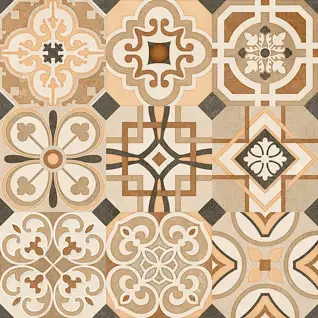
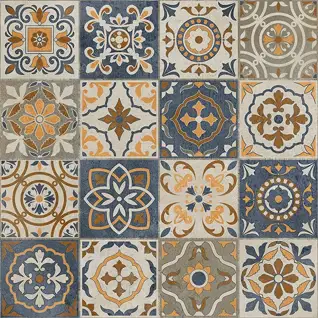
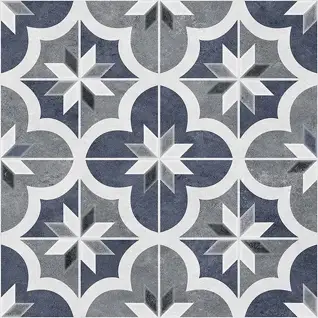
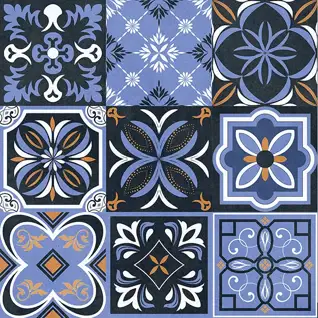
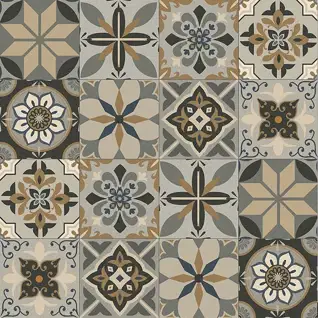
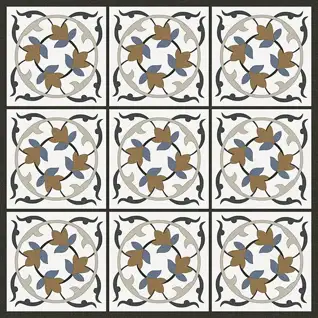
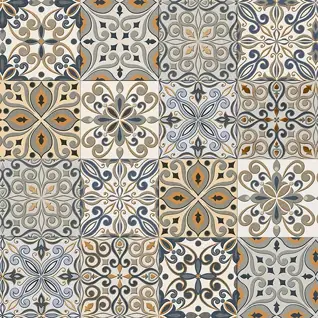
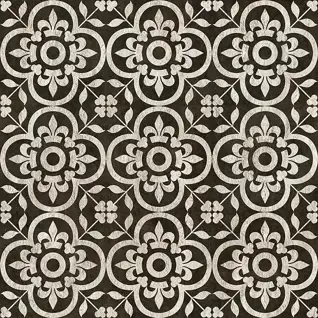
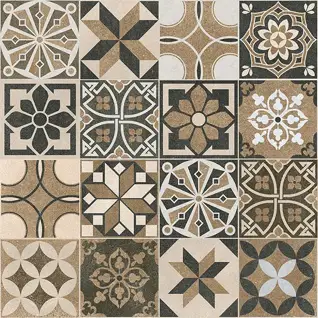
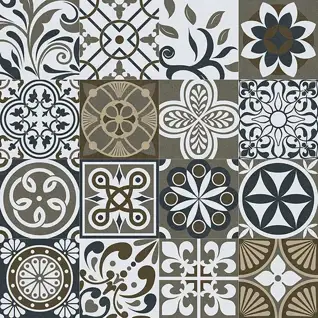
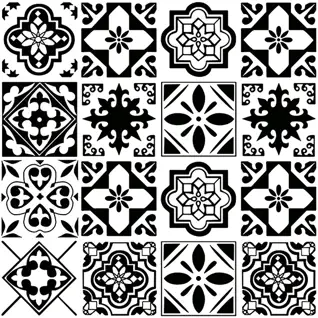
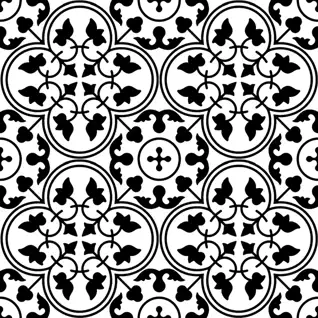
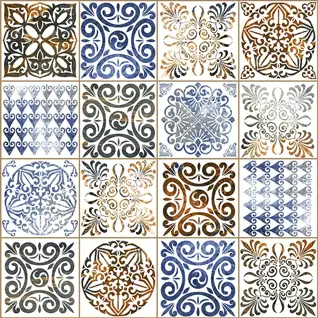
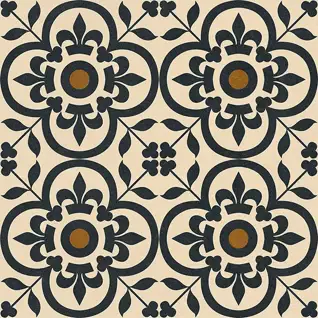
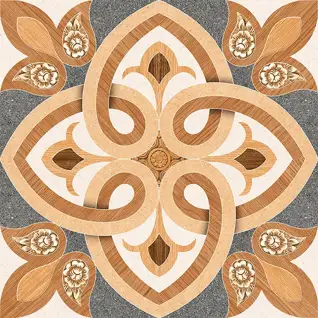
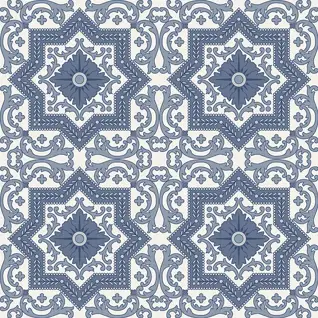
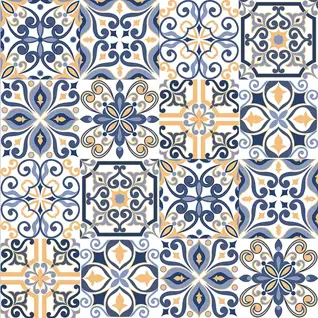
Moroccan floor tiles are one of the most searched tile categories in India, and for good reason. They bring strong geometry and colour to spaces that plain tiles leave flat. A bathroom floor in black and white Moroccan floor tiles looks finished without any other decoration. Moroccan kitchen floor tiles with a star-and-cross pattern draw attention the moment someone walks in.
Moroccan floor tiles in India are available from Rs. 55 per sq.ft for ceramic body up to Rs. 280 per sq.ft for full body vitrified and porcelain options. This page covers every format: bathroom, kitchen, outdoor, vinyl, mosaic, and large-format Moroccan floor tiles, so you can pick the right body type, size, and finish before ordering.
Not every Moroccan-patterned tile is safe for floors. The pattern is only one part of the decision. The body type, finish, and water absorption figure determine whether a tile belongs on a floor at all. These are the three things to check before buying Moroccan floor tiles in India:
Water absorption: Floor tiles in wet areas (bathrooms, kitchens) need a body with water absorption below 3%. Full body vitrified tiles certified to IS 15622:2006 absorb 0.05%. Ceramic Moroccan floor tiles absorb 12 to 16% and are not safe for wet floors.
Finish and slip resistance: Matte finish gives R9 slip resistance, which is the minimum for dry indoor floors. Sugar and GHR finishes give R10 to R11, required for bathrooms and kitchens. Glossy and polished Moroccan floor tiles are wall-only surfaces.
Pattern scale vs room size: A 20x20 cm star pattern reads well in a 50 sq.ft bathroom. The same pattern on a 60x60 cm tile suits a 200 sq.ft living room. Oversizing the tile in a small room shrinks the visual space. Undersizing in a large room creates busyness.
Note: Glazed Moroccan floor tiles with a polished, high-gloss, or semi-polished finish must not be used on any floor surface. The glaze becomes slippery when wet and creates a slip hazard. Always specify matte, sugar, or GHR finish when ordering Moroccan floor tiles for any floor application.
The Indian market offers Moroccan floor tiles across four main body types. Each has different performance, price, and suitable surface rules.
| Body Type | Water Absorption | Slip Resistance (matte) | Suitable Floors | Price Range (Rs./sq.ft) |
| Ceramic | 12% to 16% (IS 13630) | R9 | Dry indoor only | Rs. 55 to Rs. 110 |
| GVT (Glazed Vitrified) | 0.5% to 3% | R9 to R10 | Indoor floors, light wet | Rs. 95 to Rs. 175 |
| Full Body Vitrified | 0.05% (IS 15622:2006) | R10 to R11 (GHR) | All floors incl. outdoor | Rs. 130 to Rs. 220 |
| Porcelain Moroccan Floor Tiles | Below 0.5% | R10 to R11 | Heavy use, outdoor, wet | Rs. 160 to Rs. 280 |
| Moroccan Vinyl Floor Tiles | 0% (non-porous) | R10 | Dry indoor, rental homes | Rs. 35 to Rs. 90 |
| Moroccan Mosaic Floor Tiles | Varies by body | R9 to R10 | Bathroom floors feature | Rs. 110 to Rs. 250 |
Pro tip: For Moroccan floor tiles in a bathroom or kitchen, always ask for the water absorption certificate from the supplier before ordering. A GVT tile rated at 0.5% water absorption is safe for a bathroom floor. A ceramic tile at 14% is not. This one number prevents the most common tiling mistake in Indian homes.
Moroccan floor tile bathroom installations are one of the most popular uses of this tile style in India. The geometric patterns work at the small scale of a bathroom floor, and the bold contrast of black and white Moroccan floor tiles or blue Moroccan floor tiles makes a compact bathroom look intentional rather than cramped.
For Moroccan floor tiles bathroom use, follow these rules:
| Bathroom Size | Recommended Tile Size | Pattern Style | Finish |
| Up to 40 sq.ft | 200x200 mm | Star, hexagon, mosaic | Matte |
| 40 to 80 sq.ft | 250x250 mm or 300x300 mm | Star-and-cross, arabesque | Matte or sugar |
| Above 80 sq.ft | 300x300 mm or 450x450 mm | Large repeat, patchwork | Sugar or GHR |
Moroccan kitchen floor tiles are chosen for their visual impact and their ability to carry a colour story from the floor upward. Star-and-cross patterns in black and white, blue and white, or terracotta and cream are the most popular choices for Indian kitchens. Moroccan floor tiles kitchen installations work best when the tile is GVT with a matte finish: durable enough for cooking-area foot traffic, easy to clean, and slip-resistant even with cooking oil splashes.
The most practical sizes for Moroccan kitchen floor tiles in India are 30x30 cm and 45x45 cm. Smaller tiles (20x20 cm) create more grout lines, which collect cooking grease quickly. Larger tiles (60x60 cm) have a strong visual presence but need a very level concrete screed underneath.
Note: Do not use ceramic Moroccan floor tiles on kitchen floors. Kitchen floors take weight, heat, and moisture repeatedly. Ceramic body tiles crack under heavy foot traffic and absorb spilt water and cooking liquids. Use GVT or full-body vitrified Moroccan kitchen floor tiles only.
Pro tip: Order 12% extra tiles when laying Moroccan kitchen floor tiles. The geometric cutting pattern results in more off-cuts at the edges and corners than with plain tiles. Running a short mid-project and ordering from a different batch creates visible colour variation that cannot be fixed without re-laying the entire floor.
Moroccan floor tiles for outdoor installations require the most careful body selection of any application. India's monsoon season, with sustained rainfall from June to September and humidity regularly above 85%, means outdoor Moroccan floor tiles must handle constant wet-dry cycling without cracking, staining, or becoming slippery.
Only two body types are safe for outdoor Moroccan floor tiles in India:
Large Moroccan floor tiles in 45x45 cm and 60x60 cm formats are produced by Morbi manufacturers in Gujarat in outdoor-rated vitrified body, priced from Rs. 130 to Rs. 220 per sq.ft. For garden paths and terrace edges, the 30x30 cm format is easier to cut around curves and steps.
Note: Never use ceramic, GVT, zellige, or Moroccan concrete tiles on exposed outdoor floors. These body types absorb water during monsoon rains and crack during the expansion-contraction cycle of Indian summer temperatures (38 to 45 degrees Celsius on exposed surfaces). Repairs require full tile removal.
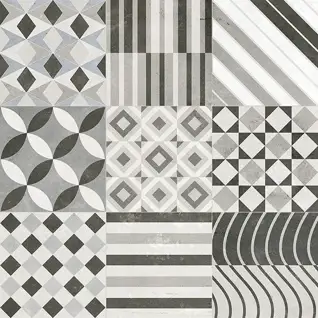
Black and white Moroccan floor tiles are the single most searched colour combination in this category in India. The high-contrast star-and-cross pattern reads strongly in corridors, bathrooms, and kitchen floors, and pairs with almost any wall colour or cabinet finish. In Indian homes, black and white Moroccan floor tiles are most commonly used in:
GVT black and white Moroccan floor tiles in 300x300 mm start at Rs. 95 per sq ft in India. Full body vitrified options for outdoor or heavy-use areas start at Rs. 130 per sq.ft. Both are widely stocked by Morbi manufacturers in Gujarat with short lead times for bulk orders.
Moroccan mosaic floor tiles are sold as a sheet of small pieces (typically 2 cm to 5 cm each) fixed to a 30x30 cm mesh backing. The sheet installs like a single tile. The mosaic format gives the finest grain pattern of any Moroccan floor tile type and is the standard choice for bathroom shower floors, pool surrounds, and any surface with a curved or irregular shape.
Water absorption for Moroccan mosaic floor tiles depends on the body used for the individual pieces. Glass mosaic pieces are non-porous. Ceramic mosaic pieces absorb 10 to 14%. Always ask for the body specification sheet for Moroccan mosaic floor tiles before using them in wet areas.
| Mosaic Body | Water Absorption | Suitable Surfaces | Price (Rs./sq.ft) |
| Glass mosaic | 0% | Shower floors, pools, backsplash | Rs. 180 to Rs. 400 |
| Ceramic mosaic | 10% to 14% | Dry indoor floors, feature walls | Rs. 110 to Rs. 200 |
| Vitrified mosaic | 0.5% to 3% | Bathroom floors, wet areas | Rs. 150 to Rs. 280 |
| Natural stone mosaic | 2% to 8% | Indoor floors, sealed outdoor | Rs. 220 to Rs. 500 |
Moroccan vinyl floor tiles and traditional ceramic or vitrified Moroccan-style floor tiles both deliver the Moroccan pattern on a floor, but they are very different products for different situations.
| Feature | Moroccan Style Floor Tiles (Ceramic/GVT) | Moroccan Vinyl Floor Tiles |
| Installation | Adhesive mortar, permanent | Self-adhesive or click-lock, removable |
| Durability | 25 to 50 years | 5 to 15 years |
| Water resistance | High (GVT/vitrified) | High (non-porous surface) |
| Underfloor heating | Compatible | Limited compatibility |
| Price (Rs./sq.ft) | Rs. 55 to Rs. 280 | Rs. 35 to Rs. 90 |
| Best for | Permanent homes, high-traffic areas | Rental homes, temporary projects, DIY |
| Feel underfoot | Hard, cool | Slightly cushioned, warmer |
Pro tip: Moroccan vinyl floor tiles are a practical solution for rental properties where ceramic tile installation is not permitted or not worth the investment. The self-adhesive formats stick directly over existing floor tiles if the surface is flat and clean. They peel off without residue when you move out, provided you do not leave them down for more than two to three years.
Step 1: Prepare the sub-floor. The concrete screed must be flat to within 3 mm over 2 metres. Moroccan floor tile patterns show lippage (uneven tile edges) far more clearly than plain tiles because the eye tracks the geometric lines.
Step 2: Dry-lay first. Place tiles without adhesive to check the pattern repeat and find the best starting point. For black and white Moroccan floor tiles, the starting point determines whether the pattern is centred or cuts awkwardly at the room edges.
Step 3: Use flexible adhesive. Specify flexible tile adhesive (C2 grade in the Indian market) rather than standard cement adhesive. The flexibility reduces cracking at tile joints when the sub-floor moves.
Step 4: Keep grout lines consistent. Use 2 mm to 3 mm spacers throughout. Moroccan patterns use geometric alignment, any variation in grout line width disrupts the pattern repeat.
Step 5: Grout with epoxy. Epoxy grout costs Rs. 180 to Rs. 250 per kg, but is essential for kitchen and bathroom Moroccan floor tiles. Cement grout stains within months in Indian cooking and bathing conditions.
Full-body vitrified Moroccan floor tiles certified to IS 15622:2006 absorb just 0.05% water, which is the key figure that separates floor-safe tiles from wall-only products. The 300x300 mm (30x30 cm) format is the most widely produced size by Morbi manufacturers in Gujarat, with prices from Rs. 95 per sq ft for GVT to Rs. 220 per sq ft for full body porcelain Moroccan floor tiles. Gujarat's tile production cluster means consistent stock availability and short lead times for orders above 500 sq. ft., which suits most residential floor projects without the import delays of foreign-sourced tiles.
India's monsoon season and high summer temperatures, with floor surface temperatures reaching 42 to 48 degrees Celsius on west-facing outdoor areas, make body selection critical for outdoor Moroccan floor tiles. Only full-body vitrified and porcelain options survive the wet-dry and heat cycling without cracking or efflorescence. Morbi and the wider Gujarat manufacturing base produce outdoor-rated Moroccan-style floor tiles in 450x450 mm and 600x600 mm formats from Rs. 130 to Rs. 250 per sq ft, covering the full range from covered verandas to exposed garden paths.
Whether you need GVT floor tiles for a bathroom at Rs. 95 per sq ft or large-format porcelain Moroccan floor tiles for an outdoor terrace, the complete range is listed by body type, size, finish, and price on TilesFinders, India's dedicated tile marketplace. Filter by surface type to show only floor-safe options, compare Moroccan mosaic floor tiles against full-format tiles side by side, and request samples before committing to a full order.
Moroccan floor tiles in India start from Rs. 55 per sq ft for ceramic body and go up to Rs. 280 per sq ft for full body porcelain options. GVT Moroccan floor tiles, the most common choice for bathrooms and kitchens, cost Rs. 95 to Rs. 175 per sq.ft. Moroccan vinyl floor tiles are the lowest-cost option at Rs. 35 to Rs. 90 per sq ft. Morbi manufacturers in Gujarat are the main production source, keeping prices competitive for bulk orders.
Yes. GVT or full body vitrified Moroccan floor tile bathroom installations are safe when you specify matte or sugar finish. The finish must give R9 to R10 slip resistance. Ceramic Moroccan floor tiles absorb 12 to 16% water (IS 13630) and are not safe for wet bathroom floors. Use epoxy grout on all bathroom Moroccan floor tiles to prevent mould in the grout lines during India's humid monsoon months.
GVT Moroccan kitchen floor tiles with a matte finish are the most practical choice for Indian kitchen floors. GVT body absorbs 0.5 to 3% water, handles cooking-area foot traffic, and cleans easily. Full-body vitrified tiles (IS 15622:2006) at 0.05% water absorption are the strongest option for heavy-use kitchens. Avoid ceramic Moroccan kitchen floor tiles: the body cracks under repeated thermal and mechanical stress from Indian cooking conditions.
200x200 mm (20x20 cm) and 250x250 mm (25x25 cm) Moroccan floor tiles work best for small Indian bathrooms under 50 sq.ft. These sizes let the full pattern repeat appear within the floor area. In bathrooms above 50 sq. ft., 300x300 mm tiles lay faster and create fewer grout lines. Avoid 450x450 mm and larger Moroccan floor tiles in compact bathrooms: the oversized pattern visually shrinks the room.
Only full-body vitrified and porcelain Moroccan floor tiles are outdoor safe in India. These bodies absorb below 0.5% water and withstand monsoon wet-dry cycling and summer surface temperatures above 42 degrees Celsius. Ceramic, GVT, zellige, and Moroccan concrete tiles are not safe for exposed outdoor floors. Look for IS 15622:2006 certification and R11 anti-slip finish when buying Moroccan floor tiles for outdoor areas.
Moroccan mosaic floor tiles are small pieces (2 to 5 cm) on a 300x300 mm mesh sheet installed as one unit. Standard Moroccan floor tiles are single pieces from 200x200 mm to 600x600 mm. Mosaic tiles work on curved surfaces and shower floors. Standard tiles install faster and cost less in labour. Both use Moroccan patterns but at very different scales. For most Indian home floors, standard GVT Moroccan floor tiles are easier to maintain and more cost-effective.
Epoxy grout is strongly recommended for Moroccan floor tiles in kitchens and bathrooms. Epoxy grout costs Rs. 180 to Rs. 250 per kg, is waterproof, stain-resistant, and does not grow mould. Moroccan floor tile patterns have narrow grout lines that trap cooking grease and bathroom moisture quickly when cement grout is used. For dry indoor floors like living rooms and corridors, quality cement grout with a penetrating sealer is acceptable.
Yes, Moroccan vinyl floor tiles are a practical alternative for rental homes, temporary installations, and projects where permanent tile adhesive is not allowed. They are non-porous, water-resistant, and self-adhesive. They do not match the durability of GVT or vitrified Moroccan-style floor tiles: expect 5 to 15 years versus 25 to 50 years for ceramic and vitrified. Moroccan vinyl floor tiles in India cost Rs. 35 to Rs. 90 per sq. ft., making them the most budget-friendly option.
-c1c8f337-bdf9-4ae7-a497-a62c8680ea62.png)