How to Style Moroccan Tile Designs Without Overwhelming Your Space?
Love Moroccan tiles but worried they’ll overwhelm your room? Learn the 20% rule and discover how to style bold patterns for a balanced, premium look.
-c1c8f337-bdf9-4ae7-a497-a62c8680ea62.png)
A couple in Ahmedabad recently walked into a tile store looking for a simple bathroom upgrade. That was the plan. Then they saw Moroccan tiles. As noted by Livingetc, handcrafted and patterned tiles have been gaining popularity because homeowners want more personality in their spaces. That shift is clearly visible in how quickly people get drawn to bold designs like Moroccan tile designs.
First, it was a blue floral pattern for the shower wall. Then a geometric floor tile caught their attention. After that came a patterned vanity backdrop. By the end of the visit, they had shortlisted four different designs for one bathroom.
It looked exciting on sample boards.
It looked exhausting when visualised together.
This happens more often than people admit. Moroccan tile design stands out because it feels artistic. The colours feel richer. The patterns feel handcrafted. Even a small sample can make plain tiles look boring within seconds. But that same charm becomes a problem when every wall, floor, and corner tries to become the highlight.
Designers have pointed this out repeatedly. They rarely use patterned tiles across an entire room. Most prefer limiting them to one focal point, because that creates contrast instead of visual chaos.
That is where most homeowners go wrong. They do not choose bad tiles. They simply refuse to stop at the right time.
Read This Before You Buy Moroccan Tiles:
Pick one area where you want the pattern to stand out.
That could be your kitchen backsplash, bathroom niche, powder room floor, staircase risers, balcony corner, or entryway flooring. Once that area is selected, keep the surrounding surfaces calmer.
The tile should feel intentional, not like it is fighting every other design choice in the room.
Why Moroccan Patterned Tiles Look Different in Real Homes?
Let’s be honest: showrooms cheat.
They have flawless lighting. There is zero clutter. You won't find stray shampoo bottles, brightly colored bath toys, or a pressure cooker taking up counter space.
Real life is completely different.
You might see a heavily patterned kitchen online and fall in love with it. But once you add in your daily cooking routine, storage containers, and countertop appliances, that beautiful pattern suddenly makes the room feel chaotic and crowded.
The exact same logic applies to the rest of the house. A floor-to-ceiling Moroccan tile bathroom looks incredibly dramatic in a boutique hotel. But try that in a compact apartment in Mumbai, Pune, or Bengaluru? It usually just shrinks the space and makes the walls feel like they are closing in.
There is a reason House Beautiful recently pointed out that while handmade patterned tiles are massively popular globally, top designers almost always use them as accents rather than full-room applications.
Patterns that look stunning on an empty display board often lose their balance once you mix in everyday life. Showing a little restraint is usually the secret to a comfortable design you will actually want to live with long-term.
Where Moroccan Tile Bathroom Designs Actually Work Well?
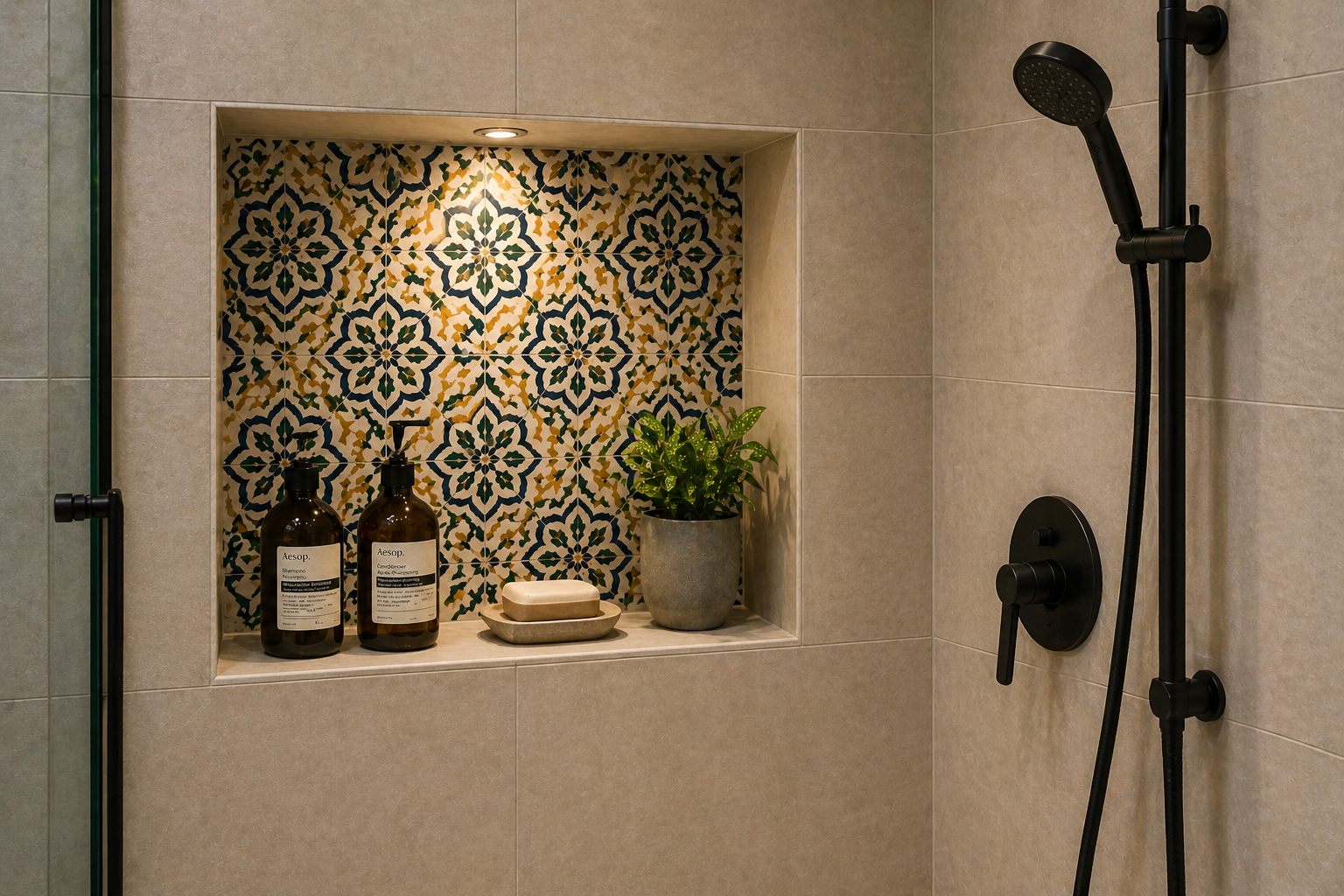
If you want to play with bold patterns, the bathroom is easily the best place to start.
Why? Because the space is naturally self-contained. Unlike an open-plan living room or kitchen, you don't have to worry about carrying that same visual theme across multiple surfaces. You can make a massive visual impact without committing to a whole-house redesign.
Most of today’s smartest bathroom tile ideas focus on using these patterns in highly controlled zones.
Take a shower niche, for example. It is the perfect spot to tuck in a bold Moroccan print without letting it take over the room. Vanity walls are another brilliant choice. When you walk into a bathroom, your eye immediately goes to the mirror. Putting your pattern there makes the design feel incredibly intentional.
Want to put them on the floor? Go for it, but only if you keep the surrounding walls totally simple.
You also have to think about practicality here. According to the Tile Council of North America, porcelain tiles have extremely low water absorption compared to other materials. If you live in a highly humid city like Chennai or Kochi, choosing a porcelain Moroccan-style tile isn't just an aesthetic choice; it's a highly practical, durable choice for a wet zone.
Why Your Moroccan Tiles Kitchen Needs Visual Discipline?
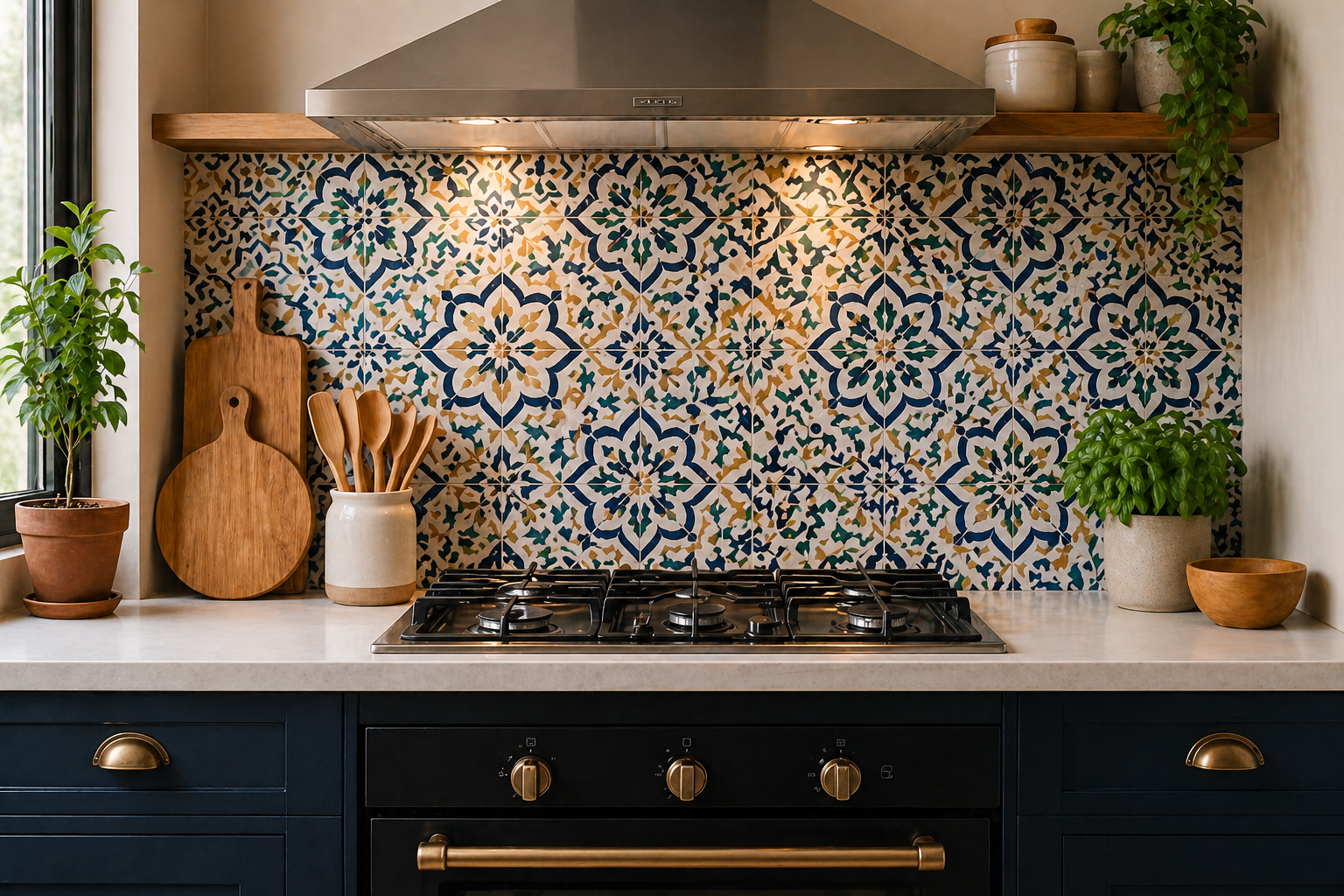
Kitchens already have enough going on.
Cabinets. Appliances. Lighting fixtures. Storage racks. Countertops. Sometimes too many fridge magnets for reasons nobody understands.
Adding strong Moroccan patterns everywhere usually makes kitchens feel smaller, which is why a balanced kitchen tile design becomes important rather than focusing only on bold patterns.
A backsplash is often the safest option. It adds personality without taking over the room. Neutral cabinets help create balance, especially shades like white, beige, grey, olive, and natural wood finishes.
This works particularly well in Indian apartments where kitchen space is limited.
👉 You can also read more about Glossy Wall Tiles with Matte Floor Tiles: Modern Tile Combination Guide if you are trying to balance finishes in the same space.
The Best Moroccan Tile Colour Combinations for Long-Lasting Design:
This part gets ignored all the time.
People often choose loud colours because they look exciting under showroom lighting. Deep yellow, bright orange, or very sharp blue.
And then six months later, they are tired of looking at it every morning.
Muted colours tend to last longer. Soft terracotta, faded blue, off-white, warm beige, and even beige colour tiles usually feel easier to live with because they blend well with changing interiors.
Elle Decor has repeatedly reported that warmer, earthy palettes are becoming more popular because they age better than trend-heavy choices.
And replacing tiles because you got bored is a very expensive personality trait.
Mistakes That Make Moroccan Tile Work Feel Excessive:
One common mistake is mixing multiple patterns in one room. A geometric floor with floral walls and decorative furniture rarely ends well.
Another issue is choosing glossy patterned floor tiles for wet spaces. They may look premium in stores, but can become slippery.
Grout colour also gets ignored. Bright white grout with heavily patterned tiles often requires more maintenance than people expect.
Most of these mistakes are not visible on day one.
They show up later.
Usually, fixing them becomes expensive.
How does the weather impact Moroccan Tiles in India?
This part matters more in India than most people expect.
Homes in coastal regions deal with constant humidity, which can affect how tiles age over time, especially if the material absorbs moisture. In contrast, drier regions often struggle with dust, which tends to settle into textured surfaces and makes maintenance slightly more demanding. What looks good in a showroom does not always behave the same way after a few months of real use.
Family homes also have different priorities. If there are elderly members, anti-skid flooring becomes less of a preference and more of a necessity. Even in regular households, areas like bathrooms, balconies, and entrances benefit from surfaces that offer better grip.
The design should fit daily life.
Not just social media inspiration.
👉 For outdoor spaces, visit our durable parking tiles collection if you need stronger surfaces for heavy movement.
Designer Secrets for Balancing Moroccan Tile Patterns:
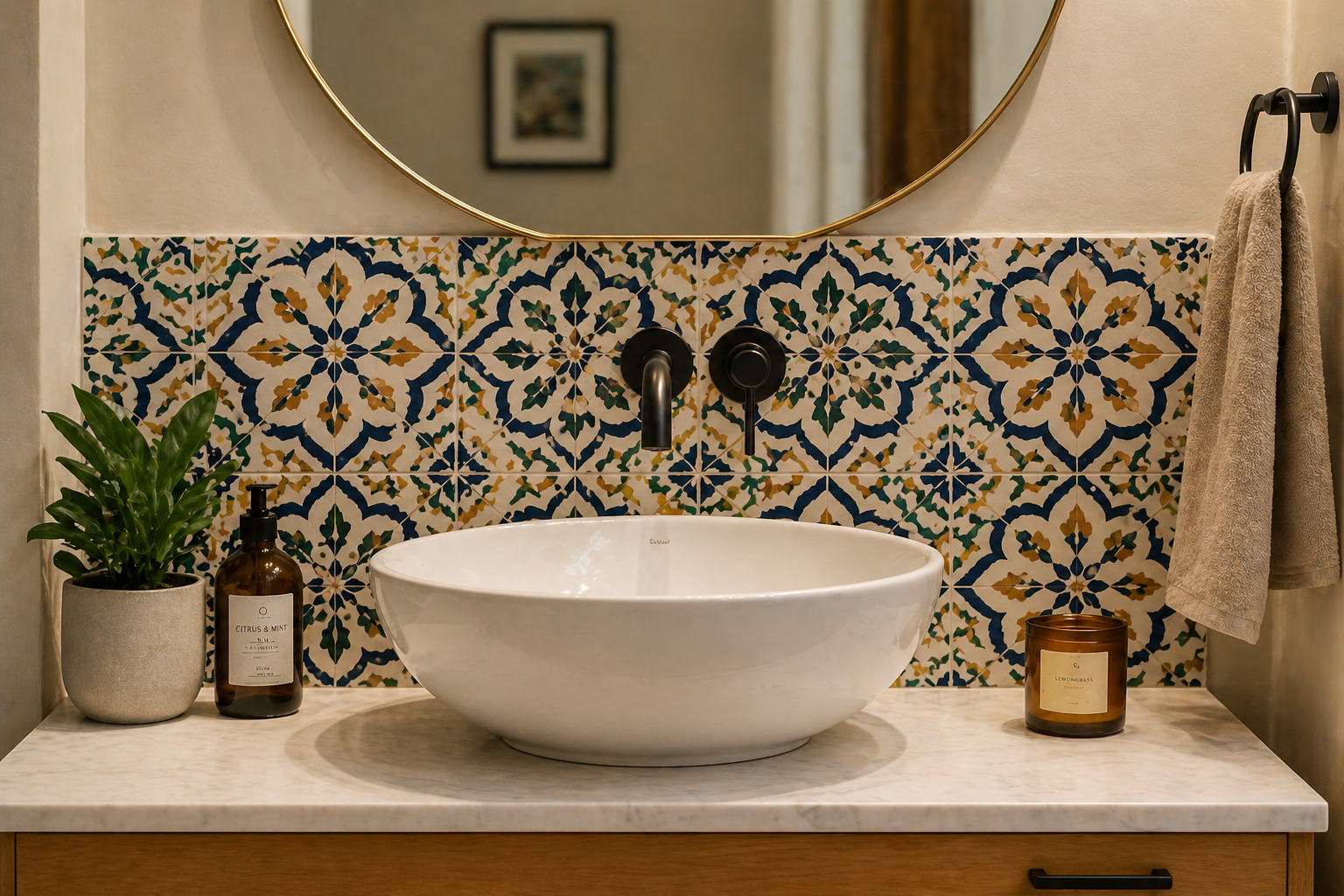
A lot of designers will not openly call it a rule, but they follow it anyway. Over time, it becomes a habit rather than something they consciously think about while designing a space.
If bold patterned tiles cover roughly twenty percent of the room, the space usually feels balanced. The remaining surfaces stay simple, allowing the pattern to stand out without competing for attention. This approach works especially well with Moroccan styles because the detailing is already strong on its own.
In most practical layouts, that twenty percent usually shows up in areas like:
- A backsplash behind the kitchen counter
- A bathroom vanity wall or shower niche
- Entryway or small floor sections
- Stair risers or compact accent zones
The idea is not to limit creativity, but to control how the design is experienced. When everything tries to stand out, nothing really does.
That balance is what makes Moroccan designs feel premium instead of overwhelming.
How to Enjoy Your Moroccan Tile Design Ideas for Years?
The beauty of Moroccan tile design is in its detail.
You do not need it everywhere. One wall can be enough. One floor section can be enough. Even a small backsplash can completely change how a space feels.
Use it where it creates impact, then stop before the design starts competing with itself.
That usually leads to homes people enjoy for years instead of designs they regret after one festive season.
Ready to find the perfect focal point for your home? We’re here to help you navigate our curated Moroccan tile collection. Get in touch with us today to plan your perfectly balanced space.
FAQs
Moroccan patterns are naturally loud. You have to give the eye a place to rest, otherwise the room just feels chaotic. Pairing them with Neutral Bathroom Tiles is usually the safest play. Stick to simple, matte shades like beige or off-white. This lets the bold print do all the talking.
Keep it contained. Kitchens already have so much going on with cabinets and bulky appliances. Using it as a decorative backsplash tile is honestly your best bet. It injects a huge dose of character right into the space, but stops the pattern from taking over the entire room.
Floors take a beating. You absolutely need something durable, especially if you're putting down a detailed pattern. Vitrified Tiles are usually the go-to here. They hold up incredibly well to heavy foot traffic, and the day-to-day maintenance is practically zero.
Yes, but you have to be strategic. Wall-to-wall patterns in a tiny room will instantly make it feel cramped. Instead, treat it like an accent. Confine the design to one specific spot, like an entryway or a single shower wall. It keeps the space feeling airy.
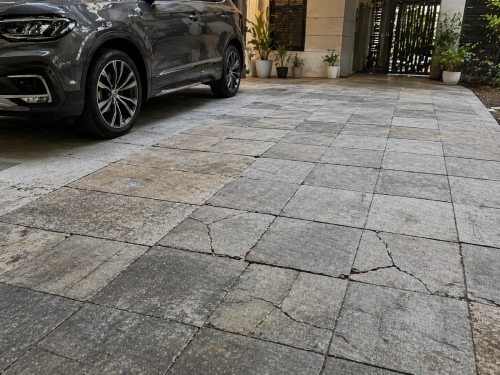
Yes, you can use Moroccan tiles outdoors, including parking or terrace areas. Just don’t use regular indoor tiles. They won’t handle the sun and rain well. Go for thicker Vitrified Tiles instead, as they are made for outdoor use and can take more load and weather exposure.

See our tile guides first
Set TilesFinders as a preferred source and our buying guides surface ahead of the rest for you.
Add as preferred sourceTakes one tap. Nothing to install.
What Readers Say
I was about to redo my parking area with the wrong tile size until I read this. The layout comparisons saved me from a costly mistake.
We reference TilesFinders guides while briefing clients on material selection. The size and pattern breakdowns are accurate and easy to explain visually.
On site, I get asked about grout spacing all the time. This article gave me a solid reference I now share with my team before every job.
Finally a guide that doesn't just push generic advice. The oil stain removal steps actually worked on our clubhouse driveway tiles.
I run a small construction firm and now send this link to clients directly when they ask about entrance tile sizing. Saves me an hour of explaining.
Good practical detail, though I wish there were more examples for compact apartment entrances specifically, not just villas.
My mother-in-law wanted marble, I wanted vitrified. This blog gave us the neutral comparison we needed to actually decide together.
Detailed without being overwhelming. I appreciated that it covered both cost and maintenance, not just the aesthetics.
Used the algae and hard water removal tips on our terrace tiles after the monsoon. Worked better than what our regular cleaner was doing.
As someone who sources tiles for multiple builder projects, I find these comparisons genuinely useful for vendor conversations, not just consumer content.
Recommended this to a client who kept second-guessing the entrance design. The small vs large layout section settled the debate instantly.
Straightforward and honest, no unnecessary jargon. Would like to see a similar breakdown for outdoor pool-deck tiles next.
We've bookmarked several TilesFinders guides for our design handbook. Reliable source when clients want data, not just opinions.
Two paths, one marketplace.
Get free quotes from verified suppliers.
Share your room, budget, and style. Suppliers in Morbi respond within hours.
Get Free QuotesList your business, reach real buyers.
Put your showroom in front of homeowners searching for tiles right now.
List Your Business