600×600 Tiles: Why This Size Is the Most Popular Choice
Discover why 600x600 mm tiles are the universal standard for modern homes. Perfectly balancing cost, easy installation, and minimal wastage, they offer a premium look for any room
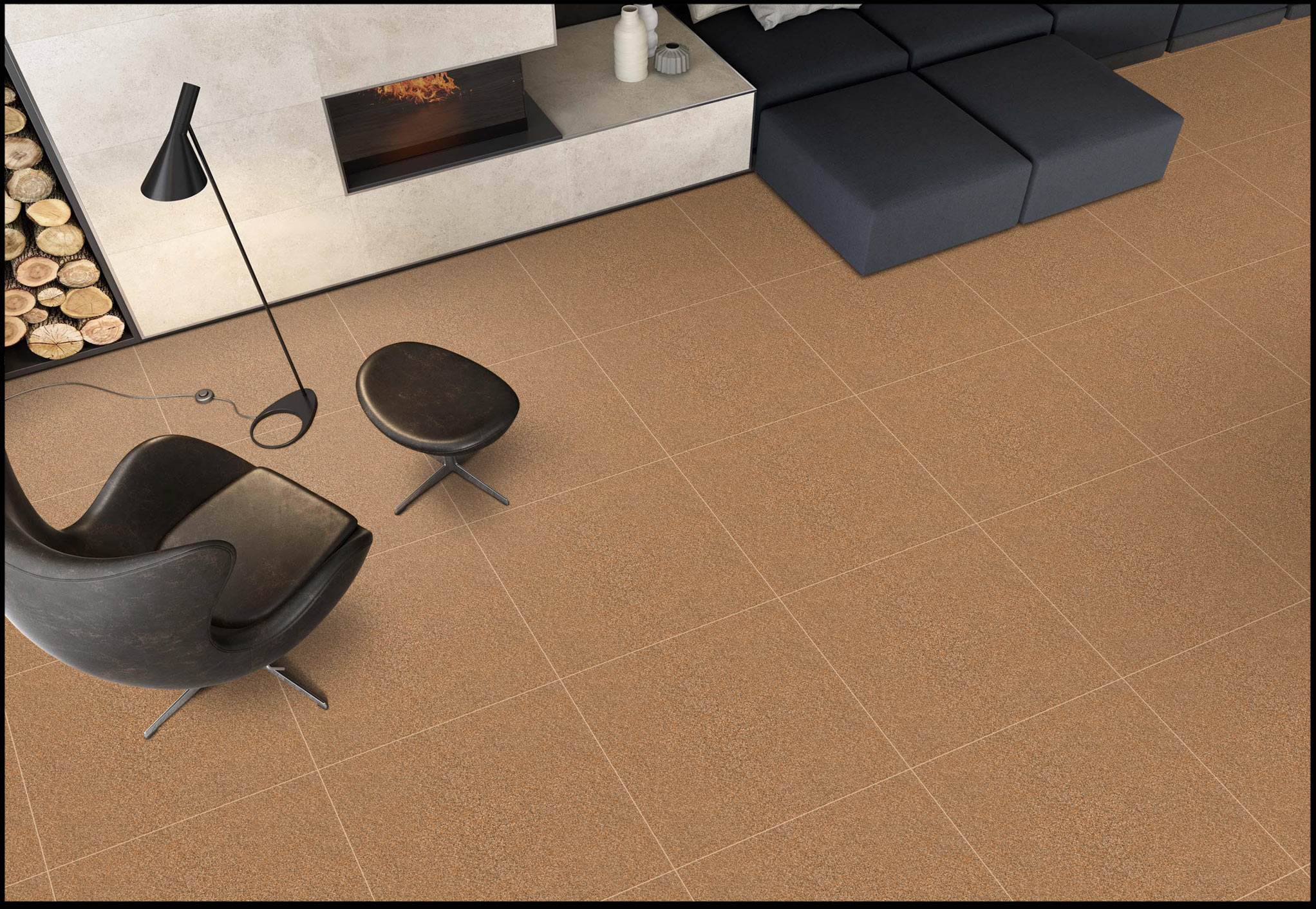
The 600×600 mm tile is popular because it balances cost, appearance, and practicality. It creates a clean floor with manageable installation effort and minimal wastage. Larger slabs raise labour and cutting costs, while smaller tiles create too many joints. This size delivers a premium look without complicated installation.
Why are 600x600mm (24x24 inches) tiles the universal standard for modern homes?
The reason 24x24-inch tiles became standard is simple mathematics. Most Indian rooms are planned in multiples of 10 or 12 feet. A square tile divides these dimensions evenly, which reduces edge cutting. Less cutting means lower material wastage and faster installation.
This size also creates structural symmetry. A square grid aligns with walls, furniture placement, and door openings. The floor looks planned rather than patched.
At 600×600, manufacturers produce different tile bodies depending on usage. Many homes prefer 600x600 porcelain floor tiles because the material is dense and absorbs very little moisture. Vitrified tiles offer similar durability for everyday areas, while ceramic versions are commonly used on walls. As per ISO 13006, porcelain and vitrified tiles typically have water absorption below 0.5%. With 2 mm epoxy grout joints, the surface appears continuous yet still allows normal expansion.
Economically, the size sits in the “efficiency zone”:
- smaller tiles → more grout and labour cost
- large slabs → higher breakage and handling cost
- 600×600 → balanced installation
That is why builders, designers, and contractors consistently select this dimension.
Common manufacturing categories in 600×600 tiles
This size is not a single material. It is produced in multiple manufacturing categories, each meant for different usage:
- Double Charge Vitrified – two-layer pressed tiles, strong and suitable for heavy foot-traffic areas.
- Porcelain (mostly matte finishes) – dense body, low water absorption, commonly used in modern homes.
- GVT (Glazed Vitrified Tiles) – printed design surface, available in marble and stone patterns.
- PGVT (Polished Glazed Vitrified Tiles) – same as GVT but with a reflective polished surface.
- Full Body Vitrified Tiles – colour runs through entire thickness, hides scratches better in commercial areas.
- Nano Soluble Salt Tiles – budget-friendly glossy tiles, commonly used in low-traffic residential rooms.
Where are the best application spaces for 600x600mm tiles?
- Living Room: For seating areas, the floor needs balance rather than drama. When planned properly, 2x2 tiles for living room layouts keep proportions comfortable. The room looks spacious without creating long grout lines that distract from furniture placement.
- Bedrooms: In sleeping areas, visual calm matters more than shine. Using 600x600 tiles for small rooms reduces floor segmentation and helps compact bedrooms feel less crowded. The square grid also aligns easily with wardrobes and beds.
- Kitchen: Daily cooking means constant foot traffic and spills. A properly finished 600x600 tiles for the kitchen floor surface is easier to mop and avoids narrow cut pieces near cabinets and counters.
- Bathrooms: Bathrooms require a balance between coverage and slope. Installers prefer 600x600 tiles for bathroom floors because they are large enough to look neat but still allow proper drainage toward the floor trap.
- Offices & Showrooms: Commercial interiors require durability and easy maintenance. This size is preferred because a damaged tile can be replaced individually without disturbing the surrounding flooring, which reduces downtime and repair costs.
- Outdoor Areas (Patio & Walkways): Exterior flooring faces weather and weight load. Thicker variants with grip finish work better outdoors, especially 600x600 matte tiles with anti-skid surfaces that improve traction during rain.
How to choose between glossy, matte, and textured 600x600 tile finishes?
Finish selection should depend on function, not just appearance.
Glossy finish
Walls benefit the most from reflection. Using glossy wall tiles helps bounce natural and artificial light across the room. Bedrooms and living rooms appear brighter, especially in smaller homes. However, this surface shows dust and fingerprints quickly, so regular wiping is required.
Matte finish
Matte surfaces create a softer, muted look. They hide watermarks and footprints better than polished surfaces and are safer for everyday walking areas like kitchens and bathrooms.
Textured finish
Textured surfaces provide maximum grip. They are recommended for balconies, utility areas, and entrances where water exposure is frequent. Cleaning requires a brush mop, but safety is significantly higher.
Design-wise, 600x600 marble look tiles are widely chosen because they mimic natural stone while maintaining porcelain durability.
Buyer’s Checklist: How to select a reliable 600x600 tiles supplier in India?
Before purchasing, technical checks matter more than showroom lighting. A reliable 600x600 tiles supplier in India should provide measurable specifications.
Check these details:
- Thickness: 9–10 mm (standard indoor use)
- Heavy duty: up to 12 mm
- PEI rating: minimum PEI 3 for homes
- Warpage tolerance: under 0.5%
- Shade consistency: same batch number
- Calibrated size: edges must align without wide joints
If planning to buy 600x600 tiles online in India, always request:
- actual tile photo
- batch number
- packing date
- replacement policy
A professional supplier will provide a test certificate on request.
FAQs
Yes. These tiles can be installed on walls and floors. The wall substrate must be strong enough to support a 9 mm thick porcelain tile, and proper adhesive (C2TE S1) should be used.
Not really. Matte tiles have micro-texture that can trap fine dust, but they hide stains better and are safer in wet areas. Glossy tiles clean faster but become slippery when wet.
Typically, 4 tiles come per box. Coverage is around 1.44 square meters (15.5 sq ft). Average box weight ranges between 28 and 31 kg, depending on thickness and body type.

See our tile guides first
Set TilesFinders as a preferred source and our buying guides surface ahead of the rest for you.
Add as preferred sourceTakes one tap. Nothing to install.
What Readers Say
I was about to redo my parking area with the wrong tile size until I read this. The layout comparisons saved me from a costly mistake.
We reference TilesFinders guides while briefing clients on material selection. The size and pattern breakdowns are accurate and easy to explain visually.
On site, I get asked about grout spacing all the time. This article gave me a solid reference I now share with my team before every job.
Finally a guide that doesn't just push generic advice. The oil stain removal steps actually worked on our clubhouse driveway tiles.
I run a small construction firm and now send this link to clients directly when they ask about entrance tile sizing. Saves me an hour of explaining.
Good practical detail, though I wish there were more examples for compact apartment entrances specifically, not just villas.
My mother-in-law wanted marble, I wanted vitrified. This blog gave us the neutral comparison we needed to actually decide together.
Detailed without being overwhelming. I appreciated that it covered both cost and maintenance, not just the aesthetics.
Used the algae and hard water removal tips on our terrace tiles after the monsoon. Worked better than what our regular cleaner was doing.
As someone who sources tiles for multiple builder projects, I find these comparisons genuinely useful for vendor conversations, not just consumer content.
Recommended this to a client who kept second-guessing the entrance design. The small vs large layout section settled the debate instantly.
Straightforward and honest, no unnecessary jargon. Would like to see a similar breakdown for outdoor pool-deck tiles next.
We've bookmarked several TilesFinders guides for our design handbook. Reliable source when clients want data, not just opinions.
Two paths, one marketplace.
Get free quotes from verified suppliers.
Share your room, budget, and style. Suppliers in Morbi respond within hours.
Get Free QuotesList your business, reach real buyers.
Put your showroom in front of homeowners searching for tiles right now.
List Your Business