Best bathroom tile design for modern Indian homes
Choosing good bathroom aesthetics is just as important as styling the rest of your home. Your bat...


Loading designs...













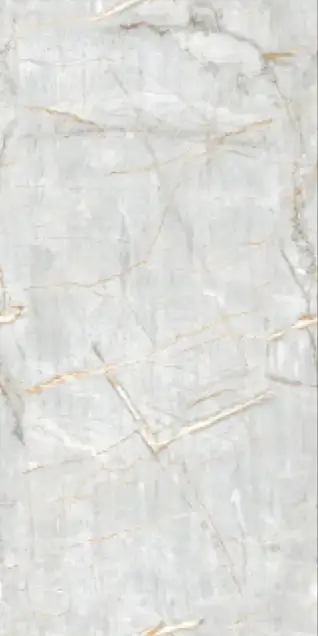



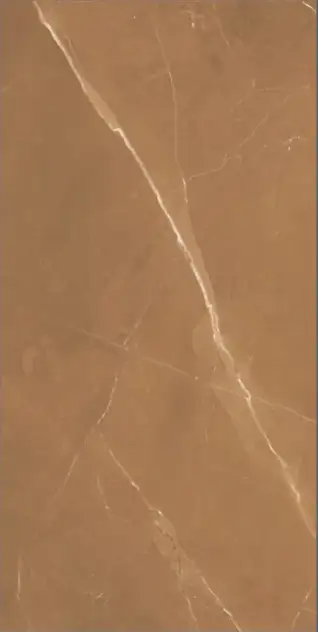

Ceramic tiles for bathroom spaces are the most widely bought wall tiles in India. They come in three sizes, a wide range of colours and finishes, and sell at Rs. 25 to Rs. 65 per sq.ft. That price point fits most builder-grade and mid-range bathroom projects. Ceramic is fired at lower temperatures than vitrified or porcelain, which gives it a higher water absorption rate of 12% to 16% as per IS 13630. This single fact shapes every decision on where you can and cannot use ceramic in a bathroom.
On walls, ceramic is a sound choice. On floors, the rules are stricter. This page covers both. If you need a floor tile that handles constant water exposure, also look at porcelain tiles for the bathroom, which have 2% to 5% water absorption and work across both wall and floor surfaces.
Ceramic tile in bathroom spaces follows one hard rule: the 12% to 16% water absorption rate makes most ceramic sizes unsuitable for wet floors. Floors stay wet for long stretches in Indian bathrooms. Water absorbed into tile and grout promotes mould growth, causes grout darkening, and weakens adhesive bonds over time.
The exception is the 300x300 (1x1) size. At this size, ceramic is cleared for bathroom floor use in India because the tile area is small, grout coverage is higher, and the application is typically matched to bathroom floor designs where a small, compact tile is the expected choice.
| Surface | Can Ceramic Be Used? | Sizes Allowed | Constraint |
| Bathroom wall (dry zone) | Yes | 1x1, 12x18, 12x24 | No constraint |
| Bathroom wall (wet/shower zone) | Yes | 1x1, 12x18, 12x24 | Use a glazed finish; avoid Glossy in steam areas |
| Bathroom floor | Only 1x1 size | 300x300 (1x1) only | No other ceramic size on the floors |
| Outdoor bathroom floor | No | None | Absorption is too high for outdoor wet exposure |
Note: Ceramic tiles in 300x450 (12x18) and 300x600 (12x24) sizes must never be laid on floors. These are wall-only sizes. Any contractor who lays these on a bathroom floor is creating a slip and absorption risk.
Ceramic tiles for bathroom wall surfaces come in three sizes at Tilesfinders. Each size suits a different wall layout and budget.
| Size | Alias | Coverage per Box (approx) | Best Wall Use |
| 300x300 | 1x1 | 1.0 to 1.2 sq m per box | Small accent walls, dado matching the floor |
| 300x450 | 12x18 | 1.2 to 1.5 sq m per box | Standard bathroom walls up to dado height |
| 300x600 | 12x24 | 1.4 to 1.8 sq.m per box | Full-height bathroom walls, cleaner grout lines |
The 12x24 size gives fewer horizontal grout lines, which makes the wall look taller. This works well in compact Indian bathrooms with low ceilings. The 12x18 is the most common size for standard builder-grade bathrooms and is readily available across tile shops in all Indian cities.
Bathroom wall tiles ceramic range at Tilesfinders comes in Glossy, Matte, Sugar, and Texture finishes. Each behaves differently on a bathroom wall.
| Finish | Wall Use | Constraint |
| Glossy | Good for dry walls and dado | Avoid in steam-heavy shower enclosures; water spots show clearly |
| Matte | Good anywhere on walls | No constraint; slightly harder to clean than glossy |
| Sugar | Good for feature walls and dado | No constraint; hides water spots better than full glossy |
| Texture (0.3 to 1mm depth) | Good on feature walls | Harder to clean in grooves; avoid near the shower head |
| High-depth punch | Elevation and outdoor cladding only | Never on floors; avoid in wet shower zones |
Glossy finish is the most popular finish for ceramic bath wall tile in India. It reflects light well, which brightens small bathrooms. White and off-white glossy ceramic tiles account for the highest sales volume in Indian bathroom tile purchases, particularly in the Rs. 30 to Rs. 50 per sq ft range.
Ceramic tiles for bathroom floor use are limited to the 300x300 (1x1) size. This is not a recommendation; it is a technical constraint. Here is what that means on the ground.
A 1x1 tile on a bathroom floor creates a high grout-line density. More grout lines mean more texture underfoot, which actually improves grip in wet conditions. The ceramic body itself has 12% to 16% water absorption, so the grout must be sealed on installation day and checked annually. Unsealed grout on a ceramic bathroom floor will darken and grow mould within one monsoon season in cities like Mumbai, Chennai, or Kolkata.
The matte finish is the only right choice for ceramic bathroom tile floor use. Glossy 1x1 tiles are slippery when wet and should not be laid on bathroom floors regardless of price or availability.
If your bathroom floor gets heavy water exposure daily, a ceramic bathroom tile floor is not the strongest long-term option. A GVT tile in 400x400 or 500x500 with 0.05% water absorption will hold up better over 10+ years.
Note: Never use ceramic tiles larger than 300x300 on bathroom floors. The 300x450 and 300x600 sizes must stay on walls only.
Ceramic bathroom tile flooring at the 1x1 size needs specific attention during laying and after. Here is what to tell your contractor and what to check yourself.
Screed flatness: Ceramic tiles at 300x300 are unforgiving on an uneven screed. Lippage of even 1mm is visible at this size. Ask your contractor to check the screed with a straight edge before laying starts. Any high points above 3mm need to be ground down.
Adhesive: Use a waterproof tile adhesive rated for wet areas. A standard grey cement mix is not enough for a bathroom floor that stays wet for hours daily.
Grout: Use a non-sanded, waterproof grout. Joints at 1x1 size are narrow (2 to 3mm). Seal the grout with a silicone-based sealer within 48 hours of laying.
Upkeep: Sweep dry, then mop with a pH-neutral cleaner. Avoid acid-based cleaners on ceramic bathroom flooring as these eat into grout over time and accelerate absorption. Re-seal grout once a year if the bathroom gets daily wet use.
Ceramic tiles bathroom design in India follows a few patterns that work repeatedly across different bathroom sizes.
White or off-white with a border strip: the most common layout in Indian builder flats. Full-height white ceramic wall tiles with a single horizontal border strip at dado height (900mm from floor). Clean, low-cost, and easy to maintain.
Dual-tone layout: a darker ceramic tile on the lower wall (below dado) and a lighter tile on the upper wall. Works well in bathrooms with natural light. The colour contrast separates the wet zone from the dry zone visually.
Single colour with texture variation: a plain glossy tile on most walls with one feature wall in a sugar or texture finish in the same colour family. Adds depth without adding cost.
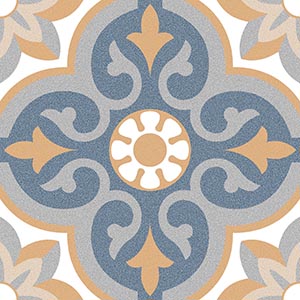
Pattern tiles as accents: ceramic tiles with geometric or floral prints used on one wall only. The remaining walls are in plain white or beige tile. This keeps the bathroom from looking busy while still having a design point.
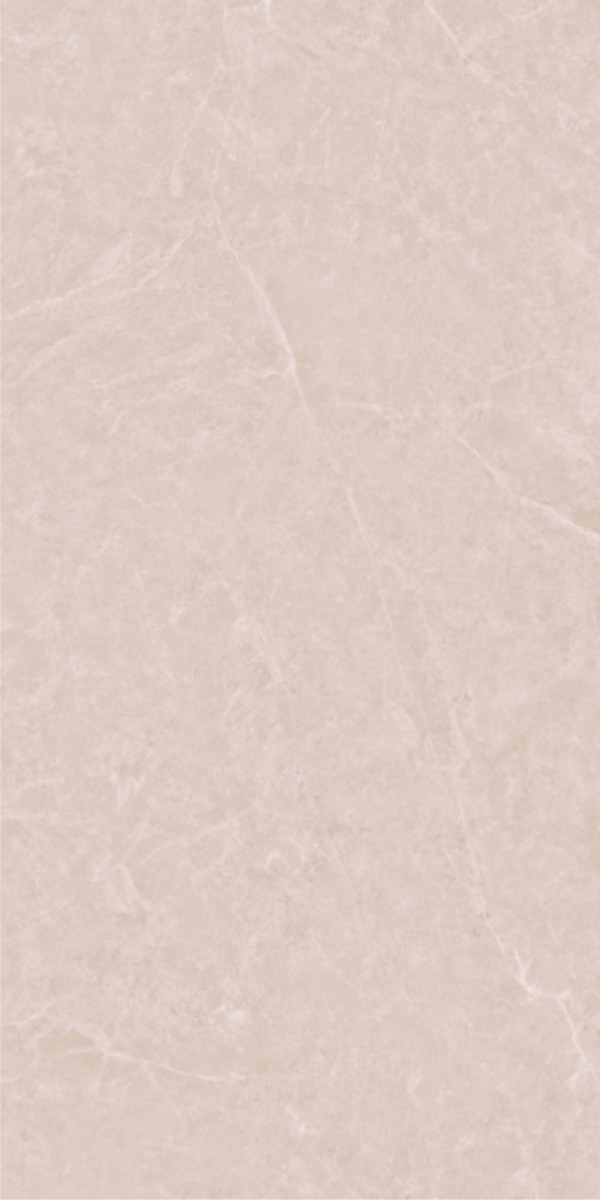
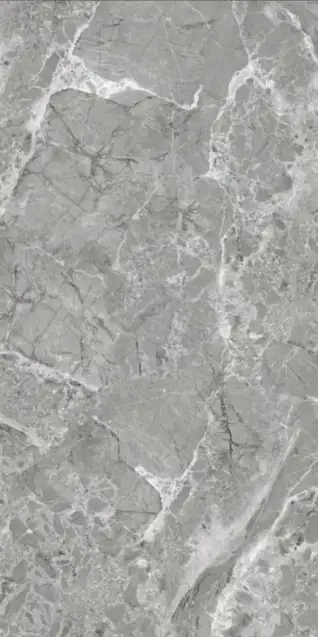
For bathrooms where the client wants the wall and floor to match in colour without matching in category, pair a 1x1 ceramic floor tile in grey or beige with a 12x24 ceramic wall tile in the same tone family. Browse the grey bathroom tiles range for coordinated options.
| Factor | Ceramic | Porcelain | Vitrified (GVT/PGVT) |
| Water absorption | 12% to 16% | 2% to 5% | 0.05% |
| Floor use in the bathroom | 1x1 size only | Yes, with matte finish | Yes, multiple sizes |
| Wall use in the bathroom | Yes, all 3 sizes | Yes | Yes |
| Scratch resistance | Moderate | Moderate to good | High (PGVT best on walls) |
| Price range (India) | Rs. 25 to Rs. 65/sq.ft | Rs. 45 to Rs. 120/sq.ft | Rs. 55 to Rs. 200/sq.ft |
| Best bathroom use | Walls; 1x1 floor only | Walls and floors | Walls and floors |
| IS standard | IS 13630 | IS 13630 | IS 15622 |
Ceramic is the right call when the budget is tight, and the primary surface is the wall. For floors with heavy daily use, the better investment is a vitrified tile. See vitrified tiles for bathroom for a full-size and finish guide.
Step 1: Decide which surfaces need tiling. Wall only, or wall plus floor? If floor, ceramic is limited to 1x1. If walls only, all three ceramic sizes work.
Step 2: Measure the wall area. Bathroom walls are typically 8 to 10 ft high. A 6x5 ft bathroom has roughly 280 sq ft of wall area, including door and window deductions. Add 10% for cuts and wastage.
Step 3: Choose size. The 12x24 gives the cleanest look on full-height walls. The 12x18 is the most available and easiest to price. The 1x1 suits floors and small accent walls.
Step 4: Choose finish. Glossy for general walls. Matte or Sugar for shower zones and areas near steam. Matte only for floors.
Step 5: Check batch numbers. Ceramic tiles can show shade variation between production batches. Always buy from one batch and check the batch code on the box before delivery is accepted.
Ceramic tiles for bathroom walls are a practical and budget-conscious option for Indian homes across different bathroom layouts. The main limitation is floor use: only the 300x300 (1x1) size is suitable for bathroom floors, and only with a matte finish and properly sealed grout.
For wall applications, all three sizes work well, with 12x24 giving a cleaner visual finish and 12x18 remaining the easiest format to source. TilesFinders helps compare ceramic bathroom tiles by size, finish, and wall application so the final choice matches the surface, budget, and water exposure level of each bathroom zone.
No. Ceramic tiles for bathroom floor use are limited to the 300x300 (1x1) size. The 300x450 and 300x600 sizes are wall-only. Ceramic has a water absorption rate of 12% to 16%, which makes larger formats risky on floors that stay wet for long periods. For full bathroom floor coverage in a larger size, use porcelain or vitrified tiles instead.
Ceramic bathroom tile flooring in the 1x1 size works well in compact bathrooms where the budget is limited and the floor area is small, typically under 40 sq.ft. It must be laid with waterproof adhesive, narrow grout joints, and a sealed grout finish. Reseal the grout annually in bathrooms that stay wet for extended periods.
Glossy finish works on most dry bathroom walls and is the most popular choice in India. For shower zones or walls near the geyser, use Matte or Sugar finish. These hold up better in steam and do not show water spots as clearly. Avoid High Depth punch tiles near wet zones as the recesses are hard to clean.
Ceramic tiles for the bathroom come in three sizes at Tilesfinders: 300x300 (1x1), 300x450 (12x18), and 300x600 (12x24). The 1x1 can be used on walls and floors. The 12x18 and 12x24 are wall-only. No ceramic sizes above 300x600 are available, unlike vitrified tiles which go up to large format slabs.
Bathroom wall tiles ceramic have 12% to 16% water absorption vs 0.05% for vitrified tiles. Ceramic costs less (Rs. 25 to Rs. 65/sq.ft vs Rs. 55 to Rs. 200/sq.ft for vitrified). On dry bathroom walls, either works well. In wet zones or for long-term moisture resistance, vitrified tiles outperform ceramic. Ceramic also has fewer available sizes than vitrified.
Ceramic bathroom flooring tiles in the 300x300 (1x1) size range from Rs. 25 to Rs. 55 per sq.ft in India, depending on brand, finish, and print. Plain white and off-white matte tiles are at the lower end. Printed or patterned 1x1 tiles with geometric designs go up to Rs. 55. Prices vary by region and batch size. Always confirm with your supplier before ordering.
The most popular ceramic tiles bathroom design choices in Indian homes are: full-height white or off-white glossy 12x24 wall tiles with a single border strip, dual-tone layouts with a darker dado tile and lighter upper wall tile, and accent feature walls with a printed or geometric tile against plain surroundings. Grey and beige shades have grown significantly in the last three years as buyers move away from all-white bathrooms.