Waterproof bathroom tiles: What you should know before buying
Waterproofing a bathroom depends on a complete system: choose low-absorption vitrified tiles and use non-porous epoxy grout for the best leak protection.
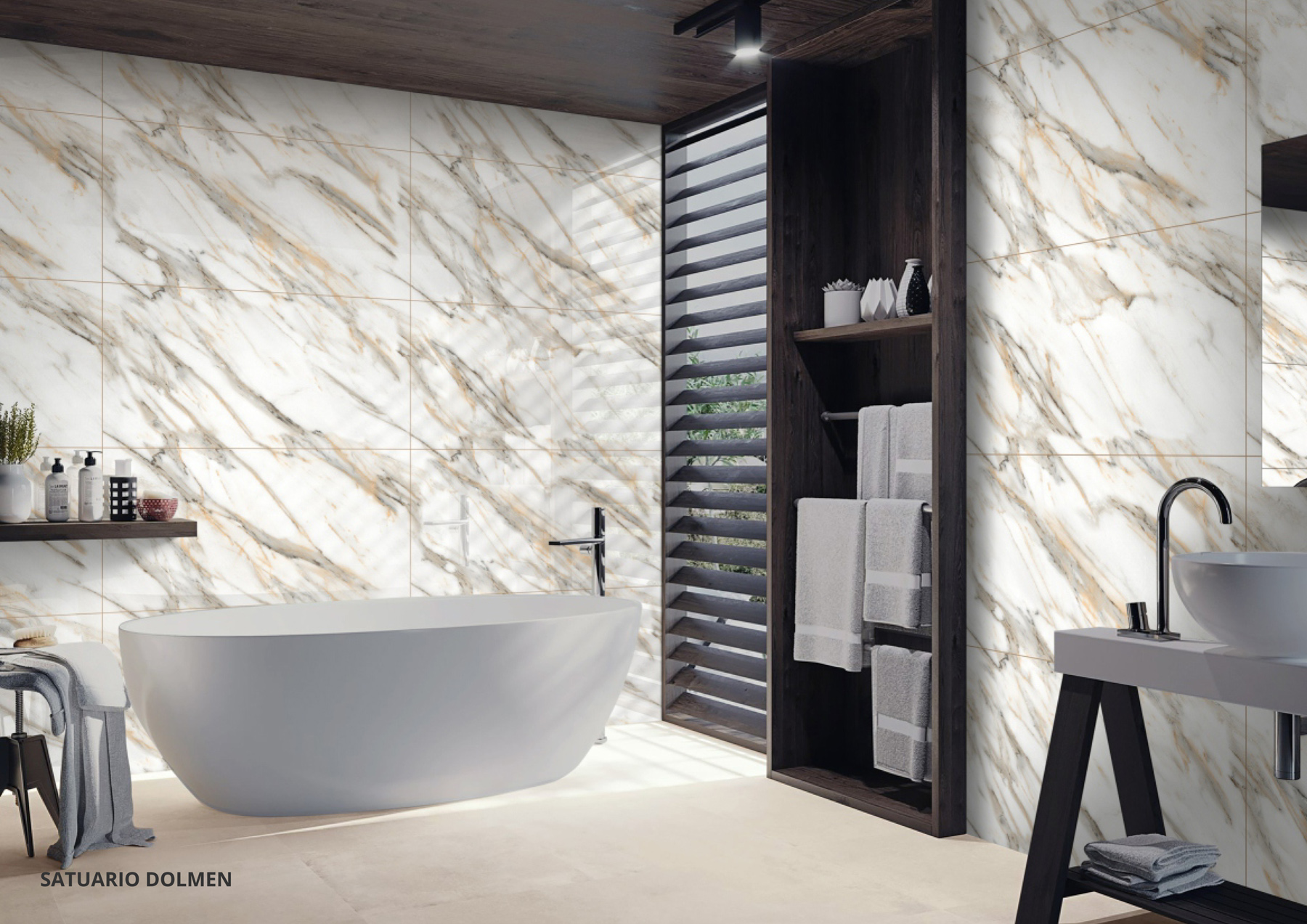
Every area in a house has a different purpose, so it needs tiles that fit that use. Like, the living room takes a lot of walking every day, so the tiles there should be tough enough to handle that without losing shine. The dining space is a little different; it’s where food and chairs move around all the time, so tiles that don’t scratch easily work better.
Bathroom flooring is another story. They stay damp most of the time, so the tiles need to deal with moisture well. Also, the surface has to be a bit rough or slip-resistant because that’s where people usually slip the most. A nice design matters, but safety matters more.
Bathroom walls, on the other hand, deal with constant exposure to moisture, steam, and soap residue. So the tiles here should be water-resistant and easy to wipe down, otherwise, stains start building up and the surface becomes dull over time. Since walls stay vertical, they don’t need rough texture for grip, but they do need a finish that doesn’t hold on to dirt or moisture. A smooth, low-porosity surface works best because it keeps the walls looking clean with minimum effort.
That’s why, before buying waterproof bathroom tiles, this blog will help you know a few simple things. Once you understand what to look for, it becomes way easier to pick something that actually lasts.
→ What is waterproof bathroom tiles?
There’s usually confusion about what waterproof bathroom tiles really mean in the Indian market. The waterproofing depends on two things: the tile body and the tile surface. Ceramic and porcelain tiles body will absorb water, but after absorbing water, if the surface of the tiles does not show any water marks and appearance or the colour of the surface of the tiles is not changed, it is called waterproof tiles.
On the other hand, vitrified tiles are fully waterproof, both in body and surface, which means they do not absorb water at all. Also, every ceramic tile has a waterproof surface; if it doesn’t, then it’s not ceramic, it’s basically just clay tiles.
→ If Your Tiles Are Waterproof, Why Is Your Bathroom Leaking?
Have you ever wondered why your bathroom leaks, even when you have 'waterproof' tiles? The main issue isn’t usually the tile itself; it’s the grout lines. Standard cement-based grout is porous, which means it naturally allows water to pass through over time, even if you seal it initially. And if you try to lay tiles without grout, there will still be tiny gaps where water can slowly seep in. This seepage doesn’t just stay on the surface; it can travel down into the flooring layers, leading to damp patches, leakage, and long-term damage in bathrooms.
So how do you truly protect your bathroom from water penetration?
This is where waterproof epoxy grout makes a real difference, because unlike regular grout, it doesn’t allow water to pass through at all. But we’ll get into that in detail in the next point.
→ The right Grout for your Bathroom
As we’ve already discussed earlier, water can easily seep through the grout line and cause mildew or mold buildup. That’s why proper grout maintenance is crucial, not only for durability but also to protect your bathroom from leaks and long-term damage.
Cement-Based Grout (The Standard)
This is the most common and affordable grout you'll find. However, it comes with a major trade-off: it is naturally porous, much like concrete. This means it will absorb water and stains if left unprotected. The crucial point to remember is that standard cement grout must be sealed after installation to make it water-resistant, and that seal isn't permanent. To prevent it from staining and attracting mold, you'll need to re-seal it every 1-2 years.
Epoxy Grout (The Premium Upgrade)
If you're looking for a "set it and forget it" solution, epoxy is your answer. This is the best choice for a shower or any high-moisture area. Unlike cement, epoxy is a high-performance, non-porous material that is inherently waterproof, stain-proof, and mold-proof. It never needs to be sealed, ever. The downside? Epoxy is significantly more expensive and much more difficult and time-consuming to install (it sets very quickly), so both material and labor costs will be higher.
Pro-Tip: Think About Grout Color
A quick tip on color can save you a lot of cleaning headaches. That bright white grout may look sparkling and clean at first, but it's a maintenance nightmare. It sits in the lowest part of your floor and shower, where it will catch every speck of dirt, soap scum, and any hint of mildew. For a look that stays fresh-looking far longer, consider a light or medium grey, beige, or taupe grout. These colors do a fantastic job of hiding everyday dirt and make any potential discoloration far less noticeable.
→ How to Choose the Right Bathroom Tile Materials for waterproofing
Installation plays the biggest role in achieving proper waterproofing in a bathroom, but choosing the right bathroom tile material is just as important. Even if the grouting is done perfectly, the wrong tile material can mess up the installation and lead to long-term issues.
For instance, ceramic tiles have a more porous body. They tend to absorb water like a sponge, staying damp for days and keeping the grout lines wet too; the perfect setup for Mold and mildew. On the other hand, materials with low water absorption keep moisture on the surface, preventing it from seeping in. This not only keeps your bathroom more hygienic but also makes cleaning much easier.
Not all tile bodies perform the same in wet areas, so here are some of the better options you can choose from when selecting tiles for your bathroom.
The Best Choice: Vitrified body
When in doubt, choose a vitrified body. This is the industry gold standard and the top choice for anyone seeking durable bathroom tiles in India. To be officially classified as vitrified, a tile must pass a strict test: it must have a water absorption rate of 0.5% or less. This incredibly low rate makes it "impervious" to water; that's the official industry term. Because its dense body won't soak up moisture (even the small amount that gets past the grout), it's the most durable, hygienic, and long-lasting. This makes vitrified tiles suitable for both wall and floor tile designs, including the main floor, bathroom walls, and especially the shower area.
The Smart & Stylish Choice for bathroom floor
GVT (Glazed Vitrified Tiles)
You can absolutely use GVT, as it's a type of vitrified tile and is known for being one of the most popular bathroom tiles in India. GVT stands for Glazed Vitrified Tile. The "Vitrified" part means it has the same dense body and low water absorption rate as vitrified (less than 0.5%), making it moisture-resistant tiles. The "Glazed" part means it has a layer on top where a high-definition design is digitally printed, allowing it to mimic anything from marble to wood with incredible realism. In the Indian market, GVT is generally chosen for matte surfaces, which naturally works well for bathroom floors because it provides better grip. GVT is a fantastic all-around choice, but you must pay close attention to the finish. For bathroom floors, avoid glossy or polished (PGVT) options as they are extremely slippery. Instead, choose a matte or structured finish GVT to get the perfect combination of beauty, durability, and slip resistance, which is super important in wet areas.
Full Body vitrified tiles
Full Body Vitrified Tiles are all about strength in every layer. Unlike regular tiles that only have color or design on the top surface, Full Body tiles have the same color and shade running through the entire body, so even if the tile gets cut, chipped, or grooved, the shade stays perfectly consistent. These tiles come with a dense vitrified body and extremely low water absorption (between 0.5% and 0.05%), which makes them highly moisture-resistant and long-lasting, ideal for bathroom floors. Full Body tiles mostly come in matte finishes, giving the surface a natural grip and slip-resistant feel, which is super important in wet areas. The matte and texture finish is perfect for bathroom floors, as it balances safety with a clean aesthetic. Their strong body and scratch resistance make them suitable for both residential and commercial spaces, especially where durability actually matters.
The Elegant & Practical Choice for Bathroom Walls
PGVT
Polished Glazed Vitrified Tiles (PGVT) bring the perfect balance of strength and luxury to bathroom walls. They are made from a fully vitrified, dense, non-porous body with extremely low water absorption (between 0.5% and 0.05%), which makes them highly resistant to moisture and stains, ideal for bathroom environments. The design on PGVT tiles is created using advanced printing and glazing technology, sealed with a transparent glaze for protection, and then polished to achieve a smooth, mirror-like shine. This gives bathroom walls a premium, bright, and elegant look that feels instantly elevated.
PGVT tiles are known for their high gloss and sophisticated finish, making them easy to clean and maintain while keeping the space looking fresh for years. Since the surface is polished, these tiles are best suited for wall cladding rather than bathroom floors, and must be installed using chemical-based adhesives (not cement) for proper bonding on vertical surfaces.
Double charge
The Durable & Premium Choice for Bathroom Walls: Double Charge Vitrified Tiles
Double Charge Vitrified Tiles are known for their long-lasting beauty and strength. These tiles are made using a special process where two layers of pigment are fused on the surface, creating a thicker and more durable design layer compared to regular tiles. This ensures that the pattern and color stay consistent for years without fading, even in spaces that are used daily. Since the body is fully vitrified, the tiles have low water absorption, making them moisture-resistant and suitable for bathroom environments. Their smooth, refined finish gives bathroom walls a premium and polished look while staying easy to clean and maintain. The surface can handle everyday humidity, cleaning agents, and wear without losing its shine.
Polished full body
Polished Full Body Vitrified Tiles combine depth, strength, and surface elegance in one piece. Just like regular full-body tiles, the color and pattern run through the entire thickness of the tile, which means the tile maintains a uniform look even if the edges are cut or shaped during installation. What makes this variant different is the polished finish on the surface, giving the tile a sleek and luxurious appearance that instantly elevates bathroom walls. Because the body is fully vitrified, these tiles have very low water absorption, making them highly resistant to moisture and stains, perfect for bathrooms where humidity is constant. The polished surface adds a smooth, premium sheen that reflects light beautifully, making the space feel brighter and more upscale. At the same time, the tile maintains the strong, dense structure that Full Body tiles are known for, ensuring long-term durability and color stability.
The Good Choice (for Walls): Glazed Ceramic
Glazed ceramic tile is a fantastic and budget-friendly option, but its use is more specific. The key here is the "glaze"; it's a hard, non-porous, liquid-glass finish that is baked onto the surface of the tile. This glaze makes the top layer waterproof and very easy to clean. However, the "body" of the tile underneath that glaze (often called the biscuit) is softer and more porous than porcelain and vitrified. This means that while it's perfectly suitable for areas with splashes, like a bathroom backsplash or walls outside the shower enclosure, it's not the best choice for a place that gets completely saturated, like a shower floor.
The Versatile & Stylish Choice for Both Walls and Floors: Porcelain Tiles
Porcelain tiles offer the perfect blend of durability, elegance, and practical design, making them the best tiles for bathroom walls and floors. In the Indian market, porcelain tiles are crafted with a semi-vitrified body, meaning they are denser than ceramic tiles but slightly less dense than fully vitrified tiles, creating a balanced tile that delivers strength, design flexibility, and affordability. They typically have a water absorption rate of 2% to 6%, which is ideal for spaces like bathrooms where moisture resistance is important without compromising on style. What makes porcelain ideal for both walls and floors is the wide range of finishes it offers. Matte and textured finishes provide grip and comfort underfoot, making them suitable for bathroom flooring, while satin or soft sheen finishes add a subtle glow to walls, maintaining a refined and modern atmosphere.
→ Safety First: Choosing Non-Slip Bathroom Tiles
Safety is a non-negotiable factor when choosing the right bathroom tiles in India. Since bathrooms stay damp most of the time, having non-slip bathroom tiles isn’t just a choice; it’s a must. The right tile ensures better grip, minimizes accidents, and makes the space safer for everyone.
Here are a few key things to keep in mind while picking non-slip bathroom tiles for your home.
Look for the DCOF Rating
DCOF (Dynamic Coefficient of Friction) measures how slip-resistant a flooring surface is when wet. It’s one of the key safety standards for tiles—it basically tells you how much grip the tile offers when someone walks on it with wet feet. The higher the DCOF value, the better the traction, reducing the risk of slips and falls in moisture-prone areas.
The magic number: For residential bathroom floors, go for tiles with a DCOF rating of 0.42 or higher. If you’re choosing for a shower area or homes with elderly people, a DCOF of 0.60 or more offers added safety.
Finish is Everything: Matte & Textured vs. Polished
Polished or glossy tiles look stunning on walls but can be dangerously slippery on floors. Their smooth finish increases the risk of accidents, especially if you have kids or elderly family members. You can absolutely use them for bathroom walls, but for floors; it’s a no-go.
Matte, textured, or “structured” finishes are the best picks for bathroom flooring. They offer a natural anti-skid surface while maintaining a clean, modern aesthetic. So you don’t have to trade safety for style.
The Shower Floor Secret: Mosaics
The shower floor is where safety matters most. That’s why small mosaic tiles are a classic choice, they create more grout lines, which means more grip under your feet.
It’s not just about the tile itself—the extra grout adds friction, preventing slips and boosting safety. More grout = better traction = safer showers.
→Size and PEI
You have chosen the right tiles material, right grouting material and now it’s time to choose the right tile size and tiles with a good PEI rating. These 2 points will make sure that you choose the right tile for the right place.
Tile Size: Why Bigger Can Be Better
Choosing the right tile size is just as important as picking the right material; it can totally make or break the vibe of your bathroom. For walls and main floors, large-format tiles like 1200x1800mm, 600x1200mm, 800x1200, or 800x1600mm are great options.
If you prefer a more natural and warm aesthetic, 200x1000mm wooden plank tiles are also a great choice. They give the bathroom a soft, seamless flow and work especially well when you're aiming for a wood-look finish without worrying about moisture issues.
Why large-format tiles? They reduce grout lines, which means less space for water to seep through and no space for Mold and mildew. Fewer grout lines also make cleaning easier and give your bathroom a cleaner, more seamless look.
What is a PEI Rating?
When you're searching for durable bathroom tiles in India, you will often see a "PEI Rating" listed in the specifications. This is a simple durability rating from 1 to 5 that tells you exactly how well a tile's glaze will hold up to foot traffic and wear. It's a crucial factor for choosing a floor tile (you don't need to worry about it for walls).
Here’s a simple rule of thumb to follow:
- PEI 1-2: Walls Only. These tiles often have beautiful, delicate glazes that are not designed to be walked on.
- PEI 3+: Good for Residential Floors. A tile with a PEI rating of 3 or higher is durable enough to handle the regular foot traffic of any home bathroom.
→ Conclusion
In the end, many people start their search looking for water-sealing tiles, believing the tile itself stops all the water. As this guide has shown, the real hero is right material and grouting.
While choosing a highly water-resistant bathroom tile material like vitrified is a crucial step, no tile truly 'seals' a bathroom on its own. True waterproofing and durability for your bathroom tiles come from the complete system:, the correct tile material, and the right grout with perfect installation.
To make sure your project is a success, here are the absolute "must-dos":
- Your Tile: Choose vitrified for all floors and shower areas (water absorption < 0.5%).
- Your Floor: Must have a DCOF rating of 0.42+ or a matte/textured finish.
- Your Shower Floor: Use mosaics for the best grip.
- Your Grout: Use Epoxy for a low-maintenance, waterproof seal, or be prepared to re-seal your cement grout.
- Your Installation: Hire a professional who will install the tiles perfectly and seal grouting with no gap. This is the most important step!
Ready to start your bathroom project? Explore a wide range of bathroom finishes and buy stylish tiles online to compare styles and prices conveniently before making your final choice.

See our tile guides first
Set TilesFinders as a preferred source and our buying guides surface ahead of the rest for you.
Add as preferred sourceTakes one tap. Nothing to install.
What Readers Say
I was about to redo my parking area with the wrong tile size until I read this. The layout comparisons saved me from a costly mistake.
We reference TilesFinders guides while briefing clients on material selection. The size and pattern breakdowns are accurate and easy to explain visually.
On site, I get asked about grout spacing all the time. This article gave me a solid reference I now share with my team before every job.
Finally a guide that doesn't just push generic advice. The oil stain removal steps actually worked on our clubhouse driveway tiles.
I run a small construction firm and now send this link to clients directly when they ask about entrance tile sizing. Saves me an hour of explaining.
Good practical detail, though I wish there were more examples for compact apartment entrances specifically, not just villas.
My mother-in-law wanted marble, I wanted vitrified. This blog gave us the neutral comparison we needed to actually decide together.
Detailed without being overwhelming. I appreciated that it covered both cost and maintenance, not just the aesthetics.
Used the algae and hard water removal tips on our terrace tiles after the monsoon. Worked better than what our regular cleaner was doing.
As someone who sources tiles for multiple builder projects, I find these comparisons genuinely useful for vendor conversations, not just consumer content.
Recommended this to a client who kept second-guessing the entrance design. The small vs large layout section settled the debate instantly.
Straightforward and honest, no unnecessary jargon. Would like to see a similar breakdown for outdoor pool-deck tiles next.
We've bookmarked several TilesFinders guides for our design handbook. Reliable source when clients want data, not just opinions.
Two paths, one marketplace.
Get free quotes from verified suppliers.
Share your room, budget, and style. Suppliers in Morbi respond within hours.
Get Free QuotesList your business, reach real buyers.
Put your showroom in front of homeowners searching for tiles right now.
List Your BusinessMore Blogs
See all
Best Tile Combinations for Wet & Dry Bathroom Areas
Master wet and dry bathroom zones. Pair small, anti-skid shower tiles for safety with large, smoo...
Read More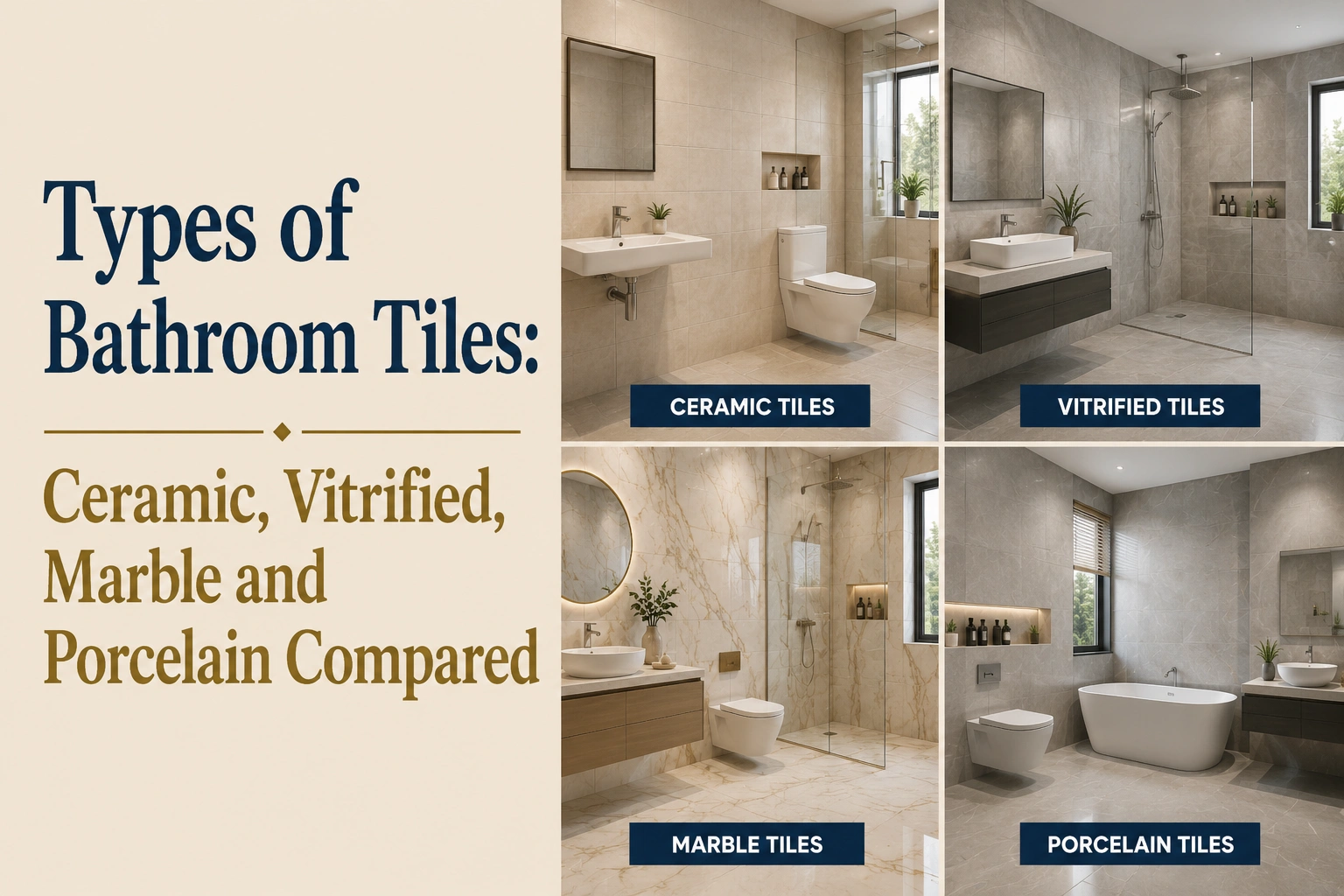
Types of Bathroom Tiles: Ceramic, Vitrified, Marble and Porcelain Compared
Compare ceramic, vitrified, porcelain & marble-look bathroom tiles for Indian homes. Explore ...
Read More
Top 10 Tiles Suppliers in Pune: Wholesale and Retail Directory for Floor, Wall, and Bathroom Tiles 2026
Pune Tile Guide 2026: Beat the heavy monsoons! Discover the city's top 10 verified showrooms and ...
Read More