
Stylish Kitchen Backsplash Ideas That Are Easy to Clean
Upgrade your kitchen with beautiful, practical, easy-clean backsplash ideas—from glossy classics ...


Loading designs...

















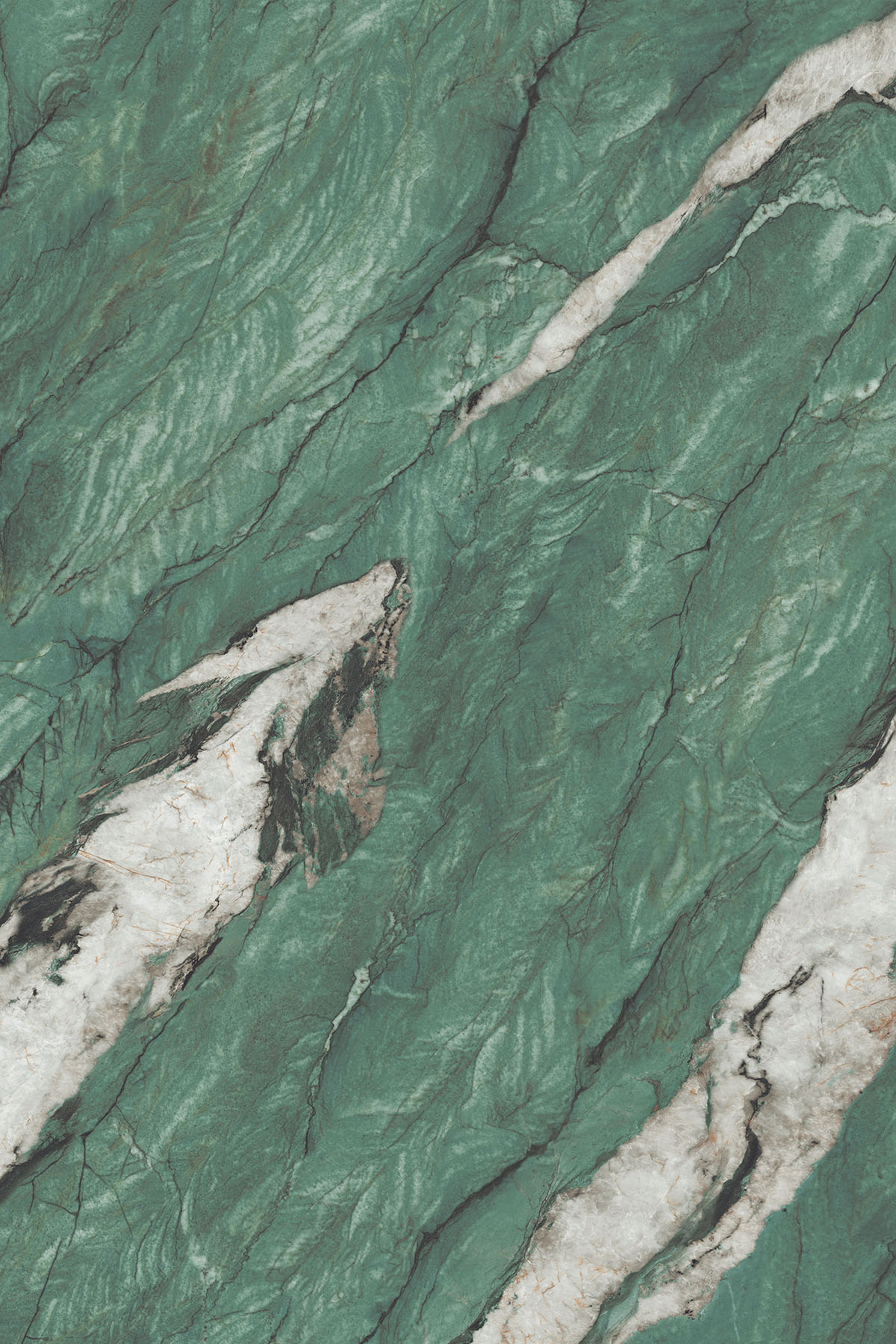
Green is the fastest-growing colour in Indian kitchen tiles. Five years ago, most buyers defaulted to white or grey. Today, sage, olive, dark green, and emerald options are regularly specified in new apartments, renovated kitchens, and open-plan homes across Gujarat, Maharashtra, and Delhi NCR. This page covers every green shade available in Indian kitchen tiles, which tile body and finish work for each shade, where green tiles go on walls versus floors, and how to pair green with the cabinet colours and countertop materials most common in Indian homes.
Green is not one colour. Buyers use shade names like sage, mint, olive, and emerald loosely, and what one person calls sage, another calls light green. Here is how the shades map to real tile options in the Indian market:
| Shade Name | Colour Description | Tile Look in a Kitchen | Works Best With | What to Avoid Pairing |
| Sage green | Grey-green, low saturation, almost dusty | Calm, muted; reads as a neutral from a distance | White, cream, warm timber cabinets; stone countertops | Bright orange or yellow cabinets; red tones |
| Light green / Mint green | Cool green with a blue or white undertone, high brightness | Fresh, airy; makes small kitchens feel larger | White cabinets, stainless steel appliances, light wood | Dark or heavily grained wood cabinets |
| Olive green | Yellow-green, warm and earthy, mid-to-low saturation | Grounded and warm; reads differently under artificial light | Cream, beige, terracotta cabinets; brass or gold fixtures | Cool grey countertops; stark white cabinets |
| Dark green | Deep, high-saturation green; bottle green or hunter green range | Dramatic; best used as a backsplash band or feature zone, not a full wall | White or off-white cabinets; marble countertops; brass hardware | Small kitchens without natural light; dark cabinet colours |
| Emerald green | Bright, jewel-toned, highly saturated green | Statement tile; commands full visual attention on the wall | White cabinets only; simple countertop materials like white quartz | Patterned countertops; any other saturated colour in the same room |
Sage kitchen tiles and light green tiles for the kitchen are the two most practical shades for Indian kitchens. They work in both north-facing kitchens (which get cooler light) and south-facing kitchens (which get warmer afternoon light). Dark green and emerald green are better suited to kitchens with strong natural light or well-planned artificial lighting, as they absorb light and can make poorly lit kitchens feel smaller.
All green kitchen shades are available in ceramic for kitchen wall applications. Ceramic tiles in 300x450 (12x18) and 300x600 (12x24) cover the backsplash and the wall strip above the counter. For full-height wall cladding from floor to ceiling, GVT in 2x2 or 2x4 gives a more even colour and fewer grout lines.
| Shade | Tile Type | Best Wall Size | Best Finish | Price Range (Rs./sq.ft) | Grout Recommendation |
| Sage green | Ceramic | 12x24 | Matte or Gloss | Rs. 45 to Rs. 85 | Off-white or warm grey; white grout creates a cleaner, crisper contrast |
| Light green / Mint green | Ceramic | 12x18 or 12x24 | Gloss or Sugar | Rs. 45 to Rs. 80 | White grout makes the colour read bright and fresh |
| Olive green | Ceramic or GVT | 12x24 or 2x2 | Matte | Rs. 50 to Rs. 130 | Warm beige or tan grout to match the yellow undertone of olive |
| Dark green | Ceramic or GVT | 12x24 or 2x4 | Gloss or Matte | Rs. 55 to Rs. 160 | Dark grey or anthracite grout for a seamless look; white grout for contrast |
| Emerald green | Ceramic | 12x18 or 12x24 | Gloss | Rs. 60 to Rs. 100 | White or pale grey grout to let the colour read clearly |
Note: 300x450 (12x18) and 300x600 (12x24) ceramic tiles are wall-only sizes. Do not use them on kitchen floors under any circumstances.
Sage green kitchen tiles are the most versatile green for Indian kitchens. The grey undertone in sage makes it behave more like a warm neutral than a bold colour. In a kitchen with warm timber lower cabinets and white upper cabinets, sage green ceramic on the backsplash reads as a considered accent without overpowering the space.
Sage kitchen tiles in 300x600 (12x24) gloss or matte ceramic are the most common specification. Gloss sage green has a slightly more saturated look because the glazed surface reflects light into the colour. Matte sage green reads softer and is the better choice in kitchens that already have reflective surfaces like stainless steel appliances or polished stone countertops.
For a full-height sage green wall in a larger kitchen, GVT tiles in 2x2 or 2x4 give a more consistent colour depth than ceramic because the GVT glaze is more uniform across large production runs. Sage GVT runs from Rs. 90 to Rs. 160 per sq.ft. Sage ceramic runs from Rs. 45 to Rs. 85 per sq.ft.
Sage green pairs best with: white or off-white cabinets, warm timber in teak or oak tones, cream or light beige cabinets, brass or brushed gold fixtures, and light stone countertops in white or cream quartz. Avoid pairing sage with cool grey cabinets as the two undertones work against each other.
Light green tiles for kitchen walls are the palest end of the green family. They have enough colour to read as green under daylight, but sit close enough to white that they do not dramatically change the feel of the space. This makes them a low-risk choice for buyers who want colour on the wall without committing to a strong hue.
Mint green kitchen tiles have a cooler, blue-leaning green tone. They suit kitchens with white cabinets, white countertops, and stainless steel finishes. In Indian kitchens with marble-effect quartz countertops in white and grey, mint green ceramic on the backsplash is one of the most visually cohesive combinations available.
Both light green and mint green ceramics are most commonly specified in 300x600 (12x24) gloss finish. The gloss picks up the cooler, brighter quality of these shades better than matte. Prices run from Rs. 45 to Rs. 80 per sq.ft for standard gloss ceramic in light green or mint. Light green tiles in a matte finish are available but less common and slightly harder to source from standard Indian manufacturer ranges.
Dark green kitchen tiles are used as a statement surface in Indian kitchens, not as a background colour. The most common application is the backsplash strip of two to three tile rows between the counter and the overhead cabinets, where dark green creates a strong contrast against white or cream cabinets without making the full kitchen feel enclosed.
Bottle green and hunter green ceramics in 12x24 gloss are the most available dark green options from Indian manufacturers. Dark green GVT in 2x2 or 2x4 is available at the higher price range and gives a richer colour depth because the GVT glaze has more layers than a standard ceramic glaze. Dark green kitchen tiles cost Rs. 55 to Rs. 160 per sq ft, depending on tile type and size.
Emerald green kitchen tiles are the most saturated option in the green family. They are best used in kitchens with abundant natural light and kept to the backsplash zone only. A full wall of emerald green in a standard Indian kitchen (8 by 10 ft or smaller) will dominate the space. On the backsplash strip with white grout and white cabinets above and below, emerald green reads as a confident, deliberate choice rather than an overpowering one.
Emerald is the most shade-sensitive green: the tile looks dramatically different under warm halogen lighting versus cool LED lighting. Always see an emerald green tile sample in the actual kitchen space under its installed lighting before ordering the full quantity.
Olive green kitchen tiles have a yellow undertone that makes them the warmest green in the family. Where sage reads as a cool grey-green and mint reads as a fresh blue-green, olive reads as earthy and grounded. This makes olive the best green for kitchens that lean toward traditional, transitional, or natural material themes: terracotta floors, wooden cabinets with a warm stain, stone, or Kota countertops.
Indian ceramic manufacturers less commonly stock olive than sage or dark green. Availability is wider in the GVT category,y where larger format tiles in an olive or khaki-green look are produced for the premium kitchen market. Olive ceramic in 12x24 matte tiles is available from select manufacturers in Morbi; check current stock before specifying.
Olive green pairs well with: cream or beige cabinets, warm timber in walnut or teak, brass and copper fixtures, terracotta accents, and natural stone countertops. It does not work well with cool white cabinets or stainless-heavy kitchens where the warm yellow undertone reads as muddy rather than grounded.
Green floor tiles for a kitchen are a less common request than green wall tiles, but the number of buyers asking has grown with the rise of maximalist and botanical kitchen themes. The rules for green kitchen floor tiles are stricter than for walls because finish constraints are harder on floors.
Green floor tiles kitchen options in India:
Note: Ceramic tiles in 300x450 and 300x600 must not be used on kitchen floors. Gloss, high gloss, satin matte, and semi-polished finishes must not be used on kitchen floors. For green kitchen floor tiles, use GVT or porcelain in matte or GHR finish only.
A green floor in a kitchen works best when the wall tiles are kept neutral. A sage green floor with white gloss ceramic on the walls is a clean, considered combination. A dark green floor with dark green walls in the same kitchen is too heavy for most Indian kitchen sizes.
Green subway tiles are ceramic in 12x18 or 12x24, wall-only, gloss or matte finish, and work best on the backsplash strip rather than the full wall. Sage and forest green are the most available colours from Indian manufacturers in the subway format.
If you want the subway tiles in a deeper or more unusual green (emerald, olive, dark bottle green), check current stock directly with the supplier. Less common shades in the subway format are not always held as standard production by all manufacturers and may need to be ordered in minimum quantities.
| Green Shade | Cabinet Colour Pairs Well | Countertop That Works | Fixture Finish | Grout Colour |
| Sage green | White, cream, warm timber (teak, oak) | White quartz, light grey stone, cream marble | Brass, brushed gold, matte black | Off-white or warm light grey |
| Light green / Mint | White, pale grey, stainless steel finishes | White or light grey quartz, white marble | Chrome, stainless steel, matte black | White or very pale grey |
| Olive green | Cream, beige, warm timber (walnut, teak) | Kota stone, warm beige quartz, natural travertine | Brass, copper, antique bronze | Warm beige or tan |
| Dark green | White, off-white, light cream | White or grey marble, white quartz, light Calacatta | Brass, matte black | Dark grey or anthracite |
| Emerald green | White only | White quartz or a simple, solid white surface | Brass or matte black only | White |
In Indian homes with brown or dark walnut modular kitchen cabinets, which are common in builder-finish apartments, sage green and olive green are the two shades that hold up well. Avoid mint or emerald with dark brown cabinets, as both shades look washed out against the dark wood.
| Your Kitchen Situation | Recommended Green Shade | Tile Type | Surface | Size |
| White modular kitchen, standard budget | Sage green or light green | Ceramic gloss | Backsplash wall | 12x24 |
| White cabinetswant as bold statement | Dark green or emerald | Ceramic gloss | Backsplash strip only | 12x24 |
| Warm timber cabinets, transitional style | Olive green or sage | Ceramic matte or GVT matte | Backsplash wall or full wall | 12x24 or 2x2 |
| Open-plan kitchen, full wall cladding | Sage green or dark green | GVT matte or matte carving | Full wall,l floor to ceiling | 2x4 |
| Green floor, neutral walls | Sage or dark green | GVT matte or GHR | Kitchen floor | 2x2 |
| Small kitchen, low budget | Light green or mint | Ceramic gloss | Backsplash strip | 12x18 or 12x24 |
| Natural material theme (wood, stone) | Olive green | Ceramic or GVT matte | Backsplash or full wall | 12x24 or 2x2 |
Always test a green tile sample in the kitchen space before ordering. Green reads very differently under natural daylight, warm LED, and cool fluorescent lighting. A shade that looks sage under cool light may look more olive under warm light. Take the sample home and check it under the actual lighting in the kitchen at different times of day.
Shade is the decision that matters most with green. The same tile reads differently under warm LED, cool fluorescent, and natural daylight, which is why checking a sample at home before ordering is non-negotiable. Green kitchen tiles from verified manufacturers in Morbi, Rajkot, and across Gujarat are available on TilesFinders, filtered by shade, finish, size, and tile type. Ceramic options start from Rs. 45 per sq. ft.; GVT in 2x2 and 2x4 runs from Rs. 90 to Rs. 180 per sq.ft. All ceramic meets IS 13630; all GVT meets IS 15622.
Yes. Sage green is a low-saturation, grey-leaning shade that reads closer to a neutral than a strong colour. In a small kitchen (under 80 sq.ft), sage green ceramic on the backsplash in gloss finish with white grout and white cabinets keeps the space feeling open. Avoid dark green or emerald in small kitchens as these absorb light and reduce the sense of space.
Yes, with the right tile type and finish. Use GVT in matte or GHR finish in a suitable floor size such as 2x2 (600x600). GVT has 0.05% water absorption per IS 15622 and is safe for kitchen floors. Do not use ceramic 300x450 or 300x600 tiles on floors. Do not use gloss, satin matte, or polished finish on any kitchen floor, including green tiles.
Sage green has a grey or blue undertone. It reads as a cool, muted green that sits closer to grey in low light. Olive green has a yellow undertone. It reads as a warm, earthy green that shifts toward khaki under artificial light. Sage pairs with cool whites and grey tones. Olive pairs with cream, beige, and warm timber. If your kitchen has warm wooden cabinets, olive will harmonise better. If your cabinets are white or cool grey, sage is the better fit.
Sage green and olive green both work with warm brown or dark timber cabinets. Sage softens the combination by adding a cooler contrast. Olive deepens it by adding a warm, earthy accent. Avoid mint green or emerald green with dark brown timber: mint looks washed out,t and emerald creates a colour clash that is hard to balance. Brass or antique bronze fixtures tie a green tile and dark timber combination together well.
No harder than any other colour. Dark green gloss ceramic cleans the same way as white or grey gloss ceramic: wipe with a damp cloth for daily splashes, use a mild degreaser for oil. The practical difference is that water marks and calcium deposits from hard water show up more visibly on dark tiles than on light ones. Wipe down the dark green backsplash after cooking to keep it looking clean between weekly cleans.
Yes. Mint green has a blue undertone that is more visible under cool LED or daylight. Under warm yellow lighting (such as warm-white LED or halogen), the blue in mint is suppressed, ed and the tile can read as a very pale green-grey. Always check a mint green tile sample under your kitchen's installed lighting before ordering. If your kitchen uses warm-white LEDs (2700K to 3000K), a slightly more saturated mint will hold its colour better than a very pale option.
Emerald green on the full kitchen wall is not recommended for most Indian kitchens. It is a high-saturation, jewel-toned colour that dominates a room quickly. The best use of emerald is the backsplash strip of two to three tile rows between the counter and cabinets. This gives the visual impact of the colour without making the kitchen feel smaller or heavily coloured. In a large open-plan kitchen with high ceilings and strong natural light, a full emerald wall on one side is possible, but it is a specialist design decision.
The grout choice changes the character of a green tile installation significantly. White grout with any green tile makes each tile read individually and creates a crisp, graphic pattern. Matching grout (grey-green or tone-matched) makes the wall read as a flat colour with less visible joins. For light green and mint, white grout is the most common choice. For dark green and emerald, dark grey or anthracite grout is cleaner. For sage and olive, a warm off-white or tan grout matches the earthy undertones of the tile.