

Blue and White Tiles for Floors, Bathrooms, and Backsplash
Loading designs...
-
3212 300x450Matte -
3809 300x450Matte -
3805 300x450Matte -
2008 300x450Matte -
3610 300x450Matte -
W Denver 12 300x600Matte -
8102 300x600Matte -
5213 300x600Matte -
5214 300x600Matte -
5801 300x600Matte -
5803 300x600Matte -
6312 300x600Matte -
1602 300x450Matte -
1603 300x450Matte -
1005 300x450Matte -
1605 300x450Matte -
1607 300x450Matte -
2204 300x450Matte -
1905 300x450Matte -
2217 300x450Matte
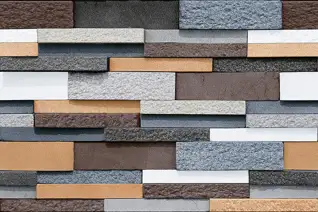
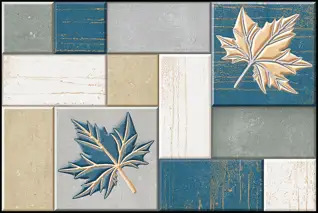
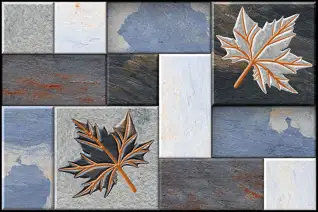
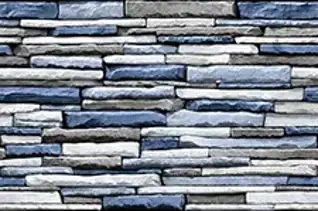
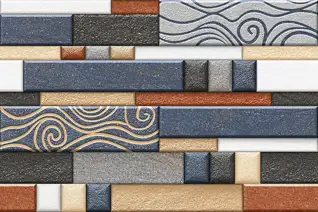
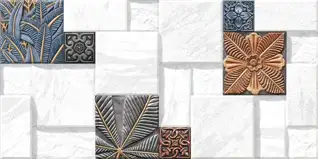
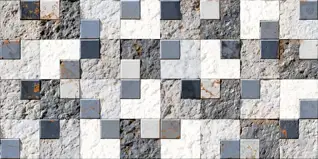
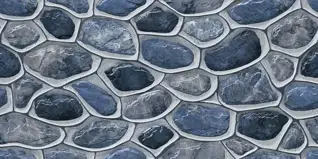
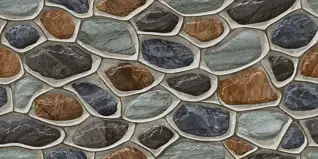
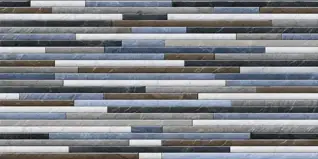
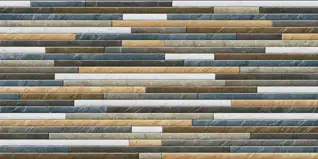
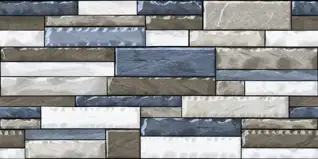
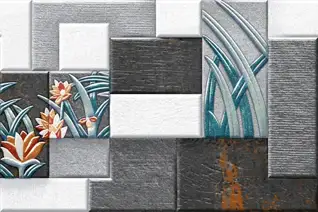
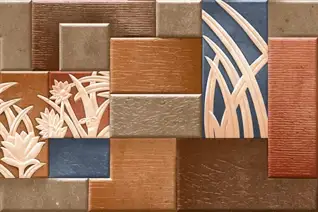
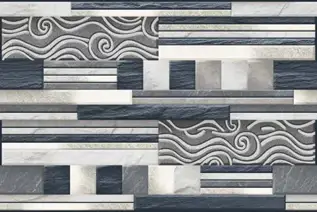
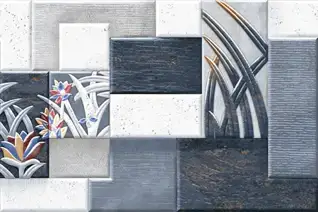
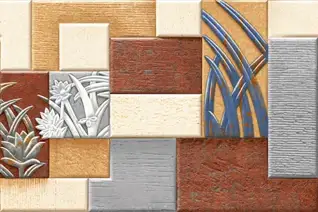
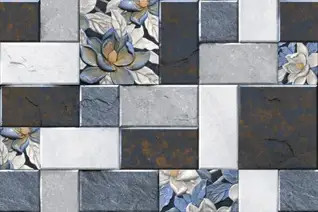
The blue and white combination is one of the oldest tile pairings in the world, tracing back to hand-painted Delft and Moroccan zellige work, and it remains one of the most searched two-colour combinations for Indian homes today. Blue and white tile floor designs work through pattern contrast rather than a single flat shade, which is why this combination reads as detailed and intentional even in a small room. Searches for blue and white tile floor styles have grown steadily as more Indian homeowners move away from flat single-colour flooring toward patterned statement floors. This page covers where the pairing works best, which patterns are searched for most, and how to pick sizes and finishes correctly for floors, bathrooms, and backsplash use.
Pattern Styles: What Blue and White Actually Means on a Tile
Blue and white can mean several different things depending on the tile. Blue and white patterned tiles usually carry a repeating Moroccan, Victorian, or encaustic-style print across a single tile face, giving a busy, decorative floor without needing to lay individual coloured pieces. Blue and white flower tiles carry a floral motif, popular for kitchen backsplash strips and bathroom accent walls rather than full floors, since a floral repeat across a large area can feel overwhelming. A third option lays plain blue tiles and plain white tiles together in a checkerboard or border layout, giving a cleaner, more graphic look than a printed pattern.
| Style | Best Use | Typical Size |
| Printed pattern (Moroccan, Victorian) | Full floor or feature wall | 200x200mm to 300x300mm |
| Floral motif | Backsplash strip, accent wall | 100x100mm to 150x150mm |
| Checkerboard (plain blue + plain white) | Kitchen or bathroom floor | 300x300mm to 600x600mm |
Blue and White Tiles Floor: Sizing and Layout
For blue and white tiles floor designs across a full room, smaller formats between 200x200mm and 300x300mm show the pattern clearly without looking chopped up, since these patterns depend on repeat frequency to read correctly from a standing height. Larger formats above 600x600mm are rarely used for a patterned blue and white tile floor layout, since the print would need to repeat within a single large tile and often looks distorted at that scale. Blue and white floor tiles in a plain checkerboard layout are the exception, where 300x300mm or 600x600mm plain tiles laid in alternating colours give a bold, graphic look without needing a printed pattern at all. Getting a blue and white tile floor layout right also depends on room shape: long, narrow rooms benefit from running the pattern along the length of the room rather than across it, which helps the space read as wider.
Note: Glossy blue and white porcelain tile should never be used on a bathroom or kitchen floor. Keep gloss finish for walls and choose matte or GHR finish for any blue and white tile floor installation in a wet area.
Blue and White Bathroom Tiles
Blue and white bathroom tiles remain one of the most requested combinations for both walls and floors, since the pairing reads as clean and coastal without being a single flat colour. Bathroom blue and white tiles typically use a printed pattern on the floor paired with plain white or plain blue tiles on the walls, keeping the room from feeling too busy overall. Blue and white bathroom floor tiles in matte or GHR finish hold grip safely, and a smaller pattern repeat, under 300x300mm, works best for compact Indian bathrooms since it avoids visually shrinking the floor.
Pro tip: For blue and white bathroom tiles, lay the patterned floor tile first and choose wall tile and grout colour to match one of the two shades already in the pattern, rather than introducing a third colour into the room.
Blue and White Tile Backsplash for Kitchens
A blue and white tile backsplash behind the kitchen counter is one of the most common ways to bring this combination into a home without committing an entire room to the pattern. Blue and white ceramic tile is the standard choice for a backsplash, since walls do not need the lower water absorption of porcelain, and ceramic costs less for the same printed design. Blue and white flower tiles and Moroccan-print blue and white patterned tiles both suit a backsplash strip well, usually run in a single row or a framed rectangle behind the stove or sink, rather than covering the full wall.
- Blue and white tile backsplash: keep the pattern to a single strip or framed area, not the full wall.
- Blue and white ceramic tile: standard choice for walls, lower cost than porcelain for the same print.
- Blue and white porcelain tile: better for any backsplash area near heavy grease or steam exposure.
- Blue and white wall tiles: pair well with plain white countertops to let the pattern stand out.
Ceramic vs Porcelain for Blue and White Designs
Blue and white ceramic tile absorbs 12% to 16% water and costs Rs. 30 to Rs. 70 per sq. ft., making it the standard pick for walls, backsplash, and any area that stays dry. Blue and white porcelain tile absorbs only 2% to 5% water and costs Rs. 65 to Rs. 150 per sq. ft., and it is the safer choice whenever the pattern needs to go on a floor or a consistently wet wall, like inside a shower enclosure. Both bodies come in the full range of pattern styles discussed above, so the choice mainly comes down to where the tile is going rather than which body carries which pattern.
Grout Choice for a Blue and White Tile Floor
Grout colour changes how sharp or soft a blue and white tile floor pattern reads once installed. White or off-white grout keeps the contrast crisp and matches the printed pattern's white sections closely, which is the standard choice for most blue and white tile floor installations in India. Light grey grout softens the contrast slightly and hides everyday dirt better than pure white, a practical trade worth considering for a high-traffic blue and white tile floor in an entryway or kitchen. Dark or navy grout is rarely used with this combination, since it breaks the pattern's continuity and can make the floor look unfinished rather than intentional.
- White or off-white grout: standard choice, keeps the pattern crisp and clean.
- Light grey grout: hides daily dirt better, slightly softens contrast.
- Avoid dark or navy grout with printed blue and white patterns, since it breaks pattern continuity.
Blue and White Tile Sourcing and Specifications
Blue and white porcelain and GVT tiles sold in India absorb 2% to 5% water, meeting IS 15622:2006 for floor use in bathrooms and kitchens when laid in matte or GHR finish. Blue and white ceramic tile for walls follows IS 13630 and remains the most common choice for backsplash and bathroom wall applications across Indian cities. Most blue and white tile stock, including both printed pattern and plain checkerboard styles, is manufactured in Morbi, Gujarat, alongside the wider blue and white tile range.
Blue and white tiles floor patterns hold up well through the Indian monsoon when the body is GVT or porcelain in matte finish, since the printed glaze layer does not affect slip resistance. Buyers ordering a blue and white patterned tile for a large floor area should always request a physical sample panel first, since a printed pattern can look very different once repeated across 100 sq.ft compared to a single tile in a catalogue photo.
Two-Tone Tile Range Ready for Any Room
Printed patterns, floral motifs, and plain checkerboard layouts in blue and white are catalogued together on Tilesfinders in ceramic and porcelain bodies sourced from manufacturers across Morbi and Gujarat. Sizes range from 100x100mm backsplash formats to 600x600mm floor tiles, with prices between Rs. 30 and Rs. 180 per sq.ft depending on body and pattern detail. Floor, wall, and backsplash options can all be compared together before deciding which pattern style suits a specific room.
FAQs
A checkerboard or Moroccan-print pattern works best for blue and white tile floor designs, since the contrast reads clearly even from across a room.
No. Blue and white bathroom tiles are easy to maintain with a weekly pH-neutral wipe, and the two-tone pattern hides everyday marks better than a single flat colour.
Small formats from 100x100mm to 150x150mm work best for a blue and white tile backsplash, since the pattern reads clearly at close viewing distance.
Yes, in matte or GHR finish GVT or porcelain. Glossy blue and white porcelain tile should stay indoors since the surface turns slippery when wet.
Blue and white patterned tiles cost Rs. 55 to Rs. 180 per sq.ft in India, depending on whether the body is ceramic or porcelain and how detailed the print is.
Yes. Blue and white flower tiles work well as a single accent wall or floor border in a modern bathroom, paired with plain white tiles for the rest of the room.
Blue and white ceramic tile is the standard choice for walls since walls do not need porcelain's lower water absorption, and ceramic costs less for the same pattern.
Most blue and white ceramic and porcelain tiles sold in India are manufactured in Morbi, Gujarat, though hand-painted patterned versions are sometimes imported.