

Blue Subway Tile and Metro Tile Shades Compared
Loading designs...
-
3212 300x450Matte -
3809 300x450Matte -
3805 300x450Matte -
2008 300x450Matte -
3610 300x450Matte -
W Denver 12 300x600Matte -
8102 300x600Matte -
5213 300x600Matte -
5214 300x600Matte -
5801 300x600Matte -
5803 300x600Matte -
6312 300x600Matte -
1602 300x450Matte -
1603 300x450Matte -
1005 300x450Matte -
1605 300x450Matte -
1607 300x450Matte -
2204 300x450Matte -
1905 300x450Matte -
2217 300x450Matte


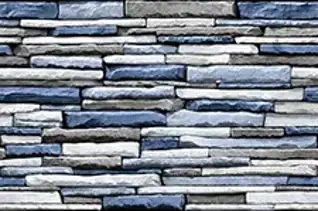
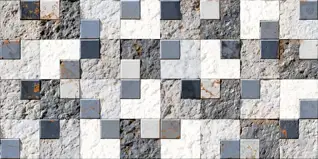
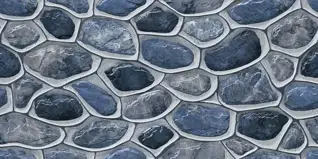
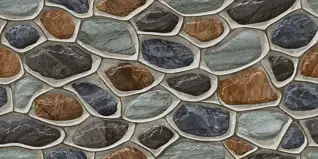
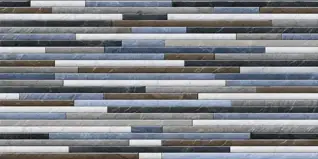
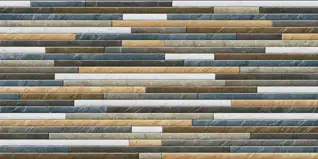



Blue subway tiles, also called metro tile, come in more shade variations than almost any other shape on Tilesfinders. The classic rectangular brick format stays constant across every option, so the real decision here is shade: light blue, dark blue, cobalt, blue-gray, or blue-green, each of which changes the mood of a room in a different way. Pale blue metro tiles and dark blue metro tiles sit at opposite ends of this range, and both are searched almost as often as the mid-tone shades in between. This page compares those shades directly, so the choice is easier before ordering samples.
Shade Comparison: Which Blue Subway Tile Fits Your Room
| Shade | Mood | Best Room Type |
| Light blue subway tile / pale blue subway tile | Airy, calm | Small bathrooms, bedrooms |
| Dark blue subway tile/night sky subway tile | Rich, dramatic | Larger bathrooms, feature walls |
| Blue-gray subway tile | Neutral, flexible | Kitchens, living rooms, any decor style |
| Blue green subway tile | Fresh, coastal | Kitchen backsplash, bathroom accent |
| Cobalt blue subway tile | Bold, saturated | Single accent wall or backsplash only |
Light blue subway tile and pale blue subway tile are close in shade but not identical: pale blue leans slightly greyer and more muted, while light blue stays closer to a true sky tone. Both work well across a full bathroom or kitchen wall since neither shade overwhelms a small room. Dark blue subway tile and night sky subway tile sit at the opposite end, with night sky typically the deepest, near-black option in this shade family, best reserved for a single wall or a room with strong artificial lighting to prevent the space from feeling closed in.
Blue Gray and Blue Green: The Two Cross-Undertone Shades
Blue-grey subway tile splits the difference between blue and neutral grey, which makes it the easiest shade in this range to pair with existing decor, whether the rest of the room leans warm or cool. It works particularly well in kitchens where the backsplash needs to sit between wood cabinetry and stainless steel appliances without clashing with either. Blue-green subway tile, often marketed as teal, carries enough green to read as coastal rather than purely nautical, and it pairs naturally with brass fixtures and white countertops in a kitchen backsplash setting.
Pro tip: When choosing between blue-gray subway tile and a straight blue shade, hold a sample against the room's existing flooring in daylight, since blue-gray can shift noticeably warmer or cooler depending on the undertone of nearby surfaces.
Layout Patterns for Blue Metro Tiles
The classic brick-bond layout, where each row of blue metro tiles is offset by half a tile from the row below, remains the most common pattern and suits every shade discussed on this page. A herringbone layout adds more visual movement and works especially well with pale blue metro tiles or light blue subway tile, since the lighter shade keeps the busier pattern from feeling too heavy. Vertical stacking, where blue metro tiles line up directly rather than offsetting, gives a cleaner, more graphic look and pairs well with dark blue metro tiles or cobalt blue subway tile on a single feature wall. Herringbone and vertical-stack layouts both need 10% to 15% more tile than a standard brick-bond layout to account for extra cutting at the edges.
Pro tip: For pale blue metro tiles in a herringbone layout, order at least 12% extra to cover the higher cutting wastage this pattern creates compared to standard brick-bond.
Blue Subway Tile Shower Walls: Finish and Size
A blue subway tile shower wall can use glossy, matte, or satin finish safely, since shower walls do not carry the same slip-resistance requirement as shower floors. Glossy blue metro tiles reflect more light in an enclosed shower space, which helps a small shower feel less cramped, while matte finish gives a softer, more contemporary look at a slight cost saving. Standard blue metro tiles measure 100x200mm, though a blue subway tile shower wall can also use a taller 100x300mm format to reduce the number of horizontal grout lines across the enclosure.
Note: A blue subway tile shower wall is fine in any finish, but the shower floor beneath it must stay matte or GHR regardless of what finish is used on the walls above.
Cobalt and Bold Shades: Where to Use Them
Cobalt blue subway tile is the most saturated option in this range and reads best in a contained area: a kitchen backsplash strip, a bar front, or a single bathroom accent wall rather than a full room. Used sparingly, cobalt blue subway tile creates a strong focal point without overwhelming the space, especially when paired with white grout and simple, unpatterned surrounding surfaces. Dark blue metro tiles in a less saturated navy shade offer a middle ground between cobalt's intensity and the calmer blue-gray or light blue options.
- Light blue subway tile and pale blue subway tile: full room coverage, calm and airy.
- Dark blue subway tile and night sky subway tile: single wall or well-lit, larger rooms.
- Blue-gray subway tile: pairs easily with both warm and cool decor.
- Blue green subway tile: kitchen backsplash, coastal-style bathrooms.
- Cobalt blue subway tile: accent strip or single feature wall only.
Blue Metro Tile Specifications for Indian Buyers
Blue metro tiles sold in India, whether ceramic or porcelain, follow IS 13630 and IS 15622:2006, respectively, both suitable for dry wall applications across bathrooms and kitchens. Standard blue metro tiles in the 100x200mm size are priced from Rs. 30 to Rs. 90 per sq. ft., depending on shade and finish, with cobalt and night sky shades typically at the higher end due to more complex glaze production. Most blue subway and metro tile stock across the full shade range is manufactured in Morbi, Gujarat.
Blue-gray subway tile and blue-green subway tile, being cross-undone shades, sometimes show more visible batch-to-batch variation than a plain blue shade, so buyers ordering a large quantity from Morbi should request matched batch numbers before installation begins.
One Catalogue, Every Body Type Included
Light blue, dark blue, cobalt, blue-gray, and blue-green subway tile shades sit together on Tilesfinders in ceramic and porcelain bodies sourced from manufacturers across Morbi and Gujarat. Sizes span the standard 100x200mm format through to taller 100x300mm shower-wall options, with prices between Rs. 30 and Rs. 90 per sq.ft, depending on shade and finish. All five shade families can be viewed side by side before deciding which one suits a specific room.
FAQs
Yes. Blue metro tiles and blue subway tile refer to the same rectangular brick-shaped tile, usually laid in a brick-bond pattern on walls.
Yes. A blue subway tile shower wall can use a glossy finish safely since walls do not need slip resistance, unlike shower floors.
Dark blue metro tiles cost Rs. 35 to Rs. 90 per sq.ft in India, depending on whether the body is ceramic or porcelain.
A night sky subway tile is a very deep navy or near-black blue subway tile, often with a subtle speckled or textured glaze finish.
Yes. A blue-green subway tile, often called teal, works well as a kitchen backsplash and pairs naturally with white cabinetry and brass fixtures.
Standard blue metro tiles measure 100x200mm (roughly 3x6 inches), though 75x150mm and 100x300mm variants are also common in India.
Yes. A blue-gray subway tile reads as more neutral than a pure blue shade, making it easier to pair with both warm and cool interior colour schemes.
Yes. Most blue subway and metro tile shades sold in India, from cobalt to pale blue, are manufactured in Morbi, Gujarat.