

Green Subway Tiles: Sage, Emerald, Olive and Mint Guide for Indian Interiors
Loading designs...
-
 10716-D
 -
 10716-HL
 -
10716-L
-
10719-HL
-
10726-HL
-
10731-D
-
10731-HL
-
10731-L
-
10732-D
-
10732-HL
-
10732-L
-
10735-D
-
10735-HL
-
10735-L
-
10737-D
-
10737-HL
-
10737-L
-
10738-D
-
10738-HL
-
10738-L


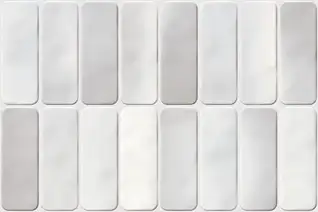




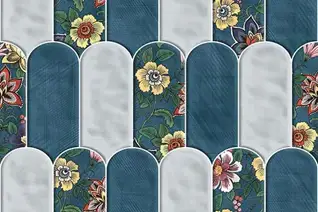


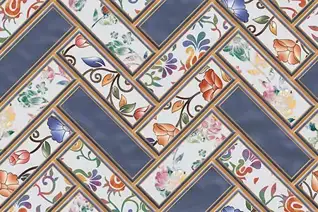

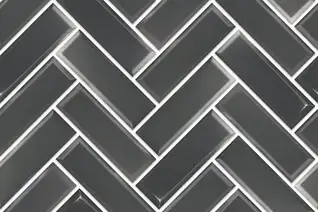
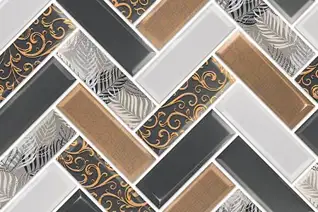

Green is the fastest-growing colour direction in Indian tile design, and the subway tile format is the shape that carries green most effectively in a kitchen or bathroom context. The rectangular subway proportion in green gives the wall a strong directional quality: the horizontal running bond creates a sense of organic growth and movement across the wall surface that flat square tiles in the same green cannot achieve. Green subway tiles from Morbi in ceramic and GVT are available across the full green spectrum, from the softest pale sage to the deepest bottle green and the richest emerald, each giving a room a different character while sharing the same warmth and botanical quality that makes green the signature colour of considered Indian interior design in the current period.
The appeal of green subway tiles in Indian homes has a specific cultural dimension. Green has long been associated with nature, growth, and vitality in the Indian colour tradition. In contemporary Indian interior design, this cultural resonance combines with a global trend toward botanical, biophilic interiors to make green subway tiles a tile direction that feels both current and culturally grounded. A sage green ceramic subway tile in an Indian kitchen backsplash or a dark emerald GVT subway on a bathroom feature wall reads as a deliberate, confident design choice that connects to something deeper than just a contemporary trend.
This page covers the full green subway tile spectrum: what makes each green tone distinct, which green works in which room and against which cabinet and wall colour, how finish choice (gloss vs matte) transforms the character of a green subway tile, how grout colour determines whether the green reads as botanical or graphic, and the specific Indian interior contexts where each green direction is most effective.
The Green Subway Tile Spectrum: Six Distinct Tones
Sage Green Subway Tile
Sage green is a grey-green with a warm, dusty quality that sits between the botanical freshness of pure green and the sophistication of grey. It is not a vibrant or saturated green: sage reads as a muted, composed colour that changes character noticeably under different light conditions. In morning natural daylight, sage green subway tiles appear cooler and greyer. Under warm evening LED lighting (2700K to 3000K, standard in Indian homes), the same sage tile shifts toward a warmer, more golden-green tone that gives the kitchen or bathroom a distinctly cosy, welcoming quality. This light-responsive character is one of the reasons sage green has become the most searched green tile direction in India: the tile looks different and interesting at different times of day and in different lighting conditions, which gives the room a living, dynamic quality.
Sage green ceramic or GVT subway tiles in 300x600mm in glossy or satin finish are the most practical direction for Indian kitchen backsplashes and bathroom walls. Sage works against white cabinets (the most used pairing in Indian modular kitchens), against warm wood cabinet faces (where sage and natural wood create an organic, earthy palette), and against light grey cabinets (where sage adds warmth to the cooler grey cabinet tone). Price range: Rs. 35 to Rs. 78 per sq ft.
Light Green and Mint Green Subway Tile
Light green and mint green subway tiles sit at the lighter, more refreshing end of the green spectrum. Mint green has a blue undertone that gives it a cool, aquatic quality: in a bathroom, mint green subway tiles read as clean, watery, and spa-like. Light green without the blue undertone is softer and warmer, with a spring-green freshness that suits children's bathrooms, compact utility spaces, and kitchen backsplash panels where the intention is a bright, cheerful surface rather than a composed, architectural colour statement.
Mint green ceramic glossy in 200x400mm or 300x600mm is particularly effective in compact Indian bathrooms where the light, reflective colour amplifies the sense of space. In a small bathroom with white wall tiles, a single feature wall in mint green ceramic subway tiles gives the space a botanical character that is cheerful and personal without overwhelming the compact room. Price range: Rs. 32 to Rs. 72 per sq ft.
Olive Green Subway Tile
Olive green is the earthiest and most complex green direction in the subway tile range. It has strong yellow and brown undertones that give it a warm, organic quality: olive reads less as a botanical colour and more as a natural earth tone. In a kitchen with warm wood cabinets, terracotta floor tiles, or warm beige countertops, olive green subway tiles give the cooking zone a Mediterranean or Southern Indian earthy palette that is rich and traditional without being heavy. Olive is less clean and contemporary than sage, less vibrant than emerald, and suits kitchen and bathroom contexts where the design intention is warmth and earthiness rather than crispness or drama. Price range: Rs. 35 to Rs. 78 per sq ft.
Emerald Green Subway Tile
Emerald green is a deep, jewel-toned green with a blue undertone that gives it a richness and depth that lighter greens cannot achieve. In a glossy ceramic or polished GVT subway proportion, emerald green tiles have a gem-like quality: the gloss surface amplifies the depth and richness of the emerald colour, giving the wall a surface that reads as luxurious from across the room. Emerald green subway tiles in a bathroom feature wall or kitchen backsplash panel against white cabinets and gold or brass hardware is one of the most dramatic and most design-forward tile directions available in the Indian market.
The emerald green and white subway tiles sibling pairing, where an emerald feature panel flanks white subway tiles on either side, gives the kitchen or bathroom a composed composition: the emerald reads as a deliberate accent against the white, and the white provides a clean, neutral frame that makes the emerald read at its richest. Price range: Rs. 40 to Rs. 88 per sq.ft.
Dark Green and Forest Green Subway Tile
Dark green and forest green subway tiles in the deepest register of the green spectrum give walls a dramatic, enclosed, and rich quality that makes a room feel intimate and considered. In a bathroom, dark green subway tiles on all four walls (or on a single feature wall against white tiles on the others) create a space with a garden-in-the-rain quality: deeply enclosed, richly coloured, and distinctly personal. Dark green is the subway tile direction that is furthest from the clean, contemporary aesthetic of white or grey subway and closest to the traditional Indian interiors of heritage homes, tea estates, and colonial-era bungalows.
Dark green subway tiles work most effectively in bathrooms that have adequate lighting: a dark green wall absorbs room light rather than reflecting it, which can make a poorly lit bathroom feel dark and enclosed negatively. With good overhead lighting and bright white floor tiles, a dark green subway tile bathroom reads as dramatic and rich rather than oppressive. Price range: Rs. 38 to Rs. 85 per sq ft.
Jade Green Subway Tile
Jade green sits between the sage family and the emerald family: it has more saturation than sage but more grey than emerald, giving it a muted jewel quality that is sophisticated without being dramatic. In the Indian cultural context, jade has specific resonance: the jade stone is associated with wisdom, harmony, and balance in both Chinese and broader Asian traditions, and jade green tiles carry this quality of composed, balanced colour into a space. Jade green subway tiles in a polished GVT or glossy ceramic in 300x600mm give a bathroom or kitchen feature wall a composed, premium colour quality. Price range: Rs. 38 to Rs. 82 per sq ft.
Green Subway Tiles and Cabinet Coordination
The single most important design decision with green subway tiles is the cabinet colour they sit against. Green reads completely differently against different cabinet backgrounds.
| Cabinet Colour | Best Green Subway Direction | Why It Works | What to Avoid |
|---|---|---|---|
| White or bright white | Any green from sage to emerald and dark green | White provides a clean, neutral backdrop; the green reads at full strength with maximum contrast | A very dark green against white can feel heavy in a compact space; use dark green in larger bathrooms or as a partial feature wall |
| Light grey or greige | Sage, olive, or jade green | The cool grey cabinet with a warm green tile creates a composed, sophisticated kitchen | Bright or saturated emerald against grey can look cold; sage and olive warm up the grey cabinet tone |
| Warm wood or teak finish | Sage, olive, or dark forest green | Wood and green are natural material partners; the warm wood and warm green create a botanical, organic kitchen | Mint or light green can look washed out against warm wood; deeper greens create better contrast |
| Dark grey or charcoal | Sage green or light green only | Dark cabinets need a lighter tile to prevent the kitchen from becoming enclosed | Dark green against dark cabinets creates a heavy, light-absorbing composition that suits only the most dramatically intentional design |
| Navy or deep blue | Sage or light green | Two cool, composed colours create a sophisticated, jewel-box quality | Emerald or dark green against navy creates competing jewel tones that can look unresolved |
Green Subway Tiles in the Kitchen
The kitchen is where green subway tiles are most searched and most installed in Indian homes. A green subway tile backsplash behind the cooking hob or above the kitchen worktop gives the kitchen its defining colour character. In Indian modular kitchens where the cabinet colour is often white or light grey, the green subway backsplash is the one surface that introduces colour and personality to an otherwise neutral kitchen. The full kitchen backsplash application for green subway tiles and how they coordinate with countertop materials is covered in the outdoor tiles section. For the kitchen backsplash specifics, including zone-by-zone guidance and countertop pairing for coloured subway tiles, the kitchen-specific guide gives full details on Indian cooking conditions and practical maintenance.
Practical considerations for green subway tiles in an Indian kitchen: at the hob zone, a glossy ceramic or GVT green tile wipes clean of cooking oil and turmeric as easily as white. The green tile shows oil marks less readily than white, which is a practical advantage in a kitchen that cooks Indian food daily. Turmeric on a deep green tile wipes off cleanly; turmeric on a white tile requires more diligent, immediate wiping. A sage or olive green subway tile at the hob zone is one of the most maintenance-friendly coloured backsplash tile directions in Indian kitchen use.
Green Subway Tiles in Bathrooms
Green subway tiles in an Indian bathroom give the space a botanical, spa-quality character that white and grey tiles cannot deliver. The specific green direction determines the bathroom's overall character: mint green gives a fresh, clean, aquatic quality; sage gives a warm, earthy, composed quality; emerald gives a rich, jewel-box quality; dark green gives an intimate, dramatically enclosed quality.
Green subway tiles in a living room tiles adjacent bathroom, or an ensuite bathroom can be coordinated with the adjacent room's colour palette: a living room with botanical green accessories, warm wood furniture, and terracotta accents connects naturally to a bathroom with sage or olive green subway tiles that extend the earthy green palette from the living space into the private space. This palette continuity across adjacent rooms gives the home a designed, considered quality where the tile is part of the room's total colour conversation rather than an isolated decision.
Finish and Gloss: How Surface Treatment Changes Green
The finish choice is more transformative for green subway tiles than for most other colours because green has a wide range of natural and synthetic associations that the finish amplifies or suppresses.
Glossy ceramic green: The glossy surface amplifies the colour saturation of green, giving the tile a brighter, more vibrant quality. A glossy sage green reads as more saturated and botanical than the same sage in matte. Glossy green ceramic is the easiest to clean and the most light-reflective direction, making compact bathrooms and kitchens with glossy green subway tiles feel brighter than the same room with matte green.
Satin or eggshell finish green: The satin finish gives green a softer, more composed quality. The reduced reflectivity of satin compared to gloss gives the green tile a more earthy, less jewel-like character: sage in satin matte reads as closer to a natural plant leaf than to a glazed botanical tile. This is the most sophisticated finish for sage and olive green subway tiles, where the design intention is a natural, organic interior quality.
Matte green: Full matte green gives the tile its most natural and earthy quality: the colour appears deeper and richer than in gloss because the matte surface does not reflect competing light that lightens the perceived colour. A matte dark green or forest green subway tile reads as the closest manufactured tile equivalent to a natural painted surface or a moss-covered stone wall. Matte green tiles require more diligent cleaning in the kitchen hob zone, but are fully practical on bathroom walls and general backsplash zones.
Polished GVT green: Polished GVT in emerald, jade, or deep green gives the tile a jewel-like translucency quality that is the closest tile equivalent to green glass tiles. The polished surface amplifies the depth of the green colour in a way that ceramic gloss cannot match. For the highest-quality green tile backsplash or bathroom feature wall, polished GVT in emerald or jade gives the wall a surface that reads as genuinely premium.
Grout Colour for Green Subway Tiles
Grout colour is a significant design decision for green subway tiles because the grout joint on a green tile is highly visible and changes how the green surface reads from across the room.
White grout with green subway: The white grout lines create a graphic grid across the green surface, making each tile's rectangular boundary clearly visible. The green tile and white grout create a high-contrast botanical-and-white composition that reads as crisp and energetic. This is the most used grout direction for green subway tiles in Indian contemporary kitchens: the white grid against the green field gives the backsplash maximum visual clarity.
Matching green grout with green subway: Epoxy grout in a tone matching the green tile makes the tile joints nearly invisible from a distance. The green surface reads as a continuous botanical plane rather than a grid. This is the most sophisticated direction for dark green and forest green subway tile bathrooms, where the design intention is a seamless, enclosed botanical quality. The matching grout requires an epoxy specification to maintain colour consistency: cement grout in a matching green tone will fade and stain unevenly over time.
Grey grout with green subway: Mid-grey grout with green subway tiles creates a balanced, composed surface where the grout is visible but does not dominate. Grey grout with sage or olive green gives the wall a natural stone or terracotta tile quality: the grey joint reads as a natural material boundary between the green tiles. This is the most practical direction for high-maintenance kitchen zones where a pure white grout would stain and a matching green grout would be difficult to maintain.
Dark or black grout with green subway: Dark grout with green subway tiles gives the wall an Art Deco or jewel-box quality: the dark joint lines create a strong graphic grid across the green field that reads as deliberately designed and bold. Dark grout with emerald or jade green polished GVT gives a bathroom feature wall a dramatic, hotel-suite quality. Dark grout requires an epoxy specification to prevent staining from cleaning products over time.
Polished GVT Green: The Glass-Look Subway Direction
Polished GVT in emerald, jade, and deep green in a subway proportion gives the wall the jewel-like reflective depth that makes green glass tiles one of the most aspirational backsplash and bathroom tile directions. A polished emerald GVT in 300x600mm in a horizontal running bond gives a bathroom or kitchen backsplash a rich, luminous quality that amplifies the depth of the green colour and catches light in a way that matte or satin green tiles cannot achieve. The non-porous GVT body is more durable in kitchen and bathroom conditions and maintains its jewel-like surface quality over years of daily use. Price range: Rs. 42 to Rs. 95 per sq ft for polished GVT in green tones.
Green Subway Tiles with Other Colours: Pairing Guide
| Green Tone | Best Complementary Colours | Accent Colour | Avoid |
|---|---|---|---|
| Sage green | White, warm grey, warm wood, brass | Terracotta, warm beige, cream | Navy or strong blue (competing cool tones); strong red |
| Mint green | White, pale grey, chrome fittings | Light blue accents, white sanitaryware | Warm wood (contrast is jarring); deep terracotta |
| Olive green | Terracotta, warm wood, cream, aged brass | Rust, ochre yellow, warm sand | Bright white (too stark a contrast); cool grey |
| Emerald green | White, gold/brass, black | Navy accent, deep burgundy | Another saturated colour; keep the surroundings neutral to let the emerald read |
| Dark forest green | White, cream, natural wood, brass | Terracotta, warm ivory | Dark cabinet colours (too enclosed); no strong colour accents needed |
| Jade green | White, warm grey, brushed brass | Sage green accent, warm ivory | Strong yellow or orange (competing warm tones) |
Green Subway Tiles in Other Applications
Beyond the kitchen backsplash and bathroom walls, green subway tiles have specific applications in Indian homes that are less commonly covered. In an entrance outdoor tiles adjacent zone or a covered verandah wall, sage or olive green ceramic subway tiles in a running bond give the transition space between outdoor and indoor a botanical quality that connects the greenery of the exterior landscape to the interior space. GVT in sage or forest green on a covered verandah wall (not an open outdoor surface) gives the transitional space a composed, designed quality. For fully outdoor exposed surfaces, the tile must be GVT in matte or rough anti-skid finish with appropriate outdoor specification.
In a geometric tiles context, green subway tiles can be paired with Moroccan-look or encaustic-look green and white geometric tiles as a focused hob panel with plain green subway tile on either side: the geometric panel introduces pattern at the focal point while the plain subway tile provides a visually restful border. This combination gives the kitchen backsplash a composed, designed quality where the subway tile acts as both a standalone tile direction and a complementary frame for a more decorative tile panel.
Green Subway Tiles Pricing from Morbi
| Green Direction | Body Type | Format | Finish | Retail Price (Rs./sq.ft) |
|---|---|---|---|---|
| Sage green ceramic | Ceramic | 200x400mm, 300x600mm | Glossy or Satin | Rs. 35 to Rs. 78 |
| Mint or light green ceramic | Ceramic | 200x400mm, 300x600mm | Glossy | Rs. 32 to Rs. 72 |
| Olive green ceramic or GVT | Ceramic or GVT | 300x600mm | Glossy or Matte | Rs. 35 to Rs. 80 |
| Emerald green ceramic or GVT | Ceramic or GVT | 300x600mm | Glossy or Polished | Rs. 40 to Rs. 88 |
| Dark or forest green GVT | GVT | 300x600mm | Glossy or Matte | Rs. 38 to Rs. 85 |
| Jade green GVT | GVT | 300x600mm | Polished or Satin | Rs. 38 to Rs. 82 |
| Polished GVT emerald or jade | GVT | 300x600mm | Polished | Rs. 42 to Rs. 95 |
Choose Your Green Subway Tile
Green subway tile selection starts with the specific green tone that suits the room's design intention (sage for warmth and versatility, mint for freshness and light, olive for earthiness, emerald for drama, dark green for intimacy, jade for composed sophistication), then the cabinet and wall colour it will sit against. Browse green ceramic and GVT subway-look tiles in all tones and finishes on TilesFinders before settling on the finish (gloss for maximum colour richness, satin for natural material quality, matte for earthy depth, polished GVT for jewel-like premium finish) and the grout colour that defines how the green surface reads in the room.
FAQs
Sage green ceramic glossy in 300x600mm in a horizontal running bond with white or grey epoxy grout is the most searched and most installed green subway tile direction in Indian contemporary interior design. Sage works against white, grey, and warm wood cabinets, responds attractively to warm LED lighting, and gives both kitchens and bathrooms a warm, botanical character. Price range: Rs. 35 to Rs. 78 per sq ft from Morbi.
Sage green is a muted grey-green with a warm, dusty quality that reads as composed and sophisticated. Olive green is an earthy yellow-green with brown undertones that reads as warm, organic, and Mediterranean. Emerald green is a deep, jewel-toned blue-green with a rich, luxurious quality that reads as bold and premium. Sage is the most versatile for Indian interiors; olive is the warmest and suits traditional or earthy palettes; emerald is the most dramatic and requires neutral surrounding surfaces to read at its best.
Yes. Green subway tiles in any tone are fully appropriate for Indian bathroom walls. Mint and light green give a bathroom a fresh, spa-like quality. Sage gives a warm, botanical quality. Emerald and dark green give a rich, intimate quality. The tile body type and finish must suit the bathroom application: GVT or ceramic in glossy or satin finish on walls, with epoxy grout at the shower zone. Polished or glossy green tiles on bathroom walls are easy to wipe clean and maintain. Green tiles must not be used on bathroom floors without an anti-skid matte or textured finish specification.
White grout with sage green subway tiles creates a crisp, graphic botanical composition where the white grid lines are clearly visible against the sage field. This is the most used direction for Indian kitchen backsplashes in sage green. Grey grout creates a more composed, earthy composition where the grout reads as a natural material boundary. Matching sage epoxy grout creates the most seamless surface where the tiles read as a continuous botanical plane. Dark grout with sage green gives an Art Deco, jewel-box quality for a more dramatic design intention.
Individual green glass subway tiles are not part of the standard ceramic and GVT production range from Morbi. The jewel-quality depth of green glass tiles is achieved in the tile range through polished GVT in emerald or jade green in a subway proportion. Polished GVT in deep green has a luminosity and depth comparable to green glass tile from the standard room viewing distance. Price range: Rs. 42 to Rs. 95 per sq.ft for polished green GVT subway tiles from Morbi.
Glossy finish amplifies green's colour saturation, making the tile appear brighter and more vibrant. Satin or eggshell finish softens the colour to a more composed, earthy quality. Matte finish deepens the colour and gives the tile a natural material character closest to a plant leaf or moss. Polished GVT in green gives the highest jewel-like depth, closest to glass tile quality. For kitchen backsplashes where ease of cleaning is a priority, a glossy or satin finish is more practical. For bathroom feature walls where the visual character is more important, any finish is appropriate.