

White Subway Tiles: Surface, Tone and Room Guide for Indian Interiors
Loading designs...
-
 10716-D
 -
 10716-HL
 -
10716-L
-
10719-HL
-
10726-HL
-
10731-D
-
10731-HL
-
10731-L
-
10732-D
-
10732-HL
-
10732-L
-
10735-D
-
10735-HL
-
10735-L
-
10737-D
-
10737-HL
-
10737-L
-
10738-D
-
10738-HL
-
10738-L



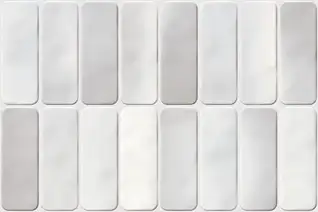


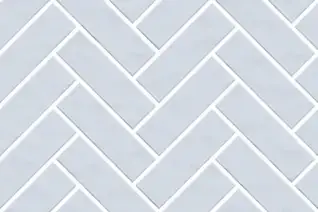

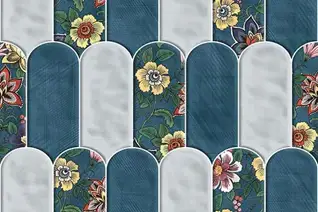




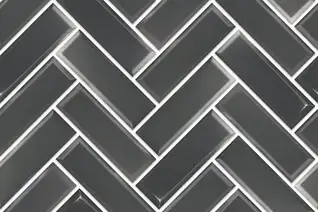
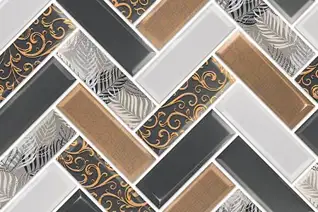
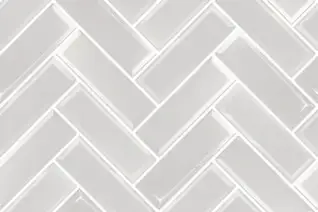
White is the colour that makes the subway tile format what it is. The original New York subway tile was white, and the enduring appeal of the white subway tile is inseparable from the tile's rectangular proportion and running bond pattern. White gives the subway tile its most fundamental character: the rectangular grid on a white surface reads as both pattern and light simultaneously, creating a wall that seems to glow from within in good lighting. In the Indian tile market, white subway tiles in ceramic and GVT are the most produced, most stocked, and most installed direction in the subway proportion category. They are available in every surface variant, from the smoothest high-gloss ceramic to the most textured artisan-look wavy tile, and in every tone from pure cool white to warm ivory and off-white.
The decision within white subway tiles is not simply 'white': it is which white, which surface, and which body type. A pure, bright white glossy ceramic gives a wall a maximum-brightness, clinically clean quality. A warm ivory satin ceramic gives the same subway proportion a domestic, welcoming warmth. A bevelled white GVT gives the surface dimensional depth under directional lighting. A wavy or textured white ceramic gives the wall an artisan, handcrafted quality. A polished white GVT gives a near-glass quality of light reflection. Each of these reads completely differently in a room, and each suits a specific room context and design intention. This page covers those distinctions in full.
White Subway Tile Tones: Which White for Which Room
White is not a single colour. The white tile range spans from cool, blue-undertone bright white to neutral pure white to warm, yellow-undertone ivory and cream. In the subway tile range specifically, the tone of white affects how the wall reads in Indian interior lighting conditions (which are typically warm LED at 2700K to 3000K colour temperature).
Cool bright white: Pure white with a slight blue undertone. In warm LED lighting, cool white tiles appear more neutral than in daylight: the warm light source and the cool white tile average to a clean, crisp white that reads as professional and precise. Best suited to contemporary Indian kitchens and bathrooms where the design intention is a clean, modern aesthetic. Can read as slightly clinical in small or enclosed spaces.
Neutral pure white: White without a strong undertone in either direction. The most versatile white: reads as clean in warm LED, reads as bright in natural daylight, and coordinates with both warm and cool colour palettes in the adjacent room. The standard white ceramic subway tile from Morbi is typically in this neutral range. The most widely applicable white subway tile direction for Indian residential use.
Warm white and off-white: White with a yellow or cream undertone. In Indian warm LED lighting, warm white tiles glow with a buttery, domestic quality that cool white cannot achieve. Off-white and warm ivory subway tiles are particularly effective in Indian kitchens and bathrooms with warm wood cabinet faces, cream sanitaryware, and brass or gold hardware, where a cooler white would look mismatched. The most forgiving white tile direction for Indian homes, where the colour palette is warm throughout.
Ivory and cream: The warmest end of the white tile range, with a visible cream or beige undertone. Ivory subway tiles read as a warm neutral rather than a true white, which gives them more design character than plain white but less versatility across colour palettes. Ivory subway tiles suit traditional Indian interiors and heritage-style bathrooms where the design intention is warmth and domesticity rather than contemporary precision.
White Subway Tile Surface Variants
White Gloss Subway Tiles
White glossy ceramic tiles in a subway proportion are the most produced and most installed white subway tiles in the Indian market. The smooth, highly reflective gloss surface amplifies the light in a room: in an Indian bathroom or kitchen with ceiling LED lighting, a white glossy subway tile wall reflects light both forward into the room and across the tile surface in a way that increases the perceived brightness of the space. White gloss subway tiles are the most practical white subway direction for Indian kitchens because the smooth surface wipes clean of cooking oil, turmeric, and water marks with a damp cloth. Price range: Rs. 28 to Rs. 62 per sq.ft.
White Bevelled Subway Tiles
White bevelled subway tiles have a raised centre field and angled edges that create a shadow line at each tile border. In white, the bevel adds dimensional depth to the tile surface that is invisible in flat light but appears clearly in directional lighting: the angled edge creates a highlight-and-shadow pair that gives the wall a subtle three-dimensional quality. White bevelled subway tiles are particularly effective in Indian bathrooms with directional downlighting or wall sconces, where the bevelled edge reads as a fine shadow line that gives the white wall a rich, crafted character. In flat ambient light, the bevel is barely visible, and the wall reads as a plain white surface. Price range: Rs. 40 to Rs. 85 per sq ft.
Textured White Subway Tiles
Textured white subway tiles have an irregular surface across the tile face that gives the white surface a handcrafted, artisan quality. The texture scatters light rather than reflecting it in one direction, which gives the white tile wall a softer, more diffuse brightness than the sharp reflectivity of a gloss tile. In an Indian bathroom or kitchen with warm LED lighting, a textured white subway tile wall glows with a warm, even brightness that is less intense than gloss but more visually alive than matte. Textured white subway tiles are best suited to spaces where the surface character of the tile is part of the design intention rather than a neutral background.
The practical consideration for textured white subway tiles in an Indian kitchen: the textured surface holds cooking oil residue more readily than a smooth gloss tile. At the hob zone specifically, a textured white tile requires more diligent cleaning than a smooth gloss tile to maintain its white appearance. For the general backsplash zone away from the hob and sink, textured white tile is a valid and beautiful direction. Price range: Rs. 42 to Rs. 88 per sq ft.
Wavy White Subway Tiles
Wavy white subway tiles have a pronounced ripple or wave pattern across the tile face that catches and scatters light in a dynamic, directional way. In white, the wave pattern creates a surface that reads as active and dimensional from across the room: the highlights and shadows created by the wave geometry give the white wall a continuously varying surface quality that changes as the viewing angle changes. Wavy white subway tiles are one of the most design-forward white tile directions in contemporary Indian interior design, used in premium bathrooms, boutique cafe walls, and residential feature walls where the surface quality of the tile is a deliberate design statement. Price range: Rs. 45 to Rs. 92 per sq ft.
Handmade Look White Subway Tiles
Handmade look white subway tiles are ceramic tiles with intentional surface variation: slight differences in the glaze colour (from pure white to warm cream to pale grey within the same tile), irregular edges that give each tile a slightly different outline, and glaze pooling that creates depth variation across the tile face. This artisan quality is achieved through the ceramic manufacturing process rather than actual hand-making: the variation is deliberate and consistent enough that the tiles create a composed handcrafted surface without the extreme variation of actual hand-made tiles.
Handmade look white subway tiles reference the aesthetic of traditional Zellige tiles, Portuguese azulejo tiles, and Victorian encaustic tiles without the cost and fragility of actual artisan products. In a contemporary Indian bathroom or feature wall, handmade-looking white subway tiles give the space a warmth and personality that machine-smooth gloss tiles cannot deliver. The slight variation in each tile means the grout joints read as less mechanical, and the wall surface reads as more personal and crafted. Price range: Rs. 45 to Rs. 95 per sq ft.
White Subway Tile and Grout: The Most Critical Decision in White
The relationship between white tile and grout colour is more consequential for white subway tiles than for any other colour direction. On a coloured tile, the grout is a secondary decision. On a white subway tile, the grout is potentially the most visible design element on the wall, because the grout lines are seen against the white tile surface, and the contrast between the grout and the tile determines the entire visual character of the wall from across the room.
White grout with white subway tile: The tiles and joints merge into a single continuous white surface. The tile boundaries become visible only at close range. This creates the most seamless white wall: a surface that reads as a white plane with subtle texture at close range and as a clean white expanse from across the room. This direction suits spaces where the white is the design (not the pattern): all-white bathrooms, minimal kitchens, and feature walls where the white tile is the intended surface quality.
Light grey grout with white subway tile: The grey joint lines grid appears across the white surface, making the individual tile boundaries clearly visible from room distance. This is the most used grout direction for white subway tiles in Indian contemporary kitchens and bathrooms: the grey grid gives the white surface more design character than white-on-white without introducing a strong colour. The grey lines read as the design element on the white tile wall.
Dark grout with white subway tile: The dark joint lines (charcoal, dark grey, or black) create a high-contrast grid on the white surface. The white tile and dark grout combination is one of the strongest graphic tile directions available: the tile shape reads with maximum definition, and the wall has a bold, graphic quality. This direction suits contemporary, bold design intentions and compact spaces where the graphic quality of the wall is a deliberate feature.
Coloured grout with white subway tile: A terracotta, sage green, or navy grout with a white subway tile introduces a colour element entirely through the grout joint. This is an unexpected and effective direction for spaces where the design intention is to add colour without changing the tile: the white tile provides a neutral base, and the coloured grout becomes the colour statement.
White Subway Tiles in Bathrooms
The most natural home for white subway tiles in an Indian home is the bathroom tile wall. White subway tiles in an Indian bathroom give the space a brightness, cleanliness, and hotel-quality completeness that no other tile colour achieves as consistently. The white tile surface reflects bathroom lighting back into the compact bathroom space, increasing the perceived brightness and spaciousness of small Indian bathrooms. Full-height wall tiling from floor to ceiling in white subway tiles in 300x600mm portrait orientation gives a compact Indian bathroom a seamless, hotel-like quality.
White subway tiles in a bathroom with coloured floor tiles create a classic Indian bathroom composition: the white tile wall provides a neutral, receding background that lets the floor tile colour or pattern read clearly from across the bathroom. A white subway tile wall with a terracotta-look GVT floor, a black and white chequerboard floor, or a deep green mosaic-look floor all benefit from the white subway wall, giving the floor maximum visual prominence. Price range: Rs. 28 to Rs. 88 per sq ft for white subway bathroom wall tiles from Morbi.
White Subway Tiles in Bedrooms
White subway tiles in a bedroom are used as feature wall panels behind the headboard, as accent panels in the bathroom attached to the bedroom, or as architectural detail panels in contemporary Indian bedroom design. A white bevelled or textured subway tile panel on the headboard wall in a bedroom gives the surface a composed, hotel suite quality: the white tile recedes as a background but gives the wall more character and permanence than painted plaster. In a bedroom with warm wood furniture and warm textile colours, a warm white or ivory subway tile panel on the headboard wall gives the bedroom a timeless, residential-hotel quality.
White Subway Tiles in Kitchen Backsplash Applications
White subway tiles in an Indian kitchen backsplash perform differently depending on the specific zone. At the hob zone, white glossy ceramic or polished GVT is the most practical choice: the smooth surface wipes clean of turmeric, cooking oil, and tamarind splatter with a damp cloth and standard kitchen detergent. Turmeric on a white glossy surface cleans off immediately if wiped while fresh; left to dry, it requires slightly more effort but still cleans without permanent staining on a non-porous GVT or ceramic gloss surface.
Warm white and off-white are more forgiving at the hob zone than pure bright white. Indian cooking with daily use of oil and steam gradually gives the air above the hob a warm, slightly yellowed quality over months of use. Against pure cool white tiles, this ambient tinting is more visible than against warm white or ivory subway tiles, which absorb the warm tone without showing it as a contrast. For a kitchen that cooks Indian food daily, warm white or ivory glossy subway tile at the hob zone is a more practical long-term direction than bright cool white.
For how to coordinate white subway tiles with specific cabinet colours and countertop materials, and which orientation suits different Indian kitchen sizes, the subway tile backsplash guide covers the full coordination approach.
White Subway Tile Body Types: What Differences Are Visible in White
Body type differences between ceramic, GVT, and porcelain are more visible in white subway tiles than in coloured subway tiles because white has no colour to mask the differences in surface quality.
White ceramic subway tile: The most produced and most affordable white subway tile from Morbi. Ceramic white in gloss finish is slightly less reflective than GVT polished at the same visual distance: the ceramic glaze has a marginally softer sheen than the vitrified GVT glaze. For most Indian residential backsplash and bathroom wall applications, the difference is not visible without direct comparison. Price: Rs. 28 to Rs. 62 per sq.ft.
White GVT subway tile: GVT in white in polished or satin finish gives a harder, more brilliant surface quality than ceramic. The polished GVT surface in white gives the tile a near-glass reflectivity that is particularly effective in bathrooms and kitchens where the wall is seen under directional lighting. The GVT body is harder and denser than ceramic, with water absorption below 0.05% under IS 15622:2006. Price: Rs. 38 to Rs. 80 per sq.ft.
White porcelain subway tile: Porcelain white in 2% to 5% water absorption gives the wall a dense, quality surface. In white, porcelain, and GVT are visually near-identical from standard room viewing distance. Porcelain becomes the stronger specification in wet area wall applications, where the lower water absorption of porcelain vs ceramic offers a performance advantage. Price: Rs. 40 to Rs. 85 per sq.ft.
White marble-look subway tile: GVT in a Carrara or Statuario marble-look surface design in a subway proportion gives the wall the premium visual quality of marble veining in a white ground. White marble subway tiles are used in premium Indian bathrooms and kitchens where the white tile direction needs more visual richness than plain white. The marble veining on a white ground in a subway proportion creates a composed, luxurious wall surface. Price: Rs. 50 to Rs. 105 per sq.ft.
White Subway-Look Tile Formats from Morbi
White subway-look tiles from Morbi are available in formats that give different grid densities and visual characters on the wall. The 300x600mm format in landscape orientation fills a standard Indian kitchen backsplash height in a single course with no cuts, and fills a standard bathroom wall in five to six portrait courses from floor to ceiling. The 200x400mm format gives a finer, more proportionate rectangular grid that suits compact bathrooms and kitchen backsplash panels where a denser tile grid is the design intention. For the finest white grid, 150x300mm ceramic white in a horizontal running bond gives the most dense grid available in white subway-look tiles from Morbi, with approximately three tile courses in a 450mm backsplash height. All three formats are available in glossy, satin, bevelled, textured, and wavy surface variants in white and off-white colour directions.
| Format | Courses in 450mm Backsplash | Courses in 600mm Backsplash | Visual Character | Price Range (Rs./sq.ft) |
|---|---|---|---|---|
| 150x300mm | 3 courses | 4 courses | Dense, fine grid; most detailed white subway look | Rs. 30 to Rs. 68 |
| 200x400mm | 2 full + 1 cut course | 2 full + 1 cut course | Medium grid; proportionate rectangular subway character | Rs. 28 to Rs. 65 |
| 300x600mm (landscape) | 1 full + 150mm cut | 1 full course exactly | Bold grid; contemporary large-format subway look; no cuts at 600mm | Rs. 30 to Rs. 75 |
White Glass Subway Tiles: The GVT Alternative
White glass subway tiles, as individual glass pieces, are not part of the standard ceramic and GVT production range from Morbi. The luminous, translucent quality that makes white glass subway tiles distinctive is achieved in the tile range through high-gloss polished GVT in white: a polished white GVT tile in 300x600mm in a subway proportion gives the wall a bright, light-amplifying quality that is visually comparable to white glass tile from the standard room viewing distance. The polished GVT surface is non-porous, easy to clean, and does not have the fragility concern of actual glass in a kitchen or bathroom environment. Price range: Rs. 45 to Rs. 95 per sq.ft for polished white GVT in subway proportion.
White Subway Tiles Pricing from Morbi
| Tile Direction | Body Type | Format | Finish | Retail Price (Rs./sq.ft) |
|---|---|---|---|---|
| Plain white or off-white | Ceramic | 200x400mm, 300x600mm | Glossy | Rs. 28 to Rs. 62 |
| Warm white or ivory ceramic | Ceramic | 200x400mm, 300x600mm | Glossy or Satin | Rs. 30 to Rs. 65 |
| White bevelled | Ceramic or GVT | 300x600mm | Glossy or Satin | Rs. 40 to Rs. 85 |
| Textured white | Ceramic | 200x400mm, 300x600mm | Irregular or Matte | Rs. 42 to Rs. 88 |
| Wavy white | Ceramic | 200x400mm, 300x600mm | Gloss or Irregular | Rs. 45 to Rs. 92 |
| Handmade look white | Ceramic | 200x400mm, 300x600mm | Variable Glaze | Rs. 45 to Rs. 95 |
| White polished GVT | GVT | 300x600mm | Polished | Rs. 38 to Rs. 80 |
| White marble-look GVT | GVT | 300x600mm | Polished or Satin Matte | Rs. 50 to Rs. 105 |
| White porcelain | Porcelain | 300x600mm | Glossy or Satin | Rs. 40 to Rs. 85 |
| Small format white (150x300mm) | Ceramic | 150x300mm | Glossy | Rs. 30 to Rs. 68 |
Choose Your White Subway Tile
White subway tile selection starts with the white tone (cool, neutral, warm, ivory) that suits the room's palette and lighting, then the surface variant (gloss, bevelled, textured, wavy, handmade look, marble-look) that gives the wall its character. Browse white subway tiles in ceramic and GVT across all formats and surface variants on TilesFinders before finalising the body type and grout colour that defines how the tile grid reads from across the room.
FAQs
White subway tiles span a range of tones. Pure bright white has a slight cool undertone that reads as precise and modern. Off-white has a neutral to slightly warm undertone that gives the wall a softer quality than bright white. Warm white has a visible yellow or cream undertone that gives the wall a buttery, domestic warmth. Ivory is the warmest direction with a visible cream-beige undertone. In Indian homes with warm LED lighting (2700K to 3000K), warm white and off-white tones glow with a particularly welcoming quality; cool bright white reads as more clinical and contemporary in the same lighting.
A white bevelled subway tile has a raised centre field and angled edges that create a shadow line at each tile border. In white, the bevel is most visible under directional lighting (downlights, wall sconces, under-cabinet LEDs), where the angled edge creates a fine highlight-and-shadow pair that gives the wall a three-dimensional quality. In flat ambient light, the bevel reads as a subtle texture. Bevelled white subway tiles are used in traditional, transitional, and vintage-reference bathroom and kitchen designs. Price range: Rs. 40 to Rs. 85 per sq ft.
Handmade look white subway tiles are ceramic tiles with intentional surface variation, including slight glaze colour differences between tiles, irregular edges, and glaze pooling across the tile face. This artisan quality is achieved through the ceramic manufacturing process rather than actual hand-making. The variation gives the white tile wall a warmth and personality that machine-smooth gloss tiles cannot deliver, referencing the aesthetic of traditional Zellige, Portuguese, and Victorian tile traditions. Price range: Rs. 45 to Rs. 95 per sq ft.
White gloss subway tiles are more practical for kitchen and bathroom applications in Indian homes. The smooth gloss surface wipes clean of cooking oil, turmeric, soap scum, and water marks with a damp cloth. White matte tiles hold residue in the surface texture and require more effort to maintain the white appearance, particularly in the kitchen hob zone and the bathroom shower wall, where cooking and soap residue accumulate daily. White matte or satin subway tiles are better suited to drywall zones or areas with low moisture and cooking exposure, where the cleaner-to-maintain priority is lower.
The choice depends on the design intention. White grout creates a seamless white surface where the tiles blend at room distance, and the wall reads as a white plane. Light grey grout makes the tile grid visible and gives the white wall more design character. Dark or charcoal grout creates a high-contrast graphic pattern that reads boldly from across the room. Coloured grout (terracotta, sage, navy) introduces colour through the joint without changing the tile. For Indian kitchens and bathrooms where the white subway tile is the dominant surface, light grey epoxy grout is the most used and most practical direction: it ages better than white grout (which shows staining more readily) and adds design character without introducing strong contrast.
Polished white GVT in a subway proportion (300x600mm) gives the wall a bright, luminous quality with glass-like light amplification. The non-porous GVT body is easy to clean and more durable in kitchen and bathroom conditions. Available at Rs. 38 to Rs. 80 per sq ft from Morbi.
Plain white glossy ceramic in 200x400mm or 300x600mm is the most affordable white subway-look tile from Morbi, available from Rs. 28 to Rs. 62 per sq.ft at retail. For a standard Indian apartment kitchen backsplash of 20 square feet or a bathroom of 40 square feet wall area, ceramic white glossy subway-look tile material costs Rs. 560 to Rs. 1,240 at the entry price point, making it one of the most affordable complete wall tile treatments available in any room in an Indian home.