Stylish Kitchen Backsplash Ideas That Are Easy to Clean
Upgrade your kitchen with beautiful, practical, easy-clean backsplash ideas—from glossy classics ...


Loading designs...




















Subway tiles are one of the most bought tile types for Indian kitchen walls. Their rectangular shape, flat face, and clean grout lines suit both small apartment kitchens and larger open-plan kitchens. On Tilesfinders, subway tiles for the kitchen come in ceramic in 300x450 (12x18) and 300x600 (12x24) sizes. They are wall tiles; do not lay them on floors. This page covers the full range of subway wall tiles kitchen buyers ask about: white, black, green, grey, marble look, bevelled edge, and textured surface options, with finish and size guidance for each.
In the Indian market, subway tiles are made of ceramic. Ceramic is the right material for kitchen wall tiles: it is easy to cut, takes colour glazes well, and has good stain resistance on glazed surfaces. Ceramic subway tiles for kitchen backsplash come in two standard sizes:
The term subway tile 4x8 comes from the US market (4 inches by 8 inches, roughly 100x200mm). That exact size is not a standard Indian production size. The closest match from Indian manufacturers is 300x600 (12x24), which gives the same long horizontal proportion when laid. If a buyer specifically asks for 4x8, the 12x24 ceramic is the right recommendation.
Note: 300x450 and 300x600 are wall-only sizes. Never use them on kitchen floors.
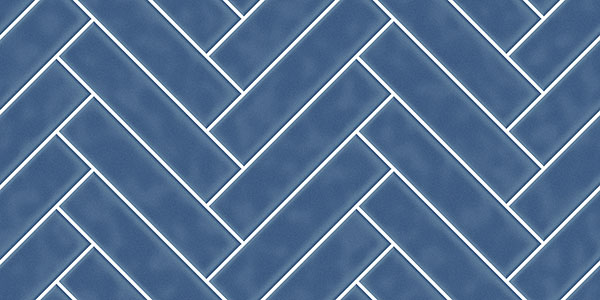
The backsplash is the strip of wall between the kitchen counter and the overhead cabinets. It is usually 18 to 24 inches tall, which works out to exactly one row of 300x450 tiles or a partial row of 300x600 tiles, depending on your cabinet height. Subway tile backsplash designs in Indian kitchens almost always use one of three laying patterns:
For a finish on a subway tile backsplash, gloss ceramic is the practical choice. The glazed surface wipes clean with a damp cloth, which matters in a backsplash position where oil mist and cooking splashes land every day. Sugar finish is a second option: it gives a soft glow rather than a sharp mirror reflection and is equally easy to clean.
Matte finish on a backsplash needs more frequent cleaning. Oil from cooking settles into the surface more visibly on matte than on gloss. If the kitchen has low oil cooking, matte works. For high-heat Indian cooking with oil and spices, a gloss or sugar finish is the better call.
Subway tiles in Indian kitchens are no longer just white. Black, green, grey, and marble-look ceramics are all now available from Indian manufacturers. Here is how each colour works in a kitchen setting:
| Colour | Best Kitchen Setting | Recommended Finish | Grout Colour Tip | Price Range (Rs./sq.ft) |
| White | Any kitchen works with all cabinet colours | Gloss or Sugar | White or light grey grout to reduce visual joins | Rs. 35 to Rs. 70 |
| Grey | White or wood-tone cabinets; medium-contrast kitchens | Gloss or Matte | Mid-grey grout that matches the tile shade | Rs. 40 to Rs. 80 |
| Matte Black | White cabinets; open kitchens with good natural light | Matte only | Dark grey or matching black grout for clean lines | Rs. 45 to Rs. 90 |
| Green | White or cream cabinets; kitchens with plants or natural finishes | Gloss or Matte | White grout to let the green read clearly | Rs. 45 to Rs. 85 |
| Marble Look | Designed kitchens; pairs with stone countertops | Gloss or Satin Matte (walls only) | White or warm grey to match the veining | Rs. 55 to Rs. 120 |
Note: Satin Matte finish is slippery when wet and must not be used on floors. For marble, look for subway tiles; satin matte is used on kitchen walls only.
White subway tile kitchen layouts are the most requested finish across all price points. A flat gloss white ceramic in 12x24, laid in a horizontal brick bond with 2mm white grout, is what most buyers picture when they ask for subway tiles. It is easy to source, easy to cut, and gives a result that holds up over the years without looking dated.
A white bevelled subway tile has a small angled cut on the face of each tile, typically 3 to 5mm wide. The bevel creates a visible shadow line between tiles, making each tile read more clearly on the wall. Flat white and bevelled white are both ceramic; the difference is only in the face profile. Bevelled tiles need slightly wider grout lines (3mm) to let the shadow effect show properly.
White subway tiles in gloss ceramic from Indian manufacturers run from Rs. 35 to Rs. 70 per sq ft. Bevelled edge options are slightly higher, typically Rs. 50 to Rs. 90 per sq. ft., because the edge profiling adds a production step.
Grey subway tiles kitchen layouts are the second most popular colour after white. A mid-grey gloss ceramic in 12x24 works particularly well in kitchens with white upper cabinets and wood-finish lower cabinets. The grey wall anchors the space without making it feel dark.
Light grey (near-white) and dark grey (near-charcoal) are both available from Indian ceramic manufacturers. For small kitchens, a light grey with white grout keeps the space feeling open. For larger kitchens or open-plan layouts, a darker grey with matching grout gives a more considered finish.
Grey subway tiles in ceramic run from Rs. 40 to Rs. 80 per sq.ft, depending on the depth of the grey shade and the brand.
Black subway tiles kitchen layouts have grown in use across India, mainly in new apartments with white or light wood cabinets. Matte black subway tiles are the more common request: the flat, non-reflective surface absorbs light and gives a clean contrast against white grouting and pale countertops.
Glossy black tiles are also available but less commonly used on backsplashes: every water splash and fingerprint shows up on a high-gloss black surface. For a kitchen that sees heavy daily use, matte black is the practical choice. Clean with a damp cloth and a diluted multipurpose cleaner; avoid abrasive scrubbers on matte finishes.
Matte black subway tiles in ceramic cost Rs. 45 to Rs. 90 per sq.ft. Grout colour matters a lot with black tiles: dark grey or anthracite grout keeps the grid lines subtle, while white grout makes the grid very visible and creates a graphic, high-contrast pattern.
Green subway tile kitchen layouts are a newer request, mostly from buyers building kitchens with a plant-based or natural material theme. Sage green (a grey-green) and forest green (a darker, richer green) are both available in ceramic subway tiles from Indian manufacturers.
Green tiles work best on the backsplash strip only, not on the full wall from floor to ceiling. A full wall of green tiles in a kitchen can make the space feel smaller and heavier. As a backsplash band of two to three tile rows, a green subway tile kitchen reads well against white cabinets and pale stone countertops.
Green ceramic subway tiles run from Rs. 45 to Rs. 85 per sq.ft. White grout is the most common choice with green tiles, as it keeps the colour clean and visible.
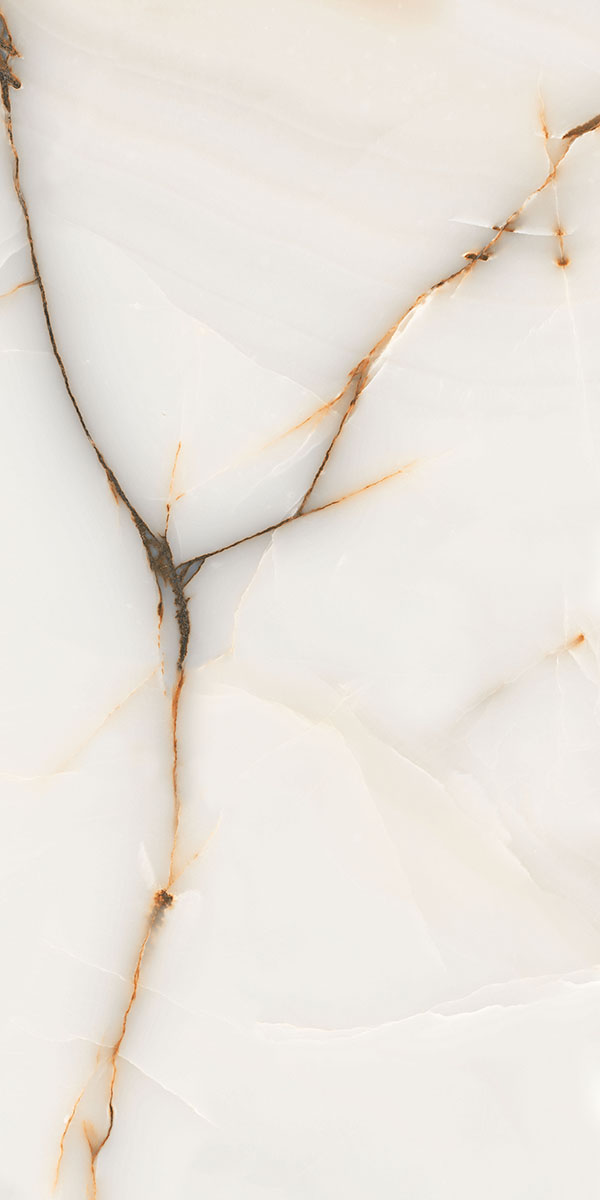
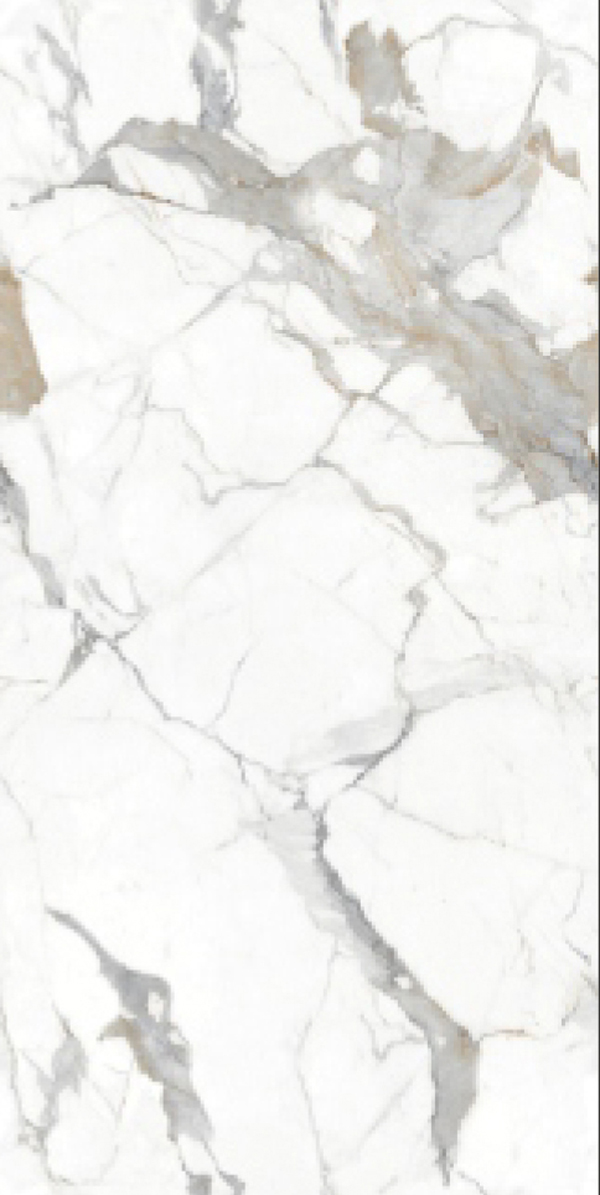
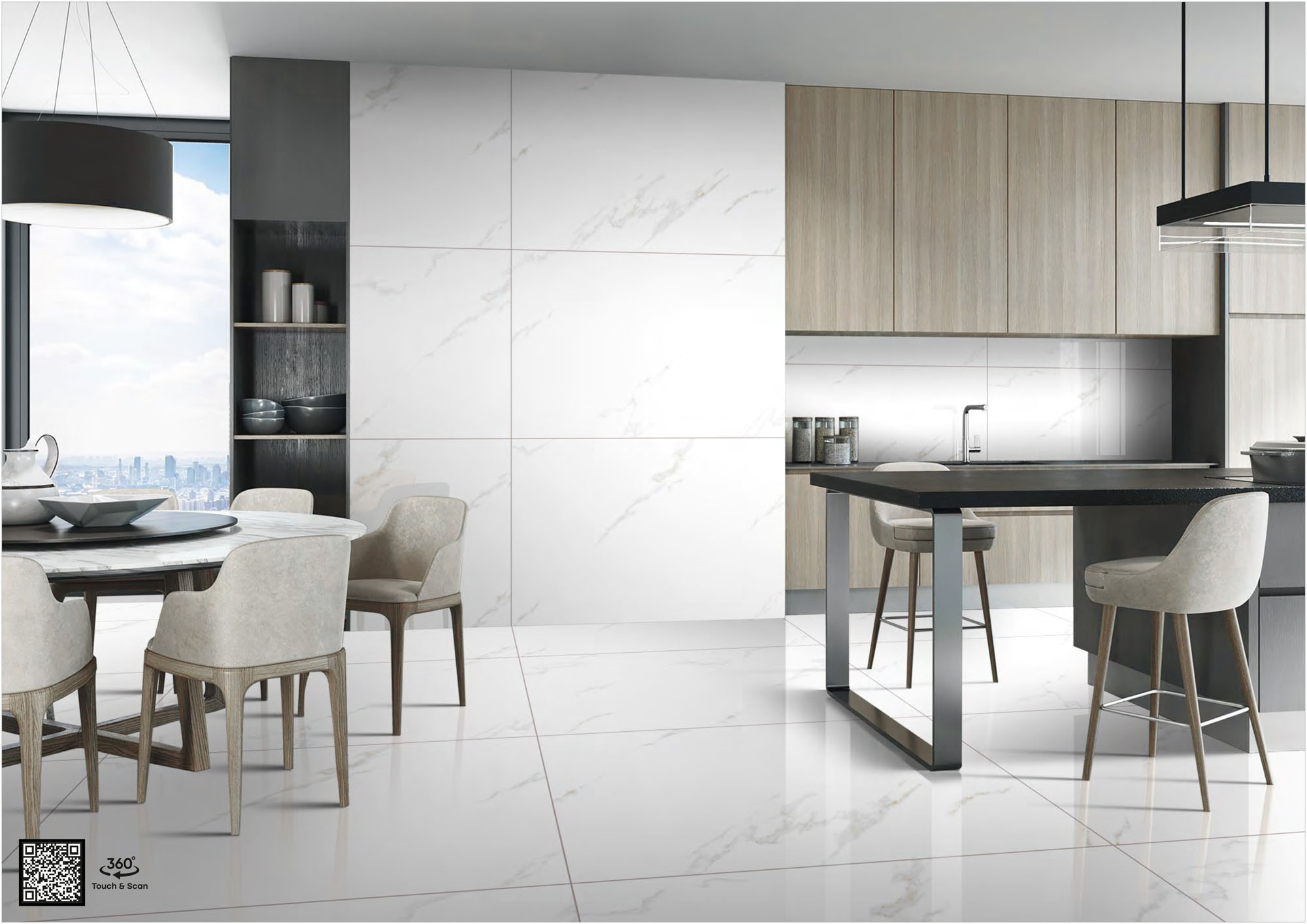
A marble subway tile backsplash gives the same veined look as natural marble without the maintenance problems. In the Indian market, there are two ways to get this look:
For a classic narrow subway format in marble, 12x24 ceramic is the right choice. For a large slab-like marble look on kitchen walls, GVT tiles in 2x4 with a polished glossy finish give a cleaner result with fewer grout lines. Both are wall applications.
A textured subway tile has a physical surface depth rather than a flat face. In the Indian tile system, this is done through the punch type:
Textured subway tiles need wider grout lines (3 to 4mm) because the surface depth makes tight joints harder to clean. They also take more adhesive than flat tiles due to the uneven back contact. Budget for 10 to 15% extra adhesive per sq.ft.
Note: High-depth punch tiles are for walls and elevation only. Never use them on kitchen floors. The raised surface is a trip and cleaning hazard on horizontal surfaces.
Textured ceramic subway tiles run from Rs. 50 to Rs. 110 per sq.ft, depending on the depth and the colour.
Here is a quick decision guide based on the most common buyer situations:
| Situation | Recommended Subway Tile | Size | Finish |
| Standard modular kitchen, tight budget | White gloss ceramic | 12x24 | Gloss |
| Heavy Indian cooking, oil-heavy kitchen | White or grey gloss ceramic | 12x24 | Gloss or Sugar |
| Open-plan kitchen, good lighting | Matte black or grey ceramic | 12x24 | Matte |
| Designed a kitchen with a stone countertop | Marble looks like ceramic or GVT | 12x24 or 2x4 | Gloss or Satin Matte (walls only) |
| Exposed brick/cafe kitchen look | White or terracotta high-depth punch ceramic | 12x18 or 12x24 | Plain / Texture |
| Green or natural theme kitchen | Sage or forest green ceramic | 12x18 or 12x24 | Gloss or Matte |
| Budget backsplash, rental kitchen | White gloss ceramic 12x18 | 12x18 | Gloss |
Buy 10% extra tiles to allow for cuts and breakage. For herringbone laying, add 15%. Always buy from the same batch number to keep colour consistent across the full wall.
Before placing an order, confirm two things: the punch type (flat, texture, or high depth) and the colour batch number. Ceramic subway tiles from verified manufacturers in Morbi, Rajkot, and Gujarat are listed on TilesFinders with both details visible on every product. Filter by colour, finish, size, and punch type. Prices run from Rs. 35 per sq.ft for standard white gloss to Rs. 120 per sq ft for marble look options.
No. Standard subway tile sizes in India (300x450 and 300x600) are wall-only tiles. They should not be laid on kitchen floors. For kitchen floors, use GVT or ceramic in a suitable floor size like 600x600 (2x2) with a matte or GHR finish.
Subway tile 4x8 is the US standard (roughly 100x200mm). Indian manufacturers do not produce this exact size. The closest equivalent is 300x600 (12x24 inches), which gives the same horizontal rectangular proportion. For most Indian kitchens, 12x24 ceramic gives the same look as a 4x8 subway tile.
Gloss ceramic subway tiles are among the easiest kitchen wall surfaces to clean. The glazed surface does not absorb oil or stains. A damp cloth removes most splashes. For dried-on grease, a diluted kitchen degreaser works well. Matte finish ceramic takes slightly more effort because oil settles into the matte texture more visibly. Textured or high-depth punch tiles take the most cleaning effort as grout lines are deeper.
For flat gloss subway tiles in a standard brick bond, a 2mm grout line is typical. Bevelled subway tiles look better with a 3mm joint to let the shadow line read clearly. Textured and high-depth punch tiles need 3 to 4mm grout lines to fill the depth variation at the tile edges. Use epoxy grout for backsplash areas above the counter, as it resists staining from oil and cooking acids better than cement grout.
White gloss ceramic subway tiles start from Rs. 35 per sq. ft. Coloured options (grey, black, green) range from Rs. 40 to Rs. 90 per sq ft. Marble-look ceramic in a subway format runs Rs. 55 to Rs. 120 per sq.ft. Textured or high-depth punch subway tiles cost Rs. 50 to Rs. 110 per sq.ft. Prices vary by brand and region. Always check if the price quoted is per sq. ft. or per piece.
No. The laying process is the same. The bevel is just an angled profile on the face of each tile. The tile back is flat, so it fixes the same way as a plain flat ceramic tile. The only difference is that you need a slightly wider grout joint (3mm rather than 2mm) to let the bevelled edge shadow show properly. Cutting is also the same.
Matte black is more forgiving than gloss black on a kitchen wall. The matte surface does not reflect light, so fingerprints and water marks are much less visible than on a polished or gloss black tile. Still, near the cooktop or sink area, regular wiping is needed. Matte black ceramic is a practical choice for Indian kitchens as long as you clean the surface weekly.
Yes. A common approach in Indian kitchens is to use green subway tiles on the backsplash strip (the two to three tile rows between counter and cabinets) and a white ceramic tile on the remaining wall area. This keeps the green as a visual accent without making the full wall heavy. Match the tile size across both colours so grout lines line up evenly.