

2x2 Double Charge Tiles: 600x600mm Floor Guide for Indian Homes
Loading designs...
-
 Matrix Azul
 -
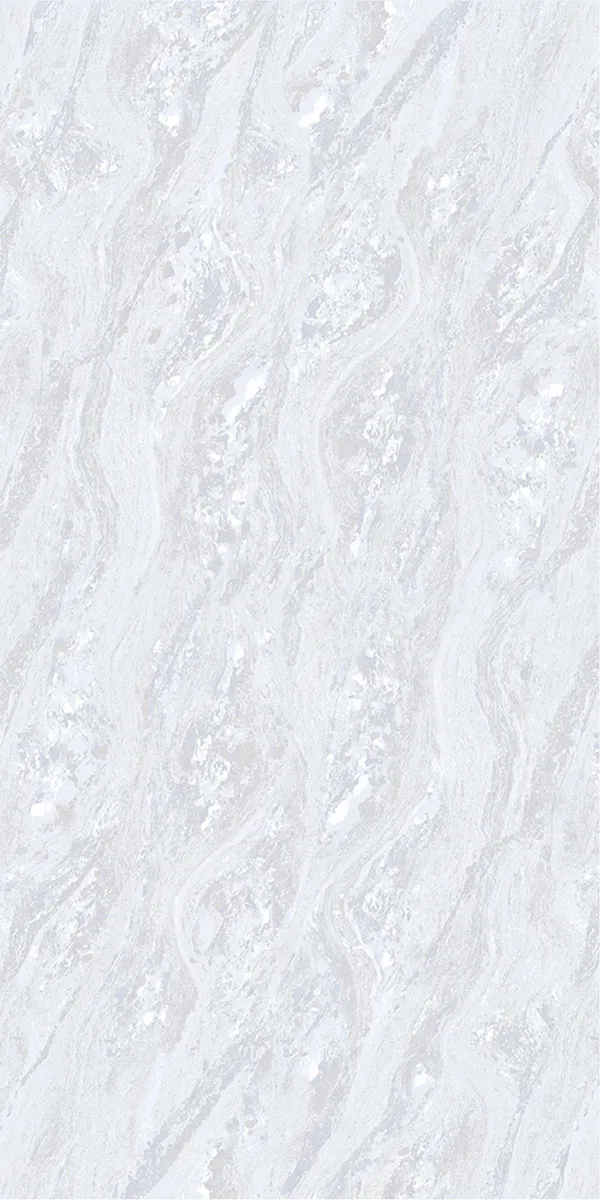 Matrix Gris
 -
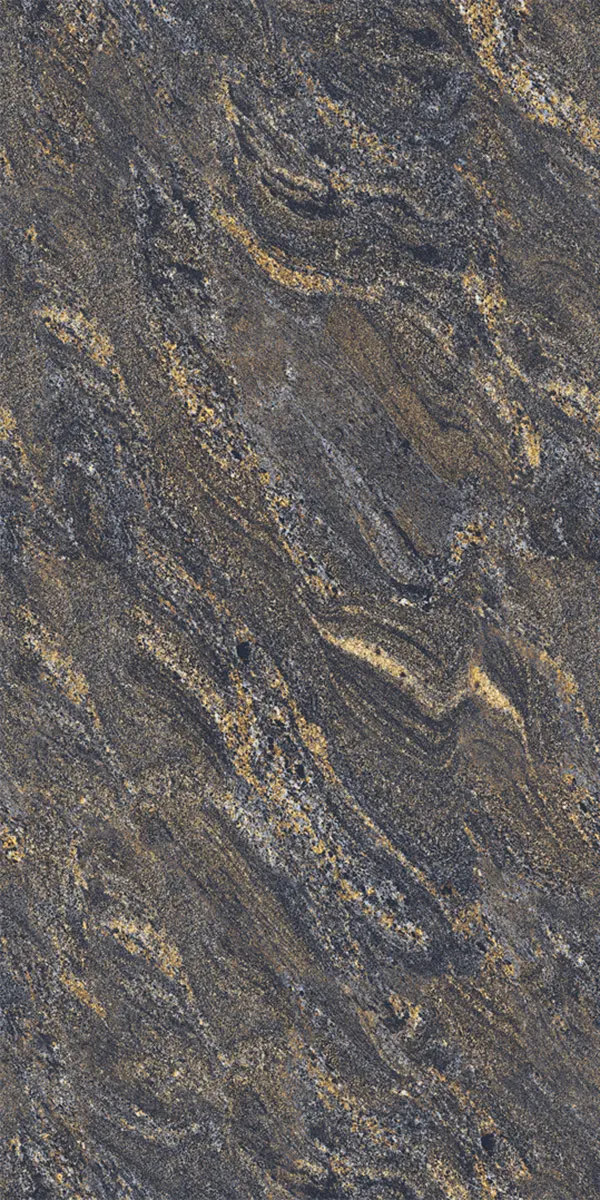 Tropical Azure
 -
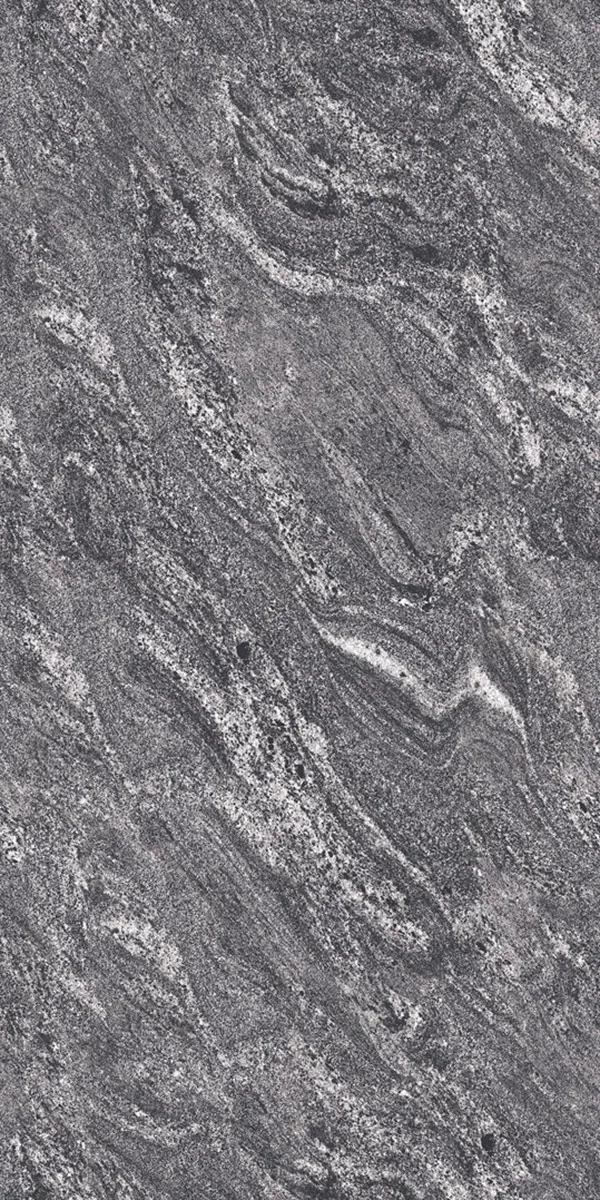 Tropical Black
 -
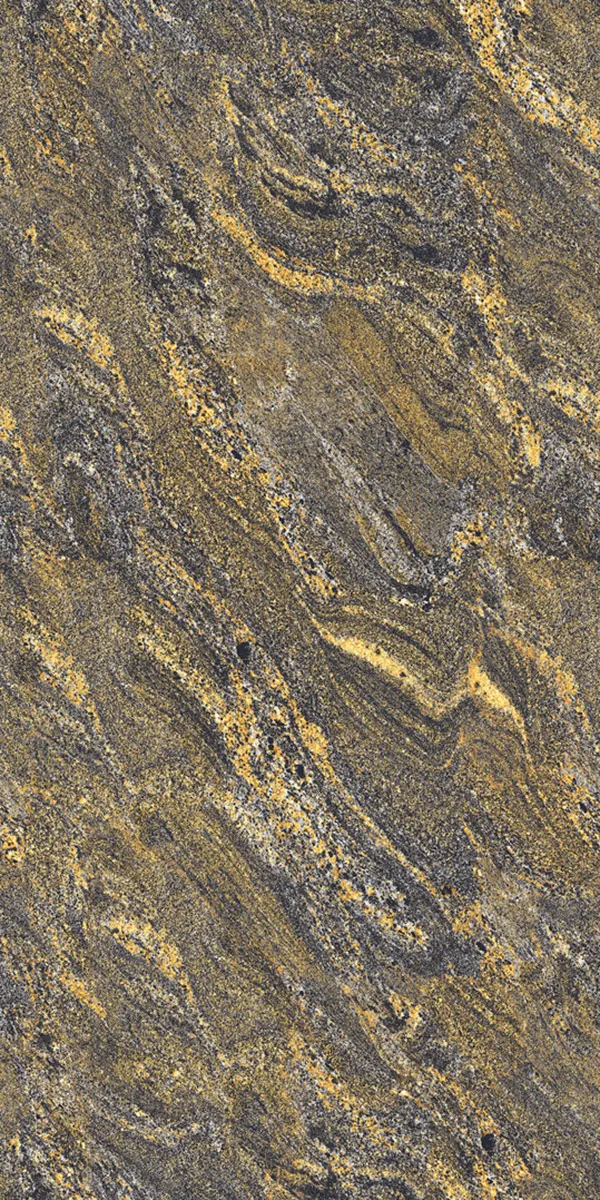 Tropical Brown
 -
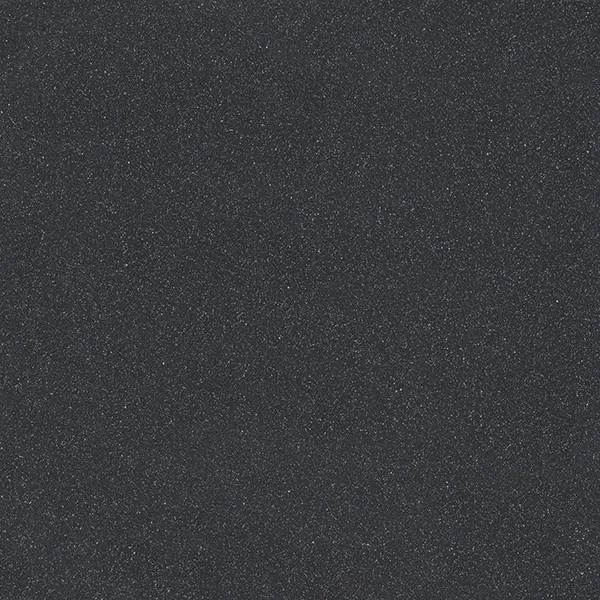 Charcoal-Black
 -
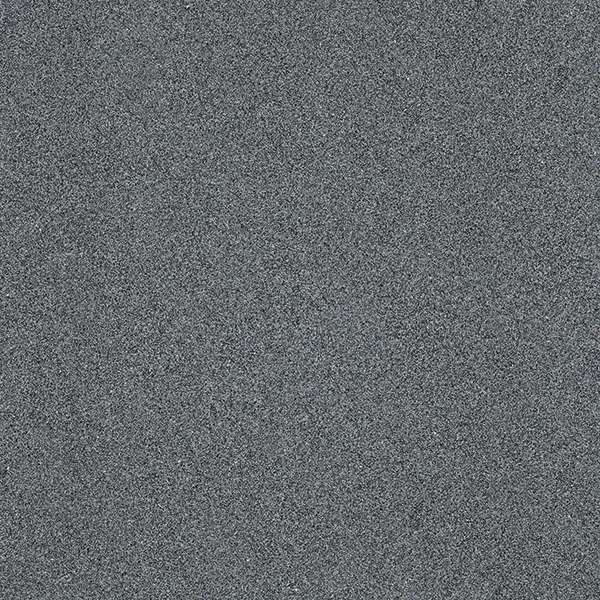 Stone-Mix
 -
 Rimy-White
 -
 Moon-white
 -
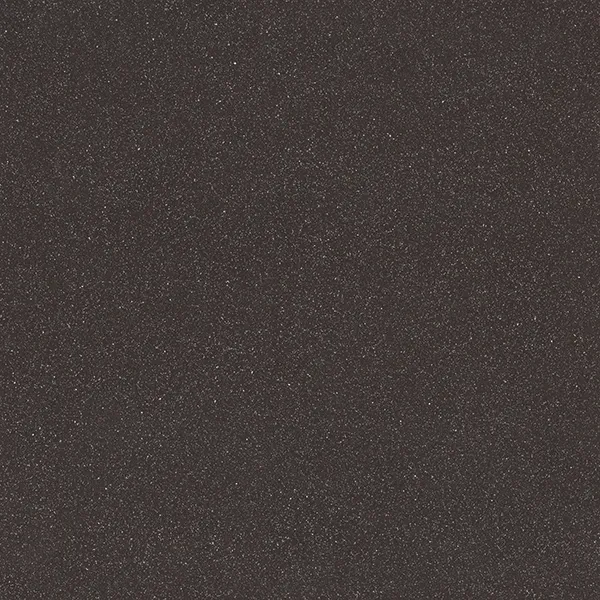 Copper-Dark
 -
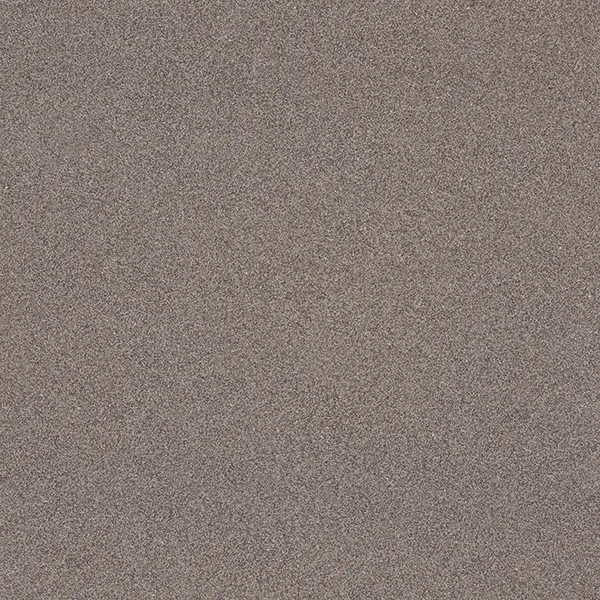 COCO-Mix
 -
 Brick-White
 -
 WHITE
WHITE -
 GOLD
GOLD -
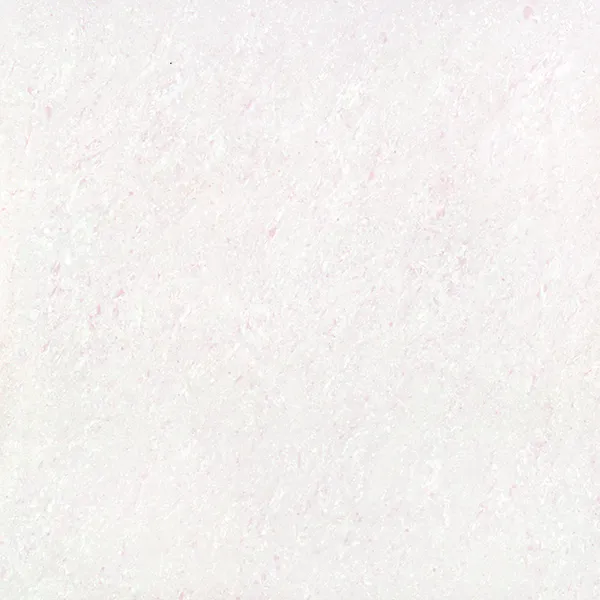 Rossa
Rossa -
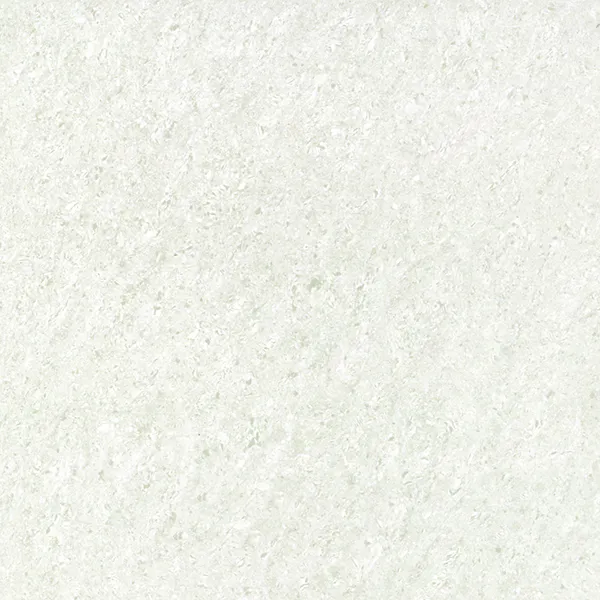 Creama
 -
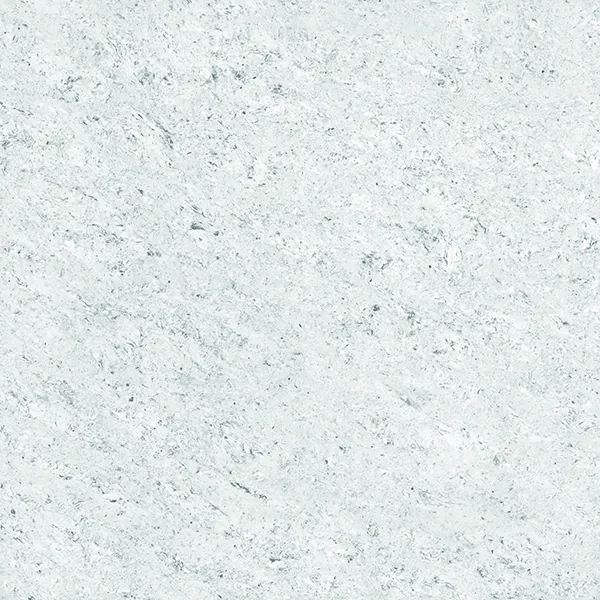 SMOKE
SMOKE -
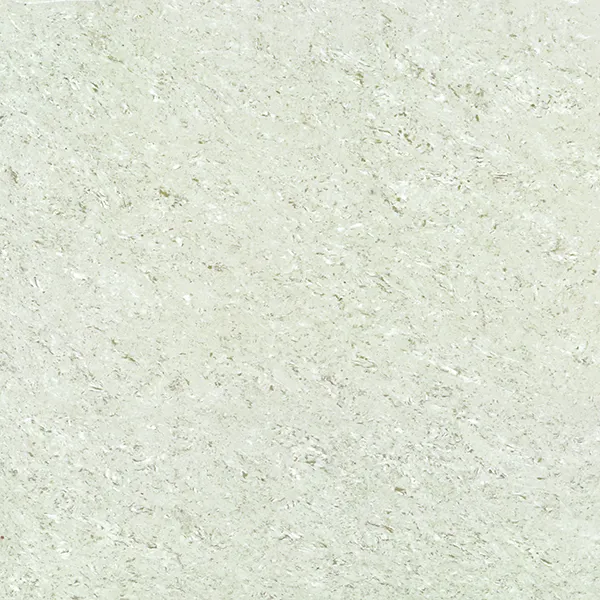 Sandy
Sandy -
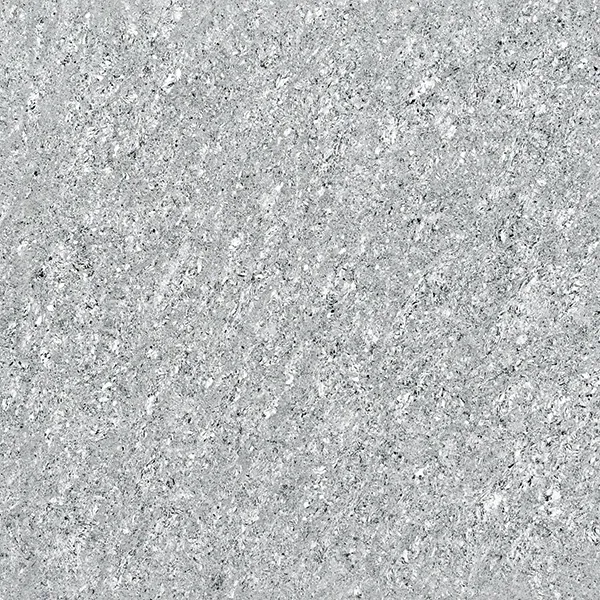 Ash
Ash -
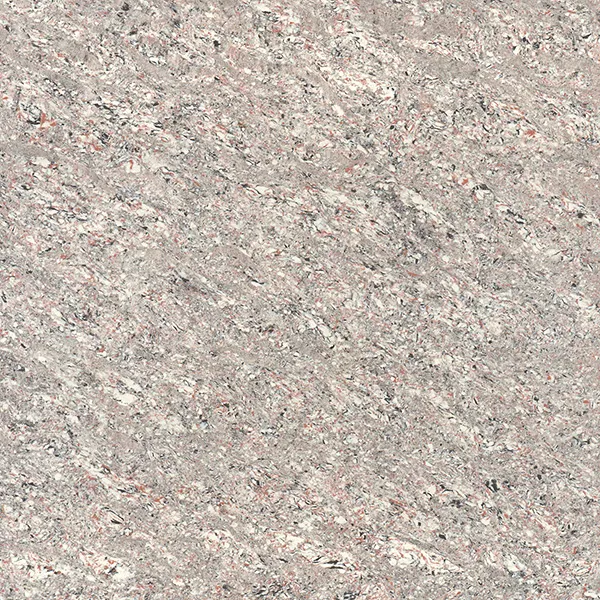 RED
RED
The 2x2 double charge tile is the 600x600mm format: 2 feet by 2 feet, the most produced and most installed size in the double charge category. Among all double charge tiles formats, 600x600mm is the dominant size for a combination of practical and aesthetic reasons that make it the default floor specification for Indian living rooms, bedrooms, dining rooms, and entrance foyers. This page covers the 600x600mm double charge tile in depth: why this size became the Indian standard, how many tiles a specific room needs, the laying pattern options, and the installation considerations specific to double charge tiles at this scale.
The 2x2 size fits Indian construction standards precisely. A standard Indian apartment room of 10 feet by 12 feet takes 5 tiles across the 10-foot width (5 x 600mm = 3000mm, approximately 9.84 feet, with a narrow cut at one edge) and 6 tiles along the 12-foot length (6 x 600mm = 3600mm, approximately 11.81 feet). This near-exact fit means minimal cutting waste, faster installation, and a floor with a clean tile grid that does not require complex cutting calculations at room edges.
Why 600x600mm Dominates Double Charge Production
The 600x600mm tile format became the Indian double charge standard through a combination of manufacturing efficiency, construction norms, and market preference that reinforced each other over two decades.
Manufacturing efficiency: Morbi double charge kilns and press machines are calibrated around the 600x600mm tile body size. The press capacity, kiln car dimensions, and packaging systems of most Morbi double charge manufacturers are optimised for this format. This makes 600x600mm the most competitively priced double charge size and gives buyers the widest design range at this format.
Construction module compatibility: Standard Indian rooms in 10x12, 12x15, and 15x18 foot dimensions all produce manageable cut pieces at room edges when tiled in 600x600mm, typically leaving edge cuts of 150mm to 300mm that are wide enough to read as intentional rather than as leftovers.
Visual scale: 600x600mm is large enough to create a contemporary, spacious floor with relatively few visible grout joints, but small enough to be proportionate in standard Indian apartments. An 800x800mm tile in a compact 10x10 foot room can look out of scale; a 600x600mm tile in the same room reads as correctly proportioned.
Tile Count for Standard Indian Rooms in 600x600mm
Planning a 2x2 double charge floor starts with a precise tile count. The following calculations use 600x600mm tiles with a 3mm grout joint. Add 10% to all quantities for cutting waste and future replacements.
| Room Size | Room Area (sq.ft) | Tiles Required | With 10% Wastage | Edge Cut Width (approx.) |
| 10 x 10 ft (3050 x 3050mm) | 100 sq.ft | 26 tiles | 29 tiles | 25mm on two sides |
| 10 x 12 ft (3050 x 3660mm) | 120 sq.ft | 31 tiles | 35 tiles | 25mm on length, 60mm on width |
| 12 x 12 ft (3660 x 3660mm) | 144 sq.ft | 37 tiles | 41 tiles | 60mm on two sides |
| 12 x 15 ft (3660 x 4570mm) | 180 sq.ft | 47 tiles | 52 tiles | 60mm on width, 145mm on length |
| 15 x 15 ft (4570 x 4570mm) | 225 sq.ft | 58 tiles | 64 tiles | 145mm on two sides |
| 15 x 18 ft (4570 x 5490mm) | 270 sq.ft | 70 tiles | 77 tiles | 145mm on width, 285mm on length |
| 18 x 20 ft (5490 x 6100mm) | 360 sq.ft | 93 tiles | 103 tiles | 285mm on width, 100mm on length |
Important: Always order tiles from the same production batch. Double charge tile colour and pattern can vary slightly between batches. Order the full quantity including wastage in a single batch and keep 5 to 10 spare tiles for future repairs.
Laying Patterns for 2x2 Double Charge Tiles
Straight Lay
Each tile placed with its edges parallel to the room walls, creating a square grid across the floor. Straight lay is the most common laying pattern for 600x600mm double charge tiles, giving the floor a clean, contemporary quality. Grout lines run in straight horizontal and vertical lines across the full floor area. This is the most material-efficient pattern with the lowest cutting waste and the fastest installation. Recommended for most Indian residential applications.
Diagonal Lay
Each tile rotated 45 degrees relative to the room walls, creating a diamond grid across the floor. Diagonal lay gives a 600x600mm floor a more dynamic, traditional Indian quality: the diamond orientation gives narrow rooms (corridors, long living rooms) a widening visual effect and gives entrance foyers and dining rooms a composed, decorative floor character. Diagonal lay adds 15% to 20% to tile quantity due to the triangular edge cuts at the room perimeter. Installation is slower and more labour-intensive than straight lay. Price addition for diagonal lay: Rs. 8 to Rs. 15 per sq.ft above standard straight lay labour.
Offset or Brick Bond
Each row offset by 300mm (half a tile width) from the row above, creating a running bond pattern where vertical joints never align. Offset lay gives the floor a more casual, contemporary quality and is used in living rooms and dining rooms where a slightly less formal floor character suits the design intention. Offset lay has the same material requirement as straight lay with no additional wastage.
Pattern Repeat and Design Reading at 600x600mm
The double charge surface design is pressed through a mechanical roller calibrated to the 600x600mm tile size. Each tile carries one full repeat of the surface design. Across a 15x18 foot living room floor, the pattern repeat creates approximately 70 full pattern repeats visible across the floor area.
The visual effect of this repeat depends on the pattern type. Geometric patterns with radial symmetry, the most common double charge design direction, create a floor with a repeating symmetrical motif that gives the room a composed, traditional quality. Gradient or two-tone designs create a more subtle tonal floor where the pattern reads as a texture. Large floral or foliate patterns that fill the full tile face create a floor with a strong decorative character suited to traditional Indian interiors.
2x2 vs 800x800mm Double Charge Tiles
The choice between 600x600mm and 800x800mm double charge tiles is primarily a question of room size and the visual scale of the floor.
| Factor | 600x600mm (2x2) | 800x800mm |
| Best room size | Standard Indian rooms: 100 to 300 sq.ft | Larger rooms above 300 sq.ft, hotel lobbies, commercial spaces |
| Grout joints (15x15ft room) | Approximately 48 joints | Approximately 27 joints |
| Visual character | Composed, proportionate grid for standard Indian rooms | Fewer, bolder joints; more seamless floor quality at larger scale |
| Cutting in standard rooms | Near-exact fit; minimal cuts | More complex cuts in standard Indian room dimensions |
| Tile weight | 10 to 14 kg per tile; manageable solo | 18 to 25 kg per tile; two-person handling recommended |
| Price (retail) | Rs. 32 to Rs. 88 per sq.ft | Rs. 45 to Rs. 95 per sq.ft |
| Installation cost | Rs. 30 to Rs. 50 per sq.ft | Rs. 40 to Rs. 65 per sq.ft |
Installation Precision for 2x2 Double Charge Tiles
Double charge tiles at 600x600mm have a high-gloss surface that amplifies any unevenness in the tile plane. A height difference of 1mm between adjacent tiles (lippage) that is barely noticeable on a matte tile creates a visible step on a high-gloss surface when viewed from a low angle in raking light.
Substrate preparation: The floor screed must be flat to within 3mm over any 3-metre span. Check with a 3-metre straightedge and mark any high or low spots. Grind down high spots and fill low spots with a self-levelling compound before tiling.
Lippage control: Use tile lippage control clips and wedges during installation. On a high-gloss double charge floor, the lippage standard should be 0.5mm maximum rather than the 2mm acceptable for matte tiles. Lippage clips are mandatory for large-area double charge floor installations.
Adhesive bed: Use a polymer-modified C2 tile adhesive applied with a large-notched trowel. Back-butter each tile. Any air void beneath a tile creates a hollow spot that rings when walked on and can crack under impact. 100% adhesive coverage is essential.
Expansion joints: Expansion joints at every 4 to 5 metres in both directions and at all wall junctions, filled with silicone sealant in a matching colour.
Grout Specification for 2x2 Double Charge Tiles
The grout joint on a double charge floor is visible against the high-gloss tile surface. Grout selection requires attention to joint width, type, and colour.
Joint width: 2mm to 3mm is standard for 600x600mm double charge tiles. At 2mm, the joint reads as a thin, precise line giving the floor a contemporary quality. At 5mm or wider, the joint reads as a decorative border element.
Grout type: Epoxy grout is strongly recommended. Cement grout at the joints absorbs floor cleaning products over time, leading to discolouration and staining. Epoxy grout is non-porous and maintains its colour permanently.
Grout colour: Matching or near-matching the tile background colour gives the floor the most continuous appearance. White or light cream epoxy grout on a white or cream double charge tile makes the joints nearly invisible from standing height.
2x2 Double Charge Tiles in Indian Room Applications
Living Room and Hall
A 600x600mm double charge floor in an Indian living room or hall gives the space its characteristic bright, reflective quality. The high-gloss surface reflects ceiling lighting and natural light from windows, making the space feel larger and more luminous. In a standard 15x18 foot living room, 600x600mm double charge in white or cream gives the floor a seamless, bright quality that reads as premium from the room entrance. The GVT tiles range offers marble-look and stone-look designs in the same polished floor quality for buyers who want photorealistic surface designs that double charge pressing cannot produce.
Foyer and Entrance
A 600x600mm double charge floor in an entrance foyer tiles zone gives the home an immediate quality signal at the front door. The high-gloss surface reflects entrance lighting and gives the foyer a bright, welcoming quality. A design double charge tile with a bold geometric or floral pattern in the foyer creates a decorative floor that sets the character of the home from the entrance. Diagonal lay in the foyer with straight lay in the adjacent living room is a classic Indian residential detail: the diagonal orientation marks the transition zone and gives the entrance a composed, traditional quality.
Kitchen
600x600mm double charge tiles are used for kitchen tiles. dry floor zones away from the sink and cooking range. The high-gloss surface is easy to clean of food spills and cooking residue. At the sink zone and around the cooking range where water splash occurs, an anti-skid matte GVT tile is the safer specification. A matte or anti-skid GVT at the sink zone with double charge in the general kitchen floor area balances the desired floor quality with wet-zone safety.
Bathroom
Standard double charge tiles must not be used on bathroom tiles or wet floors. The high-gloss surface does not provide adequate traction in wet conditions. For bathroom floors, anti-skid matte GVT with the appropriate water absorption and traction rating is the correct specification. Double charge tiles are appropriate only for dry bathroom ante-room areas outside the wet zone.
2x2 Double Charge Tile Pricing from Morbi
| Double Charge Direction | Finish | Retail Price (Rs./sq.ft) | Installation Cost (Rs./sq.ft) | Total Installed (approx.) |
| White or off-white plain | High-gloss | Rs. 32 to Rs. 65 | Rs. 30 to Rs. 50 | Rs. 62 to Rs. 115 |
| White or cream design pattern | High-gloss | Rs. 35 to Rs. 72 | Rs. 30 to Rs. 50 | Rs. 65 to Rs. 122 |
| Grey or beige design | High-gloss | Rs. 38 to Rs. 78 | Rs. 30 to Rs. 50 | Rs. 68 to Rs. 128 |
| Black or dark charcoal | High-gloss | Rs. 35 to Rs. 78 | Rs. 30 to Rs. 50 | Rs. 65 to Rs. 128 |
| Marble-look press pattern | High-gloss | Rs. 40 to Rs. 88 | Rs. 30 to Rs. 50 | Rs. 70 to Rs. 138 |
| Wood-look press pattern | High-gloss | Rs. 38 to Rs. 82 | Rs. 30 to Rs. 50 | Rs. 68 to Rs. 132 |
| Digital double charge | High-gloss or Honed | Rs. 55 to Rs. 110 | Rs. 35 to Rs. 55 | Rs. 90 to Rs. 165 |
| Diagonal lay (any direction) | High-gloss | Add 15 to 20% to tile cost | Add Rs. 8 to Rs. 15 per sq.ft | Additional vs straight lay |
Choose Your 2x2 Double Charge Tile
2x2 double charge tile selection starts with the colour and design direction (white and cream for maximum brightness, grey and beige for contemporary neutrality, black for drama, bold press patterns for traditional Indian residential character), then the laying pattern (straight for standard contemporary floors, diagonal for traditional character or transition zones, offset for casual contemporary), and finally the grout colour that defines how the tile grid reads from standing height. Browse 600x600mm double charge tiles on TilesFinders across all colours and design directions from Morbi manufacturers.
FAQs
2x2 refers to 2 feet by 2 feet, which equals 600x600mm. The 600x600mm double charge tile is the most produced and most installed double charge size in the Indian market. It is a floor tile manufactured by pressing two layers of pigment into the tile body before firing, giving the surface pattern a depth of 3 to 4mm into the tile body and a high-gloss finish as standard.
A 12x15 foot room requires approximately 47 tiles in 600x600mm straight lay, plus 10% wastage (5 tiles) for a total order of 52 tiles. Always order from the same production batch and keep 5 spare tiles for future repairs. For diagonal lay in the same room, add 15% to 20% to the tile quantity for the angled edge cuts, bringing the total to approximately 55 to 57 tiles.
600x600mm double charge tiles suit Indian residential rooms of 100 to 300 square feet. They fit near-exactly with standard Indian room dimensions, weigh 10 to 14 kg per tile, and are available from Rs. 32 to Rs. 88 per sq.ft. 800x800mm suits larger rooms above 300 square feet and gives fewer, bolder grout joints at a higher price. 600x600mm is the correct format for most Indian apartment and house floors.
Standard 600x600mm double charge tiles must not be used on bathroom wet floors. The high-gloss surface does not provide adequate traction in wet conditions. Anti-skid matte GVT is the correct bathroom wet floor specification. Double charge tiles can be used in dry bathroom areas outside the wet zone.
Straight lay is the standard and most efficient pattern for 600x600mm double charge tiles, suitable for most Indian residential floors. Diagonal lay gives a more traditional, decorative character and is effective in entrance foyers and dining rooms. Offset or brick bond gives a contemporary casual quality. Diagonal lay adds 15% to 20% to tile quantity and Rs. 8 to Rs. 15 per sq.ft to installation cost.
Epoxy grout in a colour matching the tile background at 2mm to 3mm joint width is the recommended specification. Cement grout absorbs floor cleaning products and discolours over time on a high-gloss double charge floor. Epoxy grout maintains its colour permanently and cleans as easily as the tile surface itself. White or light cream epoxy grout on a light double charge tile makes the joints nearly invisible from standing height.